Dylan Ryan

5.9K posts

Dylan Ryan banner
Dylan Ryan

Dylan Ryan

@RyanLab_TCD

Assistant Professor in Trinity College Dublin. A mitochondria and immunometabolism enthusiast. https://t.co/GuKhxS5eAe

Dublin City, Ireland Katılım Ağustos 2021
849 Takip Edilen2.6K Takipçiler
Sabitlenmiş Tweet
Dylan Ryan
Dylan Ryan@RyanLab_TCD·
Very excited to announce that the first paper from the lab is now live @NatureComms #mitochondria #immunometabolism This work was led by postdoc @EloiseMLMrqs with many important contributions from all of our co-authors. New insights since the preprint (summarised below): 1) Biphasic IFN-I expression 2) Late phase IFN-I is mediated by mitochondrial nucleic acid signalling incl. cGAS-STING pathway 3) Reduced IL-1 and COX2 is mediated in part by autocrine IFN-I 4) Systemic IFN-I signalling in different tissues, notably the kidney, in vivo Please check it out! nature.com/articles/s4146…
English
5
23
100
7K
Dylan Ryan retweetledi
Immunity
Immunity@ImmunityCP·
Online now: Flavin adenine dinucleotide is an endogenous suppressor for cytosolic DNA and RNA sensors to modulate innate immunity dlvr.it/TTWKwp
English
0
12
27
3.4K
Dylan Ryan retweetledi
Daniel Tawfik
Daniel Tawfik@dantawfik·
Belgian Blue cattle have a natural myostatin mutation that gives them twice the muscle mass of normal cows. Scientists have spent decades trying to replicate that effect in humans with drugs that block myostatin. Every trial failed. A Nature Medicine trial just validated the first successful myostatin inhibitor in humans by figuring out what two decades of failed research missed: selectivity and timing. Myostatin is a protein that triggers muscle breakdown. Block it, and muscles grow larger. Animal studies showed massive muscle gains. But human trials kept failing. The problem wasn't that myostatin inhibition doesn't work. It was that early drugs blocked too many proteins at once. Myostatin belongs to a family of growth factors called the TGFβ superfamily. These proteins regulate everything from muscle growth to glucose metabolism to bone remodeling. Early myostatin inhibitors weren't selective. They blocked myostatin plus several related proteins. Bimagrumab is the clearest example. It binds to activin type II receptors, which myostatin uses to signal muscle breakdown. But those same receptors also control insulin sensitivity and glucose metabolism. When bimagrumab blocked the receptors, it increased lean mass but also raised HbA1c and caused insulin resistance. The second failure was testing these drugs in the wrong populations. Myostatin inhibition only works when muscle is under catabolic stress. If your body isn't actively breaking down muscle, blocking myostatin doesn't produce dramatic changes. Early trials recruited healthy adults, athletes, and elderly populations with normal muscle turnover. Myostatin levels were already low. There was no active degradation signal to block. The intervention had nothing to work against. Apitegromab was designed to fix both failures. Instead of binding to activin receptors like Bimagrumab, apitegromab targets myostatin directly. Specifically, it binds to the precursor forms of myostatin, pro-myostatin and latent myostatin, before they activate. This approach prevents myostatin from ever reaching the receptor. It doesn't touch activin receptors. It doesn't interfere with related growth factors. It's selective for myostatin and nothing else. The EMBRAZE trial tested it in 102 adults with obesity taking tirzepatide for weight loss. Half received apitegromab for 24 weeks, half got placebo. GLP-1 drugs and most dietary interventions produce significant weight loss by virtue of caloric restriction, but 25 to 40% of that loss comes from lean mass. The muscle is actively breaking down. Myostatin signaling is elevated. This created the exact catabolic environment where myostatin inhibition should work. Key results: • Apitegromab group lost 1.6 kg of lean mass • Placebo group lost 3.5 kg of lean mass • 54.9% preservation of muscle relative to placebo • Total weight loss nearly identical between groups (11.2 kg vs 12.5 kg) The composition of weight loss shifted dramatically: • With apitegromab: 85.3% fat, 14.6% muscle • With placebo: 69.5% fat, 30.2% muscle Target engagement was directly measurable. When apitegromab binds to latent myostatin, it prevents the protein from activating but doesn't clear it from circulation. Blood levels of latent myostatin increased by 2.5-fold and remained elevated throughout the 24-week treatment period. This is pharmacodynamic proof that the drug was binding its target consistently. The elevated latent myostatin represents neutralized protein, myostatin that's been captured before it could signal muscle breakdown. Safety was the critical validation after earlier drugs caused metabolic dysfunction. Adverse events occurred at similar rates between groups: 79.2% in apitegromab versus 74.5% in placebo. Most were gastrointestinal symptoms from tirzepatide, nausea and diarrhea, not the drug being tested. No blood sugar elevations. No insulin resistance. No changes in HbA1c. The metabolic side effects that plagued Bimagrumab didn't appear with selective myostatin targeting. The durability test came after treatment stopped. Both drugs were discontinued at week 24. Eight weeks later, at week 32, participants returned for follow-up measurements. The apitegromab group maintained 0.9 kg more lean mass than placebo even after two months off drug. This wasn't just temporary water retention or transient protein synthesis. The preserved muscle tissue persisted after the pharmacological signal was gone. GLP-1 drugs like tirzepatide typically cause 25 to 40% of weight loss to come from muscle due to the decrease in caloric intake. That muscle loss slows metabolism, reduces insulin sensitivity, and increases weight regain risk. If selective myostatin inhibition can cut muscle loss in half without side effects, the question becomes whether these drugs should be combined from the start of treatment. This is a very early signal. It is something I am very interested in following as more data emerges. Cancer cachexia, sarcopenia, and prolonged caloric restriction all produce the same catabolic stress. The mechanism also matters for longevity. Myostatin inhibition preserves muscle by blocking breakdown pathways, not by activating mTOR. This is muscle preservation through reduced catabolism, not accelerated anabolism. If selective myostatin inhibition preserves muscle during any period of active breakdown, the intervention window becomes far larger than obesity treatment alone.
Daniel Tawfik tweet media
English
6
6
38
6.5K
Dylan Ryan retweetledi
Immunity
Immunity@ImmunityCP·
Online now: MEK-dependent bioenergetic demand drives terminal CD8+ T cell exhaustion dlvr.it/TTWYRh
English
0
2
17
6.1K
Dylan Ryan retweetledi
Pedro Escoll
Pedro Escoll@pedro_escoll·
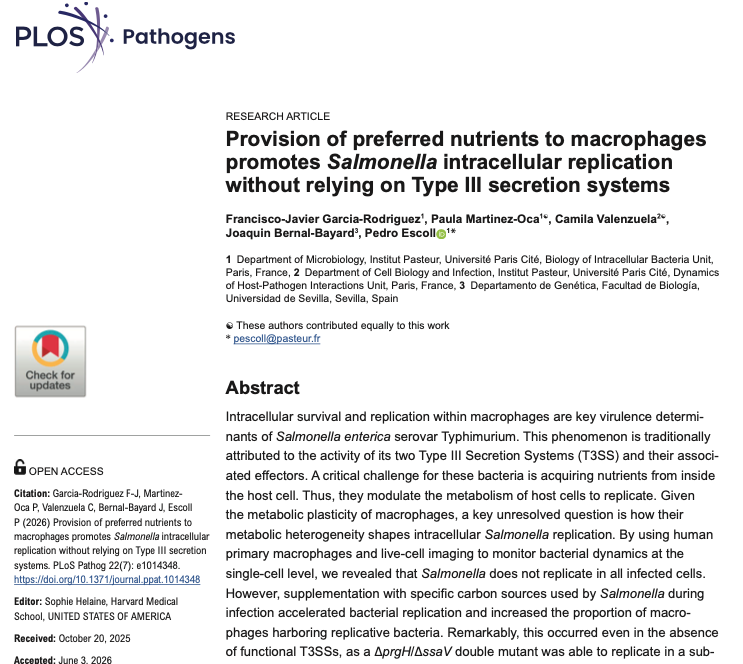
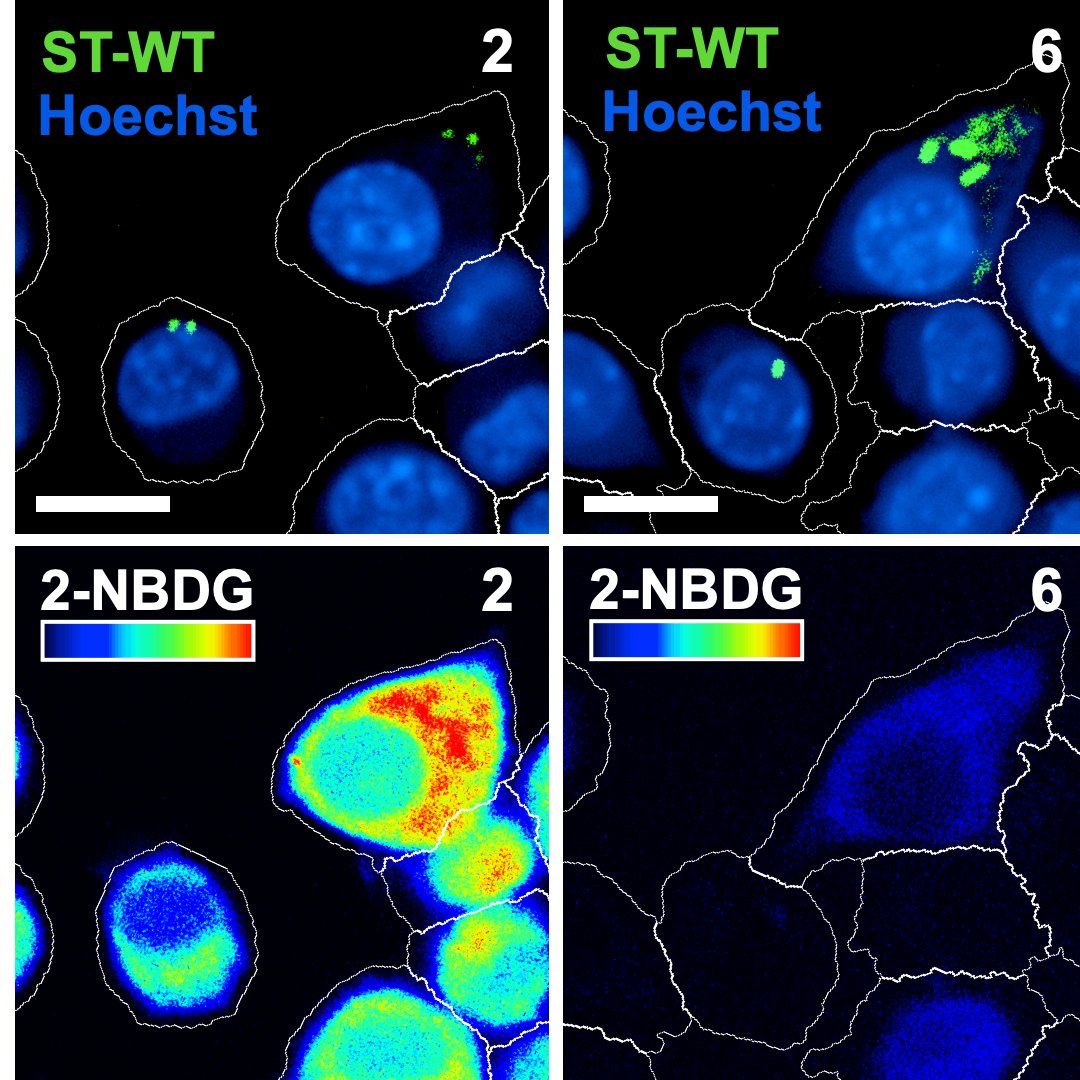
New paper from the team in @PLOSPathogens: providing macrophages with preferred nutrients lets Salmonella replicate even without its Type III Secretion Systems (T3SS). Work by Francisco Garcia-Rodriguez & Paula Martinez-Oca, with @Kamo_Valenzuela & @JuakiBernal 🧵1/9
Pedro Escoll tweet mediaPedro Escoll tweet media
English
2
3
9
452
Dylan Ryan retweetledi
Cell Metabolism
Cell Metabolism@Cell_Metabolism·
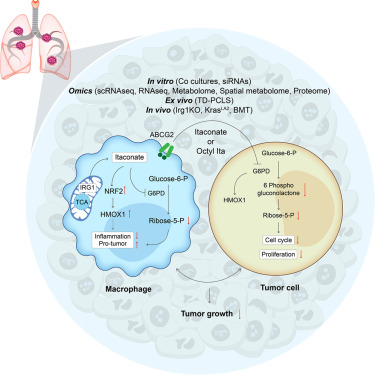
IRG1/itaconate rewires macrophage and lung tumor metabolism through G6PD inhibition dlvr.it/TTSJFT
Cell Metabolism tweet media
English
2
22
56
6.2K
Dylan Ryan
Dylan Ryan@RyanLab_TCD·
📢Last weeks #immunometabolism discoveries @Bims_BiomedNews @mitoworld_org ⬇️⬇️⬇️ biomed.news/bims-imicid/20… Interesting findings: I) Yeast β-glucan supplementation supports immunometabolic anti-tumor responses and reverses obesity-induced dysfunction via trained hematopoiesis. II) Targeting macrophage ferritin heavy chain mitigates ferroptosis and lung injury in experimental acute respiratory distress syndrome.
Dylan Ryan tweet media
English
0
7
15
1.1K
Dylan Ryan
Dylan Ryan@RyanLab_TCD·
It was a pleasure to contribute to TrendsTalk! Mitochondria across the globe: diverse voices, shared energy: Trends in Endocrinology & Metabolism cell.com/trends/endocri…
English
0
2
9
634
Dylan Ryan retweetledi
Molecular Cell
Molecular Cell@MolecularCell·
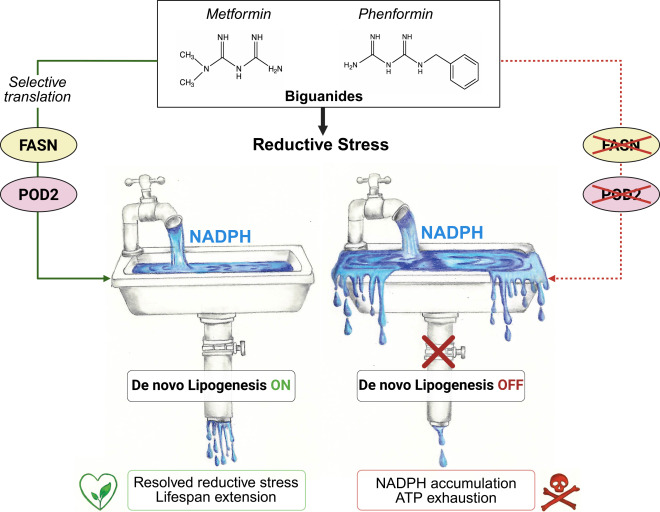
An NADPH safety valve: De novo lipogenesis buffers biguanide-induced reductive stress dlvr.it/TTKgFz
Molecular Cell tweet media
English
0
15
63
5.7K
Dylan Ryan retweetledi
Cell Reports
Cell Reports@CellReports·
Lipid droplet-mitochondria tethering releases MAVS inhibition to potentiate antiviral immunity dlvr.it/TTK7WC
English
0
12
31
3.3K
Dylan Ryan retweetledi
Toni Choueiri, MD
Toni Choueiri, MD@DrChoueiri·
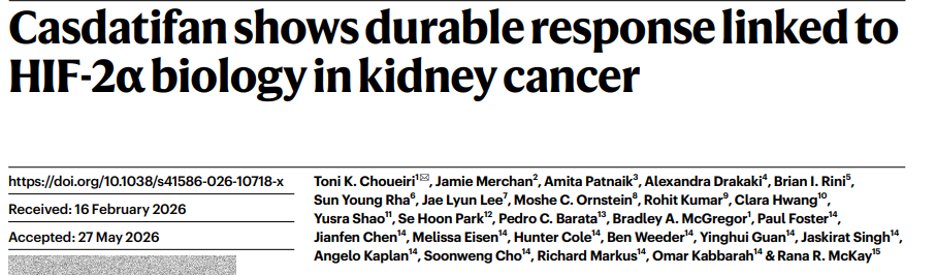
1/ Results from #ARC20 trial are out in @Nature! This trial evaluated the HIF-2α inhibitor Casdatifan in heavily pretreated advanced ccRCC and provides important insights into HIF-2α biology and response. This is the 2nd HIF2 inhibitor with enough activity to move to a pivotal study after Belzutifan, cementing the 2019 @nobelprize story with @kaelinlab et al Check it out: nature.com/articles/s4158…
Toni Choueiri, MD tweet media
English
10
63
163
13.6K
Dylan Ryan
Dylan Ryan@RyanLab_TCD·
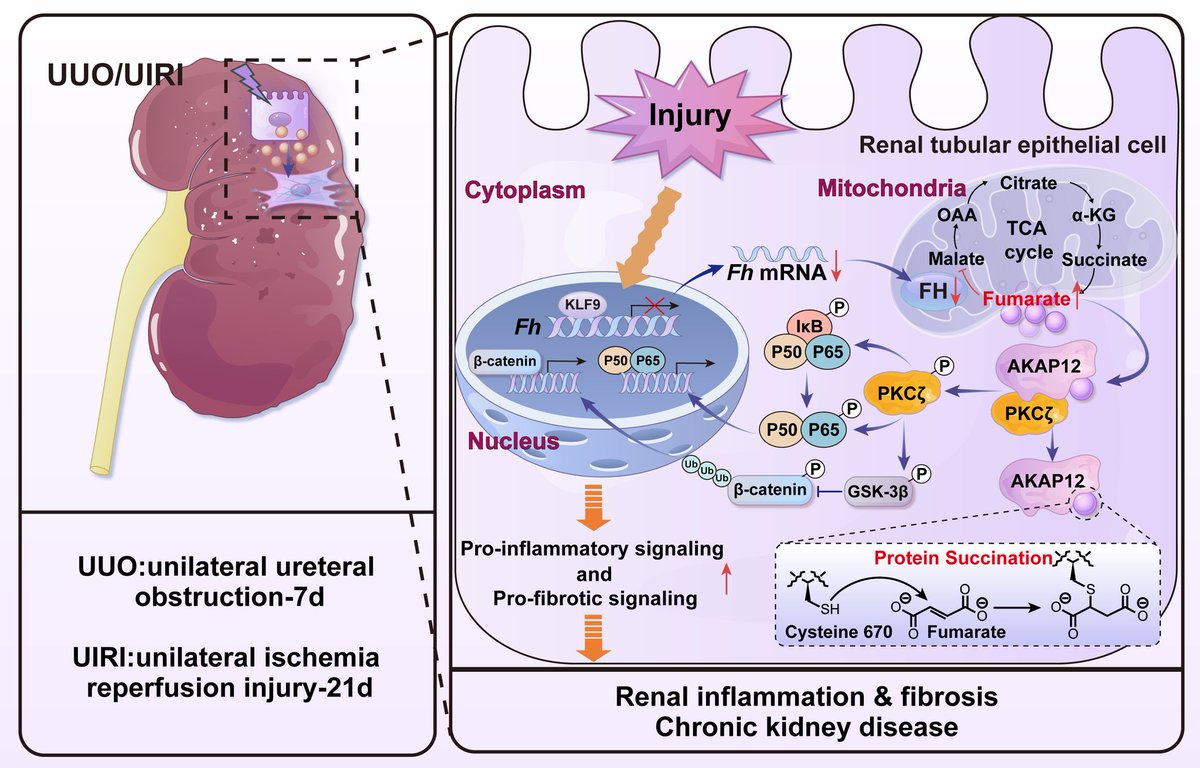
Fumarate-induced succination of A-kinase anchor protein 12 exacerbates renal inflammation and fibrosis jci.org/articles/view/…
Dylan Ryan tweet media
English
0
5
16
1.3K
Dylan Ryan
Dylan Ryan@RyanLab_TCD·
I was delighted to attend the My Mito Mission Community Day last week, a powerful reminder of the extraordinary patients, families, advocates and researchers working together to improve the lives of those affected by #mitochondrial disease. Mitochondrial disease can be profoundly debilitating, disrupting the cellular energy production on which every organ depends. Yet public awareness remains far too limited, despite the central role mitochondria play across human health and disease. To support My Mito Mission, Stephen Burr and I are taking on an 127 km ultramarathon across the Wicklow mountains on the 24th of July to raise funds and awareness for mitochondrial disease research. It is a fitting challenge as every mile depends on healthy mitochondria generating the energy to keep us moving forward, while for many people with mito, everyday activities can require enormous effort. Please consider supporting the campaign. Every donation helps strengthen awareness, research and hope for better treatments. justgiving.com/page/dylan-ste…
English
0
0
0
191
Dylan Ryan retweetledi
Arc Institute
Arc Institute@arcinstitute·
Science Fellow @zhou_jingtian and colleagues traced stress-driven glioma growth in mice to a bone marrow-derived macrophage that infiltrates the brain tumor and acts on the immune environment rather than the tumor cells.
Arc Institute tweet media
English
2
21
90
12.2K
Dylan Ryan retweetledi
Nature Metabolism
Nature Metabolism@NatMetabolism·
Host metabolism can produce many indoles and phenols independently of the microbiome dlvr.it/TTBQfH
English
0
20
51
5.6K