Ryan Norbauer

332 posts

Ryan Norbauer banner
Ryan Norbauer

Ryan Norbauer

@RyanNorbauer

Founder of Norbauer & Co, makers of retrofuturist luxury computer keyboards. Wistfully nostalgic (sometimes crestfallen) techno-optimist.

Los Angeles Katılım Nisan 2013
19 Takip Edilen1.4K Takipçiler
Ryan Norbauer
Ryan Norbauer@RyanNorbauer·
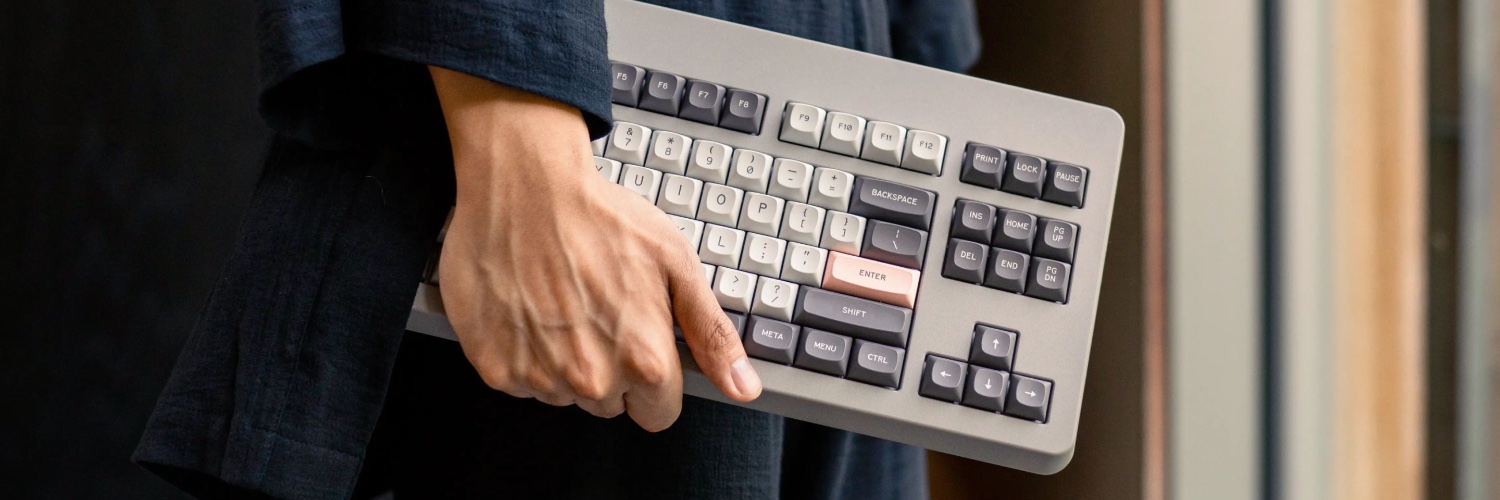
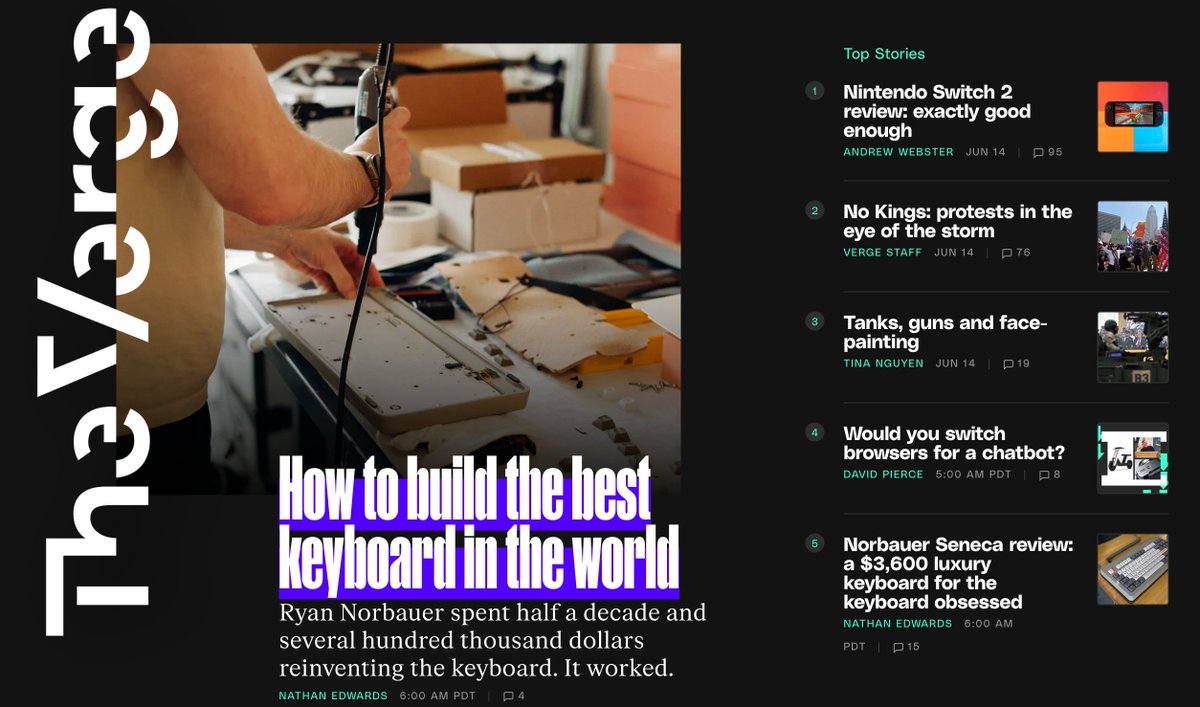
The Verge, airing my dirty laundry.
Ryan Norbauer tweet media
English
0
0
3
633
Ryan Norbauer retweetledi

Jason Fried
Jason Fried@jasonfried·
It took me a while to fully realize the value of something my company achieved years ago, and continues to savor today. It’s one of our greatest quiet advantages, full stop. It’s not something you hear much about in business circles. In fact, I can’t remember the last time I heard anyone spend much time on the topic, or even bring it up in conversation, on a conference stage, or behind a podcast mic. There is, however, lots of discussion about achievement in business. A company can achieve product market fit, operational efficiency, influence, revenue goals, or, ultimately — and hopefully — profitability. But I’m not taking about those things. Those are the obvious things, the common talking points. And to those you can add the vanity metrics of achievement — social media followers, traffic, views, impressions, open rates, press mentions, gross this or gross that. All those are what they are, but they aren’t where it’s at. What I’m talking about is optionality. Achieving optionality is where it’s at. Optionality is a hearty mix of profit margin, small size, independence, attitude, and freedom. You’ve got to have all of it to have optionality. If a board is calling the shots, you don’t have much optionality. If your margins are thin, or non-existent, you don’t have much optionality. If the public owns a piece, you don’t have much optionality. If you’re too big to change direction quickly, you don’t have much optionality. And if you’re afraid to speak your mind and stake your point of view, you don’t have much optionality. Optionality lets you do things no one would give you permission to do. It lets you write excellent software and give it away for free if you choose. It lets you do things that don’t make sense in the current climate, but will long-term. It lets you be early while eventually catches up. Optionality is ecstasy. It’s making it up as you go, without making excuses. It’s openly changing your mind without having to save face. Optionality is equanimity, the corporate equivalent of enlightenment. So, entrepreneurs, ditch the bullshit. Abandon growth-at-all-costs. Reject conventional metrics. Scorn hollow acceptance. Instead, hunt for optionality. It's freedom. It's power. It's everything you crave, wrapped in a single, potent package. Chase it relentlessly. And when you get it, don’t let go.
English
98
267
2.2K
379.3K
Ryan Norbauer
Ryan Norbauer@RyanNorbauer·
@BunnyxStudio This is wonderful; thank you! I was often frustrated by grid performance with “sort by random” on, and that appears to be fixed now. Hive makes my life better on a daily basis. 🙏🙏🙏
English
1
0
1
208
BunnyLau
BunnyLau@BunnyxStudio·
The latest version of Hive finally delivers buttery-smooth list scrolling and gesture-based selection, built entirely in pure SwiftUI with zero UIKit dependencies. Stay away from LazyVGrid. Just roll my own grid with proper cell recycling to get this level of performance.
English
3
1
18
4.4K
Ryan Norbauer retweetledi
Andrew Wilkinson
Andrew Wilkinson@awilkinson·
I'm writing this on a keyboard that costs more than a MacBook Pro and an iPad Pro COMBINED. Yes, you read that correctly. A keyboard that costs $3,600. It was meticulously built in California by an artisan workshop, Norbauer & Co., whose retrofuturist designs and meticulous attention to detail have created an almost mythical status in the keyboard community. I love the story of how it came to be on my desk, because this object (and our investment in the company behind it last year) encapsulates everything that I enjoy about being an investor, and what I think makes Tiny's approach to partnering with company founders special. Though modest in size compared to this week's @Serato deal, Norbauer is one of my absolute favorites. I also like this story because it underscores the point that, in business, emotional and subjective considerations are often as important as the dollars and cents of a deal. It all began with a serendipitous encounter sixteen years ago. In 2008, I spotted a guy getting off the L train in Chicago as I headed back to my hotel after a tech conference. We were both wearing the same SEED Conference badges around our necks. I glanced down and saw "RYAN NORBAUER", a name I recognized from a blog post I'd read on my then-favorite productivity blog, 43Folders. I stopped him and said hello. It turned out that we both ran digital agencies, his specializing in development and mine in design. We were both skeptical of Silicon Valley hype, which is what had prompted us to attend SEED, a conference on bootstrapping creative businesses hosted by our mutual heroes, @jasonfried, @dhh and @Coudal. We swapped emails and quickly became friends, bonding over the shared struggles that come with building services businesses. By 2010, @RyanNorbauer had sold one of his startups to OKCupid (Match.com) and was running two others, but he was losing his joy for entrepreneurship. His three businesses had caused him a profound amount of stress, and after years of struggling through the aspects of running a business that he didn't enjoy, he decided to sell everything, vowing to leave the business world forever. He chose to dedicate his remaining decades to projects driven by curiosity and creativity rather than profit. A clean break from his former life. Of all things, he went deep into the world of mechanical keyboards. If you're not familiar, there is a whole passionate subculture of keyboard enthusiasts, obsessed with tactile feedback, unique sound profiles, and meticulous craftsmanship. They seek the satisfying vintage-style "thock" of a mechanical input device over the lifeless whisper of an off-the-shelf keyboard. Ryan started documenting his build process on online keyboard enthusiast forums, occasionally selling a few extras to help offset the production costs of making one for himself. His work quickly captured the imagination of the keyboard world, and the community kept nudging him to make more and more. He became something of a celebrity in this obscure community, with fans lining up at keyboard conventions to ask for autographs and selfies. At some point he had stumbled into running yet another business, an accidental little keyboard empire. Because this was a passion project, he went to extraordinary lengths in the pursuit of keyboard perfection—partnering with a Danish luxury engineering firm to create custom internal mechanics, sourcing rare materials and finishes, and spending countless hours refining every detail from sound dampening to textures. He became the Enzo Ferrari of keyboards, not by following a business plan—truly, no sane person focused on the bottom line would have created these products—but by pursuing an extreme creative vision, competing for creations that would disappear from inventory within minutes. Ryan's keyboards are engineering marvels, like mechanical watches in a digital age, but for his passionate clientele they are also deeply sentimental objects. There's absolutely no practical or purely rational reason for them to exist, but they embody the same passion that makes a Patek Philippe special: hundreds of custom precision components working in perfect harmony, assembled by hand, with every detail finessed down to the microscopic level. In tech companies and finance firms across the world, Norbauers can be found sitting quietly on desks as one of those "if you know, you know" objects, connecting a community of people with a very nerdy but passionate form of taste that many people don't even know exists. They embody nostalgia for the history of computing, and extreme discernment in matters of design and acoustics. But success brought its own problems. What began as a carefree hobby gradually transformed into a demanding operation. Ryan eventually found himself again miserably consumed by business mechanics, focusing on endless logistical challenges rather than design and engineering. The curse of the creative entrepreneur. Because of all this, Ryan actually nearly shut the business down a little over a year ago. But, one major thing kept him from clicking "DELETE ALL". Up to this point he had been focusing on making "aftermarket upgrade" components for keyboard enthusiasts to use in modifying existing platforms. But, his real ambition was to create a ready-to-use luxury keyboard entirely from scratch, something no-one has ever done before. He didn't want to throw in the towel without seeing this vision into reality. This crossroads brought Ryan to our door at Tiny. What he wanted from us wasn't money. He needed a partner to handle the operational aspects that were increasingly consuming his attention so he could focus on what he was actually good at—designing and creating beautiful products. He needed someone to take the day-to-day off his hands so he could return to his workbench, focusing on matters of taste while knowing that the business was running efficiently, growing its technical capacities and creative options. He thought of me, his old friend who has often written about having navigated this sort of problem successfully many times (albeit with copious speed bumps along the way) and reached out. A pattern exists across many of the most successful companies. The brands that endure often share a critical ingredient: a visionary paired with an implementer. Walt Disney had his brother Roy. Steve Jobs had Tim Cook. Coco Chanel had Pierre Wertheimer. Their magic emerged from this symbiotic relationship between creation and execution. Every creative founder needs someone who genuinely loves the operational work they find draining. Someone who gets excited about the things they hate. I've confronted this reality many times in my businesses. Over two decades, as each business has scaled, I've invariably found myself in a prison of my own making, buried in operational details that I hated. More often than not, I've solved this quagmire in a counterintuitive way: by firing myself. Last year, after becoming completely overwhelmed with the operational details of overseeing some forty-odd companies, I fired myself as CEO of Tiny to refocus on what I do best: setting the vision, telling our story, and acquiring wonderful companies. My business partner Chris and I found our own Tim Cook in Jordan Taub, a former Constellation Software executive who we'd steadily promoted through the ranks at Tiny over the years. Eventually, it became clear that Jordan was the ideal person to handle the day-to-day operations we'd always struggled with. Since making this change last June, Chris and I have felt completely revitalized, rediscovering our passion for the work we love and significantly increasing Tiny's dealflow and opportunity set by doing the things we're best at. This is exactly what Ryan sought to do: fire himself from the agonizing details that distracted from his creative vision. This is why I understood Ryan's dilemma so deeply. Throughout my career, I've seen how success can become its own kind of prison—especially when creators sell their businesses. I've experienced this first hand after selling some of my own companies. It felt like watching a beautiful garden I'd cultivated for years being methodically paved over for a parking lot. The DNA that made the company special vanished, replaced by all-or-nothing decisions that prioritized gains over long-term vitality. These painful lessons shaped my philosophy when founding Tiny: create the acquisition partner I wish I could have sold to—one that preserves what makes a business special rather than imposing standardized "best practices." We've found three patterns in our acquisitions: founders who want to exit completely, those who just need us to buy out a troublesome partner, and those like Ryan who seek liberation—someone to handle what they hate while they refocus on what they love. This third case is surprisingly common. They don't want to abandon their creation; they want to fall back in love with it. Most private equity firms, with their McKinsey-trained MBAs and 5-year exit timelines, are fundamentally misaligned with this approach. Ryan needed something different: operational expertise paired with respect for his creative vision. With all this in mind, I realized that in order for our partnership with Ryan to work, I needed to find him his perfect executional partner. I paired him with my partner Caleb Bernabe—a perfect match for Ryan's sensibilities. When Caleb isn't running a highly profitable portfolio of businesses at Tiny, he co-owns a hip wine bar in Victoria and obsesses over vintage Leicas and Porsches. I knew that he would understand Ryan's pursuit of perfection—someone who could appreciate both the craftsmanship of the keyboards and translate his vision into a business that can slowly compound its profits and endure for decades. The most important aspect of our deal wasn't financial. It was psychological. I promised Ryan three things: 1. If the business failed, we'd both shrug and move on. 2. He could walk away whenever he wanted. 3. He could tell us to "fuck off" if we got in his way. I encouraged him to pass off anything he didn't enjoy to Caleb and his team, giving Ryan space to develop the brand and product line. One year into our partnership, and the results speak for themselves. Norbauer just launched the Seneca—its most ambitious keyboard ever—to exceptional praise, and they also recently added legendary keyboard tastemaker and content creator Taeha Kim to their team. The Seneca stands as a masterpiece of engineering—682 custom parts built entirely by hand, with every component custom-made. Priced starting at $3,600, it's not for everyone, but for writers, coders, and thinkers who spend their days at a keyboard, it's the ultimate escape. Here’s how Ryan puts it: “The Seneca is my middle finger to the aesthetic homogeneity and economic over-optimization of 21st century life. Its intricate mechanisms can only be assembled and tuned by human hands, over hours of skilled work—typically by a single artisan, from start to finish. Every component is custom made (right down to the individually-machined screws), hyper-engineered from first principles for maximum acoustic, artistic, and tactile refinement—costs be damned. On paper, nothing about this makes any sense. It is over the top. Needlessly lavish. Exuberantly irrational. And that is the point.” I’m happy to say that the response so far has been wild. I could quote endless breathless praise from obsessive members of the keyboard community for Ryan's work, but perhaps the most succinct is what the keyboard-obsessed Senior Reviews Editor Nathan Edwards at The Verge wrote in that publication about the Seneca the other day: "The most expensive keyboard I've ever typed on, and also the best." Exactly what Ryan has always been going for. An interesting byproduct of the Tiny partnership is that Norbauer is now a more profitable and sustainable business than before our involvement. What's even better is the whole thing is built on such a beautiful idea: make someone smile when they sit down at their desk. I love how randomness brought us together, the extraordinary product our partnership enabled (my fingers are tapping across my Seneca's keys as I write this), and how it redefines success by thriving through craftsmanship rather than scale—proving exceptional profitability doesn't require endless growth but instead, exceptional brand, deep relationships with a passionate base of clients, and a commitment to quality. You should visit the Norbauer website to learn about all the nerdy details. It’s quite the device. We did work with Ryan to make a few build spots available around the timing of this announcement, but I can't promise there will be any available by the time you see this. (When we made the investment, I also promised him we wouldn't force scale at the expense of integrity to the brand, so they continue to operate at very small volumes, slowly building each keyboard one-by-one from start to finish, like an Hermès handbag.) If spaces are all gone by the time you see this, just join the waitlist and have some patience. They have a very attentive and personalized client experience, and they're always willing to work to make sure everyone who wants to get one of their creations can eventually do so. Eventually you'll get an email when it's your turn to join a rather exclusive club of typing experience maximalists. Ryan tells the story of our investment far more eloquently in a blog post he write. I recommend reading it, it includes some fun details and has a few cringe-worthy photos of me from my twenties. I'll add the link below. Happy typing.
English
53
7
156
59K
Ryan Norbauer retweetledi
Tetragrammaton
Tetragrammaton@tetranow·
NEW EPISODE: “We had no interest in business. We had no education in business. We were just two creative people bumbling along through this whole thing. And we had some customers who just loved what we were doing.” -Mel Ziegler, co-creator of Banana Republic
English
5
7
69
33.3K
Ryan Norbauer
Ryan Norbauer@RyanNorbauer·
"founder-led operations often keep an edge ... because when there’s someone at the top who actually gives a damn about cars, watches, bags, software, or whatever the hell the company makes, it shows up in a million value judgments that can’t be quantified neatly on a spreadsheet." —@dhh world.hey.com/dhh/beans-and-…
English
0
0
2
638
Ryan Norbauer retweetledi
David
David@DavidSHolz·
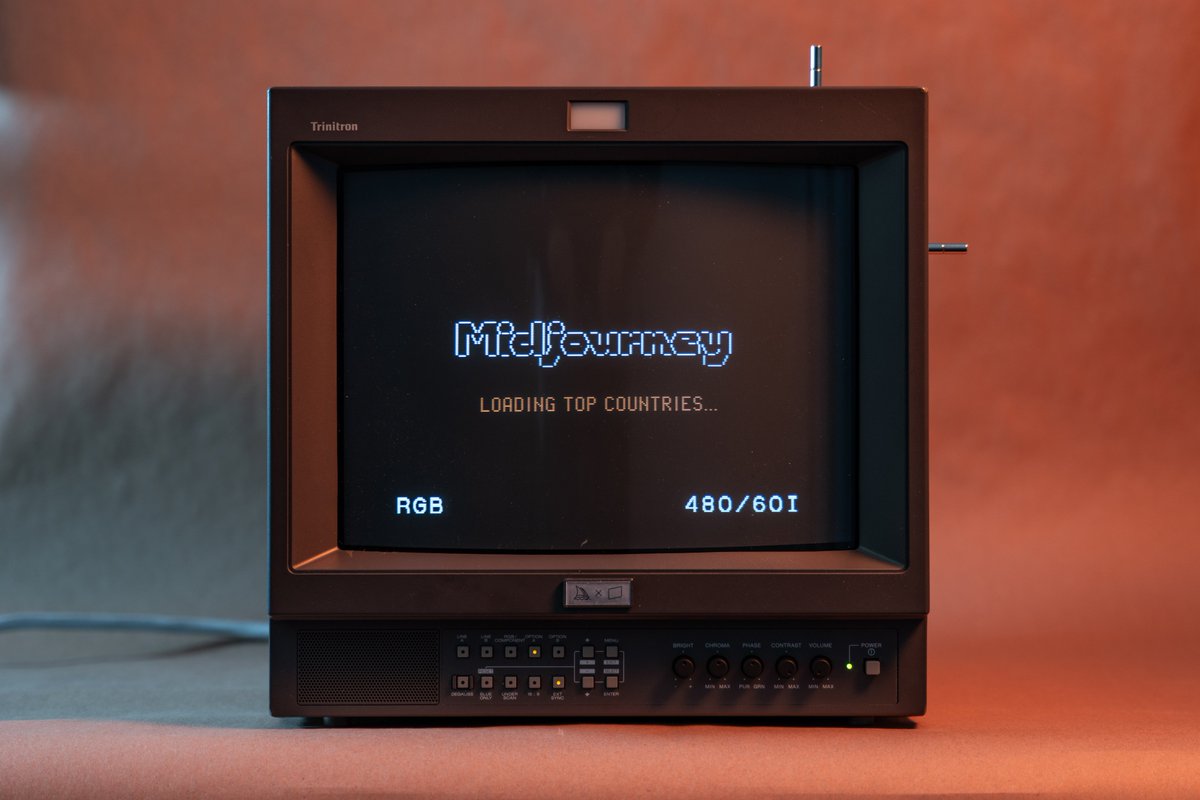
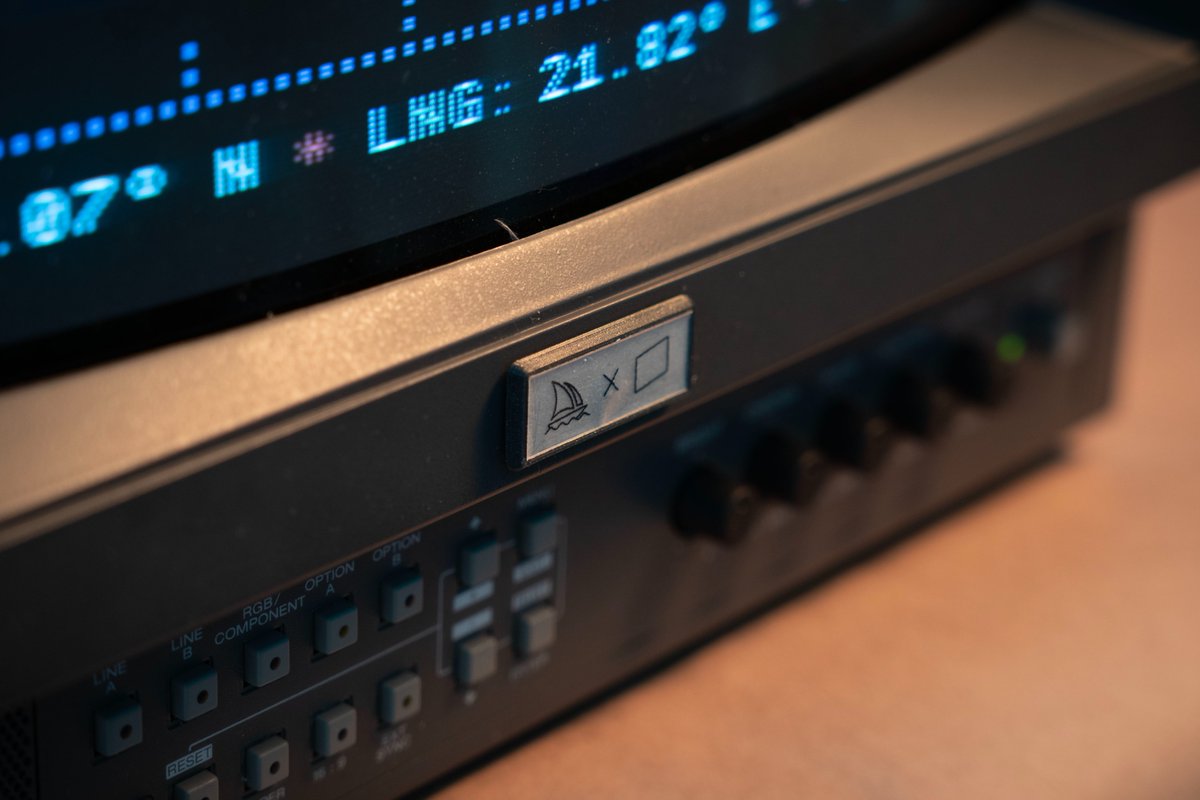
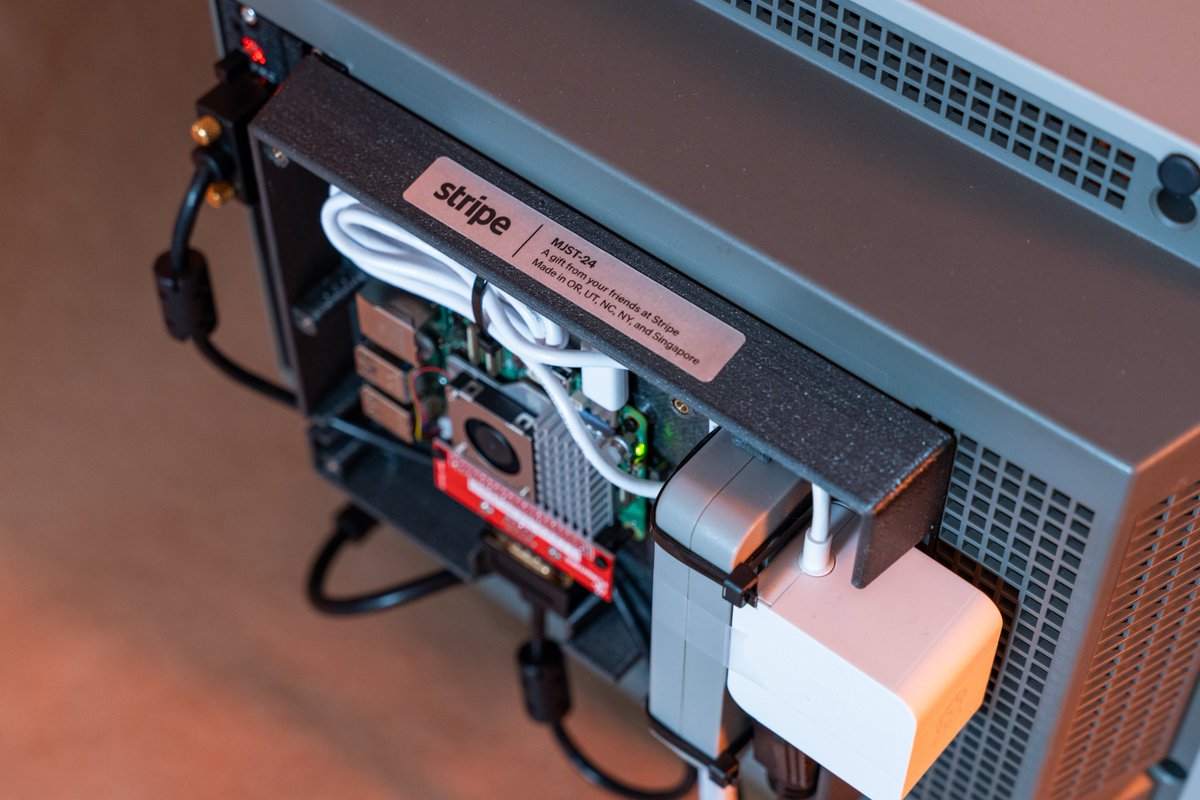
Midjourney sold to the largest number of unique countries of any merchant on Stripe in 2024! Stripe celebrated by sending us this beautiful CRT screen with a retro animated map of our subscriptions around the world. Thanks @stripe! We couldn't have done it without you <3
David tweet mediaDavid tweet mediaDavid tweet media
English
170
205
3.7K
301.8K
Ryan Norbauer
Ryan Norbauer@RyanNorbauer·
@vpostrel @charleswcook As counterproductive as tariffs are, uncertainty is the worst. Many US small businesses like mine rely at least partly on foreign inputs with no domestic alternatives. With costs fluctuating radically on Presidential whim, pricing offerings in advance becomes almost impossible.
English
0
3
6
486
Virginia Postrel
Virginia Postrel@vpostrel·
Very good point about the tariff insanity making it impossible for U.S. businesses to plan their operations from @charleswcook.
Virginia Postrel tweet media
English
2
0
12
834
Ryan Norbauer retweetledi
Ryan Holiday
Ryan Holiday@RyanHoliday·
Not a lot of people understand this... but you actually don’t have to have an opinion about everything. You don’t have to decide if something is good or bad. Marcus Aurelius says limiting the amount of opinions we have is one of the most powerful things we can do in life.
English
269
2.1K
14.4K
608.4K
Ryan Norbauer
Ryan Norbauer@RyanNorbauer·
@awilkinson @WSJ It's on News+, fwiw: 1) Rabbit is Rich by Updike, 2) The Tender Bar by Moehringer, 3) How to Get Rich by Dennis, 4) Just Let Me Look at You by Gaston, 5) Poor Charlie’s Almanack by Kaufman. Items 1, 2, and 4 were new to me. Look forward to exploring.
English
0
0
5
284
Ryan Norbauer
Ryan Norbauer@RyanNorbauer·
I had a fun conversation on Behind the Brand with @BryanElliott, diving deep into luxury keyboards, retro-futurism, Stoicism, and commercial escapism. Amusing to be among such relatively illustrious guests as the founders of Netflix and Twitch, Neil deGrasse Tyson, @RyanHoliday, etc. 😅🤷‍♂️ youtu.be/CAdzg8PVDAU?si…
YouTube video
YouTube
English
0
1
3
870
Ryan Norbauer retweetledi
NovelKeys
NovelKeys@NovelKeys·
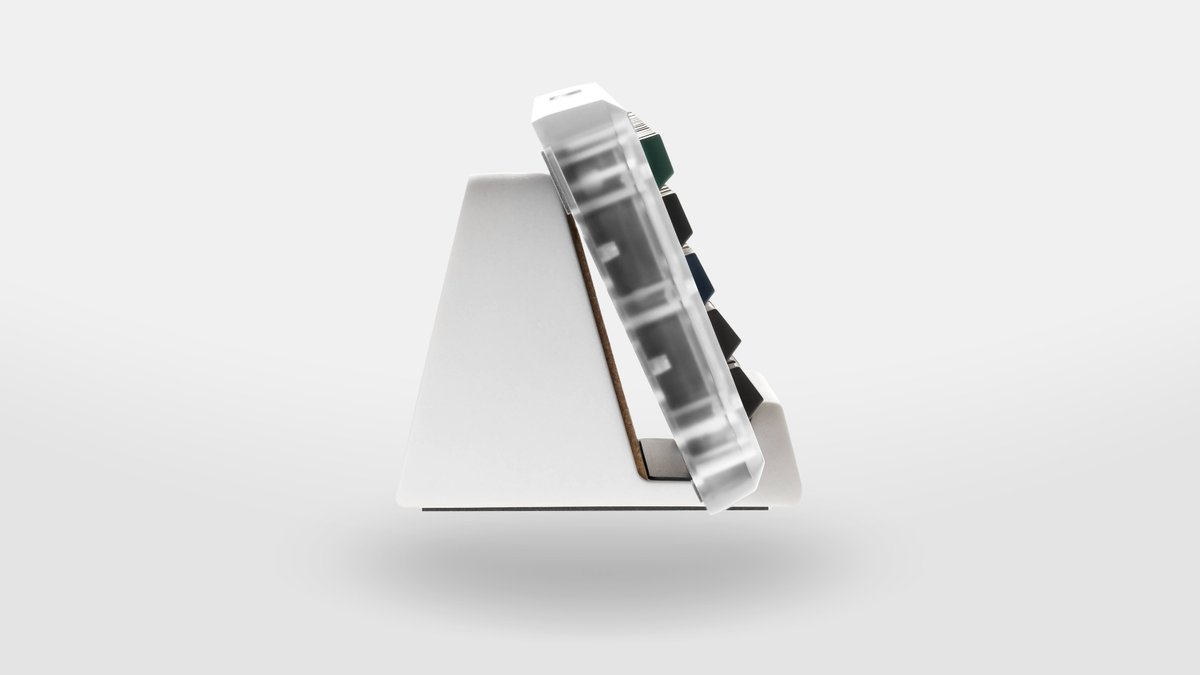
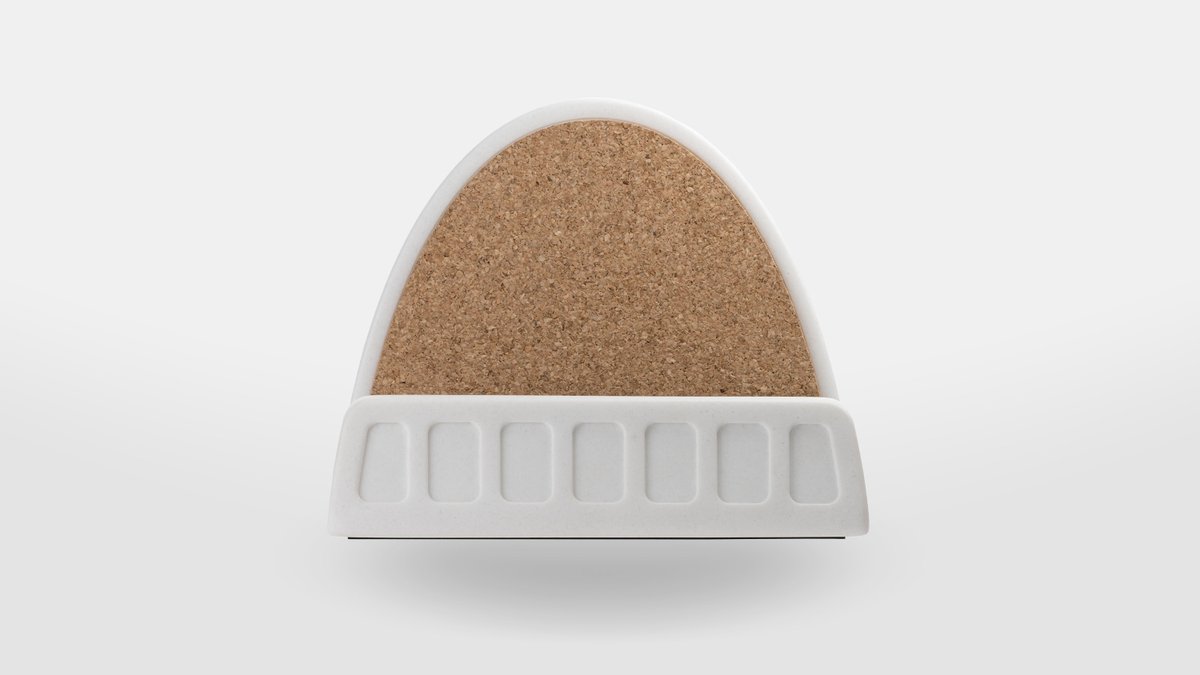
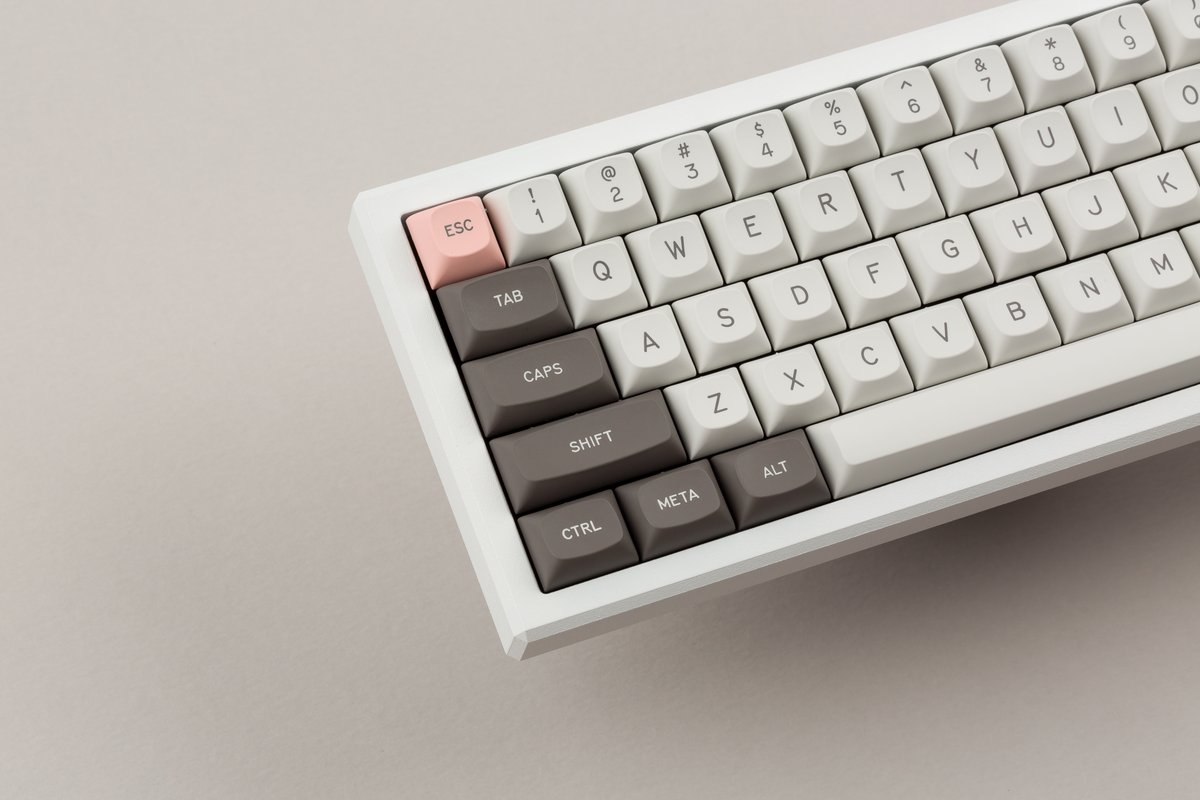
We are proud to be stocking two of Ryan Norbauer's creations! The first is R&D 1973 keycap set in GMK’s MTNU profile. The second is the Spacedock, a high-end terrazzo display stand for your most prized keyboards.
NovelKeys tweet mediaNovelKeys tweet mediaNovelKeys tweet mediaNovelKeys tweet media
English
1
1
10
2.3K
Ryan Norbauer retweetledi
Andrew Wilkinson
Andrew Wilkinson@awilkinson·
“Sometimes, magic is just someone spending more time on something than anyone else might reasonably expect.” –Penn Jillette
English
30
42
302
22.5K
Ryan Norbauer
Ryan Norbauer@RyanNorbauer·
RIP Maggie Schpak, creator of modernist metal objects seen in thousands of Hollywood productions. In 2019 I produced this interview for Roddenberry Entertainment (w/historian Karen Christians) about Schpak's work on all Star Trek series from the 70s onward. youtube.com/watch?v=Gqqk7B…
YouTube video
YouTube
English
0
0
1
553