

rwilsonMD
384 posts

rwilsonMD
@Ryan_WilsonMD
Diagnostic Cardiology at Penn State. Director Adult Echocardiography lab, #echofirst
Hershey, PA Katılım Şubat 2019
582 Takip Edilen278 Takipçiler

Our study is observational and residual confounding is possible but, we got results not very different from CLOSURE-AF, even before CLOSURE was published.
It took so long to publish, is it because of the negative results?
W/ @AndrewFoy82 & @drjohnm
pubmed.ncbi.nlm.nih.gov/41886189/
English
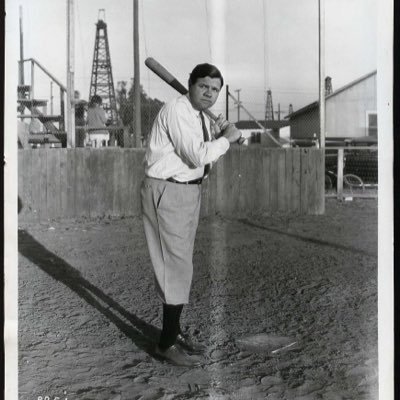
Who's on the top of your "he should be in the baseball hall of fame" list?
English
@gorski_lion @NorthShoreNine Swing for the home run, rather then put the ball in play and manufacture some runs
English

@NorthShoreNine Afraid to get hurt. It’s money over pride for the average American born mlb player.
English

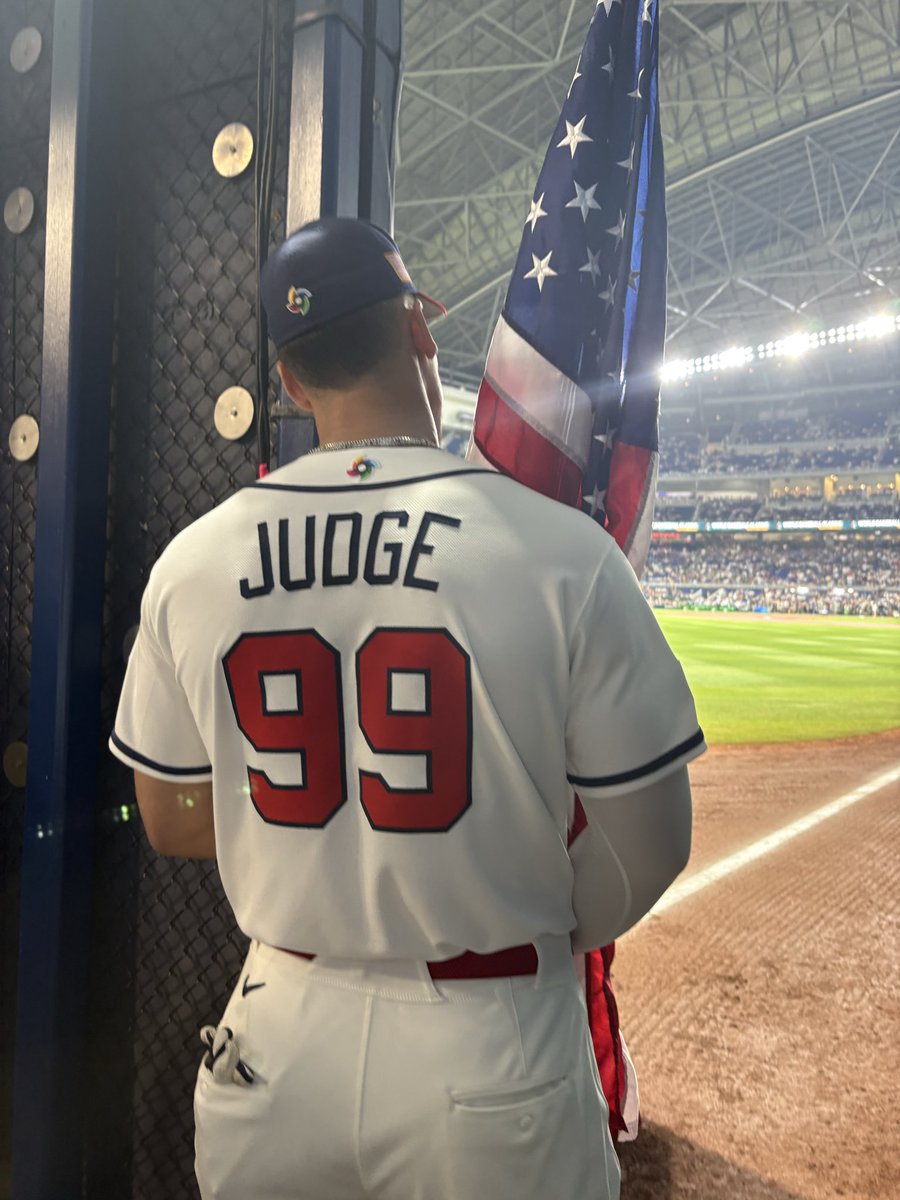
"Team USA shouldn’t try to rip off the Dominican or Venezuelan dances or Japanese chants or Italian coffee. But they always had the feel of a group of All-Stars, not a collective group of Americans."
I think it has become pretty evident that most teams who participate in the World Baseball Classic have more pride in the name on the front of the jersey. Is this what is missing from Team USA, who has won just once in the 6 times this event has taken place?
What are your thoughts to getting USA back to baseball dominance?
(Via @colin_beazley)
post-gazette.com/sports/pirates…

English
rwilsonMD retweetledi


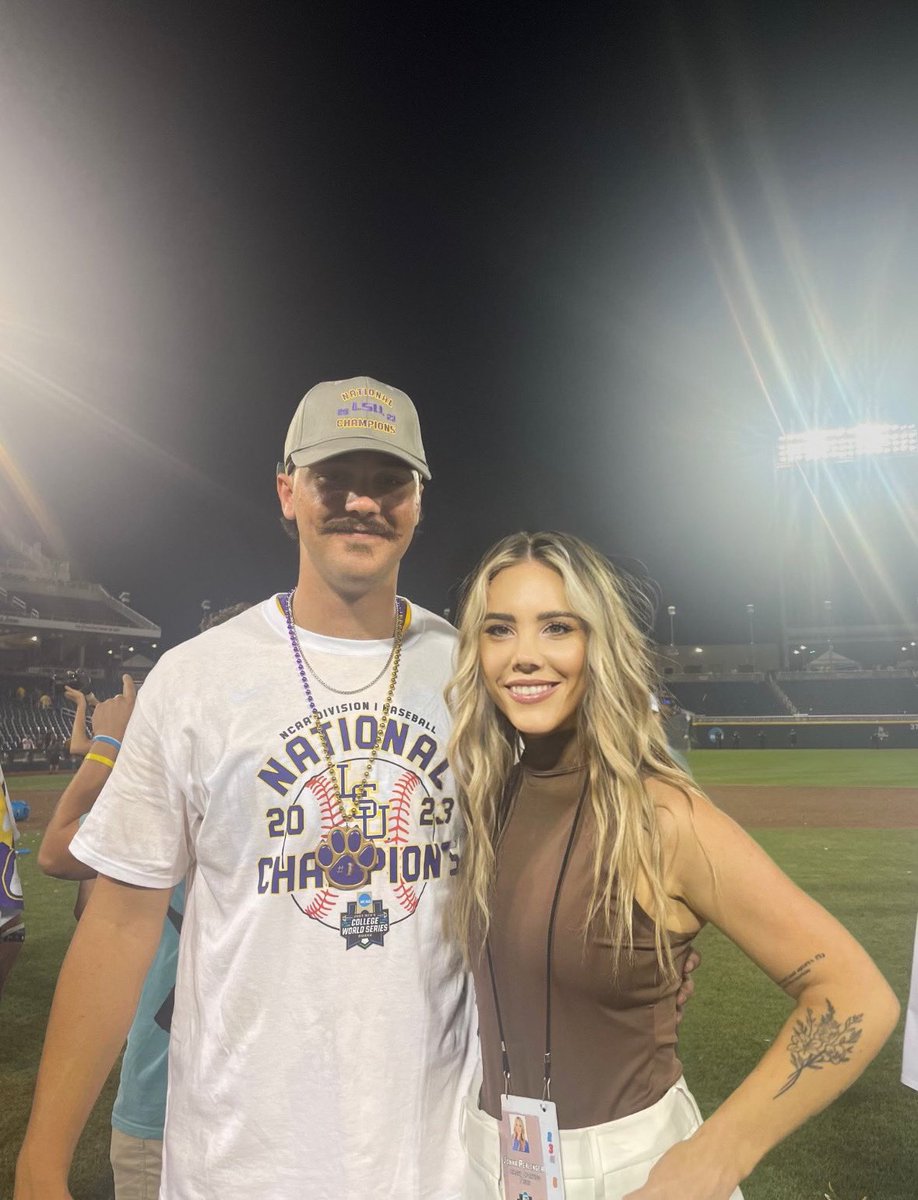
Oh by the way…full circle moment for this College World Series reporter 😌
English
rwilsonMD retweetledi

Reform needed STAT
This is not why anyone went into medicine. EHR should help us but not inflict so much pain. We risk losing physicians and we are seeing that a lot more than we should.
Adam Bruggeman, MD@DrBruggeman
I want to tell you about a typical morning for most doctors. Before we see our first patient, we’ve already navigated three system logins, reconciled a medication list that populated incorrectly, clicked through 14 screens to place a routine order, and added documentation that has nothing to do with the patient’s actual problem but everything to do with satisfying a billing algorithm. And the day hasn’t even started yet. The first patients hasn’t been seen. The Electronic Health Record was supposed to transform medicine. Better data. Fewer errors. Coordinated care. The promise was real but the execution has been a disaster. The 2009 HITECH Act pushed hospitals and practices to adopt EHRs rapidly through “meaningful use” mandates. These are federal requirements that defined how EHRs had to be used to receive CMS incentive payments. The result? A small number of dominant vendors built systems designed around regulatory compliance, not clinical workflow. Physicians had no market leverage. We got what regulators spec’d out, not what medicine needed. The numbers tell the story no one wants to say out loud: - Primary care physicians spend nearly 6 hours per day interacting with the EHR - For every 1 hour of direct patient care, physicians spend nearly 2 hours on documentation - After-hours “pajama time” — charting at home after a full clinical day — has become so normalized we gave it a nickname instead of fixing it - Burnout directly linked to EHR burden now affects the majority of U.S. physicians As an orthopedic surgeon, I trained to operate, to evaluate a patient, and to make a judgment call that restores function and changes lives. Somewhere along the way, the system decided my most important job was clicking boxes. @DrDiGiorgio and colleagues put it plainly in their research on EHR burden among neurosurgery residents: the continuous addition of clicks has been gradual and multi-layered — and it is actively detracting from trainees’ educational experience. This isn’t just a senior physician problem. We are training an entire generation of physicians to be data entry clerks. The hard truth is that EHR dysfunction isn’t a technology problem. It’s a policy problem. Meaningful use mandates consolidated the market, eliminated competition, and locked medicine into systems built for compliance rather than care. The fix has to include policy and not just better software. We built this regulatory structure. We can reform it. Tomorrow: Prior authorization — the other wall between your doctor’s judgment and your care.
English
rwilsonMD retweetledi

TEAM USA MEN'S HOCKEY IS SEEING GOLD 🥇
GOLD MEDALISTS FOR THE FIRST TIME SINCE 1980 🇺🇸

English
rwilsonMD retweetledi

rwilsonMD retweetledi

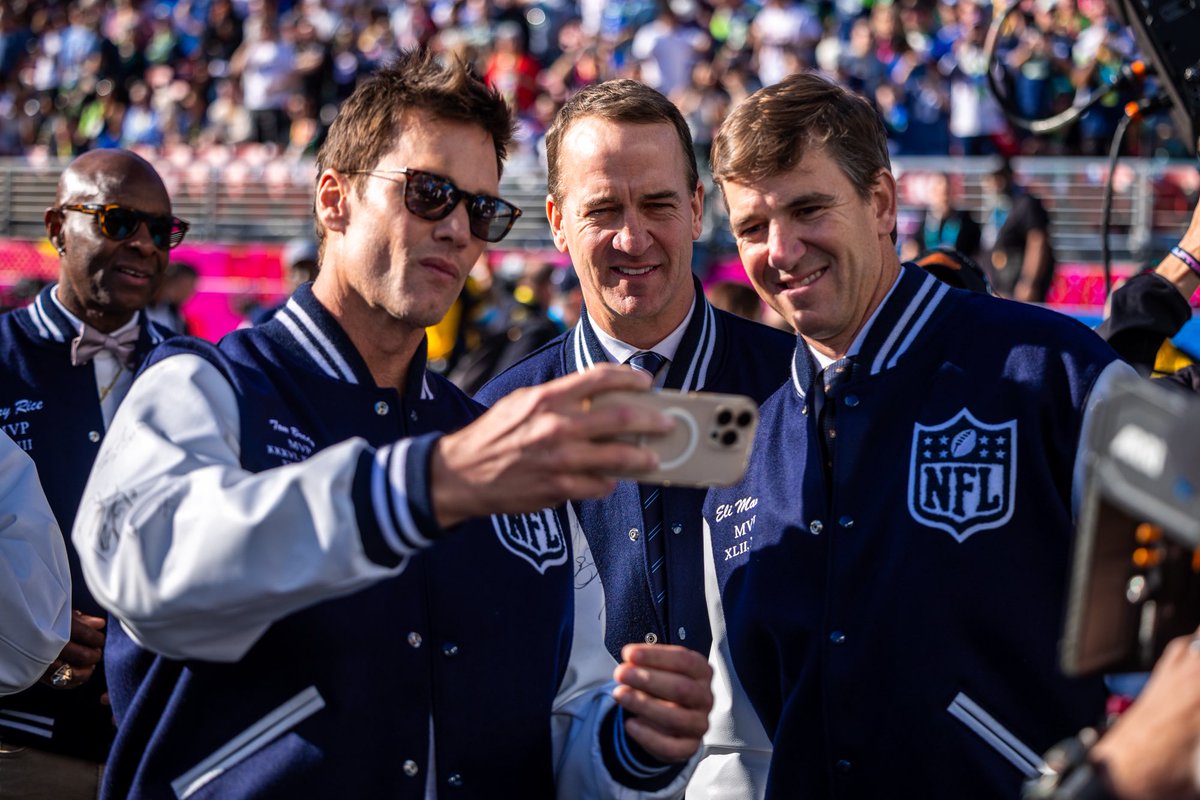
Caption contest:
I’ll go first. “ hey guys, come watch this video of me getting into these skinny jeans.”
English

The single most followers losses in a day since I’ve been on this platform was when I simply asked about why anyone would oppose this.
I’ll simply ask again.
We need an ID to drive, cash a check, get married, pay taxes, and get into a club.
Isn’t voting more important than any of these in terms of our responsibilities?
Voter ID AND increased legal immigration are two things I support wholeheartedly.
J-1 H-1
Karoline Leavitt@PressSec
Almost 90% of Americans support requiring a photo ID to vote. So why do Democrats in Congress oppose voter ID laws?
English
Great article and a common discussion between cardiology and neurology regarding LDL lowering
Circulation@CircAHA
Outcomes by Achieved LDL-C in Prior Stroke ahajrnls.org/4pVXoCq
English
@PSUBarstool Great environment at the Giant center —- should be an annual event
English

PSU-Pitt is an awesome non-conference basketball game
Should be an annual game
English
@90syankskid @YESNetwork This is awesome! Extremely jealous you got to meet him!
English

@90syankskid Is there going to be an increased focus on fundamentals — defense - base running - putting the ball in play…..given the Blue Jays success with playing small ball is there any change in philosophy to cut down on strike outs
English
What should I ask Aaron Boone today? Please be kind. I genuinely want ask constructive questions. #repbx
English
English

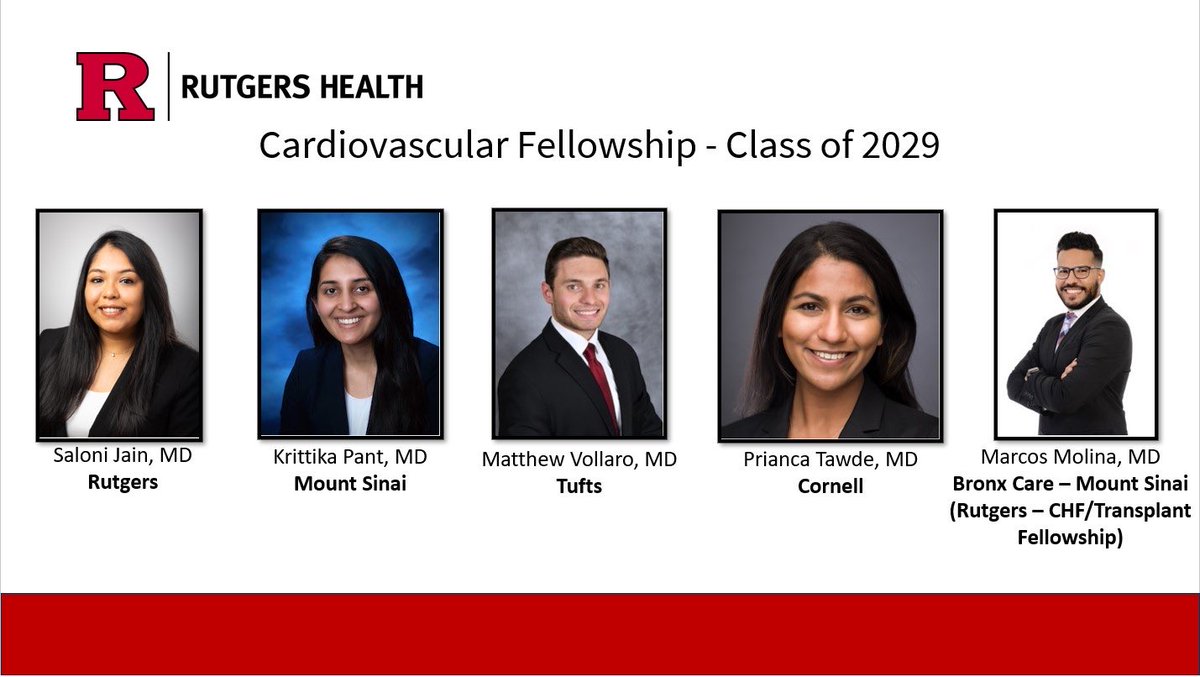
Congratulations to the Rutgers Cardiology Fellowship Class of 2029!
English
rwilsonMD retweetledi

Sad what happens in healthcare behind closed doors. Makes it so hard to do our job caring for people
New analysis shows UnitedHealth, Cigna, and Elevance tightening control through mass physician expulsions, downcoding, & vertical integration
healthcareuncovered.substack.com/p/unitedhealth…
English
rwilsonMD retweetledi

The Penn State roster going into @PatKraftPSU office and demanding that @CoachTerryPSU is the next head coach
English

Gives some pause into just saying put everyone on SGLT2 if they carry a heart failure diagnosis
@drjohnm @MRuzieh
Circulation@CircAHA
#ICYMI #OriginalResearch, DAPA ACT HF-TIMI 68 trial: in-hospital initiation of dapagliflozin did not significantly⬇️risk of CV death or worsening HF compared w/ place... ahajrnls.org/3LMUam7 @SubodhVermaMD @akshaydesaimd @UoGHeartFailure @modeldoc @TIMIStudyGroup @ddbergMD
English