Dr.SAiF AWLADTHANi د.سيف أولادثاني

661 posts

Dr.SAiF AWLADTHANi د.سيف أولادثاني

Dr.SAiF AWLADTHANi د.سيف أولادثاني

@SAIFAWLADTHANI

Pediatric intensivist.Interested in quality of care, research, clinical education

Muscat, Oman Katılım Kasım 2017
400 Takip Edilen652 Takipçiler
Dr.SAiF AWLADTHANi د.سيف أولادثاني retweetledi
Badr Albusaidi - بدر البوسعيدي
Oman’s constructive neutrality compels us to speak our mind to all in pursuit of peace. This article in the Economist seeks to contribute to a serious conversation about solutions.
The Economist@TheEconomist

The path away from war still exists, says @badralbusaidi, Oman’s foreign minister. He lays out what both America and Iran must do to engage in negotiations once again economist.com/by-invitation/…

English
255
1.1K
4.6K
364.4K
Dr.SAiF AWLADTHANi د.سيف أولادثاني
@mrym_data بما أنه هناك ثلاث مجموعات ، كيف نعرف الإختلاف بين أي مجموعتين أحدث التباين الحقيقي ؟ How can we know which group is making a significant difference?
0
0
0
36
Dr.SAiF AWLADTHANi د.سيف أولادثاني retweetledi
مريم | بيانات
مريم | بيانات@mrym_data·
تحليل التباين الأحادي (One-Way ANOVA) متى نستخدمه؟ لما يكون عندك متغير تابع مستمر (مثلاً: الدرجات أو الطول)، ومتغير مستقل له ثلاث مجموعات أو أكثر (زي: طرق تدريس مختلفة). الفكرة: إذا كان الاختلاف بين المجموعات (Between) أكبر بكثير من الاختلاف داخل المجموعة الواحدة (Within)، فهذا يعني إن التباين حقيقي ومهم. الأفضل من كذا؟ تستخدم ANOVA بدل ما تسوي اختبارات T-Test كثيرة، عشان تتجنب الغلط الاحتمالي.
مريم | بيانات tweet media
العربية
2
6
30
2.1K
Dr.SAiF AWLADTHANi د.سيف أولادثاني retweetledi
مريم | بيانات
مريم | بيانات@mrym_data·
خمسة خطوات أساسية لتنظيف البيانات قبل التحليل: معالجة القيم المفقودة (Missing Values): تحذفها أو تستبدلها بـ Mean/Median/Mood حسب مناسبة الحالة. ترتيب الإشكالات (Structural Fixes): موحدة تنسيقات النصوص، التواريخ، الوحدات، وتحل مشاكل الكتابة الغلط. إزالة التكرارات (Duplicates): تحذف الصفوف المكررة عشان ما تأثر على النتائج. التعامل مع القيم المتطرفة (Outliers): تحددها باستخدام Boxplot أو Z-Score، وتحذف أو تخصم منها لو كانت خطأ فعلاً. توحيد التسميات (Labeling): تسمي الأعمدة والقيم بأسماء واضحة، عشان تسهّل عليك التحليل بعدين.
مريم | بيانات tweet media
العربية
1
11
69
3.4K
Dr.SAiF AWLADTHANi د.سيف أولادثاني retweetledi
Dr.Sam Youssef Ph.D.,M.Sc.,DPT.
Dr.Sam Youssef Ph.D.,M.Sc.,DPT.@drhossamsamy65·
هتاف "الموت للجيش الإسرائيلي" يطارد الاحتلال.. تحول إلى ترند على تيك توك وطُبع على الملابس وكُتب على جدران المدن الغربية حول العالم.. كيف أطلق ثنائي "بوب فيلان" رمزاً احتجاجياً جديداً لمناهضة الاحتلال؟
العربية
10
471
1.7K
42.4K
مريم | بيانات
مريم | بيانات@mrym_data·
ايش الاشي الي تكره في مجال تحليل البيانات ! ‼️
العربية
1
0
0
533
مريم | بيانات
مريم | بيانات@mrym_data·
📍لو عندك ٣ متغيرات وحابب تعمل اختبار احصائي لقياس الفروق تستخدم -independent sample t test - Anova وش تختار ؟
العربية
6
2
11
2.5K
Dr.SAiF AWLADTHANi د.سيف أولادثاني retweetledi
منصة أفكار البحثية
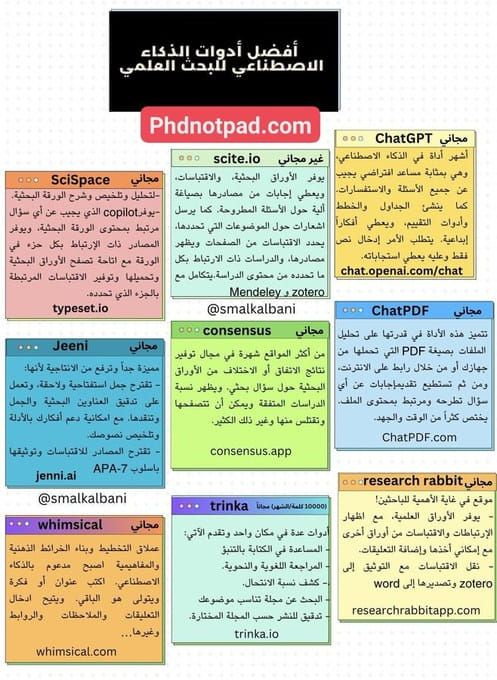
أدوات الذكاء الاصطناعي التي تساعد الباحثين بالماجستير والدكتوراه
منصة أفكار البحثية tweet media
العربية
0
14
39
2.6K
Dr.SAiF AWLADTHANi د.سيف أولادثاني retweetledi
Ross Prager
Ross Prager@ross_prager·
The only diuretic that has demonstrated to reduce mortality is... 3% saline? A 🧵 TLDR: it's not about sodium (for once).
Ross Prager tweet media
English
19
275
1K
223K
Dr.SAiF AWLADTHANi د.سيف أولادثاني retweetledi
Fluid Academy
Fluid Academy@Fluid_Academy·
💧Fluid Accumulation💧 The administration of intravenous (IV) crystalloid solutions is widely regarded as the initial step in resuscitating the hypotensive critically ill ‘septic’ patient, with evidence of inadequate organ perfusion. Recent evidence suggests that overzealous administration of IV fluids, especially in the setting of sepsis with poor source control and capillary leak, may lead to fluid overload and subsequent fluid accumulation syndrome (FAS). 🔹 Pathophysiology We often give too much IV fluid and in particular, too much non-physiological salt. Once within the body, such non-physiological excesses are very difficult to remove and can result in many adverse situations for our patients. There are extremes—increased fluid load can cause major electrolyte swings, whereas dehydration, left unchecked, can lead to poor organ perfusion. Fluid administration potentially triggers a vicious cycle, where interstitial edema induces organ dysfunction, which in turn perpetuates fluid accumulation. It is now well-established that fluid overload in septic patients is associated with edema development and worse outcomes. Fluid overload affects all organ functions from head to toe. GIPS can hence be defined as fluid overload in combination with new-onset organ failure, in the setting of persistent capillary leak (Fig. 25.2). 🔍 Want to learn more about fluid management and best practices in critical care? Join our International Fluid Academy Members Portal for exclusive access to research, courses, webinars, and expert discussions! ➡️ fluidacademy.mn.co/posts/rational… #FluidManagement #FluidOverload #CriticalCare #Sepsis #IVFluids #Edema #ICU
Fluid Academy tweet media
English
0
70
189
10.8K
Dr.SAiF AWLADTHANi د.سيف أولادثاني retweetledi
IMCrit
IMCrit@IM_Crit_·
ICU Mechanical Ventilation (MV): There are many books & articles on the topic but this 8 years' old review has nice graphs/tables & a good discussion of the specific ventilatory approaches in ARDS and COPD:
IMCrit tweet media
English
9
216
1K
95.4K
Dr.SAiF AWLADTHANi د.سيف أولادثاني retweetledi
Fluid Academy
Fluid Academy@Fluid_Academy·
💧 Fluid Management in Intra-abdominal Hypertension 🫃 Intra-abdominal hypertension (IAH) occurs in 25% of critically ill patients on admission and it is an independent risk factor for morbidity and mortality. About one patient in two will develop IAH at some point within the first week of ICU stay while 5% will develop full-blown abdominal compartment syndrome (ACS). Different risk factors for IAH have been identified and studied and fluid resuscitation is one of them. 🔹 Hemodynamic Effects and Impact on End-Organ Function IAH leads to a compression of mesenteric veins causing venous hypertension, intestinal edema and ileus (Fig. 22.1). The pathophysiological impact of elevated IAP on the various organ systems mimics a state similar to sepsis. To restore hemodynamic stability, fluid resuscitation is often the first choice. However, administering large amounts of fluids may result in secondary IAH and ACS. 🔹 Do Patients with IAH Have a More Positive Fluid Balance? A systematic review combining pooled data from 1517 patients revealed that the 597 patients with IAH (incidence being 39.4%) had a more positive fluid balance than those without IAH (7777.9 ± 3803 mL versus 4389.3 ± 1996.4 mL) (Fig. 22.2). The cumulative fluid balance after 1 week of ICU stay was on average 3388.6 ± 2324.2 mL more positive. The Forest plot is shown in Fig. 22.3. 📊 All details on the Fluid Academy! ➡️ fluidacademy.mn.co/posts/rational… #FluidManagement #IAH #ACS #CriticalCare #ICU #MedicalEducation
Fluid Academy tweet mediaFluid Academy tweet media
English
1
56
109
6.7K
Dr.SAiF AWLADTHANi د.سيف أولادثاني retweetledi
الجمعية السعودية العلمية للرعاية الصحية المنزلية
#فيديو افتتاح سعادة الأستاذ الدكتور سالم بن علوي باهارون وكيل #وزارة_الصحة للخدمات العلاجية للمؤتمر الدولي السنوي الثاني للرعاية الصحية المنزلية وقد قام بتكريم : د.عائشة الصغير رئيس المؤتمر ورئيس مجلس إدارة الجمعية ود.منال باوزير رئيس اللجنة العليمة للمؤتمر ود. رنا الهلالي رئيس اللجنة التنظيمية للمؤتمر وأعضاء مجلس ادارة الجمعية وأعضاء اللجان والمكاتب ورعاة المؤتمر والشركاء والمتميزين في العطاء وقام بجولة على المعرض المصاحب للمؤتمر واستمع سعادته على الابتكارات الجديدة في محال خدمات #الرعاية_الصحية_المنزلية وقدم شكره للقائمين على المؤتمر وتهنئة الجميع على نجاح انشطته العلمية وفعالياته @SaudiMOH
العربية
0
9
10
3.9K