Adam Hutt 🏴
13.6K posts

Adam Hutt 🏴
@SBOmad
Proud Scot. NUFC. Former farm worker. manic Spurn birder/ringer spurn list of 348 species. now condemned to Lancashire.
Knott End, Fylde Katılım Mart 2011
1.5K Takip Edilen2.7K Takipçiler

@myeyemyview Heartbreaking habitat loss here. I ache seeing stones replace vital perches. Small birds need stability, not disruption. Deeply troubling for local biodiversity.
English

RSPB Geltsdale today.
Goodness knows what this reserve is about, they've removed all the wire fences that small birds used to sit on. They've put these very large stones on the footpaths and removed the seed feeder cage. Very few small birds and a waste of time for photos


English

@scillybirder @SBOmad So where are all the surf x common's?
English
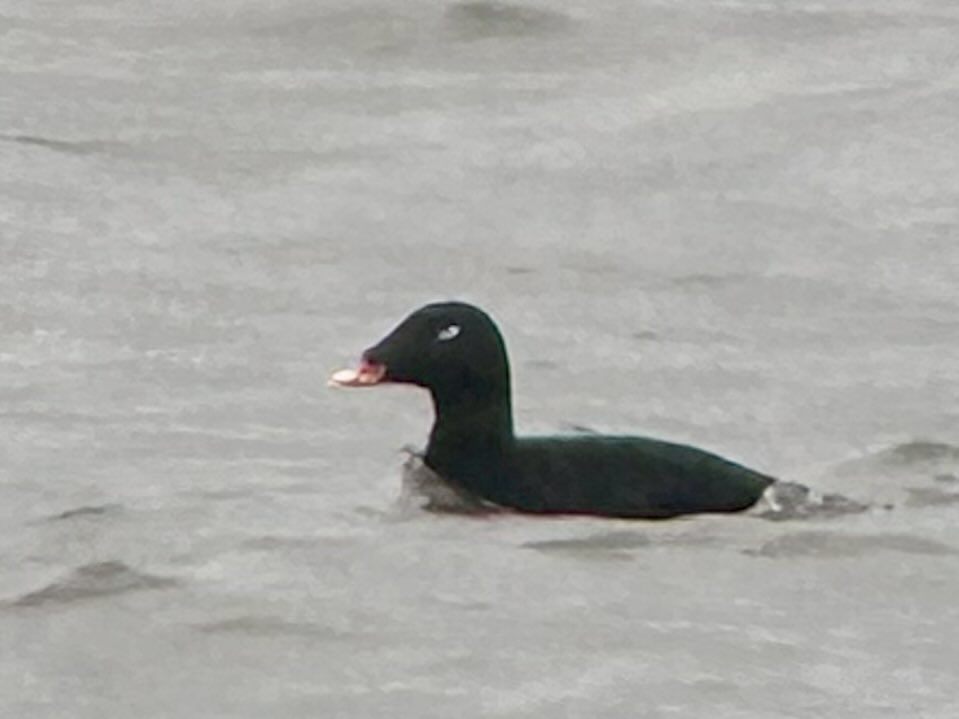
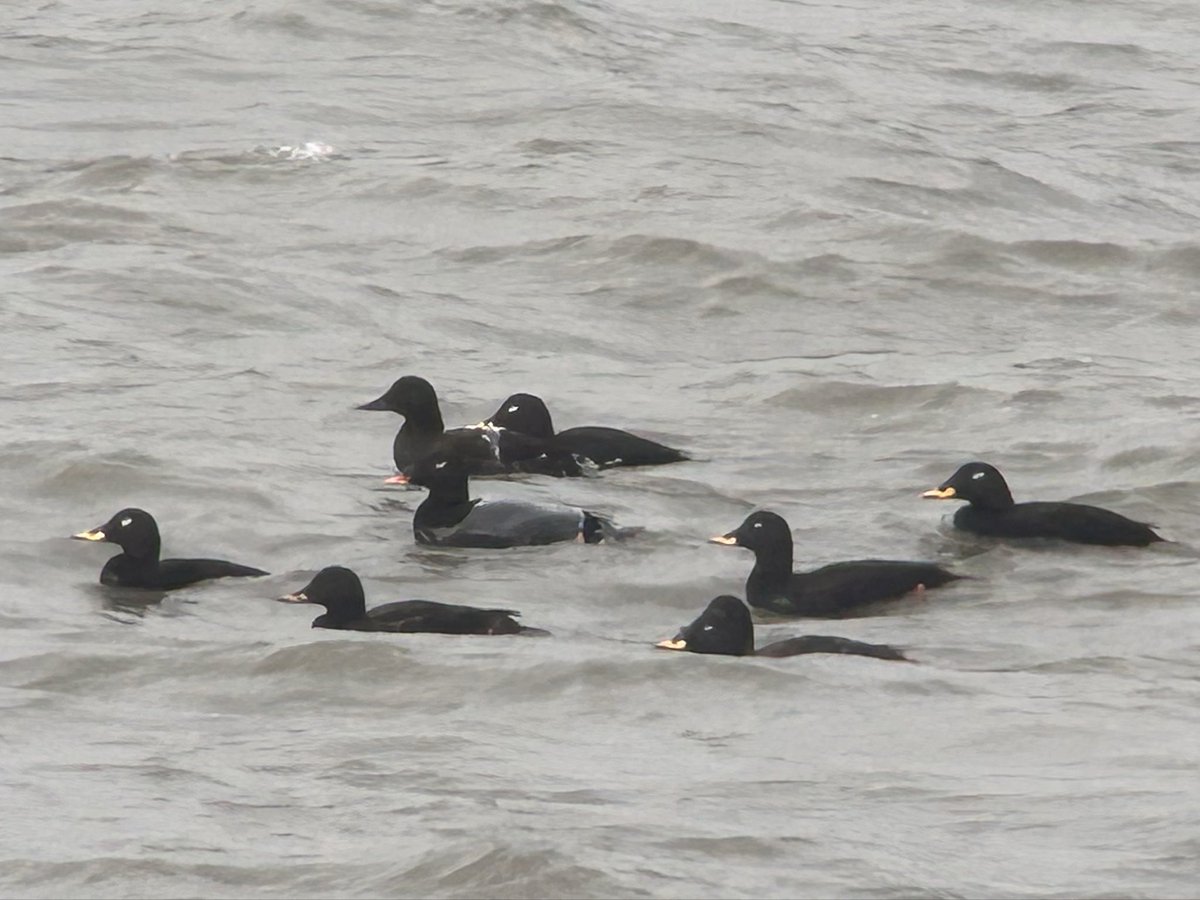
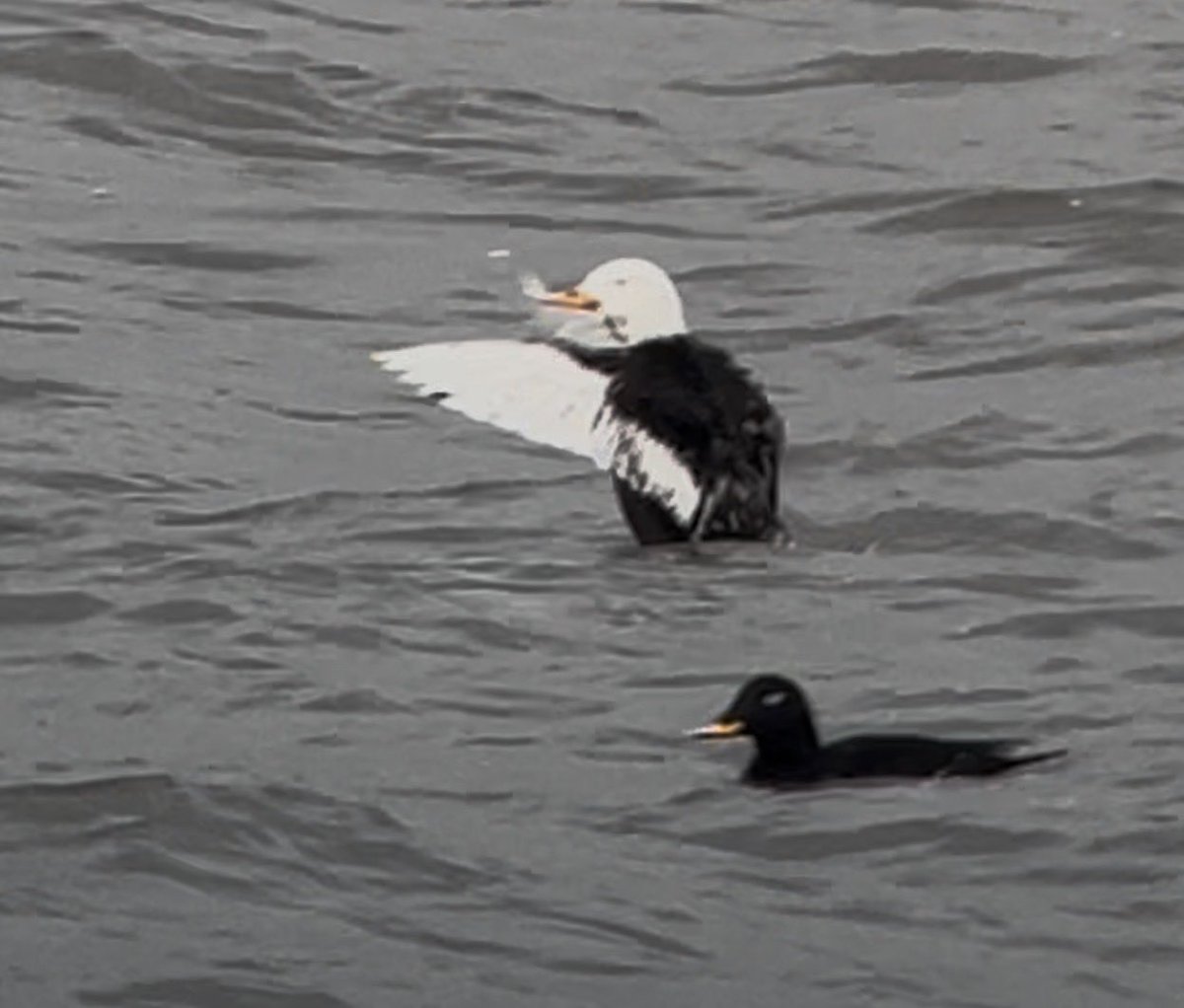
Anyone want to comment on this bird the current thinking is it’s not a WWS but either maybe a 3cy Stejnegers or Stej x Velvet hybrid.
Adam Hutt 🏴@SBOmad
Lovely views of drake White-winged Scoter at Buckhaven carpark in choppy seas along with the cracking white headed Velvet. #Fifebirds
English
Lovely views of drake White-winged Scoter at Buckhaven carpark in choppy seas along with the cracking white headed Velvet. #Fifebirds

English

English

@TimHermansson @Still_Mark_Rami @DerrickEvans4WV the agent doesn’t have a head in the picture you fucking retard. it’s so obviously ai
English

🚨Sheriff Wayne Ivey: “If you throw a brick, a firebomb, or point a gun at one of our deputies, we will be notifying your family where to collect your remains at because we will k**l you, graveyard d*ad”
English

People need to understand the law. When a person begins to resist arrest, normal rules begin to change. Here a man was armed and physically resisted arrest by federal law enforcement. Multiple agents are wrestling with him in a violent confrontation. Once the firearm is observed, officers do not have to wait for the man to reach for it to consider him a lethal threat.
The use of deadly force by federal law enforcement officers is governed primarily by the Fourth Amendment's prohibition on unreasonable seizures, as interpreted through key Supreme Court precedents like Graham v. Connor (1989), which requires evaluating the "objective reasonableness" of the force based on the totality of the circumstances from the perspective of a reasonable officer. This includes factors such as the severity of the crime at issue, whether the suspect poses an immediate threat and whether the suspect is actively resisting arrest or attempting to flee. For use of deadly force federal guidelines and case law, such as Tennessee v. Garner (1985) (which limits deadly force against fleeing suspects but emphasizes the need for a probable threat of harm)—where a legally armed individual is violently resisting arrest, leading to a ground struggle with multiple officers, and his holstered firearm becomes visible—the legality of using deadly force without the suspect reaching for the gun hinges on whether a reasonable officer would perceive an imminent danger of death or serious bodily injury. The mere presence of a holstered weapon, combined with violent resistance (e.g., wrestling that could allow sudden access to the gun), can contribute to a perception of imminent threat under the totality of circumstances, especially in a close-quarters fight where the suspect might grab the weapon in moments. Courts have upheld deadly force in similar dynamic situations where the armed suspect's actions during resistance create a reasonable fear of weapon use, even without an explicit draw attempt—such as furtive movements, proximity to the weapon, or overpowering officers. Recent Supreme Court guidance in Barnes v. Felix (2025) reinforces this by rejecting narrow "moment-of-threat" analyses and requiring courts to consider the full context leading up to the force, not just the instant before the shot.
However, deadly force is not automatically justified solely because the suspect is armed and resisting violently. The law does not require officers to wait until the suspect actually reaches for or draws the gun before using deadly force—if the imminent danger is already reasonably apparent (e.g., due to the struggle's intensity, the suspect's position relative to the holster, or other escalating factors). Ultimately, these cases are highly fact-specific and often turn on qualified immunity defenses in civil suits, where officers are protected if their actions didn't violate "clearly established" law.
This event raises a clear question: does the armed status of a suspect, paired with violent but non-weapon-directed resistance, suffice for deadly force, or if some affirmative step toward the gun is required. The answer is that no specific "reach" is mandated by law if imminence is otherwise established.
Clearly take away, resisting arrest, when in possession of a deadly weapon (car, gun, etc.) is likely to get you killed.
Not arguing what the law should be, but we should make clear what the law is. Resisting arrest while in possession of a violent weapon, changes normal dynamics.
English

Adam Hutt 🏴 retweetledi

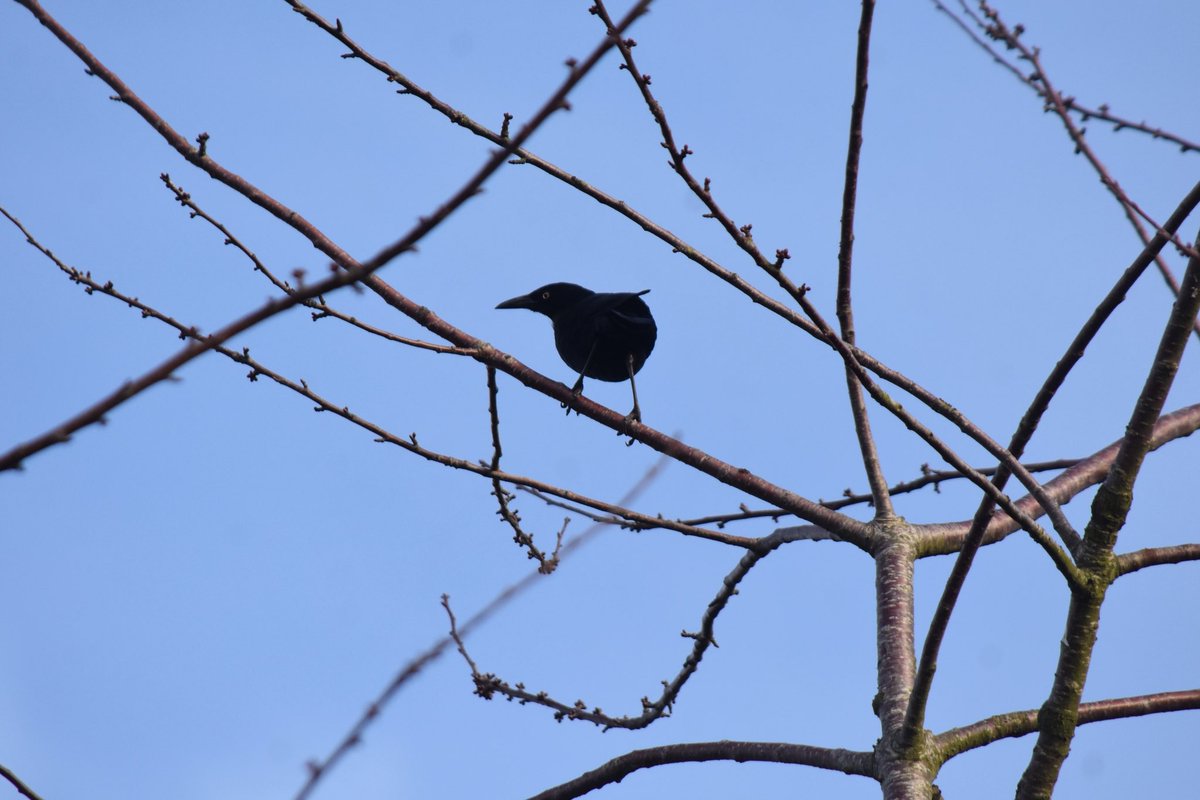
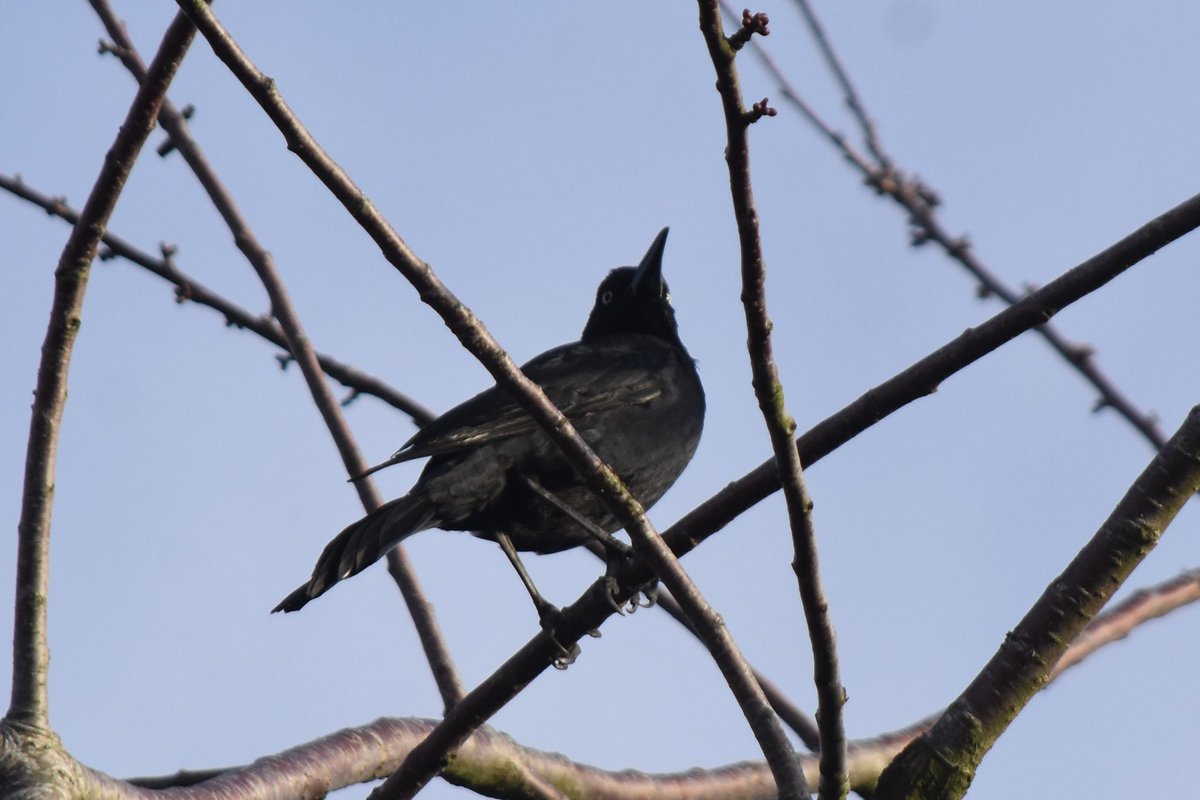
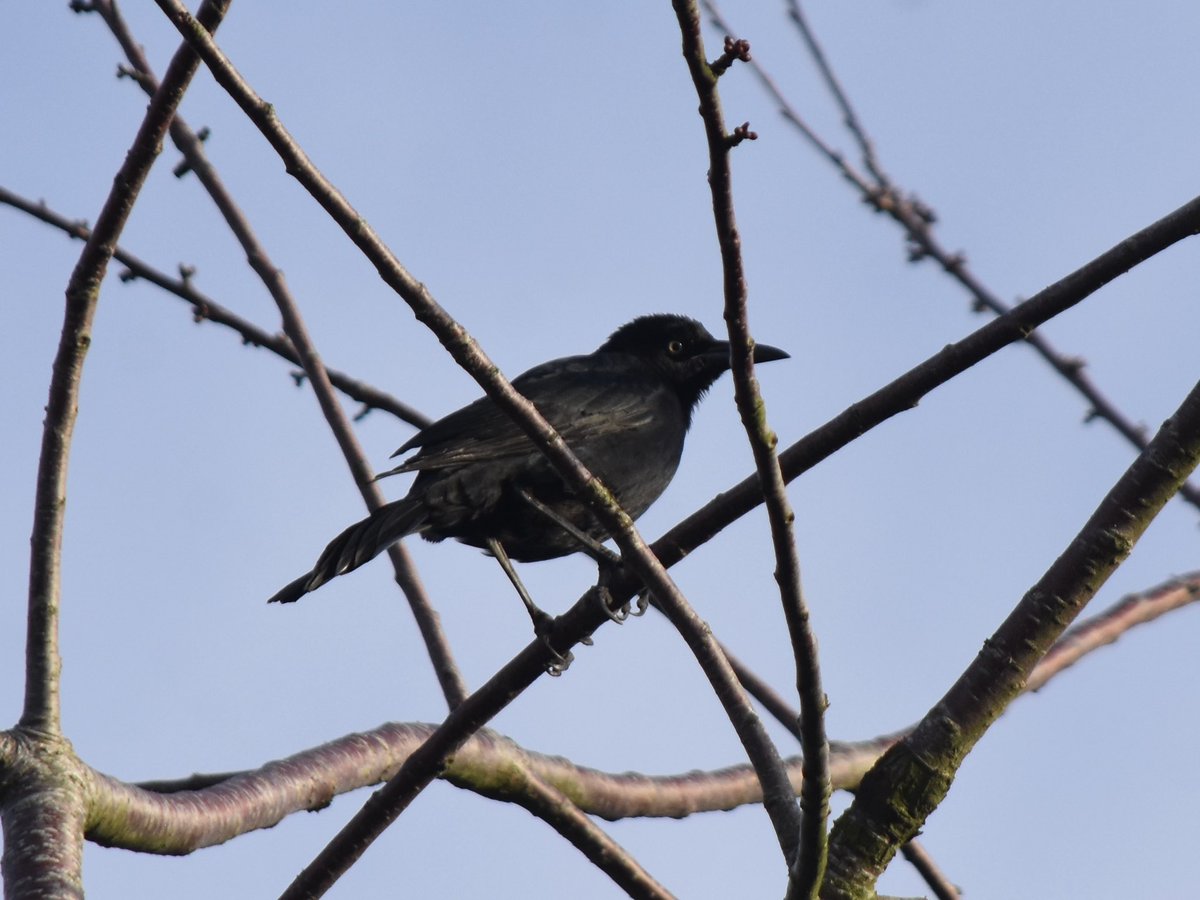
Absolutely made up to see the grackle this morning ( not sure what sp but more experienced birders will know I’m sure )
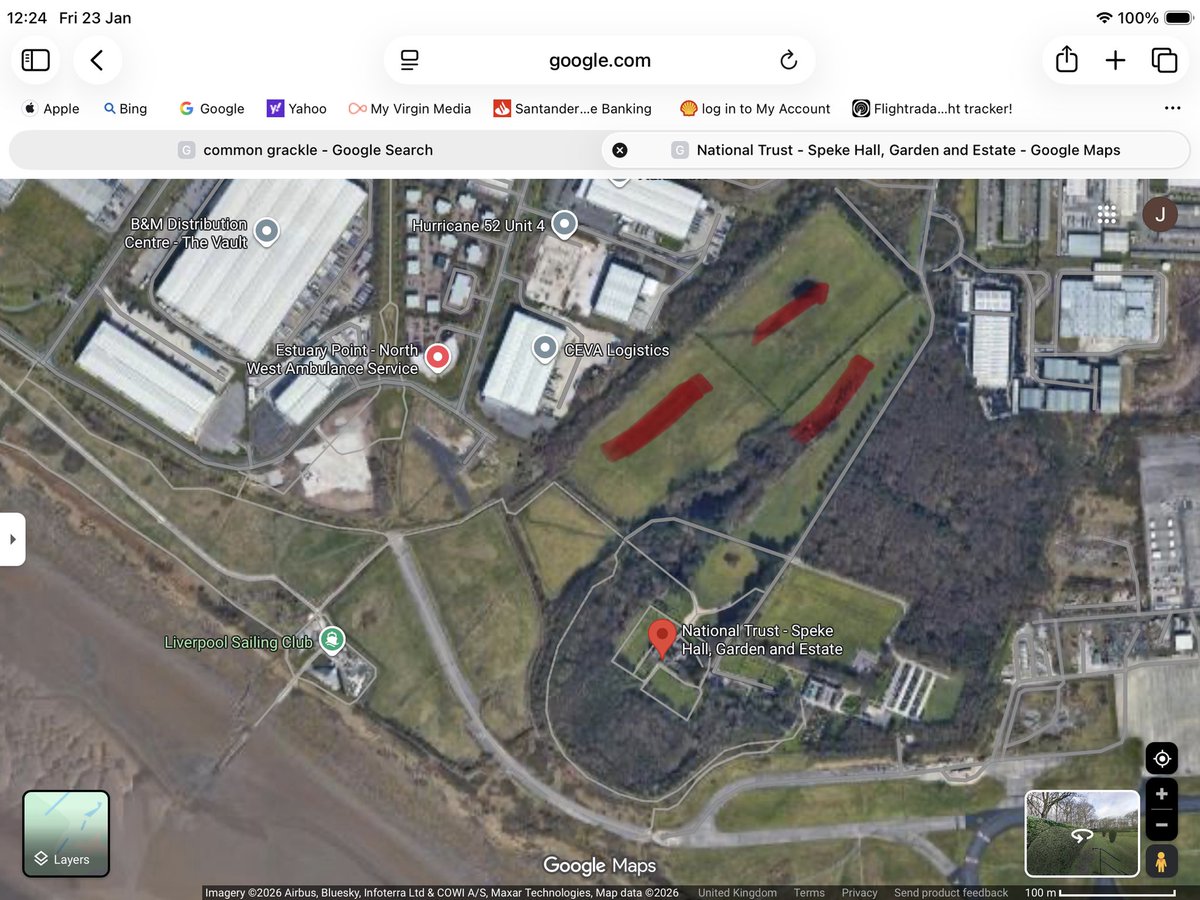
It’s doing circuits of the fields at Speke hall I’ve marked in red on map .lots of happy birders there now 👍🏻
I’m no photographer but here’s a few pics
English

@a_derll He played through while an opposing player was down injured. It’s in the 1st frame of the video. It looks like he’s playing against kids or reserves. Not the classiest reaction from him…but this happens all the time.
English

This was the most surreal thing I've ever seen in my life, it ends up getting Rodrygo sent off. How was it even possible
English
Adam Hutt 🏴 retweetledi

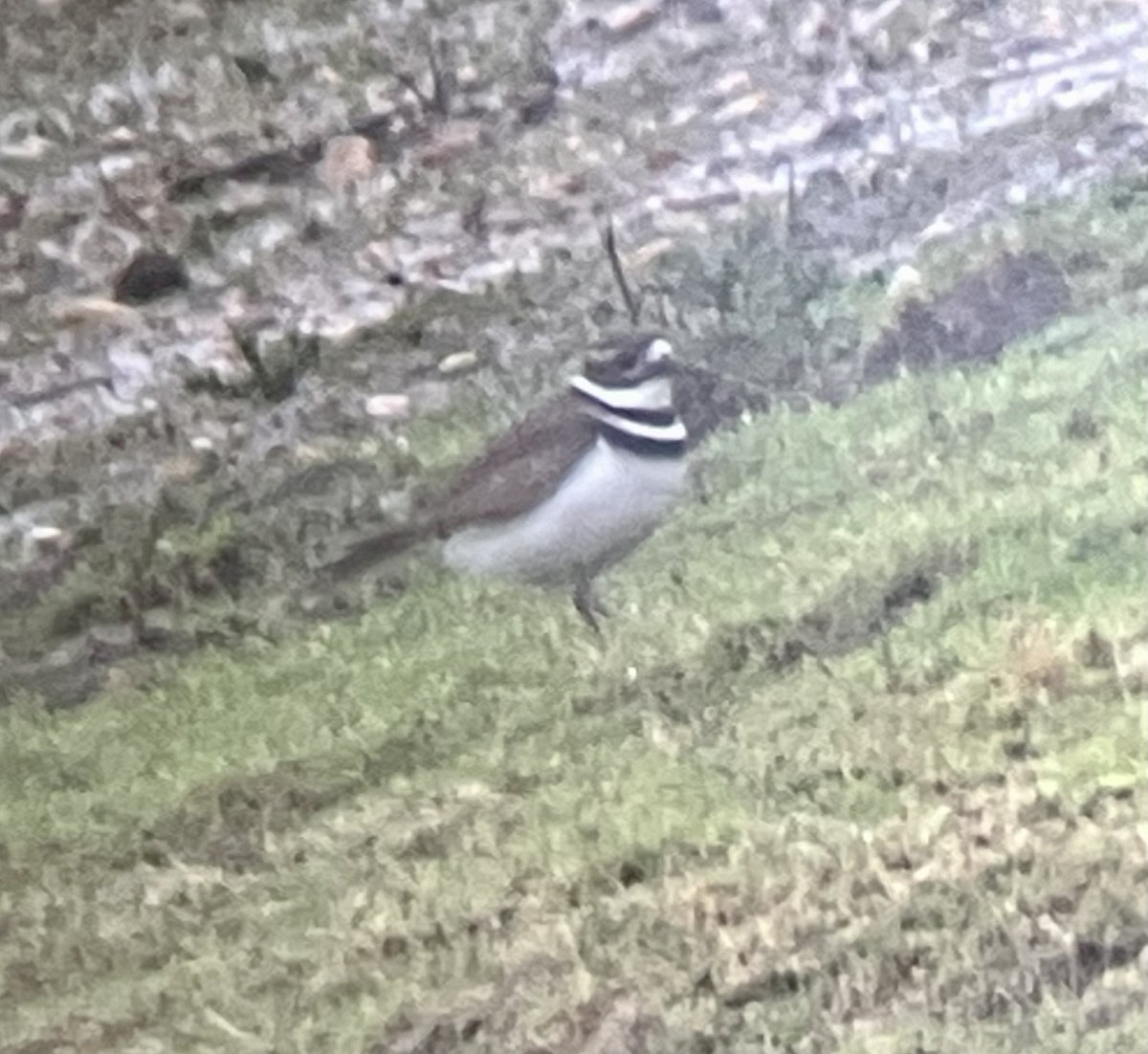


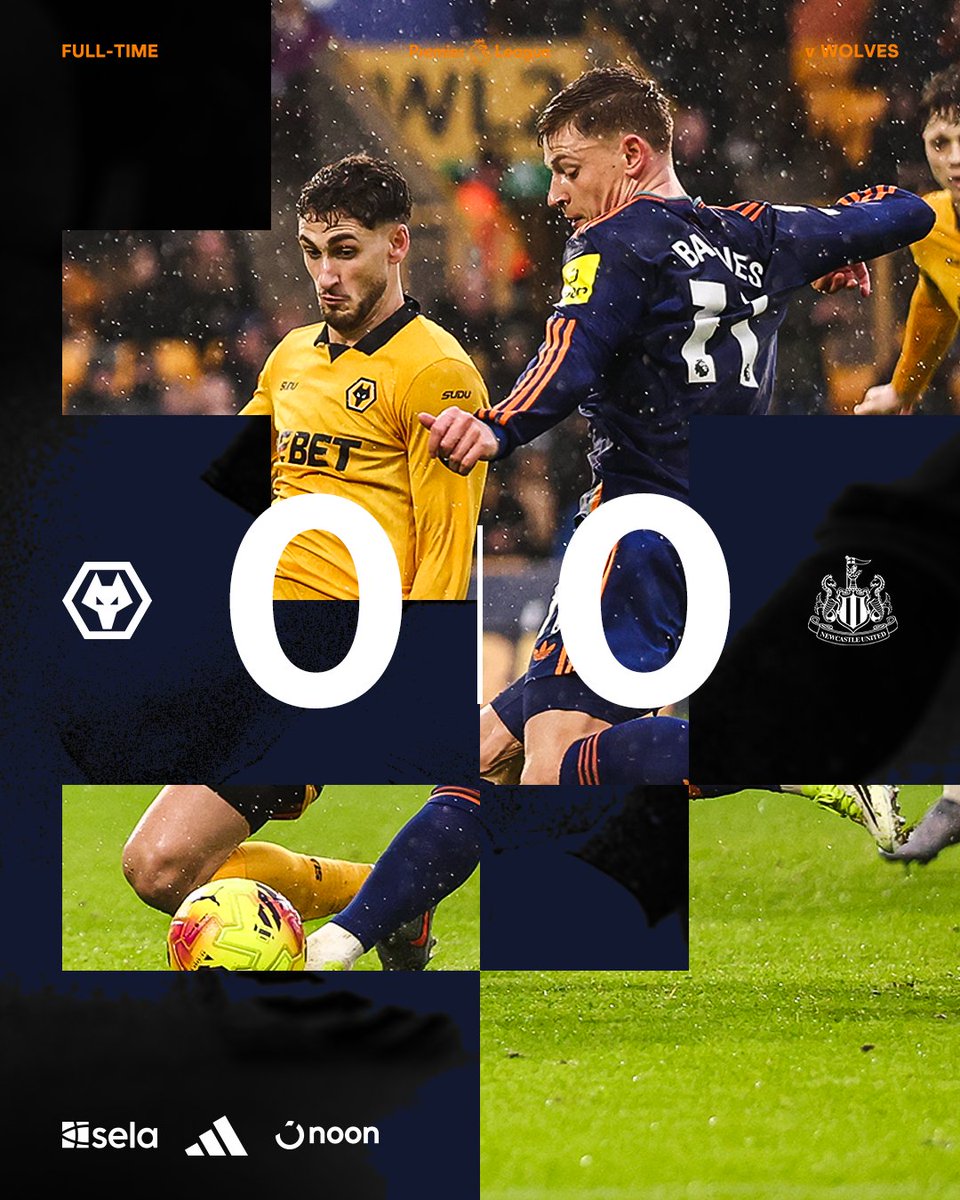
@bbcnewcastle Wasted. Takes pace out of attacks down right and needed back in midfield
English

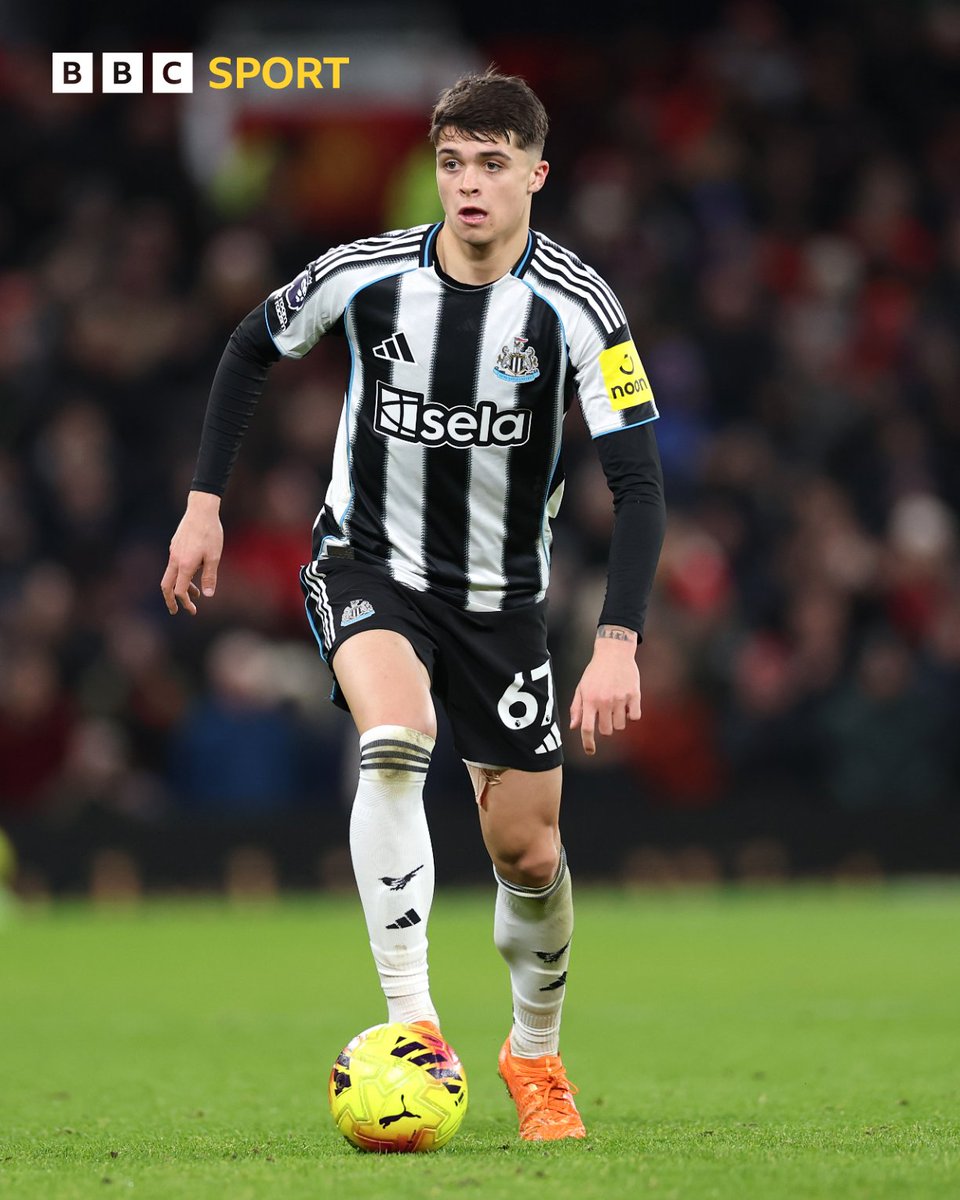
Describe Lewis Miley's performances as makeshift right back in one word: ______
#NUFC | bbc.in/3KTWQ1s
English
Adam Hutt 🏴 retweetledi

Staying at Spurn Bird Observatory this winter?
🍽️ 15% off food & drink
🍻 Crown & Anchor (minutes away)
❄️ Dec–Feb, overnight guests only

English
Adam Hutt 🏴 retweetledi

Adam Hutt 🏴 retweetledi

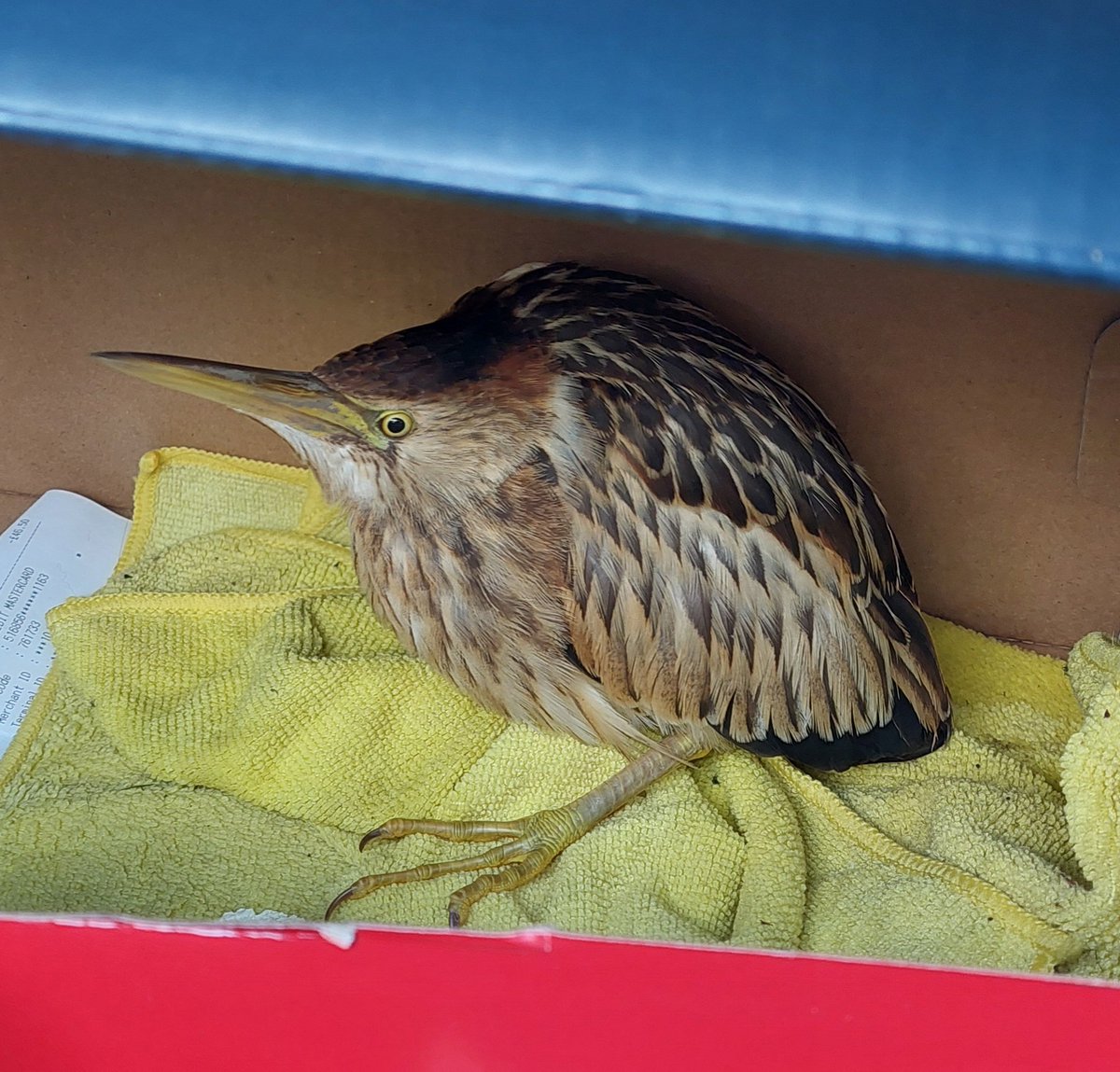
What a bizarre morning, Little Bittern in a Box in North Shields!!
English
Adam Hutt 🏴 retweetledi
Edderthorpe, the Snow Bunting remains for its third day. Please don't bait the area with mealworms as some have done, they are not necessary. @BirdGuides
English



English
@Sibe4me Seem to remember another Moth at sane time? Maybe Striped Hawkmoth?
English