SP Kinobe

4.9K posts

SP Kinobe banner
SP Kinobe

SP Kinobe

@SPKinobe2018

Just a human being, Mark 12:31/ love for God and country 🇺🇬. My life is not built around your opinion of me. No time to read comments #BuildingBridges


Kampala, Uganda Katılım Mart 2018
3.2K Takip Edilen15.7K Takipçiler
SP Kinobe retweetledi
Nyakasura Alumni League
Nyakasura Alumni League@NyakasuraLeague·
Ladies and gentlemen, "The Nyakasura School week is here" Join us for the Nyakasura School Centenary celebrations on 26th March 2026. Witness the vested heritage of our magnificent Scottish kilt, a statutory symbol of our indisputable legacy with H.E Museveni as the chief Guest.
Nyakasura Alumni League tweet mediaNyakasura Alumni League tweet mediaNyakasura Alumni League tweet mediaNyakasura Alumni League tweet media
English
3
17
140
6.7K
SP Kinobe retweetledi
Andrew Ojok Oulanyah, MP
Andrew Ojok Oulanyah, MP@AndrewOulanyah·
20.03.2026 Our patriarch, Mzee Nathan Okori Adiyo, has rested on the same day that his son rested! May his soul rest in peace! 🕊️
Andrew Ojok Oulanyah, MP tweet mediaAndrew Ojok Oulanyah, MP tweet media
English
359
451
3.6K
155.1K
SP Kinobe retweetledi
Judiciary Uganda
Judiciary Uganda@JudiciaryUG·
Eid Al-Fitr Message From The Chief Justice
Judiciary Uganda tweet media
English
1
9
53
1.2K
SP Kinobe retweetledi
Judiciary Uganda
Judiciary Uganda@JudiciaryUG·
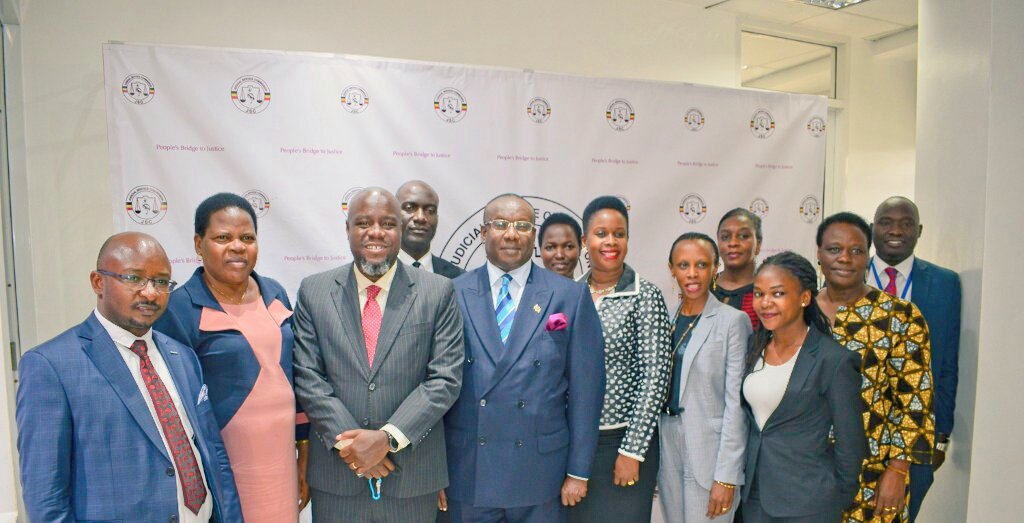
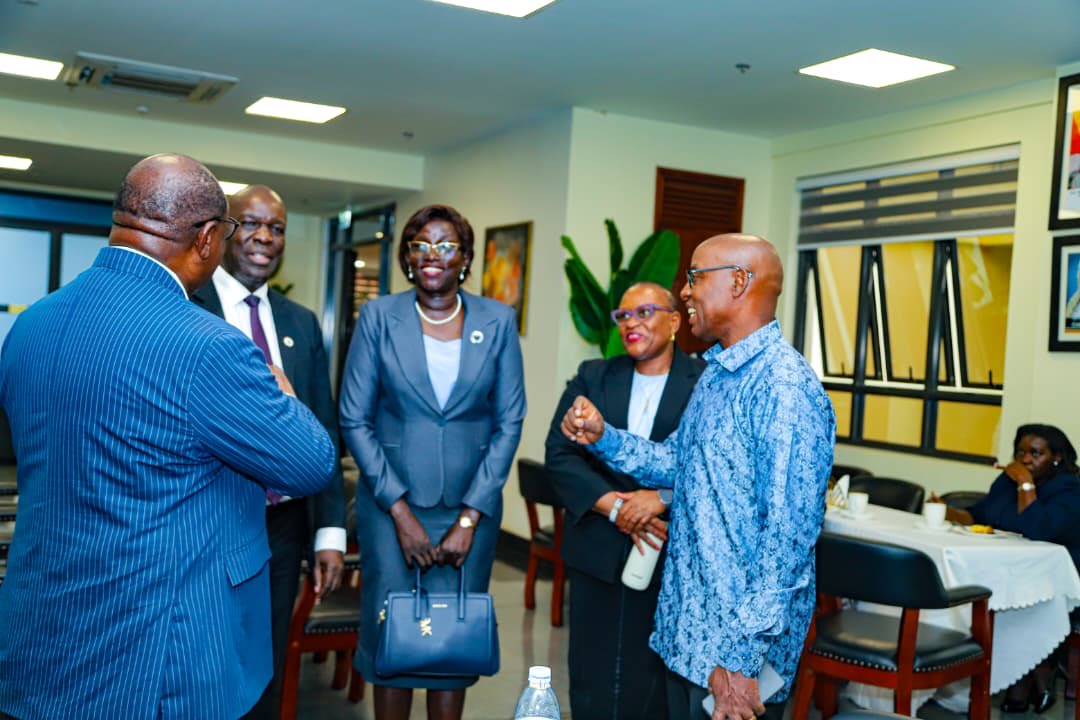
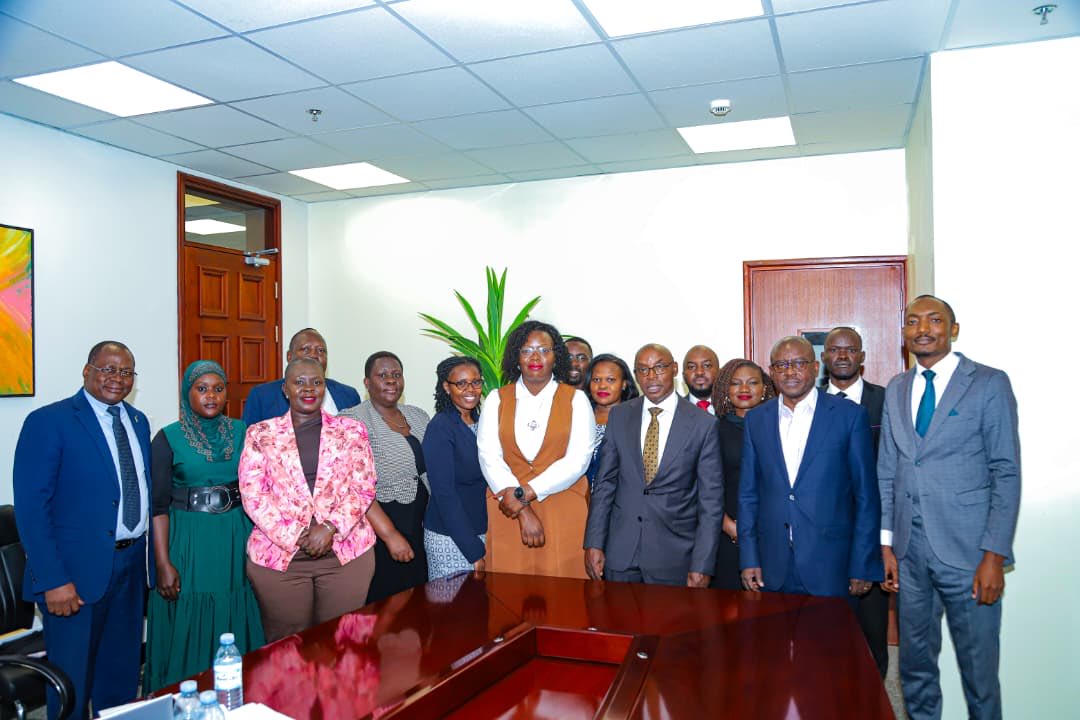
Earlier, the Chief Justice, Justice Dr. Flavian Zeija, met members of the Executive of the Uganda Judicial Officers Association (UJOA) at the Judiciary Headquarters in Kampala, where discussions centred on leadership, welfare, and strengthening collaboration between the Judiciary administration and judicial officers. During the meeting, the Chief Justice commended UJOA for sustaining dialogue engagements and urged judicial officers to embrace the Judiciary’s digital transformation agenda. He cited the successful transition to a paperless system at the Court of Appeal as a clear sign that the institution is capable of adapting to change and called for continued support towards modernization across the Judiciary. He also emphasized the importance of Alternative Dispute Resolution (ADR), noting that many disputes can be concluded through mediation, thereby reducing case backlog and minimizing the number of appeals. On staff wellness, the Chief Justice observed that judicial work is demanding and often stressful, and encouraged judicial officers to actively participate in activities such as aerobics and other fitness programmes. He welcomed the idea of establishing a Judicial Officers’ Rotary Club, describing it as a positive initiative that could promote health, wellness, and collegiality within the profession. The Chief Justice further expressed support for regional engagements with judicial officers, saying these are important in identifying and responding to the unique challenges faced in different parts of the country. On infrastructure, he outlined ongoing efforts to improve working conditions, including the construction of court buildings with residential accommodation for both judicial and non-judicial officers, particularly in hard-to-reach areas. Addressing concerns over institutional support to UJOA, the Chief Justice explained that existing legal and policy limitations make direct funding difficult because the Association is structured as a private entity. He, however, noted that alternative avenues, including support through corporate social responsibility, could be explored depending on resource availability and further discussion by Top Mmanagement. On the issue of deducting membership dues at source, he said the process is technically possible but remains subject to legal requirements, particularly the need for individual consent. He also explained that provision of vehicles for judicial officers other than judges remains constrained by limited resources, with current priority being given to hard-to-reach areas. He urged patience as the institution continues to engage within available means. The Chief Justice added that benefits such as fuel allowances and housing are tied to the terms of appointment, and any review of those benefits would have to be considered within broader salary and policy processes. In her remarks, Lady Justice Olive Kazaarwe Mukwaya, the President of UJOA, raised the challenges the Association faces in collecting member dues, particularly the procedural difficulties involved in enabling deductions at source, and requested the Chief Justice’s support in resolving the matter. She stressed the need to strengthen membership and sustain the Association’s work, noting that UJOA largely depends on subscriptions from members despite its many activities. She also briefed the Chief Justice on the Association’s follow-up regarding a government pledge to provide UJOA with a vehicle, and requested support towards Uganda’s obligations to the East African Magistrates and Judges Association (EAMJA). Lady Justice Kazaarwe further invited him to officiate at UJOA’s leadership dialogue on 25 April 2026 and to attend its Annual General Meeting scheduled for 9 May
Judiciary Uganda tweet mediaJudiciary Uganda tweet mediaJudiciary Uganda tweet media
English
0
5
19
1.6K
SP Kinobe retweetledi
Judiciary Uganda
Judiciary Uganda@JudiciaryUG·
The Principal Judge, Lady Justice Jane Frances Abodo, yesterday inspected Atiak Magistrates Court, Amuru Magistrates Court, and Nwoya Chief Magistrate’s Court as part of her tour of the Gulu High Court Circuit, where she engaged with judicial officers and staff on improving service delivery, promoting Alternative Dispute Resolution (ADR), and addressing operational challenges affecting the courts. At Atiak Magistrate’s Court, the Principal Judge commended the Magistrate and court staff for their commitment to service despite the challenges they face. She also commended the promotion of Alternative Dispute Resolution (ADR) and reaffirmed the Judiciary’s commitment to ensuring the welfare of both Judicial and non-judicial staff serving in hard-to-reach areas. The Principal Judge noted that access to transport is essential for judicial officers in such areas. “A motor vehicle is not a luxury in terms of access to justice; it helps judicial officers carry out their work without having to use public means alongside litigants,” she said. HW Ebong George, the Deputy Registrar in charge of Gulu High Court Circuit , committed to following up with the local government regarding the procurement of land for the court. He also informed the Principal Judge that HW Ogwen John Timothy, the judicial officer at Atiak is hardworking and that no corruption complaints have been registered against him. HW Ogwen went on to brief the Principal Judge about the jurisdiction of the magisterial area which covers five sub-counties, with the furthest located 46 kilometres from the Court. The Court currently operates with three support staff. He further reported that the Court has a caseload of 36 matters. It handles criminal cases every Tuesday, which are registered and handled at Amuru Chief Magistrate’s Court, located 88 kilometres away. This arrangement arises due to the absence of a State Attorney and prison facilities in Atiak, a situation that has discouraged some litigants from reporting and following up their cases. Amuru Court At Amuru Magistrates Court, the Principal Judge urged judicial officers to promote the Small Claims Procedure and Alternative Dispute Resolution (ADR) mechanisms. She further encouraged the Court to identify and engage stakeholders who can be trained as mediators to help manage the anticipated increase in cases following the amendment of the Magistrates Act. The Principal Judge commended both Judicial and non-judicial staff for their dedication to serving the public despite operating far from the central administration. She reassured them that Judiciary Top Management would continue to support them with the necessary tools to effectively execute their duties. “Keep doing the right thing, for in this era of technology we are able to know everything that happens in courts, even those far away from the center,” the Hon. the Principal Judge remarked. During the inspection, the Magistrate Grade I, HW Aballa Godfrey, reported a caseload of 259 pending cases before the Grade I Court and 57 cases before the Chief Magistrate’s Court. He also highlighted several challenges affecting the court’s operations, including the need for renovation of the court premises, installation of water, provision of furniture, staffing gaps, lack of judicial housing, and the need for a motor vehicle to facilitate locus visits. HW Ebong George reaffirmed the Gulu High Court Circuit’s commitment to promoting ADR and requested that the issue of motor vehicle allocation for courts be considered Nwoya CM Court At Nwoya Chief Magistrate’s Court, the Principal Judge commended the Chief Magistrate for the positive leadership that has translated into the excellent performance of the court and emphasized that Judiciary programs such as Alternative Dispute Resolution (ADR), Plea Bargaining, and the Small Claims Procedure should be effectively embraced by the community to enhance access to justice
Judiciary Uganda tweet media
English
1
3
19
1.8K
SP Kinobe retweetledi
Law Development Centre
Law Development Centre@LDC_Uganda·
The @DirectorLDC, Dr. Pamela Tibihikirra-Kalyegira, Secretary, Mr. Lukyamuzi Hamis Ddungu, and Ag. Head, Bar Course, Mr Robert Mackay, paid a courtesy visit to @MODVA_UPDF. They were received by the Under Secretary, Logistics, Mr. Ngabirano Francis Kahiriita.
Law Development Centre tweet media
Filipino
0
14
142
8.1K
SP Kinobe retweetledi
Judiciary Uganda
Judiciary Uganda@JudiciaryUG·
President Yoweri Kaguta Museveni has hailed Chief Justice Emeritus Alfonse Chigamoy Owiny - Dollo for what he described as corruption-free leadership and bold reforms that helped strengthen Uganda’s Judiciary, particularly through the expansion of Alternative Dispute Resolution (ADR). The President made the remarks today while presiding over a grand homecoming celebration for the retired Chief Justice at Kaunda Grounds in Gulu City, attended by Judiciary leaders, government officials and hundreds of residents from across the Acholi sub-region. Justice Owiny - Dollo retired on January 18 after attaining the mandatory retirement age of 70, ending a five-year tenure at the helm of the Judiciary. President Museveni said that although he frequently receives reports about corruption within the Judiciary, Justice Owiny - Dollo’s name has never been mentioned in such allegations. “During the time I have worked with him, I can testify to three qualities. The first one is that I have never heard any story of personal corruption involving him in the Judiciary,” the President said. “I normally get stories that there is still corruption in the Judiciary, but I have never heard his name associated with any of them.” The President also credited the Chief Justice Emeritus for advancing Alternative Dispute Resolution, which provides mechanisms for resolving disputes outside the formal court system. “I have been talking about Alternative Dispute Resolution for a long time, but no one in the Judiciary was picking it up until his Lordship Owiny - Dollo came and embraced it,” President Museveni said. He also welcomed the retired Chief Justice’s post-retirement focus on mobilising communities to engage in commercial agriculture, noting that the initiative aligns with the government’s long-standing policy of empowering citizens through “agriculture by the masses”. “I’m very glad for Hon. Owiny - Dollo to be in agreement with what we have been preaching about for a long time,” the President said, pointing to programmes such as the Parish Development Model aimed at supporting small-scale farmers
Judiciary Uganda tweet mediaJudiciary Uganda tweet media
English
3
11
38
2.8K
SP Kinobe retweetledi
Judiciary Uganda
Judiciary Uganda@JudiciaryUG·
Justice Fredrick Martin Stephen Egonda-Ntende, Justice of the Court of Appeal, earlier hosted fellow Justices of the Court of Appeal to a quarterly luncheon at his residence in Jinja City, bringing together members of the appellate bench, registrars, research magistrates, and support staff in a warm and collegial setting. Held under the theme *“Beyond Colleagues – a Community*,” the gathering provided an opportunity for members of the Court to interact outside the formal courtroom environment and strengthen professional bonds. Welcoming the guests, Justice Egonda-Ntende shared the history behind his residence, explaining that he acquired the plot in 1992 with the intention of building his retirement home in Jinja. He noted that construction began after his return from service with the United Nations, and that he has been commuting from the residence for the past twelve years. He also introduced guests to one of the products from his family enterprise, Pure Honey from River Side Farm. Justice Geoffrey Kiryabwire, Justice of the Court of Appeal and Court Administrator, thanked Justice Egonda-Ntende for the warm hospitality and commended the cultural entertainment that accompanied the luncheon. “You have set the bar very high, and we must only get better,” he remarked. Justice Kiryabwire also commended Justice Egonda-Ntende for his significant contribution to the Court of Appeal and to the Judiciary at large, noting that the Court would continue to draw on his experience and wisdom as he approaches retirement. He further indicated that a more formal send-off would be organised in his honour ahead of his retirement. Speaking on behalf of the Justices, Justice Cheborion Barishaki expressed appreciation to Justice Egonda-Ntende and his family for hosting the team and for demonstrating true collegiality by welcoming colleagues into his home. He described Justice Egonda-Ntende as a calm and thoughtful colleague, a peacemaker even in difficult moments, and a gentleman who warmly supports and welcomes others. He thanked both him and his family for the hospitality extended to the Court. The luncheon was attended by several Justices of the Court of Appeal, including Lady Justice Irene Mulyagonja, Justice Christopher Gashirabake, Lady Justice Eva K. Luswata, Justice Oscar John Kihika, Justice Moses Kazibwe Kawumi, Lady Justice Margaret Tibulya, Justice Dr. Asa Mugenyi, Justice John Mike Musisi, Justice Jesse Byaruhanga Rugyema, Lady Justice Esta Nambayo, Lady Justice Cornelia Kakooza Sabiiti, Justice Musa Ssekaana, and Lady Justice Stella Alibateese. Also present were HW Rukundo Allen Owembabazi (Registrar, Court of Appeal), HW Natukunda Janeva (Deputy Registrar, Civil Registry), HW Zulaika Nanteza and HW Mugala Jane (Deputy Registrars, Appellate Mediation), alongside research magistrates attached to the Justices and support staff. The event was moderated by HW Zulaika Nanteza and concluded with cake cutting and merrymaking
Judiciary Uganda tweet mediaJudiciary Uganda tweet mediaJudiciary Uganda tweet media
English
1
1
25
3.4K
SP Kinobe retweetledi
Judiciary Uganda
Judiciary Uganda@JudiciaryUG·
The Principal Judge, Lady Justice Jane Frances Abodo, has urged Bar Course students to embrace Alternative Dispute Resolution (ADR) as a cornerstone of modern legal practice, emphasizing that effective lawyering should prioritize resolving disputes efficiently rather than prolonging courtroom battles. Speaking as a guest lecturer to the Bar Course students at the Law Development Centre in Kampala, the Principal Judge encouraged the next generation of advocates to rethink the traditional adversarial approach to litigation and instead focus on solutions that meet the real needs of clients. Addressing a packed lecture hall at the LDC campus on Makerere Hill Road, Lady Justice Abodo emphasized that clients primarily seek timely, affordable, and conclusive solutions to their disputes. “ADR should be your strategic lawyering, not full litigation,” she advised the students. “You must always ask yourselves what the client truly wants. Most clients want speed, cost efficiency, and closure, not endless litigation.” She reminded the students that lawyers are fundamentally problem solvers, whose responsibility is to guide disputing parties toward workable solutions rather than escalate conflicts through prolonged legal battles. The Principal Judge encouraged the students to explore the expanding opportunities within the ADR field, noting that the Judiciary and its justice-sector partners are increasingly investing in training in arbitration, mediation, negotiation, and other dispute resolution mechanisms. Reflecting on the significance of the Law Development Centre, Lady Justice Abodo described the institution as one that holds deep meaning for both the Judiciary and the country. “The Law Development Centre is a very special place to us in the Judiciary and to Uganda as a whole. It is where many of our legal journeys begin. Coming here always speaks to my heart, and I felt compelled to come and share with you on this timely and important topic.” She explained that although ADR is often viewed as a modern legal innovation, its foundations are deeply embedded in Africa’s traditional justice systems. Long before the establishment of formal courts, communities relied on clan elders, mediators, and communal dialogue to settle disputes while preserving social harmony. “ADR is therefore not foreign to us,” she said. “It reflects the traditional African way of resolving conflict — through dialogue, mediation, and community consensus.” Lady Justice Abodo cautioned that justice systems plagued by prolonged delays risk losing public confidence. She observed that when disputes take years, sometimes decades, to resolve, communities may resort to informal or unlawful ways of seeking justice. She also highlighted the damaging effects of adversarial litigation on relationships, noting that prolonged court battles often entrench hostility between parties and destroy commercial, family, and community ties. By contrast, ADR mechanisms promote dialogue and compromise, enabling parties to reach mutually beneficial outcomes while preserving relationships. The Principal Judge further noted that prolonged litigation places a heavy financial burden on litigants through legal fees, transport costs, and time lost attending court sessions, factors that often make justice inaccessible for many citizens. Beyond individual disputes, she explained, unresolved commercial conflicts can undermine economic growth by discouraging investment. “A strong ADR system signals that Uganda is open for business,” she said. “It assures investors that disputes will be resolved quickly, fairly, and efficiently.” Lady Justice Abodo also outlined the various ADR mechanisms currently utilized within Uganda’s justice system. These include arbitration, a private and binding process governed by the Arbitration and Conciliation Act; mediation, where a neutral mediator facilitates dialogue between disputing parties; and reconciliation, which is recognized under Article 126
Judiciary Uganda tweet mediaJudiciary Uganda tweet mediaJudiciary Uganda tweet media
English
1
25
117
5.1K
SP Kinobe retweetledi
Law Development Centre
Law Development Centre@LDC_Uganda·
We are pleased to host the Principal Judge, the Hon. Lady Justice Jane Frances Abodo. She is addressing our Bar Course students about Alternative Dispute Resolution (ADR). She has emphasised the fact that ADR is not an alternative; it is foundational in our justice system.
Law Development Centre tweet mediaLaw Development Centre tweet media
English
1
48
225
5.6K
SP Kinobe retweetledi
Judiciary Uganda
Judiciary Uganda@JudiciaryUG·
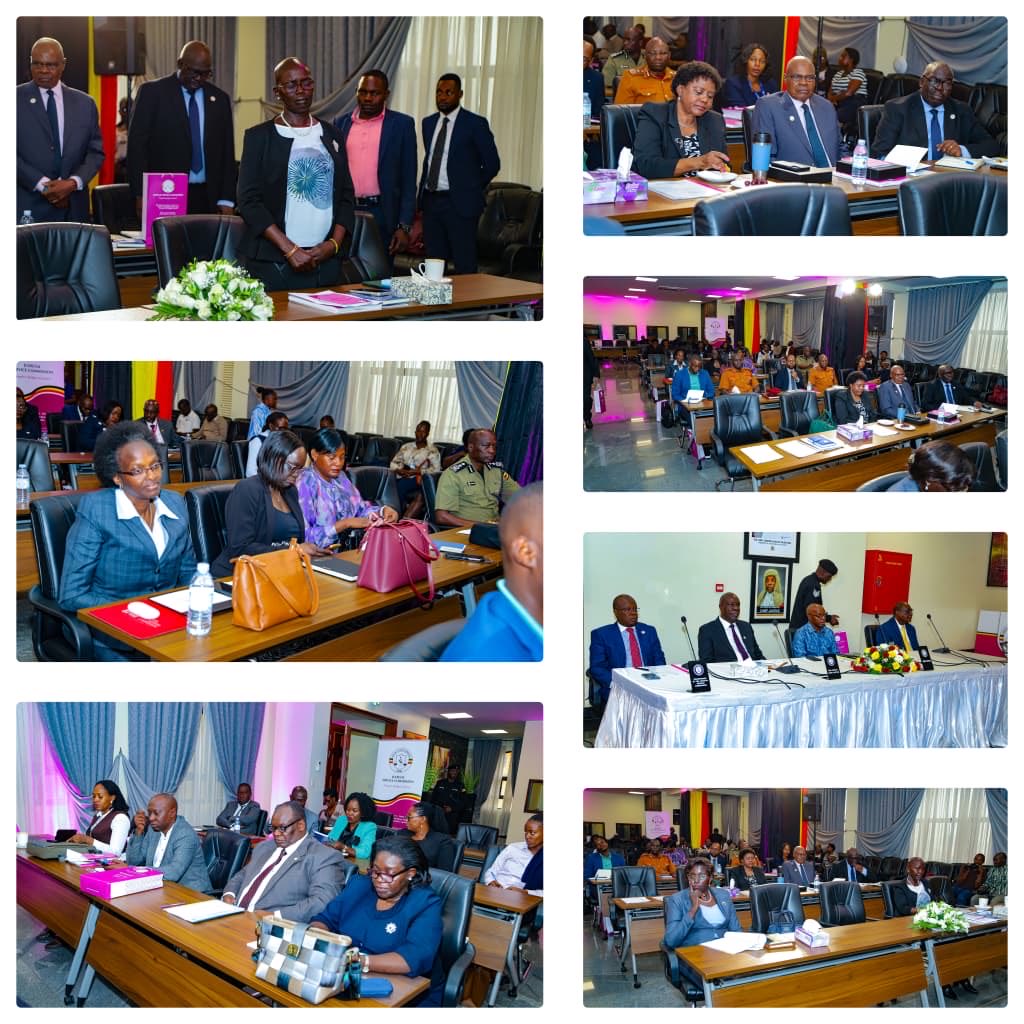
Ongoing: Day Four of the GUMZO LA Alternative Dispute Resolution (ADR) Conference is underway at Mestil Hotel and Residences in Kampala. The day has begun with a High-Level Gumzo Breakfast discussion on Resolving Financial Disputes through ADR, bringing together key stakeholders to explore how Alternative Dispute Resolution mechanisms can effectively address financial sector disputes. The Chief Justice, Justice Dr. Flavian Zeija, will officially open the day’s session. Today’s discussions will focus on domestic arbitration and the evolving legal and regulatory frameworks across African jurisdictions, with particular emphasis on how to promote and strengthen domestic arbitration within African legal systems. The day will conclude with a discussion on trending issues shaping the arbitration landscape. Participants include Judges, bankers, government officials, academics, private sector leaders, sports administrators, and arbitration practitioners, reflecting the multi-sector engagement in advancing domestic arbitration and dispute resolution in Africa. Notably present is the Minister of Justice and Constitutional Affairs, Hon. Norbert Mao. The High-Level Breakfast session is chaired by Mr. Allan Kasujja, Executive Director of Uganda Media Center, and the day's moderator is HW Lillian Bucyana, Ag. Registrar in-charge JTI
Judiciary Uganda tweet mediaJudiciary Uganda tweet mediaJudiciary Uganda tweet media
English
0
3
8
697
SP Kinobe retweetledi
Judiciary Uganda
Judiciary Uganda@JudiciaryUG·
Day III of the GUMZO La Alternative Dispute Resolution (ADR) Conference is underway at Mestil Hotel and Residences in Kampala, with Justice Mike Chibita, Justice of the Supreme Court and Chairperson of the Governing Council of the Judicial Training Institute (JTI), officially opening the session. The day’s programme features a specialised masterclass on construction contracts and the adjudication of construction disputes, aligned with the conference theme of reimagining dispute resolution and positioning ADR as the preferred dispute resolution mechanism in Africa. The capacity-building session is intended to equip participants with practical knowledge on legal frameworks governing construction projects and effective mechanisms for resolving disputes arising from infrastructure development. Participants include a cross-section of Judicial Officers, representatives from the Chambers of the Attorney General, engineers and technocrats from the Ministry of Works and Transport, as well as delegates from Kenya, Rwanda, and other African countries. Among those in attendance are Deputy Chief Justice Emeritus Justice Steven Kavuma, Lady Justice Joyce Kavuma, Head of the Civil Division, Lady Justice Susan Abinyo, Deputy Head of the Commercial Court, and Justice Ocaya Thomas Ojele Rubanga and Lady Justice Rubagumya Tumusiime Patience Emily, both Judges of the Commercial Court. In his remarks, Justice Chibita emphasised the growing importance of ADR in addressing Uganda’s increasing caseload and ensuring timely dispute resolution. He noted that while infrastructure-related disputes may not be the majority in number, they often carry the highest monetary value, making it critical that they are resolved quickly through specialised mechanisms such as adjudication to prevent delays in major projects. He further highlighted that the Judiciary has established a pool of retired judges serving as mediators and adjudicators, strengthening the credibility and expertise available to handle complex commercial and infrastructure disputes. He added that the Judicial Training Institute remains ready to organise tailored training programmes for government agencies and stakeholders to build capacity in dispute resolution. Representing Justice Prof. Andrew Khaukha, the Executive Director of JTI, Deputy Registrar of the Judicial Training Institute, HW Gladys Nakibuule Kisekka, noted the Institute’s statutory mandate under the Administration of the Judiciary Act to provide continuous judicial and legal training for judicial officers and justice sector actors. She noted that participants attending the masterclass will receive certificates of attendance issued by JTI. Speaking during the conference, Mr. Francis Gimara, Senior Counsel and Head of the ALP Dispute Settlement Hub, explained that the GUMZO conference was designed as a platform bringing together diverse stakeholders to promote dialogue and practical solutions in ADR. He said the week-long conference had been structured thematically, with Day One focusing on mediation, Day Two on Alternative Justice Systems (AJS), and Day Three dedicated to construction disputes. The Registrar of the Engineers Registration Board, Eng. Ronald Namugera, welcomed the initiative and emphasised the importance of building the capacity of engineers to effectively participate in dispute avoidance and arbitration mechanisms within infrastructure projects. Representing Hon. Waiswa Bageya, the Permanent Secretary of the Ministry of Works and Transport, Eng. Tonny Mugenyi noted that the construction sector contributes about 7% to Uganda’s GDP and plays a key role in delivering infrastructure under Vision 2040 and the National Development Plan IV. He added that ADR provides faster and more cost-effective solutions to common disputes arising in construction projects, such as delayed payments, and design changes
Judiciary Uganda tweet mediaJudiciary Uganda tweet mediaJudiciary Uganda tweet mediaJudiciary Uganda tweet media
English
1
7
15
1K
SP Kinobe retweetledi
Judiciary Uganda
Judiciary Uganda@JudiciaryUG·
More numbers turned up this evening as Staff of the Judiciary gathered for the bi-weekly aerobics session at the Judiciary headquarters aimed at promoting health, physical fitness, and team spirit within the institution. The session was attended by the Chief Justice, Justice Dr. Flavian Zeija, the Principal Judge, Lady Justice Jane Frances Abodo, and the Permanent Secretary/Secretary to the Judiciary, Dr. Pius Bigirimana, whose early participation energized the staff gathered for the activity. In his remarks, before welcoming the Principal Judge, Dr. Bigirimana commended staff for embracing the wellness initiative but cautioned those who have consistently avoided the sessions. He said that attendance will be reviewed quarterly by the Commissioner Human Resource and warned that staff who continue to dodge the programme may receive cautionary letters placed on their personal files. Dr. Bigirimana urged staff not to allow the matter to reach that stage and instead take part in the sessions as a way of maintaining good health and enhancing productivity at the workplace. During the session, the Principal Judge, Lady Justice Jane Frances Abodo, encouraged staff to make a deliberate effort to read and understand the Judiciary’s Strategic Plan, emphasizing that every officer should be familiar with the institution’s vision and priorities. To reinforce this message, she conducted an interactive quiz based on the Strategic Plan. Registrars, Heads of Department, and other staff members enthusiastically participated in answering the questions, with several receiving shopping vouchers from the Office of the Principal Judge as prizes. The Chief Justice also joined in the interactive session by selecting participants to answer questions. In his remarks, he encouraged staff to cultivate a habit of reading and keeping key institutional information at their fingertips. He illustrated this by referring to institutions such as the Uganda Prisons Service, where officers maintain detailed knowledge about inmates under their custody. The lively session concluded with a closing prayer led by Ms. Deborah Obiru, marking the end of another engaging evening of fitness and learning for Staff of the Judiciary
Judiciary Uganda tweet media
English
0
4
21
2K
SP Kinobe retweetledi
UBC UGANDA
UBC UGANDA@ubctvuganda·
Alternative justice systems aren’t just options—they form the foundation of societal harmony. - Lady Justice Jane Frances Abodo ( Principal Judge) #UBCNews | youtu.be/pSHWInWuWfo
YouTube video
YouTube
English
0
4
17
1.6K
SP Kinobe retweetledi
Judiciary Uganda
Judiciary Uganda@JudiciaryUG·
Justice Geoffrey Kiryabwire, Justice of the Court of Appeal and the Court Administrator, yesterday held an engagement meeting with support staff attached to the Court. The meeting, held at the Court premises was convened to discuss the roles, expectations, and responsibilities of support staff in facilitating the effective functioning of the Court. In attendance were HW Rukundo Allen Owembabazi, Registrar of the Court of Appeal; HW Natukunda Janeva, Deputy Registrar in charge of the Civil Registry; and HW Mugala Jane, Deputy Registrar for Appellate Mediation, together with all support staff serving at the Court. In his remarks, Justice Kiryabwire explained that the engagement was intended to help staff better understand the expectations placed upon them and to enable newly deployed officers to appreciate the significance of the Court of Appeal within the Judiciary. He emphasized that every staff member, regardless of rank or responsibility, represents the institution and therefore must uphold high standards of conduct, professionalism, and dedication to public service. The Judge noted that the behaviour and attitude of court staff significantly influence public confidence in the Judiciary. Justice Kiryabwire underscored the important role played by non-judicial staff in supporting judicial officers and ensuring the smooth administration of justice, which is central to the resolution of disputes and the maintenance of order in society. He cautioned staff against unethical conduct such as corruption, mishandling of court files, and disclosure of confidential information, observing that such practices undermine the credibility and integrity of the justice system. He further stressed the importance of proper records management, accountability in the handling of court documents, and timely execution of assigned duties. Justice Kiryabwire also encouraged staff to embrace teamwork and align their work with that of judicial officers in order to enhance efficiency and promote timely delivery of judicial services. Highlighting the importance of customer care, he urged staff to treat court users with courtesy and professionalism at all times. He also reminded them to consistently wear identification tags to prevent impersonation within court premises. Justice Kiryabwire further emphasized the need for proper timekeeping and consistent presence at duty stations, assuring staff that the Court remains committed to supporting them in addressing workplace challenges while expecting them to maintain the high standards required of officers serving at a senior court. During the meeting, Mr. Paddy Mainuka, Office Supervisor, reminded staff of the importance of maintaining cleanliness within the workplace. He also encouraged staff to schedule their leave days within the current calendar year to enable effective planning. Mr. Mainuka equally called for the proper use of the childcare rooms provided at the Court
Judiciary Uganda tweet mediaJudiciary Uganda tweet media
English
0
7
33
2.7K