S S M🇮🇳

263 posts

S S M🇮🇳 banner
S S M🇮🇳

S S M🇮🇳

@SSinghM_

||Part Time Options Trader, Investor|| Learner of Financial Market

India Katılım Mart 2018
174 Takip Edilen143 Takipçiler
S S M🇮🇳
S S M🇮🇳@SSinghM_·
@VGuardOfficial what is the level of fraud you guys doing with coustomer my first pre emptive maintenance is due and assigned to technicians but they closed it without any work done or site visit. Is they have your backend access for OTP? or you involved in this scam.
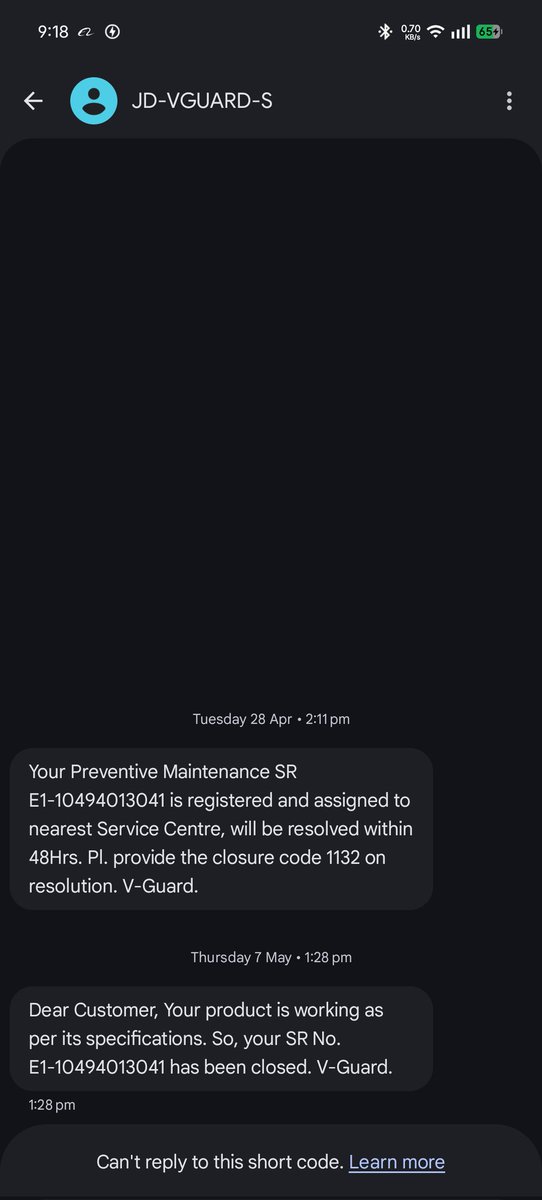
S S M🇮🇳 tweet media
English
1
0
0
7
CA Shubham Jain
CA Shubham Jain@SHUBHAMMOONAT·
Lost about 1 million in last 6 months in switching systems and trial and errors. Almost entire money I made back during the same time in other systems. So net breakeven. But very frustrating. For me 1 million is good amount. Hoping better now for next year.
English
2
0
3
469
S S M🇮🇳
S S M🇮🇳@SSinghM_·
@jtrader Enter when others feel trapped and exit where others feel fomo for entry
English
2
0
1
132
J trader
J trader@jtrader·
Can you explain your edge in one clear sentence?
English
65
2
57
6.9K
S S M🇮🇳
S S M🇮🇳@SSinghM_·
@CompoundingAmol Kindly make a video on legit prop firms, best instrument to be trade and most important rules keep in mind while trading in prop firms.
English
1
0
1
59
Anand Nagu
Anand Nagu@anandnagu·
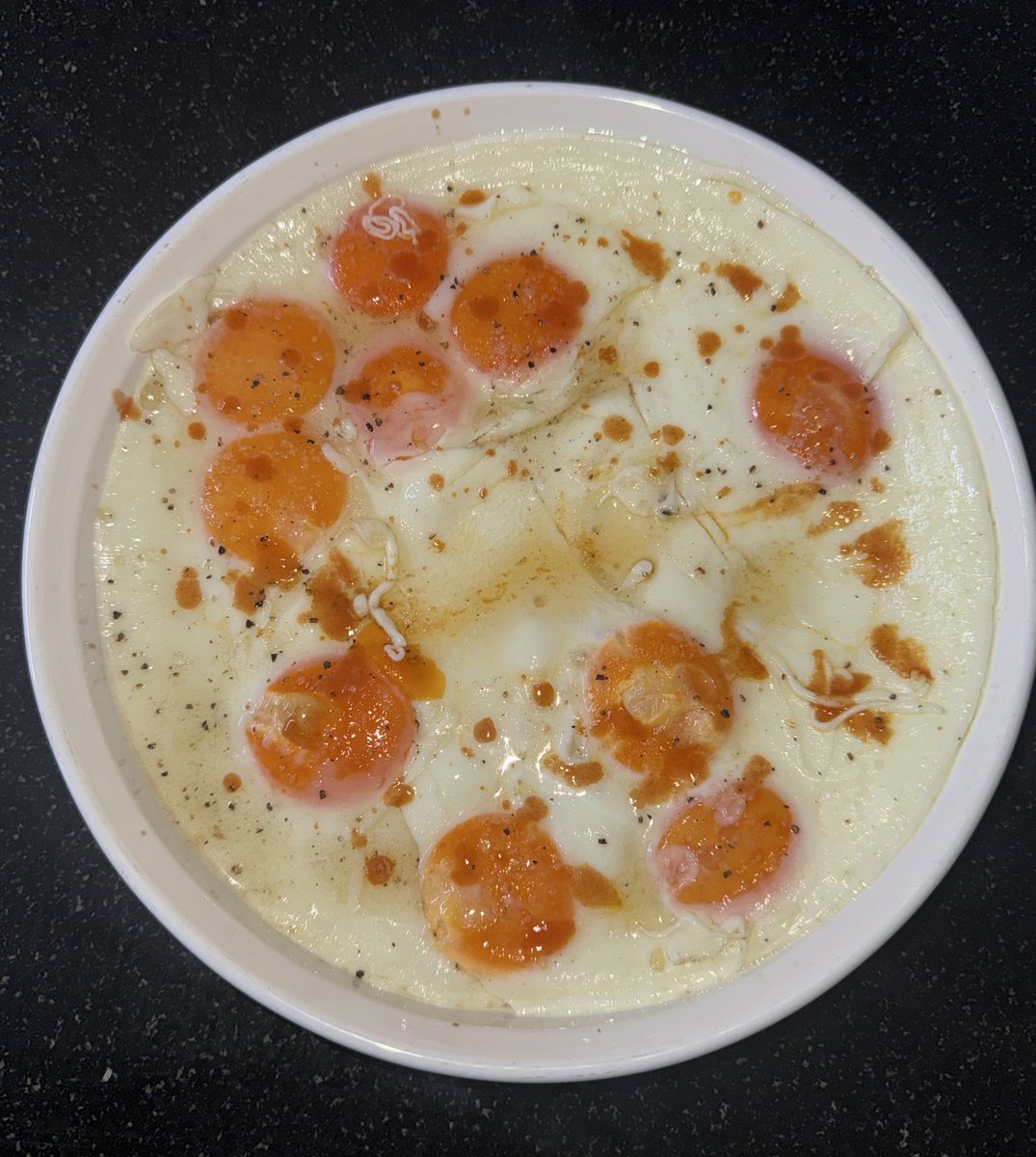
Goat Meat = Good Health
Anand Nagu tweet media
English
12
5
143
6.1K
S S M🇮🇳
S S M🇮🇳@SSinghM_·
@SamaHoole In india Punjab's Wheat not for Consumption due to large scale Chemical Uses. People's are preferring wheat from states like Madhya Pradesh, Rajasthan, and Uttar Pradesh
English
1
1
5
2.2K
Sama Hoole
Sama Hoole@SamaHoole·
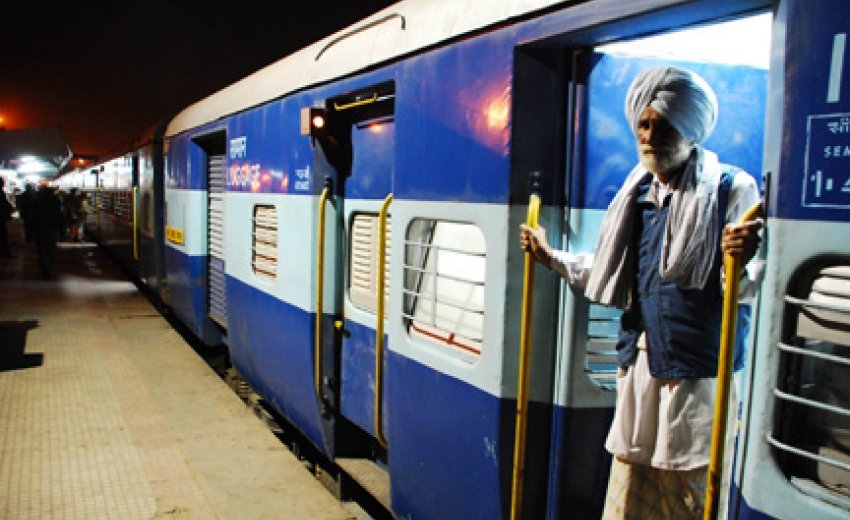
Every night at 9:30pm, a train leaves Bathinda station in India's Punjab state, heading south towards Bikaner in Rajasthan. It travels through the night. It arrives at dawn. A significant portion of its passengers are cancer patients. They call it the Cancer Train. Punjab is the breadbasket of India. In the 1960s and 1970s, it was the centre of India's Green Revolution: high-yield seeds, chemical fertilisers, synthetic pesticides, intensive irrigation. The yields climbed. India moved from famine-dependency to food export. Punjab was held up as a model of what modern agriculture could achieve. Then, in the 1980s, a farmer in the village of Jajjal noticed the first sign. The peacocks disappeared. India's national bird, a fixture of the Punjab countryside for centuries, simply stopped appearing. The farmer, Jarnail Singh, watched them go and began asking questions. Over the following years, seven members of his family developed cancer. Three died. He started documenting what he could see happening in the villages around him. Punjab covers about 1.5% of India's land area. It uses approximately 20% of India's pesticides, and has the highest per capita pesticide consumption of any Indian state. Decades of chemical application have saturated the soil. The chemicals entered the water table. The tube wells that once struck water at 100 to 150 feet now drill to 400 or 500 feet, and at those depths they are hitting rock formations that contain uranium, arsenic, and lead. Those minerals are now in the water used for drinking and irrigation. The Green Revolution was designed to feed people. The Cancer Train runs every night.
Sama Hoole tweet media
English
9
156
541
43.2K
S S M🇮🇳
S S M🇮🇳@SSinghM_·
@SamaHoole Also Reverse boring in Punjab pumping untreated industrial effluents directly into underground aquifers, contaminating groundwater. This has caused severe health crises, where villagers report cancer, kidney, and liver diseases linked to polluted drinking water.
English
1
2
17
3.1K
S S M🇮🇳
S S M🇮🇳@SSinghM_·
F-Droid, the open-source Android app store, calls Google's developer verification an "existential threat" to alternative app distribution. The EFF warns it creates a pathway to censorship. keepandroidopen.org #KeepAndroidOpen
English
0
0
0
60
S S M🇮🇳
S S M🇮🇳@SSinghM_·
@Ashish1Nanda @Ashish1Nanda kindly introduce ATM synthetic futures 1 click buying selling option for all liquid index in watchlist this is beneficial for traders as well broker. Adding them in basket take a lot of effort in modify strikes,Buy-sell orders.
English
1
0
1
568
Ashish Nanda
Ashish Nanda@Ashish1Nanda·
Brokerage charges getting morphed with the Futures STT increase. 😳👇 Let’s take an example of buying and selling 5 lots of NIFTY FUTURES in one order: Nifty lot size: ₹15 Lacs No of lots traded in 1 order: 5 Lots Total value of trade: ₹75 Lacs Brokerage charged by KotakNeo: ₹10X2=₹20 STT: ₹75,00,000 X 0.05% =₹3,750.00 So for 1 lot average brokerage is ₹4/-(Round Trip) while STT is ₹750/-(Round Trip) That’s 1 : 188 Even if you trade 1 lot in one order, it is 1 : 38 (₹20 v/s ₹750) In short, Life changes for all Future Traders from tomorrow 1st April, 2026.
English
58
37
367
97.9K
S S M🇮🇳 retweetledi
Sama Hoole
Sama Hoole@SamaHoole·
India ran the most important cardiovascular study of the 20th century by accident, and then immediately forgot about it. In 1967, Dr. S.L. Malhotra published a study in the British Heart Journal examining heart disease rates among 1.5 million Indian railway employees. The population was extraordinarily useful for research purposes: same employer, same healthcare access, comparable income and working conditions, spread across the entire country. The only meaningful variable was geography. Which meant diet. North Indian railway workers: Punjab, Rajasthan, UP, ate a diet built around ghee and dairy fat. They consumed up to 19 times more fat than their southern counterparts. The fat was primarily saturated: clarified butter, milk fat, the short-chain saturated fatty acids that Ancel Keys had recently been telling the Western world were arterial death. South Indian railway workers ate a diet based on rice, sambar, and seed oils: groundnut oil and sesame oil, primarily. They ate considerably less fat overall. By the standards of dietary advice being formulated in the 1960s, they should have been the healthy ones. Heart disease mortality in South India: 135 per 100,000. Heart disease mortality in North India: 20 per 100,000. Seven times higher in the population eating seed oils. Among railway sweepers specifically, the lowest-paid, most physically active workers, the gap was even wider. Heart disease was fifteen times more common in the South Indian sweeper population than in the North Indian sweeper population. Malhotra controlled for everything he could reach: smoking, where Northerners actually smoked more. Activity levels, where the relationship was inconsistent. Socioeconomic status, where executives died more often than sweepers regardless of region. He found no variable that explained the gap except the type of fat in the diet. He published the data. In a peer-reviewed journal. In 1967. The study was cited periodically, acknowledged as methodologically interesting, and then set aside. The decade in which Malhotra published was the decade in which Ancel Keys's fat hypothesis was being converted into policy. The American Heart Association was issuing guidance recommending polyunsaturated vegetable oils as replacements for saturated animal fats. The food industry was producing seed oils at industrial scale. The infrastructure of seed oil promotion was being built, expensively and with great institutional momentum. A study showing that populations eating animal fat had a fraction of the heart disease of populations eating seed oils was not, in that context, a study that anyone particularly wanted to follow up. Nobody followed up. Almost sixty years later, the finding stands unrefuted in the literature. It is not in the dietary guidelines.
Sama Hoole tweet media
English
232
3.2K
9.9K
653.2K
S S M🇮🇳
S S M🇮🇳@SSinghM_·
@fssaiindia इतने दिनों से खाक छान रहे थे क्या?
हिन्दी
0
0
0
74
FSSAI
FSSAI@fssaiindia·
Ahead of festive season, FSSAI launches nationwide “Adulteration Drive” to curb adulteration in sweets, milk products, edible oils & other festive foods. Intensive inspections & on-the-spot testing through #FoodSafetyonWheels have been activated across States/UTs. #FSSAIAdvisory
FSSAI tweet media
English
33
33
110
5.9K
S S M🇮🇳 retweetledi
Sama Hoole
Sama Hoole@SamaHoole·
Acrolein is a toxic aldehyde produced when seed oils are heated. It is also one of the primary toxic compounds in cigarette smoke. The reason cigarette smoke is damaging to the lungs is partly because of the acrolein content. You are producing acrolein in your kitchen every time you fry in rapeseed oil. You are then eating it, not just breathing it. There is currently no public health campaign about this. But the NHS would very much like you to stop smoking.
English
4
31
147
4.9K
S S M🇮🇳
S S M🇮🇳@SSinghM_·
@khanzubare Indian bank account se deposit withdrawal pe account freeze to nhi hoga ?
English
1
0
1
473
zubarekhan
zubarekhan@khanzubare·
Happy weekend 📈🧿
zubarekhan tweet media
English
10
1
94
9.5K
Compounding with Amol 🇮🇳
Compounding with Amol 🇮🇳@CompoundingAmol·
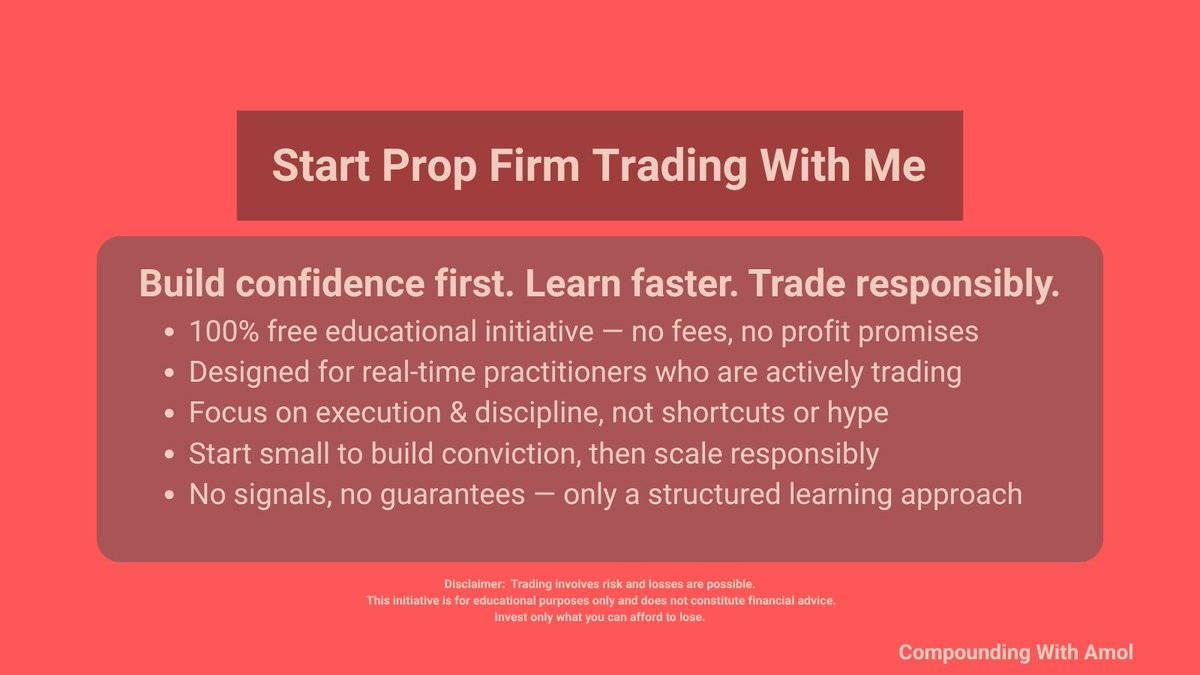
Hi everybody, I know Time is valuable. Here are 3 simple steps to get started with prop firms with me: 1. Buy the smallest account from a trusted prop firm. (For prop firm recommendations, DM or comment “Prop”) 2. Send a real-time screenshot of ac purchase (Form link available in bio.) 3. After confirmation, you’ll be added to a close-knit Telegram community, where I’ll share the exact trading plan and system. This initiative is completely free. The only condition: be a real-time practitioner, not just a preacher of ideas. Note: Invest only what you can afford to lose while trading. Start small to go big. This initiative is for educational purposes only. - Amol #CompoundingwithAmol #Propfirm If possible, repost and share with more people
Compounding with Amol 🇮🇳 tweet media
English
114
6
48
15.5K
S S M🇮🇳
S S M🇮🇳@SSinghM_·
Hi @zerodha why this shares showing 0 Qty on pledging page and message showing following instruments can not be pledged. Shares bought yesterday.
S S M🇮🇳 tweet mediaS S M🇮🇳 tweet media
English
1
0
1
671
Sama Hoole
Sama Hoole@SamaHoole·
"Vegetable oil" is marketing fraud. There are no vegetables in it. It's made from seeds: - Soybean oil (soybeans are legumes, not vegetables) - Canola oil (rapeseed, not a vegetable) - Corn oil (corn is a grain, not a vegetable) - Sunflower oil (sunflower seeds, not vegetables) - Safflower oil (safflower seeds, not vegetables) If they called it "seed oil" or "industrial waste oil" you wouldn't buy it. So they call it "vegetable oil" and put vegetables on the label. It's not from vegetables. It's from seeds processed with industrial chemicals. The name is designed to make you think you're consuming plants. You're consuming chemically-extracted, bleached, deodorized polyunsaturated fat that's been heat-damaged before you even open the bottle. But "vegetable" sounds healthy. That's the entire con. Linguistic fraud to sell industrial waste as health food.
English
43
385
1.2K
19.3K