
Sabitlenmiş Tweet
أَبُو إِسْلَامَ السَّلَفِيُّ الْمِصْرِيُّ
4.2K posts

أَبُو إِسْلَامَ السَّلَفِيُّ الْمِصْرِيُّ
@Salafization1
Tuwāylib | Author | Researcher | Certified Translator by ʿUlamāʾ Ahl al-Sunnah | Salafī Atharī In shāʾ Allāh https://t.co/TgnSldNXEB
Earth Katılım Nisan 2012
433 Takip Edilen5.5K Takipçiler


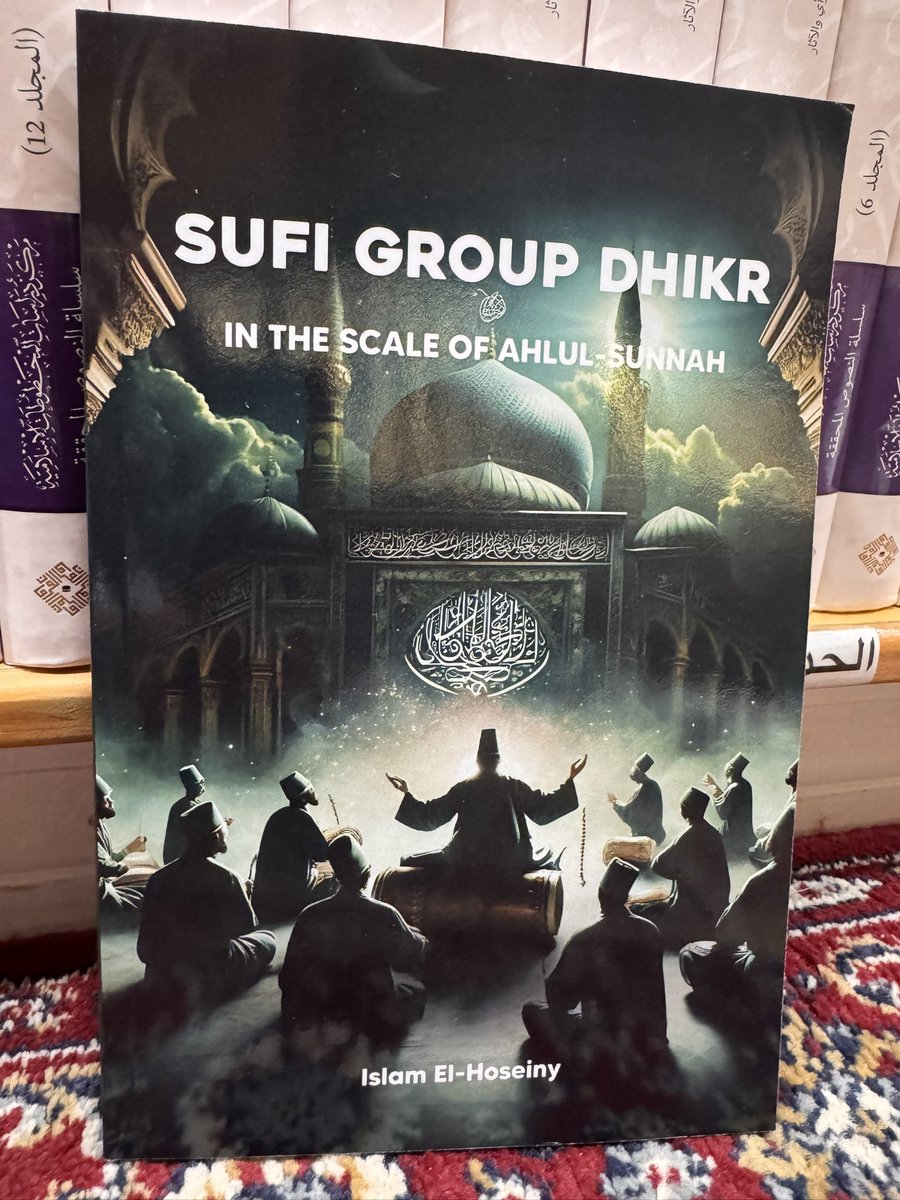
Sufi Group Dhikr In The Scale Of Ahlul-Sunnah -
Islam El-Hoseiny


English
@IbrahimAlkoobee Jazāk Allah kheir akhīe al-karīm, may Allah bless and reward you.
Imām al-Shāfiʿī (150–204 AH) said:
“Allah, Blessed and Exalted, has Names and Attributes which His Book has brought, and which His Prophet ﷺ has informed his Ummah of. No one from the creation of Allah who has had the proof established upon him, that the Qur’ān came with it, and it is authentically reported from the Messenger ﷺ through the narration of a trustworthy narrator may oppose that.
So whoever opposes that after the proof has been established upon him, then he is a disbeliever in Allah. As for before the proof has been established upon him through the report, then he is excused due to ignorance, because knowledge of that is not attained through the intellect, nor through contemplation and reflection.
And from such is the information about Allah, the Most Glorified, it has come to us that He is All-Hearing, and that He has two Hands, due to His saying: {Rather, both His Hands are outstretched}; and that He has a Right Hand, due to His saying: {And the heavens will be folded in His Right Hand}; and that He has a Face, due to His saying: {Everything will perish except His Face} and His saying: {And there will remain the Face of your Lord, Owner of Majesty and Honor}; and that He has a Foot, due to the statement of the Prophet ﷺ: ‘Until the Lord places His Foot in it’ — meaning Hellfire; and that He laughs at His believing servant, due to the statement of the Prophet ﷺ regarding the one who was killed in the path of Allah: ‘He meets Allah while Allah is laughing at him’; and that He descends every night to the lowest heaven, as reported by the Messenger of Allah ﷺ; and that He is not one-eyed, due to the statement of the Prophet ﷺ when he mentioned the Dajjāl and said: ‘Indeed, he is one-eyed, and your Lord is not one-eyed’; and that the believers will see their Lord on the Day of Resurrection with their eyes just as they see the full moon; and that He has a Finger, due to the statement of the Prophet ﷺ: ‘There is no heart except that it is between two Fingers from the Fingers of the Most Merciful, Mighty and Majestic.’
So these meanings with which Allah has described Himself, and with which His Messenger ﷺ has described Him, are from those whose true reality is not comprehended by thought or reflection. Thus, no one is declared a disbeliever for being ignorant of them until the report reaches him regarding them.
If what has come regarding that is a report which, in understanding, takes the place of direct witnessing in hearing, then it becomes obligatory upon the one who hears it to affirm its reality and to testify to it, just as if he had directly seen and heard it from the Messenger of Allah ﷺ. However, he affirms these attributes and negates resemblance, just as He — Exalted is His mention — negated that from Himself, saying: {There is nothing like unto Him, and He is the All-Hearing, the All-Seeing}.”
References: al-ʿArsh by Imām al-Dhahabī (2/293), and Mukhtaṣar al-ʿUluw li’l-ʿAliyy al-ʿAẓīm (p. 177), and Siyar Aʿlām al-Nubalāʾ (10/79–80), and Iʿtiqād al-Imām al-Shāfiʿī by al-Hakkārī (p. 21)
al-Ṣawāʿiq al-Mursalah ʿalā al-Ḥaddādiyyah al-Mutafayhiqah “The Sent Thunderbolts Against the Pretentious Ḥaddādiyyah.” by Abū Islām al-Salafī al-Misrī

English
@FarisHammadi Āmīn. May Allah safeguard the UAE, GCC, and all Muslim lands from these treacherous bātinī cowards
Suomi

May Allah destroy the Rafidah. Another attack on us.
English

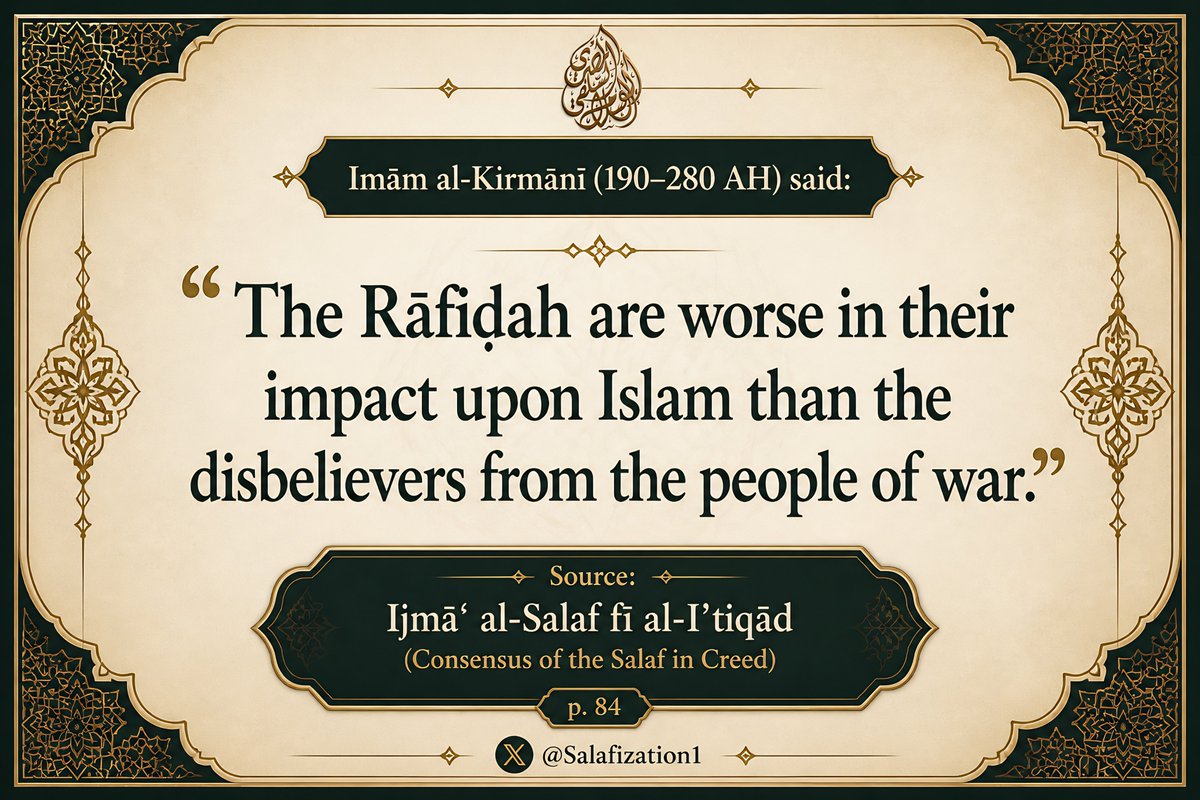
This is what was affirmed by the Imām, al-faqīh, the hāfiz, Harb ibn Ismāʿīl al-Kirmānī — the student of Imām Ahl al-Sunnah, Ahmad ibn Hanbal — regarding the Shīʿa Rāfidah, in his exceptional and foundational book, Ijmāʿ al-Salaf fī al-Iʿtiqād (Consensus of the Salaf in Creed).
Română
@TurathSalafi I’ll be posting an update soon Inshā’Allah.
English

✍️ Alḥamdulillāh, after years of work, my upcoming book OPERATION ARAB SPRING is finally near completion, inshā’Allāh. It’s one of the biggest and most important projects I’ve ever worked on — A raw, unapologetic unveiling of the hidden hands, the real agendas, and the brutal truths buried beneath the bloodshed of the so-called spontaneous Arab "revolutions" that shattered the Muslim world.
Between rejections and silence from multiple publishing houses in the US to publish my book due to ots content and certain words used, it became clear that i wont be able to have it published here, therefore I’ll be self-publishing it overseas — because the truth will be told, with or without their approval, and inshā’Allāh to be released at the upcoming Cairo International Book Fair 2026.
This is more than just a book. It's a thoroughly documented exposé. No wild theories, no fantasies — only hard truths and insidious documented plots and betrayals that many would rather keep buried.
I know that publishing this book will bring me trouble, but inshā’Allāh, I will still go forward with it. May Allah make it easy, grant me steadfastness, and bless me with a hijrah soon to the lands of Islam.
Afterward inshā’Allāh I'll focus on completing the Khawārij encyclopedia by Allah's permission.
-Abū Islām al-Salafī al-Miṣrī
#OperationArabSpring #DivideAndConquer #Arabspring #History #SelfPublishing #Banned #Bannedbooks #Conspiracy

English
This comparison shows you how this shirk-apologist cannot distinguish between a recognized school of fiqh and a slanderous derogatory label manufactured by the enemies of tawhīd from the East and the West.
Hanafī, Mālikī, Shāfiʿī, and Ḥanbalī are names of established fiqh madhāhib connected to Imams whose legal principles, juristic methods, students, writings, and generations of transmission became codified schools of Islamic law.
According to one of your favorite Western sources, Britannica; it describes the Ḥanbalī school as one of the four Sunni schools of religious law based on the teachings of Imām Aḥmad ibn Ḥanbal.
Shaykh Muḥammad ibn ʿAbd al-Wahhāb rahimahu Allah did not come with a fifth madhhab, nor did he create a new school of fiqh parallel to the four Imams, nor did he have the time, capacity, or resources that the earlier Imams had to do as such, despite the major efforts he disseminated to the Ummah in Islamic knowledge.
He was a reforming scholar calling back to tawḥīd, Sunnah, and the way of the Salaf; even outside references describe his movement as attempting a return to Islam as practiced by the early forebears, not as a new legal madhhab. And his followers historically did not go around naming themselves “Fulān al-Wahhābī” as a noble scholastic nisbah like “al-Ḥanafī” or “al-Shāfiʿī.”
The label “Wahhābī” was largely a polemical derogatory label used by opponents from the Kuffar and the Muslim innovators from the Sufis and their likes, while adherents preferred terms like al-Muwahhidūn, Ahl al-Tawhīd, Salafī, Athari, and so forth. Imam Ibn Abdul Wahhab himself was a "Hanbali", even Western sources such as The Oxford Dictionary of Islam describe him as a "Hanbali jurist"
Even Shaykh al-Islām Ibn Taymiyyah rahimahu Allah, who was far greater in fiqh, usūl, hadīth, tafsīr, kalām and bid'ah refutation, and independent ijtihād, and whom many scholars regarded as a massive mujtahid who would be himself compared to all four madahib combined, did not leave behind a “Taymī madhhab” with generations calling themselves “Fulān al-Taymī.”
Once again Britannica describes him as a "Ḥanbalī scholar" who called back to the Qur’an and Sunnah and strongly influenced later reform movements, but he was still not treated like the founder of a fifth Sunni madhhab.
Ironically the opponents of Shaykh al-Islām Ibn Taymiyyah from the heretics and innovators tried to label his followers “Taymiyyah” as a form of nabz bil-alqāb; derogatory name-calling.
Likewise, the enemies of Shaykh al-Islām Imām al-Barbahārī (who was a Hanbalī) labelled those who followed his Sunnī positions at his time as “Barbahāriyyah.”
So the question for Daniel would be:
Do you label Ibn al-Qayyim, Ibn Kathīr, al-Dhahabī, Ibn Mufliḥ, and the other students and supporters of Ibn Taymiyyah as “Taymīs”?
Do you refer to the students and defenders of Imām al-Barbahārī as “Barbahārīs”?
So why do you suddenly pretend that “Wahhābī” is the same as “Hanafī,” “Mālikī,” “Shāfiʿī,” or “Ḥanbalī” When everyone knows It is a polemical label used by opponents to smear a daʿwah of tawḥīd.
So your argument is not intelligent. It is not consistent. It is not academic, Mr. "Harvard graduate".
You have only proven that you cannot tell the difference between a fiqh madhhab, a scholar’s daʿwah, and a derogatory propaganda slur invented by his enemies. May Allah preserve our dear brother @MutahNapoleon keep him firm upon the truth, and increase him in guidance. And may Allah continue exposing your reality to the masses.
-Abū Islām al-Salafī al-Misrī
Daniel Haqiqatjou@Haqiqatjou
Did Imam Abu Hanifa bring something new? Yet we use the term Hanafi. Did Imam al-Shafii bring something new? Yet we use the term Shafii. Did Imams Malik or Ibn Hanbal bring something new? Yet we use Maliki and Hanbali? I know you think the khariji deviant Ibn Abd al-Wahhab was greater than these imams, but be consistent, you Wahhabi.
Română
@Salafguidance حياك الله يا حبيب القلب، وجزاك الله خيرا، وتقبل منك جهودك الطيبة، ونفع بك وبنا، وبارك في علمك وعملك.
العربية

Faiṣal ibn Qazzār mutilates the words of Shaykh ʿAbd al-ʿAzīz al-Rayyis, accuses Imām al-Albānī and Imām Rabīʿ of irjāʾ, has his so-called research rejected by the Muftī and Shaykh al-Fawzān
This is Fayṣal ibn Qazzār al-Jāsim in a nutshell for those who do not know his reality .. in a testimony that was written by Shaykh Ṣabrī al-Maḥmūdī, a student of the late Muftī Shaykh ʿAbd al-ʿAzīz Āl al-Shaykh, and a student of the current Muftī, al-ʿAllāmah Shaykh Ṣāliḥ al-Fawzān, may Allah preserve him:
Shaykh Ṣabrī al-Maḥmūdī wrote:
"The one called Qazzār (Faiṣal ibn Qazzār āl-Jāsim) — who was with Jamāʿat Iḥyāʾ al-Turāth al-Kuwaitiyyah, and the student of ʿAbd al-Raḥmān ʿAbd al-Khāliq — attempted to deceive the scholars, and he brought them speech that was mutilated from Shaykh ʿAbd al-ʿAzīz al-Rayyis, the meaning of which was that he excuses the grave-worshippers due to ignorance, unlike the one who reviles Allah, for such a person is not excused, due to the impossibility of conceiving ignorance from him!
So His Eminence the Muftī asked me about that, and requested from me that I speak to Shaykh ʿAbd al-ʿAzīz al-Rayyis regarding that, and clarify what was going on.
So I spoke to him, then Shaykh ʿAbd al-ʿAzīz al-Rayyis came himself and explained to His Eminence the Muftī the error of this relayer (Qazzār), and how he had mutilated his speech. Likewise, he went to our Shaykh Ṣāliḥ al-Fawzān, may Allah preserve him.
Then His Eminence the Muftī requested from me that I present research which the one called Qazzār had brought — related to irjāʾ and to declaring innocent the daʿwah of Imām Muḥammad ibn ʿAbd al-Wahhāb from it — after I had personally read it to the Muftī, and to our Shaykh al-Fawzān. So I presented it to him, but the scholars did not accept it and did not give it any consideration, due to what it contained of errors, and because it contained clear attacks against Shaykh al-Albānī and Shaykh Rabīʿ by accusing them of irjāʾ!!"
From this testimony you can see how Faiṣal ibn Qazzār is known to spread misinformation, and calculated distortion and mutilation.
He attempted to take the speech of Shaykh ʿAbd al-ʿAzīz al-Rayyis, cut it from its proper context, and present it to the scholars in a mutilated form, as though the Shaykh was excusing grave-worshippers in an unrestricted manner.
Then came his so-called research on irjāʾ by Faiṣal ibn Qazzār, which the scholars did not accept and did not give weight to because of the errors it contained.
Even worse, that research included clear attacks against Imām al-Albānī and Imām Rabīʿ by accusing them of irjāʾ ..
So when Qazzār speaks today with hints, loaded language, and hidden implications, this is not something new from this fitnah-making Surūrī. This is his old method to mutilate speech, carry it to the scholars, cause suspicion between the mashāyikh, and then present himself as though he is defending the truth and hiding a ḥaddādī breath beneath the garment of “research” and “clarification.”
Therefore, let the reader understand his speech in light of this history. The one who mutilated the words of Shaykh ʿAbd al-ʿAzīz al-Rayyis before, and whose research contained attacks against al-Albānī and Rabīʿ with accusations of irjāʾ, should not be treated as a neutral transmitter or a sincere critic.
- Abū Islām al-Salafī al-Miṣrī

Català
@AlitisaamSunnah وجزاكم الله خيرا، ونفع بكم، وبارك فيكم
العربية

Shaykh al-Islām Ibn Taymiyyah: “As for the one who combines his reviling — of the Companions — with the claim that ʿAlī is a deity, or that he was the Prophet and that Jibrīl erred in delivering the message, then there is no doubt about his disbelief; rather, there is no doubt about the disbelief of the one who hesitates in declaring him a disbeliever.”
Source: al-Ṣārim al-Maslūl ʿalā Shātim al-Rasūl, p. 586
Translation: Abū Islām al-Salafī al-Misrī.

English
رد على بعض التعليقات حول مسألة وقوع "العالم" في بعض صور الشرك -هذا رد موجز على تعليقات السروري فيصل بن قزار الجاسم، ومن وافقه من الحدادية، كالتليفي، وطمس الدين، وأذنابهما، على الكلام الأخير الصادر عن الشيخ عبد العزيز الريس، غفر الله له، بخصوص وقوع بعض علماء أهل السنة، أو من ينتسب إلى أهل العلم، في الشرك الأكبر. ..
وأريد أن أنبه هنا إلى أن المقصود من هذا الكلام ليس تحرير مسألة العذر بالجهل من أصلها، فهي مسألة مشهورة وقع فيها خلاف معتبر بين أهل العلم، ولها تفصيلاتها ومواضعها. وردي هذا لا يعني أني أتبنى أحد القولين في مسألة العذر بالجهل، وإنما هو لبيان تناقض ابن قزار وتشويشه، هدانا الله وإياه. كما أني لا أتعرض هنا لتفاصيل كلام الشيخ عبد العزيز الريس، غفر الله له، فيما ذكره عن الحافظ ابن حجر أو غيره.
وإنما موطن البحث والنزاع هنا هو كشف التخليط والتناقض في كلام المدعو ابن قزار، في قوله : "فهو - أي الشيخ الريس - حين أراد الانتصار لمذهبه في الامتناع عن وصف من تلبّس بالشرك الأكبر بالمشرك، بزعم أنهم مسلمون جهّال، بنى ذلك على دعوى عدم قيام الحجة عليهم، وكرر أن الحكم على الأعيان بالشرك والكفر لا يكون إلا بعد إقامة الحجة. ثم يعود في هذا المقطع الجديد فيرمي بعض أعيان العلماء –كابن حجر وغيره– بالوقوع في الشرك الأكبر، مع مبالغته في الاعتذار عن إطلاق هذا الوصف عليهم، مع إقراره بأنهم علماء فقهاء اطّلعوا على أدلة الكتاب والسنة، وصنّفوا فيها. فإذا كان هؤلاء –وهم من أئمة العلم وقد بلغتهم الحجة– لا يُكفِّرهم، فامتناعه عن تكفير الجهّال من باب أولى. فهو واقع في تناقض ظاهر"
وفي قوله هذا سأبين اضطراب تقريره، وفساد إلزامه، وتناقض كلامه، وما يظهر من نفسه الحدادي المبطن، الذي يلوح بالغلو ولا يصرح، ويدور حول لوازمه ولا يلتزم بها أمام الناس.
فأقول مستعينا بالله:
أولا: قد يقع العالم في بعض صور الشرك جهلا، أو سهوا، أو اجتهادا، ولا يلزم من مجرد ذلك تكفيره بعينه؛ إذ الحكم على الفعل أو القول شيء، والحكم على المعين شيء آخر، ولا بد في المعين من تحقق الشروط وانتفاء الموانع.
وقد دل على هذا الأصل كلام أئمة الدعوة، ومن ذلك ما قرره شيخ الإسلام الإمام محمد بن عبد الوهاب رحمه الله في تعليقه على حديث ذات أنواط في كشف الشبهات،
حيث قال:
"هذه القصة تفيد أن المسلم بل العالم قد يقع في أنواع من الشرك لا يدري عنها، فتفيد التعلم والتحرز، ومعرفة أن قول الجاهل: التوحيد فهمناه، أن هذا من أكبر الجهل ومكايد الشيطان
.
وتفيد أيضا: أن المسلم إذا تكلم بكلام كفر وهو لا يدري، فنبه على ذلك، فتاب من ساعته، أنه لا يكفر، كما فعل بنو إسرائيل والذين سألوا النبي صلى الله عليه وسلم.
وتفيد أيضا: أنه لو لم يكفر، فإنه يغلظ عليه الكلام تغليظا شديدا، كما فعل رسول الله صلى الله عليه وسلم."
فهذا نص واضح من الإمام محمد بن عبد الوهاب رحمه الله في أن المسلم، بل العالم، قد يقع في بعض أنواع الشرك وهو لا يشعر، وأنه إذا نبه ورجع لم يكفر. وهذا يبين أن العالم لا يحيط بكل أبواب الدين إحاطة تامة، وقد تخفى عليه بعض الصور أو التطبيقات، فيقع فيها عن جهل، أو غفلة، أو شبهة، أو اجتهاد خاطئ.
وإذا كانت بعض صور الشرك الأكبر، كطلب ذات أنواط والتعلق بالشجرة على وجه التشبه بالمشركين، قد خفيت على بعض أصحاب النبي صلى الله عليه وسلم، مع كونهم أفضل هذه الأمة، وأعلم الناس بعد الأنبياء، وكانوا في بلد الإسلام، وبين يدي النبي صلى الله عليه وسلم نفسه، وفي عصر الوحي، وبين كبار الصحابة؛ فإذا جاز وقوع مثل هذا الاشتباه منهم، فوقوعه ممن بعدهم من باب أولى!
ولو كان مجرد الوقوع في صورة من صور الشرك موجبا للتكفير المطلق للمعين بلا نظر إلى الجهل والتنبيه وإزالة الشبهة، لما اشترط الإمام محمد بن عبد الوهاب رحمه الله التنبيه والرجوع، ولقال: إن العالم أو المجتهد إذا وقع في الشرك كفر بعينه مطلقا، ولا عذر له. لكنه لم يقل ذلك، بل قرر أن من تكلم بكلام كفر وهو لا يدري، ثم نبه فتاب، فإنه لا يكفر.
وقال العلامة الإمام محمد بن إبراهيم رحمه الله، معلقا على كلام الإمام محمد بن عبد الوهاب في هذه المسألة:
"ولما ذكر المؤلف قصة بني إسرائيل الذين قالوا: اجعل لنا إلها كما لهم آلهة [الأعراف: 138]، وقصة الذين سألوا النبي صلى الله عليه وسلم أن يجعل لهم ذات أنواط، قال: ولكن هذه القصة تفيد أن المسلم بل العالم قد يقع في أنواع من الشرك وهو لا يدري، وتفيد أن قول الجاهل: التوحيد فهمناه، أن هذا من أكبر الجهل ومكائد الشيطان.
قال شيخنا: إذ كان السائل في القصة الأولى مع نبي وهو موسى، وهم أوسع علما منه، والسائل في القصة الثانية مع نبي، وهم أعلم وأقدم فضيلة، استحسنوا ذلك ظنا منهم أن الله يحبه، وأنه من العبادات التي يتقرب بها إلى الله.
وهذه الكلمة: التوحيد فهمناه، قد صدرت من بعض الطلبة لما كثر التدريس في التوحيد، متنه أو كتب نحوه، سئموا وأرادوا القراءة في كتب أخرى. وقيل: إنها صدرت من المراسلين."
وهذا الكلام من الإمام محمد بن إبراهيم رحمه الله يزيد المسألة وضوحا؛ فإن هؤلاء الذين سألوا النبي صلى الله عليه وسلم ذات أنواط لم يطلبوا الشرك على وجه العناد والمكابرة، وإنما ظنوا أن ذلك من القربات والعبادات التي يحبها الله، فغلظ عليهم النبي صلى الله عليه وسلم، وبين لهم خطأهم، ولم يحكم عليهم بالكفر.
ثانياً: قد يكون أيضاً العالم متأولاً فيما واقع فيه من شرك، و المتأول أحرى بالعذر من الجاهل من وجه! .. إذ الجاهل قد يقع في الباطل عن غفلة وعدم علم، وأما المتأول فإنه لا يعتقد نفسه مخالفا للحق، بل يرى أن ما ذهب إليه هو الصواب إعتقاداً ، ويبني مقالته على شبهة عرضت له، أو دليل توهم دلالته، ثم يذب عن ذلك وينافح عنه ظانا أنه ناصر للحق. ومن ثم كان التأويل من الموانع المعتبرة في باب الحكم على الأعيان، سواء تعلق الأمر ببعض مسائل العمل أو ببعض مسائل العلم والاعتقاد التي قد تشتبه على أصحابها.
وأما من ثبت عنده أصل الإسلام، وأقر بالتوحيد في الجملة، وآمن برسول الله صلى الله عليه وسلم وباليوم الآخر، ثم وقع منه نزاع في بعض مسائل الصفات، كالكلام أو العلو، أو جوز شيئا من الاستغاثة بغير الله اعتمادا على شبهات ظنها حججا، وكان قصده طلب الحق، ولم يكن معاندا للشرع ولا رادا للنصوص، فهذا لا ينزل منزلة المعاند المكابر، بل يقال فيه: جاهل أو متأول، وكلا الوصفين مانع من تكفيره عينا حتى تقوم عليه الحجة، وتكشف عنه الشبهة، ويتبين له سبيل الحق.
وقد قرر شيخ الإسلام ابن تيمية رحمه الله هذا الأصل في مواضع كثيرة من كتبه، حتى في رده على من جوز الاستغاثة الشركية ممن ينتسب إلى العلم.
فبين رحمه الله أن دعاء الأموات، والاستغاثة بهم، والاستعاذة بهم، والسجود لهم أو إلى قبورهم، كل ذلك لم يشرعه رسول الله صلى الله عليه وسلم لأمته، بل نهى عنه، وهو من الشرك الذي حرمه الله ورسوله.
قال رحمه الله في الرد على البكري ص 411:
"وقد قيل: إنما يفسد الناس نصف متكلم، ونصف فقيه، ونصف نحوي، ونصف طبيب؛ هذا يفسد الأديان، وهذا يفسد البلدان، وهذا يفسد اللسان، وهذا يفسد الأبدان، لا سيما إذا خاض هذا في مسألة لم يسبق إليها عالم، ولا معه فيها نقل عن أحد، ولا هي من مسائل النزاع بين العلماء فيختار أحد القولين، بل هجم فيها على ما يخالف دين الإسلام المعلوم بالضرورة عن الرسول.
فإنا بعد معرفة ما جاء به الرسول، نعلم بالضرورة أنه لم يشرع لأمته أن يدعو أحدا من الأموات، لا الأنبياء ولا الصالحين ولا غيرهم، لا بلفظ الاستغاثة ولا بغيرها، ولا بلفظ الاستعاذة ولا بغيرها، كما أنه لم يشرع لأمته السجود لميت، ولا إلى ميت ونحو ذلك؛ بل نعلم أنه نهى عن كل هذه الأمور، وأن ذلك من الشرك الذي حرمه الله ورسوله.
لكن لغلبة الجهل، وقلة العلم بآثار الرسالة، في كثير من المتأخرين؛ لم يمكن تكفيرهم بذلك، حتى يتبين لهم ما جاء به الرسول مما يخالفه.
ولهذا ما بينت هذه المسألة قط لمن يعرف أصل الدين؛ إلا تفطن، وقال: هذا أصل دين الإسلام، وكان بعض الأكابر من الشيوخ العارفين من أصحابنا يقول: هذا أعظم ما بينته لنا، لعلمه بأن هذا أصل الدين.
وكان هذا وأمثاله في ناحية أخرى يدعون الأموات، ويسألونهم ويستجيرون بهم، ويتضرعون إليهم، وربما كان ما يفعلونه بالأموات أعظم، لأنهم إنما يقصدون الميت في ضرورة نزلت بهم، فيدعونه دعاء المضطر، راجين قضاء حاجاتهم بدعائه، أو الدعاء به، أو الدعاء عند قبره؛ بخلاف عبادتهم لله ودعائهم إياه، فإنهم يفعلونه في كثير من الأوقات على وجه العادة والتكلف. حتى إن العدو الخارج عن شريعة الإسلام لما قدم دمشق، خرجوا يستغيثون بالموتى عند القبور التي يرجون عندها كشف ضرهم، وقال بعض الشعراء: يا خائفين من التتر لوذوا بقبر أبي عمر"
فهذا نص ظاهر في أن شيخ الإسلام رحمه الله حكم على نفس الفعل بأنه من الشرك الذي حرمه الله ورسوله، ومع ذلك لم يجعل مجرد الوقوع فيه موجبا لتكفير أعيان المتأخرين؛ لغلبة الجهل، وقلة العلم بآثار الرسالة، حتى يتبين لهم ما جاء به الرسول صلى الله عليه وسلم.
ومن تمام فقهه رحمه الله أنه كان يفرق بين الحكم على المقالة والحكم على القائل؛ فقد تكون المقالة كفرا، ويكون الفعل شركا، ولا يلزم من ذلك أن كل من قال تلك المقالة أو فعل ذلك الفعل يكفر بعينه؛ لأن تكفير المعين له شروط لا بد من تحققها، وموانع لا بد من انتفائها، ومن أعظم تلك الموانع: الجهل، والتأويل، وقيام الشبهة.
وقد صرح شيخ الإسلام رحمه الله بأنه لا يكفر البكري بعينه، مع ما وقع فيه من الشبهات الشركية، ومع كونه فقيها منتسبا إلى العلم، بل وهو ممن كفر شيخ الإسلام نفسه.
قال رحمه الله في الرد على البكري ص 252:
"فلهذا كان أهل العلم والسنة لا يكفرون من خالفهم، وإن كان ذلك المخالف يكفرهم، لأن الكفر حكم شرعي، فليس للإنسان أن يعاقب بمثله، كمن كذب عليك، وزنى بأهلك؛ ليس لك أن تكذب عليه، وتزني بأهله، لأن الكذب والزنا حرام لحق الله.
وكذلك التكفير حق لله، فلا يكفر إلا من كفره الله ورسوله.
وأيضا: فإن تكفير الشخص المعين، وجواز قتله: موقوف على أن تبلغه الحجة النبوية التي يكفر من خالفها، وإلا فليس كل من جهل شيئا من الدين يكفر."
ثم قال رحمه الله بعد أن ساق أدلة العذر:
ولهذا كنت أقول للجهمية من الحلولية والنفاة، الذين نفوا أن يكون الله تعالى فوق العرش لما وقعت محنتهم: أنا لو وافقتكم كنت كافرا؛ لأني أعلم أن قولكم كفر، وأنتم عندي لا تكفرون، لأنكم جهال، وكان هذا خطابا لعلمائهم وقضاتهم وشيوخهم وأمرائهم.
وأصل جهلهم شبهات عقلية حصلت لرؤوسهم في قصور من معرفة المنقول الصحيح والمعقول الصريح الموافق له، فكان هذا خطابنا.
فلهذا لم نقابل جهله وافتراءه بالتكفير، بمثله، كما لو شهد شخص بالزور على شخص، أو قذفه بالفاحشة كذبا عليه، لم يكن له أن يشهد عليه بالزور، ولا أن يقذفه بالفاحشة."
وفي هذا بيان أن الرجل قد يكون منتسبا إلى العلم أو القضاء أو المشيخة، ثم تعرض له من الشبهات ما يكون مانعا من تكفيره عينا..
وقد سُئل العلامة الإمام أبا بطين -رحمه الله- عن كلام شيخ الإسلام أعلاه فقال في مجموع مخطوط: "تضمن كلام الشيخ -رحمه الله تعالى- مسألتين أحدهما: عدم تكفيرنا لمن كفرنا وظاهر كلامه أنه سواء كان متأولاً أم لا، وقد صرح طائفة من العلماء أنه إذا قال ذلك متأولاً لا يكفر "
والمسألة الثانية: "إن تكفير الشخص المعين وجواز قتله موقوف على أن تبلغه الحجة النبوية التي يكفر من خالفها ... إلخ، يشمل كلامه من لم تبلغه الدعوة، وقد صرح بذلك في موضع آخر"
وقد قرر شيخ الإسلام رحمه الله كذلك أن الأقوال التي يقال في جنسها إنها كفر، قد يقولها الرجل ولا يكفر بعينه، إما لعدم بلوغ النصوص إليه، أو لعدم ثبوتها عنده، أو لعجزه عن فهمها، أو لقيام شبهة يعذره الله بها.
قال رحمه الله في مجموع الفتاوى 23/346:
وهكذا الأقوال التي يكفر قائلها: قد يكون الرجل لم تبلغه النصوص الموجبة لمعرفة الحق، وقد تكون عنده ولم تثبت عنده، أو لم يتمكن من فهمها، وقد يكون قد عرضت له شبهات يعذره الله بها، فمن كان من المؤمنين مجتهدا في طلب الحق وأخطأ، فإن الله يغفر له خطأه كائنا ما كان، سواء كان في المسائل النظرية أو العملية. هذا الذي عليه أصحاب النبي صلى الله عليه وسلم، وجماهير أئمة الإسلام."
وعليه، فالمتأول الطالب للحق إذا زل بسبب شبهة، لا يلحق بالمعاند الذي عرف الحق فرده، ولا بالمكابر الذي قامت عليه الحجة فأعرض عنها. بل يعامل بحسب حاله؛ فيبين له الحق، وتدفع عنه الشبهة، وتقام عليه الحجة الرسالية.
والقاعدة الأصولية الجامعة في هذا الباب: أن من ثبت إسلامه بيقين، لم يجز إخراجه من الإسلام إلا بيقين مثله.
قال شيخ الإسلام رحمه الله في مجموع الفتاوى 12/466:
"وليس لأحد أن يكفر أحدا من المسلمين، وإن أخطأ وغلط؛ حتى تقام عليه الحجة، وتبين له المحجة. ومن ثبت إسلامه بيقين، لم يزل ذلك عنه بالشك، بل لا يزول إلا بعد إقامة الحجة وإزالة الشبهة."
ولهذا لا يعرف عن أهل العلم أنهم كفروا بأعيانهم كل من وقع في تجويز الاستغاثة الشركية من بعض الفقهاء المنتسبين إلى العلم، كالبكري، والسبكي، وابن حجر الهيتمي، وأمثالهم، مع ردهم لأقوالهم، وإنكارهم لمقالاتهم، وبيانهم لبطلان ما قرروه.
فالأمر فيه تفصيل! الباطل يرد، والشرك يحذر منه، والبدعة تكشف، والمقالات المخالفة للكتاب والسنة تنقض، غير أن الحكم على الشخص المعين بالكفر لا يكون إلا بعد تحقق شروطه وانتفاء موانعه.
فالمسألة إذن ليست كما يصورها أهل الغلو والحداد، من أن كل من وقع في صورة من صور الشرك الأكبر يكفر بعينه مطلقا دون تفصيل، ودون نظر إلى الجهل أو التأويل أو قيام الحجة أو زوال الشبهة. بل طريقة أهل السنة هي التفريق بين الحكم على الفعل والحكم على الفاعل، وبين الإطلاق والتعيين، وبين المعاند المكابر وبين الجاهل أو المتأول أو المخطئ.
وأما بعض سفلة القوم من غلاة الحدادية، ك الخليفي وشمس الدين وأمثالهما قطع الله دابرهم ، فقد عرف الناس عنهم الجرأة القبيحة على أعيان من أئمة العلم، وعدم تورعهم عن إطلاق الأحكام الشنيعة من تبديع وتكفير على طوائف من المتقدمين والمتأخرين، فلا يستغرب من أمثال هؤلاء هذا المسلك.
ولكن الكلام هنا معك يا فيصل: ماذا تريد أن تقرر بهذا الكلام الملتوي؟ وما الذي ترمي إليه بهذه الإشارات الخفية والعبارات المبطنة؟ أهو تقرير لمذهب الحدادية في تكفير أعيان من وقعوا في هذه المسائل من المنتسبين إلى العلم؟ أم أنك تلمح ولا تصرح، وتوهم ولا تبين؟
فإن كنت ترى أن كل من وقع في تجويز الاستغاثة الشركية، أو قرر شيئا من ذلك تأولا وجهلا وشبهة، يكفر بعينه مطلقا بلا اعتبار لقيام الحجة وزوال الشبهة، فكن صريحا وألزم نفسك بمذهبك، وقل للناس بوضوح:
هل تكفر ابن حجر الهيتمي، والسيوطي، والسبكي، والبكري، ومن جرى مجراهم ممن وقع في هذه الأبواب أو قرر فيها تقريرات باطلة؟
وهذا هو الإلزام الذي لا مهرب لك منه!! : إما أن تقول إن هؤلاء لا يكفرون بأعيانهم حتى تقوم عليهم الحجة وتزول عنهم الشبهة، وإما أن تقول أن الإمام الحافظ إبن حجر رحمه الله كافر بعينه ، فتكون قد كشفت للناس حقيقة النفس الحدادي الذي تحاول ستره بعبارات مزخرفة وتلبيسات ظاهرها التحقيق وباطنها الغلو.
أما أن تظهر للطلاب بمظهر المتأصل المتورع، ثم توهمهم في التطبيق خلاف ما تقرره في التنظير، فهذا من التلبيس لا من العلم، ومن المناورة لا من التحقيق. فالباب باب دين وأحكام شرعية، لا باب عبارات مطاطة يمرر بها الغلو في ثوب البحث والتحرير ..
وأخيرا أحب أن أنبه متابعيك إلى أن الشيخ عبد العزيز الريس، عفا الله عنا وعنه، قد رد عليك وبين بترك وتدليسك وتلبيساتك في زعمك أنه لا يكفر من يؤله عليا رضي الله عنه من الشيعة الروافض ويمكن الاستماع إلى المقطع بعنوان "كفر من زعم أن عليا إلهٌ وكشف تشغيب الحدادي فيصل بن قزار" من هنا: youtube.com/watch?v=a0nMZ8…
واللهم صل على نبينا محمد، وعلى آله وصحبه وسلم تسليما كثيرا.
وكتبه:
أبو إسلام السلفي المصري
غفر الله له ولوالديه
YouTube
فيصل بن قزار الجاسم@faisalaljasem
عبد العزيز الريّس يكثر من تقرير أقوال لا يتصور حقيقتها، ولا يعي ما تفضي إليه من لوازم ومقتضيات. وحاله كحال من يبني قصرًا ويهدم مصرًا فهو حين أراد الانتصار لمذهبه في الامتناع عن وصف من تلبّس بالشرك الأكبر بالمشرك، بزعم أنهم مسلمون جهّال، بنى ذلك على دعوى عدم قيام الحجة عليهم، وكرر أن الحكم على الأعيان بالشرك والكفر لا يكون إلا بعد إقامة الحجة. ثم يعود في هذا المقطع الجديد فيرمي بعض أعيان العلماء –كابن حجر وغيره– بالوقوع في الشرك الأكبر، مع مبالغته في الاعتذار عن إطلاق هذا الوصف عليهم، مع إقراره بأنهم علماء فقهاء اطّلعوا على أدلة الكتاب والسنة، وصنّفوا فيها. فإذا كان هؤلاء –وهم من أئمة العلم وقد بلغتهم الحجة– لا يُكفِّرهم، فامتناعه عن تكفير الجهّال من باب أولى. فهو واقع في تناقض ظاهر؛ إذ يقرر أن التكفير لا يكون إلا بعد إقامة الحجة، ثم يثبت قيامها على من وقعوا في الشرك، ومع هذا يمتنع عن ترتيب الحكم عليهم بمقتضاها. وهذا تناقض بيّن في تقريره. ولهذا فإن هذا المسلك سيؤول به –شاء أم أبى– إلى مذهب ابن جرجيس وخصوم الدعوة، في الامتناع عن تكفير المشركين مطلقًا.
العربية
In shāʾ Allāh, my book will also include an entire chapter dedicated to Muḥammad ʿAbduh, Jamāl al-Dīn "al-Afghānī", and others like them — along with their modern-day equivalents — exposing those who were planted, propped up, and strategically positioned to pave the way for the so-called Arab Spring.
Română

@Salafization1 What does he say about ‘Abduh, his freemasonry ties and his salafi movement?
English
Alḥamdulillāh, I have finally laid my hands on one of the rarest original prints of the memoirs of one of Islam’s fiercest enemies — Lord Cromer, the notorious English orientalist and colonialist — published in 1909 in two volumes.
Cromer was among the master architects of Westernization and ideological invasion and subjugation in the Muslim world. A hammer of imperialism who, alongside his ilk, crafted the sinister global policies of colonization policies that continue to haunt the Muslim world, especially Egypt to this very day, designed to uproot Islam from the hearts of its followers and obliterate the very identity of the Arab Muslim Ummah.
His writings, especially this very book "Modern Egypt," are nothing short of a blueprint. A complete manifesto of imperial thought, aimed directly at shattering the intellectual foundations of Islam, tearing apart Muslim unity, injecting the poisons of so-called "progress" and "enlightenment," and waging war against the divine values, the noble Prophetic legacy, and the sacred concepts drawn from the Qur'an and Sunnah.
For over a quarter of a century, Lord Cromer ruled Egypt with iron and guile, spreading deviance and imposing Western ideals all with one goal in mind: that Islam in Egypt should never rise again.
But the plots of the enemies of Allah are weak.
And we ask Allah — the Most High — to expose their schemes, to disgrace their legacy, and to return the Muslims to their religion in a complete and honourable return.
- Abū Islām al-Salafī al-Miṣrī


English
@zoosky9 Jazāk Allāhu khayran akhī appreciate it.
Română

@RobinZuhd @Alnaajiyah A librarian in San Jose owned this print, and I was able to purchase it from him for a decent price alḥamdulillāh.
English

@Salafization1 @Alnaajiyah Where did you manage to get the books from?
English
@DeenAlHaqq1 @Alnaajiyah Jazāk Allāhu khayran. Āmīn, wa iyyāk akhī al-karīm. In shāʾ Allāh, hopefully by next year.
Català

@Salafization1 @Alnaajiyah This is important work. May Allah put barakah in your time.
When will this book be published?
English
Cromer actively supported and promoted ʿAbduh, recognizing in him a useful agent for advancing British interests under the guise of reform. With ʿAbduh's Masonic affiliations and a shared ideological affinity for modernization, he aligned with Cromer’s broader colonial mission to secularize and Westernize Egyptian society. After years in exile, it was Cromer himself, then serving as the British High Commissioner for Egypt who facilitated ʿAbduh’s return and strategically backed his rise through the ranks of religious authority, culminating in his appointment as Grand Muftī of Egypt. It was a deliberate colonial maneuver to infiltrate and alter the religious infrastructure of Egypt from within. By positioning ʿAbduh at the helm of Islamic discourse, the British sought to dilute through him and his likes, orthodox ʿaqīdah, distort the understanding of Islam and it's values, and promote so called European-style “enlightenment,” all under the banner of reform and progress.
English
As I said akhī, these books are nothing short of a blueprint. One must study the history and works of the enemies who have been plotting for centuries, not only to destabilize and overtake the Muslim lands, but to intellectually invade the minds of Muslims and detach them from Islamic values, replacing them with Western secular ideals.
In shāʾ Allāh, I will dedicate an entire chapter in my upcoming book Operation Arab Spring to Cromer and his plans, and will include many of his own words directly from these works, alongside other Orientalists and enemies of Islam who carried the same agenda. This is essential for exposing their schemes and awakening our ummah by Allah's permission.
English
