Samantha Ji Soo Yoon

731 posts

Samantha Ji Soo Yoon banner
Samantha Ji Soo Yoon

Samantha Ji Soo Yoon

@SamanthaJSYoon

🦋https://t.co/lF5WgbvGWb🦋

Vancouver, British Columbia Katılım Kasım 2015
238 Takip Edilen249 Takipçiler
Samantha Ji Soo Yoon retweetledi

Alice Ting
Alice Ting@aliceyting·
Could one envision a synthetic receptor technology that is fully programmable, able to detect diverse extracellular antigens – both soluble and cell-attached – and convert that recognition into a wide range of intracellular responses, from transgene expression and real-time fluorescence to modulation of innate cell behavior (excitation or inhibition of neurons, induction of cell migration, etc.)? Today we report in Nature a new technology platform that provides a step in that direction: PAGERs, for Programmable Antigen-gated G protein-coupled Engineered Receptors, convert recognition of extracellular soluble or cell-attached antigens into diverse user-selected responses. PAGERs are based on G-protein coupled receptors (GPCRs), which themselves are not structurally modular, but we were able to build in modular antigen gating by fusing an antagonist peptide to the extracellular N-terminal end, and then gating the antagonist with a fused antigen-binding nanobody.  When antigen binds, it sterically interferes with the antagonist, leading to relief of receptor inhibition. Drug or agonist can then turn on PAGER. nature.com/articles/s4158…
Alice Ting tweet media
English
61
247
957
124.8K
Samantha Ji Soo Yoon retweetledi
Zach Gerhart-Hines
Zach Gerhart-Hines@Z_GerhartHines·
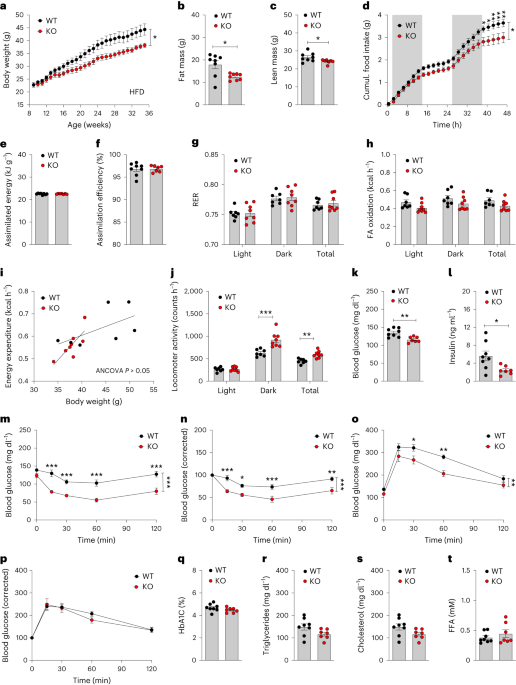
Our new paper, "NK2R control of energy expenditure and feeding to treat metabolic diseases," is out today in @Nature. Here we identify a single receptor that can both peripherally increase energy expenditure and centrally suppress appetite. nature.com/articles/s4158… 1/12 🧵👇
English
32
90
311
35K
Samantha Ji Soo Yoon retweetledi
Stephen Zhang
Stephen Zhang@StephenXZhang·
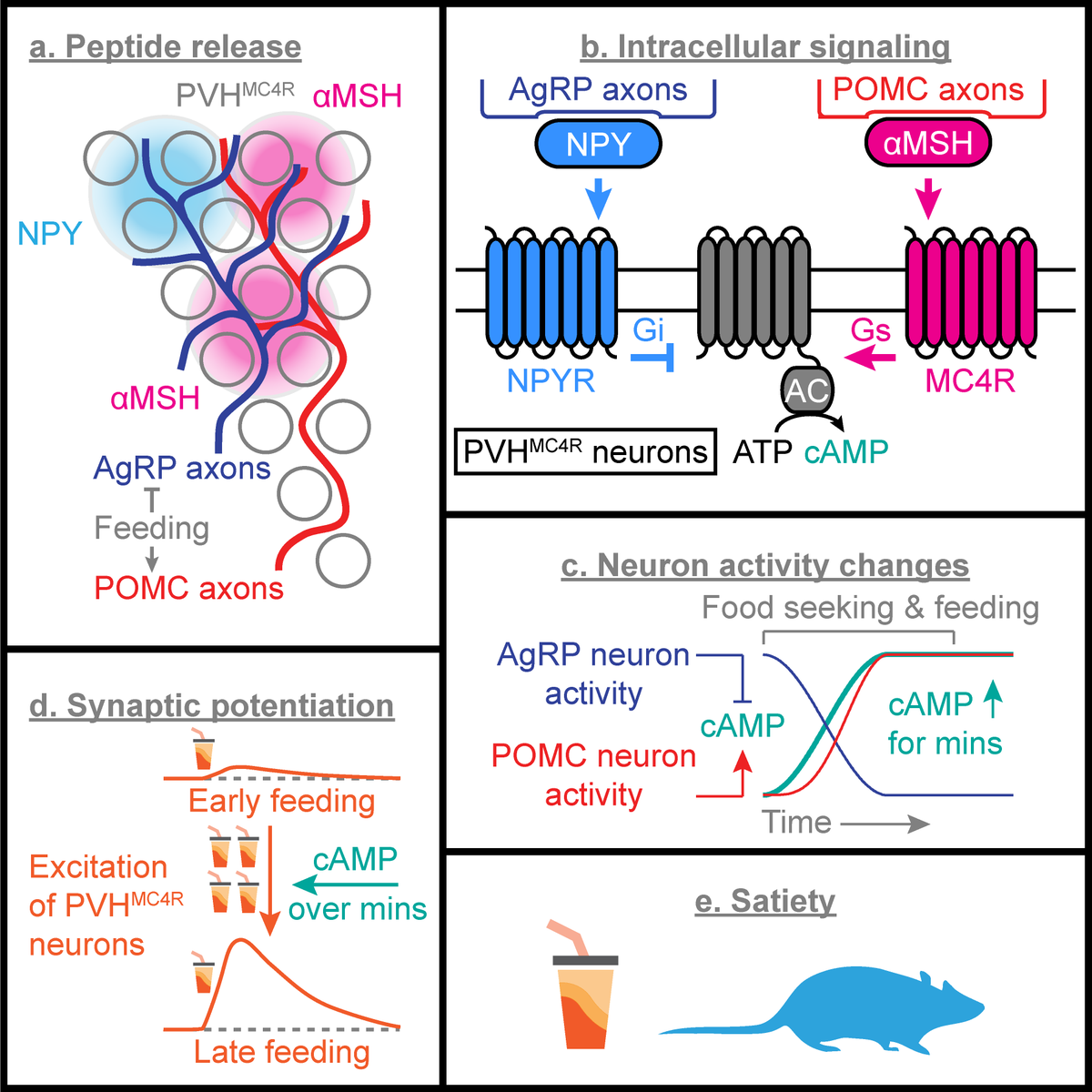
I am thrilled to share the published version of our study on how neuropeptide signals regulate feeding in the hypothalamus! We imaged endogenous peptide signals in subcellular compartments during behavior. Below is an updated summary: rdcu.be/dZlI3
Stephen Zhang tweet media
English
14
58
262
36.6K
Samantha Ji Soo Yoon retweetledi
AmberAlhadeff
AmberAlhadeff@AmberAlhadeff·
Drugs like Ozempic are great for weight loss, but they make some people feel sick. We discovered that the brain circuits mediating the appetite suppression are distinct from those that mediate nausea – a finding that may be leveraged to develop more selective GLP1-based drugs.
English
26
96
570
112.1K
Samantha Ji Soo Yoon retweetledi
Lior Pachter
Lior Pachter@lpachter·
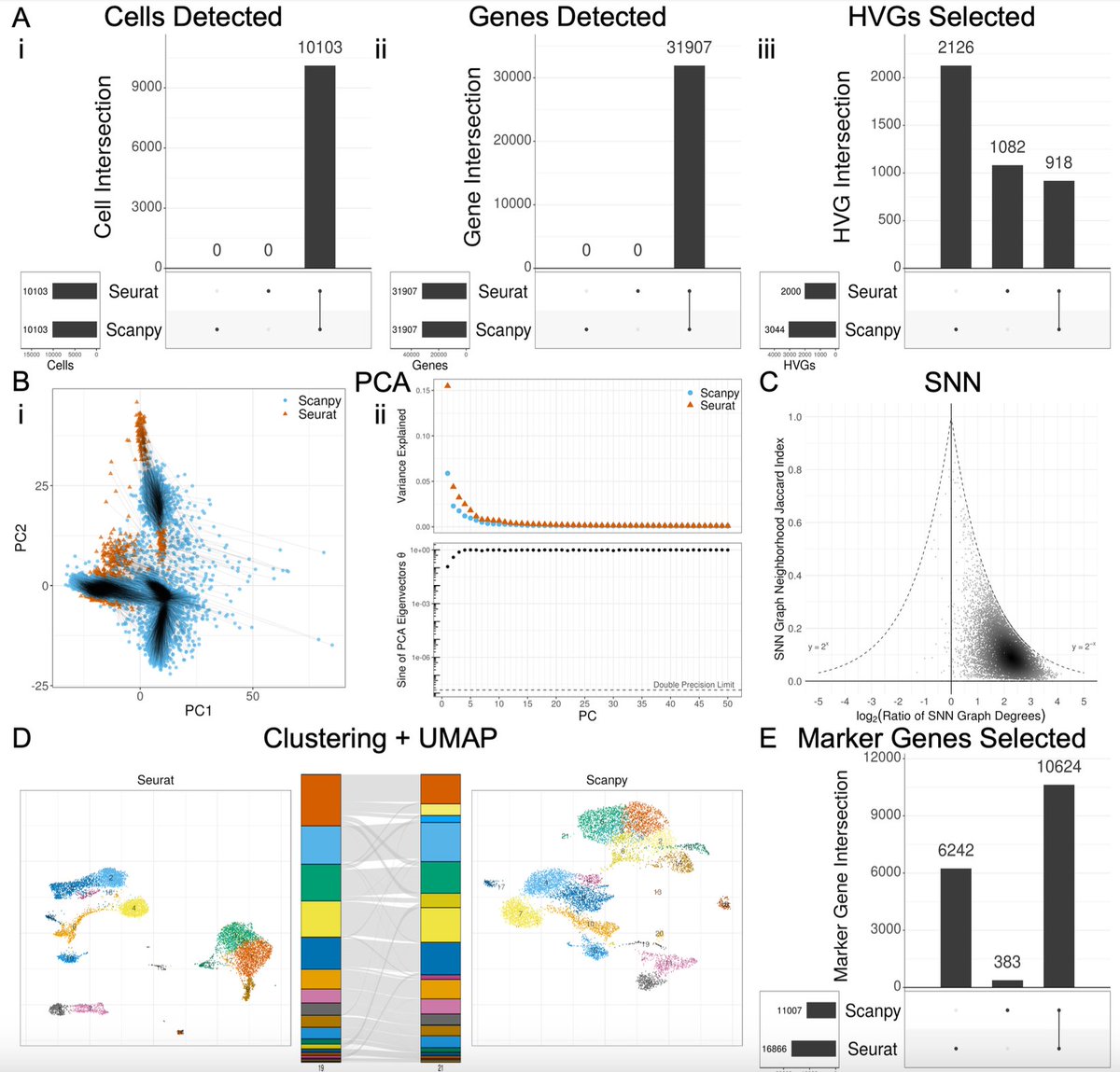
The choice of whether to use Seurat or Scanpy for single-cell RNA-seq analysis typically comes down to a preference of R vs. Python. But do they produce the same results? In biorxiv.org/content/10.110… w/ @Josephmrich et al. we take a close look. The results are 👀 1/🧵
Lior Pachter tweet media
English
15
366
1.2K
586.3K
Samantha Ji Soo Yoon retweetledi
Nature Metabolism
Nature Metabolism@NatMetabolism·
Online now! Reciprocal activity of AgRP and POMC neurons governs coordinated control of feeding and metabolism dlvr.it/T30LL2
Nature Metabolism tweet media
English
0
18
62
12K
Samantha Ji Soo Yoon
Samantha Ji Soo Yoon@SamanthaJSYoon·
I'll be at @KeystoneSymp Obesity: Causes and Consequences to present some of the data in this preprint as a poster! Looking forward to some helpful discussion and feedback🙏 #KSObesity24
English
1
2
15
3.4K
Samantha Ji Soo Yoon retweetledi
Cell Metabolism
Cell Metabolism@Cell_Metabolism·
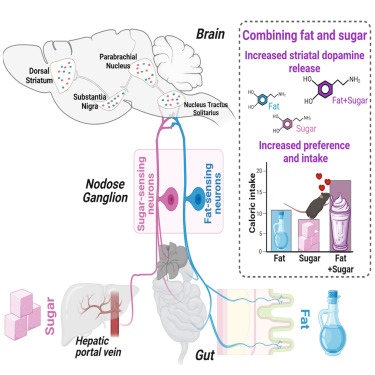
New! Online now: Separate gut-brain circuits for fat and sugar reinforcement combine to promote overeating dlvr.it/T1YgsV
Cell Metabolism tweet media
English
2
63
184
16.8K
Samantha Ji Soo Yoon retweetledi
Veera Rajagopal 
Veera Rajagopal @doctorveera·
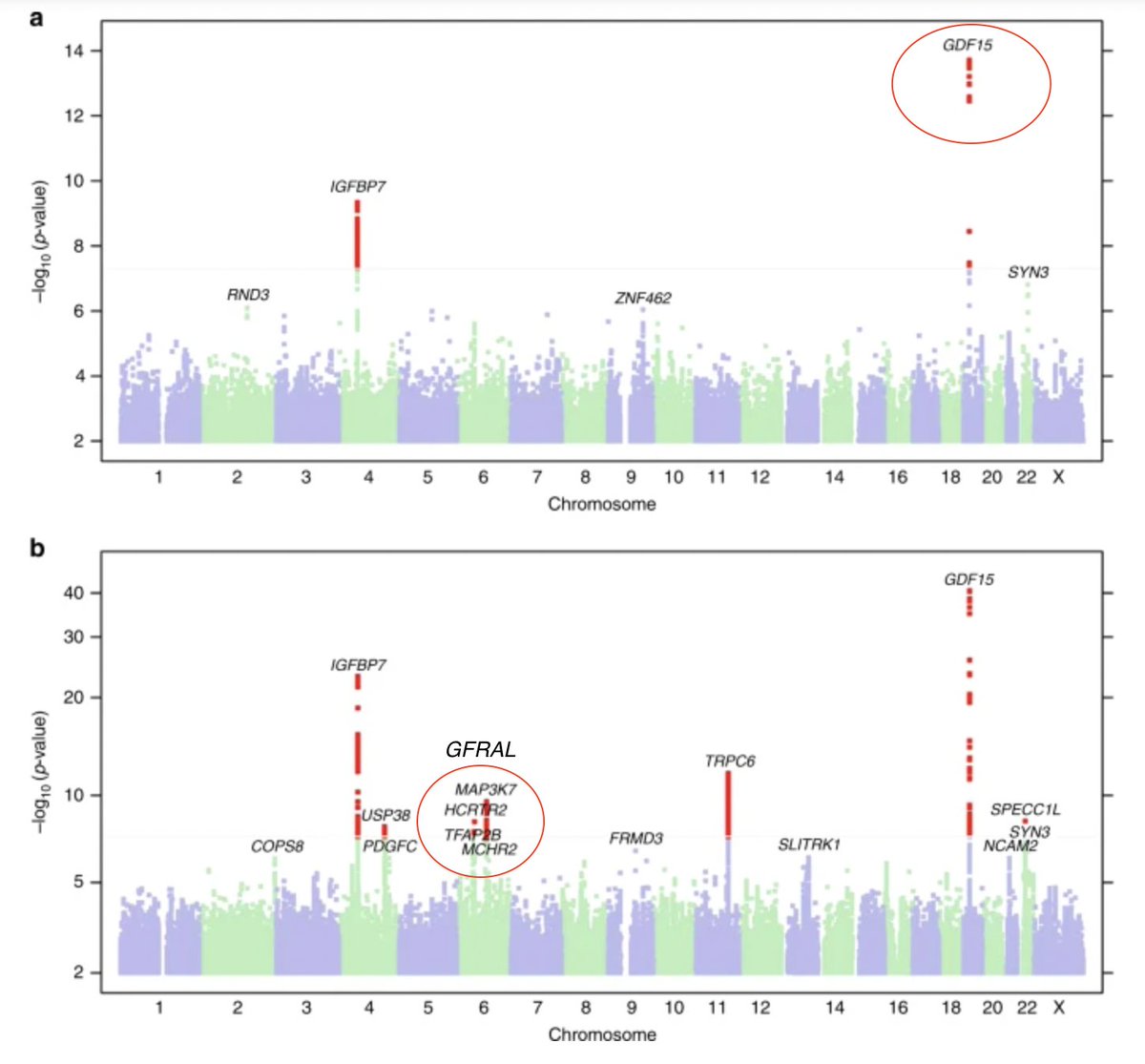
When I thought I was done with the GWAS stories of 2023 and I should wrap up, @StephenORahilly dropped yet another great paper from his team. How can I resist? It's storytelling time. In this hot-off-the-press Nature paper, @DrFejzo et al. uncover an absolutely fascinating biology underlying the link between GDF15 (a hormone that is elevated during pregnancy) and hyperemesis gravidarum (HG) (a pregnancy-associated medical condition characterized by severe nausea and vomiting). Discovery of GDF15 An in vitro experiment in 1997 to study proteins associated with macrophage activation revealed a novel protein that structurally resembled the members of a cytokine family called TGF-β (pnas.org/doi/full/10.10…). The scientists called it macrophage inhibitory cytokine 1 (MIC1) and cloned the gene encoding the protein. In the next few years, the same team, who continued to study their newly found protein, stumbled upon the fact that the gene encoding MIC1 is highly expressed in placental tissue. This led to the discovery that MIC1 is elevated in pregnant women and its level rises as the gestation progresses, and this might be an evolutionarily evolved response by the growing fetus to fight the maternally derived proinflammatory cytokines (academic.oup.com/jcem/article/8…). Fixating on obesity and overlooking pregnancy See, there are two important halves to this initial discovery: the MIC1 protein (which'll be later called GDF15) and its link with pregnancy. But for the next two decades, the scientific field's attention was mostly on the first half, that is, the GDF15 protein itself, which was studied extensively as a biomarker for various diseases and also as a drug target for obesity. But, color me surprised, no one seemed to have bothered much about the second half--the link between GDF15 and pregnancy. In a few years after its discovery, it became apparent that GDF15 is secreted from many tissues, especially, cancer tissues. In 2007, Samuel N Breit and colleagues (some of the same Australian scientists who cloned GDF15) established a causal link between elevated GDF15 levels and cancer-associated anorexia, experimentally proving that the high GDF15 levels made the cancer patients highly aversive to food resulting in pathologic weight loss (nature.com/articles/nm1677). The finding intensified the GDF15 research as many believed that understanding the GDF15's mechanism of action is the key to designing the next breakthrough medicine for obesity. The discovery of GDF15 receptor The obesity field's obsession to GDF15 for the next 10 years would result in a major breakthrough in 2017--the discovery of GFRAL, the receptor of GDF15, by not one or two, but four (!) industrial research teams (NGM Biopharmaceuticals, Novo Nordisk, Lilly&Co and Janssen), published side by side in Nature and Nature Medicine (nature.com/articles/natur…). One of the major revelations in the GFRAL discovery was the impressive specificity of its expression to regions in the brain stem that hold the chemoreceptor trigger zone for vomiting and not behind the blood-brain barrier (pubmed.ncbi.nlm.nih.gov/7895890/). One among the privileged few who got an early peek into the GFRAL discovery before the official publication was Stephen O'Rahilly, a renowned obesity researcher. The moment the GFRAL's brain location was revealed, Stephen remembered the 20 yr old report on GDF15's link with pregnancy and predicted GDF15 to play a major role in HG and started working towards proving his intuition. GWAS meets biology While on one part of the world, endocrinologists and molecular biologists are putting together the GDF15 puzzle one by one, on the other side, a geneticist Marlena Fejzo was on the search for the cause of HG that she herself suffered from. I recommend reading this NYT article to learn about the inspiring story of Marlena (nytimes.com/2023/03/14/wel…). She sought GWAS to find answers and it didn't fail! Marlena collaborated with 23andMe and did the first GWAS of HG in 2018 (self-reported severe nause and vomiting during pregnancy) in mere 1300 cases and 15k controls (nature.com/articles/s4146…). Voila! The strongest hit is none other than GDF15! And not just that, the authors also found a signal near GFRAL associated with symptom severity. How amazing is that? The publication of the GWAS findings connected Marlena with Stephen resulting in them working together on the GDF15 puzzle. Making sense of the human genetics findings So far all the research findings about the GDF15 and hyperemesis gravidarum seem to fit well together, except for one tiny bit: the effect direction of human genetic associations conflicted with the known GDF15 biology. Clinical observations and animal studies all pointed that increased GDF15 is associated with higher risk of HG. But human genetics said the opposite: those who had common genetic variants that increased the GDF15 levels in blood appeared to be at lower risk of HG and those who had a rare genetic variant that severely reduced GDF15 level in the blood were found to be at high risk of HG (ncbi.nlm.nih.gov/pmc/articles/P…). How is that possible? It turned out GDF15 hormonal system are susceptible to desensitization like many other hormonal systems. So, how well a woman tolerates the rise in GDF15 levels during pregnancy depends on her basal GDF15 levels during non-pregnant state. Someone who's genetically predisposed to have high basal GDF15 levels appear to tolerate pregnancy associated GDF15 elevation better and vice versa. The authors experimentally proved the desensitization hypothesis using mice experiments where they used GDF15's well established effect of food intake as a readout. Acute bolus injection of GDF15 did not reduce food intake or affect body weight in mice sensitized to GDF15 (using low-dose injection) but did so in mice not exposed to GDF15 prior. To demonstrate the desensitization in humans, you'll need a system where basal GDF15 levels are highly elevated. Unfortunately, there is no gain of function variant that raises GDF15 levels to extreme levels. But, it turned out, individuals with thalassemia have extremely high levels of GDF15. So, the authors used the rare Mendelian disease as a system to validate the desensitization hypothesis in humans. A survey of pregnant women with and without thalassemia showed that <5% of those with thalassemia experienced any nausea or vomiting during pregnancy, which is impressively lower than 60% frequency observed in those with thalassemia. Putting all together, the authors have uncovered the beautiful mechanics of GDF15 hormonal axis in pregnancy. The findings suggest GDF15 and its receptor GFRAL, both are promising drug targets to treat this devastating condition (hyperemesis gravidarum) that many pregnant women all over the world suffer from. It's really amazing to learn how the whole GDF15 story has evolved and how human genetics again and again has played a crucial role in understanding of this complex biology.
Veera Rajagopal  tweet media
stephen o'rahilly (its pronounced O-RA-hill-EEE)@StephenORahilly

Great to see this coming out today nature.com/articles/s4158… Thanks to all the collaborators who made this happen. If you are interested to read more please see this blog bit.ly/GDF-15_HG_Blog/

English
10
123
388
167.7K
Samantha Ji Soo Yoon retweetledi
Science Magazine
Science Magazine@ScienceMagazine·
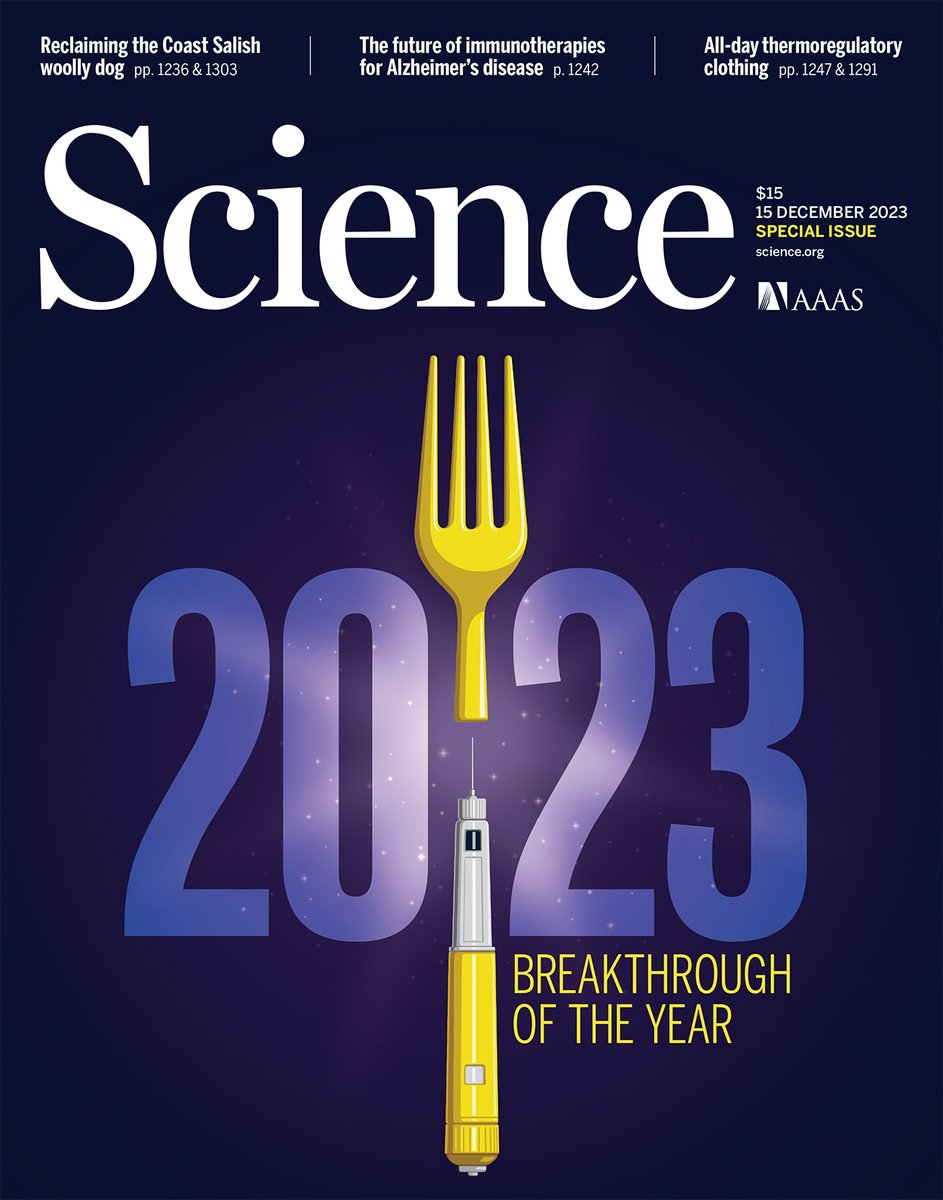
Science has named the development of glucagon-like peptide-1 (#GLP1) agonists and this year's discovery that these drugs can blunt obesity-associated health problems as the 2023 #BreakthroughOfTheYear. Learn more: scim.ag/5c2 #BOTY
Science Magazine tweet media
English
10
341
964
402.8K
Samantha Ji Soo Yoon retweetledi
⚡️GREG_CORDER⚡️
⚡️GREG_CORDER⚡️@FlyBottleEscape·
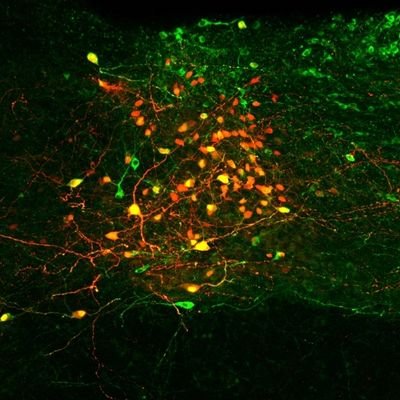
Just a reminder that Cellpose2.0 is a great, free, fast option to quant all kinds of histology from immediate early genes to RNAscope etc. Counted cFos for n=12 mice across n=19 brain regions, totaling over 20k cells in ~2hrs github.com/mouseland/cell…
⚡️GREG_CORDER⚡️ tweet media⚡️GREG_CORDER⚡️ tweet media⚡️GREG_CORDER⚡️ tweet media
⚡️GREG_CORDER⚡️@FlyBottleEscape

This is ah ma zing .. first attempt, in less than 1-min from my phone I copied a low-res multi-channel image of DRG from our lab website, uploaded to cellpose.org, selected red channel and boom ... 🤯

English
8
51
375
111.2K
Samantha Ji Soo Yoon retweetledi
nature
nature@Nature·
Nature research paper: Sequential appetite suppression by oral and visceral feedback to the brainstem go.nature.com/3GchzHK
English
0
8
35
34.4K
Samantha Ji Soo Yoon retweetledi
Deniz Atasoy
Deniz Atasoy@AtasoyLab·
The time of day that we eat has significant impact on body weight and metabolic health but what determines those mealtimes? In a new study @NatureNeuro, we monitored daily oscillations in the activity of key hypothalamic hunger neurons expressing AgRP. ++ nature.com/articles/s4159…
English
6
75
286
67.9K
Samantha Ji Soo Yoon retweetledi
Nature Metabolism
Nature Metabolism@NatMetabolism·
Online now! Glucose-dependent insulinotropic polypeptide regulates body weight and food intake via GABAergic neurons in mice dlvr.it/Syd6nB
Nature Metabolism tweet media
English
0
22
83
14.9K
Samantha Ji Soo Yoon retweetledi
BrainEnergyMetabolism
BrainEnergyMetabolism@BrainMetabolism·
Fuel use depends on activity state. New paper shows alternative fuels like lactate/pyruvate and bOHB can out-compete glucose but glucose is the preferred fuel on activation. Glycogen does not contribute much... New from Yellen lab and Elisa York. doi.org/10.1111/jnc.16…
BrainEnergyMetabolism tweet media
English
0
11
42
8.8K
Samantha Ji Soo Yoon retweetledi
The Nobel Prize
The Nobel Prize@NobelPrize·
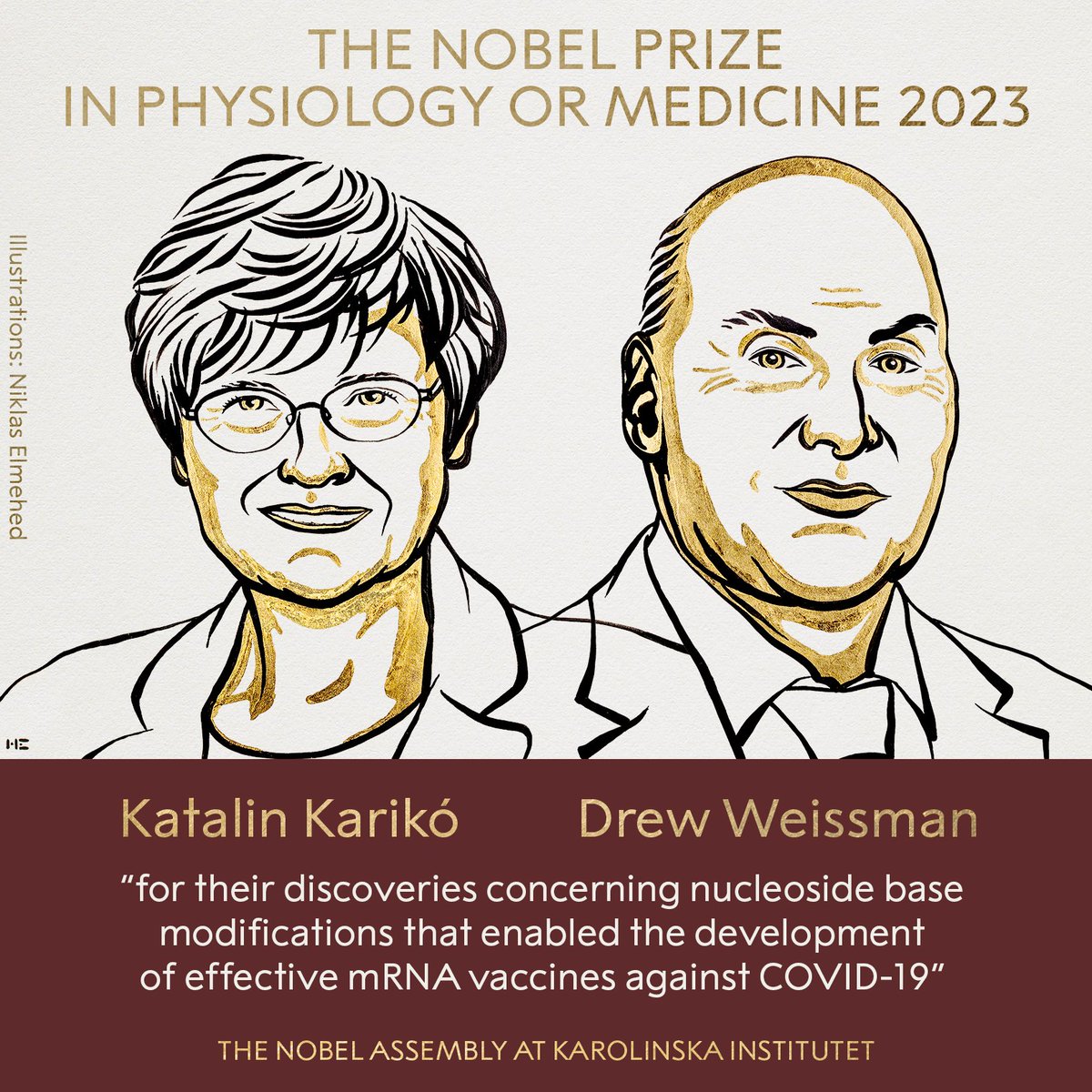
BREAKING NEWS The 2023 #NobelPrize in Physiology or Medicine has been awarded to Katalin Karikó and Drew Weissman for their discoveries concerning nucleoside base modifications that enabled the development of effective mRNA vaccines against COVID-19.
The Nobel Prize tweet media
English
3.6K
25.5K
72K
19.6M