Sabitlenmiş Tweet

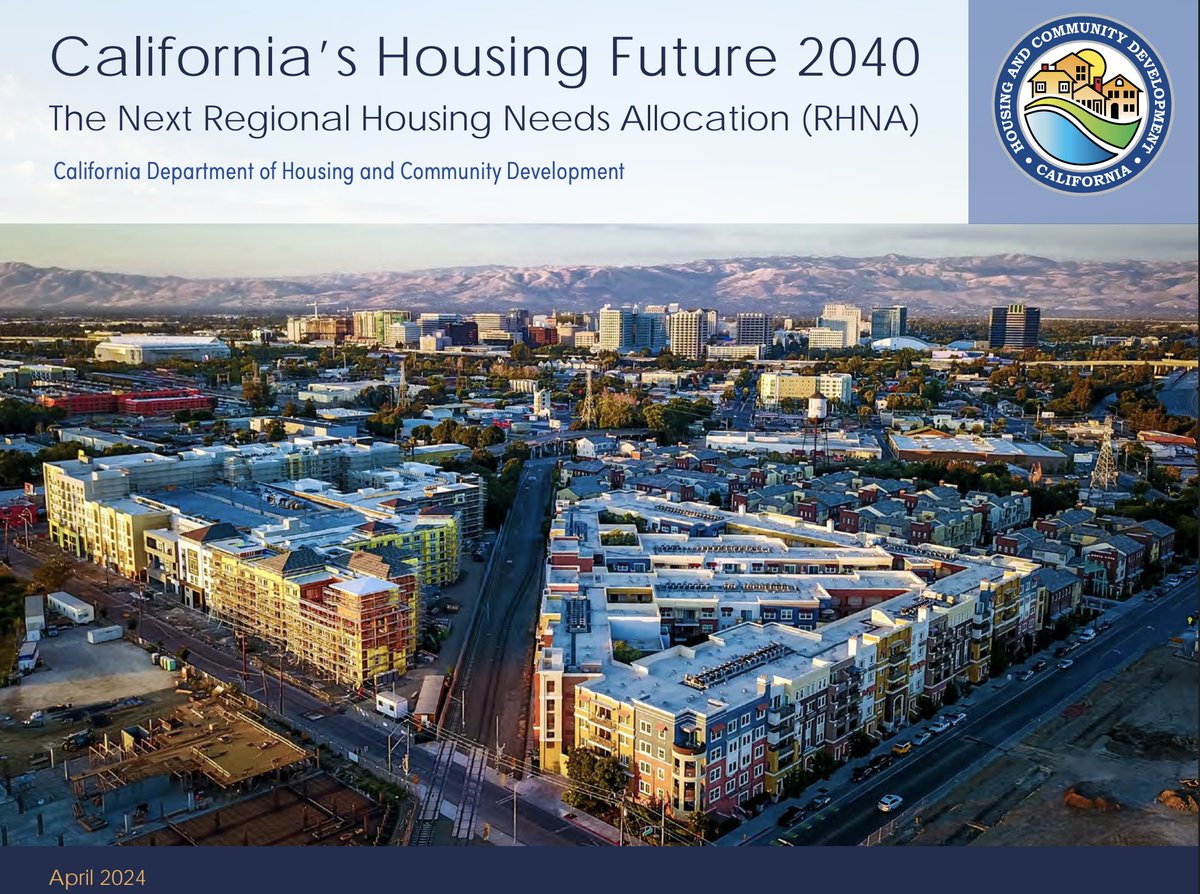
This is California's official vision of the future of housing in 2040. Looks very pleasant, doesn't it?
English
Sane Housing
257 posts

@SaneHousing
We can create more homes in California without destroying single-family neighborhoods. Don't let the developers/YIMBYs fool you.


California’s iconic Mono Lake is struggling amid climate change and drought. To save it, Los Angeles will need to siphon off less water, a new report says. sfchronicle.com/climate/articl…
New from me for @latimes: Riverside County Sheriff Chad Bianco, who is a leading Republican candidate for governor, has seized more than 650,000 ballots from last November’s election and is investigating whether they were fraudulently counted. latimes.com/california/sto…





Sustainable yield is a hard ceiling — you cannot simply pump more because the state orders more housing. SM.a.r.t. Column: Have Housing Mandates Ignored State Water Shortages? - Santa Monica News, Events & Local Politics | Santa Monica Mirror smmirror.com/2026/03/sm-a-r…



New Study Finds 90% Of Sea Level Research Relies On Models, Not Real Measurements via @ccdeditor climatechangedispatch.com/sea-level-rise…




Members of council and fellow Vancouverites, The Official Development Plan before you rests on a simple but mistaken premise: that adding more housing supply will make housing more affordable. It is an appealing idea. But Vancouver’s own history shows it simply isn’t true. For more than fifty years this city has been the most aggressive builder of new housing in North America. Since the 1960s our housing stock has increased by 200 percent, while population has grown by only 78 percent. We have densified our neighborhoods, built towers, embraced mixed-use, and added units at a pace that outstrips most comparable cities. No other centre city matches this feat. And yet our housing, when measured against average household income, is the least affordable anywhere on the continent . Working families - the very people who make the city function—are being pushed out. Density has brought real benefits: lower emissions, healthier communities, better transit. But affordability has not followed supply. The market does not naturally produce housing ordinary wage earners can afford. It produces what the highest bidder can pay for. That is why this plan needs a different foundation. If we want a city that still houses its teachers, nurses, tradespeople, and young families, then at least half of all new housing must be permanently affordable - homes costing no more than 30 percent of income. We have tested the supply theory for decades. Vancouver’s own experience tells us it is time to try something that actually works.