SaveMCSO
137 posts

SaveMCSO
@SaveMcso
Rallying AZ taxpayers to end federal overreach in Maricopa County. Speech safeguarded by 1 Amendment & Pickering Case Law.


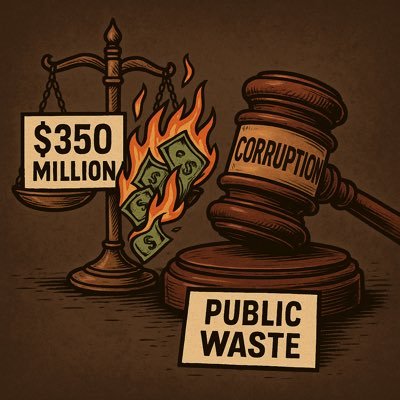
Melendres/ Maricopa County Oversight what is really going on: Lightning Lifetime Odds: • National Weather Service: about 1 in 15,300 lifetime odds of being struck. Experiencing Bias-Based Profiling by MCSO: • Based on the Melendres v. Arpaio litigation identifying 5 victims from 4 traffic stops, compared against approximately 240,000 annual MCSO incidents, the implied rate is about 1 victim per 48,000 MCSO incidents, or roughly 0.002% per contact. Even across multiple lifetime contacts, the estimated odds remain extremely low unless a person has repeated direct enforcement contacts with MCSO. Comparison: Lightning vs. Being Racially Profiled A person is roughly 3 times more likely to be struck by lightning in their lifetime than to be one of the 5 identified Melendres victims relative to total MCSO incidents. Judicial Bias: The research is clear, bias isn’t the exception, it’s the baseline. Studies show cognitive bias is widespread across the entire justice system, so the odds a judge has some level of bias aren’t 1 in 10 or 1 in 100—they’re effectively 1 in 1. The real issue is when that bias starts influencing outcomes. Zhang, X., & Hayward, T. (2024). Cognitive bias in legal decision-making: A review of its impact on the justice system. Frontiers in Psychology, 15, Article 12024198. doi.org/10.3389/fpsyg.… Comparison: Falling Victim to Bias-Based Decision-Making from a Federal Judge vs. MCSO Using the same incident-based comparison, a person is roughly 45,900 times more likely to encounter some level of human cognitive bias from a judge than to be one of the five identified Melendres victims. Even using a conservative 50% bias-impact estimate, it is still about 22,950 times more likely. Judge Snow’s Ruling (2013 Findings of Fact and Conclusions of Law): • The order is ~140+ pages long • Contains hundreds of numbered factual findings • Each finding is based on: o testimony o exhibits o expert reports o credibility determinations Melendres wasn’t decided by counting violations. It was decided by interpreting patterns. And once a pattern becomes the story, human nature and the science of confirmation bias suggests that the rest of the evidence tends to follow it. When one judge turns hundreds of pieces of evidence into one story, the real question is—did the evidence drive the conclusion, or did the conclusion shape the evidence? After all, Joe Arpaio investigated Murray Snow and his wife—maybe there was a score to settle. Associated Press. (2015, April 24). Ariz. sheriff Joe Arpaio admits investigation of judge’s wife. CBS News. cbsnews.com/news/arizona-s… Disproportionate Costs: I’ve said it before: the “victims” have been paid $266,000 combined, the American Civil Liberties Union has made $14 million off the victims they represent, and Judge Snow’s monitor has been paid 100 times more than all the victims combined, at over $30 million. No wonder Judge Snow sealed his monitor’s expense records in 2015, hiding them from public view. I thought being deceptive was against the judicial canons of justice. And I thought he was the Peoples Judge and not leaning to one side, that why they were black after all and not blue or red. @GoldwaterInst @RepAndyBiggsAZ @JudiciaryGOP @JudicialWatch #corruption #grift #judge @JDVance #draintheswamp @ShawnRyan762 did you get my email??? @BroomheadShow @KTAR923 @azfamily @AbeWarRoom

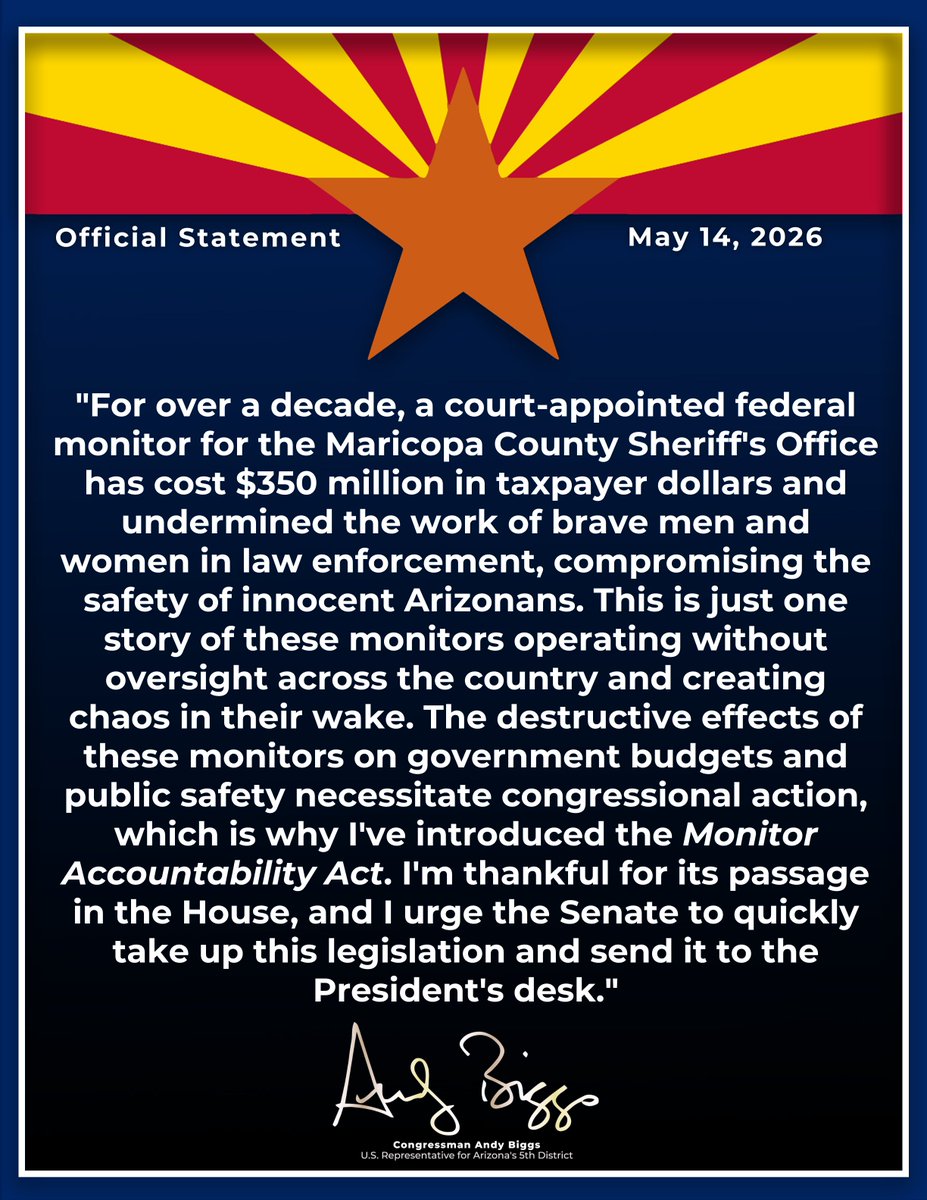
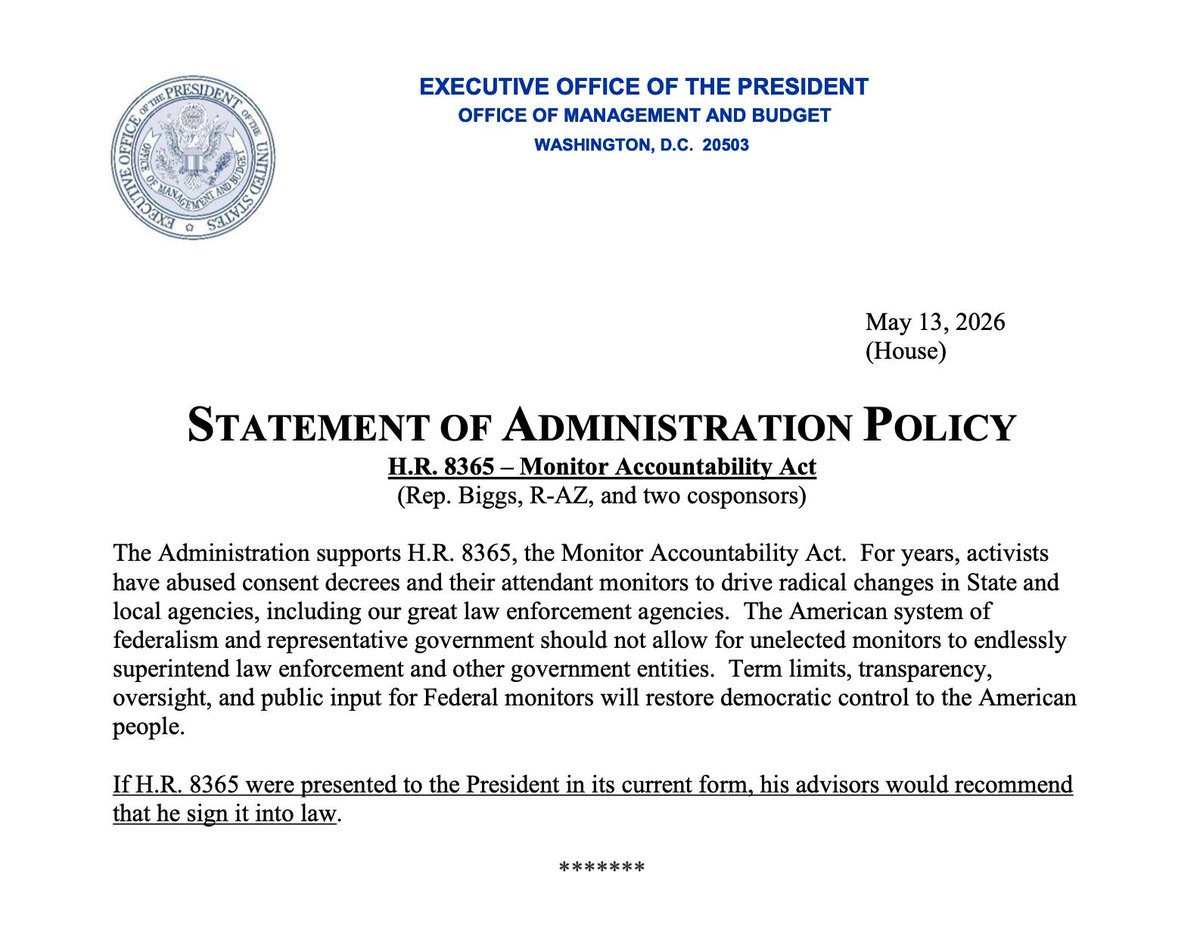
This 14-second clip is exactly why Congressman Andy Biggs’ “Monitor Accountability Act” is so important. For more than 11 years, Maricopa County taxpayers have funded the Melendres monitoring system at a cost exceeding $302 MILLION. Monitor fees alone exceeded $30 million, while identified victim compensation totaled roughly $266,000. Yes he is still profiting and has made over 100 times more compensation than all the “Victims” combined. Now watch as Monitor Robert Warshaw tells concerned taxpayers that information regarding how their tax dollars are being spent is “not for public consumption.” Keep in mind he is getting away with this because Federal Judge Snow sealed the invoices from public view in 2014-2015 That mindset is precisely why transparency protections are needed. Not to get rid of oversight but to benefit the taxpayers. The Monitor Accountability Act would require: • Public accounting of monitor spending • Transparency for taxpayers • Term limits for monitors • Judicial rotation after lengthy oversight • Public comment before monitor appointments This is not about politics. It is about ensuring constitutional oversight remains accountable to the people funding it. Oversight matters. Civil rights matter. But taxpayer transparency matters too.


I’m running for Governor to make Arizona a freer, safer, and more prosperous state. Katie Hobbs is trying to make Arizona more like California. We have tremendous potential, but we need leadership to get there. Watch our campaign’s newest video!


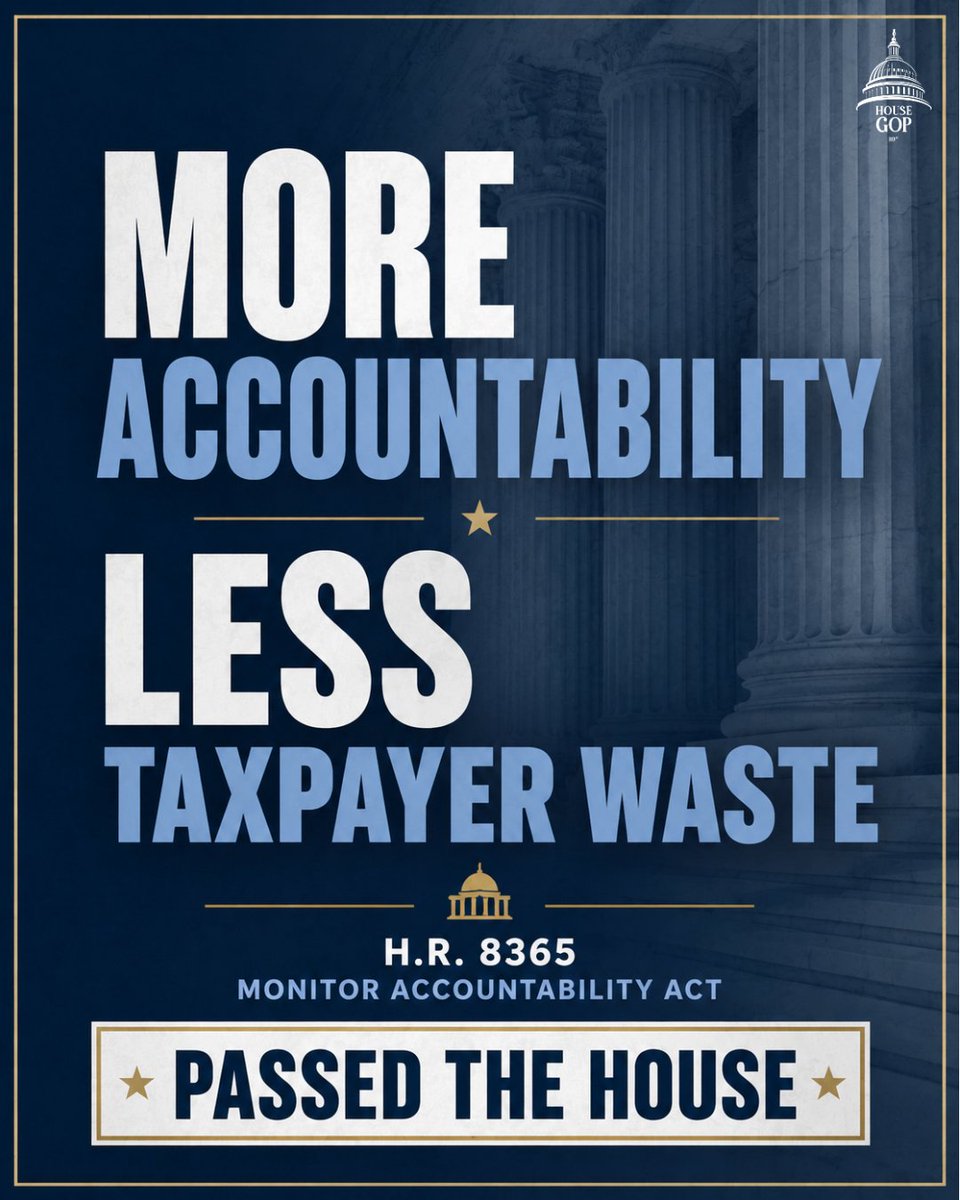
The Monitor Accountability Act has passed the U.S. House!


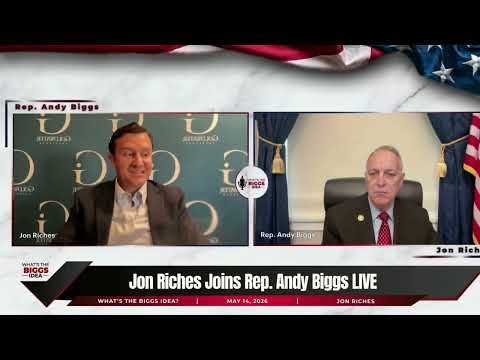
Find out what’s REALLY going on in the Maricopa County Sheriff’s Office. Watch my podcast with Jon Riches from the Goldwater Institute - LIVE here ⬇️ youtu.be/GhV8xXDKwlg

This 14-second clip is exactly why Congressman Andy Biggs’ “Monitor Accountability Act” is so important. For more than 11 years, Maricopa County taxpayers have funded the Melendres monitoring system at a cost exceeding $302 MILLION. Monitor fees alone exceeded $30 million, while identified victim compensation totaled roughly $266,000. Yes he is still profiting and has made over 100 times more compensation than all the “Victims” combined. Now watch as Monitor Robert Warshaw tells concerned taxpayers that information regarding how their tax dollars are being spent is “not for public consumption.” Keep in mind he is getting away with this because Federal Judge Snow sealed the invoices from public view in 2014-2015 That mindset is precisely why transparency protections are needed. Not to get rid of oversight but to benefit the taxpayers. The Monitor Accountability Act would require: • Public accounting of monitor spending • Transparency for taxpayers • Term limits for monitors • Judicial rotation after lengthy oversight • Public comment before monitor appointments This is not about politics. It is about ensuring constitutional oversight remains accountable to the people funding it. Oversight matters. Civil rights matter. But taxpayer transparency matters too.