Ana Schmeit

128 posts

Ana Schmeit banner
Ana Schmeit

Ana Schmeit

@SchmeitAna

MSc. Architect & City Designer l Exploring cities morphology, governance & experience l Walkability, retail & waterfronts l Design Review Board Member

Lusail, Qatar Katılım Haziran 2025
246 Takip Edilen14 Takipçiler
Ana Schmeit
Ana Schmeit@SchmeitAna·
@humantransit I’m already seeing versions of this happening across GCC, & scarcity is turning walkable, human-scaled neighborhoods into highly exclusive enclaves. Mixed-use, walkable urbanism is treated as a rare luxury product, it end up deepening social segregation rather than reducing it.
English

0
0
0
17
Andy Boenau
Andy Boenau@Boenau·
Make it convenient for lots of people to ride bikes, and lots of people will ride bikes.
English
30
144
889
17K
Ana Schmeit
Ana Schmeit@SchmeitAna·
@the_transit_guy The popularity of even small walkable districts says a lot about what many people are quietly missing in daily life.
English
0
0
0
64
Hayden
Hayden@the_transit_guy·
Even in the arguably most car dependent metro in the country, there’s a clear demand for walkable spaces and dense urbanism. Stop making it legal to only build car dependent sprawl and then use that reality to say no one demands anything else.
English
28
39
505
22.9K
Ana Schmeit
Ana Schmeit@SchmeitAna·
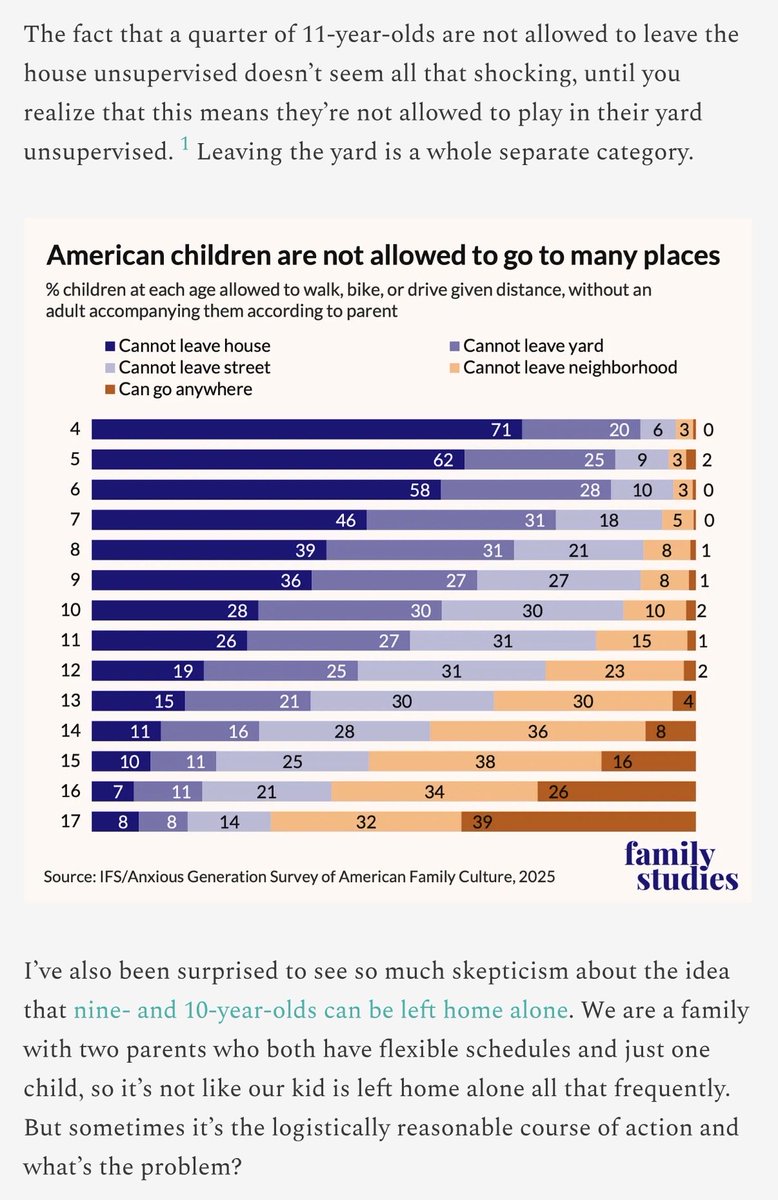
@mattyglesias Children losing independence is one of the saddest hidden costs of car-centric urban design.
English
0
0
1
29
Ana Schmeit
Ana Schmeit@SchmeitAna·
@BrentToderian @UCSUSA We often talk about traffic like it’s inevitable instead of something continuously designed, funded, and incentivized.
English
0
0
1
36
Brent Toderian
Brent Toderian@BrentToderian·
“The Highway Lobby spends millions to make sure we spend billions.” — Union of Concerned Scientists. Their profit, your cost. Pleased to support @UCSUSA in sharing/boosting their important new article below, with our newest Urban Truth Collective poster. #UrbanTruth
Brent Toderian tweet media
Brent Toderian@BrentToderian

NEW: The highway lobby spend MILLIONS buying car dependency to make sure all of us have to spend BILLIONS. #UrbanTruth They’ve “been shaping transportation policy conversations for decades in its interests.” Via the Union of Concerned Scientists @UCSUSA blog.ucs.org/kshen/the-high…

English
2
11
29
6.4K
Ana Schmeit retweetledi
Urban Cycling Institute 🚲 
Urban Cycling Institute 🚲 @fietsprofessor·
👴:'Why are children these days not playing outside anymore like we did when we were young?' 🤷: Yeah, a true mystery...
Urban Cycling Institute 🚲  tweet media
English
19
140
600
17K
Ana Schmeit retweetledi
Urban Cycling Institute 🚲 
Urban Cycling Institute 🚲 @fietsprofessor·
'Don't blame having a child for the need to buy a car. Blame your city leaders for making it impossible to cycle safely with children.' —@LiorSteinberg (🎞️ of Den Bosch🇳🇱 by @BicycleDutch)
English
55
330
1.4K
56.2K
Ana Schmeit
Ana Schmeit@SchmeitAna·
@UrbanCourtyard In many ways, contemporary courtyard urbanism feels less like a new invention and more like rediscovering principles cities here already knew.
English
0
0
1
9
Ana Schmeit
Ana Schmeit@SchmeitAna·
@UrbanCourtyard What’s interesting is that versions of courtyard urbanism already exist in Gulf architecture, including Qatar. Traditional homes were often organized around internal courtyards because they worked climatically and socially: shade, airflow, privacy, family gathering space
English
1
0
1
56
Alicia, Courtyard Urbanist
Alicia, Courtyard Urbanist@UrbanCourtyard·
The core claim of courtyard urbanism is that courtyard block development is one of the most effective ways to add family housing in high-cost cities because it makes large, livable apartments easier to design, finance, and deliver. The evidence is both formal and historical. For thousands of years, cities have used shallow buildings, shared party walls, and interior courtyards to create dense housing with light, air, privacy, and usable outdoor space. In a contemporary courtyard block, these same principles make it possible to produce family-sized apartments with abundant daylight, cross-ventilation, generous floor plans, and direct access to patios, balconies, terraces, play areas, gardens, and shared yards, WITHOUT requiring every family to buy and maintain a detached house on scarce, expensive urban land. Courtyard housing has appeared repeatedly during periods of urban expansion, from ancient Rome to the great apartment districts of late-19th- and early-20th-century Europe. The last major flourishing of this form came when Western European cities were facing rapid urban growth and rising demand for better housing in the city.
Alicia, Courtyard Urbanist tweet media
Lyman Stone 石來民 🦬🦬🦬@lymanstoneky

Alicia has no evidence for her core claims and also doesn’t understand the claims of others. There absolutely is demand for family friendly housing in cities, something I have argued repeatedly and publicly many times.

English
8
8
80
6.3K
Andy Boenau
Andy Boenau@Boenau·
Volume up for maximum smiles!
English
13
49
198
5.1K
Ana Schmeit
Ana Schmeit@SchmeitAna·
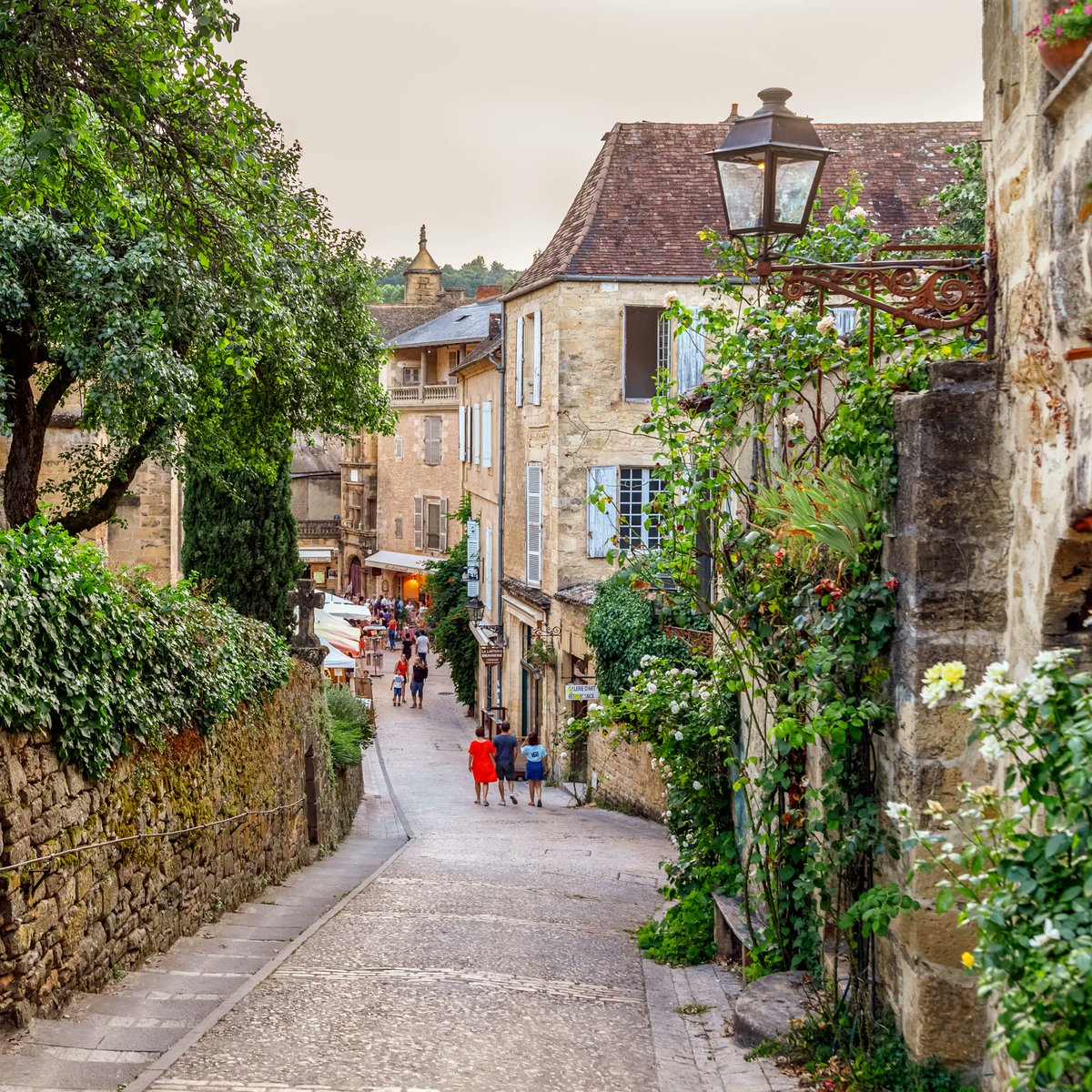
@Cobylefko The best cities feel like they were designed by people who believed daily life deserved beauty too.
English
0
0
0
8
Coby
Coby@Cobylefko·
Let's return to an era of city building where we default to creating places that become more magic over time-even the smallest and relatively unknown. We should always be working towards making our world just a little more beautiful, whimsical, useful, and lovable!
Coby tweet media
English
7
17
181
9.1K