
Science Magazine

46.9K posts

Science Magazine banner
Science Magazine

Science Magazine

@ScienceMagazine

Cutting-edge research, news, commentary, and visuals from the Science family of journals. Follow @NewsfromScience for stories from our News team.

Washington, DC & Cambridge, UK Katılım Nisan 2009
458 Takip Edilen4.6M Takipçiler
Sabitlenmiş Tweet
Science Magazine
Science Magazine@ScienceMagazine·
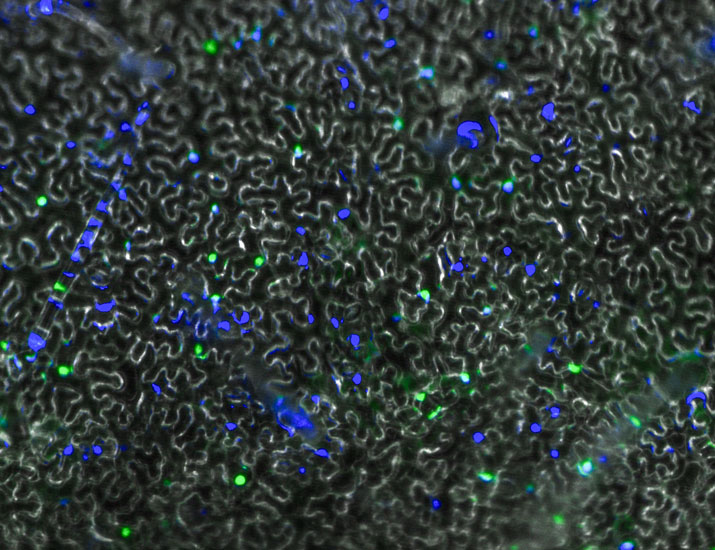
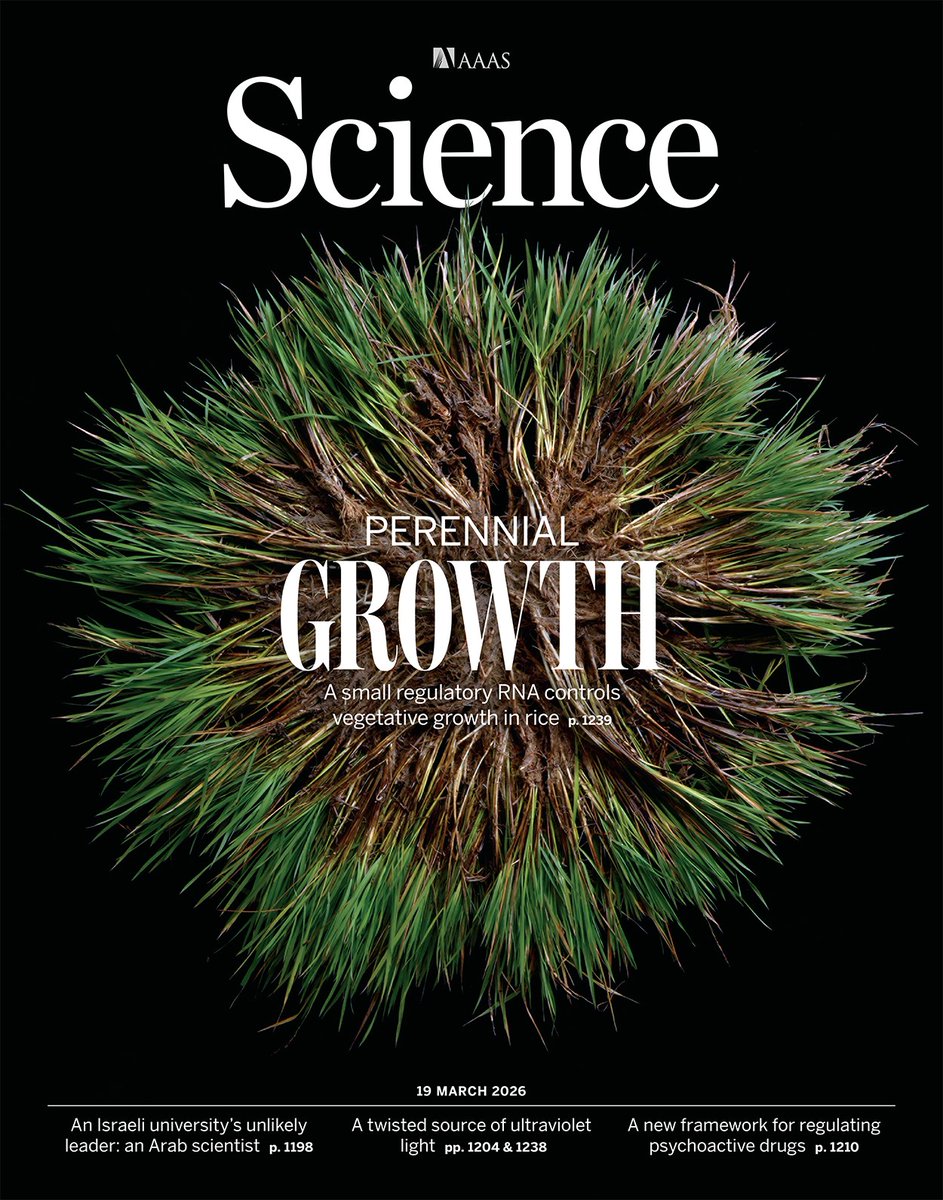
Wild rice is a perennial, creeping plant. The secret to its perennial growth habit lies in a developmental reversal directed by small RNAs. This image illustrates how combining perennial genes with prostrate growth genes allows cultivated rice to mimic wild rice. These findings pave the way for the future development of sustainable perennial rice cultivars. Learn more this week in Science: scim.ag/4sYKfug
Science Magazine tweet media
English
4
76
263
137.2K
Science Magazine
Science Magazine@ScienceMagazine·
A study in @SciSignal reveals a molecular “brake” in plants that fine-tunes the immune response to infection, casting light on the sophisticated and dynamic pathways that enable plants to balance energy between growth and immune defense. scim.ag/4rEKmdh
Science Magazine tweet media
English
1
6
20
7.5K
Science Magazine
Science Magazine@ScienceMagazine·
By mapping the brains of seals and sea lions, researchers in Science have uncovered specialized neural circuits that have evolved to support the control of complex vocal behavior and learning in the species. Learn more: scim.ag/4buI3TW
Science Magazine tweet media
English
2
11
44
8.9K
Science Magazine
Science Magazine@ScienceMagazine·
Researchers have found that the closed form of the protein ezrin is functional instead of being inactive as previously assumed—and that this form may promote the metastasis of bone cancer cells. @SciSignal scim.ag/3NAqOIU
Science Magazine tweet media
English
2
7
46
10.7K
Science Magazine
Science Magazine@ScienceMagazine·
In the latest #SciencePodcast🎙️, Contributing Correspondent Lizzie Wade joins to discuss a finding that’s likely to reignite debate over how humans first spread through the Americas. 🎧 Listen here: scim.ag/4uEFlUE
English
0
1
7
8.3K
Science Magazine
Science Magazine@ScienceMagazine·
When Chinese flying tree frogs (Polypedates dennysi) leap through the forests of China and Southeast Asia, a single missed connection could send them plummeting to a slimy end. Fortunately, they’ve evolved a few lifesaving contortions to grab hold of vertical branches and trunks, according to a 2024 study. Researchers filmed five of the tree frogs making hundreds of jumps in the lab onto poles of various diameters—ranging from dime-size to the width of a toilet paper roll. The amphibians made split-second adjustments depending on the pole’s diameter and how far off course they had veered. They either sailed past their targets before grabbing on with a sticky-padded hand or foot at the last moment, or belly-flopped heavily against the surface and embraced it. By far, the frogs preferred to grab poles with an outstretched hand and whip around. But as the poles grew narrower, they used their feet and their bellies more often to stick the challenging landings. Their angles of approach in the air might dictate whether the animals use their gangly limbs or resort to an inevitable belly-flop impact, the researchers propose. Learn more on #WorldFrogDay: scim.ag/4aiVmGg @NewsfromScience
English
1
8
29
13.5K
Science Magazine
Science Magazine@ScienceMagazine·
The Perseverance rover has revealed traces of an ancient river system on Mars, detailing another chapter in the watery history of the Red Planet. Learn more in @ScienceAdvances: scim.ag/4uG2lTm
Science Magazine tweet media
English
2
19
70
12.8K
Science Magazine
Science Magazine@ScienceMagazine·
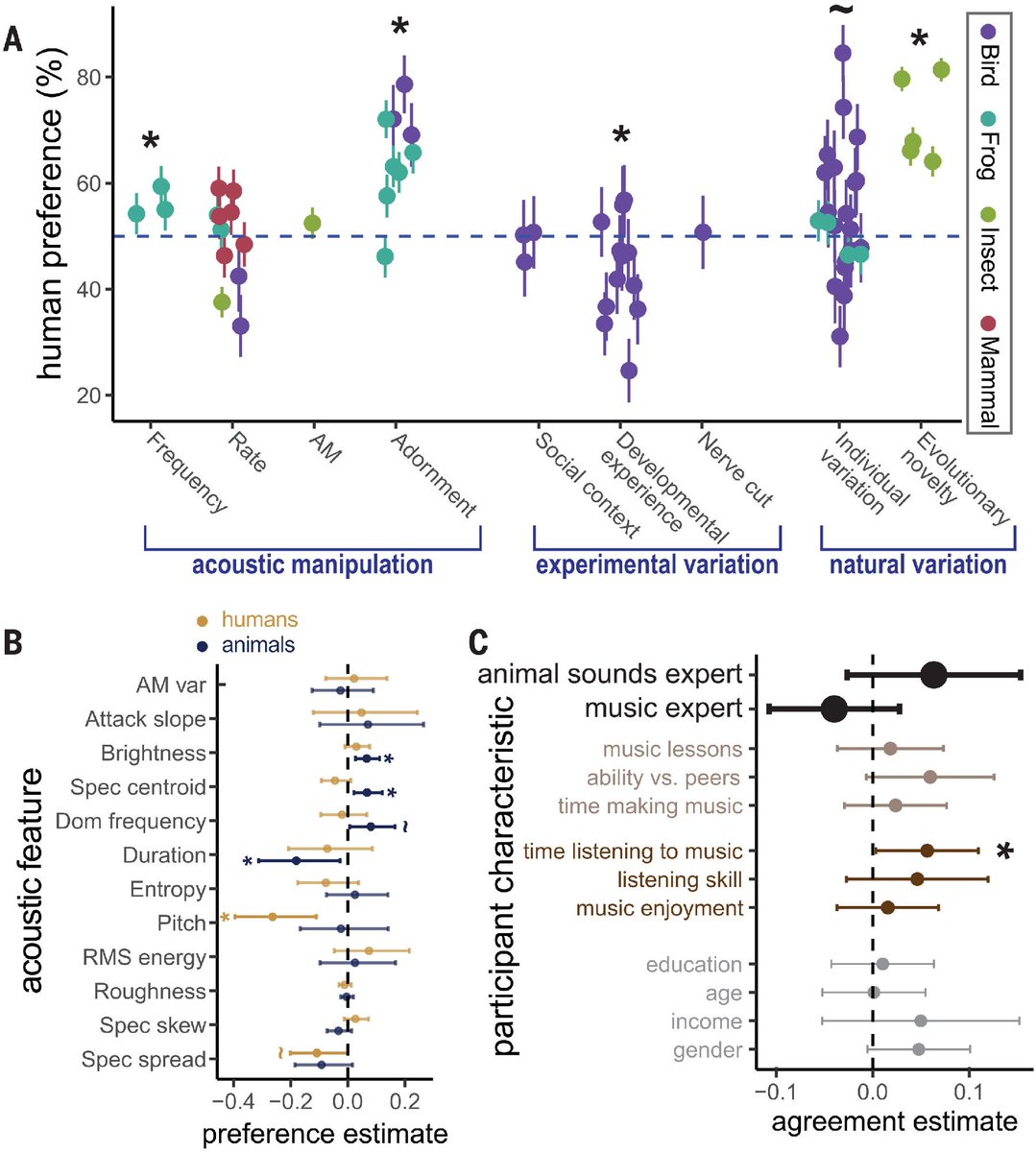
Do humans share a sense of acoustic beauty with other animals? According to a new study in Science, the answer may be yes. In a global citizen-science experiment, researchers show that humans tend to prefer many of the same animal sounds that animals themselves favor—findings that offer support for Charles Darwin’s longstanding idea that different species can share a “taste for the beautiful.” Learn more: scim.ag/40GkvGQ
Science Magazine tweet media
English
2
28
121
13.5K
Science Magazine
Science Magazine@ScienceMagazine·
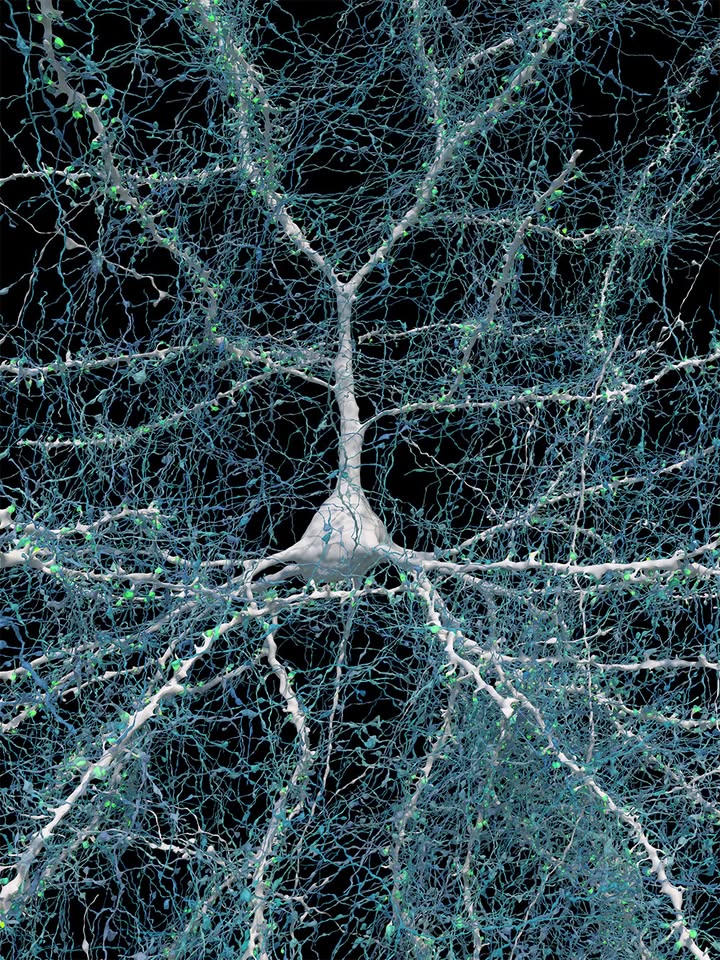
In a 2024 Science paper, researchers detailed a nanoscale-resolution reconstruction of a millimeter-scale fragment of human cerebral cortex, giving an unprecedented view into the structural organization of brain tissue at the supracellular, cellular, and subcellular levels. Learn more during #BrainAwarenessWeek: scim.ag/3ZEKgpZ
Science Magazine tweet media
English
5
23
128
11.4K
Science Magazine
Science Magazine@ScienceMagazine·
In a new #SciencePolicyArticle, researchers investigate the fiscal impact of biodiversity loss and show that conservation investment can generate positive returns for profit-seeking investors. Learn more: scim.ag/4rzYiW0
English
2
2
23
10.9K
Science Magazine
Science Magazine@ScienceMagazine·
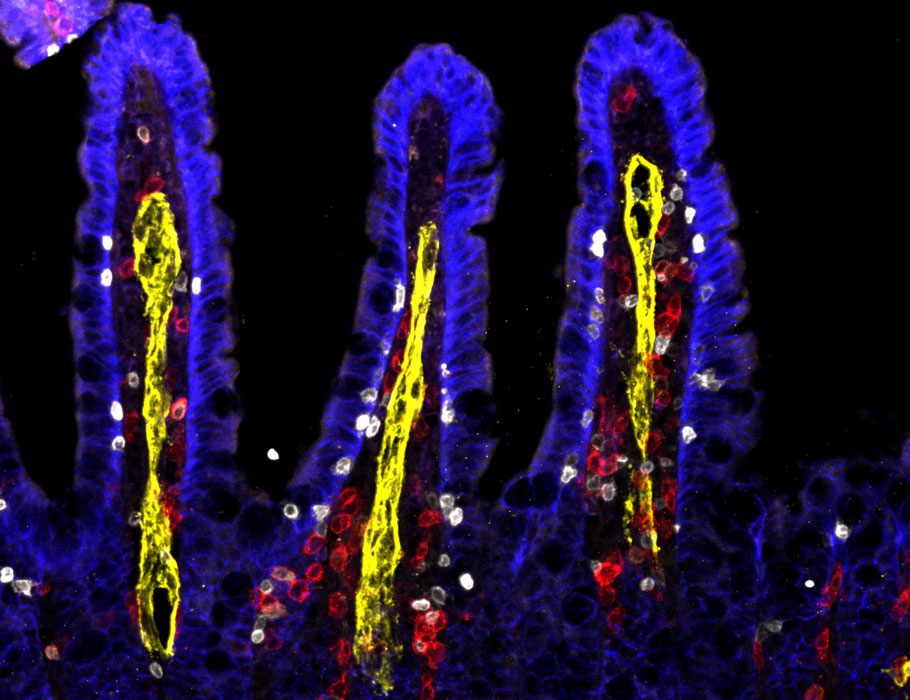
Group 2 innate lymphoid cells rely on specific receptors at different stages to exit the gut and travel to the lungs and other organs during helminth infections. Learn more in @SciImmunology: scim.ag/4lquj1e
Science Magazine tweet media
English
0
8
18
10.9K
Science Magazine
Science Magazine@ScienceMagazine·
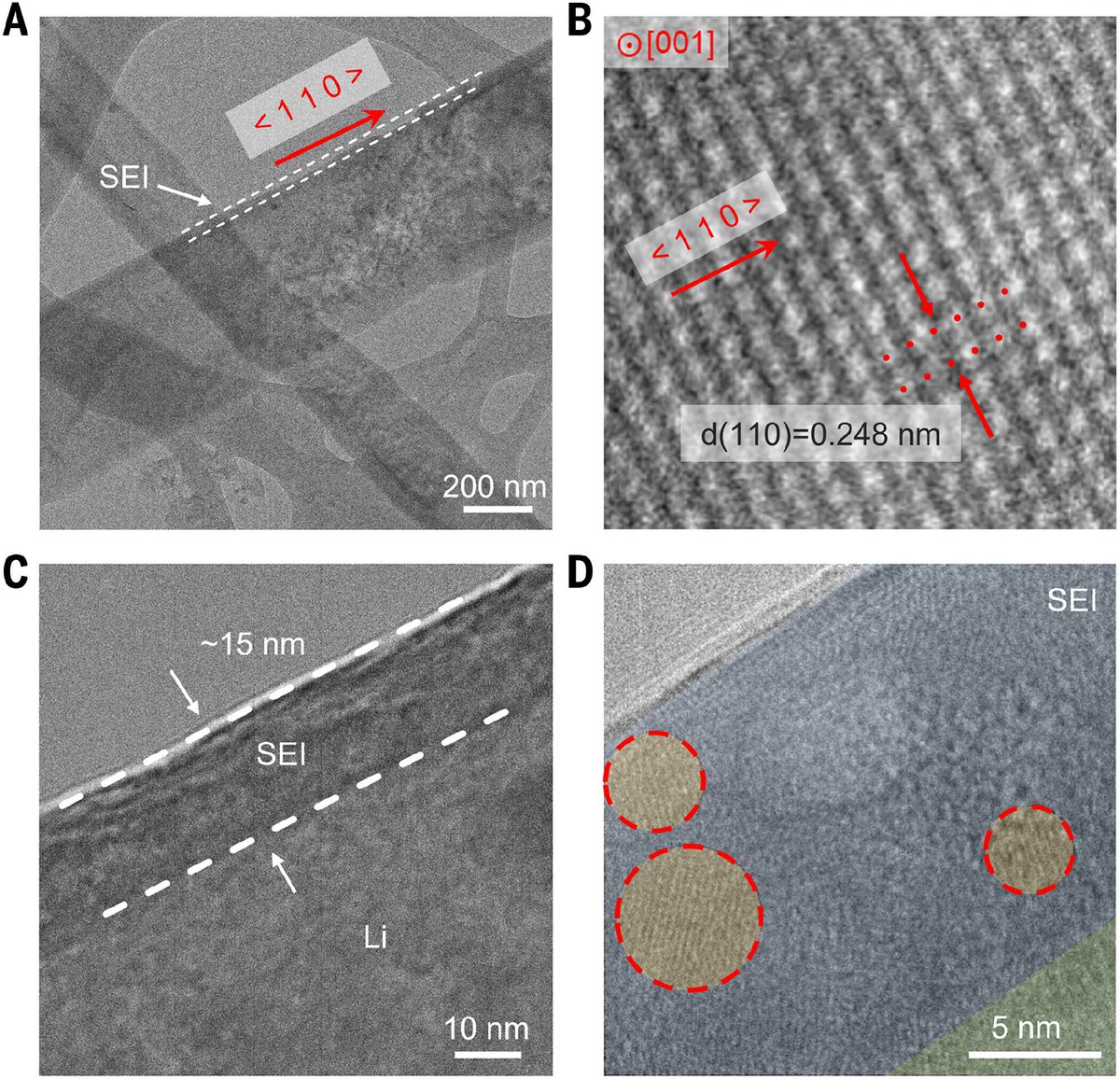
Contrary to previous assumptions, a new Science study finds that the needle-like lithium (Li) dendrites that grow in Li-metal batteries are surprisingly strong and brittle, quite unlike soft bulk Li. According to the authors, understanding this brittle fracture behavior provides insights for suppressing dead Li formation and electrolyte cracking, enabling safer and more reliable Li-metal batteries. scim.ag/419wXio
Science Magazine tweet media
English
0
7
41
13K
Science Magazine
Science Magazine@ScienceMagazine·
Science is publishing an Erratum for the January 2026 Research Article “Complex mesoscale landscapes beneath Antarctica mapped from space.” scim.ag/478ZZCi
Science Magazine tweet media
English
0
8
21
11.6K
Science Magazine
Science Magazine@ScienceMagazine·
Following the first independent investigation in 50 years of Monte Verde—a landmark archaeological site in Chile—researchers in Science report that it may be much younger than previously believed. According to the study, Monte Verde dates from ~8000 to 4000 years old, not 14,500 years, as previously thought. scim.ag/4sYP5HS
Science Magazine tweet media
English
3
67
191
19.6K
Science Magazine
Science Magazine@ScienceMagazine·
On Peru’s arid coast, some ancient elites signaled their power and standing by wearing headdresses festooned with brilliantly colored feathers from birds found in distant rainforests. A new study reveals how they acquired these showy ornaments more than 800 years ago: from wild Amazonian parrots captured hundreds of kilometers away in the Amazon and transported, live, high over the Andes. Learn more: scim.ag/4rwbuuP @NewsfromScience
Science Magazine tweet media
English
4
61
170
16.1K
Science Magazine
Science Magazine@ScienceMagazine·
Traumatic head injuries from collision and combat sports disrupt the blood-brain barrier and trigger inflammation for years after retirement, shows a new MRI and transcriptomic analysis of retired athletes. Find out more in @ScienceTM: scim.ag/40AguUm
Science Magazine tweet media
English
7
28
125
16.7K