Sean R Phillips
252 posts

.@SeanRoyPhillips here's the jersey I'm buying
B/R Football@brfootball
Arsenal's joint-top scorer in the league strikes again 🔥
English
Zubimendi discourse is so weird. For a player who touches the ball as much as he does in his position inevitably a few misplaced passes will happen.
He has started 22 games for us this season, the most he has ever started is 35. I'm looking at Mikel, to find Norgaard minutes
English

@Keith_McPherson I actually think you’re good at what you do and will be missed on WFAN but ok.
English
@SeanRoyPhillips well played. 8 followers. 48 years old
English
@Keith_McPherson 45 years old. Just messing around. #soft
English
English

The harmless individual in a goofy costume is now in a sealed bag with only pepper spray to breathe
This is state terror
Bennett Haselton@bennetthaselton
Portland ICE agent jumps into a brawl to pepper spray a frog in the ass. 🤷♂️
English
@ShaunMorash I live in the PNW, I grew up
in NY, I flex on pizza and bagels all the time. The cannoli is also a flex but just not as relevant out here. Love your motivation.
English

If you are a born and raised New Yorker understand that we flex about the pizza and the bagels too much..
There are people all over this beautiful country of ours who will NEVER eat a decent cannoli.
English
@clintfrazier @Keith_McPherson That’d be epic! Wanted nothing more than you to be successful in pinstripes.
English

do i full send it and sit with the bleacher creatures in new york for game three ? might have to do thattttttt
English
@EvanRobertsWFAN That is so tough! It must be hard to root for ALL the Ets… #firsttimelongtime Jets Rodgers feylike the winner.
English


Mets have come a long way. Rock bottom still consists of a playoff spot. How awful.
English

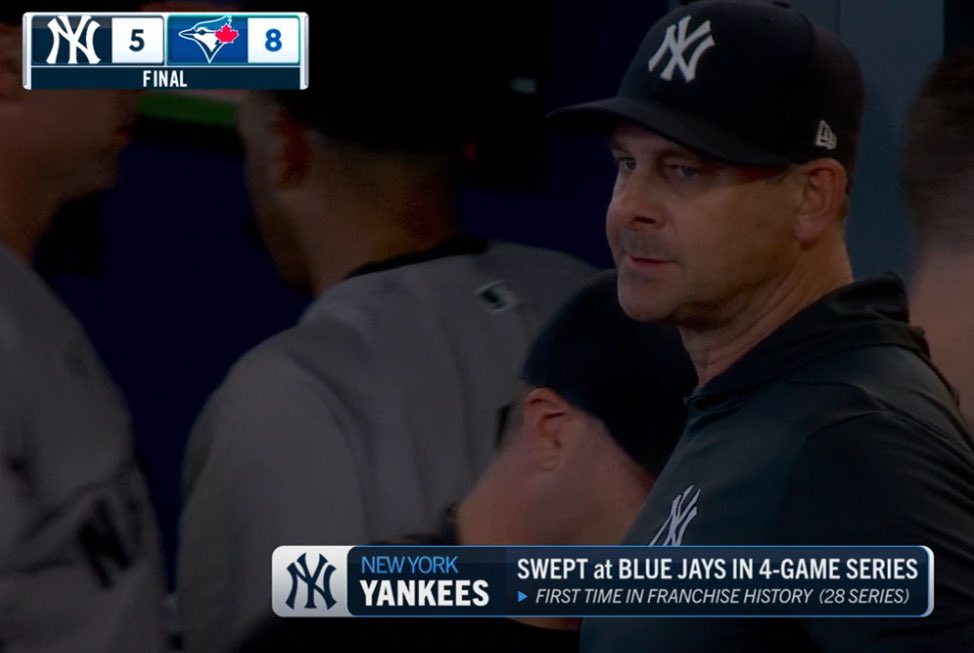
The Yankees are only half a game up on a team that sold at the deadline and had their own players betting against themselves 😭😭😭

English
Sean R Phillips retweetledi


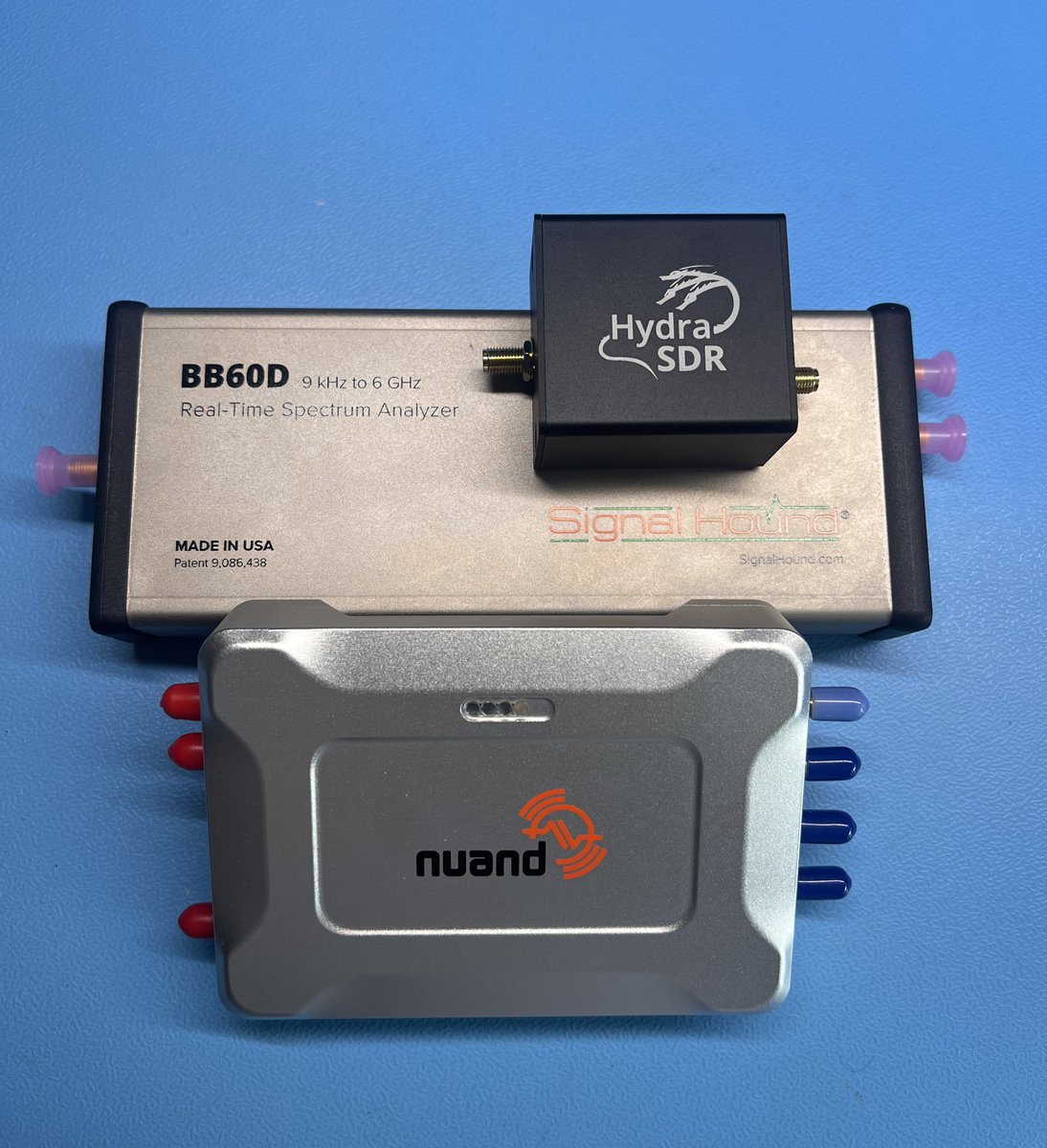
Next one is Signal Hound BB60D which is a spectrum analyzer:
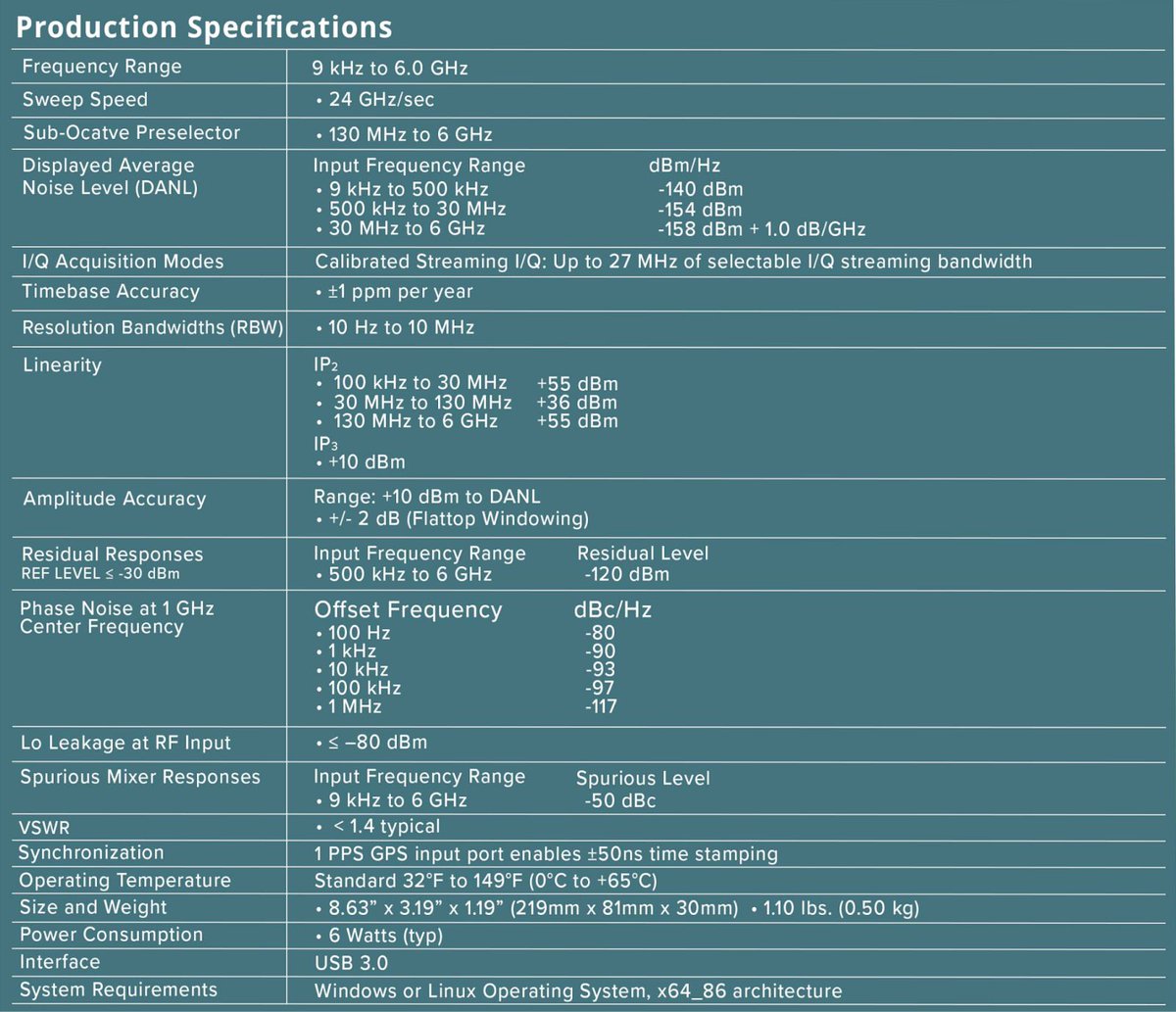
Sweep speed: SDRs have a maximum bandwidth they can receive (e.g. 10MHZ for HydraSDR, and 56MHZ for bladeRF 2.0). However, spectrum analyzers sweep the spectrum. So, in this case, you can see the whole spectrum (9KHZ to 6GHZ) at once, but behind the scenes it’s actually swept (depending on the spectrum analyzer settings, and the sweep speed, you may or may not notice it). This is a real time spectrum analyzer, so it has a “real time” mode as well, which provides real instantaneous 27MHZ bandwidth. I’ve already written about real time analyzers before. In the “sweep” mode, spectrum “feels” continuous, and you may miss some transient signals while the device is sweeping.
Pre-selector: this device has a bank of filters at its front-end (this is applied only from 130MHZ up, as specified here)
DANL: it’s the absolute noise floor a spectrum analyzer shows when no signal is present. Anything below that will be buried under the analyzer’s internal noise.
RBW: it’s specific to spectrum analyzers. I need to write about it in a detailed thread. It’s the width of the spectrum analyzer’s internal bandpass filter that samples each slice of the spectrum as it sweeps. The lower the RBW the better for seeing narrow-band signals, but it also slows down the sweep. Usually RBW is adjustable by user from a few Hz (e.g. 1Hz or 100HZ, up to 1MHZ or so). Here it’s from 10HZ to 10MHZ. You can also have it automatically selected by the software.
7/10
English
🧵 RF basics: How to read a SDR’s datasheet.
You’ve probably seen terms in a SDR or spectrum analyzer’s datasheet, like IIP3, phase noise, noise figure, dynamic range, etc.
In this thread I’ll give a short intro on what they mean.
I’ll use these 3 products' datasheet.
1/10
English
Good time to remind everyone- the Yanks kept all their top prospects and have all their new relievers under control. That’s the important thing
English

@SeanRoyPhillips @JLas43_ Not 6 in a row with 6 different rosters sorry Charlie
English