Nate Fischer@NateAFischer
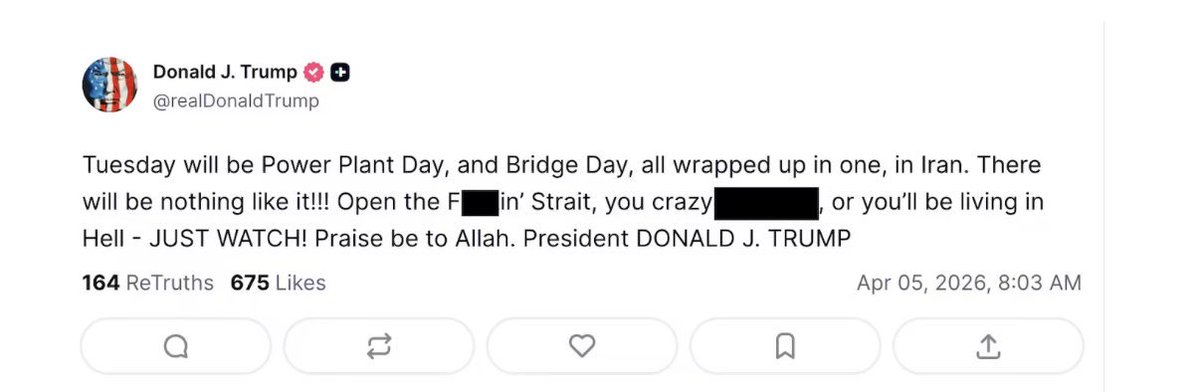
Many are disappointed by comments like this one by Piper. But this is nothing new. Recent years have simply highlighted the true values of many evangelical influencers.
And the cost of their influence has been catastrophic.
For decades, they were assumed to be generally conservative. While they sent mixed signals, largely steering away from politics, a few conservative-leaning positions and stands on “Biblical orthodoxy” were enough for most to conclude these influencers fell solidly on the right side of the political spectrum.
There were also comments like this one, but broader discourse was so saturated with similar comments that it was easy to minimize them. These influencers, as major public leaders, were simply cautious and culturally sensitive.
In such a case, we’d expect that as the “permission structure” opened up, these influencers would more openly shift to the right—proclaiming things they truly believed but held back on so as not to distract from their core “Gospel” message.
Instead, we’ve seen the opposite. Even as many inside and outside the church throw off leftist taboos and become open to a wider array of ideas, many presumed conservatives have (like Moore) revealed themselves to be thoroughly on the left. Many others like Piper showed natural inclinations that align with the center-left norms of the 1990s and 2000s.
The damage is impossible to assess. As the left pushed decades of cultural revolution, the church could have firmly resisted and advanced a substantive alternative. Instead, we had a church shaped by pastor-influencers who embraced many of the left’s premises, departing primarily on the most privatized, individualistic, and pietistic items.
Naturally, a church led by such people was neutered.
It’s no surprise the church presented no great resistance to rolling sexual revolution and the LGBTQ agenda. It’s no surprise most ostensibly Christian institutions caved to BLM.
And it’s no surprise that when an alternative emerged to challenge the left, it was not led by people who came out of those churches.
Many of these evangelical influencers lament “unchristian” messaging and policies from Trump and other emerging leaders on the right. But those same influencers never tried to offer a credible alternative. They never tried to lead opposition to the left when they had the chance.
These influencers claim their concerns reflect Christian values, but the simpler and more consistent explanation seems to be that they’ve always held leftist values.
Now, more than ever, Americans are actively looking for positive alternatives to the “progressive” vision. The American church needs leaders who can help shape and offer such an alternative.