

Shahid Khan
52 posts

Shahid Khan
@Shaaahidkn_
I like to build | sde | doing and documenting 📈
Kerala, India Katılım Ekim 2024
177 Takip Edilen12 Takipçiler

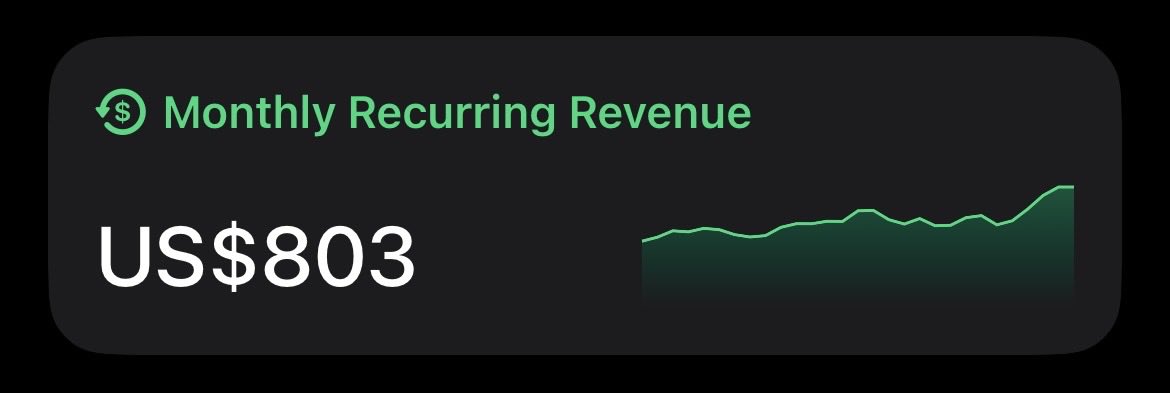
Not the $10k I was thinking about but still a nice milestone hit
I owe it all to TikTok 😅

English
The promise object represents the eventual completion (or failure) of an async operation and its resulting value
Shahid Khan@Shaaahidkn_
Day 4 of #LearningInPublic Did you find this confusing too? Let's clarify it: JS asynchronous language h but uska default behaviour synchronous hota h. Us behavior ko hame forcefully bta kr async bnana pdta h. Sbse easy example h aapke settimeout or setinterval methods.
English


Minimal call to action and footer
Sometimes there is no need of over engineering just few simple changes make site better
@samirande_ whole revamp is done bro

丂ムんノレ@sahilcodex
I created a bento grid for the site. It's pretty basic, clean, and interactive. @samirande_ What do you think? I'd love to hear your opinion guys.
English
Day 4 of #LearningInPublic
Did you find this confusing too? Let's clarify it:
JS asynchronous language h but uska default behaviour synchronous hota h. Us behavior ko hame forcefully bta kr async bnana pdta h. Sbse easy example h aapke settimeout or setinterval methods.

English





8. Slice (startIndex, endIndex) - Creates a new array from a section of the original array without modification.
9. Splice (startIndex, deleteCount) - Modifies the original array by adding or removing elements and returns the deleted items.
English
5. Includes - Checks if a value exists in an array, returning true or false.
6. IndexOf - Returns the position of a specified value in the array as a number.
7. Join - Converts the elements of an array into a string.
English
Day 3 of #LearningInPublic
1. Arrays are written in square brackets [ ].
2. They are objects.
3. Arrays can hold multiple data types.
4. Arrays use zero-based indexing, starting at zero.
5. Modifying an array element changes its original value since arrays are reference types.
English

Day 38 of #100DaysOfCode
Didn’t study today
Got a client in the morning and ended up working for him the whole day
Made ₹6.5k from it
Not a coding-study day but definitely a real productive day
English
@shiracamus @Hiteshdotcom Fair correction though🤝🏻, Technically its "call by sharing", u pass a copy of the reference, so reassigning inside a function doesnt affect the outer variable, but mutating the object does.
appreciate it.
English

@Shaaahidkn_ @Hiteshdotcom That is not call-by-reference.
In call-by-value, the actual argument and the formal argument become separate variables (local variables).
In call-by-reference, the actual argument and the formal argument become the same variable (an alias).
English
Day 2 of #LearningInPublic
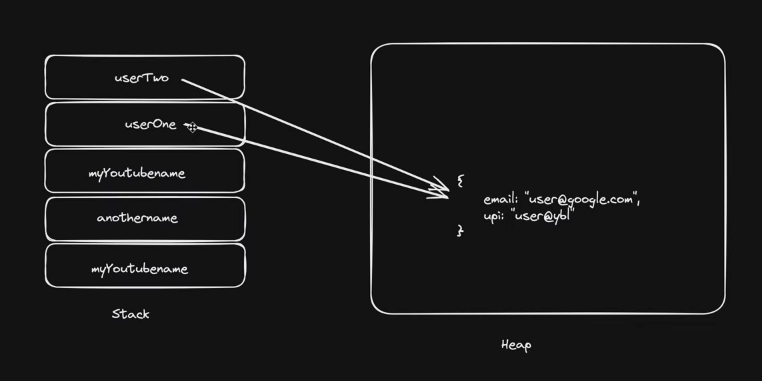
Datatypes are based on memory allocation
-Primitive datatypes = call by value (string,number,boolean,null,undefined,BigInt,symbol)
>Stack memory
-Reference/Non primitive data types = call by reference ( array,object, function)
>Heap memory
English
@Hiteshdotcom Primitive Types:
-Stored in stack.
-Passed or assigned by value (call by value).
-Changes to copies don't affect the original.
Reference Types:
-Stored in heap; accessed via references (stored in stack).
- Changing the value through another reference affects the original.
English

Hi all 👋
MY FULL DAY LOGBOOK:
1.Followed everyone who replied
2.Made founders explain their products
3.Gathered an audience to promote to
4.Shared my experience about growing on X
5.Hit my target of 200 followers 💧
What have you done today?
English


Let me reintroduce myself.
My name is Ammar. I am a senior software engineer trying to be an indie hacker.
My app Listimo is live on the App Store and Google Play.
I'm currently working on a pivot to make it a conversation-first accountability app.
I will be sharing my journey and lessons learned along the way.

English