Shefaly Yogendra, PhD

65K posts

Shefaly Yogendra, PhD banner
Shefaly Yogendra, PhD

Shefaly Yogendra, PhD

@shefaly

Board Director | Author (#UnchartedSpaces) | Keynote speaker | curious and patient human
London Katılım Haziran 2008
1.3K Takip Edilen3.7K Takipçiler
Sabitlenmiş Tweet
Shefaly Yogendra, PhD
Shefaly Yogendra, PhD@shefaly·
Delighted to be among the "100 Women To Watch" in the annual Female FTSE Board Report goo.gl/hRvx6M Fabulous, stellar company too!
English
8
14
111
0
Shefaly Yogendra, PhD retweetledi
Armand D'Angour
Armand D'Angour@ArmandDAngour·
“Nor need you regret the hours you spent on much that is forgotten, for the shadow of lost knowledge at least protects you from many illusions.” —William Johnson Cory My favourite part of his inspiring words about the aim of a good education.
Atlas Press@realAtlasPress

“I cannot remember the books I've read any more than the meals I have eaten; even so, they have made me.” ― Ralph Waldo Emerson

English
9
196
894
27.2K
Shefaly Yogendra, PhD retweetledi
Naina
Naina@Naina·
When a CEO breaks down. @Shefaly Yogendra, Author Uncharted Spaces London. Episode 171 #TheNainaExperience Podcast
English
0
1
2
130
Shefaly Yogendra, PhD
Shefaly Yogendra, PhD@shefaly·
@moorehn Quite. The ones, who are ready though, shine and make the podcast guest shine too! Living and learning, me ☺️
English
0
0
1
6
Heidi N. Moore
Heidi N. Moore@moorehn·
@shefaly Yes, very sorry to hear you're experiencing that. It really feel like a waste of time when hosts are not ready.
English
1
0
0
21
Heidi N. Moore
Heidi N. Moore@moorehn·
With all due respect, this is a fraction of the work that goes into interview formats for radio and it would be nice to see podcasters take the work as seriously as radio professionals do. A breezy tone is great but it's VERY evident when preparation for podcasts is a little on the lazy side, ie, hosts not even reading the guests' books or listening to their albums etc
Deva Hazarika@devahaz

I don’t listen to any podcasts, but the level of preparation is clear in clips I’ve seen. If the whole show is like that, I can see why so many people love it. Wish more journalists and politicians would put this kind of preparation into important topics. nytimes.com/2026/04/26/bus…

English
3
10
116
19.5K
Shefaly Yogendra, PhD
Shefaly Yogendra, PhD@shefaly·
@moorehn I’ve been doing a lot of podcasts (new book etc) and it’s always disappointing when there’s no prep or brief to the guest. It always shows in the final product.
English
1
0
2
22
Heidi N. Moore
Heidi N. Moore@moorehn·
I honestly avoid a lot of podcasts altogether because they just seem like yapping pointlessly, heavily vibes-based. The same with a lot of radio now tbh. The real work of good audio is to have a rigorous base of information and then make THAT look easy and breezy and conversational. Learn it all with a deep curiosity and then make talking about it feel natural to the listener. Beginner's mind, etc.
English
3
1
27
1.2K
Shefaly Yogendra, PhD
Shefaly Yogendra, PhD@shefaly·
@lemire People who write and do so correctly (grammatically speaking) know punctuation. These tools trained on our writing. Nobody who writes will call out your em dashes. That it’s being “discovered” by many in the Anglophone world is the terrifying part. That’s the real AI tell ime.
English
0
0
0
26
Daniel Lemire
Daniel Lemire@lemire·
I use em dashes–I have used em dashes for years. The em dashes in the text above are the not generated by AI.
English
4
0
21
2K
Daniel Lemire
Daniel Lemire@lemire·
The Automation of Nonsense Among other things, I am the chair of the computer science programs at my university. Every year, I would write a report about what we had done and what we should do in the future. I wrote it in simple narrative prose, all by hand. Hardly anyone read my reports. Maybe nobody. But they were formally filed. Writing the narrative felt useful to me: it gave me a chance to reflect. I also got to present it for a few minutes, so I could share some insights. Yesterday, I learned that we are now required to follow a strict format for these reports, with multiple unintuitive sections and mandatory data analysis. The narrative is gone. I can no longer write a story. What used to be a somewhat enjoyable exercise has squarely entered the realm of “boring work you’d prefer not to do.” Of course, they provide nothing close to decent tools to generate the required data analysis. How anyone without a data science background is supposed to access the data, let alone analyze it properly, remains mysterious. A university is not a complicated place. You have students, programs, and courses. You can produce graphs and so forth. But what any of it actually means is hard to tell. So what did I do? I am a clever man, so I found a way to access data dumps of our historical data. I bet none of my colleagues know how to do that, but it is available if you know the URL and can navigate three submenus. I threw everything at an AI, including the description of the required analysis. I went into my archive, added all the files accumulated over the year, and simply prompted it. Then I waited… a few seconds… and there it was: a 42-page report complete with tables and everything. There were a few visible issues I had to fix, mostly because the AI lacked full context. For example, it noted that three courses had no enrollment records and correctly supposed that these courses had not yet been offered. All in all, it took me about two hours to produce a document that would have taken many weeks in the past. Is everything correct? It is too complicated to tell, but my colleagues skimmed it and expressed satisfaction. Are there mistakes? Probably. But had I done the work myself, given how ungrateful the task is, I likely would have made more mistakes. Importantly, the report serves no real purpose. We write it, some people skim it, we pass it around, and archive it. So why is it required? It is “proof of work.” I happen to be a good program chair, but many people do nothing at all. Forcing them to write a report about what they did creates pressure and gives the appearance of accountability. The obvious next step is to fully automate the process so that next year I just have to press a button. It defeats the “proof of work” angle. In my case, I did the work, so I am not concerned about providing the proof. What seems obvious is that my technique will be used by people who did not do the work. Do I feel bad about any of it? No, I do not. My new report is assuredly as good as or better than anything I could have done by hand. It goes much deeper into the data than I could have imagined. I even learned a few things. Many were intuitive beliefs, but it was satisfying to see the AI reach the same observations I would have made. We are losing something, of course: the genuine story told by a human being—what you are reading right now. But if you have worked in a bureaucracy, you know they don’t like that. They prefer cookie-cutter documents. The report is nonsense in the first place. Nobody needs these reports. In the words of Graeber, it is a bullshit job. And I just automated it.
Daniel Lemire tweet media
English
24
43
282
17.6K
Shefaly Yogendra, PhD
Shefaly Yogendra, PhD@shefaly·
@socmedrab @mrajshekhar I like @Rukmini’s work because @mrajshekhar unearths and she analyses the data available and with your kind of storytelling Rahul, you all are so precious to me for reading the otherwise cacophonous media landscape in India. Also see (data available space)
UKGovscan@UKGovscan

New 🚨 House of Lords is now on UKgovscan. 15 years of attendance allowances, 5000+ declared interests and cross referenced with Companies House to find peers whose employers and investments hold government contracts Browse here: ukgovscan.com/lords

English
0
0
0
164
Shefaly Yogendra, PhD
Shefaly Yogendra, PhD@shefaly·
@mrajshekhar @socmedrab @JuneGoh_Sparta @Rory_Johnston What @mrajshekhar said. Also see (which I’m keen to see or do a U.K. version of for various papers of record).
Ted Alcorn@TedAlcorn

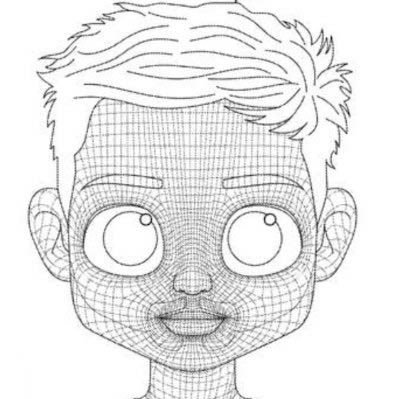
I built a dashboard to explore the last 25+ years of @nytimes coverage. 1.5B words, 2.2M articles, 26K reporters. It's fascinating to look at the world’s preeminent news organization not as daily stories but as patterns of attention, ebbing and flowing. tedalcorn.github.io/nyt/
English
1
0
1
42
Shefaly Yogendra, PhD
Shefaly Yogendra, PhD@shefaly·
@AndrewOrlowski I agree with your read on our deep tech capability and inventiveness. The one point that holds from the tweet you’re commenting on: capital crunch. Eg @RAEng_Hub enables many but then many go abroad for growth $$$. We don’t retain the wealth created. 1/2
English
2
0
1
147
Andrew Orlowski
Andrew Orlowski@AndrewOrlowski·
Tweets like this are really bizarre to me, and feel like they’ve been beamed in from another dimension. Let’s talk about “tech firms”. Palantir is basically a consultancy - it really doesn’t have a technology moat. Tesco and Nectar are vey unsexy, but they can do everything Palantir can do, and have been doing it for years. By contrast, a lot of the ground breaking innovation in quantum, medical instruments and semiconductors is British, with quantum spin outs from hard science from our Universities turning into products and finding capital. If these are not “tech firms” they are nothing. No shade intended at Legatum or whatever you are called this week, but it’s really time the think tank world hired some people with science degrees, capable of appreciating what we invent here, and ask our genuine tech firms what they need to help them sell more incredible products. Weatimsterland has zero tech or science cred today.
James Graham@jamesnigraham

No, sadly there aren't any British tech firms that could do what Palantir are doing. This isn't because we don't have phenomenal talent. It is because we have a drought of capital, a hyper regulated labour market and sky high energy prces which make British tech startups flee.

English
5
9
29
3.4K
Shefaly Yogendra, PhD retweetledi
Naina
Naina@Naina·
Ep 171 of The Naina Experience is with Shefaly Yogendra @shefaly . Author of Uncharted Spaces. Board director. One of the smartest people I know. #TheNainaExperience #UnchartedSpaces
Naina tweet media
English
1
2
3
248
Shefaly Yogendra, PhD
Shefaly Yogendra, PhD@shefaly·
It's launch week for Uncharted Spaces! 🚀 Starting with the ebook edition on Amazon. Wherever you are. (Which of course I cannot sign for you! For a signed copy*, see book website link on the profile please.) (*Only in the UK at the moment.) #UnchartedSpaces
Shefaly Yogendra, PhD tweet media
English
2
3
6
534
Shefaly Yogendra, PhD
Shefaly Yogendra, PhD@shefaly·
@drseanmullen Poorer driving, dysregulated tempers, forgetfulness (“brain fog”), cognitive decline of various kinds, inattention.
English
0
1
15
418
Dr. Sean Mullen
Dr. Sean Mullen@drseanmullen·
Serious question: What’s the biggest change you’ve noticed in people’s health since 2020 that nobody is openly talking about?
English
246
87
457
87.6K
Shefaly Yogendra, PhD retweetledi
nikki⸆⸉🐞🌌
nikki⸆⸉🐞🌌@tswizzleglow·
“When you look up here you’re not looking at us, we are a mirror reflecting you. And if you like what you see, look a little deeper. This is you”
nikki⸆⸉🐞🌌 tweet media
English
1
346
2.2K
15K