Sheldon Dowling
350 posts

Sheldon Dowling
@SheldonDowling
Prince Albert, Saskatchewan Katılım Ağustos 2017
423 Takip Edilen344 Takipçiler

Sheldon Dowling retweetledi

The Second Narrows Bridge is vital for moving grain from the Prairies to the Port of Vancouver. Aging infrastructure threatens efficiency and safety, making a modern replacement essential for our farmers' future, writes @DarylFransoo
Read more: ow.ly/mTB750WH05i #cdnag #agpolicy #westcdnag

English
Sheldon Dowling retweetledi

Anyone else find it odd that Carney hasn't made any comment or statement about this in over 40 hours since the China announced the canola tariffs?
cbcwatcher@cbcwatcher
"The canola industry generates more than $40 billion annually and employs 200,000 people" "Saskatchewan's premier says that's bigger than the steel, aluminum and auto industry combined." Moe "I would say that they deserve the same attention by our federal government and our prime minister as we are seeing in other industries." All to protect a non-existent Canadian EV industry and curry favour with the US
English

@tpotwilson This listing is gone from Kijiji. Have you sold all of your JD1895 openers and parts?
English
Sheldon Dowling retweetledi

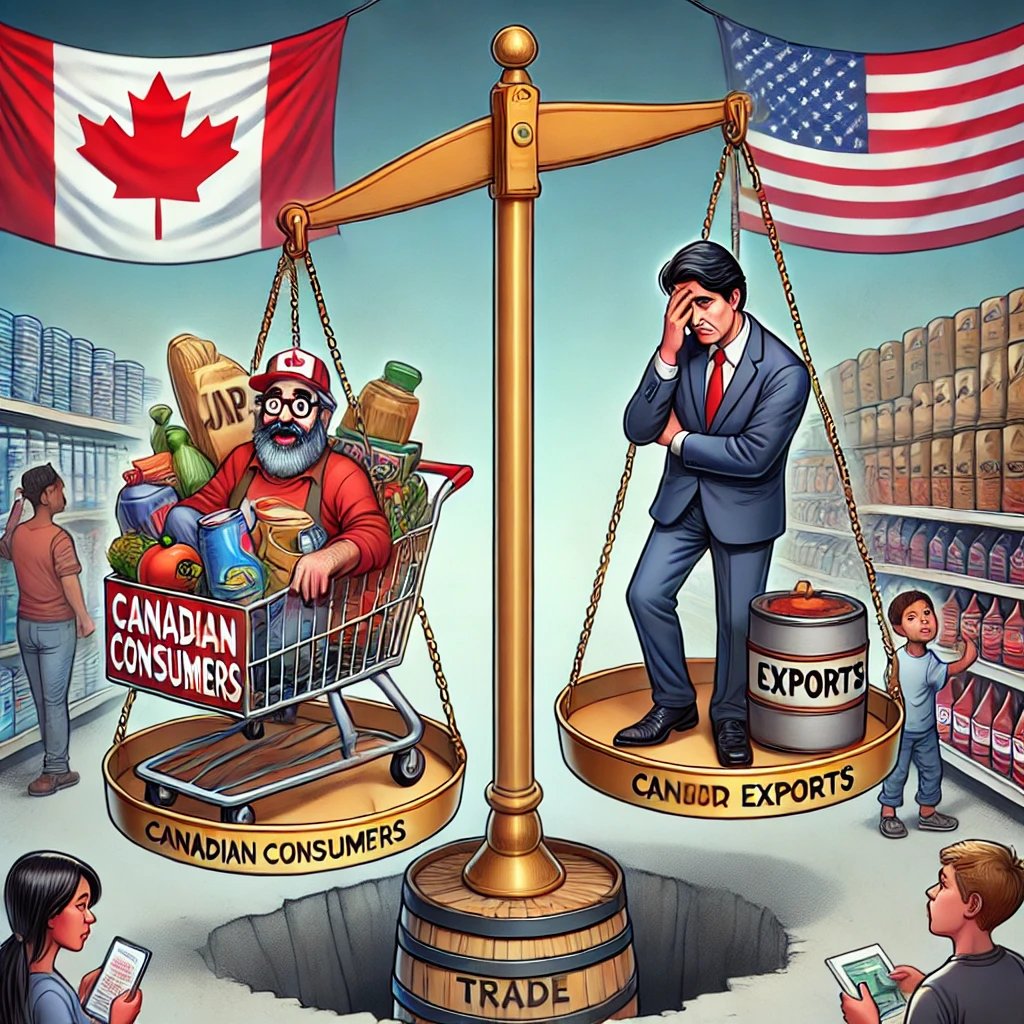
The Cost of Retaliation: Canada’s Trade War Misstep
"Canada cannot win a trade war by taxing its own people—true leverage comes from targeting American reliance on our exports, not undermining our own food security and economy."
The trade war between us and the American is no longer just academic. It’s real, and Canada is at the center of one. In response to escalating tariffs from the United States, Canada has chosen to retaliate. While standing up to protectionist policies is necessary, the Federal Government’s approach could ultimately harm Canadian consumers far more than it impacts American interests.
Placing tariffs and taxes on food and essential goods that Canadians rely on is not just a poor economic decision—it is a direct attack on our own food security. It is impossible to win a trade war against the United States, the most powerful economy in the world, and the strategy of imposing retaliatory tariffs will likely yield more tariffs in response. The end result? A prolonged economic downturn that will hit Canadians the hardest.
The reality is that these tariffs act as a tax on Canadian consumers. Every additional cost imposed on imported goods translates into higher prices at the grocery store, increased costs for businesses, and a greater financial strain on households. The government may attempt to justify this as necessary pushback against U.S. trade policies, but the truth is simple: Washington will not bear the brunt of this burden—Ottawa’s own citizens will.
The federal government’s strategy not only risks exacerbating inflation but could also tip Canada into recession. As disposable incomes shrink and household budgets tighten, consumer spending—a major driver of economic growth—will decline. Instead of punishing American trade aggressors, Canada is punishing itself.
A more effective response would be to shift the burden onto U.S. consumers by implementing taxes on Canadian exports such as potash, beef, pork grains, and canola oil—commodities that the U.S. heavily relies on. This strategy would maintain leverage over the American market while avoiding unnecessary harm to Canadian households. Instead, Ottawa has chosen to disguise this tax grab as a patriotic countermeasure against the U.S., misleading Canadians into believing that it will make a difference. The government not only collects revenue through the tariffs themselves but also benefits from the additional 5% GST on these higher-priced goods. This is not sound economic policy—it is an economic miscalculation.
At a time when food affordability is already a pressing issue, Canadian policymakers should be seeking ways to support consumers, not further strain them. Provinces and citizens alike must recognize that better tools exist to navigate trade disputes, ones that do not come at the cost of food security and economic stability.
With a new leader set to take charge in Canada within days, the future of these policies remains uncertain. However, one thing is clear: continuing down this path will only lead to greater hardship for Canadian families. It is time for a change in strategy—one that protects Canada’s interests without inflicting unnecessary pain on its own people.

English

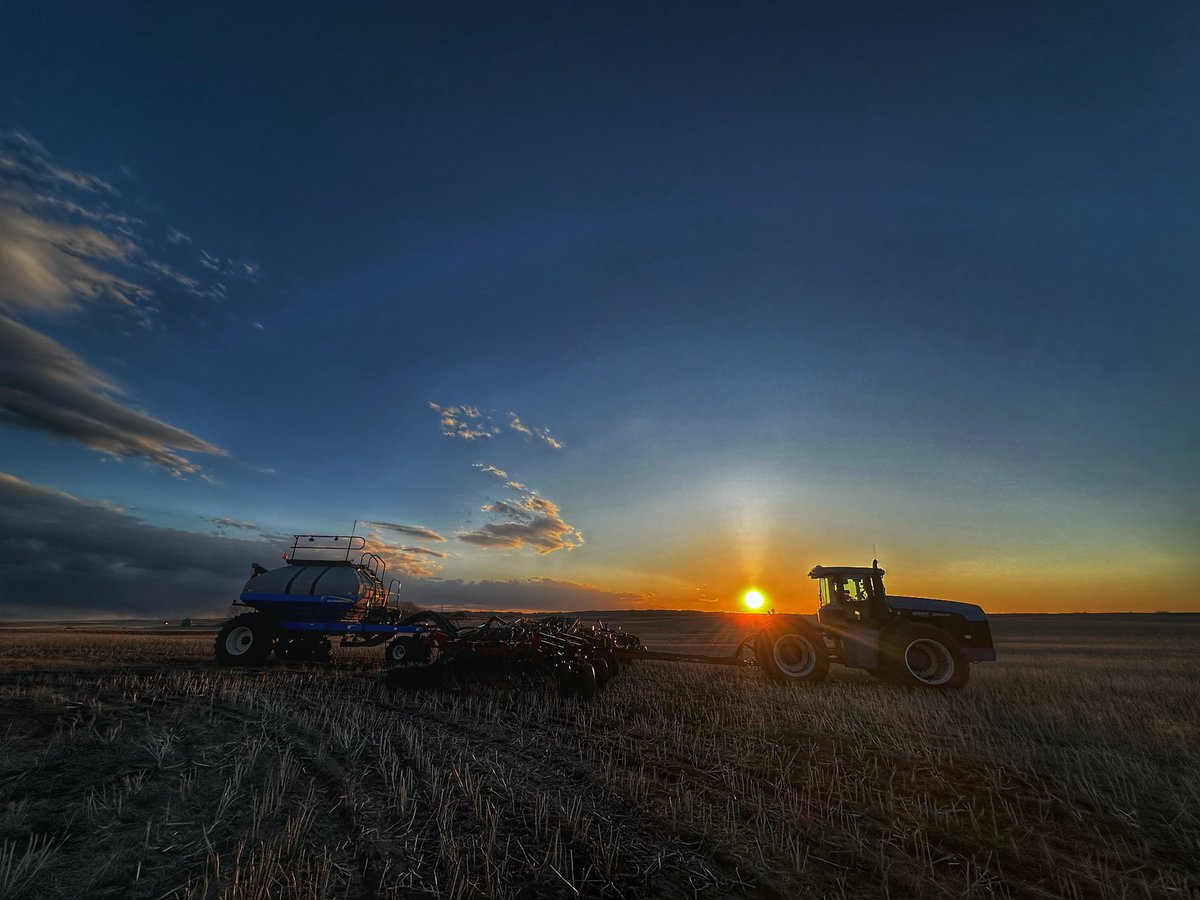
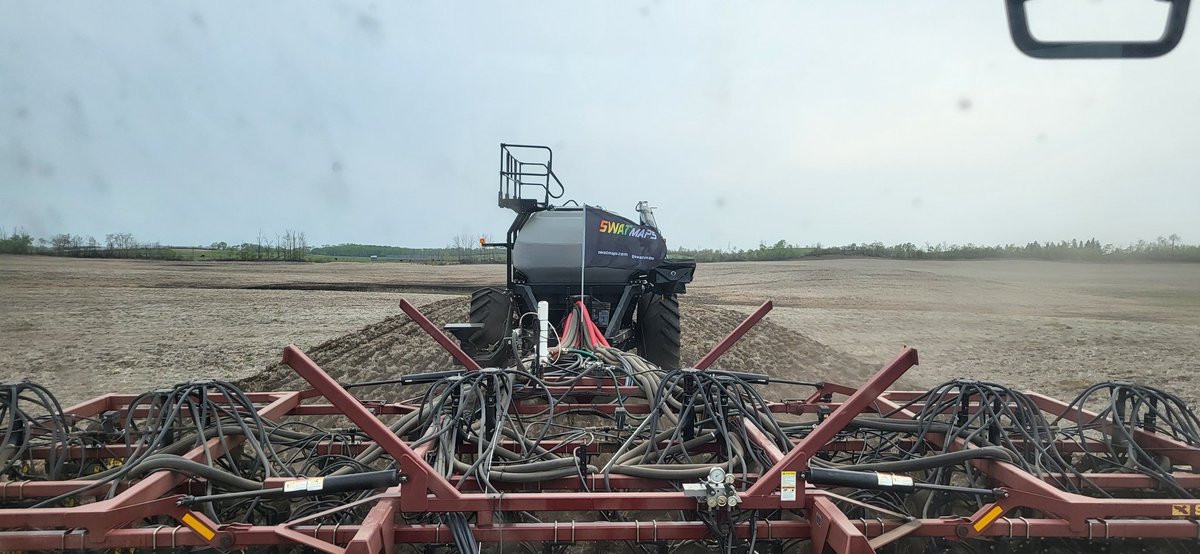
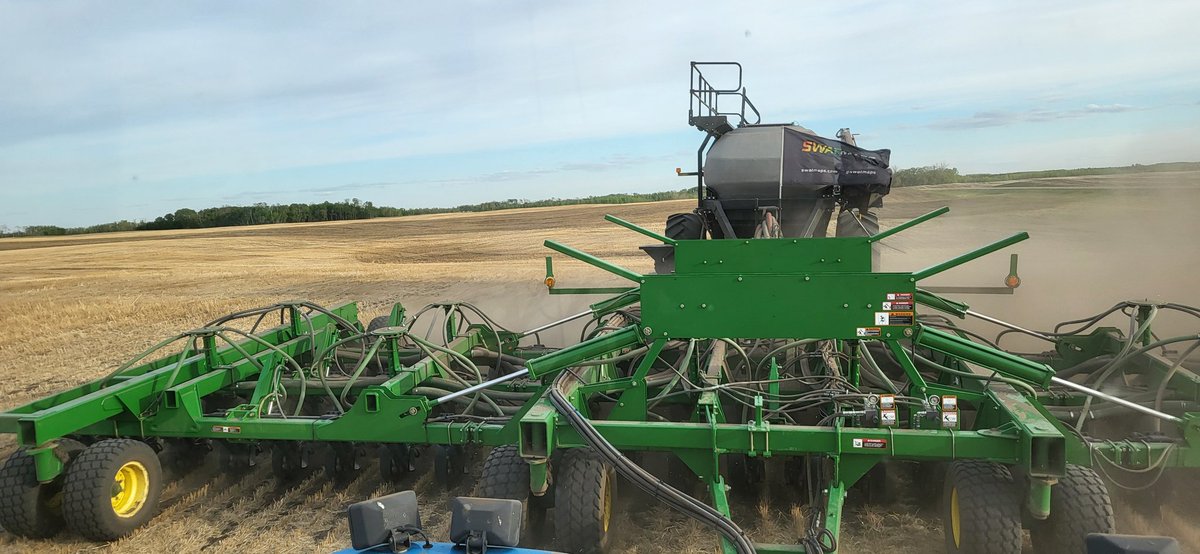
Can’t wait for #Plant25 and all the photos of fresh dirt and seed going in the ground!
It’s been a long winter on X
Any photo’s of plant 24 you want to share and I’ll repost to help cleanse the timeline a bit?
I’ll start…

English
Sheldon Dowling retweetledi

Congratulations to Sheldon Dowling on being one of our winners in The Time to Go social media contest. Sheldon, standing here with Gowan's newest tribe member, Blaine Lamontagne, was the winner of a Milwaukee toolset - stay tuned for more winners and to learn more about the upcoming Gowan Don't Gamble with Weed Control contest.
@gowancanada #gowanmicroactiv

English

It was "The Time to Go" and now finished applying Edge MicroActiv this afternoon. One step closer for the Pea/Camelina intercrop in #Plant2025
#gowanmicroactiv
@gowancanada

English

@SheldonDowling @TebbuttSeed @gowancanada What size? Fairly easy pulling here. Gently rolling. Grey wooded-clay-peat-grey/black you name it here, sometimes all in a half mile. Hard finding actually how they pull as anyone local pulls with 550+. Have a 375 mapped to 425ish.
English

@dylanrobinson27 @TebbuttSeed @gowancanada We have rolling land, 300 HP (CaseIH 4894) will pull it at 7.5-8 mph. 400 HP (NH 9682) at 8.5-10. We usually pull it around 8.5.
English

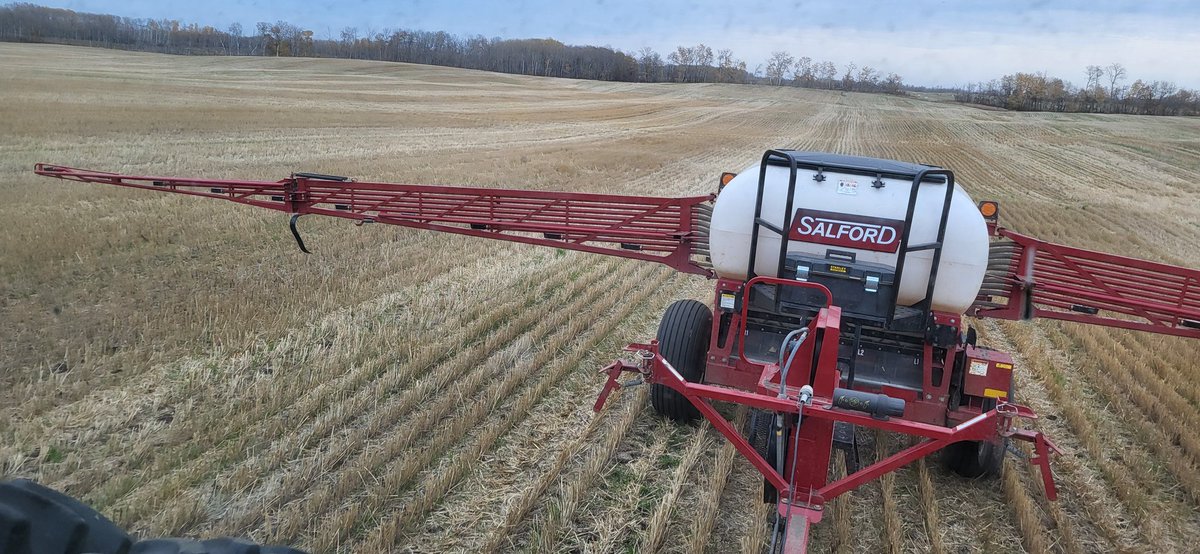
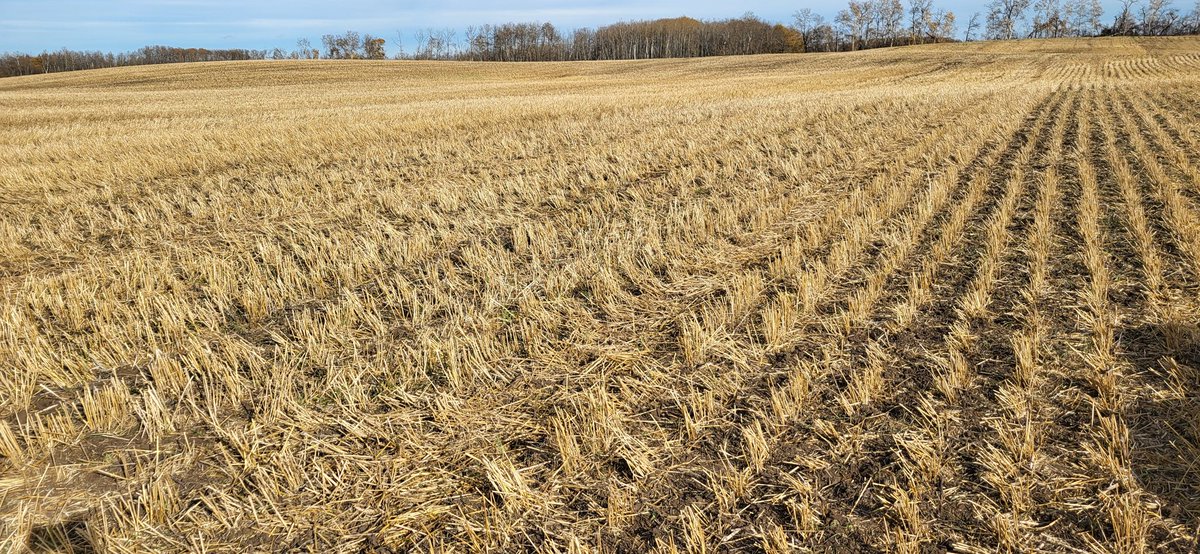
@TebbuttSeed @gowancanada This is about the same place in the field after the Salford has been over it.

English

@SheldonDowling @gowancanada What do you do for incorporating the Edge Sheldon? Hoping to get some on yet this fall here if the weather cooperates.
English