Ummān manda

4.8K posts

Ummān manda banner
Ummān manda

Ummān manda

@Sherefname

Katılım Mart 2022
498 Takip Edilen1.2K Takipçiler
Sabitlenmiş Tweet
Ummān manda
Ummān manda@Sherefname·
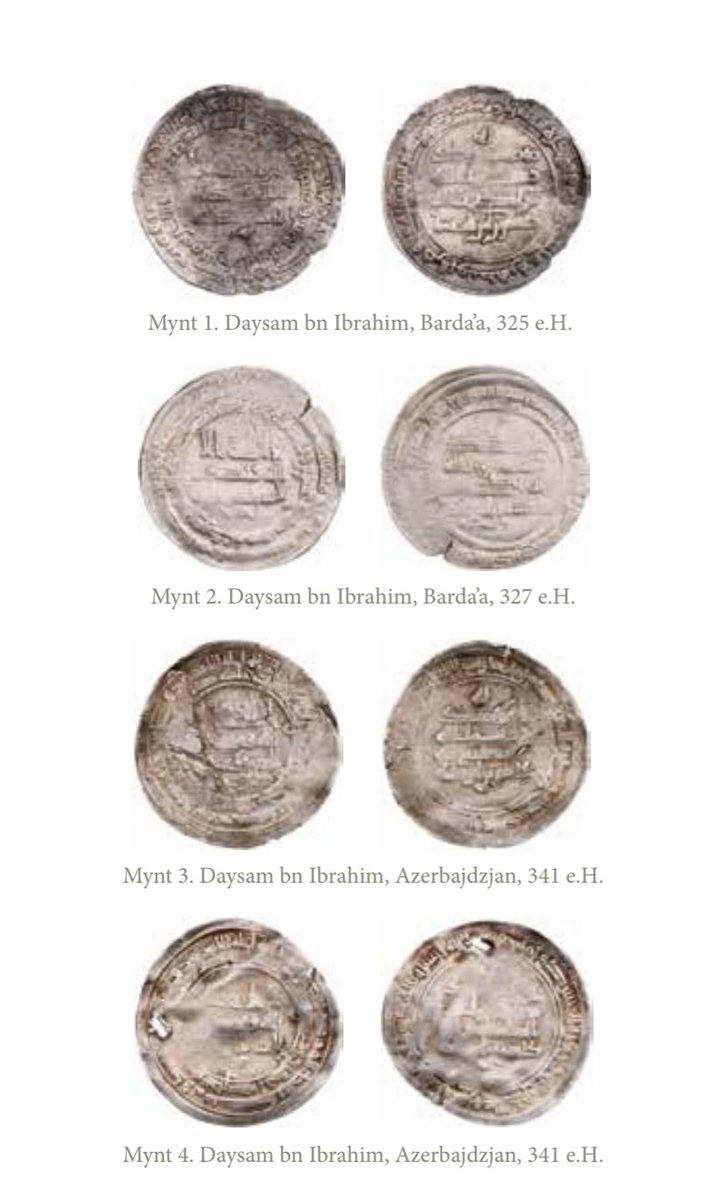
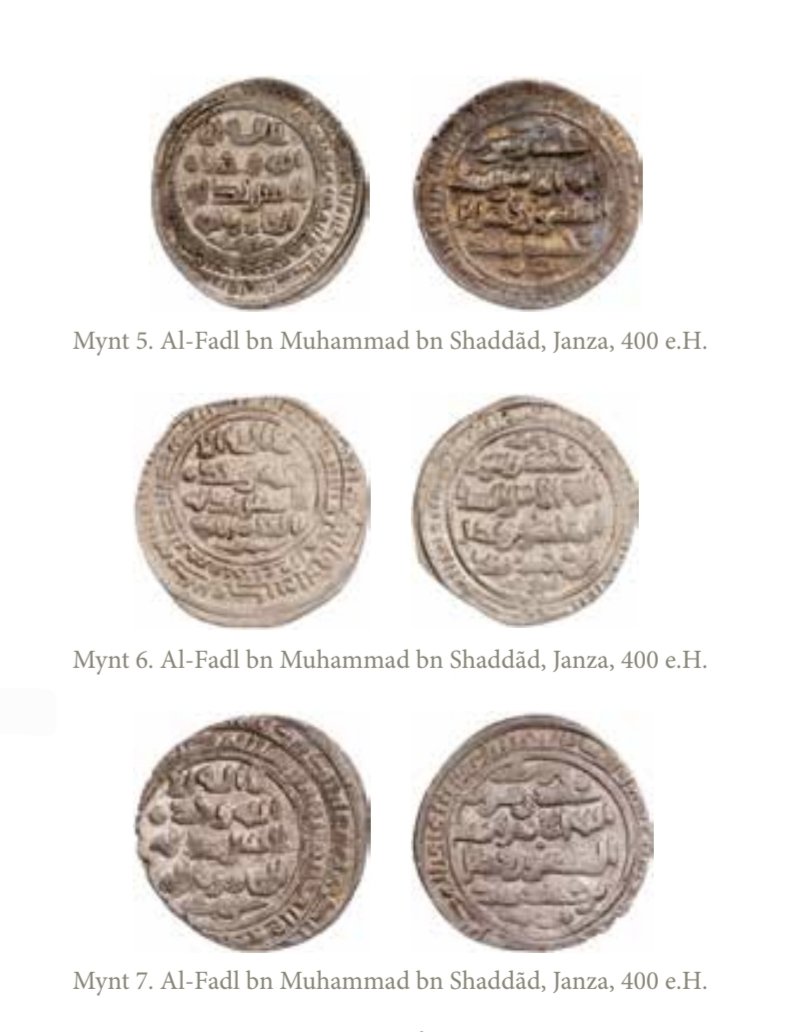
Kurdish coins from the 10th cent. (AD) were discovered a thousand years later on the Swedish island of Gotland. The coins were minted by Daysam ibn Ibrahim al-Kurdi, the commander of Adharbayjan (938-955) & Fadl ibn Muhammad, emir of the Kurdish Shaddadid dynasty (985-1031).
Ummān manda tweet mediaUmmān manda tweet mediaUmmān manda tweet media
English
12
69
339
40.1K
Ummān manda
Ummān manda@Sherefname·
@Geshti_Azadi They expect us to completely abandon our Kurdish identity in favor of an Iranian (i.e. Persian) one.
English
0
0
4
41
Shoresh Geshti
Shoresh Geshti@Geshti_Azadi·
Persian schizos insist that we identify as Iranics, and when we finally do, they get sore over us claiming Iranic stuff In essence, be Iranic, but don't claim anything Iranic
English
2
1
9
165
Ummān manda retweetledi
Arabs in Pictures
Arabs in Pictures@ArabsinPictures·
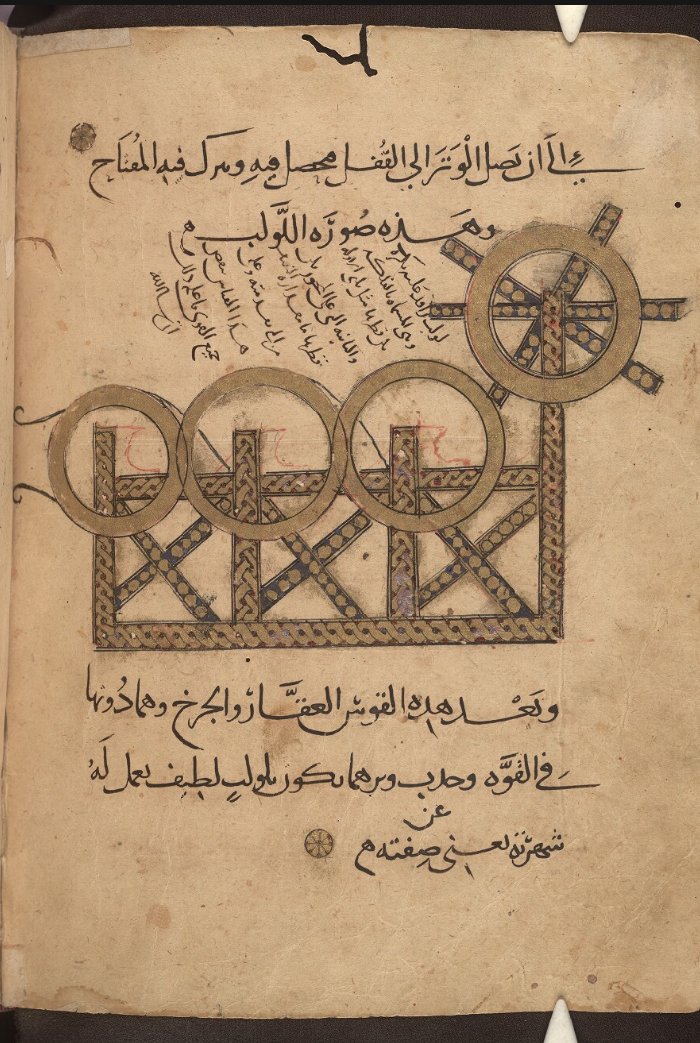
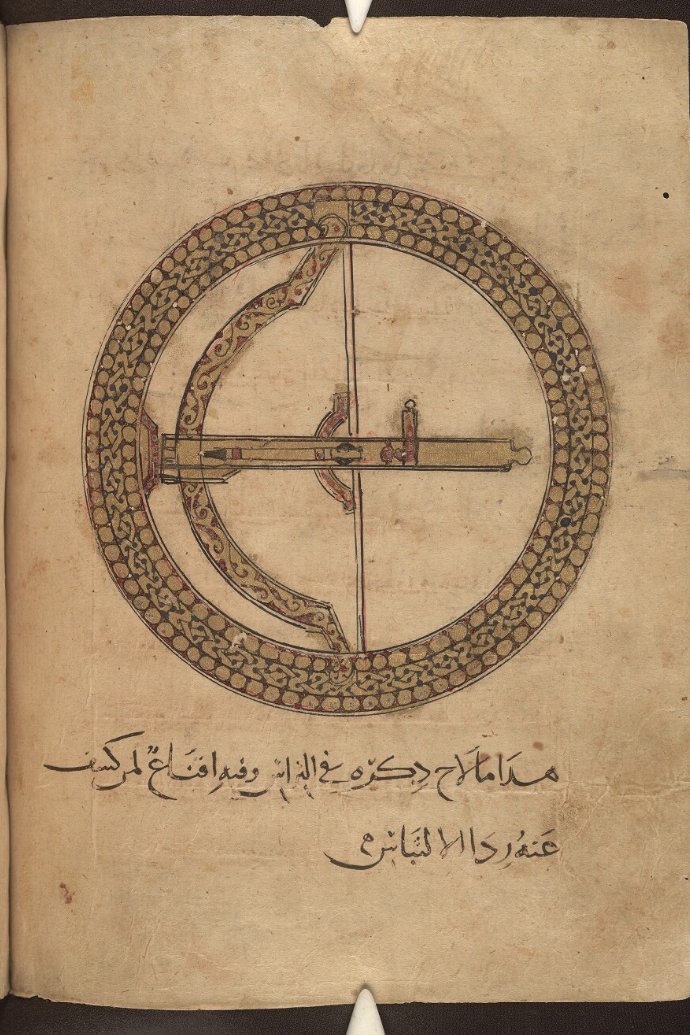
An Ayyubid Treatise on Armoury written for for Salah al-Din between 1169-1193. It details specific weaponry and tactics used during his reign.
Arabs in Pictures tweet mediaArabs in Pictures tweet mediaArabs in Pictures tweet media
English
3
62
365
12.4K
Ummān manda retweetledi
eylok
eylok@asteraex·
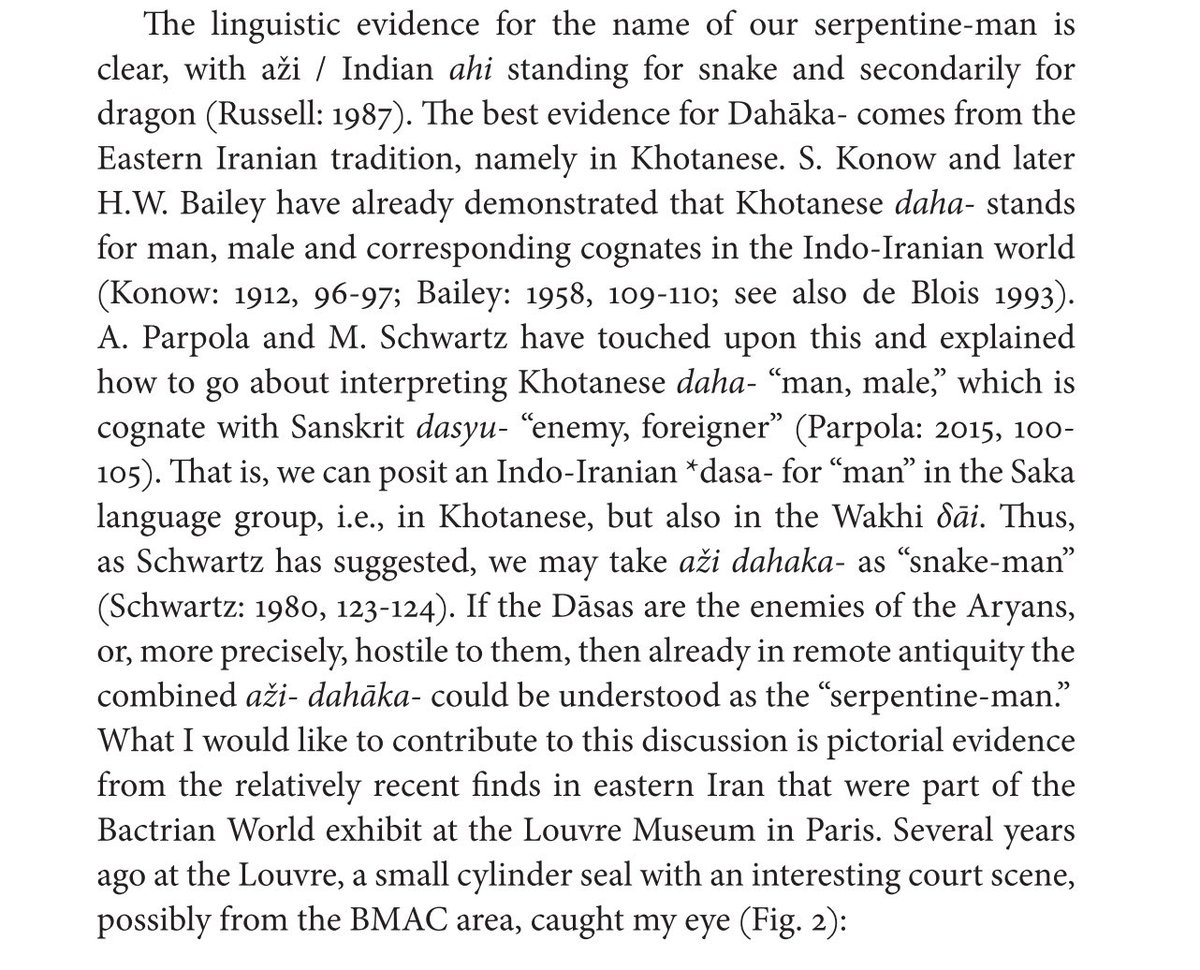
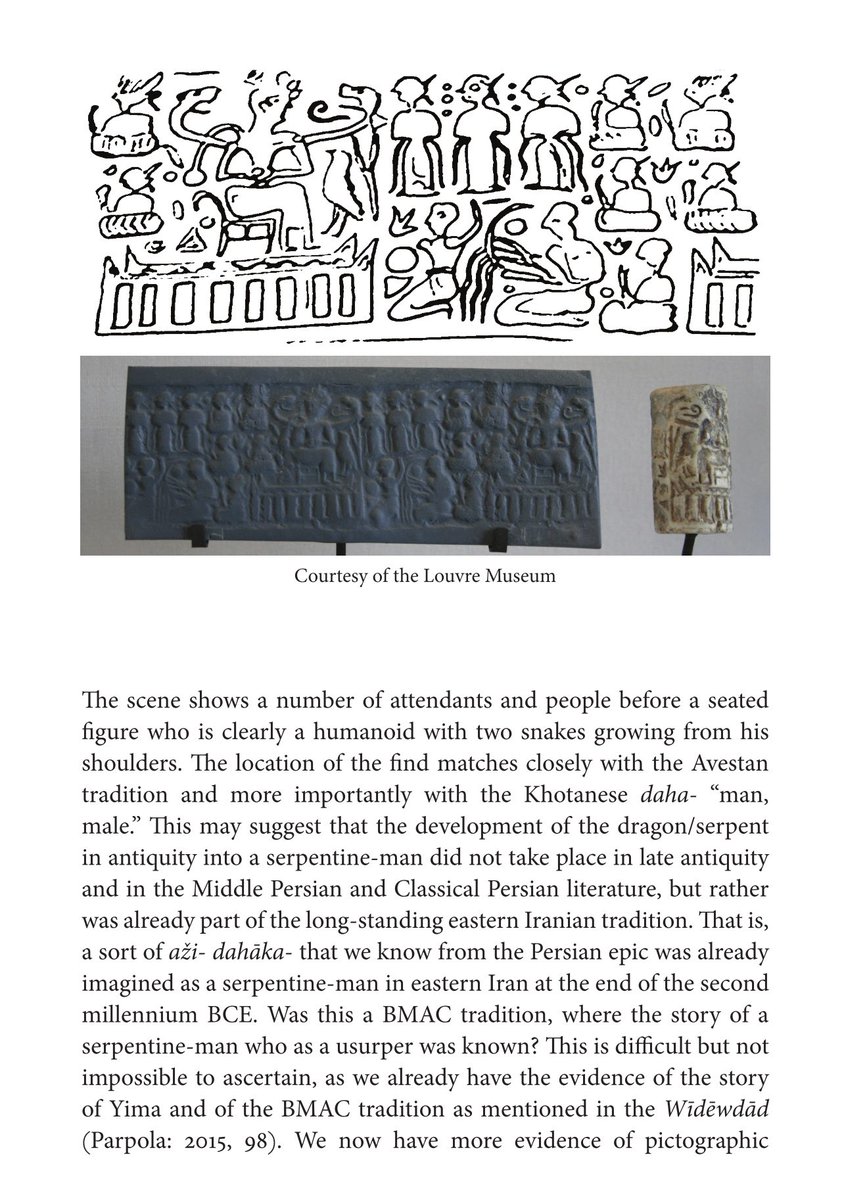
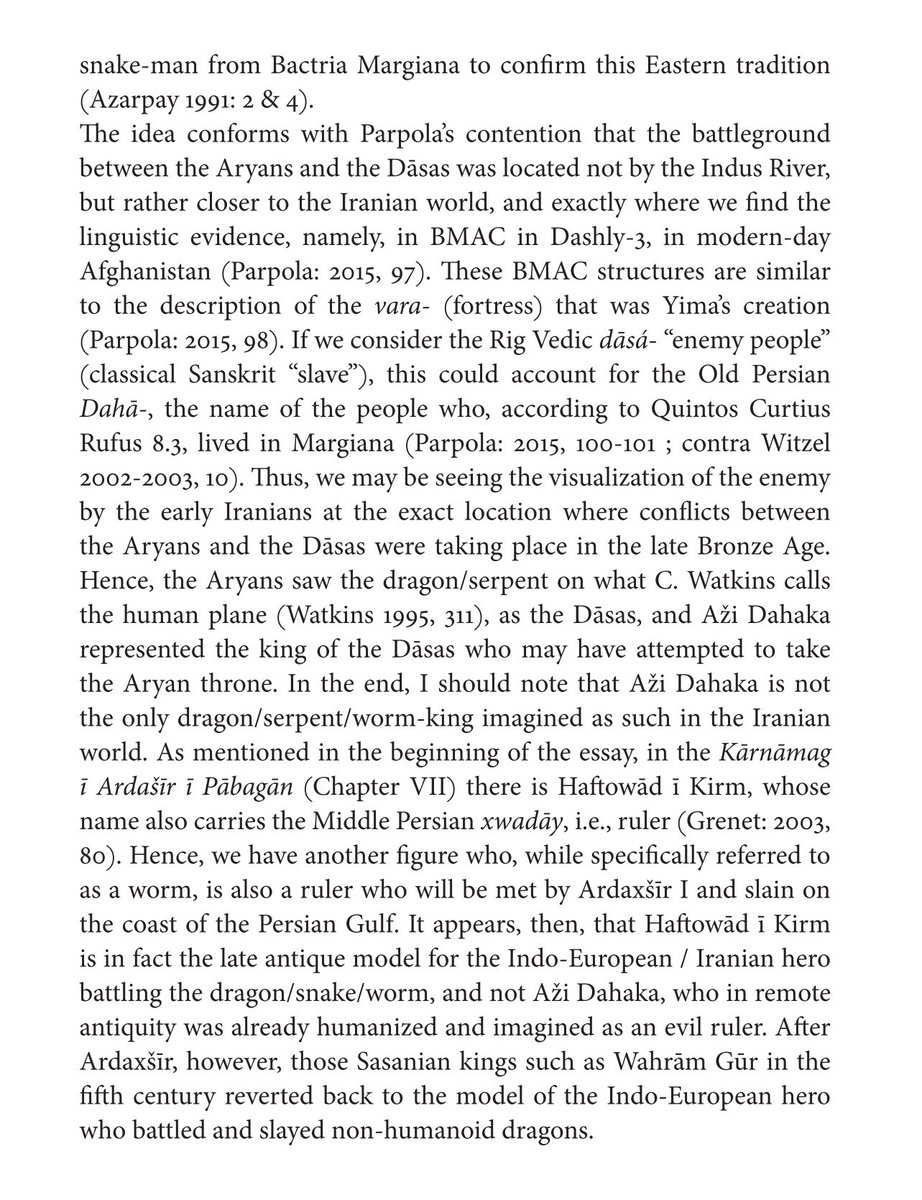
In Kurdish mythology, Dahhak is described as an Assyrian tyrant. In Iranian mythology, he is known as an evil ruler of Arab descent. However, the story of a serpent-like evil ruler is much older and comes from ancient eastern Iran, originating among the early Iranians. The story of Kawa the Blacksmith and the serpent-like tyrant Dahhak likely represents early conflicts between the Aryans and the Dāsas.
eylok tweet mediaeylok tweet mediaeylok tweet media
YaqubBocxêńskî 🇵🇱☀️📊@Vertaris21

Kurdish legend of Kawa the smith (they left out the more grousome parts and that evil King was Assyrian)

English
6
8
64
2.6K
Ummān manda retweetledi
Arvin
Arvin@sozirv·
Qamişlo , Rojavayê Kurdistanê . قاميشلو ، غرب كوردستان .
Arvin tweet mediaArvin tweet mediaArvin tweet mediaArvin tweet media
0
11
109
2.2K
Ummān manda retweetledi
Šerwān Humāwand Gūrān
First of all: Read the full post to see down below how to say "Nawroz Pīroz" in every Kurdish dialect. Guys, I need to tell you that "nawroz" is not a native Kurdish word because it is straight out of Persian. And so is "pīroz". Persian too. Why? Because roz is a word from Middle Persian that existed as such in Classical Persian too and still does in afghanian New Persian. In modern iranian new persian it is rūz. It is under the Persid complete sound shift of Old Iranic j > z. SCN Kurdish has zh, EWK zh, j or c. The Kurdish equivalent is rozh / rrozh or in Hawar "roj". In SK rrūzh ( řûj ). The word derives from rawja / rauja and meant light, being cognate to English light, latin lūx and Hellenic leukos. From PIE lewk-. In Hawrami it is ro, most likely from roj (roc in Hawar). The other possibilities being roc (roç) and rozh (roj), but less likely. In Kirdki the cognate is roj (roc). The Middle Iranic naw or Old Iranic nawa- also went different ways in each dialect. In SK nü from nū from no from naw or nüa from no from naw. In CK nwe from no from naw. In NK nū from no from naw. In EK no from naw. In WK still nawa. Thus the last common form in SCNK seems to have been "no". If we want to create a common form for EWK it would trace back to naw-. So the correct version for each dialect would be: SK: nürozh / nüarozh perūzh / pīrūzh (nüroj / nüeroj pêrûj / pîrûj) CK: nwerozh perozh / pīrozh (nwêroj pêroj / pîroj) NK: nūrozh perozh / pīrozh (nûroj pêroj / pîroj) EK: noro(j) pero(j) / pīro(j) ( noro(c) pêro(c) / pîro(c) ) WK: nawaroj peroj / pīroj (neweroc pêroc / pîroc) Or if we want to use something classical and unifying it is simply: norozh perozh (noroj pêroj) for SCNK Nawroj peroj (newroc pêroc) for EWK - Nawrozh for SCNK is hard to argue since naw had shifted to no and to a further form in all three dialects. We could say since we have no/nū for "nine" in CK and SK (also from naw-) we could have naw for "new" but it is the one that shifted further than the word for nine. The word for nine is why it shifted no > nwe in CK and no > nüa or no > nū > nü in SK. A different word "no" in NK meaning hot seems to be the reason that no > nū for the word new happened in NK. There were homophones in SCNK with "o" where SK and CK had the strategy to shift it -üa- or -we-. Considering that NK shifted postvocalic w > h from Middle Iranic to New Iranic causin "nah" for nine, it may be possible to argue this was an earlier strategy of NK and Persid to avoid homophonous words with o. Since we have strategies we could say the good way of applying it to all of SCNK and its classical/Middle Iranic version would be o > wa or we which is what took place in SK and CK. - Here are the congratulations in each dialect: SK (Kallhurri, Gurani, Laki) CK (Babani, Ardalani, Sorani/Hawlleri, Mukriyani) NK (Kurmanji) EK (Hawrami) WK (Kirdki (Zazaki)) Ī Nüarūzhtāna fira perūzh būt!!! Î nüerûjtane fire pêrûj bût!!! ئی نۊەرووژتانە فرە پێرووژز بووت!!! (Classical SK: Im/Ed Norozhtāna/nwarozhtāna perozh bot) Am nwerozhtāna zor perozh bet!!! Em nwêrojtane zor pêroj bêt!!! ئەم نوێرۆژتانە زۆر پێرۆژ بێت!!! Av Nūrozhā wa pir perozh ba!!! Ev nûroja we pir pêroj be!!! ئەڤ نوورۆژا وە پر پێرۆژ بە!!! Īn norotāna fira pero bo!!! În norotane fire pêro bo!!! ئین نۆرۆتانە فرە پێرۆ بۆ!!! Nā nawarojā shimā veshī peroj bo!!! Na neweroca şima vêşî pêroc bo!!! نا نەوەرۆجا شما ڤێشی پێرۆج بۆ!!! --- Happy Nawrozh to you all!!! Norozh Perozh!!! (SCNK) Noroj pêroj!!! نۆرۆژ پێرۆژ!!! Nawroj Peroj!!! (EWK) Newroc Pêroc!!! نەورۆج پێرۆج!!! -------------- The older/present way of congratulating: SK CK NK EK WK Ī Nawrūztāna pīrūz būt Î Newrûztane pîrûz bût ئی نەورووزتانە پیرووز بووت Am Nawroztāna pīroz bet Em Newroztane pîroz bêt ئەم نەورۆزتانە پیرۆز بێت Av Nawrozā wa pīroz ba Ev Newroza we pîroz be ئەڤ نەورۆزا وە پیرۆز بە Īn Nawroztāna pīroz bo În Newroztane pîroz bo ئین نەورۆزتانە پیرۆز بۆ Nā Nawrozā shimā pīroz bo Na Newroza şima pîroz bo نا نەورووزا شما پیرۆز بۆ
English
6
5
33
1.8K
Ummān manda retweetledi
Haidar Khezri
Haidar Khezri@HaidarCKhezri·
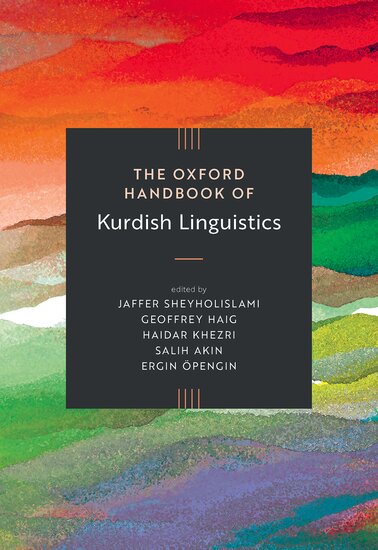
After 7 years, The Oxford Handbook of Kurdish Linguistics, finally in print ( link below)! Destepirtûka Oxfordê ya Zimannasiya Kurdî niha hatiye çapkirin! دەستەکتێبی ئۆکسفۆڕد بۆ زمانەوانیی کوردی لە ژێر چاپە! #Kurdish #Kurdishlanguage #Kurdishliterature #Kurdî #کوردستان #کوردی
Haidar Khezri tweet media
Eesti
13
131
617
28.7K
Ummān manda retweetledi
Madeh Piryonesi
Madeh Piryonesi@Piryonesi·
#Newroz scribed as Newroj in a Fahlawi
Madeh Piryonesi@Piryonesi

Interestingly the word #Newroz is recorded as Newroj in this manuscript of Safina-yi Tabriz (from 1300s). And it's not just transcribing because it rhymes with biwij سەیرە وشەی #نەورۆز لەم دەستنووسەی سەفینەی تەبریزدا وەک نەورۆژ هاتووە. تەنیاش نووسین نیە چون لەگەڵ بوژدا قافیەیە

English
1
2
18
653
Ummān manda retweetledi
Šerwān Humāwand Gūrān
What are the greatest indicators or distinctive and shared features of SK, CK and NK being dialects of one language and having a common single origin that excludes other Western Iranic tongues? - The shared and complete sound shift of Old Iranic j to Middle and New Kurdish zh (although also shared by Farvi-Xori) - The usage of circumpositions and some basic prepositions and postpositions and how they function with additional prepositional noun and izafa Specifically the sound shifted preposition la/li in SCNK from na from ana which is cognatic to English "in" Compare Eastern Kurdish na/ana (absent in Persian and even Middle Persian) - The third person enclitic pronoun -e/-ī from -ih/-ahai instead of -ish/-ashai which is uncommon in Western Iranic and common in Eastern Iranic although there is at least one more WI tongue that also has it (compare Persid -ish and Eastern Kurdish / Hawrami -ish) - The very frequent vowel shift of ā, a > i - the word "kur/kurr" for son and the word "dāyik/dāllik" for mother and the word "māl/māll" for your tent, house, family and all your belongings and the word "azhnū" for knee instead of zānū or a derivative and last but not least the word "quzilqurd" which is unique to SCNK - The verbs hātin/hāwtin from āgatan as opposed to āmatan (although this is shared by Parthian, Balochi and Farvi-Xori) and the verb cūn/cün from cyaw- as opposed to shyaw- (although this is shared by Laristani, Khansari Rayeji, Wawsi/Vafsi and Judeo-Yazdi they are probably loaned from Kurdish) These two verbs are common Eastern Iranic features btw and among Western Iranic only SCN Kurdish has both of them - The second person plural pronouns hun/hūn in NK and huma in Laki SK which I both trace back to my reconstructed hushma from ushma (CK and western SK will have had huma/huna at some point as well) - The usage of aw and av/am/im for demonstrative pronouns and third person personal pronouns from Old Iranic hau-/hawa- and ima- This is also common in Eastern Iranic and less so or not really in Western Iranic - Ādir > Āgir - The verbal prefix di-/da- (and a-?) in SCNK which is unique BUT also shared by Farvi-Xori (- The reduction of the -ar part in words describing the family relation, although I am not sure if this is specific to SCNK, like brā from brād instead of brādar and in NK māk from mād + ik instead of mādar and xwayshik or xwah from xwāh instead of xwāhar (compare iranian persian xāhar and Hawrami wāla from wāhara from hwāhara)
English
0
5
17
1K
Ummān manda retweetledi
Zarbian
Zarbian@ZarbianHerki·
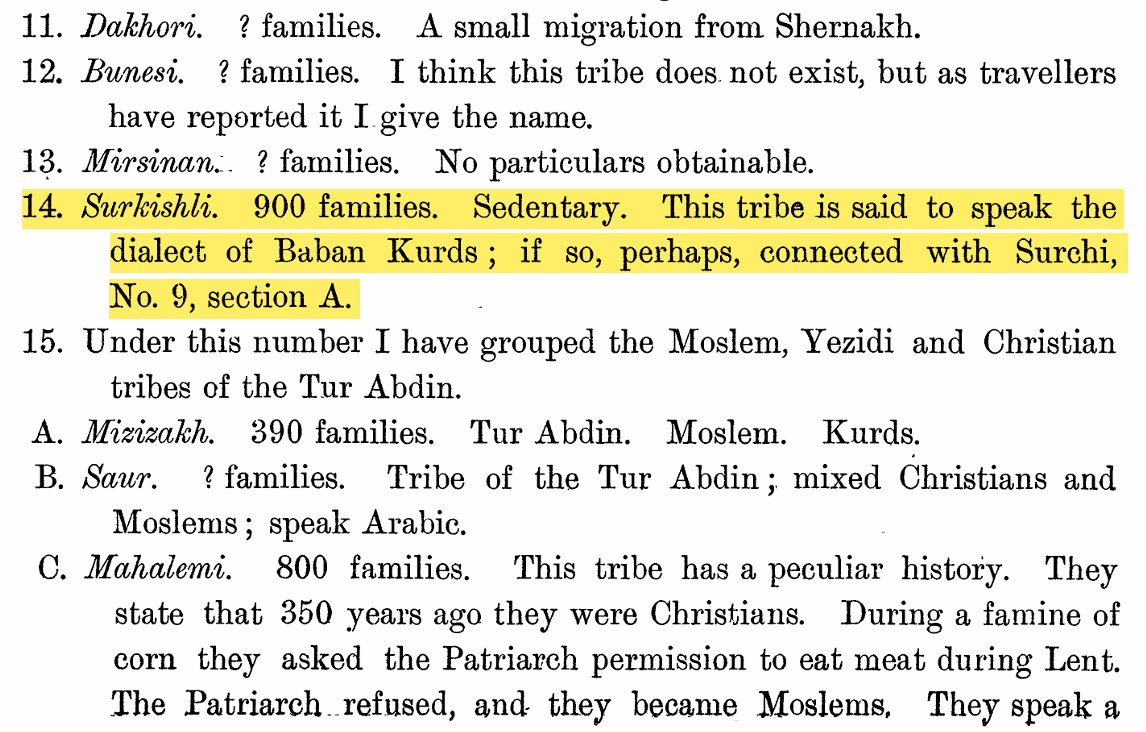
Interestingly, Sykes (1908) states that the tribe in Tur Abidin was said to have been Sorani-speaking. I wonder whether there is a distant connection with the Sūrčī tribe. Add to this Ibn Hajar's mention of a Kurdish tribe called "Surīj" in relation to a scholar from Nusaybin.
Zarbian tweet mediaZarbian tweet media
Semsuri_02@Semsuri_02

Sürgücü (Surgucî, Surgucîyan) aşireti: Sürgücü aşiretiyle devam edelim. Sürgücü, günümüzde genellikle Mardin şehrinin kuzeyinde bulunan köylerde yaşayan, Kurmancî konuşan Kürt kökenli bir aşirettir. Aşiret mensupları Sünnidir ve Şafii mezhebine bağlıdır. Osmanlı kaynakları 16. yüzyılın başlarında Sürgücülerin iki ayrı parçadan oluştuğunu göstermektedir. Bir kısmı dönemin Çemişgezek sancağına bağlı Ulukale, Sağman ve Pertek nahiyelerinde, diğer kısım ise Mardin kazasında kaydedilmiştir. "Ekrad" taifesine mensup oldukları yazmakta. Haritada 16. yüzyıldaki yerleşim alanlarını turuncu renkle işaretledim. Sürgücülerin (ya da en azından bir kısmının) önceki paylaşımında bahsettiğim Milan ve Bozulus gibi topluluklarına benzer şekilde, eski göçebe veya konar-göçer yaşam biçimleri nedeniyle yaylak ve kışlak arasında hareket ettiklerini ve muhtemelen Çemişgezek sancağında bulunan bölgeleri yaylak (Sağman, Ulukale ve Pertek nahiyeleri), Mardin ve çevresini ise kışlak olarak kullandıklarını tahmin ediyorum. Sürgücüler Üryan Hızır ocağına ait şecerede mürid aşiretlerden biri olarak yer alıyorlar. Üryan Hızır Pertek ilçesine bağlı Zeve köyünde (bugünkü ismi Dorutay) zaviye kuran bir Abdalan-ı Rum'dur. Ziyareti Pertek ilçesindedir.

English
2
8
44
10.2K
Ummān manda
Ummān manda@Sherefname·
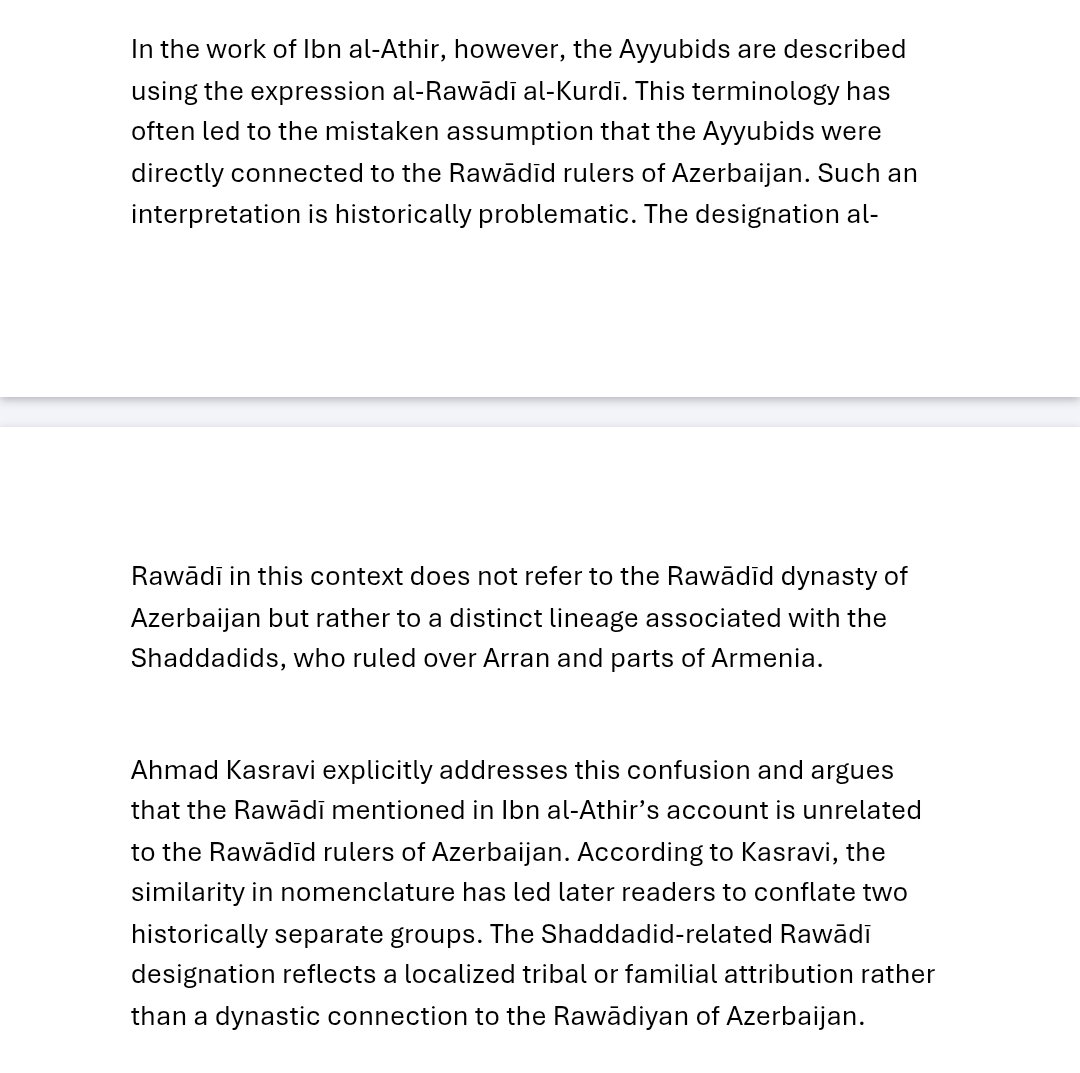
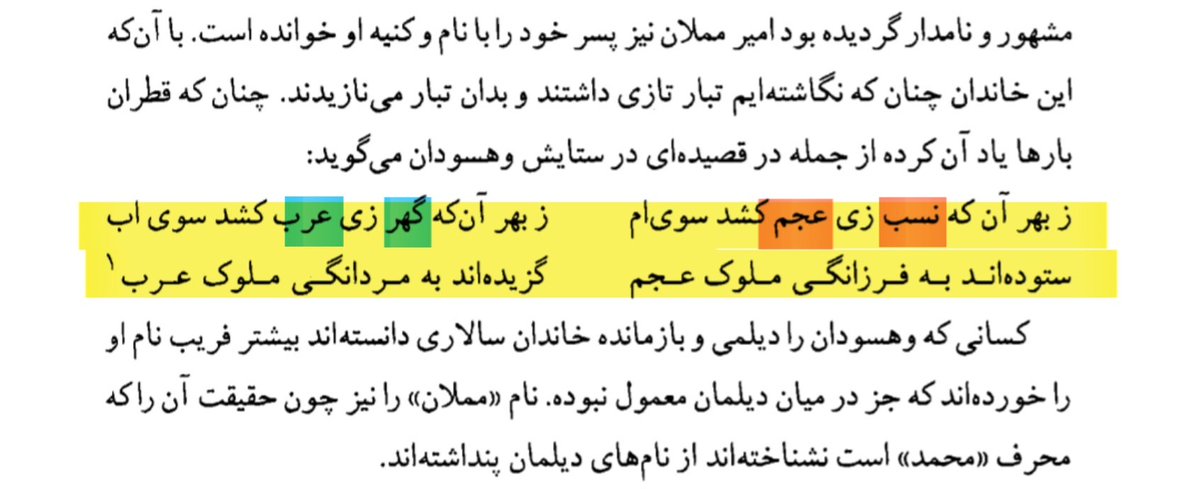
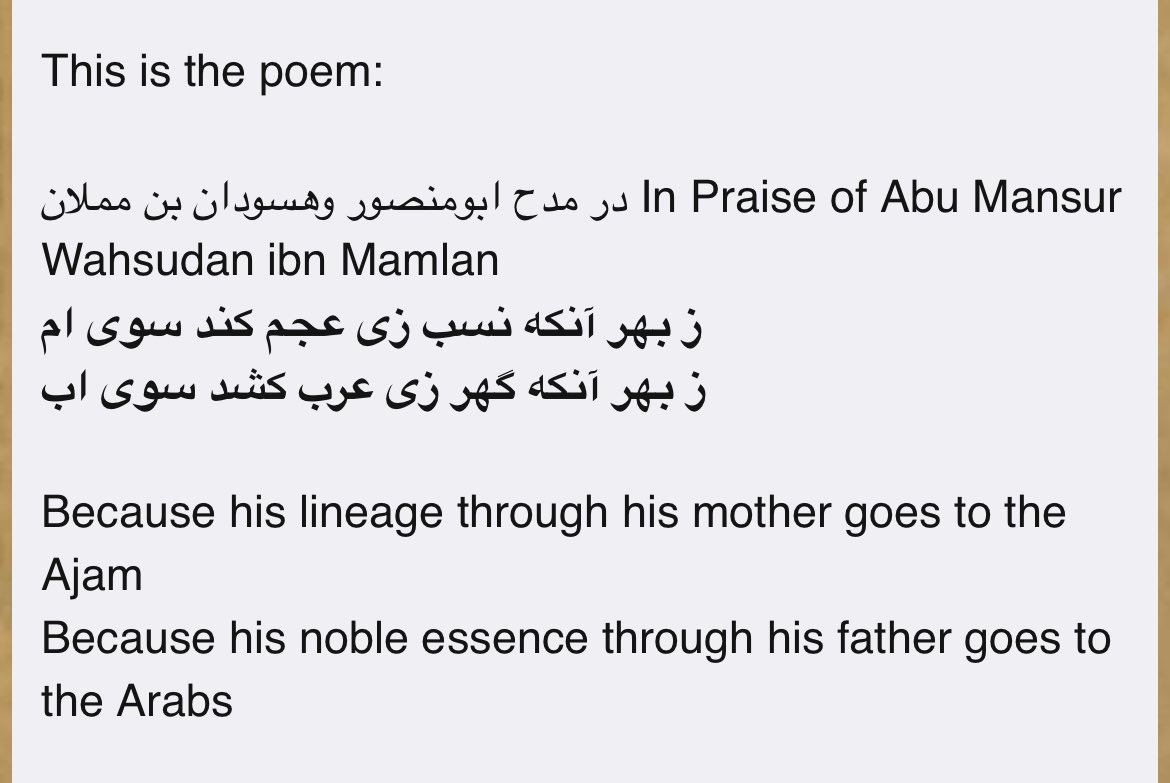
@HisanDaStallion @PalestinianKurd They are father and son, lol. It never says anything about "mother". You clearly don’t know Persian. Here's the line from Kasravi's book, the one you keep claiming to quote. It clearly states: his nasab (paternal lineage) is Ajam, and his gōhar (essence/prestige) is Arab.
Ummān manda tweet mediaUmmān manda tweet mediaUmmān manda tweet media
English
3
5
26
557
Hisān
Hisān@HisanDaStallion·
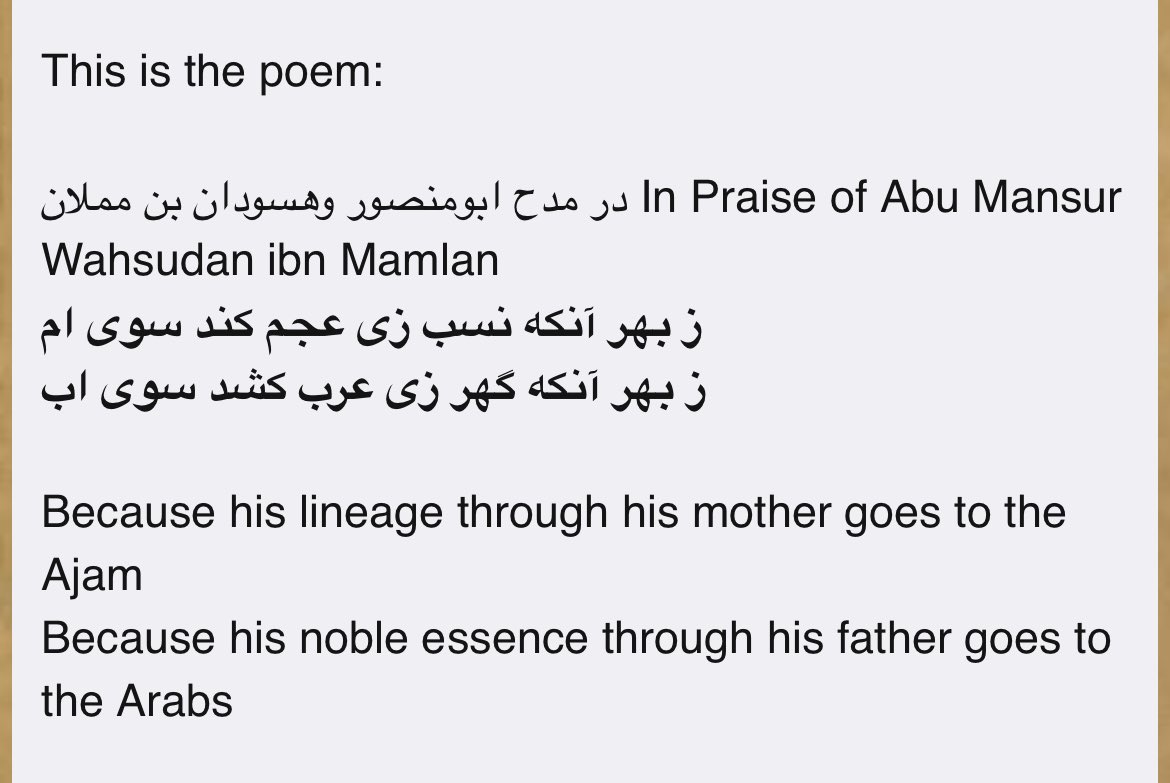
@Sherefname @PalestinianKurd Also you quoted Abu Nasr Mamlan not Wahsudsn his father and it says lineage not father or mother In the poem of Wahsudan it says mothers lineage is 3ajam and fathers lineage is Arab I wil bring you source don’t worry I’m working at moment silly guy
English
4
0
0
225
Ummān manda
Ummān manda@Sherefname·
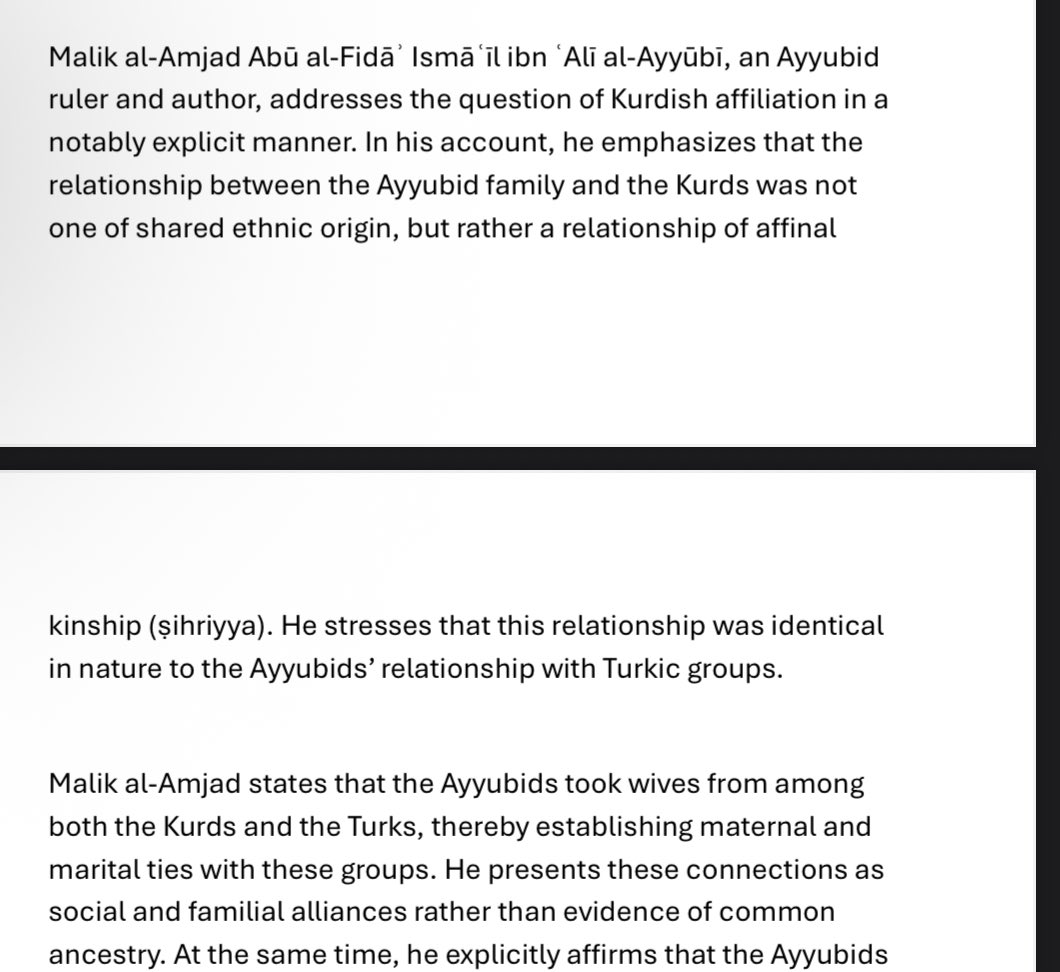
@HisanDaStallion @PalestinianKurd Ayyubids acknowledged that they were Kurds, severql times. Where is your source, let's see the line from the original ode/poem. Not some text you've made yourself.
Ummān manda tweet mediaUmmān manda tweet media
English
1
5
30
601
Hisān
Hisān@HisanDaStallion·
@Sherefname @PalestinianKurd Cope it’s other way around lol wallahi you Kurds are so salty even Ayyubid sultan denied being ancestrally Kurd that alone is huge blow I wrote the poem down from the source illl get the Persian Qasida so you can stop crying
Hisān tweet mediaHisān tweet media
English
1
0
0
185
Ummān manda
Ummān manda@Sherefname·
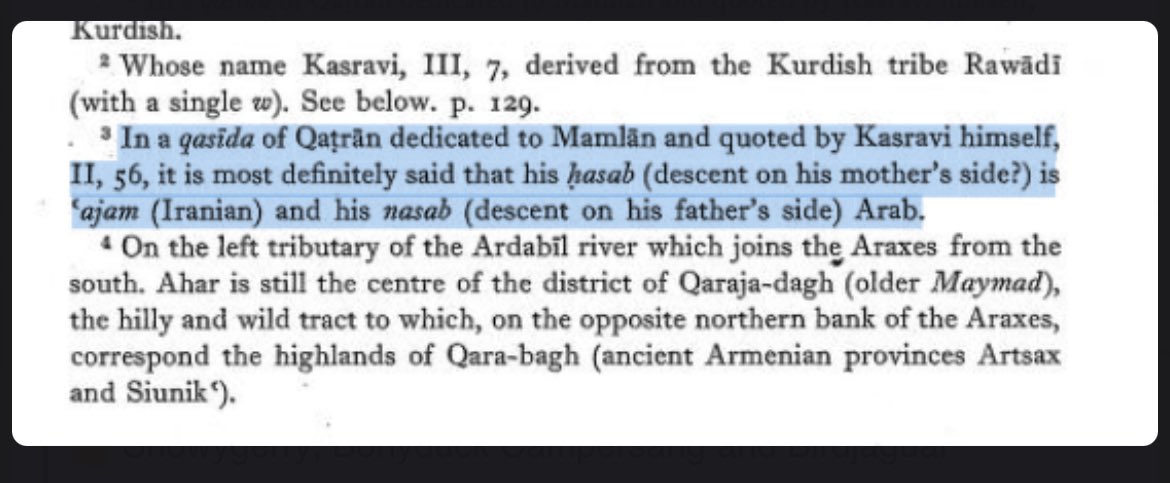
@HisanDaStallion @PalestinianKurd The author you’re quoting has no clue what ḥasab even means. The poem is wrong too: Tabrizi states that Mamlān’s nasab (paternal line, hereditary origin) is from the Ajam (Iranians/non-Arab), and his ḥasab (prestige, merit) is from the Arabs.
Ummān manda tweet mediaUmmān manda tweet media
English
1
1
15
201
Hisān
Hisān@HisanDaStallion·
@PalestinianKurd That’s after they got Kurdified maybe use your brain lmfao Wahsudan Emir of Rawadiyya got praised for his Arab ancestry by poet that lived same time as him Ahmadil and Mamlan are Kurd names they adopted Checkmate you 🐀
Hisān tweet mediaHisān tweet media
English
2
0
1
190
Hisān
Hisān@HisanDaStallion·
@PalestinianKurd Qatran Tabrizi poem was when Wahsudan was alive and primary contemporary source you can google the Persian qasidas 😹 it’s from 11th century
English
2
0
1
97
Ummān manda retweetledi
Arvin
Arvin@sozirv·
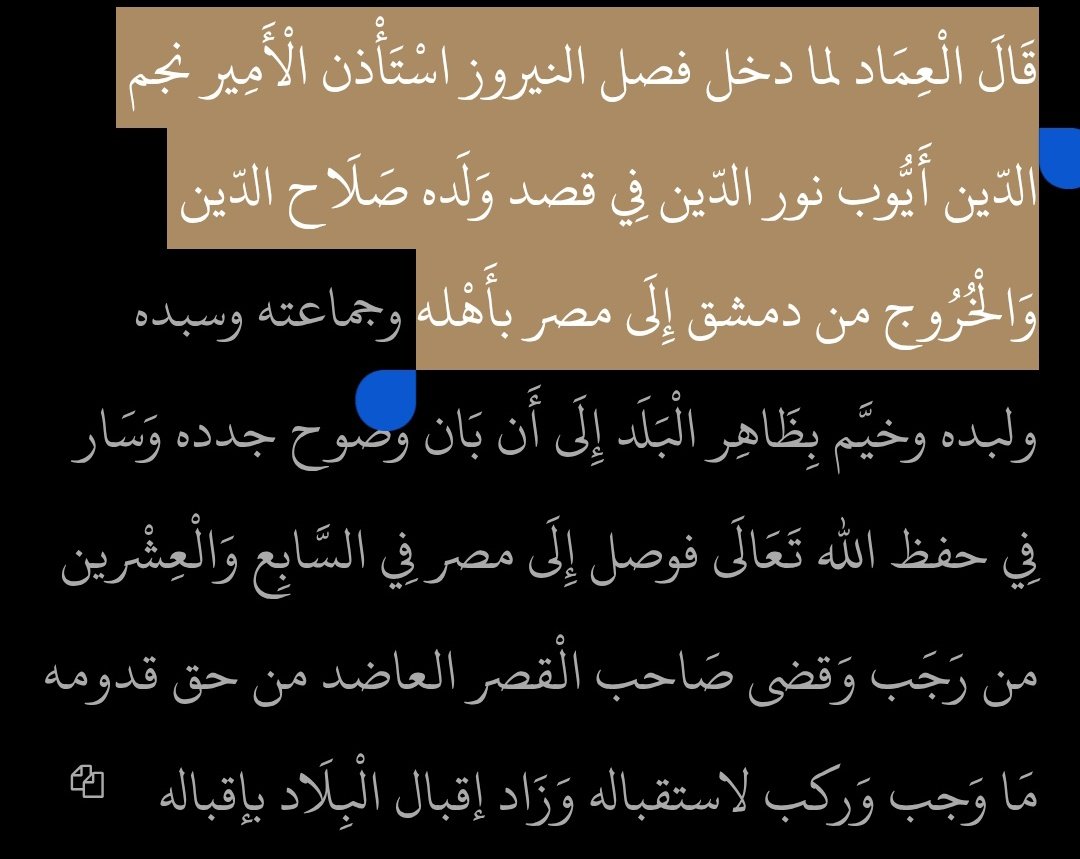
According to Abu Shama al-Maqdisi, the father of Saladin used to choose the season of Newroz for traveling .
Arvin tweet media
English
3
8
43
2.8K
Çoligi Hamdi
Çoligi Hamdi@someuserbro·
Let's call it a small start. Insallah day by day we will fix the small mistakes and serve for Zazakî(Kîrdkî).I want all Zazas to make me feedback about these page i translated
Çoligi Hamdi tweet media
English
5
26
99
8.3K
Ummān manda retweetledi
Rahim Shaliyev
Rahim Shaliyev@rahimsaliyev·
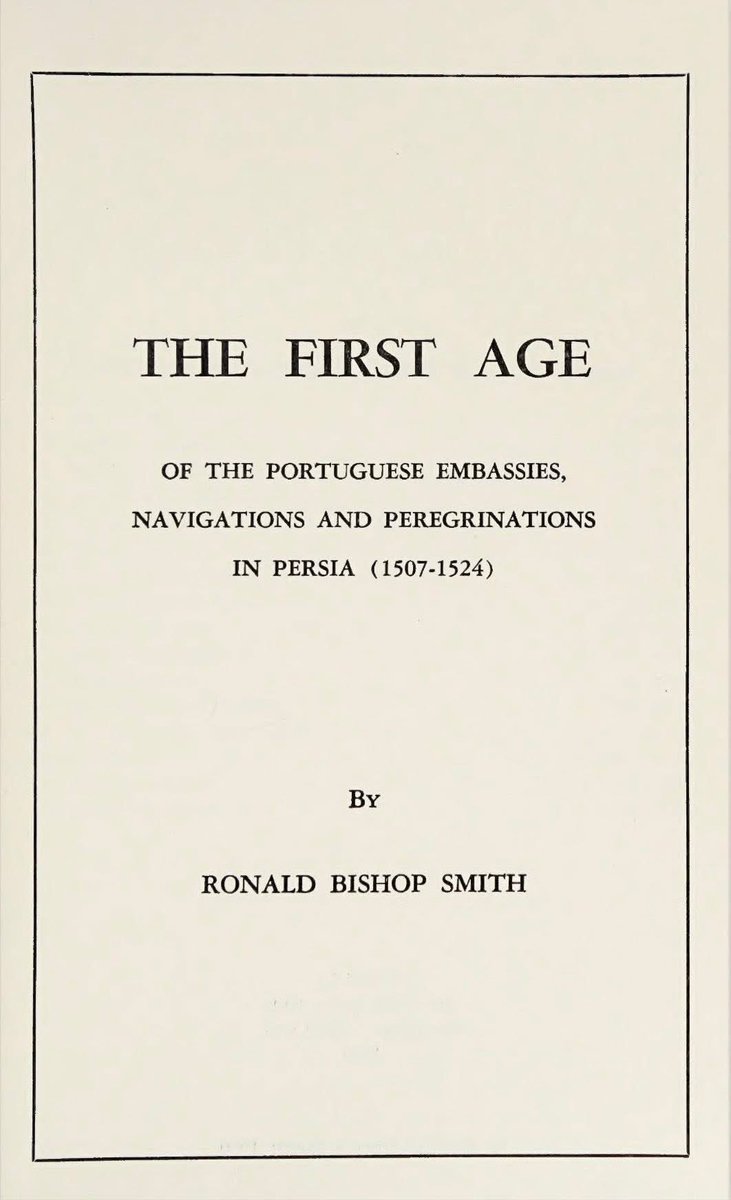
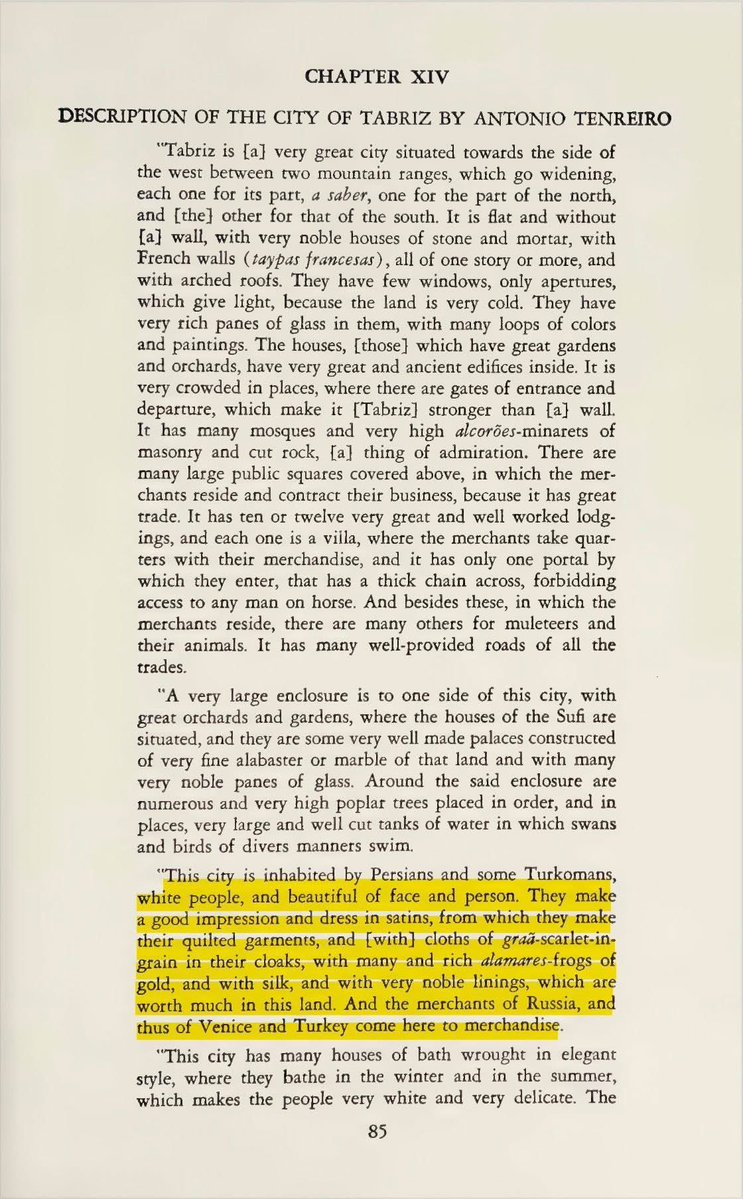
Historian Ronald Bishop Smith, who studied Portugal’s relations with the Safavid Empire, notes on the basis of historical documents that in the 16th century Tabriz had a Persian majority and a Turkoman minority. After the 16th century, there was no large-scale Turkic migration into Iran, yet the idea that Turks form a majority in northern Iran was first manufactured by the Russian Empire and then turned into massive propaganda by the Soviet Union. Even today, fewer than half a million Turks live in northern Iran, and the claim that there are 20–30 million Turks in Iran is one of the most successful political lies of the modern era.
Rahim Shaliyev tweet mediaRahim Shaliyev tweet media
Rahim Shaliyev@rahimsaliyev

Declassified Soviet documents from 1945 show that: 1.The separatist “Southern Azerbaijan movement” in Iran was created, directed and funded in Moscow under Stalin’s personal leadership. 2.Even in internal secret papers, the Soviet Union avoided explicitly mentioning the Talysh name; the documents list almost all surrounding regions around Talysh in Iran, but leave out the Talysh area itself. I’m sharing the original Russian texts and full English translations below ⬇️⬇️⬇️

English
7
11
57
3.5K
Ummān manda
Ummān manda@Sherefname·
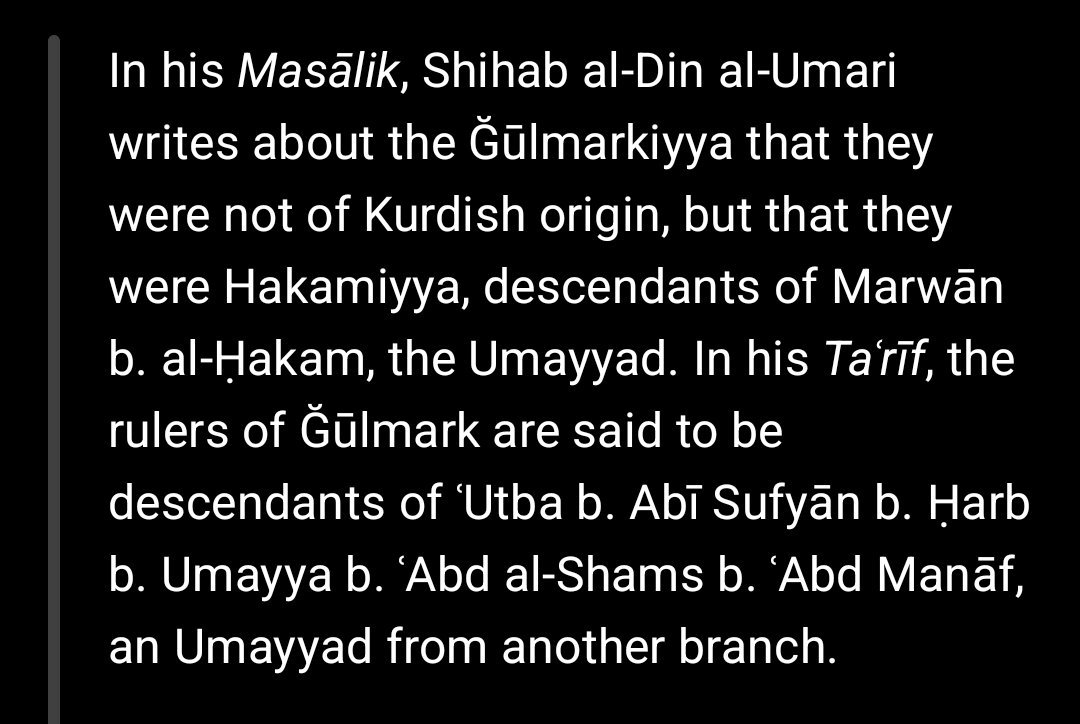
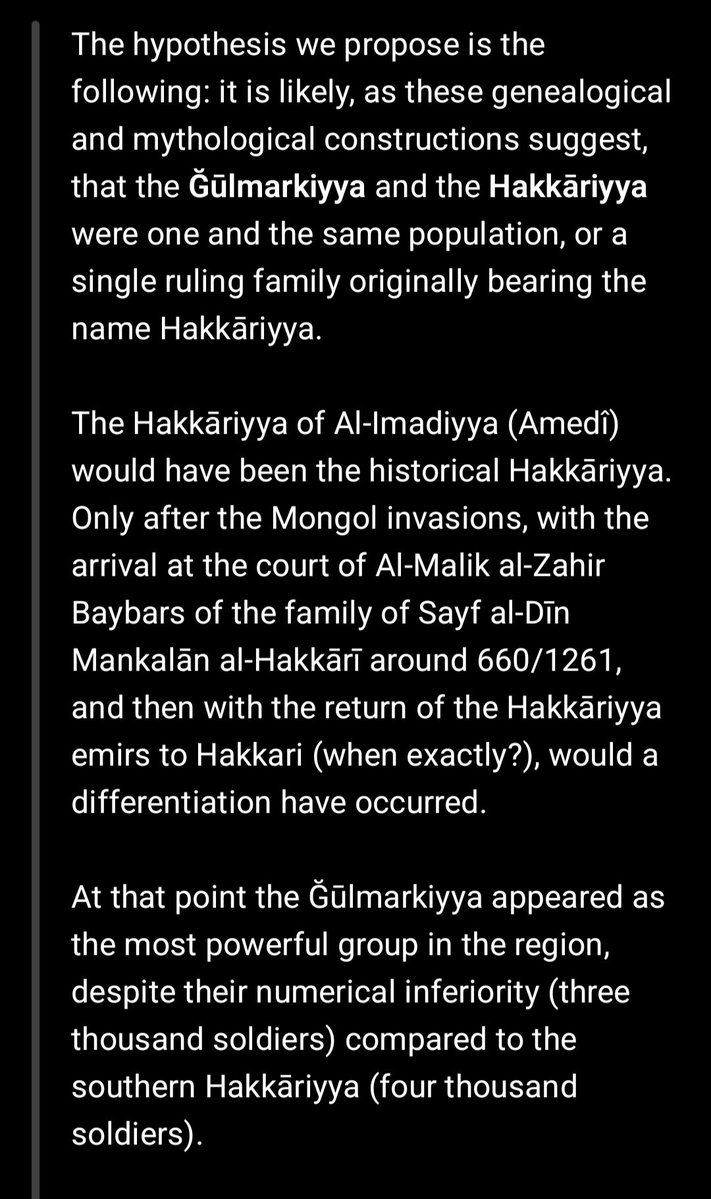
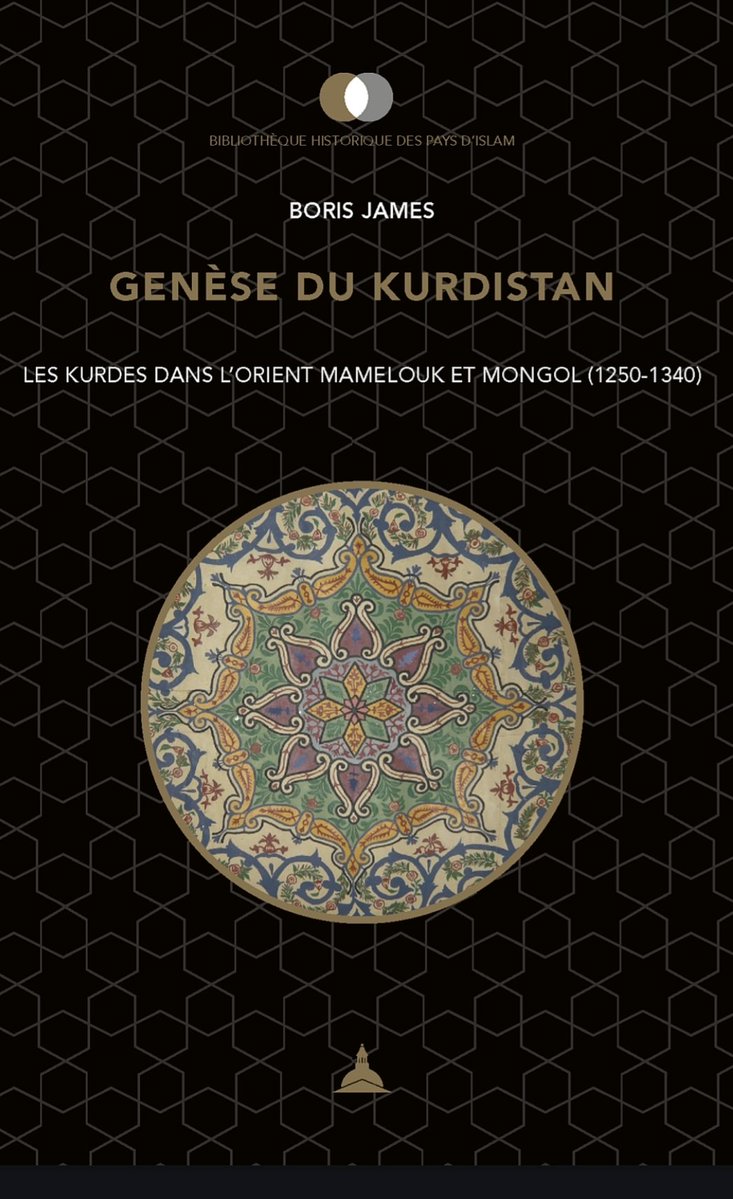
@GewargisOfAthor Yes, I translated these passages from Boris James' book. As is often the case with Kurdish ruling families, the traditions about their origins mix historical elements with later invented claims linking them to prestigious Islamic families (Umayyads, Abbasids, etc).
Ummān manda tweet mediaUmmān manda tweet media
English
0
0
1
149
GEWARGIS
GEWARGIS@GewargisOfAthor·
@Sherefname Does Umari mention anything about their origins?
English
1
0
2
249
Ummān manda
Ummān manda@Sherefname·
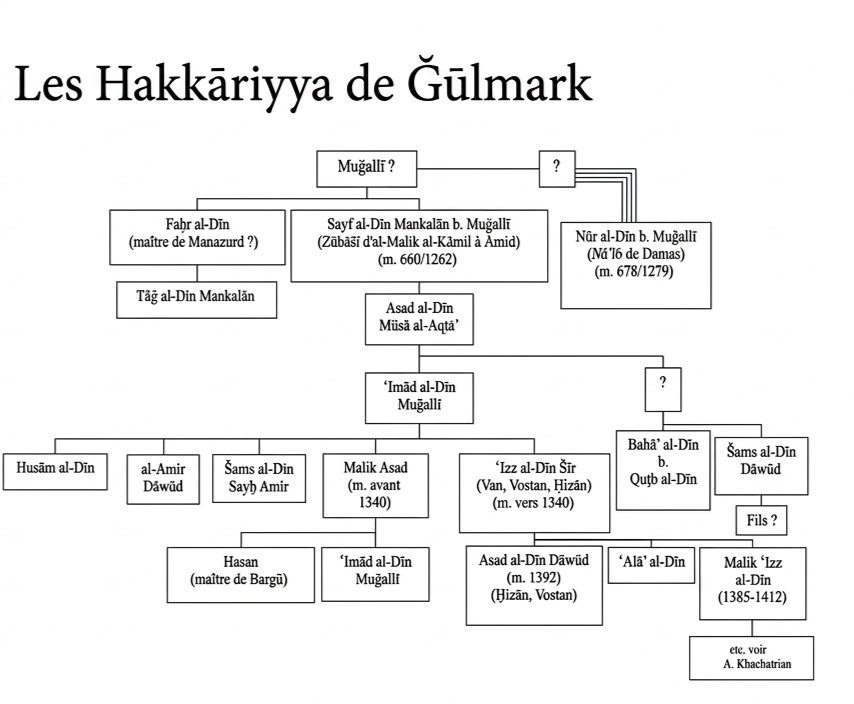
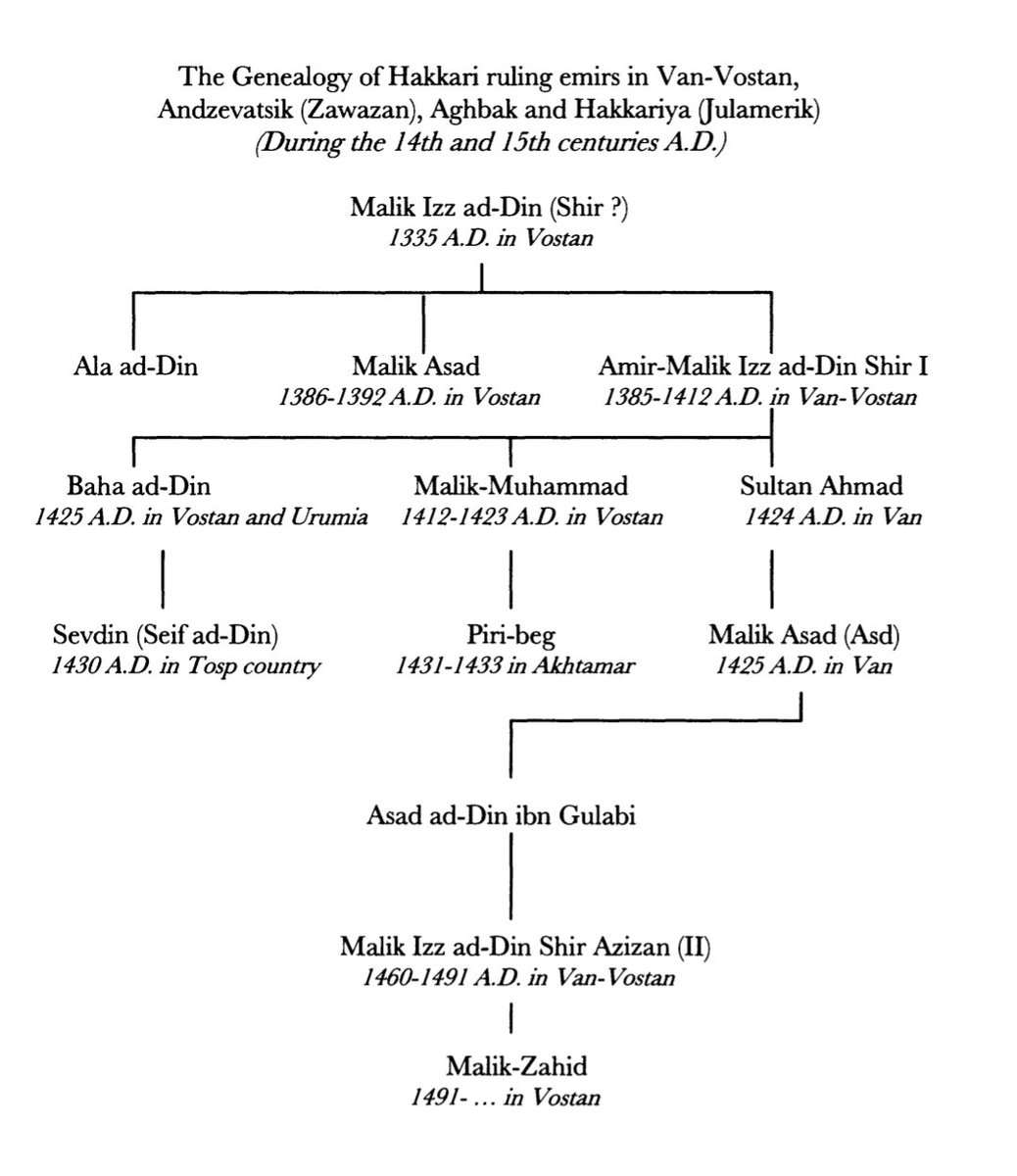
Genealogy of the Hakkāri Kurds of Ğūlmark (Colemêrg), mentioned in al-'Umarī's (d. 1349) work as the Ğūlmarkiyya. Their descendants later established a principality in the wider region, beginning with the ruler Ēzdīn Šēr.
Ummān manda tweet mediaUmmān manda tweet media
Català
4
10
73
5.3K
Ummān manda
Ummān manda@Sherefname·
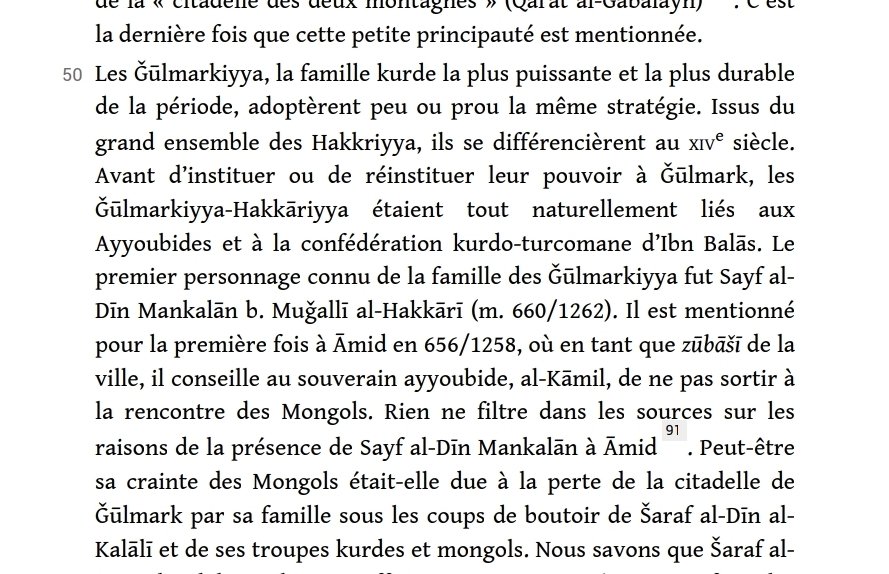
@KuljoJ "The first known figure from the Ğūlmarkiyya family was Sayf al-Din Mankalān b. Muğallī al-Hakkārī (d. 660/1262). He is first mentioned in Amid in 656/1258, where, as the city's governor (zūbāšī), he advised the Ayyubid ruler, al-Kamil, against going out to meet the Mongols."
Ummān manda tweet mediaUmmān manda tweet media
Română
1
1
10
332
Keyxusrew
Keyxusrew@KuljoJ·
@Sherefname Are you sure about the dates? Because seyf aldin mangalan was present when saladin was alive
English
1
0
2
340