Skaffen

7.5K posts

Skaffen banner
Skaffen

Skaffen

@Skaffen00

#bitcoin | #dev 💻 | 🎭

Katılım Ocak 2016
706 Takip Edilen112 Takipçiler
Skaffen
Skaffen@Skaffen00·
Extrapolate to coding. You wont learn or grow in capability as a software engineer if you vibe code
Ihtesham Ali@ihtesham2005

A Norwegian neuroscientist spent 20 years proving that the act of writing by hand changes the human brain in ways typing physically cannot, and almost nobody outside her field has read the paper. Her name is Audrey van der Meer. She runs a brain research lab in Trondheim, and the paper that closed the argument was published in 2024 in a journal called Frontiers in Psychology. The finding is brutal enough that it should have changed every classroom on Earth. The experiment was simple. She recruited 36 university students and put each one in a cap with 256 sensors pressed against their scalp to record brain activity. Words flashed on a screen one at a time. Sometimes the students wrote the word by hand on a touchscreen using a digital pen, and sometimes they typed the same word on a keyboard. Every neural response was recorded for the full five seconds the word stayed on screen. Then her team looked at the part of the data most researchers had ignored for years, which is how different parts of the brain were communicating with each other during the task. When the students wrote by hand, the brain lit up everywhere at once. The regions responsible for memory, sensory integration, and the encoding of new information were all firing together in a coordinated pattern that spread across the entire cortex. The whole network was awake and connected. When the same students typed the same word, that pattern collapsed almost completely. Most of the brain went quiet, and the connections between regions that had been alive seconds earlier were nowhere to be found on the EEG. Same word, same brain, same person, and two completely different neurological events. The reason turned out to be something nobody had really paid attention to before her work. Writing by hand is not one motion but a sequence of thousands of tiny micro-movements coordinated with your eyes in real time, where each letter is a different shape that requires the brain to solve a slightly different spatial problem. Your fingers, wrist, vision, and the parts of your brain that track position in space are all working together to produce one letter, then the next, then the next. Typing throws all of that away. Every key on a keyboard requires the exact same finger motion regardless of which letter you are pressing, which means the brain has almost nothing to integrate and almost no problem to solve. Van der Meer said it plainly in her interviews. Pressing the same key with the same finger over and over does not stimulate the brain in any meaningful way, and she pointed out something that should scare every parent who handed their kid an iPad. Children who learn to read and write on tablets often cannot tell letters like b and d apart, because they have never physically felt with their bodies what it takes to actually produce those letters on a page. A decade before her, two researchers at Princeton ran the same fight using a completely different method and ended up at the same answer. Pam Mueller and Daniel Oppenheimer tested 327 students across three experiments, where half took notes on laptops with the internet disabled and half took notes by hand, before testing everyone on what they actually understood from the lectures they had watched. The handwriting group won by a wide margin on every question that required real understanding rather than surface recall. The reason was hiding in the transcripts of what the two groups had actually written down. The laptop students typed almost word for word, capturing more total content but processing almost none of it as they went, while the handwriting students physically could not write fast enough to transcribe a lecture in real time, which forced them to listen carefully, decide what actually mattered, and put it in their own words on the page. That single act of choosing what to keep was the learning itself, and the keyboard had quietly skipped the choosing and skipped the learning along with it. Two studies. Two countries. Same answer. Handwriting makes the brain work. Typing lets it coast. Every note you have ever typed instead of written went into your brain through a thinner pipe. Every meeting, every book highlight, every idea you captured on your phone instead of on paper was processed at half depth. You did not forget those things because your memory is bad. You forgot them because typing never woke the part of the brain that would have made them stick. The fix is the thing your grandmother already knew. Pick up a pen. Write the thing down. The slower road is the faster one.

English
0
0
0
11
Auri
Auri@Auri_0x·
On unrelated note, recently played Expedition 33 It's gotta be one of the most overrated games I've ever played. It's great but I expected an actual masterpiece World is stunning, plot is original, music is a masterpiece But Gameplay is mindnumbingly boring & build/rpg parts are mostly a drag Characters are poorly written & dumb Ending was obvious halfway through the game Should have been a novela/narrative game.
English
9
0
25
1.9K
AlvaBuddha
AlvaBuddha@Alva_Buddha·
@ThePrimeagen Funny how much money and time has been invested building CI/CD pipelines. Maybe we should just manually integrate and deploy stuff through fragmented bespoke environments.
English
3
0
1
496
ThePrimeagen
ThePrimeagen@ThePrimeagen·
It's weird how much time I spend trying to get agents to write code like me Maybe I should just write code...
English
276
135
4.2K
148.8K
Skaffen
Skaffen@Skaffen00·
hantavirus.live haha theres a few of thwse claude generated trackers popping up
English
0
0
0
10
//Bitcoin 𝕵ack 🐐
//Bitcoin 𝕵ack 🐐@bitcoinjack·
@Skaffen00 hey @grok what percentage of these people who left the ship since April are actually in or going to quarantaine centers lol?
English
2
0
2
268
Bryan Johnson
Bryan Johnson@bryan_johnson·
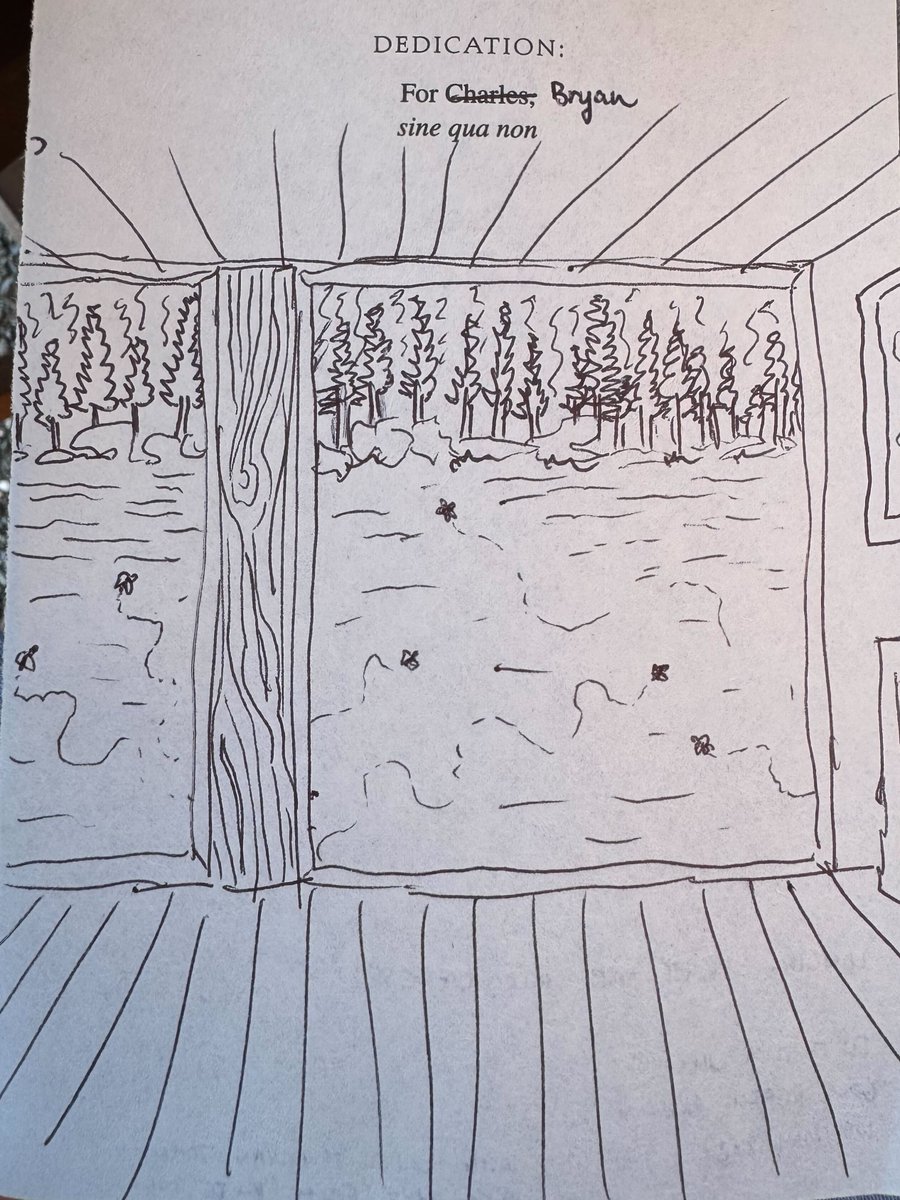
Kate and I spent the weekend forest bathing. A cabin in deep woods, a river feeding the ocean, tides marking the day. We hiked, watched, listened, and smelled. We let the quiet settle. By Sunday morning, my resting heart rate dropped by 10%. The storms of the modern world were shedding. We were eating lunch inside while looking out onto the serene river, playing 20 questions. As we probed to discover what object the other had identified, we watched several flies struggle against the glass as they tried to get outside. It was beyond their intellectual capacity to understand the concept of glass and to improvise a plan to take an alternative route to get back where they belonged. In our normal gaze we look past the flies to the trees and the river. Kate and I wondered what else we miss moment to moment. Most of it, probably. We are powerful and weak, all-seeing and oblivious, free and trapped. The modern world is our glass. On Sunday morning I asked Kate to draw what she was feeling. She was reading a book and sketched onto the open page, which happened to be the dedication and read “sine qua non”, the one without whom, not. The quiet of the forest sharpened what I could notice. The flies on the window. Kate across the table. A dedication in a borrowed book that became, by accident, hers to me. Are all trapped behind glass we cannot see?
Bryan Johnson tweet media
English
167
41
1.5K
194K
Andrej Karpathy
Andrej Karpathy@karpathy·
This works really well btw, at the end of your query ask your LLM to "structure your response as HTML", then view the generated file in your browser. I've also had some success asking the LLM to present its output as slideshows, etc. More generally, imo audio is the human-preferred input to AIs but vision (images/animations/video) is the preferred output from them. Around a ~third of our brains are a massively parallel processor dedicated to vision, it is the 10-lane superhighway of information into brain. As AI improves, I think we'll see a progression that takes advantage: 1) raw text (hard/effortful to read) 2) markdown (bold, italic, headings, tables, a bit easier on the eyes) <-- current default 3) HTML (still procedural with underlying code, but a lot more flexibility on the graphics, layout, even interactivity) <-- early but forming new good default ...4,5,6,... n) interactive neural videos/simulations Imo the extrapolation (though the technology doesn't exist just yet) ends in some kind of interactive videos generated directly by a diffusion neural net. Many open questions as to how exact/procedural "Software 1.0" artifacts (e.g. interactive simulations) may be woven together with neural artifacts (diffusion grids), but generally something in the direction of the recently viral x.com/zan2434/status… There are also improvements necessary and pending at the input. Audio nor text nor video alone are not enough, e.g. I feel a need to point/gesture to things on the screen, similar to all the things you would do with a person physically next to you and your computer screen. TLDR The input/output mind meld between humans and AIs is ongoing and there is a lot of work to do and significant progress to be made, way before jumping all the way into neuralink-esque BCIs and all that. For what's worth exploring at the current stage, hot tip try ask for HTML.
Thariq@trq212

x.com/i/article/2052…

English
958
1.9K
18.5K
3.4M
Grant Tremblay
Grant Tremblay@astrogrant·
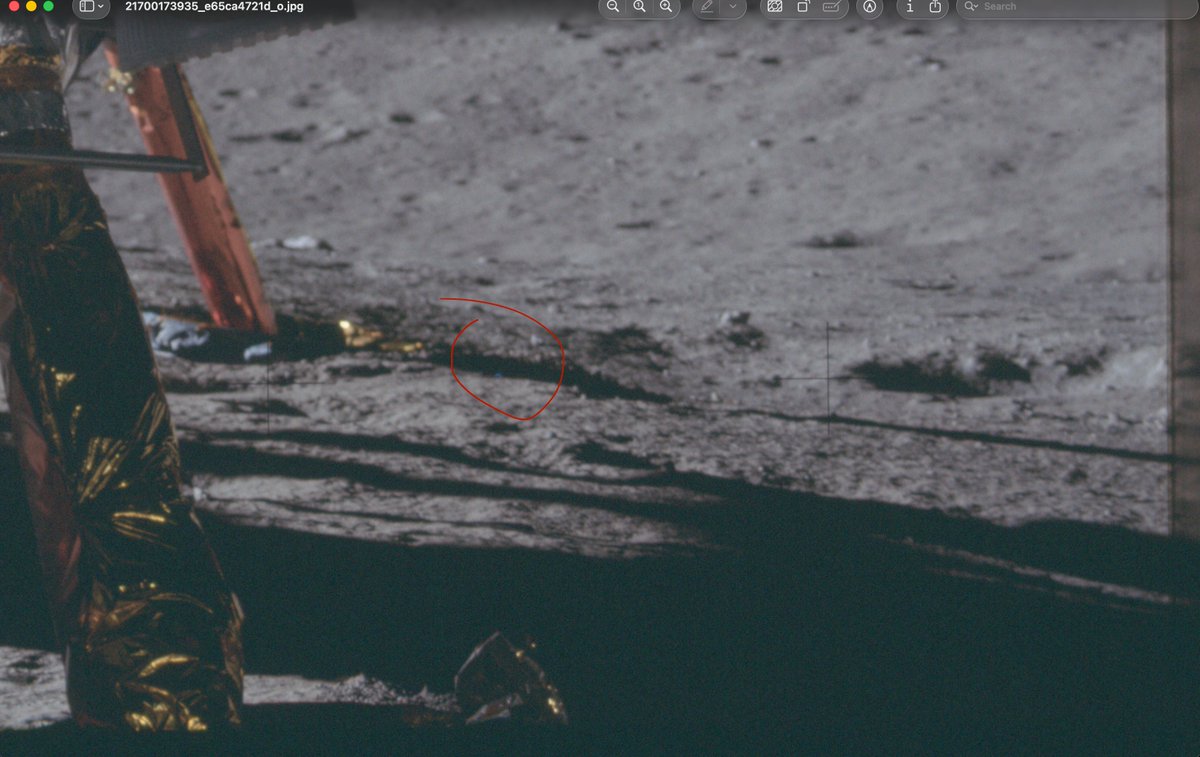
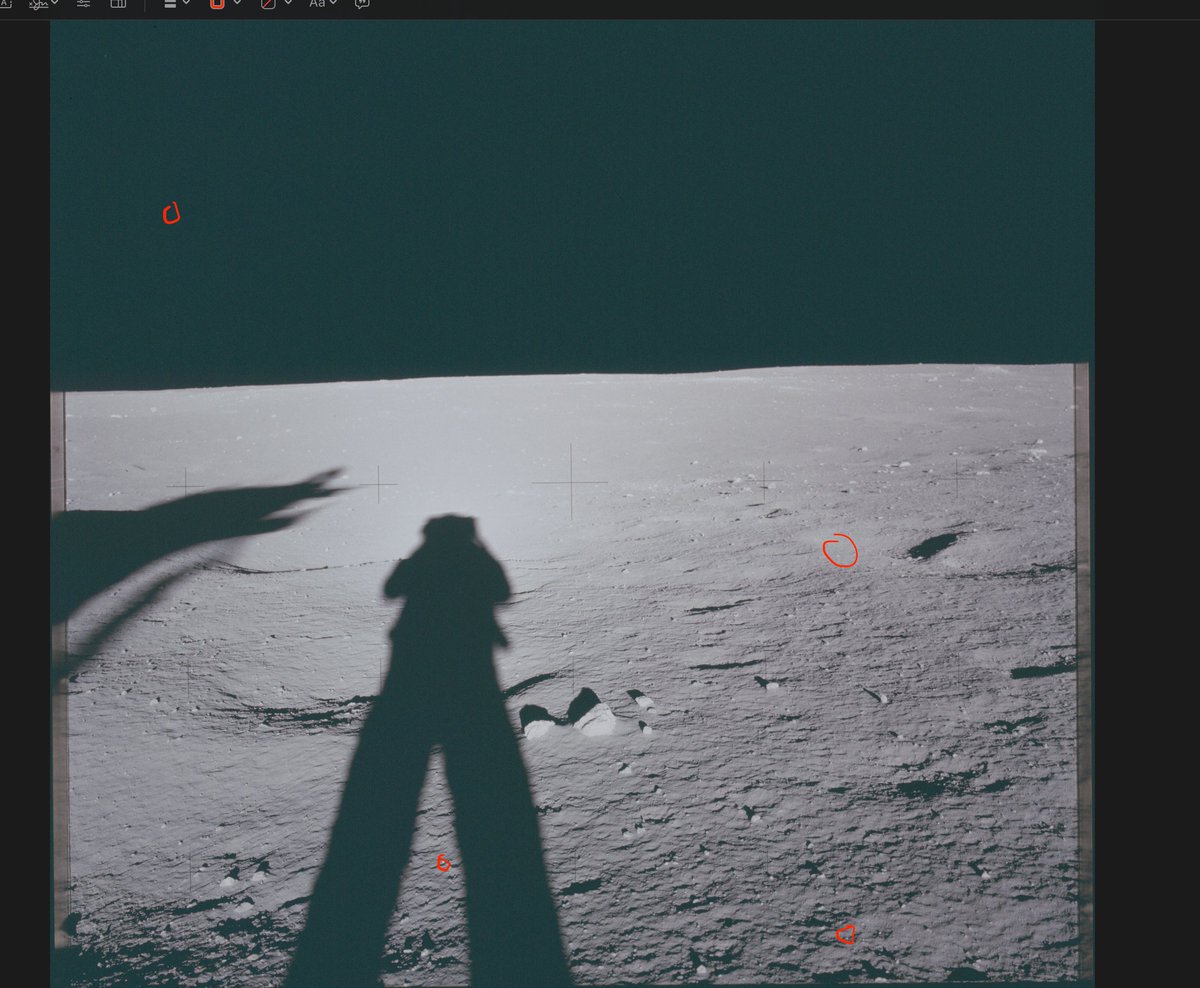
I encourage anyone to go here (flickr.com/photos/project…), download any/all high resolution Apollo images (including those in the UAP release yesterday), zoom in, scroll around, and VERY OBVIOUSLY SEE that film defects are ~uniformly distributed across nearly every frame
Grant Tremblay tweet mediaGrant Tremblay tweet mediaGrant Tremblay tweet mediaGrant Tremblay tweet media
English
10
22
101
16.7K
Skaffen
Skaffen@Skaffen00·
@DeFi_initiate Dude makes a living from selling conspiracy thoeries to his gullible audience. Hes not interested in the truth, only in continous outrageous speculation
English
0
0
0
9
DFi
DFi@DeFi_initiate·
The story of Apollo 17 astronauts being scared off the Moon by aliens is laughable considering that Apollo 18-20 plans were cancelled 2 years before the Apollo 17 mission. And pictures of alien structures on the far side are nowhere to be found. Don't be so gullible, Jesse!
Jesse Michels@AlchemyAmerican

In light of today’s revelations around Apollo 17 interacting with UFOs, here’s Japanese NASA historian Takano Jousen: He was close with astronaut Eugene Cernan who told him during the mission, aliens gave him a message never to return to the moon - that’s why they stopped at 17

English
1
0
0
672
Skaffen
Skaffen@Skaffen00·
@Crypto_McKenna Dude you could tell the whole world today. It would be remarkable sure. But most people would go back to scrolling youtube shorts while taking a shit.
English
0
0
0
56
McKenna
McKenna@Crypto_McKenna·
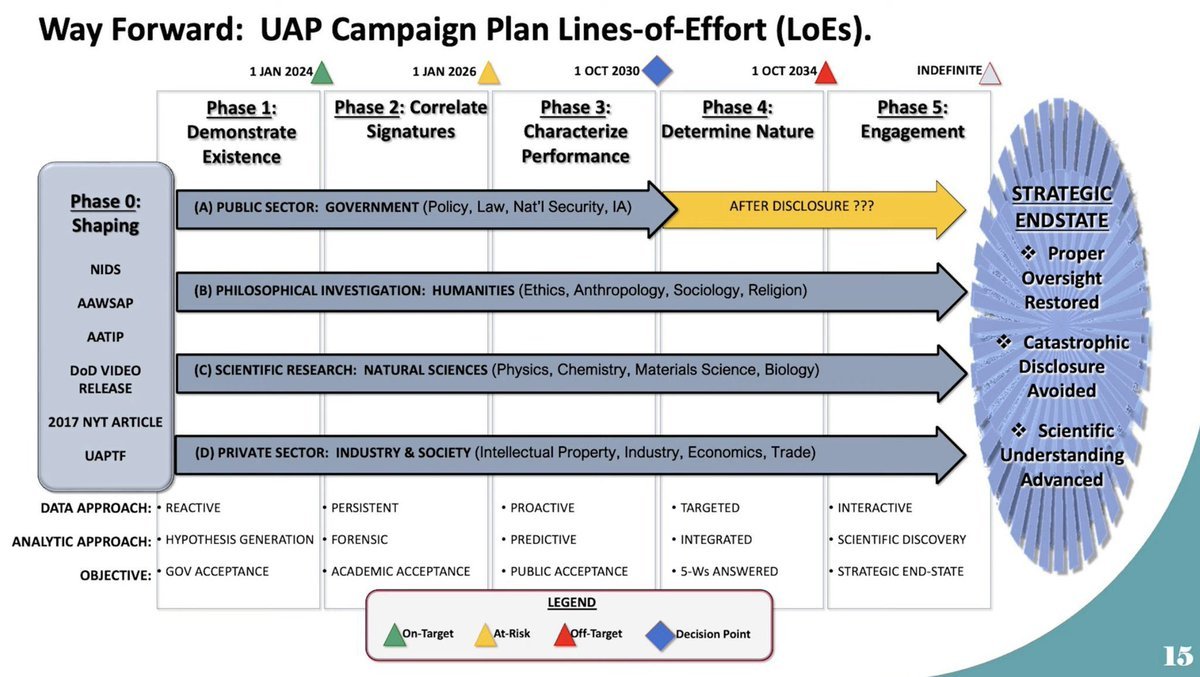
There is a two decade disclosure plan surrounding the UAP topic. You can think of it as progressive inoculation designed to be so boring to avoid disastrous disclosure. Based on some conversations with people in the know expecting there to be continued released of declassified files/imagery/video that becomes progressively more convincing. The next step is involving the academic community. No one will trust the government on this central issue. Only the verification of data which at this point remains classified. The verification by the academic community will be responsible for relaying the findings to the general public. No single entity is going to announce we are not alone. The goal is to convince 3-4% of the population each year.
McKenna tweet mediaMcKenna tweet media
English
7
1
50
7.5K
Interstellar
Interstellar@InterstellarUAP·
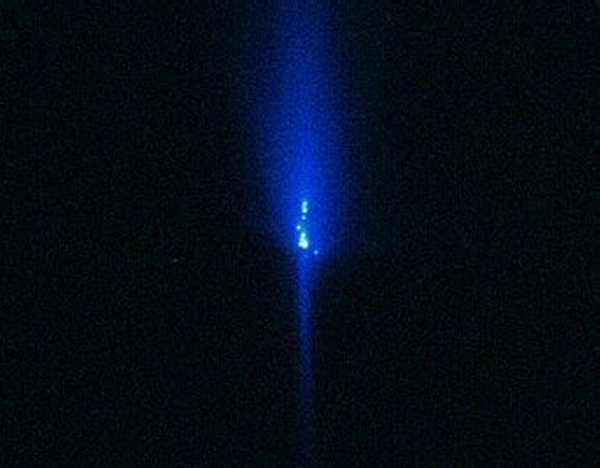
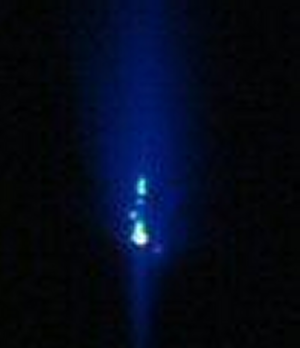
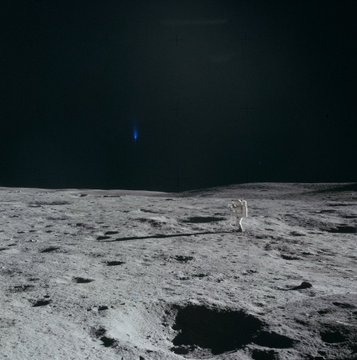
New Leaked High Resolution UFO Photos from NASA Apollo 12 which Correlate with todays UFO Files release by The White House. These NEW images were emailed to UFO researcher @JustAC4t anonymously by a NASA employee & correlate exactly to todays Pentagon drop. Wild Times! UFO Disclosure is here. 👽🛸
Interstellar tweet mediaInterstellar tweet mediaInterstellar tweet mediaInterstellar tweet media
Interstellar@InterstellarUAP

UFO spotted on NASA Apollo 12 Mission 1969 This is the First of the UFO files release This archival photograph depicts the lunar surface as viewed from the landing site of Apollo 12. This image features a highlighted area of interest slightly to the right of the vertical axis of the frame, above the horizon, in which unidentified phenomena are visible.

English
128
497
3.1K
370.3K
Skaffen
Skaffen@Skaffen00·
@RepLuna Spoiler its all shit. They just want your votes. Infact they are probably laughing at all the people waiting for "disclosure".
English
0
0
0
32
Rep. Anna Paulina Luna
Rep. Anna Paulina Luna@RepLuna·
This is a great first step. Additional releases are expected in the coming weeks. A second tranche of documents, including additional requested video footage, is anticipated within approximately 30 days. Further records, videos, imagery, and investigative materials will continue to be released on a rolling basis.
Department of War 🇺🇸@DeptofWar

x.com/i/article/2052…

English
1.2K
1.1K
6.6K
398.8K
Skaffen
Skaffen@Skaffen00·
@chrisramsay52 Yea camera are off course going to work perfectly in space right ? impervious to radiation surely.
English
0
0
0
556
Chris Ramsay
Chris Ramsay@chrisramsay52·
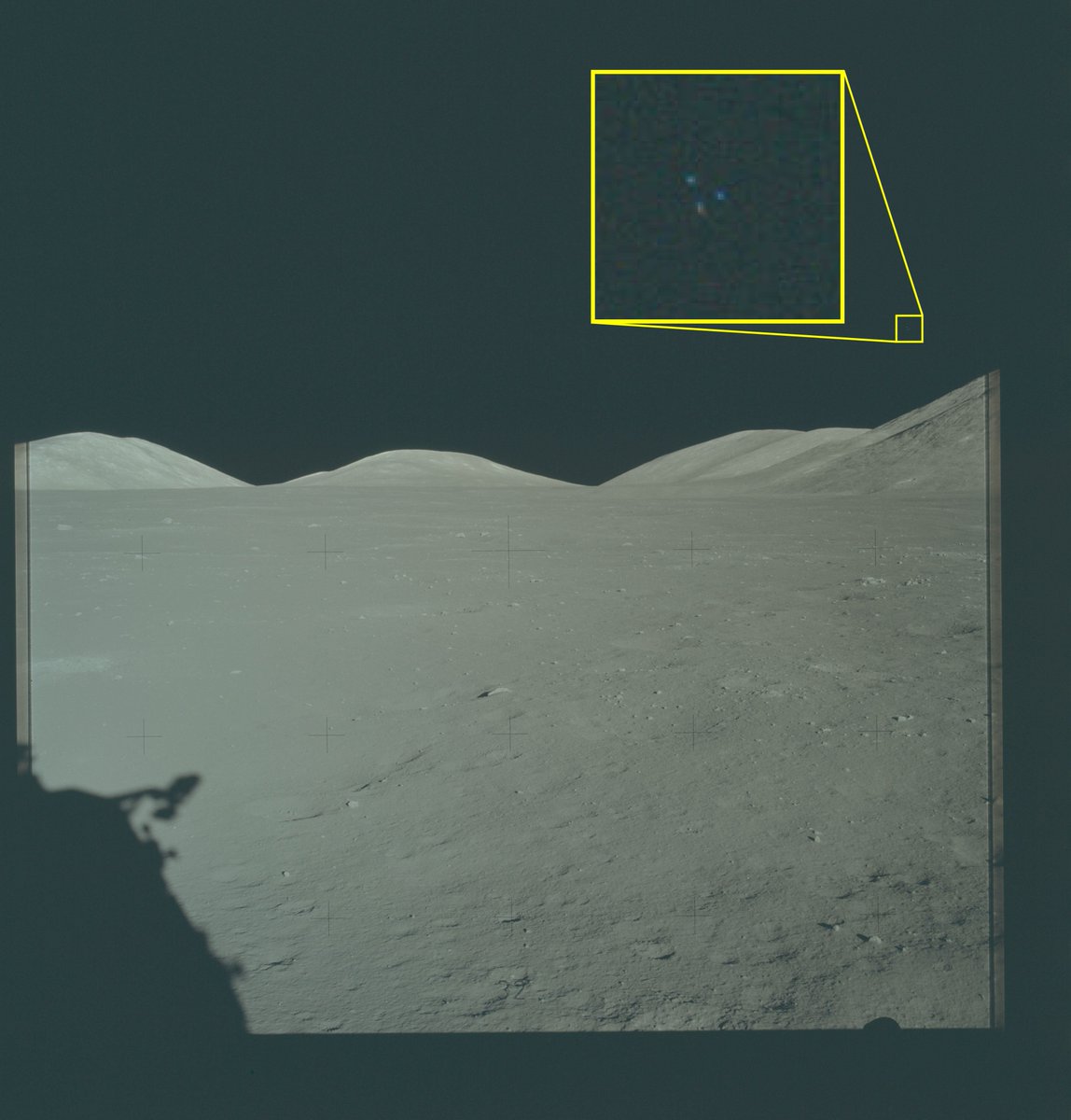
This is interesting. "As part of the review of historical UAP materials under PURSUE, DOW has opened a case to investigate the accompanying NASA photograph from the Apollo 17 mission, taken December 1972. The image contains three “dots” in a triangular formation in the lower right quadrant of the lunar sky that is clearly visible upon magnification of the image. While this photo has been previously released and discussed by keen observers, there is no consensus about the nature of the anomaly. New preliminary US government analysis suggests the image feature is potentially the result of a physical object in the scene. Additionally, as part of this investigation, the government has obtained the original film from the Apollo 17 mission and the results of the full NASA and DOW analysis will be released when completed."
Chris Ramsay tweet media
English
102
139
1.3K
143.3K
Skaffen
Skaffen@Skaffen00·
@_imdawon Your brain will erode away into slop. Have fun!
English
0
0
2
29
dawon 🇺🇸
dawon 🇺🇸@_imdawon·
We're simply not going back to writing code by hand. It's not happening. Even if the worst case skeptic scenario happens. We're not going back to writing code by hand.
English
4
0
24
669