AuntyClaireAbroad
2.5K posts
AuntyClaireAbroad
@SlClairein
Born and raised in Zimbabwe, but living my best life in Sri Lanka.
Katılım Ekim 2020
231 Takip Edilen276 Takipçiler

Former Minister Johnston Fernando is out of Parliament following the latest election results.

English
@LMudalige @RajapaksaNamal If he (& the rest of your family) paid back all the money stolen, he wouldn't be leaving the world as a thief. You've only serviced yourselves.
English

“My father shouldn’t leave this world as a thief after all the service he has done for the country.”@RajapaksaNamal
English
No wonder why some are seen as regional step children. How do you claim victory in an election you didn’t participate in, you are not a national of the country and where there is no direct or indirect benefit to you? Appropriating events in other countries is now a sickness😁
English
@daddyhope Does that mean there is hope on the horizon for Zim? I mean, yes, we need relevant opposition, & for those opposition to come together in a coalition, but it *might* be possible, right?
English
Botswana’s ruling party, the Botswana Democratic Party, and its historic loss, what happened?
Botswana’s out-going ruling party, the Botswana Democratic Party (BDP) suffered a historic electoral loss of untold proportions, securing only four parliamentary seats out of 61.
The BDP has ruled Botswana for 58 uninterrupted years until today when it met its political waterloo moment.
The winning opposition and incoming ruling party, the Umbrella for Democratic Change (UDC) won a majority with 35 seats, signalling a massive tectonic shift in Botswana’s political landscape.
The Botswana Patriotic Front (BPF), supported by former President Seretse Khama Ian Khama, won five parliamentary seats, while the Botswana Congress Party (BCP) gained 14.
The Umbrella for Democratic Change (UDC) is a coalition of three opposition political parties, they are the Botswana National Front (BNF) which is the main ingredient in the alliance, it is led by the incoming president, Duma Gideon Boko.
The other two coalition partners in the UDC are Botswana People’s Party (BPP) and Alliance for Progressives (AP).
So to understand what happened in this historic election resulting in a massively shocking result, we have to look at what happened before it, and this is what I am going to try and do with this article but not necessarily in an exhaustive way, but to give the reader a better understanding of the substantive issues.
I received a call from a South African journalist, and a trusted friend of mine for many years, in March last year, informing me that former Botswana president Ian Khama was waiting for me at his Johannesburg home.
I arrived mid morning on 14 March and was welcomed by his aides, who escorted me to the drawing room of this massively imposing but beautiful home.
The former president walked in, and we greeted, and he made me feel comfortable with small talk before we ploughed into the heavy weight political issues that we both knew were the reason for our meeting.
We talked about many things, including his time in power, his regrets, and his aspirations for Botswana and the Southern African region.
I then asked him if he thought he had exercised poor judgement in appointing President Mokgweetsi Masisi as his successor when he first appointed him as his Vice President in 2014, replacing the previous Vice President, Ponatshego Kedililwe, who was retired on health grounds.
The tradition in Botswana has always been for the President to appoint a Vice President who then becomes the next president, so in that sense, Masisi became the accidental president because without Kedililwe retiring, he would not have become president in 2018.
After asking former president Ian Khama whether he agreed that he had displayed poor judgement in appointing Masisi, and in typical Ian Khama fashion, he did not beat about the bush, he took the blame and acknowledged that he, too, had been deceived, as Masisi was not what he had initially believed him to be.
As a former military man, Khama is known for his straightforwardness, he is a retired army general who was once Commander of Botswana’s defence forces before he was appointed Vice-President by former president Festus Mogae whom he succeeded in 2008.
Khama admitted to regretting the appointment of Masisi, and he expressed dismay at how Masisi had persecuted him and many others using state power to settle scores, he vowed to work towards rectifying his mistake that led him to being a refuge in South Africa.
I looked him in the eye and asked if he thought the Botswana Democratic Party (BDP) would lose power.
He met my gaze and said, “Yes, it will, and it shall lose power.”
I thought of it as a rhetoric response from a disappointed man than a real possibility that could happen 19 months later after that warm and sunny day in Johannesburg, he was right, the BDP is now history, and it might go the same way of Zambia’s UNIP and Kenya’s KANU, they lost power and died.
The first president of the BDP and of Botswana was Seretse Goitsebeng Maphiri Khama, Ian Khama’s father, who led the country from 1966 until his death in 1980, the year the Southern African Development Community (SADC) was formed and headquartered in Gaborone, the capital city of Botswana.
Since then, Botswana has had four presidents after its founding father: Quett Masire (1980–1998), Festus Mogae (1998–2008), Ian Khama (2008–2018), and Mokgweetsi Masisi, who led from 2018 until today, when his party was resoundingly rejected by the voters of Botswana, securing only four parliamentary seats and finishing fourth in a four-party race.
Ian Khama also comes from royalty stock, from the Bangwato clan, and he holds the title of Kgosi, which means Chief.
President Masisi is the first Botswana president to persecute his predecessor through state institutions such as the courts and police, while also misusing security services like intelligence agents.
Ian Khama eventually fled Botswana and sought refuge in South Africa, fearing for his life due to Masisi’s vindictiveness and continued harassment through lawfare.
As Khama revealed to me, the true nature of Masisi was not apparent to him, but most importantly, it was also not apparent to the region.
However, one man did know him very well, his friend Emmerson Mnangagwa, now president of Zimbabwe, an equally ruthless and tyrannical ruler lacking Masisi's restraint as we saw today when he conceded defeat, something the Zimbabwean tyrant would not do unless forced by mass action or the military.
Masisi used to visit Mnangagwa before either of them became president, it was under the radar, and the Zimbabwean media never wrote about it, maybe because they didn't know, or because they didn't see the need to.
To keep these visits discreet, Masisi would stay with John Bredenkamp, a white businessman and ZANUPF supporter who died in 2020, rather than with Mnangagwa directly.
So, the association between Masisi and Mnangagwa was not new, it predated their presidencies and it became apparent as the two men took turns to support each other publicly.
It was a painful bromance to watch for both Zimbabweans and Tswanas because both countries were being destroyed by these men as they violated many democratic principles and they would do so with reckless abandon especially when pursuing perceived enemies.
This perhaps explains Masisi’s arrogance, his abuse of state power, and his persecution of political adversaries, mirroring his friend Mnangagwa’s actions in Harare where all his real political enemies and critics have been jailed countless times.
Like the Zimbabwean tyrant, Masisi became a rogue political actor, driven by ego, desire to control everything, and wait for it, corruption.
The feud between Masisi and Khama was one of the structural reasons for the BDP’s massive election loss, like how Jacob Zuma’s conflict with Cyril Ramaphosa cost the ANC a simple majority in parliament in May this year, and is likely to punish the ANC again in the 2026 local government elections.
Similarly, in Zimbabwe, opposition leadership disputes have hindered their path to State House, these disputes have been equally hinged on an insatiable appetite for power by average politicians.
Until they grasp the meaning and importance of unity, they will remain politically paralysed failing to stop the rogue ZANUPF party that uses money, power and violence to rig elections.
Masisi, like Mnangagwa, refused to listen, displaying arrogance and dismissing ideas he disliked, even when they served Botswana’s national interest, he simply became an apparent version of Mnangagwa in Botswana, the only difference being his sophistication which Mnanangwa cannot be accused of, and the strong political institutions in Botswana.
His relationship with Mnangagwa became very public and conspicuous and perhaps for the Botswana people, his arrogance of bringing ZANUPF politicians to help him campaign was the final straw.
Masisi’s behaviour just like Mnangagwa led to his party carrying the baggage of his egoistic rule, where everything became about him and not the party, he became a large than life figure, but not in a complimentary way.
This is happening in ZANUPF too where Mnangagwa’s insatiable thirst for power is destroying his party because of his 2030 project which is misguided and unconstitutional.
It is driven by his desire to stay in power until he is 92 years of age in 2030.
When political parties become about a person instead of ideas and a political vision, the erratic behaviour of that individual can and will sink the whole party with him unless he is extremely intelligent and focused like Singapore’s founding father, Lee Kuan Yew.
In politics, people should vote for ideas and a vision and not for a person who doesn't sell any meaningful ideas like the current Malawian President, Lazarus Chakwera
So how did the feud with Khama lead to Masisi’s downfall, or at least contribute to the catastrophic demise of the BDP after it had run Botswana for 58 straight years?
There were constituencies where combining votes from Khama’s BPF and Masisi’s BDP could potentially have changed the election outcome.
This was apparent in constituencies in regions like Serowe, where the BPF has a strong base due to its association with former Ian Khama.
Khama’s support for the BPF influenced voters who might otherwise have supported the BDP, contributing to a split in the vote and allowing opposition parties to gain seats in these areas.
So, the fragmentation of the BDP vote, combined with opposition alliances, played a very significant numbers role in its electoral losses.
The BDP’s reduced seat count in Parliament highlights how this split significantly impacted its ability to secure an electoral majority, while the opposition’s coalition or alliance strategy proved effective in securing seats that could have gone to the BDP under different circumstances if the opposition’s vote had been allowed to be fragmented if they didn’t unite under a political umbrella, hence the Umbrella for Democratic Change, a collation of three political parties.
In the Central Province, the BPF and BDP combined vote was higher than that of the UDC, but the UDC took advantage of the split.
In some regions which were historically dominated by the BDP, the presence of Khama's BPF led to scenarios where the UDC won with a smaller vote margin than the combined total of the BDP and BPF.
So, the UDC’s victory, while it was bolstered by its own support, it was significantly helped by the split between the BDP and BPF, the Khama element.
This is an important lesson for Zimbabwe’s opposition that Mbimbindoga politics leads to the same outcome of defeat by a more organised and corruptly wealthy ruling party like ZANUPF.
You cannot rely on a single person to win an election, you require a united team of competent individuals who are not paranoid about the competencies of their colleagues, people who are secure in their own skin.
The one man syndrome is often dangerous because politics ceases to be about big ideas and a vision, instead becoming an opportunity for charismatic and opportunistic leaders like Lazarus Chakwera who abuse religion yet delivering nothing under their presidency.
The feud between Khama and Masisi alone doesn't explain this victory unless I throw some meat tho the bones.
Botswana did well economically under Khama with an average annual GDP growth rate of around 5 percent, he focused beyond relying on diamonds, he promoted tourism and agriculture.
Under Masisi, the economy contracted, he never reached Ian Khama’s growth rates, and he blames Covid-19 for this.
Ian Khama left office with foreign currency reserves of around US$7 billion.
In contrast, Mokgweetsi Masisi is leaving with reserves closer to US$4 billion.
Khama’s campaign not only emphasised the issue of his own persecution, but also highlighted the perceived underperformance of the economy under Masisi’s leadership which was backed by numbers.
Many Tswanas felt that life was better under Khama, so his persecution became personal to them, and they had an opportunity to vent in the voting booth.
Unlike Zimbabwe, Botswana has a professional military that does not interfere in elections or obstruct the transfer of power.
While it is commendable that Masisi is being praised for peacefully handing over power, one might question if we have lowered our standards in Africa so much that performing a legal and expected duty now warrants celebration.
It seems that this is the current state we find ourselves in, the bar is on the floor, and in Zimbabwe it is in the basement
Botswana’s incoming president, at 54, was not yet born when the country gained independence in 1966. He is set to inherit a nation that, while not destroyed like Zimbabwe, still requires work to restore it to the economic standards it achieved under Ian Khama’s leadership.
I wish him and his team well, it is shameful that Mnangagwa did not personally and publicly congratulate the winners, instead sending his foreign affairs ministry to do it, maybe the pain of his friend losing has overwhelmed his common sense abilities.
If you want to engage me about any issue in this article;
Email me at hopewell2@post.harvard.edu

English
@bosskimhucci In terms of architecture, or provision? If architecture, it's up there, but in terms of provision .....
English
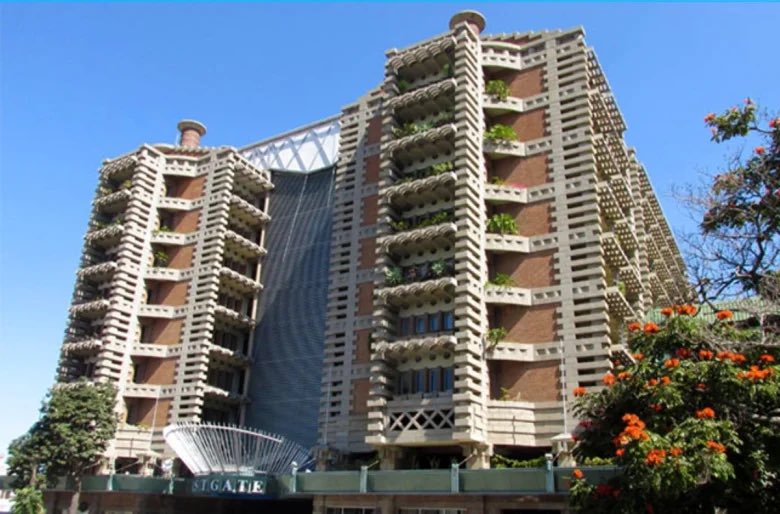
@NewsWireLK If the decision to release him on bail was impractical, it can always be revoked ....
English
"Decisions must be practical," former Minister Johnston Fernando who was released on bail earlier today slammed the government for making impractical decisions.
English

Hamuchabatiki Mai Kore. Makuvhara comment section, hamudi kutaura nePOVO Ka?
Lynette Karenyi-Kore@KarenyiKore
With farming season near, Zimbabweans hope for a bumper harvest. The government has been assisting through its Presidential Input Scheme, yet politicized distribution leads some to sell inputs at low prices. Accountability and audits are key to supporting true farmers. #FarmingDiaries #AccountableFarming.
Indonesia
@numberslka 1600 page report probably disguises a more than 200 million deficit, too.
English

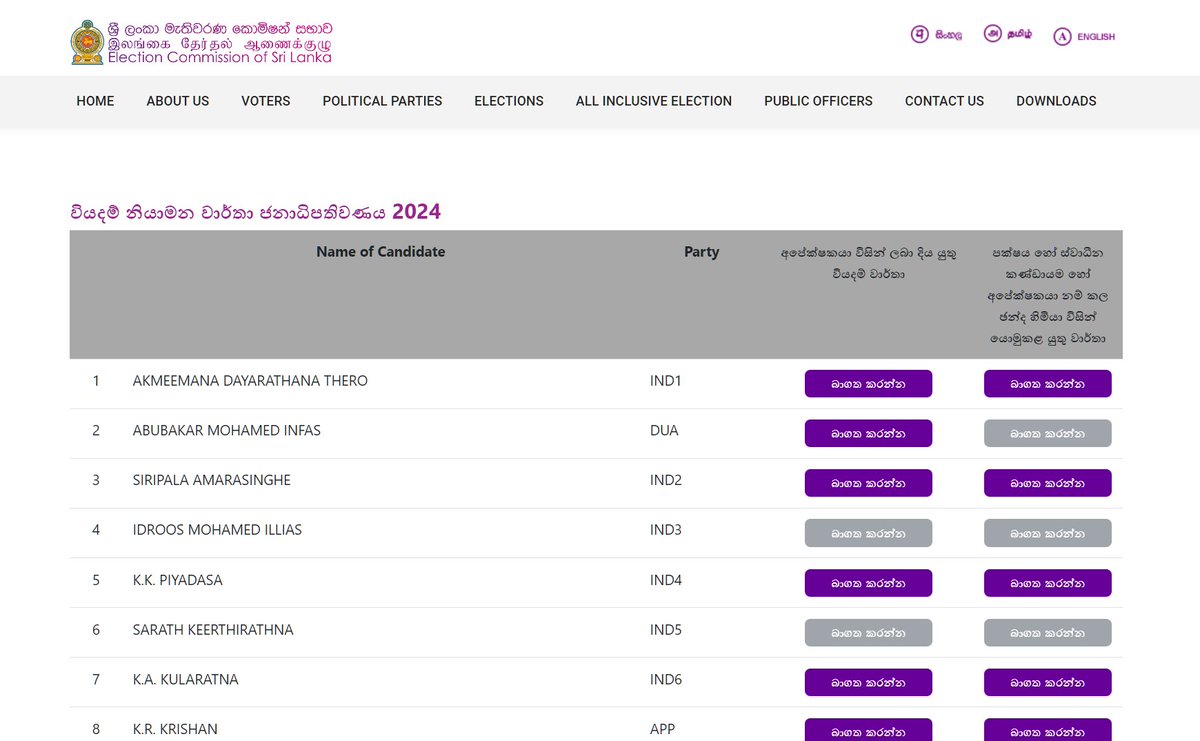
Here are a few key takeaways from the campaign expenditure reports for the 2024 Presidential Election, submitted by various parties and candidates:
1. The SLPP 🌷 is now ~200 million rupees in debt following the campaign of Namal Rajapaksa.
2. Sajith Premadasa's ☎️campaign raised over 1 Billion rupees through "ticket sales among SJB members." However, there are no details provided on the actual source of the funds—only on the party operatives who obtained the tickets.
3. The NPP's 🧭 report is over 1,600 pages long, providing detailed expenses, sources of funds, and contributors' names and amounts, as stipulated by the act.
4. Ranil Wickremesinghe’s report is just two pages, lacking any detailed breakdown of expenses or contributions, contrary to the requirements of the act.
You can take a look at the reports here: 👉 elections.gov.lk/Pages/PRE_2024…
#SriLanka #ElectionSpending
English
@LynneStactia If you don't understand the focus & work that goes into moving like this ....
English

South African 🇿🇦 men 🚮 give me Zimbabwe 🇿🇼 men any day ! They are hardworking men who are focused with serious issues and are very intentional about their time 🔥 x.com/NkayiCenter/st…
English
@thestandardzim I love the intent, but it makes me mad; this is what the govt should be doing, but they're too busy buying new 4x4s & building holiday villas ...
English

🔵A GROUP of Zimbabweans based South Africa have mobilised resources to build a state-of-the-art private boarding and day school in Tsholotsho district, Matabeleland North province.
newsday.co.zw/southerneye/lo…
English
@RobCSAdams @MJairosi Probably to boast about having medical helicopters, regardless of how practical, sadly.
Sri Lanka 🇱🇰 English


Members of the Presidential Guard involved in a nasty accident. Not even one of the helicopters sourced from Russia showed up. Very sad.
English
@nickmangwana This post is so full of puff & praise that you've not actually explained anything. The most honest reflection of ZANU PFs capabilities & practices yet, so I suppose congratulations are in order.
GIF
English
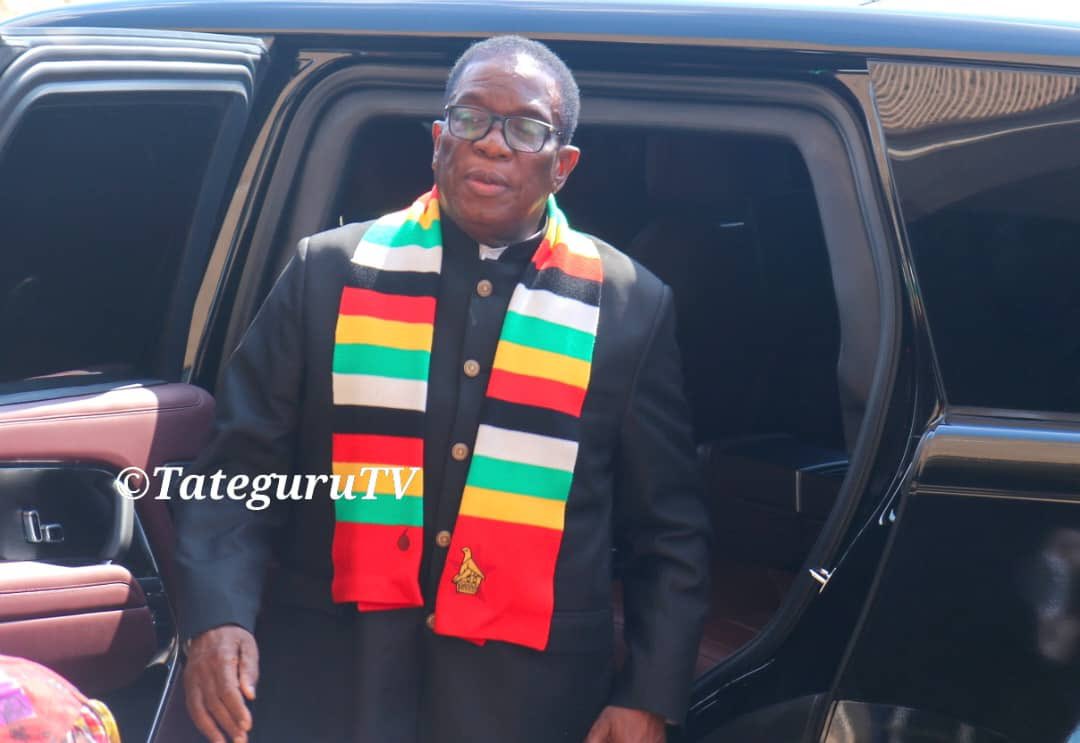
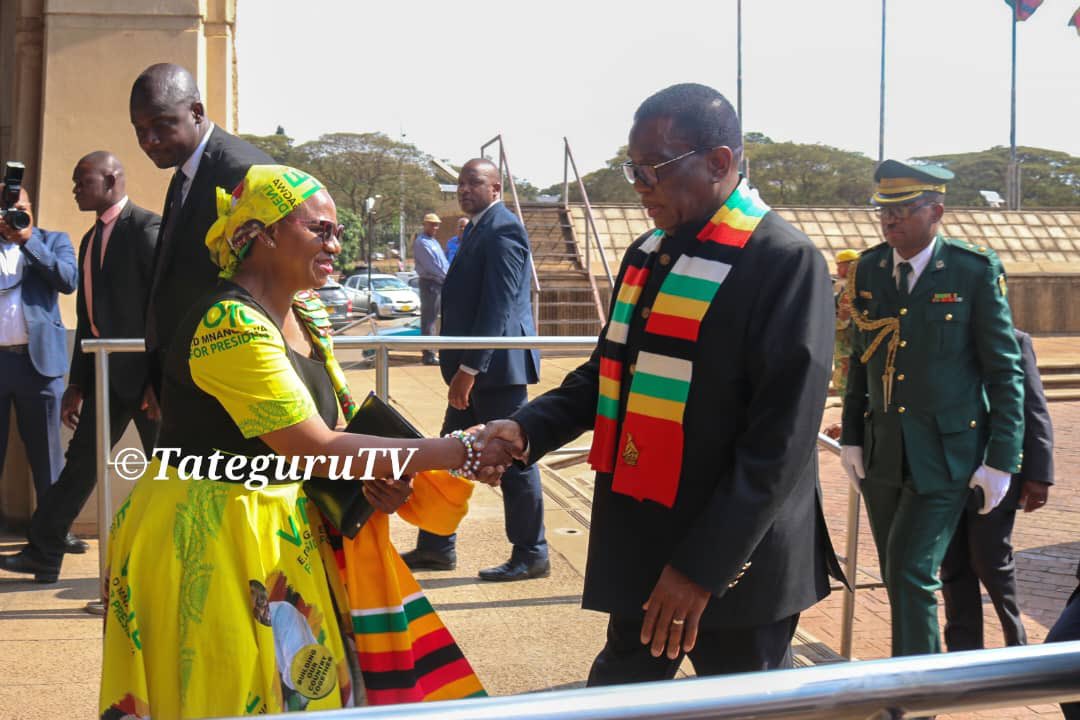
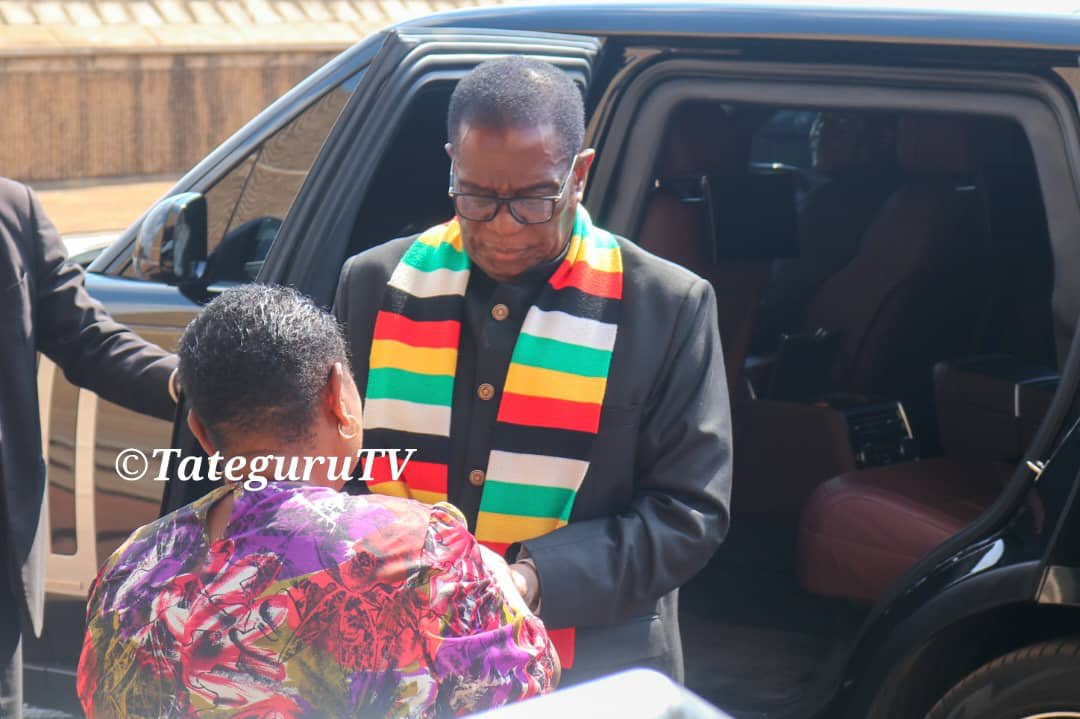
This Afternoon, His Excellency the President and First Secretary of the ruling Party ZANU-PF Cde Emmerson Mnangagwa is chairing an Extra-Ordinary Session of the Politiburo meeting at the party headquarters.
English
@daddyhope Chiwenga & co got what they voted for, so can't complain now.
English
A Short History of how ZANUPF leaders were removed.
Spare a thought for General Constantino Chiwenga and his military colleagues, who carried out a coup to remove Robert Mugabe on the understanding that Emmerson Mnangagwa would serve only one term.
Now Mnangagwa wants a third term.
Interestingly, from its inception, ZANUPF has never had a change of leadership based on retirement.
Its first leader, Ndabaningi Sithole, was removed by the military through the Mgagao Declaration in November 1975.
Its auxiliary leader when Sithole and Mugabe were in jail, Herbert Chitepo, was killed by the military in Zambia in 1975 in an ethnic conflict, although his party shamelessly puts the blame on Ian Smith, despite an international inquiry ordered by the Zambian government proving otherwise.
The leader who followed, Robert Mugabe, was also removed by the military in a coup in 2017.
Now we await to see how Mnangagwa’s presidency will end.
If he succeeds in securing his 2030 wish and fulfills it, he will be the first ZANUPF leader not to be removed or killed by the military.

English
@nickmangwana Slapping a band aid on an amputated limb vibes from this post. You really do understand the struggles of the common people, don't you? (I hope you speak sarcasm ....)
English
Harare
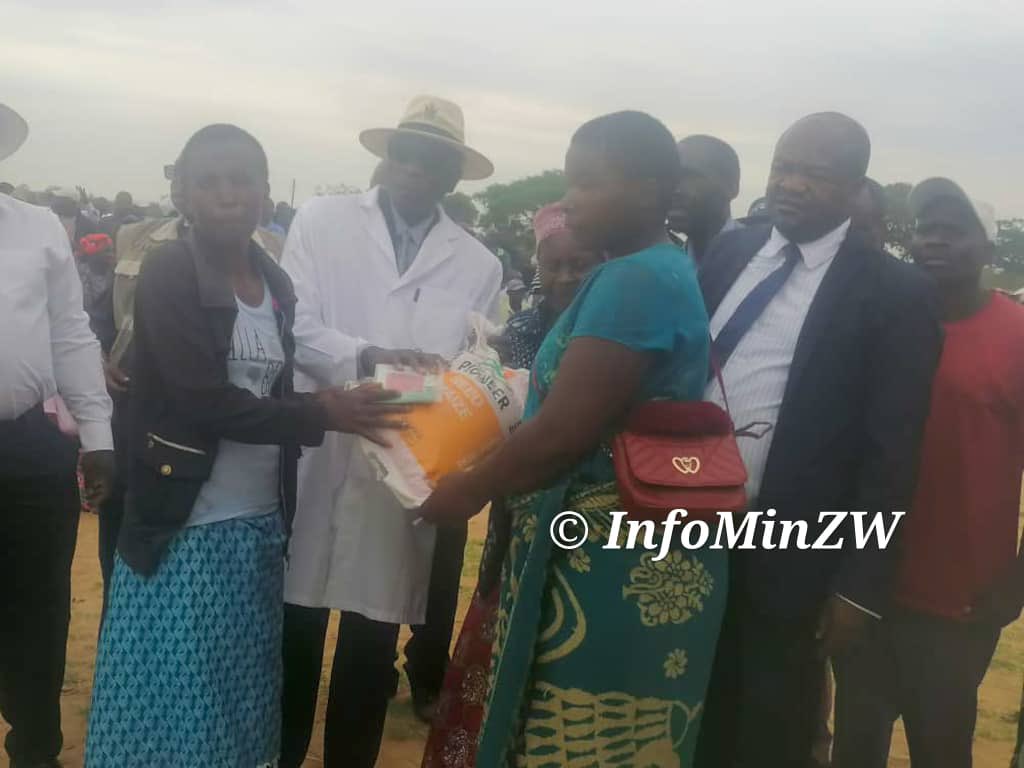
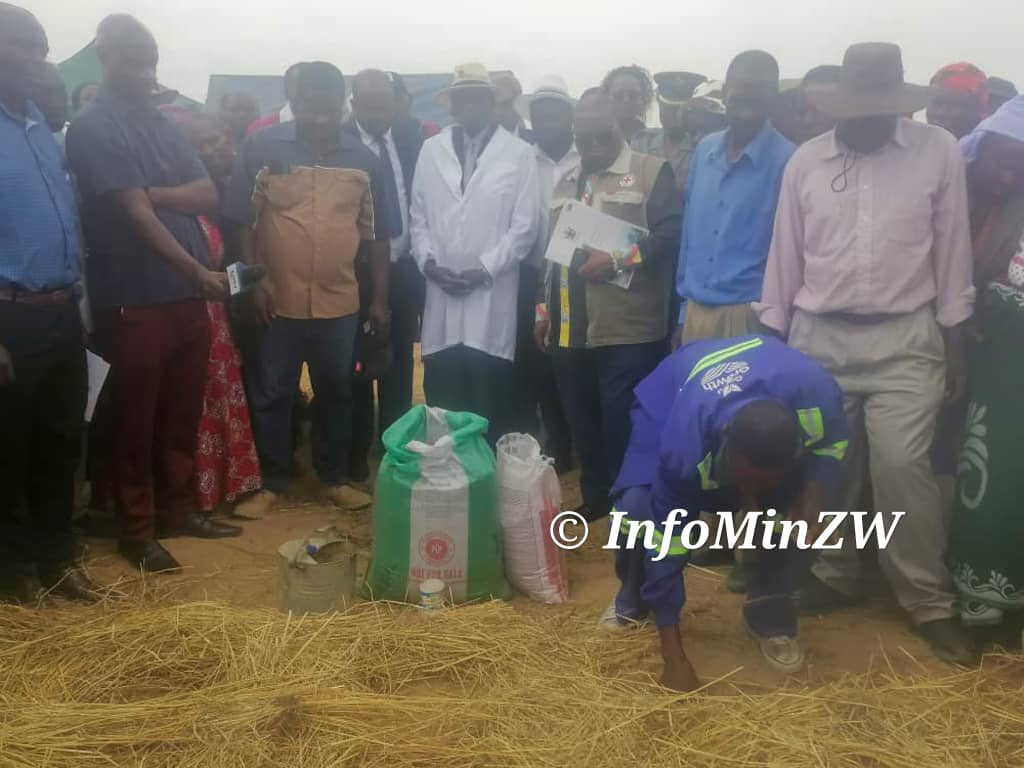
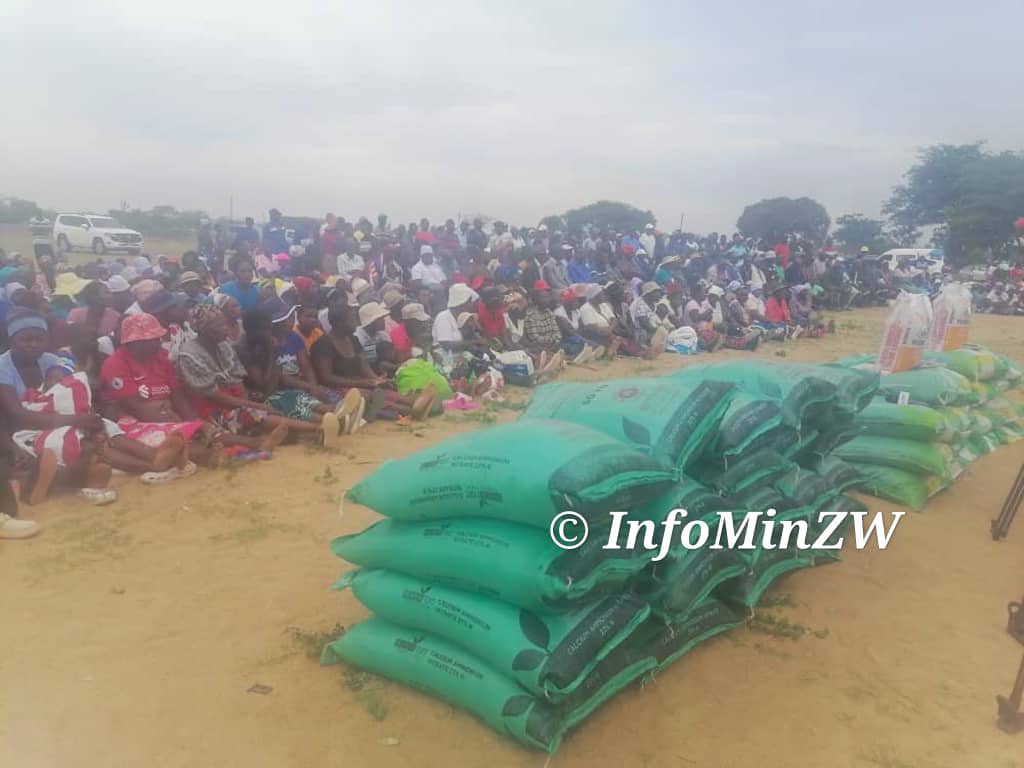
Today, the Minister of State for Provincial Affairs and Devolution for Harare Metropolitan Province Hon.C.Z Tawengwa officially launched the Presidential Agricultural Inputs (Pfumvudza/Intwasa) programme at Domboramwari School, Epworth. This season's programme is running under the theme, "Food Security Every Time, Everywhere."
#FoodSecurity

English
Hey, @ubersl - my driver was literally 200m from my pick up point & cancelled on me. If I have to pay "inconvenience fees" for when I cancel because a driver "can't find me", do I get charge them when I'm late for work because of this? #shittyservice
Sri Lanka 🇱🇰 English
@munza14 And yet, speaking to stakeholders in the south, it hasn't seemed to affect tourism much at all anyway.
English

How dare the embassies upset our blissful bubble by issuing a travel warning is what this statement is saying.
We were all happily oblivious until these 'unnecessary' warnings.
I don't like Israelis, but the consequences of an attack could’ve been far worse.
#LKA #SriLanka
NewsWire 🇱🇰@NewsWireLK
The uncalibrated response from foreign embassies displays callousness towards Sri Lanka and its tourism sector, which plays a critical role in uplifting millions in rural communities still recovering from recent serious economic setbacks D: newswire.lk/tthd
English
@zanupf_patriots And yet our own currency is less useful than toilet paper. You'll do anything to avoid engaging in a sustainable economy ...
English

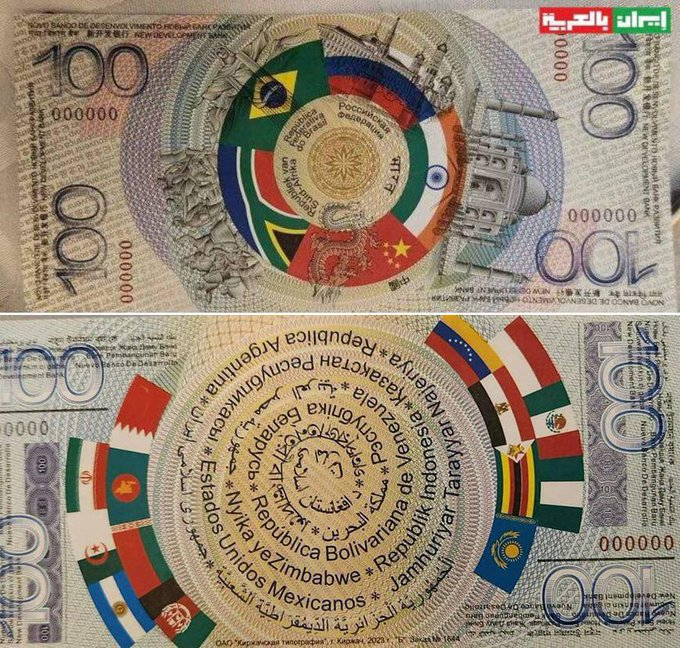
Zimbabwe kata on BRICS currency‼️
Nyika yeZimbabwe
Suomi
AuntyClaireAbroad retweetledi
@nickmangwana There is only corruption looting illigitimacy rigging coup kakistocracy kleptomaniacs in Zimbabwe

English
@munza14 What you say about seals makes sense. If the images were more of a watermark, it would work.
English
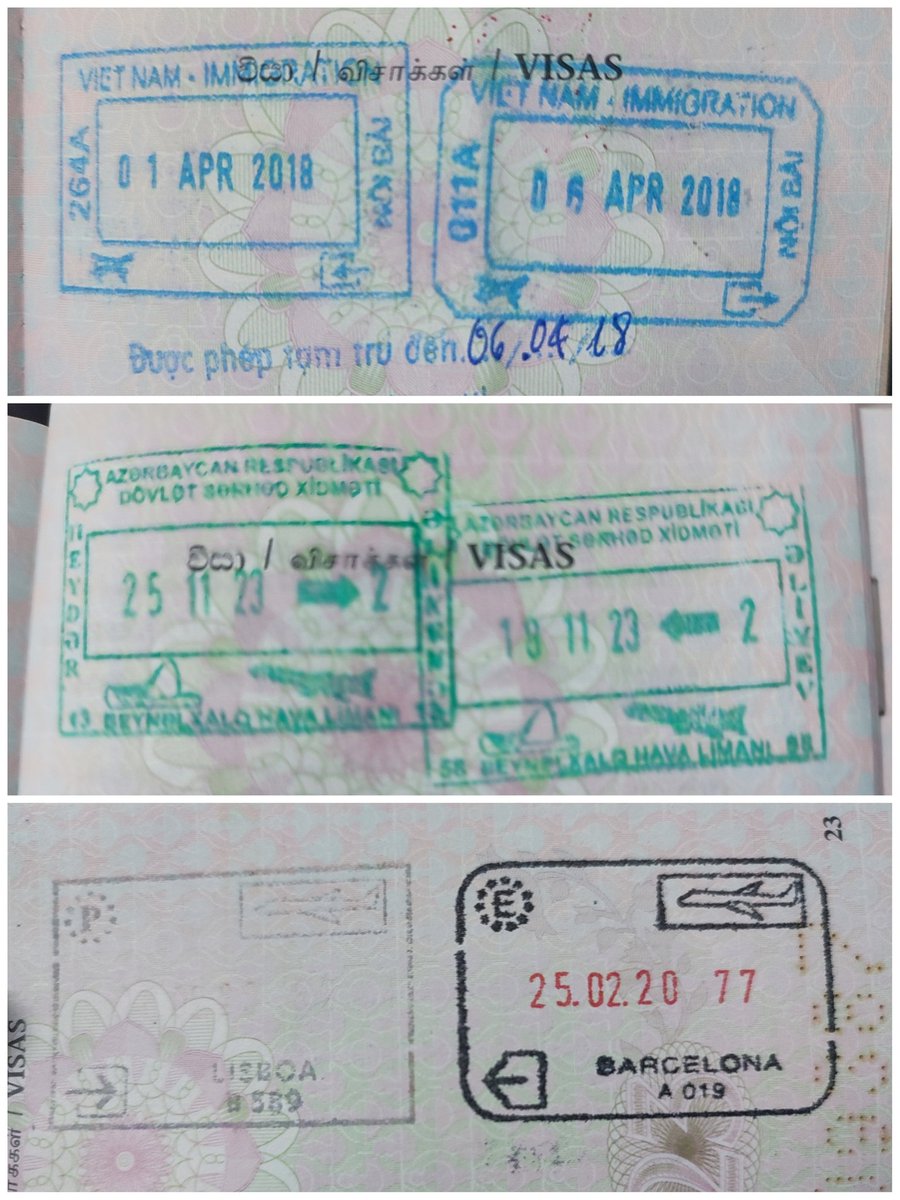
Before I'm called ගොඩේ, recently for a job at an embassy I was asked to provide a list of countries I have travelled to including dates of travel & that was possible only by scrutinising the seals. Sometimes for visas they ask the same. Hence my concern about the seal visibility
English