
Dr. Amy M. Bender

2.8K posts

Dr. Amy M. Bender banner
Dr. Amy M. Bender

Dr. Amy M. Bender

@Sleep4Sport

Sleep leader on a mission to help transform lives with better sleep | Constantly curious & striving to be less wrong | Adj Asst Prof @uofcknes | 🏀HOF

Katılım Mayıs 2016
550 Takip Edilen4.9K Takipçiler
Meagan Crowther
Meagan Crowther@MeaganECrowther·
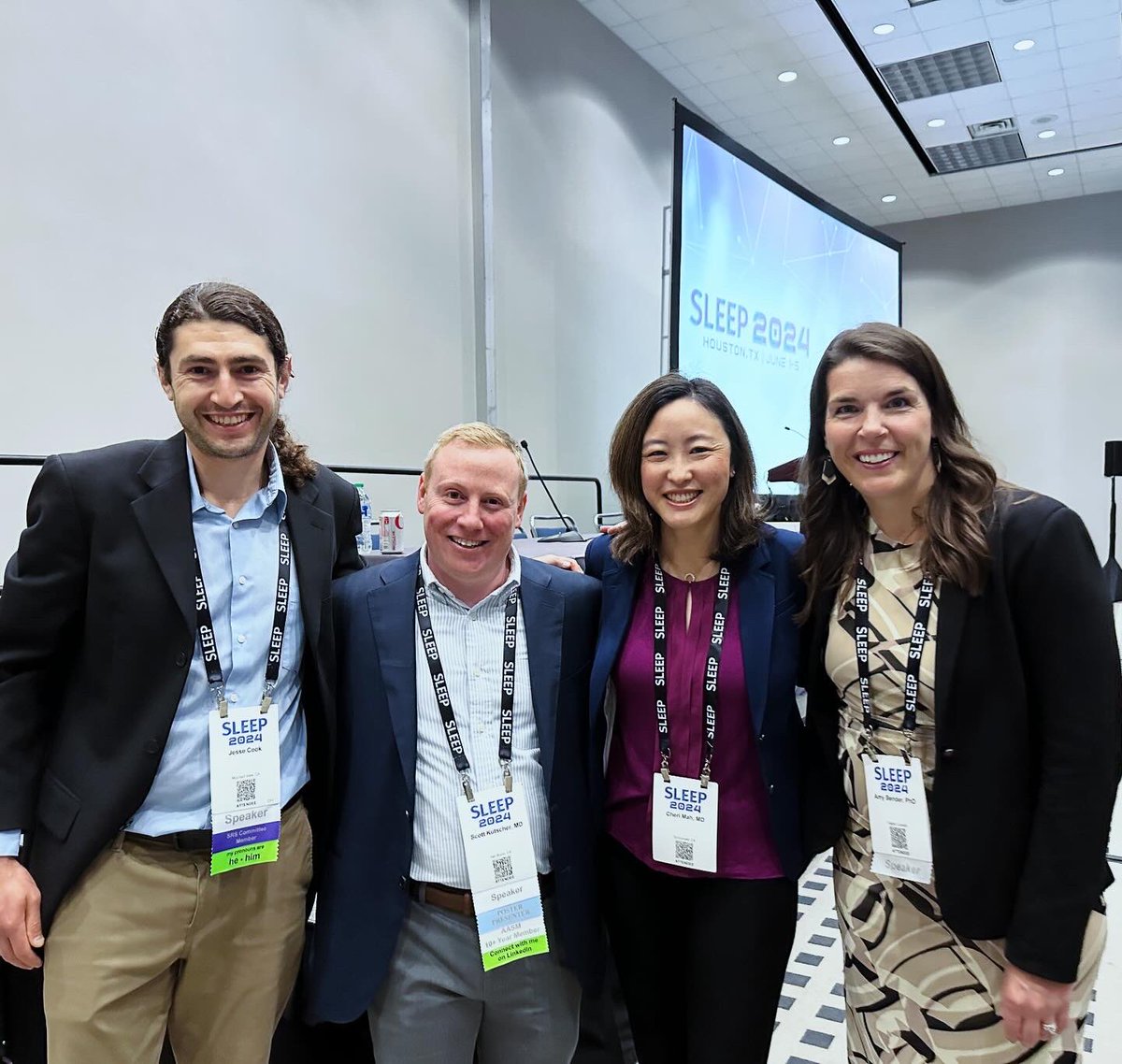
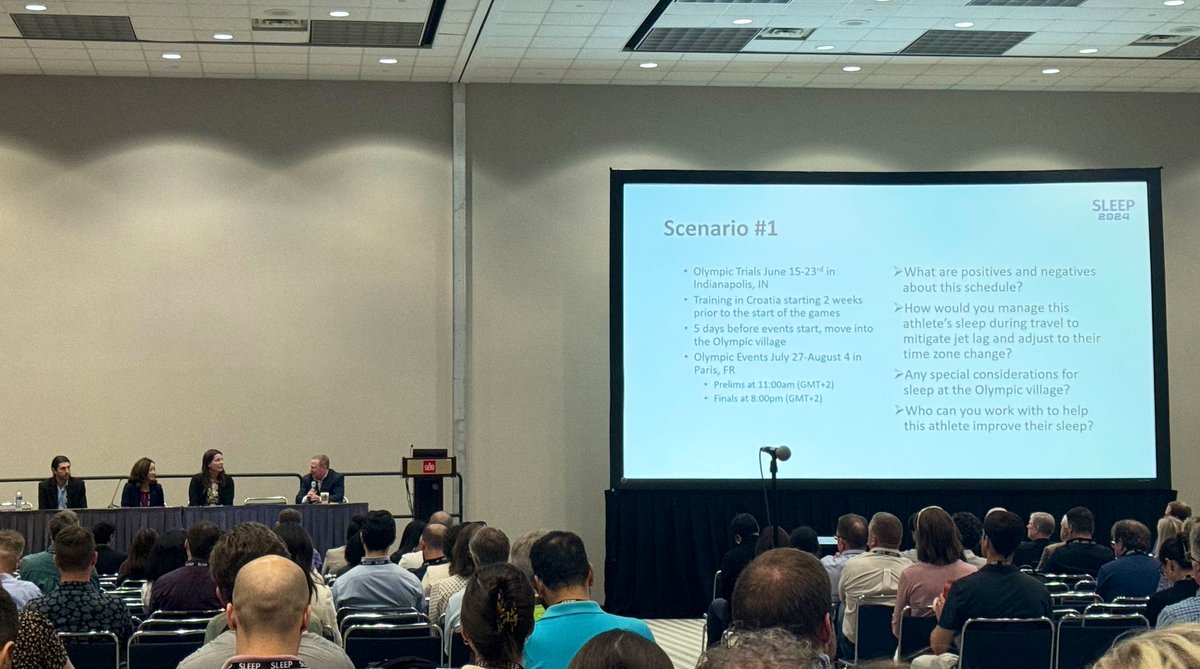
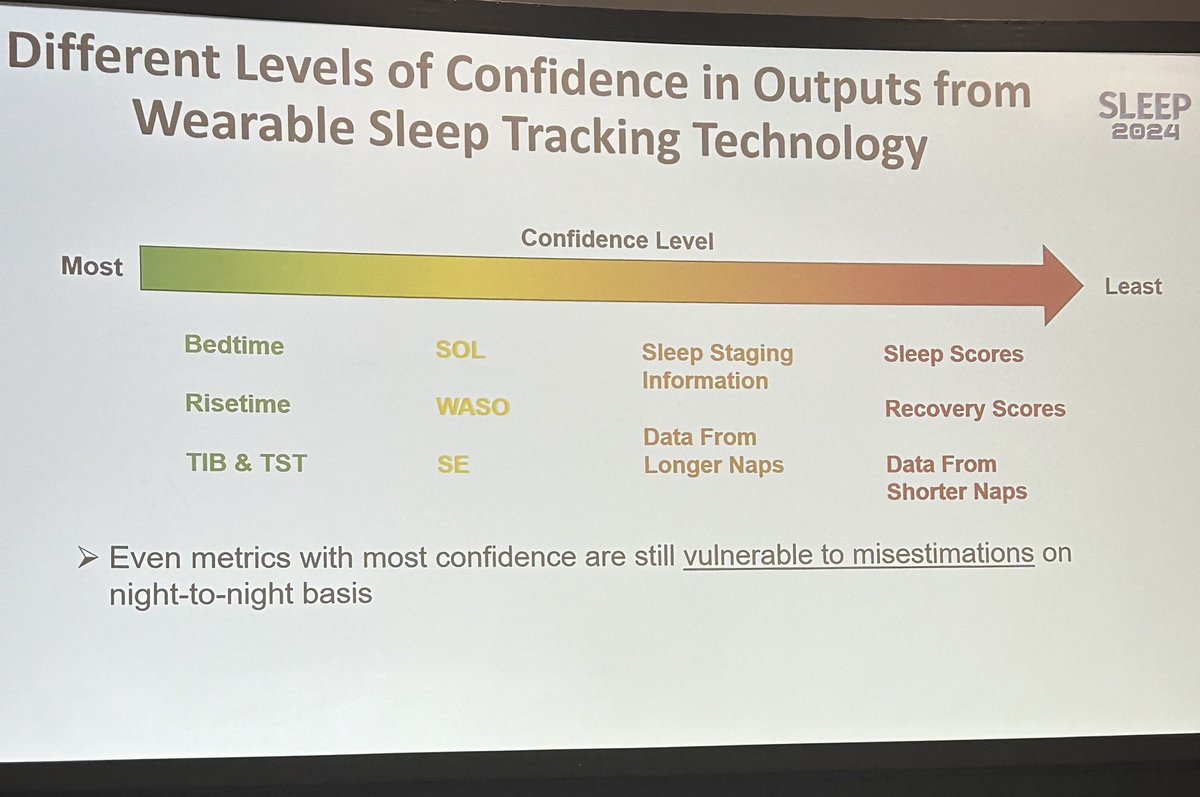
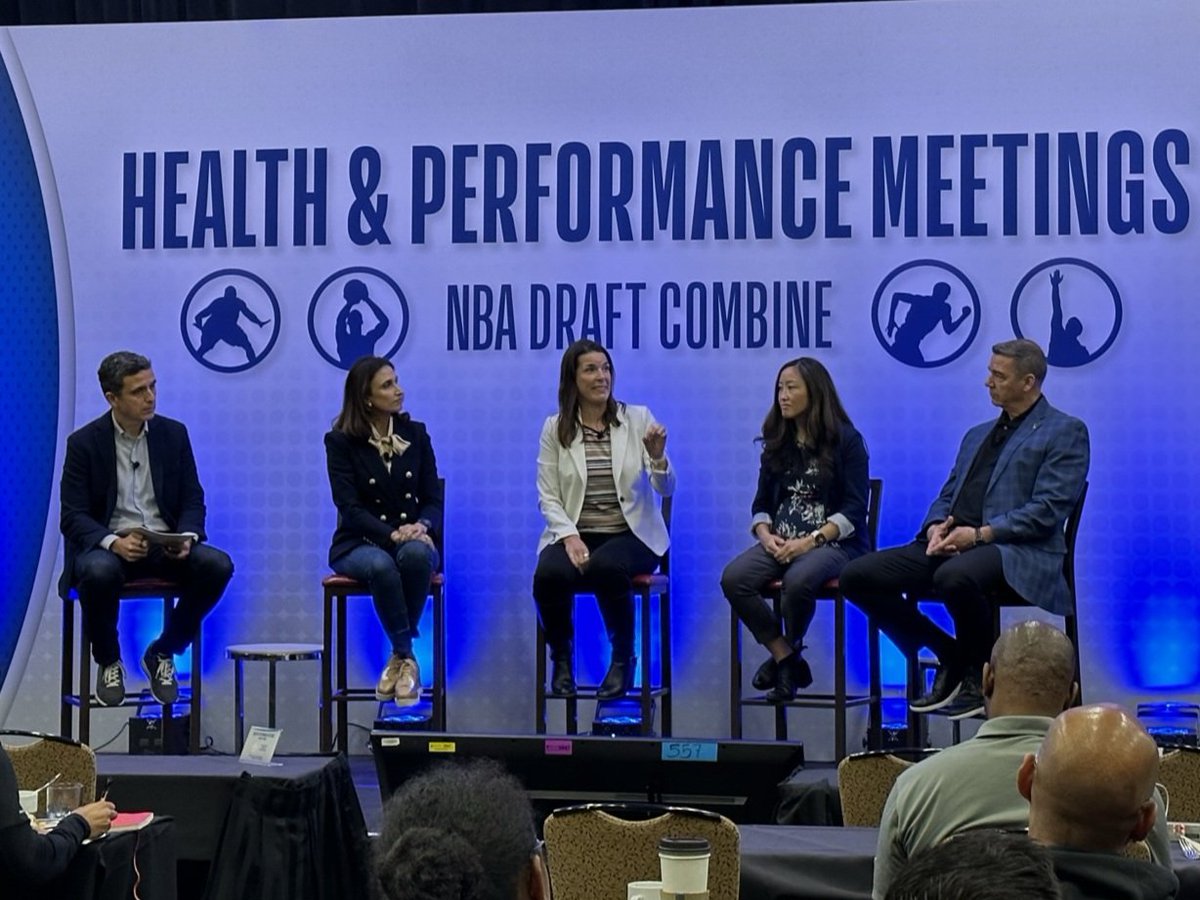
Jumping outside my usual areas for a discussion session “Helping Elite Athletes Optimize Sleep for Peak Performance” with @Sleep4Sport Cheri Mah @SleepAndSports Scott Kutscher
Meagan Crowther tweet media
English
2
0
12
1.3K
Dr. Amy M. Bender retweetledi
Brady Holmer
Brady Holmer@Brady_H·
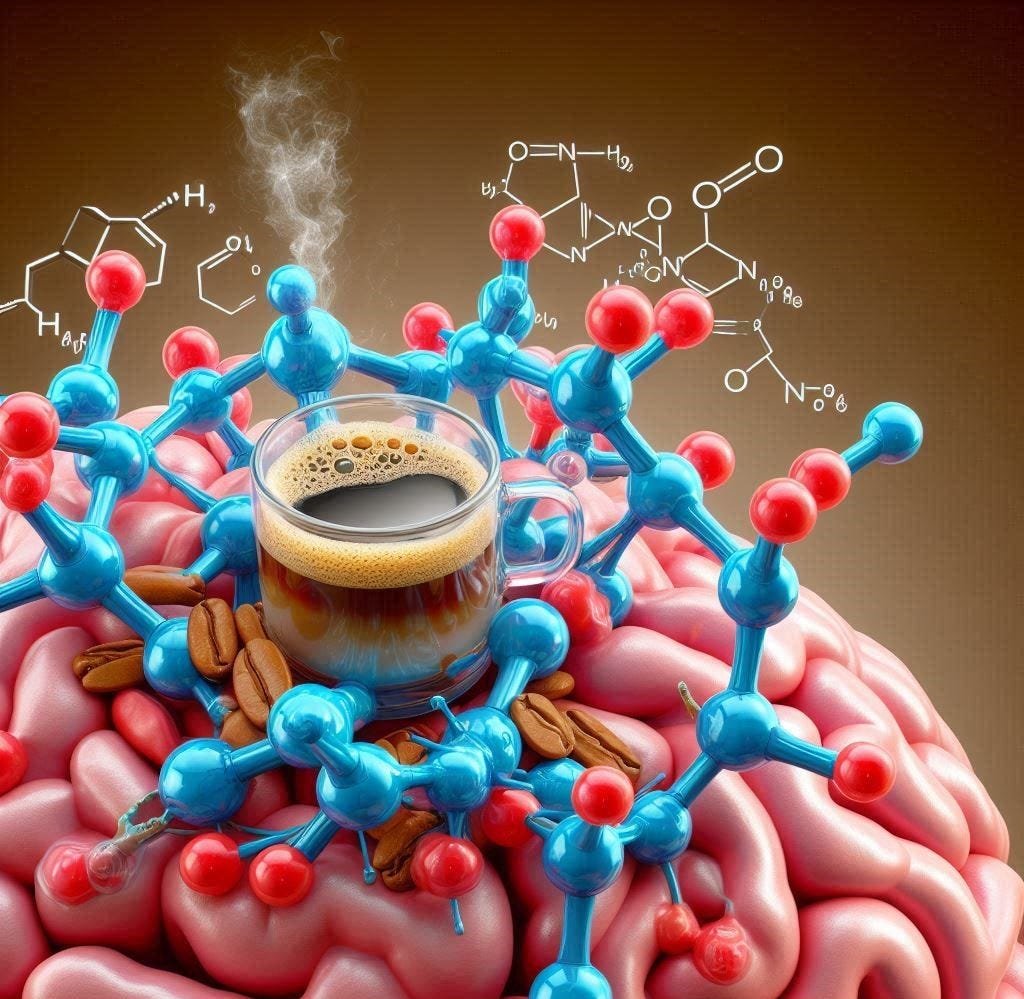
Should you delay your caffeine intake in the morning? Maybe. This “rule” can be traced back to the popular scientist and podcaster Andrew Huberman, who recommends delaying one’s caffeine intake at least 90 minutes in the morning to avoid the mid-afternoon crash or energy slump that many of us experience. The “scientific” rationale for this claim is twofold. Because adenosine levels are naturally declining in the morning, we don’t want an artificial substance (i.e., caffeine) to disrupt this process. Rather, it’s best to ingest caffeine 90–120 minutes after waking up to leverage a more natural alertness boost from caffeine. Furthermore, the artificial increase in cortisol that we get from a hit of caffeine will disrupt our body’s natural circadian release of cortisol, and over time, this could lead to a dysregulated pattern of cortisol release characterized by a prolonged increase in the morning. The delay in morning caffeine may also prevent the afternoon crash that happens when caffeine is eliminated from our system (a problem that can just be mitigated by…dare I say it…drinking more caffeine). While these claims are rooted in circadian and neurobiology, they're somewhat dubious. While caffeine does increase cortisol levels, this effect appears to be diminished in chronic low consumers and abolished in chronic high users of caffeine. There’s also no evidence that morning caffeine intake alters the pattern of cortisol release across the rest of the day. Performing exercise — particularly high-intensity exercise — also leads to a sharp increase in cortisol levels. Nobody is recommending that you should delay your morning exercise by 90–120 minutes, so why does this rationale apply to caffeine? Second, adenosine levels don’t decline when we wake up in the morning — they actually begin to rise rapidly. In light of this pattern, the idea that delaying caffeine intake somehow prevents the natural decline in adenosine is unfounded. (complexitycondensed.com/i/21520552/wha…) In fact, wouldn’t delaying caffeine intake by 90–120 minutes just delay your afternoon crash by the same amount of time? Logic says yes, especially if part of the “crash” is due to some sort of caffeine withdrawal. There may be one rational for delaying caffeine intake, and that’s simply to make it more effective. It is true that adenosine levels will be at their lowest point just upon awakening and thus, we should be somewhat alert at this time of the day. As adenosine levels start to rise in the hours after waking up, ingesting caffeine (to block adenosine binding) would make a bit more sense. So, if you want to delay or avoid caffeine in the morning, there’s no harm in doing so, but there’s not much (if any) evidence that doing so will prevent the afternoon crash. In fact, the afternoon “crash” seems to be a circadian phenomenon whereby our body has a natural dip in energy — independent of caffeine intake. The morning coffee is a sacred ritual for many. Why wait?
Brady Holmer tweet media
English
26
5
89
22.4K
Dr. Amy M. Bender
Dr. Amy M. Bender@Sleep4Sport·
@NanciGuestRDPhD @JimBennieMD 7-9h for sleep in adults, and I believe 9 too much. When it comes to laying in bed awake, it's not a good habit to get into as you start to associate bed with wake. General rule no more than 20 min. But ah, does feel so good, esp on those cold winter mornings!
English
0
0
2
32
Dr. Amy M. Bender retweetledi
FIFA
FIFA@FIFAcom·
Only 6% of sports science research is exclusively focused on women. Find out how FIFA, with the support of world leading specialists, is working to spread information, education and resources on how to support and develop female players around the world. 🌍
English
20
49
155
78K
Dr. Amy M. Bender
Dr. Amy M. Bender@Sleep4Sport·
@hipacrocapig @LokRenske Totally agree, light levels on overcast day could be ~25,000 lux (I measured it one time) which is not what receiving with light box. Another bonus is 🌞 is full spectrum (all colors) vs focused on a specific wave length (blue). But a good option when you can't get outside.
English
0
0
1
82
Dr. Amy M. Bender
Dr. Amy M. Bender@Sleep4Sport·
This led to improvements in sleep quality with less fragmentation, which is common in older adults. Interestingly, morning light exposure didn't matter as much, which is something we tend to recommend. So get outside this afternoon, and you may see improvements in your 😴!
English
0
0
3
436
Dr. Amy M. Bender
Dr. Amy M. Bender@Sleep4Sport·
Well, now afternoon 🌞 apparently matters, but for a different reason! Based on this research (more research needed for sure), there seems to be a benefit of afternoon 🌞 to increase circadian amplitude (the strength) of the circadian signal.
English
1
0
1
1.2K
Louisa Nicola
Louisa Nicola@louisanicola_·
Today I got a visit by the worlds fastest animal! The Peregrine Falcon! In NYC.
English
9
0
46
3.3K