Sabitlenmiş Tweet
Утисци о књизи ,,Политикологија религије'' - Мирољуб Јевтић cogito.home.blog/2018/11/20/%d1… преко @wordpressdotcom
Srpski
Слепи Путник
42.4K posts
@SlepiPutnik
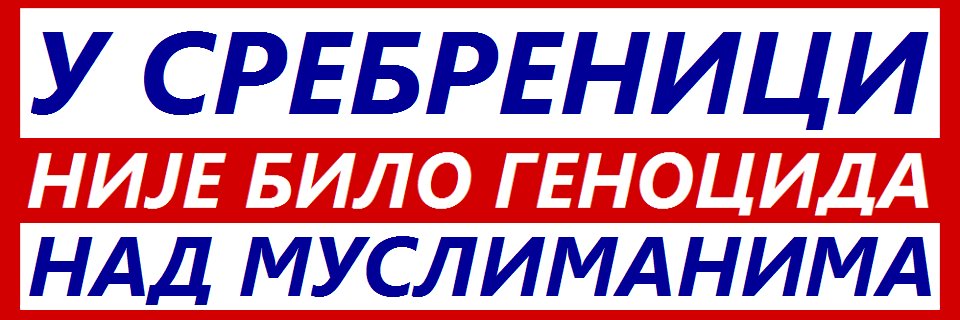
Профил ми је у жалости док диктатор влада Србијом. Црна трака као симбол медијског мрака. У Сребреници није било геноцида.







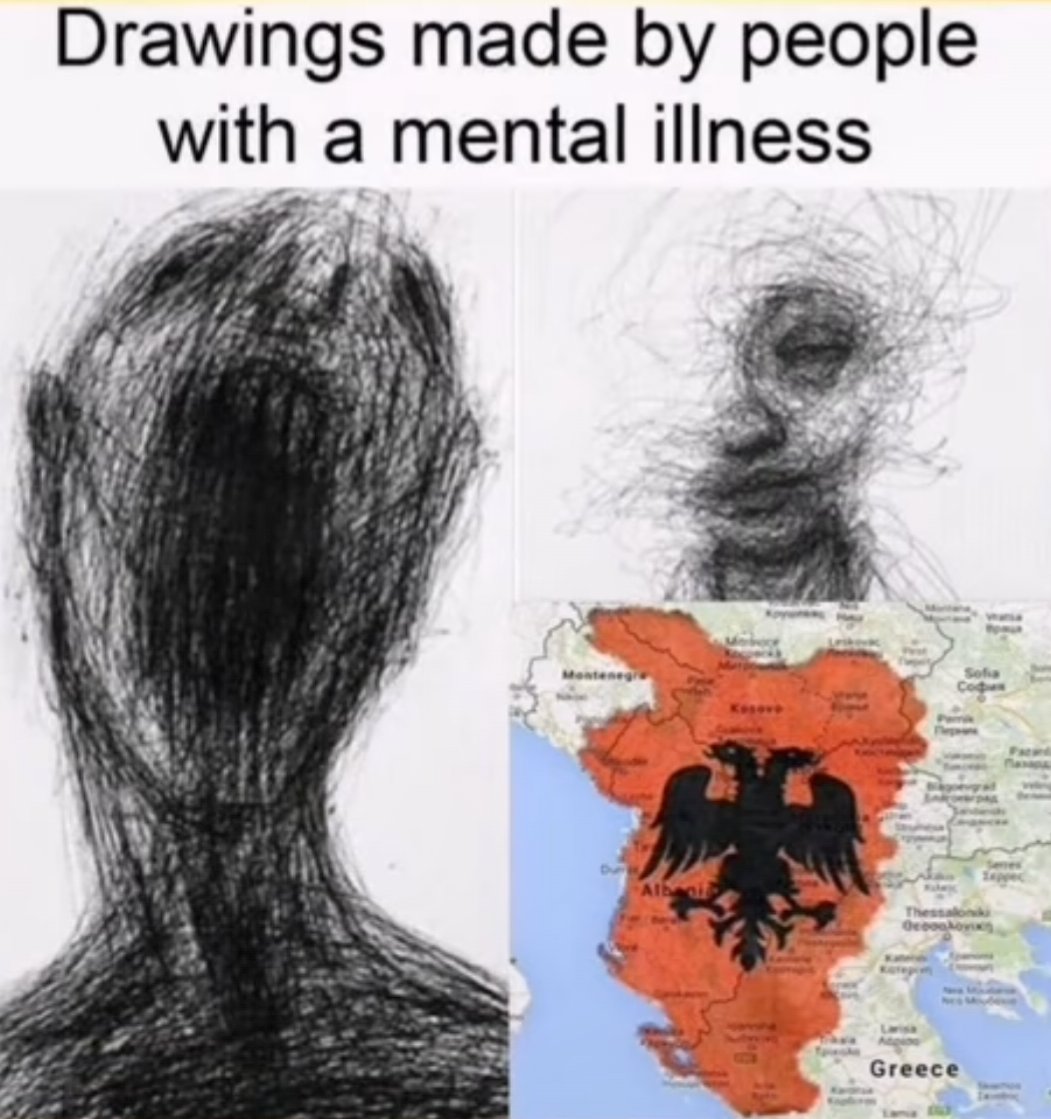
Why did Western scholars invent the term « Greater Albania »? The answer is simple: to reframe a historical reality as a supposed political excess. « Greater Albania » is not a neutral description, it is a loaded label, designed to distort. It suggests expansion, ambition, even threat. In truth, it masks the opposite: fragmentation, dispossession, and the systematic dismemberment of lands long inhabited by Albanians. What is dismissed as « Greater Albania » is nothing more than historical Albania, territory reduced, renamed, and reinterpreted until its continuity becomes unrecognizable. Strip away the rhetoric, and what remains is obvious: this so-called « greater » space is simply what once existed. That historical Albania corresponds to the four Ottoman vilayets: – Kosovo – Scutari – Manastir – Janina These were not abstract administrative units, but regions with a clear Albanian presence. Their division was not organic, it was imposed. Beginning in 1878, with the Treaty of San Stefano and the Congress of Berlin, Albanian-inhabited territories were carved up and redistributed to Serbia, Bulgaria, and Montenegro. What followed was not « border adjustment, » but erasure. This erasure was not merely territorial, it was human. The events of 1877–1878 were marked by the forced expulsion of tens of thousands of Albanians from their ancestral lands. Entire populations were uprooted, displaced, and deliberately removed to consolidate new borders. And this logic did not stop there, it evolved, persisted, and was theorized. In 1937, Vaso Čubrilović formalized it in his memorandum The Expulsion of the Albanians, openly advocating demographic engineering as state policy. What had already been executed on the ground was now codified on paper. The pattern repeated itself with striking clarity after World War II. Between 1944 and 1945, the expulsion of Cham Albanians from northwestern Greece was not an isolated case, but part of a broader continuum of population removal. Thousands were forcibly driven from Epirus by forces associated with the National Republican Greek League. This was not merely displacement, it has been explicitly described in modern historiography as ethnic cleansing. Scholarly works such as Balkan Genocides: Holocaust and Ethnic Cleansing in the Twentieth Century do not obscure the terminology: they place these events within the wider framework of genocidal violence and ethnic cleansing in the Balkans. The vocabulary is not accidental, it reflects the scale, the intent, and the outcome. From 1878 to the aftermath of World War II, the continuity is undeniable: the same lands, the same populations, the same methods, expulsion, erasure, replacement. Not expansion, but contraction. Not ambition, but survival. And the deeper one looks, the more the narrative unravels. These same regions overlap with the ancient homelands of the Macedonians, Paeonians, Dardanians, Epirotes, and southern Illyrian populations, peoples routinely dismissed as « barbarian » in classical sources simply because they were not Greek. Rebranded, fragmented, and reassigned, these populations are now detached from their historical continuity. Yet they form the very substrate of what is today called the Albanian people. « Greater Albania, » then, is not an expansionist fantasy. It is a convenient misnomer, one that turns historical presence into alleged ambition, and loss into accusation. #history #albania #nomorelies