Sabitlenmiş Tweet

This is it.
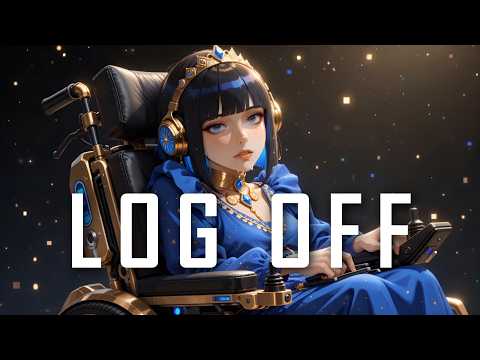
Time to say goodbye to this Queen ✨
The last CleopatrAI music video.
youtube.com/watch?v=Jlrar5…
YouTube
English
Julie Lacroix 🇫🇷
5.9K posts
@SolarisFR
Plus si jeune, mais toujours aussi Julie ⭐ Creator of the #CleopatrAI universe #AI #Slop #Music #PNGTuber


pq diabos o japão joga de azul se a bandeira é branca e vermelha


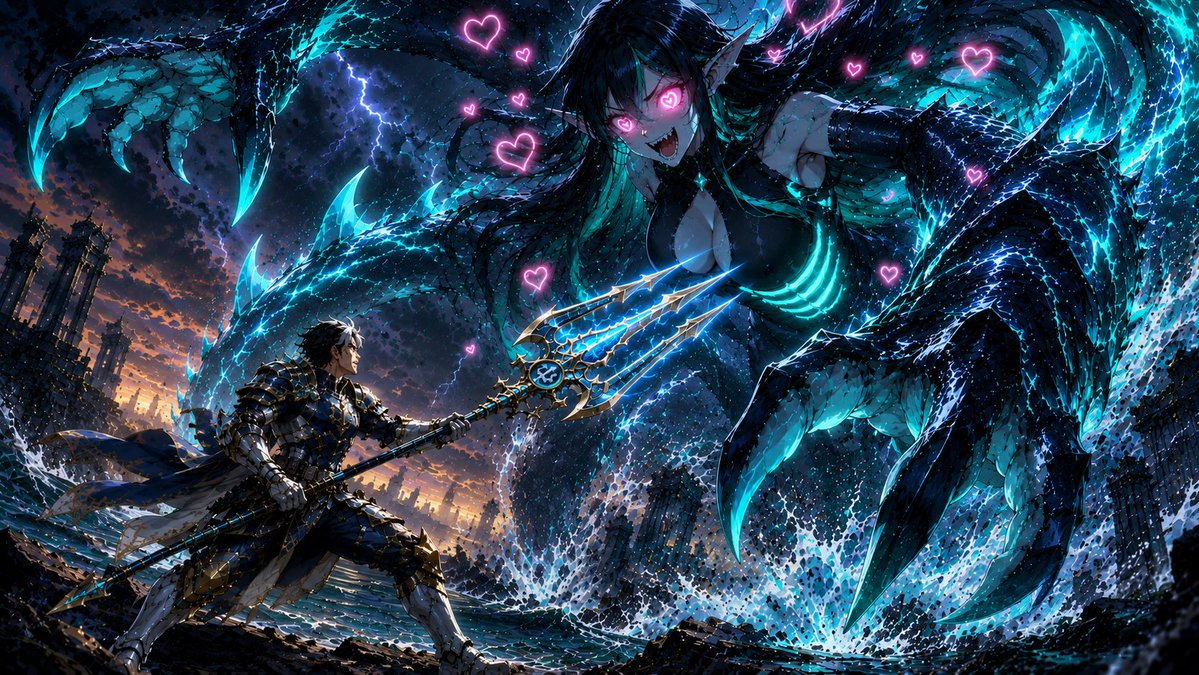
Here's the thing... I don't like Pokemon 😅 So I tweaked E-Va's prompt a little bit... Hope you don't mind. Tested on Chat GPT only. ⚠️Don't forget to choose a monster/weapon or leave blank if you don't know Monster Hunter⚠️ Add a line for the aspect ratio if you want a specific one. PROMPT ⬇️ -------------------------------------------------- @Image1 = main character / OC / model reference {MONSTER_NAME} = {WEAPON_TYPE} = Use @Image1 as the full reference for the character’s identity, face, hair, body type, proportions, styling, outfit, accessories, personality vibe, and overall color palette. Create a polished, high-impact anime-style illustration of the character from @Image1 reimagined as a Monster Hunter hunter version of themselves, facing off against a massive Monster Hunter monster in a dramatic, cinematic action scene. The final image should feel like an epic Monster Hunter key visual or action illustration: intense, dynamic, heroic, and visually powerful, with a strong sense of scale, danger, and motion. STARTING CHOICE FOR THE USER Before generating, the user may either: 1. Name and choose a specific Monster Hunter monster using {MONSTER_NAME} 2. Leave {MONSTER_NAME} blank and let the AI choose one monster that best fits the character in @Image1 The user may also either: 1. Choose a specific Monster Hunter weapon type using {WEAPON_TYPE} 2. Leave {WEAPON_TYPE} blank and let the AI randomly choose one weapon type from the full Monster Hunter weapon list AVAILABLE WEAPON TYPES If {WEAPON_TYPE} is left blank, randomly choose one of the following Monster Hunter weapon types: - Great Sword - Long Sword - Sword and Shield - Dual Blades - Hammer - Hunting Horn - Lance - Gunlance - Switch Axe - Charge Blade - Insect Glaive - Light Bowgun - Heavy Bowgun - Bow The chosen weapon should be clearly visible and incorporated naturally into the hunter’s design, stance, and action. CHARACTER IDENTITY LOCK Carefully analyze @Image1 and preserve the character’s identity: - face shape - eye shape and eye color - hair color - hairstyle silhouette - body type and proportions - outfit style and aesthetic - accessories - personality vibe - recognizable design details - overall color palette The final result must clearly look like the same character from @Image1, not a generic replacement. HUNTER VERSION TRANSFORMATION Transform the character into a Monster Hunter-style hunter while preserving their identity. Their hunter outfit should feel like a natural Monster Hunter armor adaptation of their original design, not a full replacement. Base the armor design on: - the character’s original outfit style - their color palette - their personality vibe - their accessories and motifs - the chosen or selected monster - the randomly selected or user-selected weapon type The armor may include: - leather, cloth, scale, shell, fur, bone, horn, feather, or metal elements - hunter belts, pouches, field tools, potions, straps, charms, and utility gear - monster-inspired armor motifs and material accents - a silhouette that fits the chosen weapon type - layered hunter gear that looks practical, stylish, and battle-ready Do not erase the character’s original identity. The hunter design should feel like “this exact character became a Monster Hunter hunter.” MONSTER SELECTION RULE If {MONSTER_NAME} is provided, use that exact Monster Hunter monster. If {MONSTER_NAME} is left blank, choose one Monster Hunter monster that feels like the best natural match for the character in @Image1. Do not choose randomly with no reasoning. Base the monster choice on: - overall vibe / apparent personality - outfit style and fashion language - color palette - body language and pose - facial expression - accessories, motifs, and aesthetic cues - whether the character feels elegant, fierce, playful, chaotic, regal, calm, heroic, mysterious, wild, predatory, majestic, or intimidating Choose a monster that matches both the character’s visual design and emotional vibe, not just an obvious color match. MONSTER LOCK Include the chosen Monster Hunter monster as the main opposing force of the scene. The monster must be clearly recognizable, visually dominant, expressive, and dramatically integrated into the composition. IMPORTANT SCALE RULE: The monster must feel huge and awesome, like in Monster Hunter games. Do not make the monster feel small, pet-sized, or merely human-sized unless that is truly accurate to the chosen species. Emphasize the monster’s scale, power, and threat level. Its head, jaws, claws, wings, horns, or charging body should feel massive in relation to the hunter. The monster should feel like a true large monster encounter, not a cute sidekick scene. WEAPON INTEGRATION RULE The hunter must carry or actively use the selected weapon type. If {WEAPON_TYPE} is provided, use that exact weapon. If {WEAPON_TYPE} is blank, randomly choose one weapon from the Monster Hunter weapon list. The weapon should match the character and action naturally: - Great Sword: huge heroic blade, grounded powerful stance - Long Sword: elegant dynamic slashing posture - Sword and Shield: agile defensive readiness - Dual Blades: fast acrobatic aggressive energy - Hammer: heavy impact pose, forceful momentum - Hunting Horn: bold musical warrior energy - Lance: braced defensive charge-intercept posture - Gunlance: explosive armored confrontation - Switch Axe: stylish transforming intensity - Charge Blade: tactical and powerful combat readiness - Insect Glaive: aerial agility and dynamic motion - Light Bowgun: mobile ranged positioning - Heavy Bowgun: heavy firepower and recoil-ready stance - Bow: graceful tension and precision The weapon must be readable in the composition, but the hunter’s face and identity should still remain clear. SCENE DIRECTION RULE If the user does not specify a scene, use this as the default scene direction: Create an epic face-off scene between the hunter and the monster. The hunter is in the foreground, positioned low in one bottom corner of the image. The monster is in the opposite upper area of the image, lunging or rushing toward the hunter. The monster’s head should dominate that upper corner, roaring or screaming with open jaws, creating a threatening and dramatic sense of scale. The hunter and monster must be facing each other directly. The hunter must be turned toward the monster, visually engaged with it, and clearly ready to fight back. Do not pose the hunter passively, from behind without intent, or looking away. The hunter should look braced for combat, prepared to counter, block, strike, shoot, intercept, or retaliate. Use dynamic perspective and a bit of foreshortening so the image feels like a cinematic action shot captured at the peak moment before impact. The scene should feel like: - a hunt beginning - a sudden ambush - a dramatic clash - a heroic last-second standoff - a boss encounter splash illustration COMPOSITION Create a single fully illustrated cinematic action scene. Required composition features: - hunter in one bottom corner foreground - monster in the opposite upper corner - direct confrontation between both - the hunter visibly facing toward the monster - the hunter in a combat-ready stance, ready to fight back - strong diagonal flow across the image - visible foreshortening and perspective exaggeration - dynamic camera angle - clear scale contrast between hunter and monster - monster head, jaws, or charging upper body appearing huge and threatening - hunter small by comparison but heroic, readable, and striking - strong silhouette clarity - readable action, not visual clutter The hunter may be: - bracing for impact - drawing or raising their weapon - aiming upward at the monster - crouching or stepping into stance - preparing to counterattack - planting their feet and squaring up toward the monster - mid-motion in a dynamic battle-ready pose Whatever the pose, make it clear that the hunter is actively confronting the monster and is ready to respond to its attack. The monster may be: - roaring - charging - lunging - pouncing - swooping in - crashing through the environment - slamming forward with intense aggression Make the motion feel immediate and dangerous. ENVIRONMENT RULE The background should support the chosen monster’s habitat and make the confrontation feel epic and believable. Possible environments include: - ancient jungle - rocky canyon - volcanic wasteland - ruined temple - stormy cliffside - frozen tundra - swamp - forest clearing - desert battlefield - mountain pass The environment should react to the action where appropriate: - broken branches - debris flying - dust clouds - claw marks - torn earth - scattering leaves - sparks - embers - splashing water - shattered stone - wind trails This helps sell the scale and speed of the encounter. MONSTER / HABITAT / VIBE GUIDE Use the chosen monster’s ecology and combat feel to shape the scene. Examples: - Rathalos: airborne dive or cliffside assault - Zinogre: lightning-charged rush through a stormy forest - Nargacuga: predatory pounce from the shadows - Tigrex: explosive roaring charge through broken terrain - Barioth: icy leap in a snowstorm - Diablos: desert charge through sand and rock - Mizutsune: elegant but dangerous sweeping movement near water - Gore Magala: dark, chaotic attack in ominous ruins - Magnamalo: explosive hellfire assault - Astalos: crackling aggressive aerial strike - Glavenus: blade-tail duel energy in a volcanic zone - Anjanath: primal rushing attack through jungle undergrowth - Great Jagras: large, powerful reptilian rush with exaggerated maw and mass STYLE Polished anime illustration, clean linework, vibrant but controlled color, detailed rendering, dramatic cinematic lighting, strong action composition, epic fantasy-adventure energy, high-quality character art, Monster Hunter-inspired armor design, and a clear sense of scale and spectacle. MOOD Epic, heroic, dangerous, dynamic, cinematic. The image should feel like a dramatic Monster Hunter confrontation at the exact moment the hunter and monster are about to clash. OPTIONAL DETAIL You may include subtle environmental story details such as: - hunter tracks - broken camp remains - scattered tools - monster scratches on trees or rocks - torn banners - footprints - dust and debris trails - glowing elemental traces These should support the action, not distract from the main confrontation. NEGATIVE / AVOID Do not fuse the character with the monster. Do not transform the character into the monster. Do not make the hunter generic. Do not lose the identity of @Image1. Do not make the monster too small. Do not make the monster look like a tame pet unless explicitly requested. Do not turn the scene into a peaceful companion portrait. Do not make the hunter face away from the monster in a passive or disengaged way. Do not make the composition flat or static. Do not place both characters side-by-side in a calm pose. Do not hide the weapon. Do not use a generic unrelated background. Do not clutter the image. Do not make the scene overly gory. Keep the result SFW, readable, intense, and visually powerful. CRITICAL COMPOSITION LOCK This image must be composed like an epic Monster Hunter boss encounter key visual, not a companion portrait. The hunter and monster are not standing peacefully together. They are in a dramatic combat standoff at the instant before impact. The hunter is in the bottom-left or bottom-right foreground corner. The monster is in the opposite upper corner. The two figures create a strong diagonal confrontation across the image. The hunter must face toward the monster, body turned into the threat, weapon raised or aimed, clearly ready to fight back. The hunter is smaller than the monster but heroic, readable, and visually important. The monster must be enormous. The monster’s head, jaws, horns, claws, or rushing upper body must dominate the upper opposite corner of the frame. The monster is roaring, screaming, lunging, charging, pouncing, or crashing toward the hunter. The monster must feel like a true large Monster Hunter boss, not a pet, mascot, or rideable companion. Use cinematic foreshortening: - the monster’s head or claws appear closer to the camera and exaggerated in size - the hunter’s weapon may point toward the monster or toward the camera - the ground, trees, dust, leaves, debris, or motion lines should reinforce depth - the image should feel like a dynamic action shot frozen at the peak moment before the clash Do not place the hunter and monster side by side. Do not make them calmly posing together. Do not make the monster small. Do not make the hunter look away. Do not make the hunter passive. MAKE SURE THE HUNTER'S BODY IS FACING THE MONSTER. MAKE SURE THE HUNTER ISN'T FACING THE VIEWER.


Here's the thing... I don't like Pokemon 😅 So I tweaked E-Va's prompt a little bit... Hope you don't mind. Tested on Chat GPT only. ⚠️Don't forget to choose a monster/weapon or leave blank if you don't know Monster Hunter⚠️ Add a line for the aspect ratio if you want a specific one. PROMPT ⬇️ -------------------------------------------------- @Image1 = main character / OC / model reference {MONSTER_NAME} = {WEAPON_TYPE} = Use @Image1 as the full reference for the character’s identity, face, hair, body type, proportions, styling, outfit, accessories, personality vibe, and overall color palette. Create a polished, high-impact anime-style illustration of the character from @Image1 reimagined as a Monster Hunter hunter version of themselves, facing off against a massive Monster Hunter monster in a dramatic, cinematic action scene. The final image should feel like an epic Monster Hunter key visual or action illustration: intense, dynamic, heroic, and visually powerful, with a strong sense of scale, danger, and motion. STARTING CHOICE FOR THE USER Before generating, the user may either: 1. Name and choose a specific Monster Hunter monster using {MONSTER_NAME} 2. Leave {MONSTER_NAME} blank and let the AI choose one monster that best fits the character in @Image1 The user may also either: 1. Choose a specific Monster Hunter weapon type using {WEAPON_TYPE} 2. Leave {WEAPON_TYPE} blank and let the AI randomly choose one weapon type from the full Monster Hunter weapon list AVAILABLE WEAPON TYPES If {WEAPON_TYPE} is left blank, randomly choose one of the following Monster Hunter weapon types: - Great Sword - Long Sword - Sword and Shield - Dual Blades - Hammer - Hunting Horn - Lance - Gunlance - Switch Axe - Charge Blade - Insect Glaive - Light Bowgun - Heavy Bowgun - Bow The chosen weapon should be clearly visible and incorporated naturally into the hunter’s design, stance, and action. CHARACTER IDENTITY LOCK Carefully analyze @Image1 and preserve the character’s identity: - face shape - eye shape and eye color - hair color - hairstyle silhouette - body type and proportions - outfit style and aesthetic - accessories - personality vibe - recognizable design details - overall color palette The final result must clearly look like the same character from @Image1, not a generic replacement. HUNTER VERSION TRANSFORMATION Transform the character into a Monster Hunter-style hunter while preserving their identity. Their hunter outfit should feel like a natural Monster Hunter armor adaptation of their original design, not a full replacement. Base the armor design on: - the character’s original outfit style - their color palette - their personality vibe - their accessories and motifs - the chosen or selected monster - the randomly selected or user-selected weapon type The armor may include: - leather, cloth, scale, shell, fur, bone, horn, feather, or metal elements - hunter belts, pouches, field tools, potions, straps, charms, and utility gear - monster-inspired armor motifs and material accents - a silhouette that fits the chosen weapon type - layered hunter gear that looks practical, stylish, and battle-ready Do not erase the character’s original identity. The hunter design should feel like “this exact character became a Monster Hunter hunter.” MONSTER SELECTION RULE If {MONSTER_NAME} is provided, use that exact Monster Hunter monster. If {MONSTER_NAME} is left blank, choose one Monster Hunter monster that feels like the best natural match for the character in @Image1. Do not choose randomly with no reasoning. Base the monster choice on: - overall vibe / apparent personality - outfit style and fashion language - color palette - body language and pose - facial expression - accessories, motifs, and aesthetic cues - whether the character feels elegant, fierce, playful, chaotic, regal, calm, heroic, mysterious, wild, predatory, majestic, or intimidating Choose a monster that matches both the character’s visual design and emotional vibe, not just an obvious color match. MONSTER LOCK Include the chosen Monster Hunter monster as the main opposing force of the scene. The monster must be clearly recognizable, visually dominant, expressive, and dramatically integrated into the composition. IMPORTANT SCALE RULE: The monster must feel huge and awesome, like in Monster Hunter games. Do not make the monster feel small, pet-sized, or merely human-sized unless that is truly accurate to the chosen species. Emphasize the monster’s scale, power, and threat level. Its head, jaws, claws, wings, horns, or charging body should feel massive in relation to the hunter. The monster should feel like a true large monster encounter, not a cute sidekick scene. WEAPON INTEGRATION RULE The hunter must carry or actively use the selected weapon type. If {WEAPON_TYPE} is provided, use that exact weapon. If {WEAPON_TYPE} is blank, randomly choose one weapon from the Monster Hunter weapon list. The weapon should match the character and action naturally: - Great Sword: huge heroic blade, grounded powerful stance - Long Sword: elegant dynamic slashing posture - Sword and Shield: agile defensive readiness - Dual Blades: fast acrobatic aggressive energy - Hammer: heavy impact pose, forceful momentum - Hunting Horn: bold musical warrior energy - Lance: braced defensive charge-intercept posture - Gunlance: explosive armored confrontation - Switch Axe: stylish transforming intensity - Charge Blade: tactical and powerful combat readiness - Insect Glaive: aerial agility and dynamic motion - Light Bowgun: mobile ranged positioning - Heavy Bowgun: heavy firepower and recoil-ready stance - Bow: graceful tension and precision The weapon must be readable in the composition, but the hunter’s face and identity should still remain clear. SCENE DIRECTION RULE If the user does not specify a scene, use this as the default scene direction: Create an epic face-off scene between the hunter and the monster. The hunter is in the foreground, positioned low in one bottom corner of the image. The monster is in the opposite upper area of the image, lunging or rushing toward the hunter. The monster’s head should dominate that upper corner, roaring or screaming with open jaws, creating a threatening and dramatic sense of scale. The hunter and monster must be facing each other directly. The hunter must be turned toward the monster, visually engaged with it, and clearly ready to fight back. Do not pose the hunter passively, from behind without intent, or looking away. The hunter should look braced for combat, prepared to counter, block, strike, shoot, intercept, or retaliate. Use dynamic perspective and a bit of foreshortening so the image feels like a cinematic action shot captured at the peak moment before impact. The scene should feel like: - a hunt beginning - a sudden ambush - a dramatic clash - a heroic last-second standoff - a boss encounter splash illustration COMPOSITION Create a single fully illustrated cinematic action scene. Required composition features: - hunter in one bottom corner foreground - monster in the opposite upper corner - direct confrontation between both - the hunter visibly facing toward the monster - the hunter in a combat-ready stance, ready to fight back - strong diagonal flow across the image - visible foreshortening and perspective exaggeration - dynamic camera angle - clear scale contrast between hunter and monster - monster head, jaws, or charging upper body appearing huge and threatening - hunter small by comparison but heroic, readable, and striking - strong silhouette clarity - readable action, not visual clutter The hunter may be: - bracing for impact - drawing or raising their weapon - aiming upward at the monster - crouching or stepping into stance - preparing to counterattack - planting their feet and squaring up toward the monster - mid-motion in a dynamic battle-ready pose Whatever the pose, make it clear that the hunter is actively confronting the monster and is ready to respond to its attack. The monster may be: - roaring - charging - lunging - pouncing - swooping in - crashing through the environment - slamming forward with intense aggression Make the motion feel immediate and dangerous. ENVIRONMENT RULE The background should support the chosen monster’s habitat and make the confrontation feel epic and believable. Possible environments include: - ancient jungle - rocky canyon - volcanic wasteland - ruined temple - stormy cliffside - frozen tundra - swamp - forest clearing - desert battlefield - mountain pass The environment should react to the action where appropriate: - broken branches - debris flying - dust clouds - claw marks - torn earth - scattering leaves - sparks - embers - splashing water - shattered stone - wind trails This helps sell the scale and speed of the encounter. MONSTER / HABITAT / VIBE GUIDE Use the chosen monster’s ecology and combat feel to shape the scene. Examples: - Rathalos: airborne dive or cliffside assault - Zinogre: lightning-charged rush through a stormy forest - Nargacuga: predatory pounce from the shadows - Tigrex: explosive roaring charge through broken terrain - Barioth: icy leap in a snowstorm - Diablos: desert charge through sand and rock - Mizutsune: elegant but dangerous sweeping movement near water - Gore Magala: dark, chaotic attack in ominous ruins - Magnamalo: explosive hellfire assault - Astalos: crackling aggressive aerial strike - Glavenus: blade-tail duel energy in a volcanic zone - Anjanath: primal rushing attack through jungle undergrowth - Great Jagras: large, powerful reptilian rush with exaggerated maw and mass STYLE Polished anime illustration, clean linework, vibrant but controlled color, detailed rendering, dramatic cinematic lighting, strong action composition, epic fantasy-adventure energy, high-quality character art, Monster Hunter-inspired armor design, and a clear sense of scale and spectacle. MOOD Epic, heroic, dangerous, dynamic, cinematic. The image should feel like a dramatic Monster Hunter confrontation at the exact moment the hunter and monster are about to clash. OPTIONAL DETAIL You may include subtle environmental story details such as: - hunter tracks - broken camp remains - scattered tools - monster scratches on trees or rocks - torn banners - footprints - dust and debris trails - glowing elemental traces These should support the action, not distract from the main confrontation. NEGATIVE / AVOID Do not fuse the character with the monster. Do not transform the character into the monster. Do not make the hunter generic. Do not lose the identity of @Image1. Do not make the monster too small. Do not make the monster look like a tame pet unless explicitly requested. Do not turn the scene into a peaceful companion portrait. Do not make the hunter face away from the monster in a passive or disengaged way. Do not make the composition flat or static. Do not place both characters side-by-side in a calm pose. Do not hide the weapon. Do not use a generic unrelated background. Do not clutter the image. Do not make the scene overly gory. Keep the result SFW, readable, intense, and visually powerful. CRITICAL COMPOSITION LOCK This image must be composed like an epic Monster Hunter boss encounter key visual, not a companion portrait. The hunter and monster are not standing peacefully together. They are in a dramatic combat standoff at the instant before impact. The hunter is in the bottom-left or bottom-right foreground corner. The monster is in the opposite upper corner. The two figures create a strong diagonal confrontation across the image. The hunter must face toward the monster, body turned into the threat, weapon raised or aimed, clearly ready to fight back. The hunter is smaller than the monster but heroic, readable, and visually important. The monster must be enormous. The monster’s head, jaws, horns, claws, or rushing upper body must dominate the upper opposite corner of the frame. The monster is roaring, screaming, lunging, charging, pouncing, or crashing toward the hunter. The monster must feel like a true large Monster Hunter boss, not a pet, mascot, or rideable companion. Use cinematic foreshortening: - the monster’s head or claws appear closer to the camera and exaggerated in size - the hunter’s weapon may point toward the monster or toward the camera - the ground, trees, dust, leaves, debris, or motion lines should reinforce depth - the image should feel like a dynamic action shot frozen at the peak moment before the clash Do not place the hunter and monster side by side. Do not make them calmly posing together. Do not make the monster small. Do not make the hunter look away. Do not make the hunter passive. MAKE SURE THE HUNTER'S BODY IS FACING THE MONSTER. MAKE SURE THE HUNTER ISN'T FACING THE VIEWER.

We got bored. Time for Man vs. Machine x.com/i/broadcasts/1…