

Raju Shah Ph.D.
103.6K posts
Raju Shah Ph.D.
@Songadiya
Bio-Tech Executive, equal rights for all. 100 % follow back. Tell me your story
here and there Katılım Mart 2014
1.6K Takip Edilen1.6K Takipçiler
Acshually the term Homo Sapiens wasn't coined until 1758, so Thiruvalluvar identified as a alien in his times. His pronouns were Adhi/Bhagavan
dravida sishu@dravidasishu
@KishoreIyer5 Isn’t Hindu a much later day terminology ?
English
Raju Shah Ph.D. retweetledi

Britain abolished slavery in 1833. Three years later, they invented its replacement. They used Indians to run it.
Between 1.9 and 3.5 million people. Lied to, Shipped across oceans. Worked under a system survivors called "slavery with the chains taken off."
The story India almost forgot featuring powerful insights from @ShawnBinda
English
@JohnDso08576159 @SirJambavan Another lunatic quoting church planted joker Tony Joseph
English

@SirJambavan The Vedic period begins AFTER the Harappan Civilization started declining and after the arrival of the Indo-European language-speaking pastoral tribes from the Eurasian Steppe. Therefore, any Harappan deity identified IS a pre-Vedic one. x.com/tjoseph0010/st…
Tony Joseph@tjoseph0010
Why much of the rightwing hand-wringing over the Mohenjo Daro seal stems from under-appreciation of the historical process and context: The Vedic period begins AFTER the Harappan Civilization started declining and after the arrival of the Indo-European language-speaking pastoral tribes from the Eurasian Steppe. Therefore, any Harappan deity identified IS a pre-Vedic one. In the centuries that followed, as the incoming culture mixed with the existing culture, there were adaptations and borrowings. Some Harappan customs and practices continued as folk traditions and found their way into later Sanskrit texts. The sacredness of the peepul tree, or designs and motifs in jewellery and pottery, games of dice... This is to expected and is the natural result of mass migrations. Excerpt from Early Indians paperback edition, Pages 203 to 205: "Remnants of a civilization The Vedic corpus was composed over many centuries, and it is important to remember that the discrepancy between it and the Harappan Civilization reduces over time. The later the Vedic text, the more the likelihood of finding connections to the Harappan cultural heritage. If the Rigveda was antagonistic to, and disdainful of, ‘shishna-deva’, by the time of the Upanishads, composed between 500 BCE and 100 BCE, this was no longer the case. The number of borrowed words from Dravidian languages is also higher in the later Vedic texts than in the earlier ones. There are many Harappan seals, sealings and terracotta figurines that remind one of yoga, but there are no clear references to yoga in the Rigveda. But by the time of the Katha Upanishad, there are explicit references to it. A Harappan seal shows a figure wearing a horned headdress sitting in a yoga-like posture surrounded by animals, and it has been interpreted by some as an early depiction of Siva. Many historians and archaeologists reject this interpretation on the grounds that this is projecting later-day concepts into the distant past. While that may be so, it still leaves open the possibility of a convergence between later-day ideas of an ascetic Siva and the seal images, beliefs and myths of the Harappans. This is not surprising because over time incoming cultures often do adopt, adapt to and intermingle with existing cultures, and the Arya and the Harappans may have done the same to varying degrees across cultural domains and geographic regions. And, of course, a lot of the cultural continuity from the Harappan Civilization is reflected in popular practices rather than in the Vedic corpus. The way houses are built around courtyards; the bullock carts; the importance of bangles and the way they are worn; the manner in which trees are worshipped and the sacredness of the peepul tree in particular; the ubiquitous Indian cooking pot and the kulladh; the cultic significance of the buff alo; designs and motifs in jewellery, pottery and seals; games of dice and an early form of chess (dice and chess-like boards have been found at multiple Harappan sites); the humble lota which is used to wash up even today; and even the practice of applying sindoor and some measurement systems – the ways in which we carry on the traditions of the Harappan Civilization are too many to count. A vase discovered at the Harappan site of Lothal in Gujarat has a painting that shows a crow standing next to a pitcher with a deer looking back at it, seemingly depicting the tale of the thirsty crow in the Panchatantra. So some of the tales we tell our children may have been the same ones told by the Harappans to their own children. What ended around 1900 BCE, therefore, was the power structure that had kept the civilization going for over seven centuries, and with it went the script, the seals, the standardized bricks and some of the ideology as well – such as the unicorn. But many other things that are part and parcel of the common man’s life continued, along with some of the philosophical and cultural underpinnings of south Asia’s first civilization..."
English

Her family was involved in missionary work in India. Hindutva put a stop to that abominable practice. She has a vested interest in waging a ideological vendetta.
What's your excuse?
David Miano@DrDavidMiano
Well, even I have been attacked by Hindutva ideologues for the last 6 years. Now imagine if someone has experienced this hatred for a lot longer, as Dr. Truschke has. I might react in much the same way. Regarding her portrayal of Muslim rulers, I have to ask you, which seems more ideologically-motivated: 1) saying a Muslim ruler probably was not as evil as the legends say, or 2) saying that the legends of a Muslim ruler being the epitome of evil must be true, because I hate Muslims?
English

“Hello, this is no dice - it is clearly a Proto-Elamite block of Swiss cheese from which Indians derived paneer”’
- Dr. Fraudrey
Ministry of Culture@MinOfCultureGoI
This 4,500-year-old terracotta dice from the Indus-Saraswati Civilization is a powerful reminder of India’s living heritage. Dicing is also mentioned as a popular game in Rig and Atharva Vedas (two of the four sacred Vedic scriptures). From symbols and craftsmanship to rituals, yogic practices, and collective memory, numerous elements of ancient Indian civilization continue to thrive in the daily social and religious life of Indian society across regions and communities. Civilizational inheritance is not just about geography or ruins, it is defined by living customs, symbols, rituals, and unbroken cultural consciousness. India is the enduring living continuity of the Indus-Saraswati Civilization. #IndusSaraswatiCivilization #AncientIndianHeritage
English
Raju Shah Ph.D. retweetledi
ममता बनर्जी के दरिंदगी का एक और उदाहरण
सोचिए एक महिला होकर के भी महिलाओं और लड़कियों पर ममता बनर्जी ने कैसी दरिंदगी किया था
रंजीता प्रमाणिक बंगाली लड़की है वही बंगाली लड़की जिसका नारा ममता बनर्जी देती है की बंगाली अस्मिता सबसे आगे होगी
लेकिन बंगाली लड़कियों के साथ ममता बनर्जी ने क्या किया अब वह निकलकर सामने आ रहा है
रंजीता प्रमाणिक और उनके भाई दोनों भाजपा और कुछ हिंदूवादी संगठनों से जुड़े वह इलाके में बीजेपी का प्रचार करने लगे
फिर तृणमूल कांग्रेस के गुंडो ने इनको धमकी दिया इनको मना किया तुम लोग हिंदूवादी संगठनों और बीजेपी का प्रचार मत करो
रंजीता प्रमाणिक भाजपा महिला युवा मोर्चा से भी जुड़ी थी सक्रिय कार्यकर्ता थी
फिर 2021 में तृणमूल कांग्रेस के नेताओं ने रंजीता प्रमाणिक के ऊपर तेजाब फेंक दिया
तेजाब हमले में रंजीता प्रमाणिक झुक गई थी इसीलिए इनका चेहरा बच गया लेकिन कमर और कमर के नीचे का हिस्सा बुरी तरह से जल गया जिससे चमडी सिकुड़ गई और पैर भी सिकुड़ गए
फिर उनके भाई पर भी हमला हुआ इनका भाई भी किसी तरह से बचा
उसके बाद पूरा परिवार पहले जयपुर गया वहां कुछ हिंदूवादी संगठनों ने इनका इलाज करवाया इनका कई ऑपरेशन हुआ पैरों में रॉड लगाकर सिद्ध किया गया लंबे समय तक स्कीन का भी इलाज हुआ
उसके बाद यह लोग काशी में रहे वहां भी इनका कई इलाज हुआ फिर यह लोग भोपाल में रहे हैं
सरकार बदलने के बाद रंजीता प्रमाणिक का परिवार के मध्य प्रदेश के मंत्री विश्वास सारंग से मिला और विश्वास सारंग को पूरी बात बताई
तब जाकर के रंजीता प्रमाणिक के ऊपर क्या हुआ था पूरी दुनिया ने जाना
रंजीता प्रमाणिक और उनके परिवार इतना डर गया था कि पुलिस केस करने की हिम्मत भी नहीं कर सका क्योंकि जब उनके पिता पुलिस थाने में गए तब पुलिस वालों ने कहा कि हम कुछ नहीं कर सकते बेहतर होगा कि बंगाल छोड़ दो और उसी थाने में तब तक तृणमूल कांग्रेस के गुंडे आ गए और थाने में ही रंजीता प्रमाणिक के पिताजी की भी पिटाई की गई
अब सरकार बदल गई है लेकिन फिर भी रंजीता प्रमाणिक का परिवार इतना डरा है कि वह वापस बंगाल जाने से डर रहा है
लेकिन क्योंकि मध्य प्रदेश के मंत्री ने इस पूरे मामले को ट्वीट किया है तो सुवेन्दु अधिकारी सरकार इस पूरे मामले की फिर से जांच करवाने के आदेश दिए हैं और परिवार को फिर से पश्चिम बंगाल बुलाया जा रहा है
हिन्दी
@ShreeHistory "Educating Audrey" should be the title of your work. Hey @Rutgers_Newark Please teach your South Asian professor Audrey Truschke on the number of Indus Valley sites in India . We want the students to learn correct history
shreehistory.com/static/ancient…
English
Data for Audrey's followers. It is only for her followers, if she has to use it, she needs to get my written permission to use it.
shreehistory.com/static/ancient…
English


@SagasofBharat When you want to discuss her scholarship instead of her social media, let me know.
English

Here's What you need to know about Audrey Truschke:
1. Her father-in-law & Husband had a business of missionary conversion in India.
2. Her FIL formed an NGO bless India with the motto "Win India for Christ"
3. Indian Govt has destroyed their family business of conversion.


English
Raju Shah Ph.D. retweetledi

Ayodhya Archaeology trivia: Eight archaeologists defended the Muslim side in the HC, and the foremost of them was Suraj Bhan, a committed Marxist. He was given five days to inspect the undergoing excavation. He along with Irfan Habib called the underlying structure a mosque.
Fact 1. Bhan stayed in Ayodhya for only three days. Immediately after his return to Delhi, he sat in a press conference with Habib, Prabhat Patnaik, Rajeev Dhawan to denounce the ASI. Except Bhan, none of them were archaeologists.
Fact 2. When Bhan was asked in court whether he examined so and do findings that he questioned in his statement, he said he was at the site only for three days. It was pointed out that he could have used the rest of two days to inspect those findings, Bhan replied he didn’t have time.
Fact 3. Why did he call the underlying structure a mosque, Bhan was asked. He replied had the Hindu side not called the structure a temple, we would not have called it a mosque. It was merely a polemical juxtaposition, devoid of any intelligent argument rooted in the science of archaeology.
Fact 4. Did he go down the trenches to see the central wall that he dubbed it as the part of an earlier mosque? No. He didn’t see it because he was short of time.
Read many such interesting stories in my book India’s Rogue Historians.
English
Raju Shah Ph.D. retweetledi
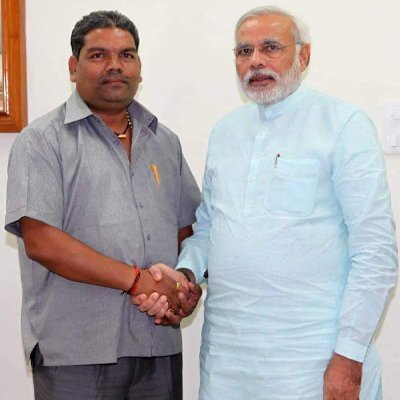
पहली तस्वीर सुप्रीम कोर्ट के मुसलमान जज अब्दुल नज़ीर की है जिन्होने तीन तलाक के फैसले पर साइन करने से इंकार किया
दूसरी तस्वीर है देश से गद्दारी करने वाले गद्दार मुसलमान हामिद अंसारी की जो 2007 से 2017 तक भारत के 13वें और 14वें उपराष्ट्रपति थे। की जिन पर रॉ के चीफ एन के सूद ने खुलासा करते हुए कहा था कि इन्होंने भारत के कई रॉ ऑफिसर कि हत्या करवाई
तीसरी तस्वीर है भारत के गद्दार और पूर्व चुनाव आयुक्त NY कुरैशी कि हैँ जिनके मुख्य चुनाव आयुक्त रहते झारखण्ड और बंगाल मे सबसे ज्यादा अवैध बंग्लादेशी मुस्लिम वोटर कार्ड बनाये गए थे.....
पढ़े लिखे हो या जाहिल पर मजहब के मामले में यह सब एक जैसे है
इनके लिए देश नही मज़हब मायने रखता है।

हिन्दी
@MumukshuSavitri @Jo_SNK Great data. Put that evanjihadi witch in place. 🤭
English
Audrey Truschke who claims to be such a knowledgeable expert on Indian history that she claims to correct even the Ministry of Culture - does not even know the number to number comparison of IVC sites & smugly proclaims that the “big cities were definitely in Pakistan”
What kind of expert does not even know that more than 65% of all IVC sites are situated in post Partition India?
The approximate numbers are:
India: ~925 sites
Pakistan: ~475 sites
Afghanistan: 1-4 sites
More importantly it is India’s Haryana which has both the largest site (Rakhigarhi) & the oldest site (Bhirrana, 8000-7570 BCE).
Rakhigarhi is by far the biggest IVC site that has been excavated covering an area of 350 hectares which is a far bigger city than Mohenjo-daro (300 hectares). Rakhigarhi was a manufacturing hub - archaeologists excavated 9+ massive mounds which made up the core residential areas & massive industrial zones filled with circular brick furnaces where gold, copper, and carnelian were mass produced and used to make jewelry.
Moreover Rakhigarhi shows continuous habitation through all 3 major periods of Early, Mature, and Late Harappan phases (5500 BCE to 1900 BCE)
Even though Rakhigarhi is recognized as the largest IVC site (~350 hectares), more than half of it still remains buried! It has not been fully excavated yet because two heavily populated villages of Rakhi-Khas and Rakhi-Shahpur are sitting directly on top of the ancient city mounds. GPR surveys have shown that if the remaining area is excavated then Rakhigarhi's true size would officially expand to a whopping 550+ hectares, making it almost double the size of Mohenjo-daro.
So how can an authoritative academic scholar make such a false and ridiculous claim that Pakistan has the biggest IVC cities?
Yet another very promising and under-excavated site in India is at Lakmirwala, Punjab where prelim surveys and trial trenches show the city spanned an estimated 225 hectares. Once it is fully excavated, Lakmirwala would definitely surpass Harappa (~150 hectares) and Dholavira (~120 hectares) to become the second-largest IVC site in India and the fourth-largest overall.
It’s the same story with Dhalewan (Punjab) which is estimated to span ~150 hectares - as big as Harappa. So far only minor parts of the mound have been surveyed, so potentially there is a massive, structurally complex city sitting unexcavated below the earth. Not to mention there are just as many promising sites awaiting excavation in Gujarat and Rajasthan.
One would expect the self-proclaimed Grand Poobah of “South Asian History” to know this much at least.
So much for the great IVC expert - Miss Fraudery.


English
English
@VivaaPalestine @Ashutoshs1986 @authoramish See this. The “expert” does not know that the max IVC sites are in India.
MapReader@MapOsnit
This woman is a fraud, she has no idea about Indus Valley civilisation sites and discoveries. She thinks just because the civilisation was named Indus Valley Civilisation , big cities should be around the Indus River. RakhiGarhi is 430 km away from the Indus River and is the biggest site of the Indus Valley Civilisation. The more she opens her mouth the more she exposes herself.
English
Proto-Elamite?
The Pashupati seal has an elephant, a water buffalo and a rhinoceros. Ancient Elam was centred in southwestern Iran. Elephants, water buffalos and rhinoceroses are not native to ancient Elam. BTW, they are native to India. Also, the figure is seated in a Yogic posture. Is Yoga also Elamite now? Seriously?
Your profile says you are a professor. I don't mean to sound rude, but your students deserve a refund. And seriously, Western universities need to improve their hiring practices.
Audrey Truschke@AudreyTruschke
This isn't Shiva. It's more likely adapted from proto-Elamite iconography, showing an Eurasian deity "lord of animals." Indian history is amazing, wonderful, and fantastic -- It's well worth getting it right.
English
Main Main … Main “ expert” hoon. Lekin mujhe kuch nahin aata hai
Audrey Trashcan

Suomi
@nramesh001 @Rnb129 And zero flora and fauna of Rig Veda matches Steppe. No bones remains in khyber pass as evidence to where they came in galloping horses.
English

@Rnb129 And where are the ones who decided not to come here? Where are the EuroVedas?!?
English

Always fascinating that Hindus mass migrate to USA in 60s and within 10y establish a temple in Pittsburgh reminiscing their homeland
While all those European steppe "Aryans" came to India 1500y ago, wrote the Vedas and left NOT ONE reference to Europe or its native culture?
English
@Ashutoshs1986 @authoramish Anyone can write on any subject in a free world. Experts should cross examine and prove them wrong. You should live in a dictatorship.
English

@Songadiya @authoramish MBA should not write history. That's my point.
English
@RubikaLiyaquat Om Shanti. Rubika ji,
Abhi abhi to pita ka sog kam tha ki..
हिन्दी

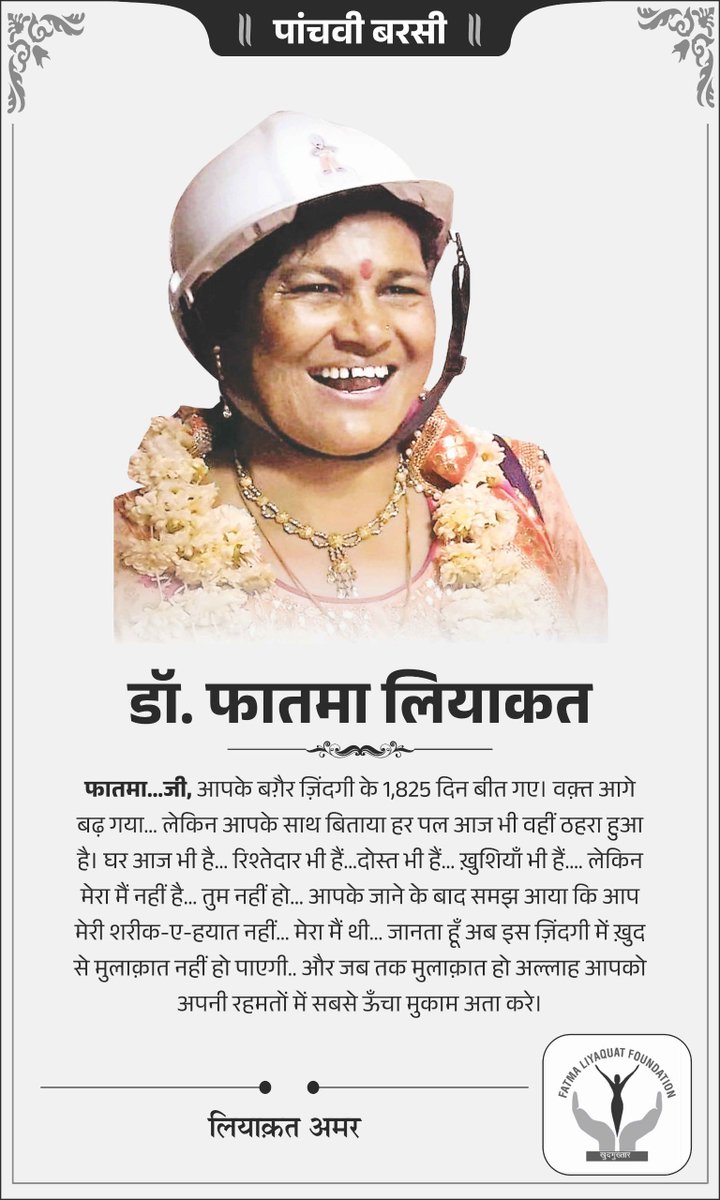
और माँ चली गईं…माँ के जिस्म से रूह गई और हमारी ज़िंदगी से माँ ❤️🩹
हिन्दी
@Ashutoshs1986 @authoramish Only MBA should write history. Hutiya. Audrey Trashcan is a white supramacist masquerading as an historian.
English
@authoramish This is what happens when banker turned psueso historians start talking about history. Do you have any idea what you are talking abour, me Amish? Stop peddling propaganda. History is not pulp fiction.
English
And this begairat kaum wonders why we suspect them as deshdrohis.

English