Sabitlenmiş Tweet
A system that is corrupt to the core... the #RevenueCourt system
thefridaytimes.com/24-Sep-2025/st…
#KPRevenueCourts
#WomenInheritanceIssues
#KPGovernment
@ShahidMohmand79
@nadeemhaque
@durre_nayab_
English
Awais Khan
22.8K posts

@Speedman2016
Strategy, foresight, public sector, governance, future-thinking


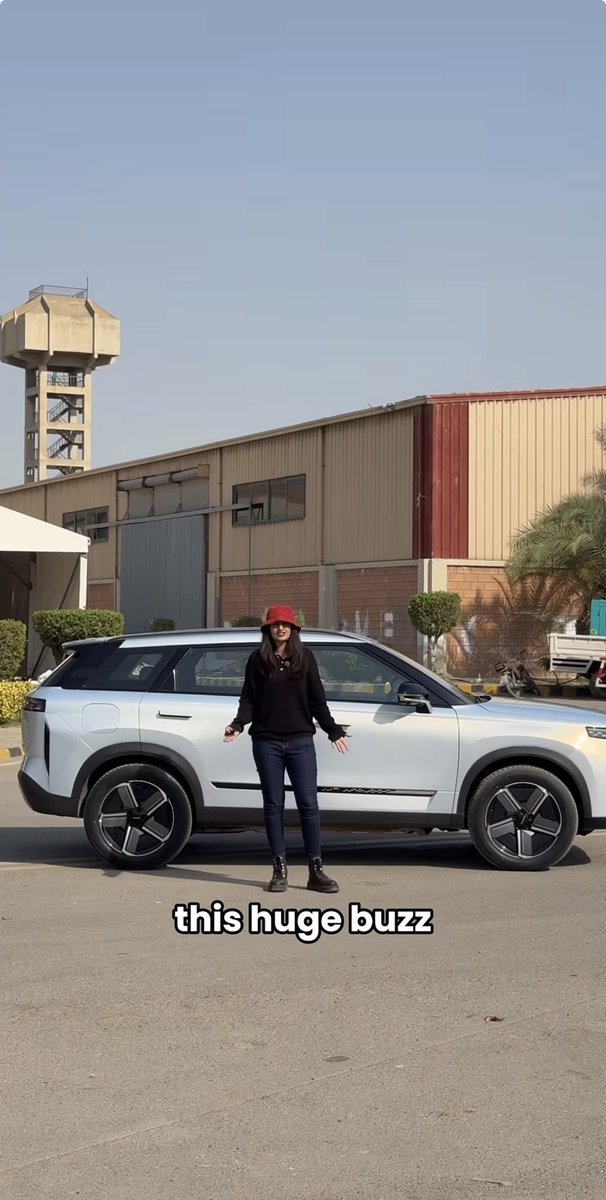
Do you think the Jaecoo J7 incident in Neelum Valley was a marketing stunt? Do you think it’d hurt or help the sales of J7? And considering a SMALL rock damaged the battery connector and it completely broke down the car, can we please stop calling it an SUV?



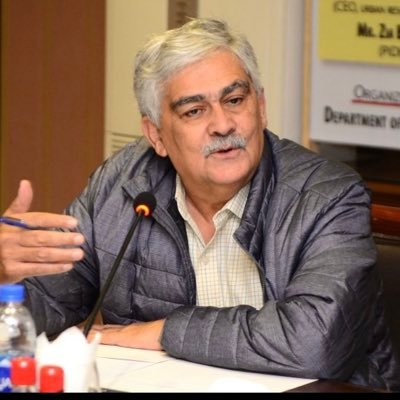
A New Dimension in PMS Training: Horse Riding Initiative at MPDD. —————————————————————- As part of a progressive step towards holistic training and officer well-being, horse riding has been introduced for the first time for the officers of PMS Batch-14 undergoing training at Management & Professional Development Department (MPDD). This healthy and confidence-building activity has been initiated on the special request and collective efforts of the PMS Officers Association.

پراٹھے پر جھگڑا طلبہ نے زرعی یونیورسٹی پشاور کے کینٹین میں ہنگامہ آرائی کرتے ہوئے وارڈن آفس میں دستاویزات کو آگ لگادی فریقین کے درمیان صلح صفائی کرائی گئی جس کے بعد یونیورسٹی انتظامیہ نے پولیس کو واقعہ رپورٹ نہ کرنے کا فیصلہ کرلیا

Pakistan may be accidentally building one of the world’s first decentralised #solar economies. The craziest part? Real scale barely shows in official stats. Imported 51.5 GW solar panels by late 2025—nearly = entire grid. Yet registered net-metered rooftop solar just 5.3–6.8 GW. What makes this story so extraordinary is the speed. In only a few years, Pakistan appears to have gone from a relatively minor solar market to potentially sourcing around a quarter of its electricity from solar once distributed generation is included. 👉 ~16.6–17 GW solar imports in 2024 👉 ~18 GW solar imports in 2025 👉 ~51.5 GW cumulative imports by late 2025 👉 Rooftop solar: ~1.3 GW → 4.1 GW in 2024 👉 ~5.3–6.8 GW registered rooftop solar in 2025 👉 24+ GW estimated behind-the-meter/off-grid 👉 Solar potentially ~25% of actual electricity use The massive gap between imported panels and officially registered systems strongly suggests tens of gigawatts are now operating quietly on homes, farms, factories and businesses across the country. This increasingly looks less like a normal energy transition and more like large-scale consumer-led grid defection. And economics is driving nearly all of it. Electricity tariffs surged. Diesel prices climbed. Blackouts remained common. Meanwhile ultra-cheap Chinese solar panels and falling battery prices made self-generation economically irresistible. So millions effectively made the same calculation: Generate your own power, or remain trapped inside an expensive and unstable system. Once solar becomes cheaper than the grid itself, adoption can move faster than governments, utilities and even official statistics can keep up with. This isn’t gradual transition by any stretch. It may ultimately become a blueprint for how energy-poor nations break free from legacy old-world energy systems dominated by fossil fuels and increasingly expensive centralised power. It’s decentralisation at escape velocity. This is #Bettrification.
#بریکنگ #نیوز پاکستان پر حکومت کرنے والی سیاسی جماعت مسلم لیگ ن کے عام عوام لیے سخت و بے رحم قوانین بنانے والے خود ہی جرائم میں مبینہ طور پر ملوث راولپنڈی سے ن لیگی سینیٹر ناصر بٹ اپنے زیر استعمال بیش قیمت لینڈ کروزر پر جعلی سبز (سرکاری) نمبر پلیٹ لگا کر سرعام اسلام آباد میں قانون نافذ کرنے والے اداروں کی آنکھوں میں دھول جھونک رہے زرائع مطابق ان کے زیر استعمال قیمتی لگژری گاڑی نان کسٹم پیڈ بھی ہوسکتی ہے انکی دیکھا دیکھی ملک میں کشت و خون کی بازی کھیلنے پر دھشت گرد فائدہ اٹھا کر سرکاری عمارات کو نشانہ بنا سکتے ادارے ایکشن لیں

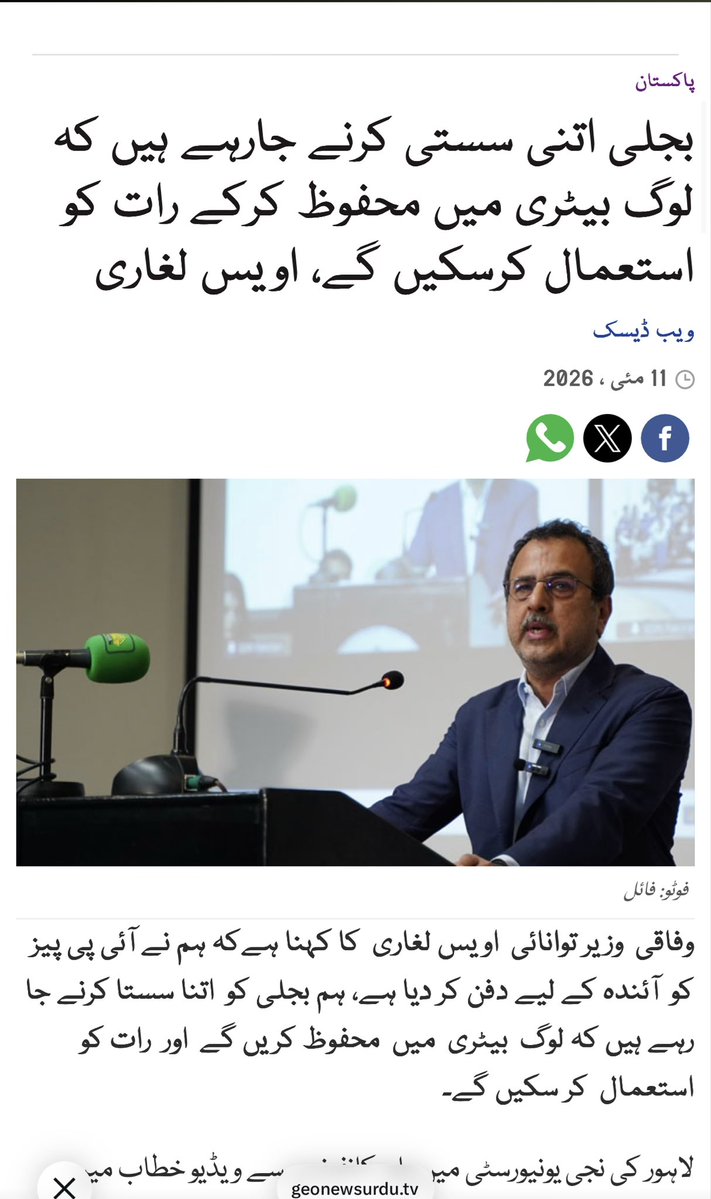


HEC has revamped the Degree Attestation System (DAS) by introducing a fully online and paperless attestation mechanism to facilitate students and graduates across Pakistan. Under the new system, applicants will no longer be required to physically visit HEC offices or submit original documents. Applications for online attestation can now be submitted 24/7 through the HEC e-Services Portal. The new e-Attestation Certificate system is designed to provide a secure, efficient, and user-friendly process, with online verification available for attested documents and certificates. The upgraded online Degree Attestation System will be launched and become effective from 11 May 2026.
#بریکنگ #نیوز پاکستان پر حکومت کرنے والی سیاسی جماعت مسلم لیگ ن کے عام عوام لیے سخت و بے رحم قوانین بنانے والے خود ہی جرائم میں مبینہ طور پر ملوث راولپنڈی سے ن لیگی سینیٹر ناصر بٹ اپنے زیر استعمال بیش قیمت لینڈ کروزر پر جعلی سبز (سرکاری) نمبر پلیٹ لگا کر سرعام اسلام آباد میں قانون نافذ کرنے والے اداروں کی آنکھوں میں دھول جھونک رہے زرائع مطابق ان کے زیر استعمال قیمتی لگژری گاڑی نان کسٹم پیڈ بھی ہوسکتی ہے انکی دیکھا دیکھی ملک میں کشت و خون کی بازی کھیلنے پر دھشت گرد فائدہ اٹھا کر سرکاری عمارات کو نشانہ بنا سکتے ادارے ایکشن لیں