David Spil ⚡️ retweetledi

I guess it’s official now..
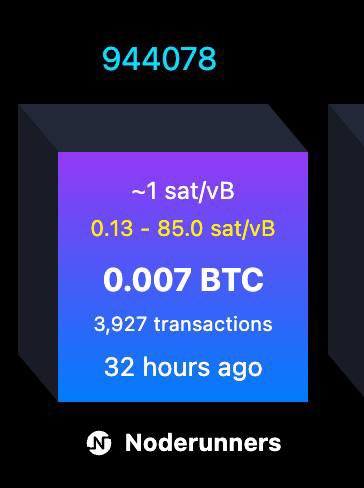
First Noderunners block
English
David Spil ⚡️
549 posts


@SpilDavid
Dutch Bitcoiner, Class of 21, Entrepreneur, noderunner. npub1j45yhvns7cuusrjs3vfjvdkd5kpphef7ud4z0xf257jlnk24e49sdxqw5p

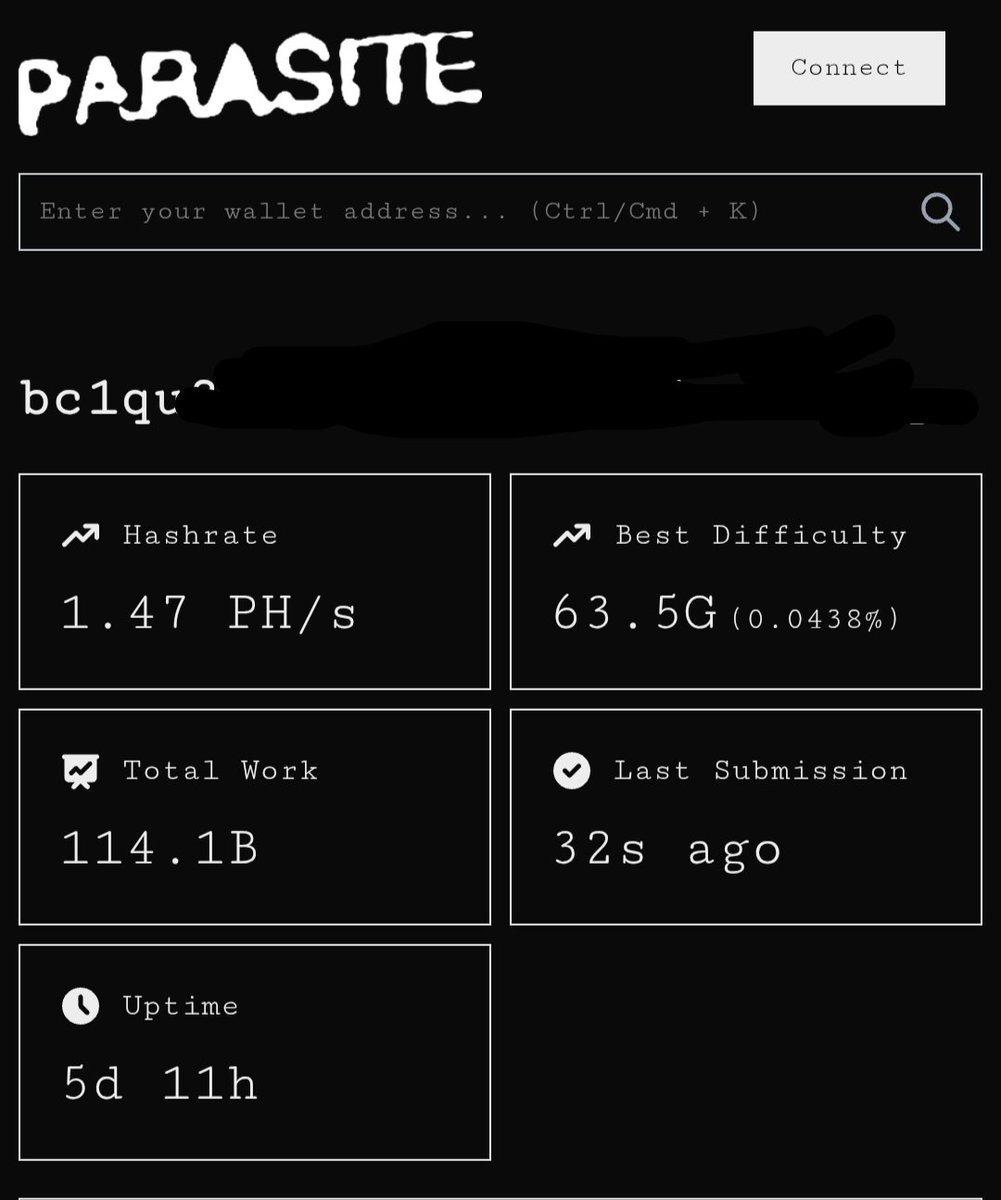
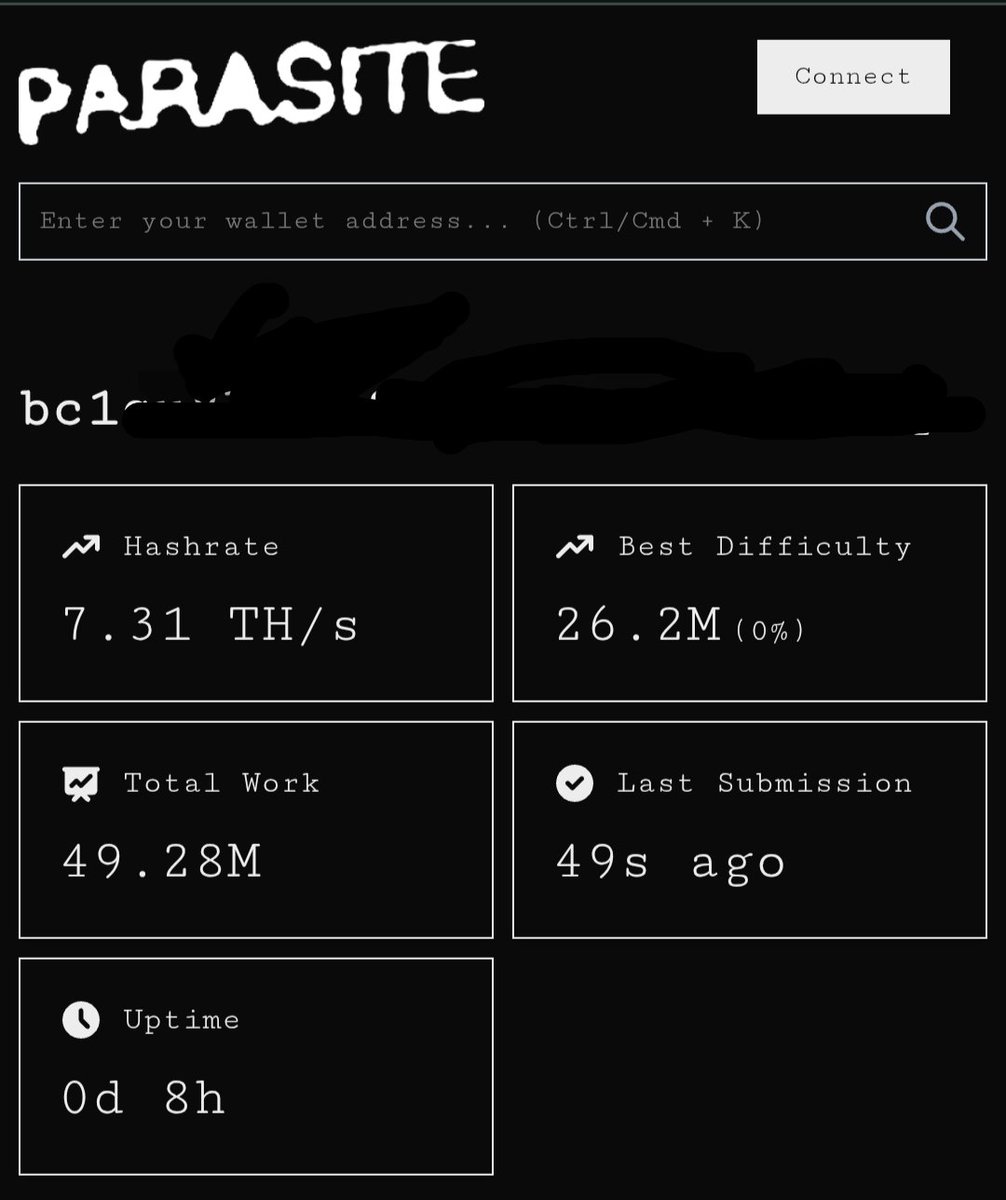
Yo @onthebrinkie, congrats with the block! Block: mempool.space/block/944078






NEW: Dutch Parliament Member Michel Hoogeveen explains how the 36% unrealized capital gains tax, just passed by the House of Representatives, will work. Here is a more detailed example: Step 1. Starting position You own 500 shares. Value on Jan 1, 2028: €50,000 Value on Jan 1, 2029: €100,000 So the paper gain is: €100,000 − €50,000 = €50,000 unrealized profit You did not sell. But for tax purposes, that €50,000 is treated as income. Step 2. Apply exemption You are married, so you get a €3,600 exemption. €50,000 − €3,600 = €46,400 taxable amount Tax rate: 36% €46,400 × 36% = €16,704 tax bill That bill is due in May, even though you never sold anything. Step 3. Market falls before you pay Now suppose by May the shares drop in value. New total value: €60,000 So your portfolio is no longer worth €100,000. It’s worth €60,000. But the tax bill is still €16,704, because it was calculated based on the January 1 valuation. Step 4. You must sell shares to pay tax To raise €16,704, you sell part of your shares. After paying the tax, you’re left with: €60,000 − €16,704 = €43,296 Originally you had 500 shares. Now you have 360 shares left. You were forced to sell 140 shares. 140 ÷ 500 = 28% of your shares gone. Step 5. What happened economically? Before the correction: Paper gain was €50,000. After the correction: Portfolio is worth €60,000. Original cost basis was €50,000. Real gain is only €10,000. But you paid €16,704 in tax. So instead of being up €10,000, you are now: €43,296 − €50,000 = €6,704 below your original starting value. You turned a €10,000 real gain into a €6,704 net loss. And you lost 28% of your shares permanently.



NETHERLANDS TO TAX UNREALIZED BITCOIN GAINS Netherlands is moving toward taxing unrealized capital gains on bitcoin, stocks, bonds, and other assets after parliament voted to overhaul annual income tax filings. Under the new system, investors will owe tax each year based on changes in asset value, even if nothing has been sold. The reform, known as Wet werkelijk rendement Box 3, is scheduled for 2028 and will tax actual returns by measuring the difference between an asset’s value at the start and end of the year, plus any income received. That means both realized and unrealized gains will be taxed. Critics warn the shift could create serious liquidity problems, forcing investors to pay taxes on paper gains without having cashed out.

NETHERLANDS TO TAX UNREALIZED BITCOIN GAINS Netherlands is moving toward taxing unrealized capital gains on bitcoin, stocks, bonds, and other assets after parliament voted to overhaul annual income tax filings. Under the new system, investors will owe tax each year based on changes in asset value, even if nothing has been sold. The reform, known as Wet werkelijk rendement Box 3, is scheduled for 2028 and will tax actual returns by measuring the difference between an asset’s value at the start and end of the year, plus any income received. That means both realized and unrealized gains will be taxed. Critics warn the shift could create serious liquidity problems, forcing investors to pay taxes on paper gains without having cashed out.

First giveaway of the year! 🎁 Up for grabs is a fine art print of my current artwork at full size! As soon as the drawing is finished and prints are ready, the winner can rejoice! To participate: ➡️ like, retweet, follow! Good luck, guys!

NETHERLANDS TO TAX UNREALIZED BITCOIN GAINS Netherlands is moving toward taxing unrealized capital gains on bitcoin, stocks, bonds, and other assets after parliament voted to overhaul annual income tax filings. Under the new system, investors will owe tax each year based on changes in asset value, even if nothing has been sold. The reform, known as Wet werkelijk rendement Box 3, is scheduled for 2028 and will tax actual returns by measuring the difference between an asset’s value at the start and end of the year, plus any income received. That means both realized and unrealized gains will be taxed. Critics warn the shift could create serious liquidity problems, forcing investors to pay taxes on paper gains without having cashed out.