Sabitlenmiş Tweet

What is curriculum & why does it matter? New research reveals that we have much to learn & fast bit.ly/sw-curriculum-… #curriculummatters
English
StandardsWork
10.5K posts

@Standards_Work
Nonprofit consulting firm supporting efforts to advance the role of strong curriculum, value of deep content knowledge, & evidence-based instructional practice.




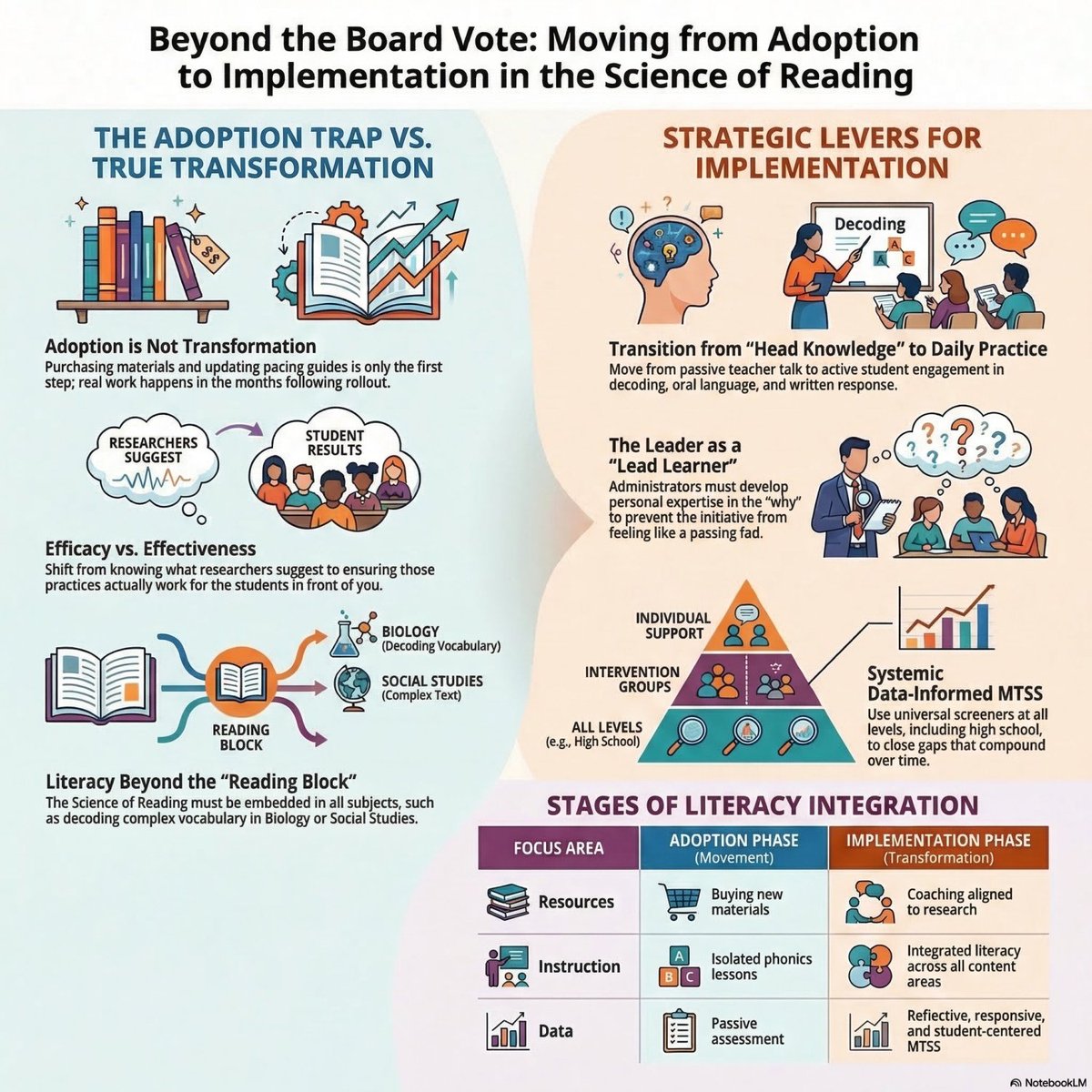






That was my attempt to very concisely summarize a new book by @Doug_Lemov @ColleenDriggs @EricaWoolway translating the science of reading into classroom practice. Read my full review here: the74million.org/article/new-bo…
Schools need to align their "support" for struggling students with the core curriculum, two new reports argue. Otherwise, "incoherent" instruction holds kids back. Makes sense--unless the core curriculum itself is incoherent. More in my new post: nataliewexler.substack.com/p/most-struggl…

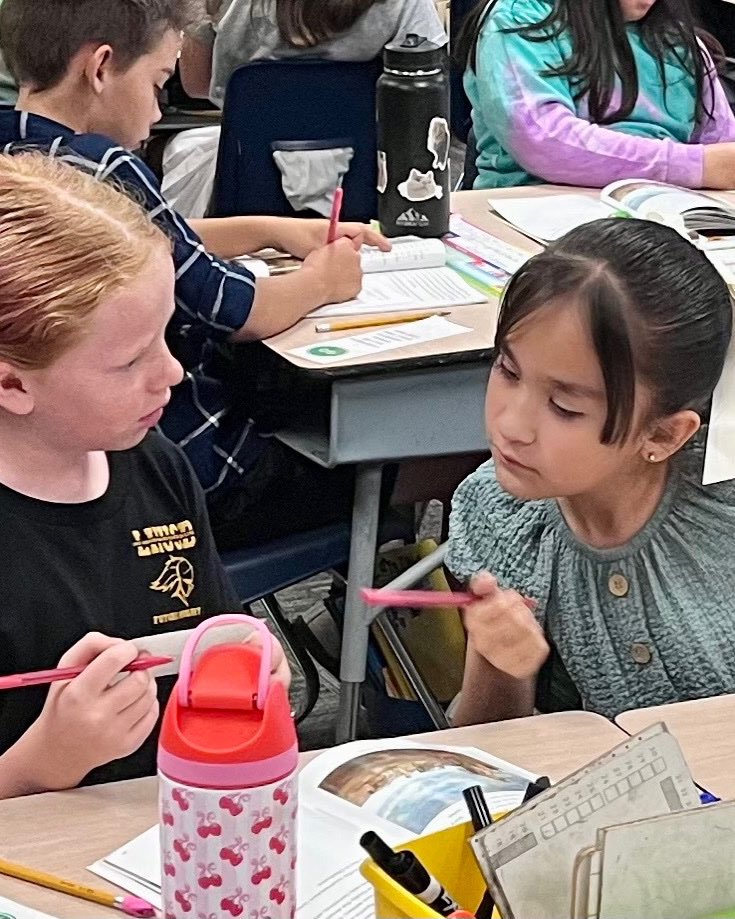

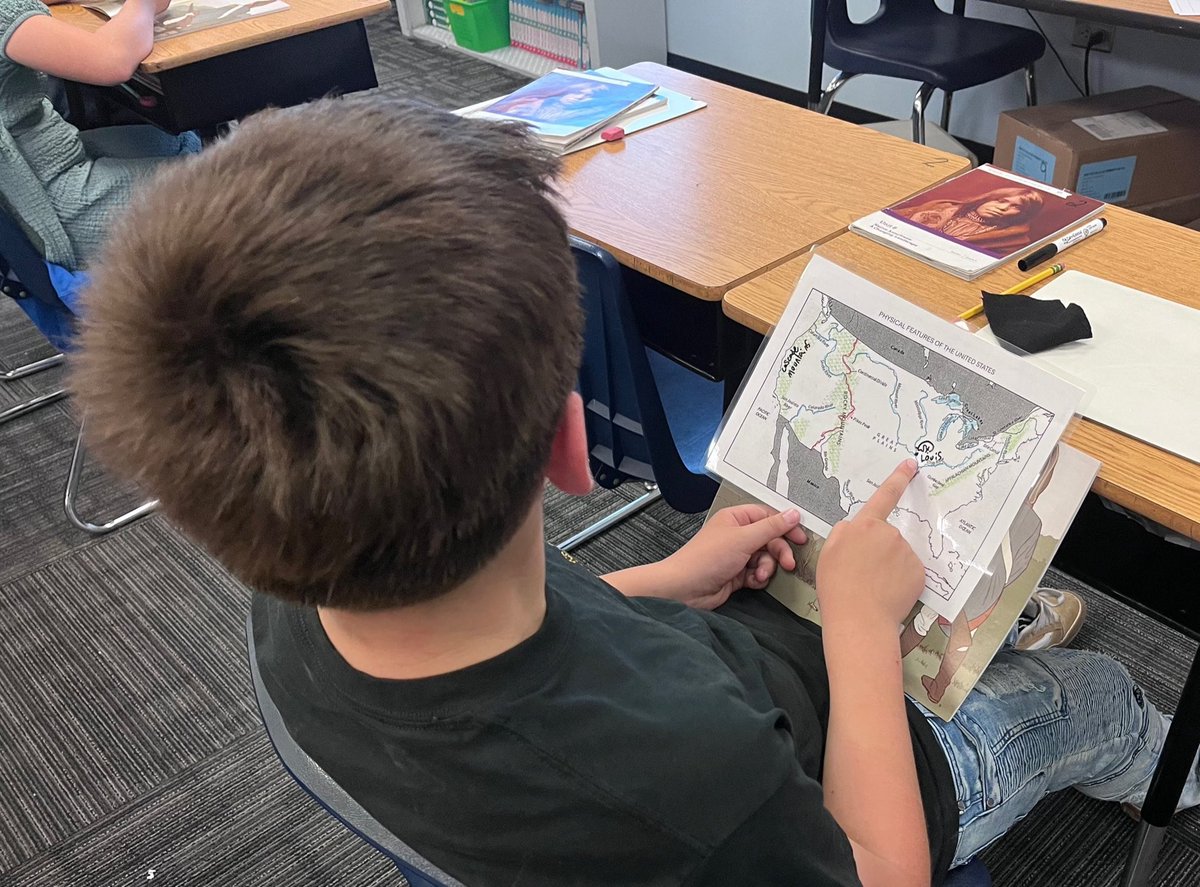

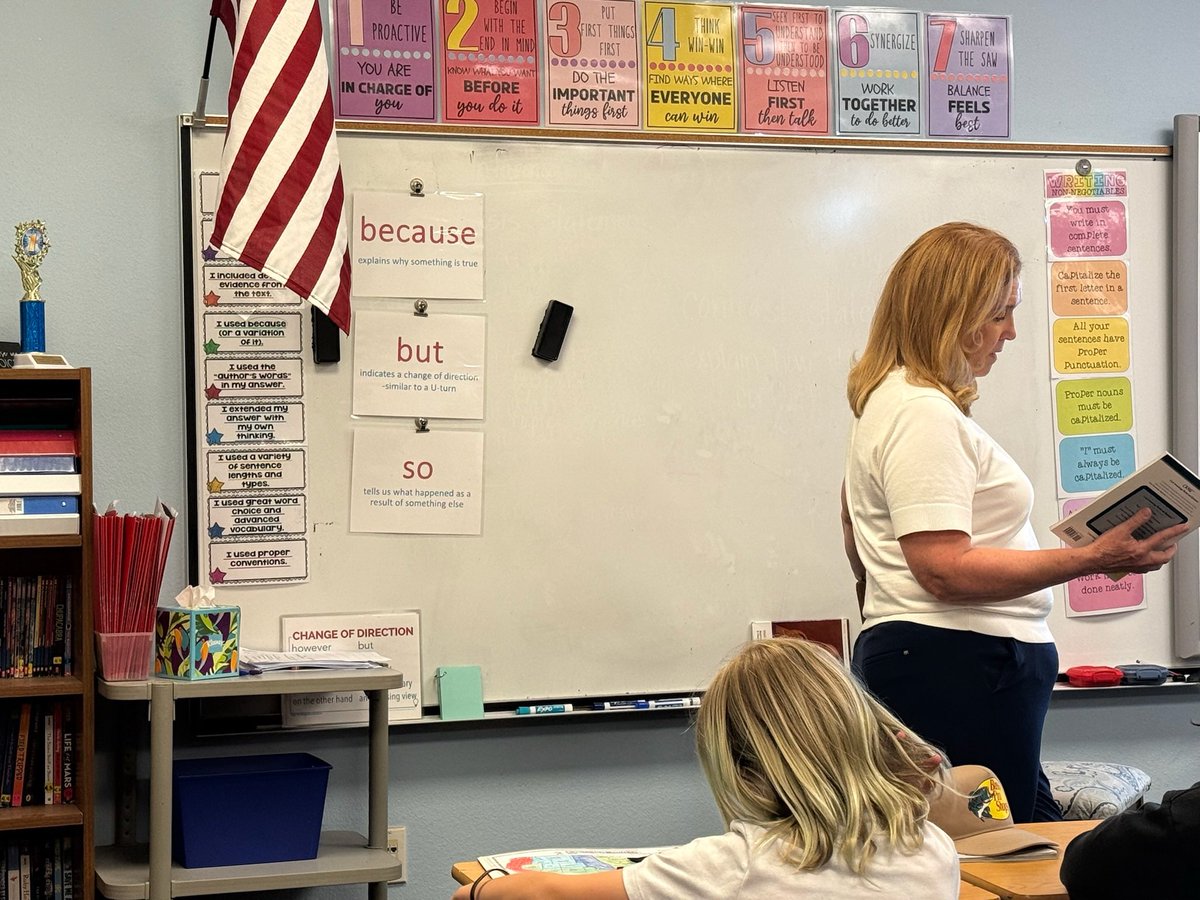
We are so excited for our 51st school tour! Tomorrow, we get to visit @LHUSD1 and see high quality social studies materials and instruction in action and it made us think of our school tour in Ouachita Parish last year! We can’t wait to see more tomorrow and Thursday!
The 51st #KnowledgeMatters SchoolTour heads to Lake Havasu Unified School District #1 to celebrate exemplary instruction. We’re taking a closer look at how high-quality social studies and ELA curricula, side by side, build knowledge and literacy. #HistoryMatters #LiteracyMatters

How Should We Plan Reading Comprehension Lessons? shanahanonliteracy.com/blog/how-shoul…

Retrieval practice holds a special place in my teaching journey. It’s where I began rethinking my entire approach to teaching and learning through the lens of cognitive science about 18 months ago. From the start, the Leitner system has been a cornerstone of my work, helping students build true automaticity in long-term memory. This is my entry in the Eureka Library on how I use it, along with a longer Substack piece I wrote a few months ago that explores the approach in more depth. Much credit goes to the work of @patricebain40 and @KateJones_teach in informing and inspiring my retrieval practice evolution.
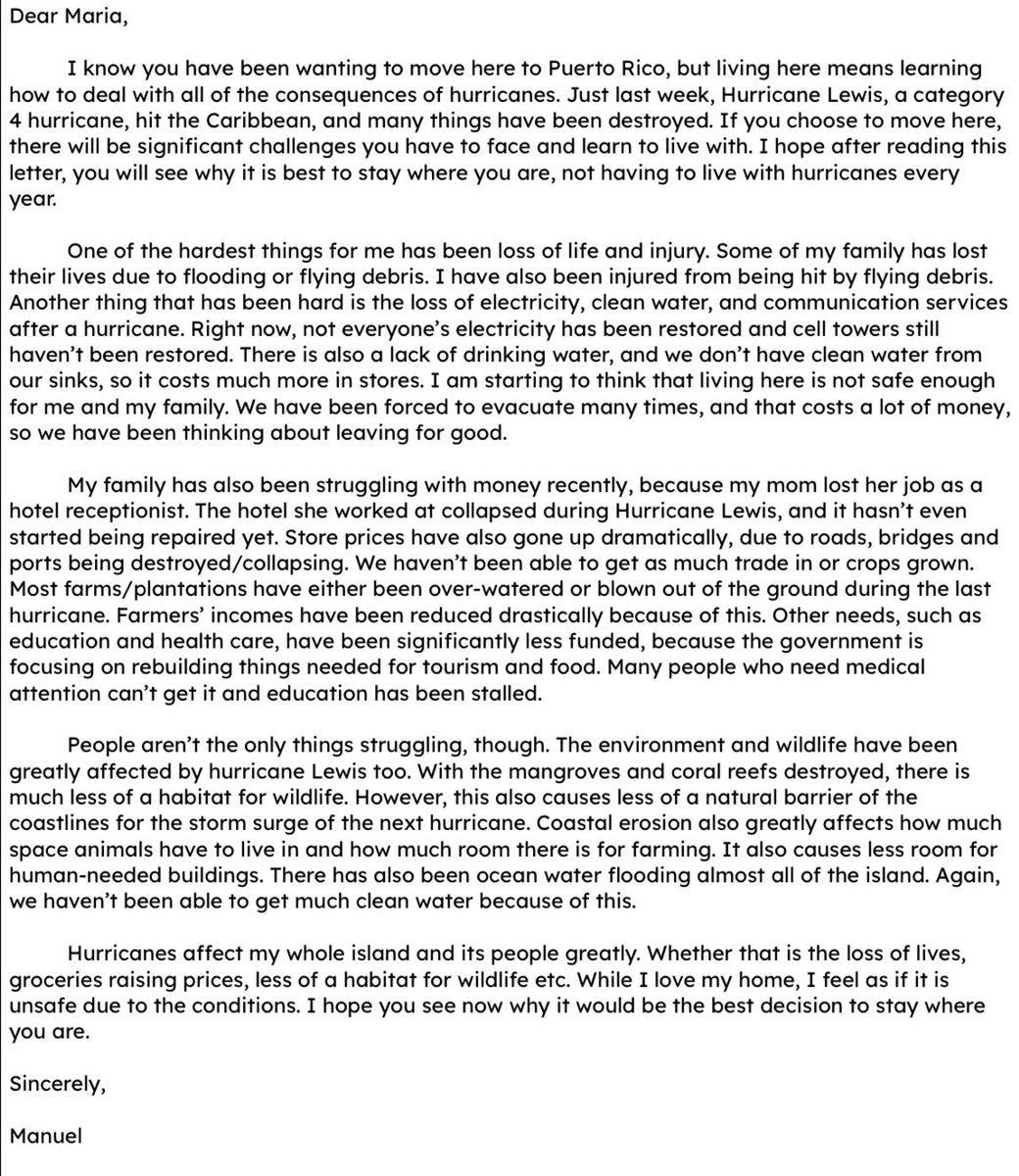
You know those students who say, “I don’t know what to write about” during a formal writing task? They’re often telling the truth. There’s a strong chance they simply don’t know enough yet to be writing. But when we explicitly teach knowledge, use spaced practice and retrieval practice to make it durable and accessible in long term memory, and place summative writing at the right point in the instructional hierarchy, the “not knowing” is greatly diminished. Do that, and you’ll likely rarely hear “I don’t know what to write about” again.