
scuffy
33.9K posts

scuffy
@Stephan85269731
USA woman patriot; Anglican Catholic; Alba gu brath; Am Yisrael Chai; hopeless Anglophile; would live in a hedgerow
Maryland, USA Katılım Nisan 2023
2.2K Takip Edilen1.4K Takipçiler

@Stephan85269731 @BuzzPatterson But my statement was based in logic, yours is just assinine..
English
Trump is either the greatest bluffer in the history of bluffs, OR, somebody’s about to get really effed up.
I prefer the latter.

Insider Wire@InsiderWire
#BREAKING: Ambassador to Israel Mike Huckabee has been recalled to Washington D.C.
English

@Notwokenow Needs to become a felony for people to post videos like this and not include the other parts
English

Think she do the totally reasonable thing and just LEAVE LIKE SHE WAS ASKED TO DO?
Or did she end up in cuffs?
English
@ListeningBoard @BuzzPatterson You started the assuming! Read your own post. LOL!
English
@Stephan85269731 @BuzzPatterson And you know what assume means…. Get a life.
English
scuffy retweetledi
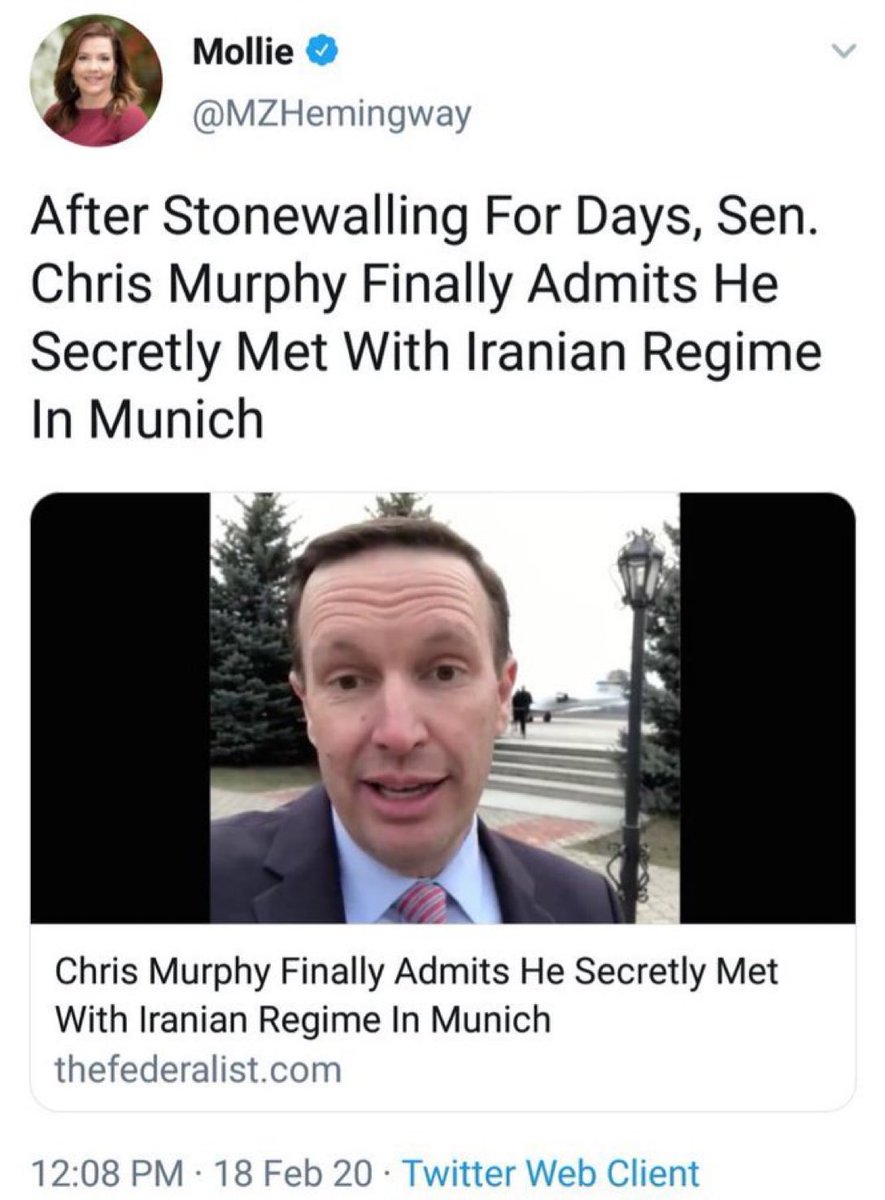
Is this true? If so, GITMO should be his next stop.
English
@JamesSm89270202 @ChrisWickNews Look, I was polite and listened. Don’t need any more suggestions. Have a nice rest of your day.
English

@Stephan85269731 @ChrisWickNews All I can do is put things out there for people to see.
Along with Politifact I highly recommend Open Secrets as a great way to see where the money goes, who gets & gives it' opensecrets.org
English

I voted for Donald Trump because I believed he was the lesser of two evils.
Not because I thought he was perfect — but because I believed the message.
No new wars.
End the existing ones.
Put America First.
That was the promise that sold it.
But now I’m watching something very different unfold.
Conflicts aren’t cooling down — they’re expanding.
Money is still flowing overseas in massive amounts.
Military aid keeps stretching across multiple fronts.
And at home?
Prices keep climbing.
Families are stretched thin just buying groceries.
Veterans are still struggling on the streets.
Debt and stress are everywhere you look.
So I keep asking the same question:
Where did America First go?
Because I didn’t vote for global escalation.
I didn’t vote for endless foreign spending.
I voted for stability at home and peace abroad.
And right now… that promise feels further away than ever.
That’s why people aren’t just disappointed anymore.
They’re questioning everything.
English
@ListeningBoard @BuzzPatterson I’m assuming you’re a fricking idiot.
English
@BuzzPatterson I’m assuming you heard that the general had to literally take the football away from the petulant child because he wanted to use the codes…?
Keep supporting this idiot and I’m sure at some point you will fade away, just like the rest of the MAGA’s that are bailing.
English
scuffy retweetledi
This is among the scripture pull on frequently. I started leaning into it in the very tough days of USAF pilot training. And then, again and again, when flying into harm’s way, whether combat or special operations. I encourage you to lean on it when times are challenging:
Philippians 4:6
“Do not be anxious about anything, but in every situation, by prayer and petition, with thanksgiving, present your requests to God. 7 And the peace of God, which transcends all understanding, will guard your hearts and your minds in Christ Jesus.”
Amen.
English
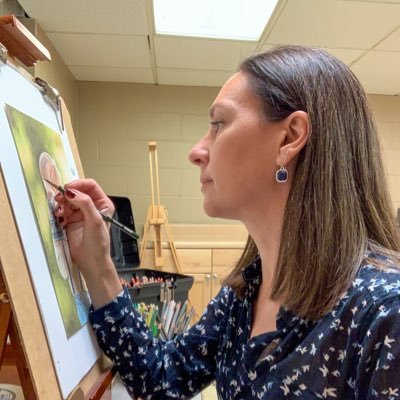
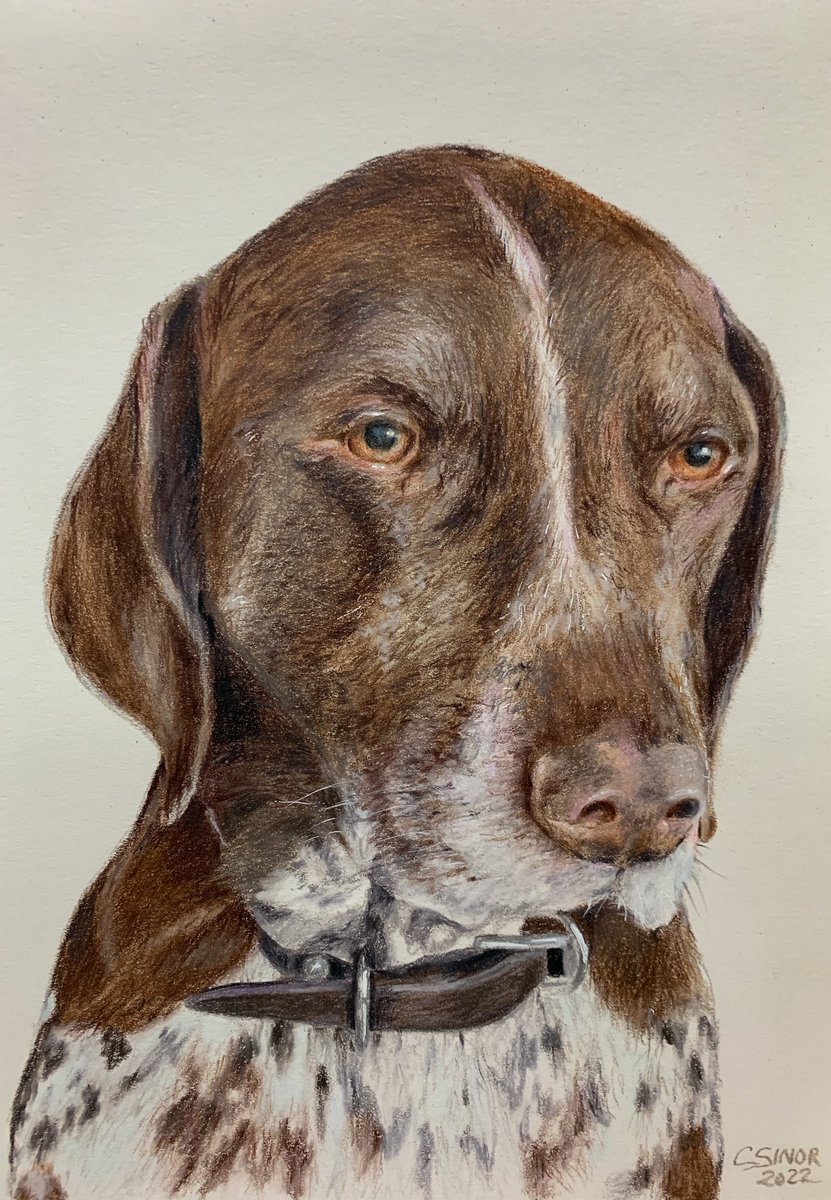
My colored pencil drawing of Hershey. ✍️🍫 What would you do in this situation? A 17 year old just lost his dog and wanted to commission me to draw this memorial portrait for his parents. I was so touched by the thoughtfulness of the young man that I couldn’t bring myself to charge him. So I created this small portrait for free and he gifted it to his parents. Did I do the right thing?
English

@Stephan85269731 @xtinohenri هذا ليس كلامي
هذا كلام الاطباء
فقط ابحث عن ذلك
العربية

a evolução da amizade entre um garotinho e um cachorro por 7 anos… e uma saudade que aprendeu a existir
Português
@SamaHoole Thanks for sharing this information! I think there is VERY interesting to know.
English

Dry dripping on bread, with a pinch of salt, was, for approximately four hundred years, one of the most common things a British child ate when he came in from school.
The dripping was what was left in the pan after the Sunday roast. Beef fat, mostly, sometimes with a dark jelly at the bottom where the juices had settled. Your mother spooned it into a white enamel bowl, covered it with a plate, and kept it on the cold shelf in the pantry. It lasted a week. Sometimes two. It fried the Monday bubble and squeak, the Tuesday eggs, the Wednesday onions. On Thursday afternoon, before it ran out, you got a slice of bread spread with the stuff, a pinch of salt cracked on top, and that was tea.
It was a treat. It was also just food. A child in 1930 would have looked at you blankly if you had suggested that beef dripping on bread was in any way remarkable. It was what was in the bowl. It was free. It tasted of Sunday lunch three days later.
Beef dripping is approximately 50% monounsaturated fat, 40% saturated fat, and carries the fat-soluble vitamins A, D, E, and K from the pasture the cow grazed on. The cow ate grass. The grass had been growing on British soil since the end of the last Ice Age. The fat was the end product of ten thousand years of continuous ruminant grazing. A slice of bread and dripping delivered, for roughly the price of the bread, a dose of fat-soluble vitamins and usable calories that the rest of the British afternoon was going to need.
Nobody got heart disease from bread and dripping. The British cardiovascular mortality rate of 1930, when almost every family ate dripping several times a week, was a fraction of what it is now. The British obesity rate of 1930 was essentially zero. The British type 2 diabetes rate was so low that the Royal College of Physicians considered the condition a medical curiosity.
Then the dripping was quietly removed.
First by margarine, invented in 1869 by a French chemist trying to feed the army, mass-marketed in Britain after the First World War as a modern, clean, scientific alternative to animal fat. Then by Crisco-style vegetable shortenings in the 1930s. Then, decisively, from the 1960s onwards, by the dietary advice that saturated animal fat caused heart disease. The advice was wrong. The research behind it was flawed, selectively published, and in some cases deliberately manipulated. The corrections have been appearing in the peer-reviewed literature for thirty years. The public-health guidelines have not been updated.
Bread and dripping was replaced, in the British kitchen, by margarine on bread. Then by low-fat spread on bread. Then by skimmed-milk spread on industrially processed bread from the Chorleywood process. Then by a plastic tub of something labelled "I Can't Believe It's Not Butter," made from a blend of palm oil, rapeseed oil, emulsifiers, and flavouring, spread on a slice of Kingsmill so pale and so soft it could be balled up in one hand.
The cardiovascular disease rates climbed through the same decades.
The obesity rates climbed through the same decades.
The type 2 diabetes rates went from medical curiosity to national crisis through the same decades.
The fat your great-grandmother scraped out of the Sunday roast pan and spread on her child's tea was never the problem. The problem was what replaced it. Industrial seed oil, chemically extracted from seeds using hexane solvent, deodorised, bleached, and sold in a plastic bottle as a health food. A substance no human population had consumed in meaningful quantities before 1910, and which now makes up roughly 20% of the total calories in the average British diet.
The dripping bowl on the cold shelf was a complete piece of nutritional engineering, evolved over centuries, running on the natural waste stream of the Sunday roast, costing nothing, delivering real nutrients, and causing none of the conditions it was eventually blamed for.
It was thrown out of the British kitchen on the basis of a mistake.
The mistake has never been corrected.
The bowl is still at your grandmother's house, probably, at the back of a cupboard, unused since about 1985.
The cow that built Britain is still in the field.

English

A woman transporting rescue cats to their new homes had no choice but to put some in cargo. When the plane landed in Athens, Greece, she watched nervously through the window as luggage came down the ramp. Then she saw a baggage handler pick up each cat carrier slowly, crouch down, look inside, and gently talk to the animals one by one. He didn’t know anyone was watching.
His name is Archie Ardales, 32, originally from the Philippines. When asked why he did it, he said the cats were probably scared because it was their first flight. He just wanted to comfort them.
English
scuffy retweetledi

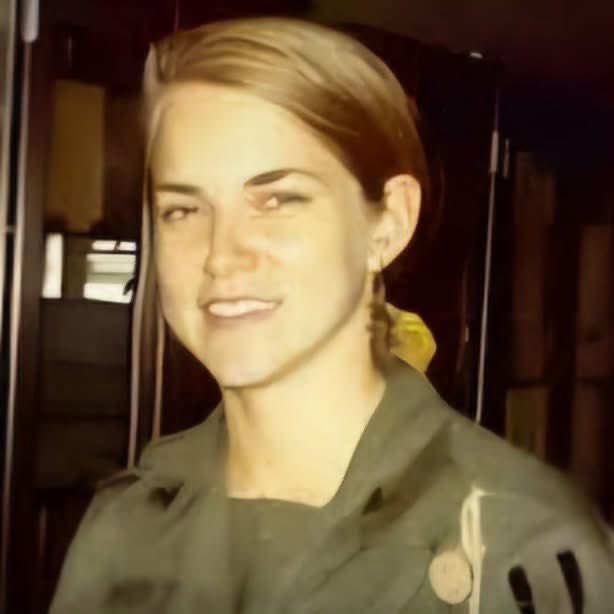
At 21, she skipped her graduation party to save dying soldiers in Vietnam. History forgot her name. Her grandchildren didn't.
The day after graduating nursing school, Cindy Mason Young made a choice that would haunt and define her. While her classmates celebrated, she put on an Army Nurse Corps uniform. She wanted to see the world and make a difference.
Vietnam answered that wish in the hardest way possible.
Cindy was assigned to the 24th Evacuation Hospital in Long Binh, working the neurosurgical unit. These were not minor cases. Head wounds from sniper fire. Spinal cord injuries from explosions. Soldiers arriving with legs that would never walk again, faces she would never forget.
She was 21 years old. The same age as the men screaming on her operating table.
There were no textbooks for this. No training that could prepare her to decide who would live, who would walk, who would spend the rest of their lives in a wheelchair. She learned by doing. By making impossible choices under impossible pressure. By working 18-hour shifts and watching boys die despite every effort.
While her friends back home were starting careers and families, Cindy was holding pressure on wounds that wouldn't stop bleeding. Making split-second decisions that determined whether a soldier would see his children again.
No cameras documented those nights. No reporters told her story. The work was too raw, too real, too far from what America wanted to hear about the war.
When her service ended, Cindy did not seek recognition. She stayed in the Army, building a full career, eventually retiring as a Major. The war became something the nation wanted to forget. Nurses like Cindy faded quietly into the background of history.
But her impact did not fade.
Today, Cindy Mason Young is a grandmother to 5 grandchildren and 4 great-grandchildren. Generations exist because she chose service over comfort. Because she had steady hands when it mattered most. Because she carried wounds—both visible and invisible—that never fully heal.
History rarely says her name. That silence does not measure her worth.
The lives she saved went on to become fathers, husbands, teachers, neighbors. Their children had children. Her legacy lives not in monuments or medals, but in the quiet continuation of lives that almost ended.
Cindy Mason Young helped save lives when the world was falling apart. She did it without applause, without recognition, without expecting gratitude.
That is what real heroism looks like.
English
scuffy retweetledi

Today, right after the call of “Allahu Akbar” at dawn, the regime in Iran, placed a noose around this young man’s neck and kicked the chair from under his feet, so he would struggle, suffocate, and die.
Yes this is happening in 21st century. They executed him because he went to protest with empty hands and said he wanted freedom.
His name is Amirali Mirjafari.
He was only 22 years old.
They called him a “leader” of the protests.
But they never said when he was arrested, how he was tortured, or how he was tried.
Because everything was done in silence, a silence enforced by threats against his family.
They imprisoned him in silence.
They tortured him in silence.
They tried him in silence.
And they executed him in silence.
Dozens of protesters have been executed the same way.
Yet many political leaders in the West, who suddenly worry about “international law”, after a military strike against Ali Khamenei and members of IRGC have not said a single word about these barbaric killings.
Why?
Why is there silence when young civilians are hanged for demanding freedom?

English
When the cockpit door is locked and you’re comfortably napping and watching a movie…we’re doing this. 🤣
Sshhhh…..

English
scuffy retweetledi

scuffy retweetledi
scuffy retweetledi

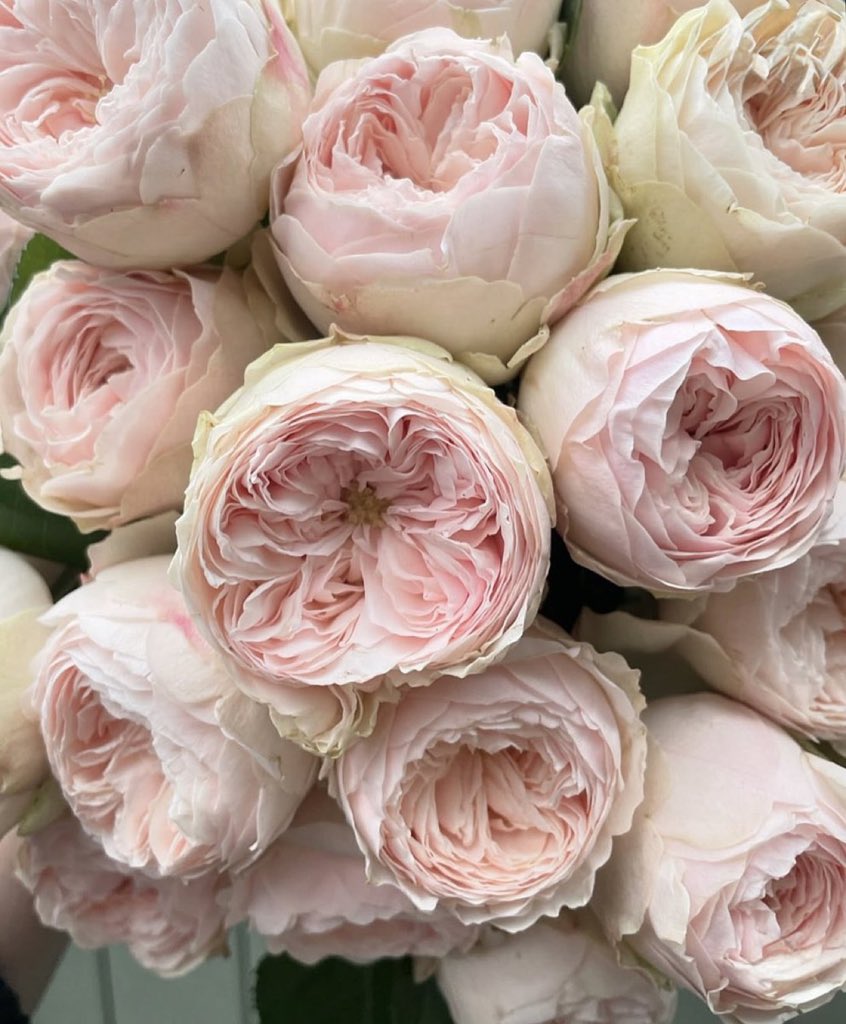
Mansfield park roses. Utterly divine!
📸Fairynuffflowers(ig)
English