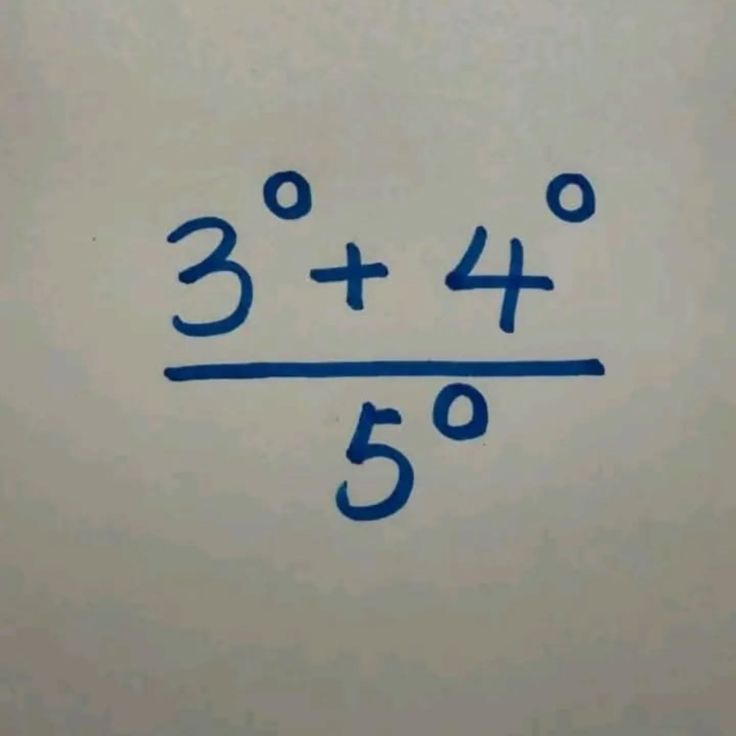
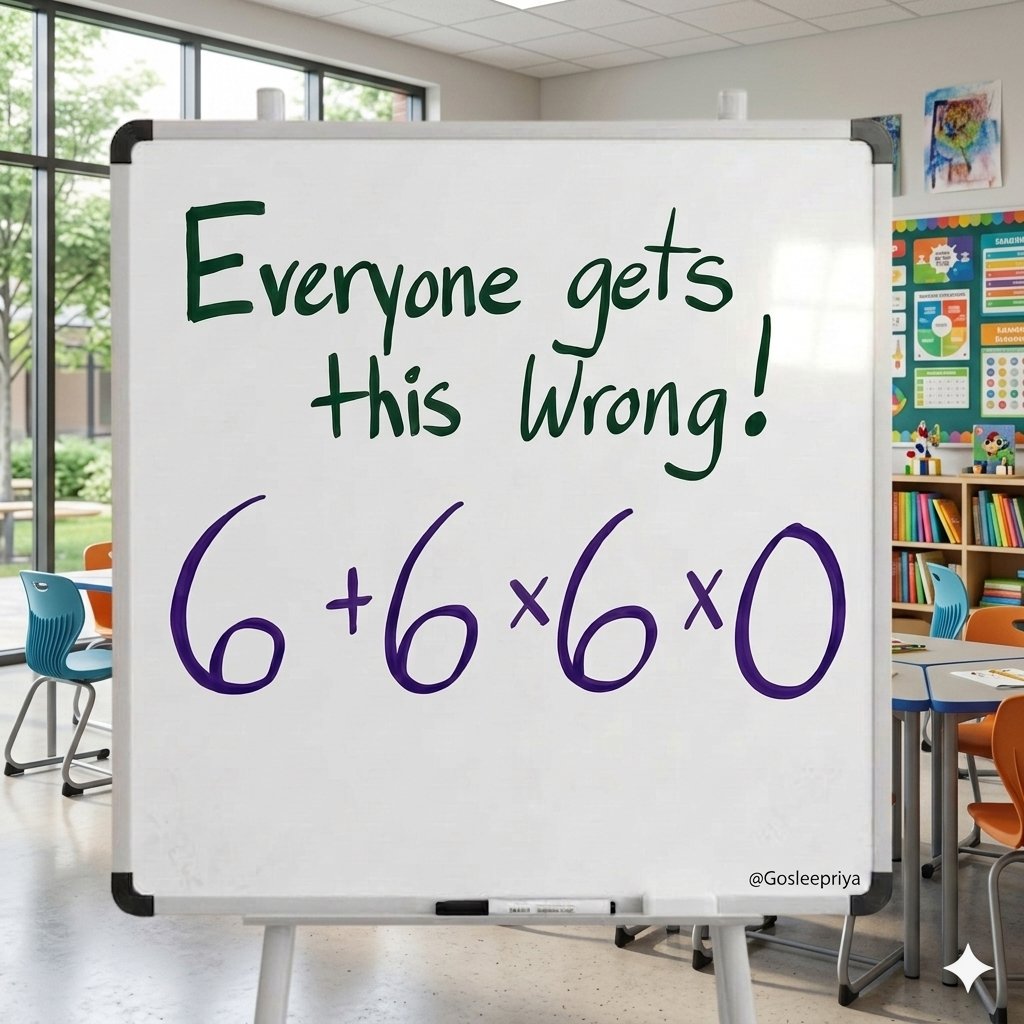
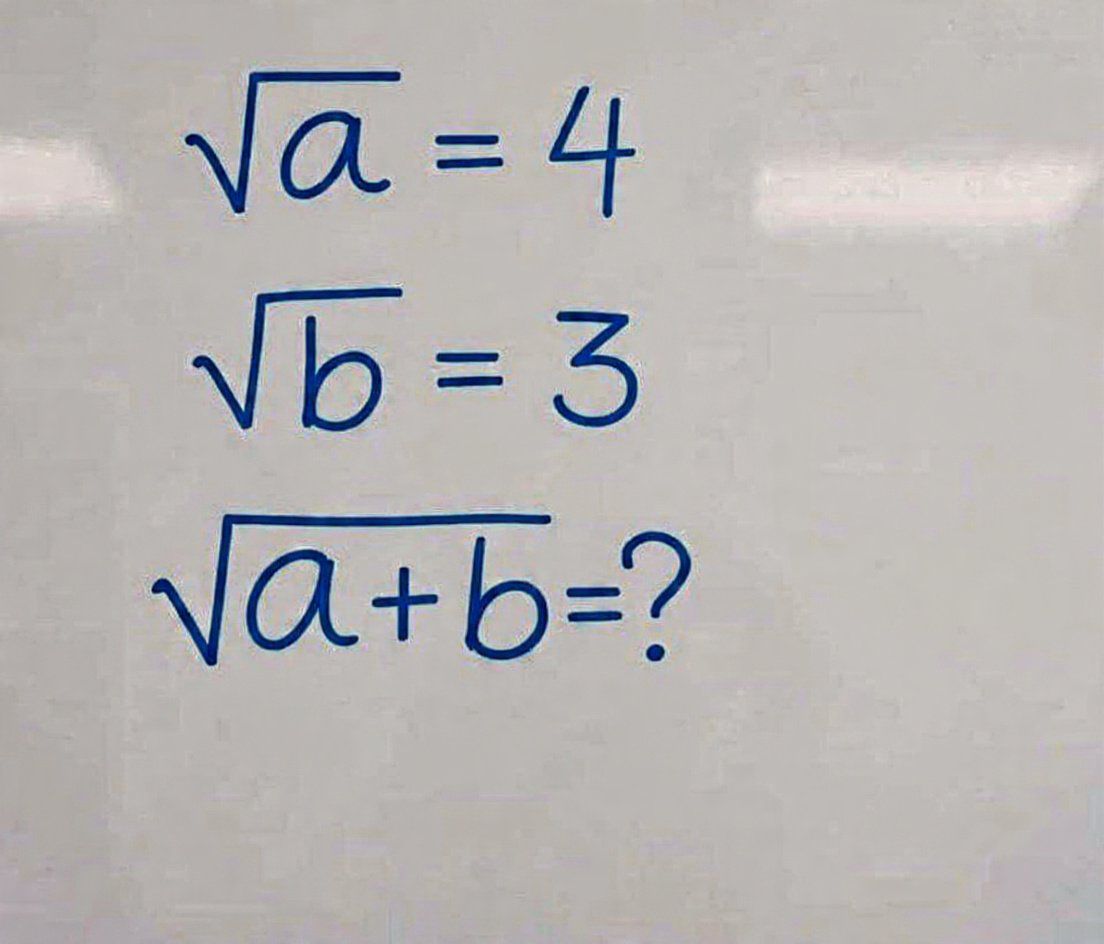
That was so hard to watch. Why make it so difficult🤷🏾♂️🤷🏾♂️ youtube.com/shorts/5uY4a44… via @YouTube

YouTube
English
Tim Duce
2.9K posts


Happy to go through this again @afneil. Let’s look at the wider data not just a few numbers plucked out of their context. Yields are mostly but not exclusively reflections of political stability, inflation and growth trajectory. We can see that at peaks of the Eurozone debt, when France was seen as on a bad trajectory, French yields spiked over the UK only to recover. These reflect, to a great degree, underlying fundamentals which were pre-2020 more favourable to the UK. What happened after 2020 when the UK left the Single Market is our pre-existing gap with France worsened against the background of a general spike linked to the pandemic and Ukraine. This increased gap reflects to a large degree Brexit induced political instability, Brexit-worsened inflation and Brexit-lowered growth trajectory. All these are highly documented and have of course influenced bond trader decisions. We can also see the Truss mini-Budget there clearly making things worse. Of course, the graph clearly shows the UK-France gap has not been a constant mathematical match to pre-Single Market exit trends as you appear to suggest. My argument is had the UK remained in the EU with a stronger growth trajectory the UK-France gap would have narrowed not grown in recent years as it did in the past reflecting stronger growth, greater stability and lower inflation inside the Single Market saving billions. I don’t see what’s confusing here. But I can see why it’s politically important to many on the Right that no longer puts growth first to deny this!








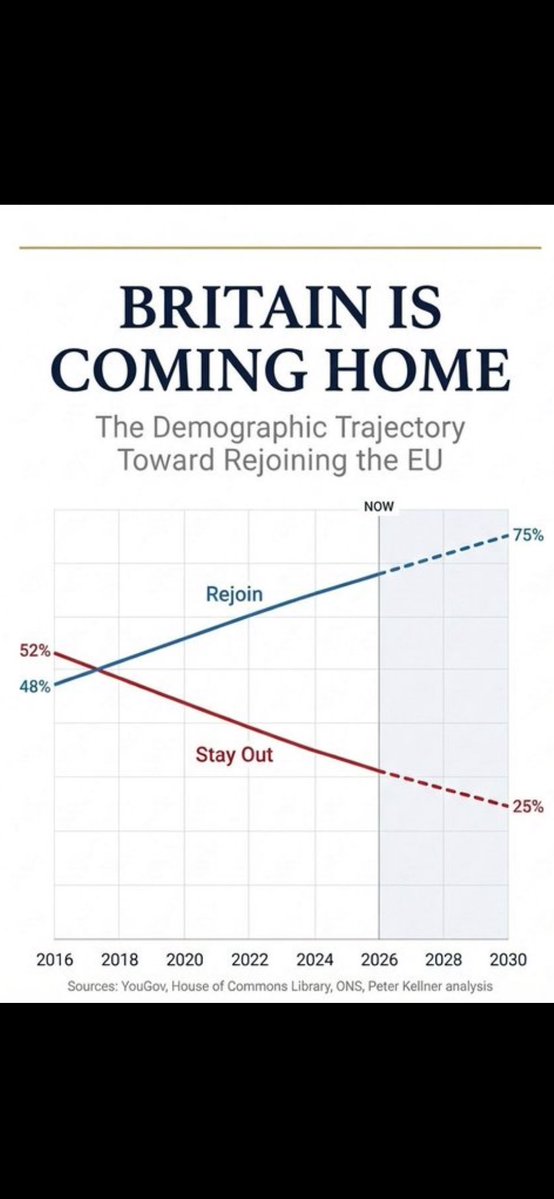


Though smaller than last year, the Unite the Kingdom march over the weekend was still sickening. The resurgence of out-and-out racism in the UK, from demands for remigration of British Asians to Antisemitic slurs on placards at both demonstrations, demands we meet this moment.


English council members lunch. What happened to all the diversity in the UK?