TheMauretanian

3.2K posts

TheMauretanian banner
TheMauretanian

TheMauretanian

@TMauretanian

Enthusiastic about ancient history, particularly that of North Africa. Here, I uncover lesser-known facts and debunk misconceptions.

Metagonia Katılım Mayıs 2022
138 Takip Edilen3.6K Takipçiler
Sabitlenmiş Tweet
TheMauretanian
TheMauretanian@TMauretanian·
Thread - What do we know about the mysterious and poorly investigated Copper and Bronze Age of North-West Africa ? (3000 BC – 9th cent. BC)
TheMauretanian tweet media
English
8
48
257
84.7K
TheMauretanian
TheMauretanian@TMauretanian·
@Elnogoth @punicist No, highly unlikely. The population of Roman Tunisia was heavily Romanized and identified as Roman (or African), which is why Arabs distinguished them from Berbers (Afariqa vs. Barbar). The Latin term barbari referred to non-Romanized Berber tribes outside Roman control.
English
0
0
0
20
Elnogoth
Elnogoth@Elnogoth·
@TMauretanian @Punicist Excerpt from The Muslim Conquest and Settlement of North Africa and Spain (#content=query:Af%C4%81r,pageNum:37,indexOnPage:0,bestMatch:false" target="_blank" rel="nofollow noopener">scribd.com/document/84055…) Could the "berbers" of tunisia speak punic and identified as kanaanite but were labelled are berbers by the arabs ?
Elnogoth tweet media
English
1
0
1
31
TheMauretanian
TheMauretanian@TMauretanian·
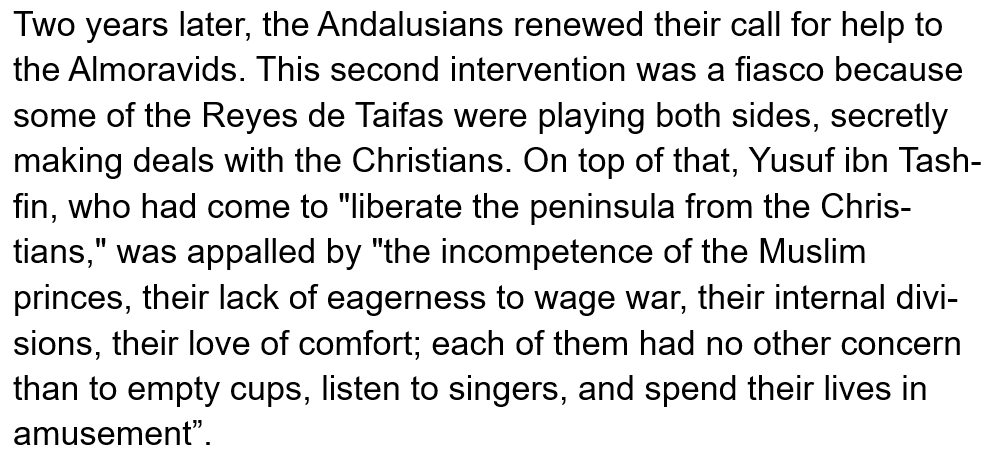
@DiadeMartin It would have fallen far earlier were it not for these 2 dynasties. The "Andalusian leadership" of that era was defined by fragmentation, infighting, and betrayal. Almoravids were reportedly disgusted when they saw how unwilling they were to fight and how weak they had become.
TheMauretanian tweet mediaTheMauretanian tweet media
English
2
1
57
1.4K
خيمة العروبية
Morocco and the Maghreb are indisputably Arab: -No one has ever ruled Morocco without an Arab nasab. -The country’s literary tradition is fully Arabic. -The aristocracy is of Arab culture; as people climbed the social ladder, they adopted Arabic and constructed Arab genealogy. -The institutions of the Moroccan states and much of its civilisation were all inherited from Umayyad al-Andalus. -Before integrating the Arabo-Islamic framework, Berbers were under the Romans or other Semetic historic powers such as the Phoenicians (who are at the origin of many, if not most, urban settlements in the Maghreb) and the Carthaginians, as well as other external powers like the ancient Egyptians (also from the Near East), the Greeks, and even the Vandals at certain points in time. -The Moroccan dynasty is Arab. -The majority of the country is Arabic-speaking and Arab-identifying. -A large part of the Maghreb is descended from Arab Bedouin tribes who migrated; pre-Islamic Berbers vastly shared a similar nomadic lifestyle too. -Many of the big Berber groups have historically claimed Arab ascendance, such as associations between the Sanhaja and Himyar, or the Zenata and Qays.
Big Herve 🇭🇰🇷🇼@alherveibnanfa

Les macaques qui nient l’arabité du Maroc. C’est devenu à la mode d’être berberiste.

English
40
15
134
24.5K
Nota T
Nota T@NotaT240400·
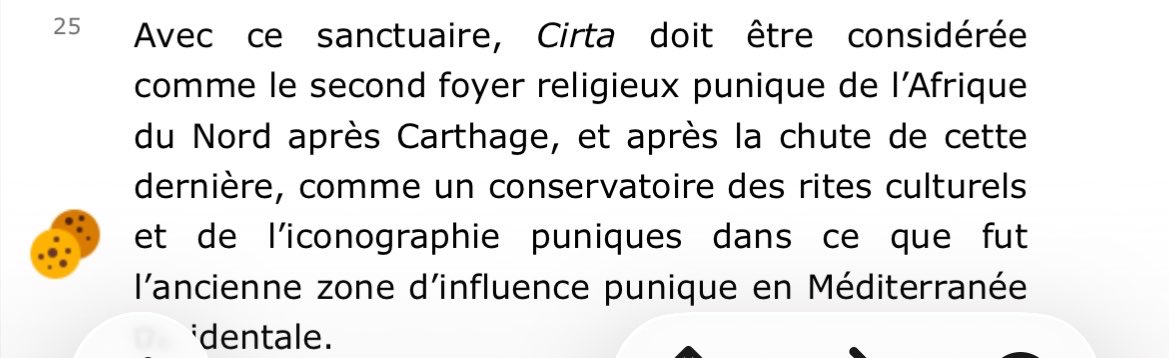
@TMauretanian @PLKOTOR “With this sanctuary, Cirta must be considered the second Punic religious centre of NorthAfrica after Carthage, and after the fall of the latter, as a conservatory of Punic cultural rites and iconography within what had been the ancient zone of Punic influence in the western Med’
Nota T tweet media
English
3
0
2
158
🇵🇸🇨🇳 ܓܘܠܝܐܬ
الآثار الكنعانية الموجودة في مدينة قسنطينة(قيرتا) الجزائرية في وقت سيطرة الكنعانيين على شمال إفريقيا وايبيريا
🇵🇸🇨🇳 ܓܘܠܝܐܬ tweet media🇵🇸🇨🇳 ܓܘܠܝܐܬ tweet media🇵🇸🇨🇳 ܓܘܠܝܐܬ tweet media🇵🇸🇨🇳 ܓܘܠܝܐܬ tweet media
العربية
7
1
33
1.7K
TheMauretanian
TheMauretanian@TMauretanian·
@NotaT240400 @PLKOTOR I’m already familiar with this and have read the article. As it clearly shows, it supports my point (influence) so where is the "Canaanite" political control of the city ?
English
0
0
4
92
TheMauretanian
TheMauretanian@TMauretanian·
@aotach0 This post isn’t objective. It downplays or erases the Berbers in favor of external groups, while overstating foreign influence to legitimize a so-called "Arabness" even where those references are irrelevant.
English
0
0
0
89
TheMauretanian
TheMauretanian@TMauretanian·
@Chud12346 Yes, but how do you think we can distinguish old Berber families from Arab ones? They may have been fully assimilated, but they were still well aware of their origins.
English
1
0
1
97
Chud
Chud@Chud12346·
@TMauretanian Living example of this exist in east Tunisia and the levant and Egypt where one family can be mostly of Berber origin and another one of Turkish or Albanian are same ethnically because of Large amounts on intermixing and cultural assimilation
English
2
0
0
118
TheMauretanian
TheMauretanian@TMauretanian·
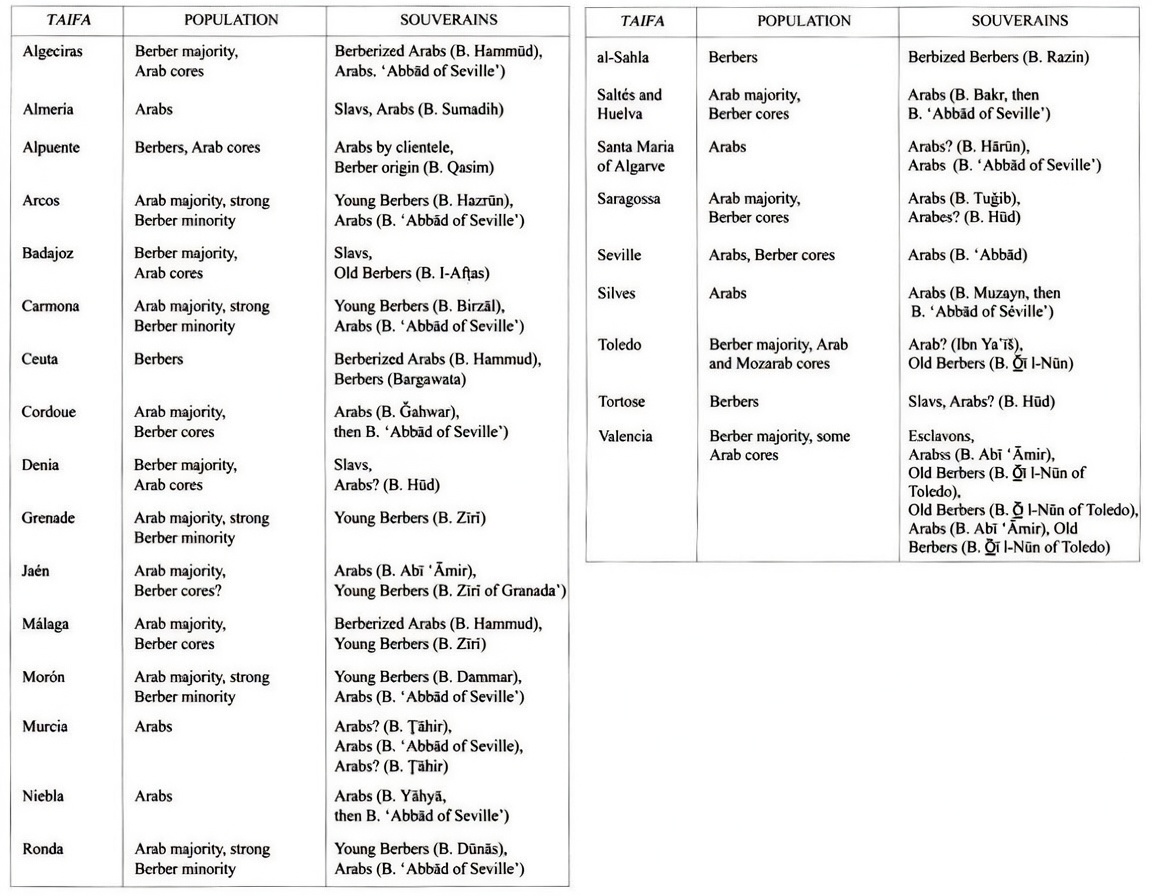
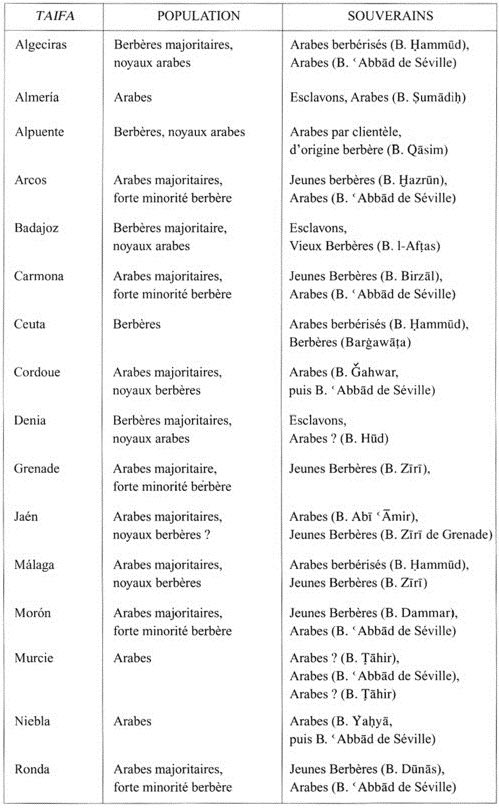
Here ethnic composition of the Andalusian Taifas (11th century). Translated from Clément 1993. "Young Berbers" = Berber groups who settled in Iberia in the 10th century. Local Iberians (Muwalladun) are included under the "Arab" label. x.com/NotaT240400/st…
TheMauretanian tweet media
Nota T@NotaT240400

Selon Al-Idrissi la population de Silves Gharb Andalus « se compose d’Arabes du Yémen et d’autres, qui parlent un dialecte arabe très pur ; ils savent aussi improviser des vers, et ils sont tous éloquents et spirituels […] trad. Dozy et M.J. de Goeje, Leyde, 1866, p. 179-180.

English
10
9
111
13.1K
TheMauretanian
TheMauretanian@TMauretanian·
@Dani6CBP__ I clearly wrote: "Local Iberians (Muwalladun) are included under the "Arab" label."
English
1
0
11
337
Daniel López 🪬
Daniel López 🪬@Dani6CBP__·
Si por “población árabe” entendemos personas cuya lengua habitual es el árabe, puedo llegar a comprar esta tabla. Si por “población árabe” refiere a descendientes de aquellos que migraron desde el Oriente Próximo durante o después de la conquista, esta tabla es un despropósito.
TheMauretanian@TMauretanian

Here ethnic composition of the Andalusian Taifas (11th century). Translated from Clément 1993. "Young Berbers" = Berber groups who settled in Iberia in the 10th century. Local Iberians (Muwalladun) are included under the "Arab" label. x.com/NotaT240400/st…
Español
8
8
87
3.4K
TheMauretanian
TheMauretanian@TMauretanian·
@Chud12346 No one said or implied that "muwallad" was specific to Al-Andalus, and why would they have been part of the same ethnicity if they kept highlighting such differences in the literature of the time?
English
1
0
2
218
Chud
Chud@Chud12346·
@TMauretanian Old Berbers andalusi Arabs and muwalads were basically the same ethnicity in 1050 ad the difference probably matarred in 800s ad + Muwallad isn't an Iberian specific thing like many chuds claim but the term included different arab client groups in mena too
English
2
0
2
294
TheMauretanian
TheMauretanian@TMauretanian·
@Chud12346 This isn't really about genetics and the author acknowledges that Old Berbers were more arabized.
English
0
0
1
165
Chud
Chud@Chud12346·
@TMauretanian I wouldn't count old Berber pop of Iberian Cities and new berbers and Ceuta people as in the same category by 1000s ad as those were equally as district from each other as Kabyles are from tauregs or something both culturally and genetically
English
1
0
1
244
TheMauretanian
TheMauretanian@TMauretanian·
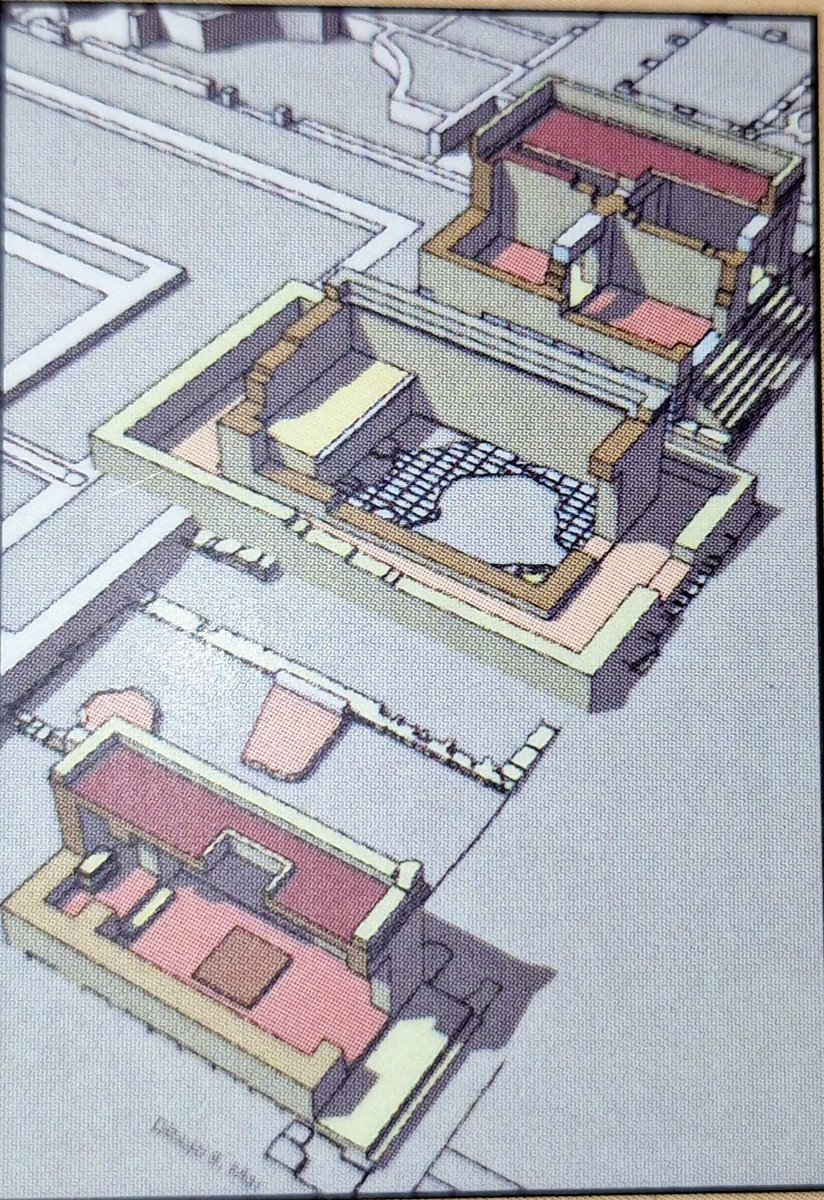
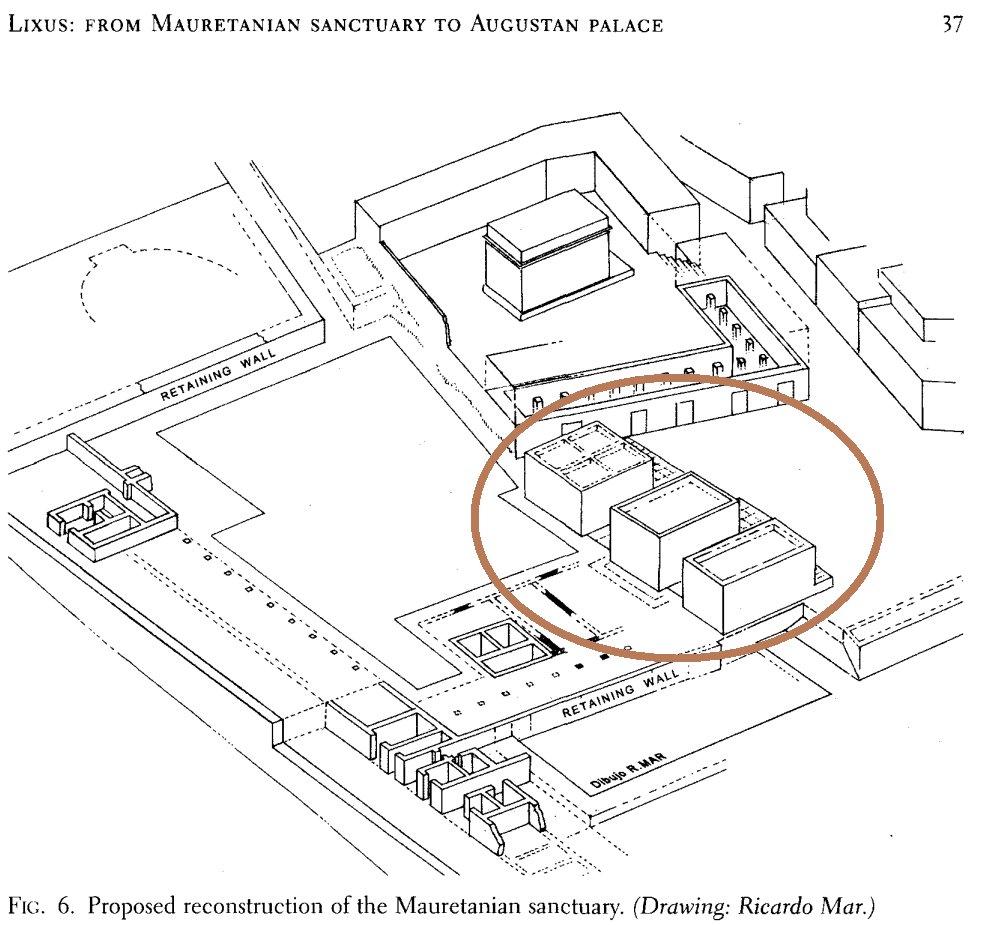
Reconstruction by Ricardo Mar of 3 temples in the monumental sector of ancient Lixus (Morocco) - 2nd century BC. They were integrated into a vast sacred garden, arranged across 3 terraces and supplied by a network of canals. The complex was further enhanced by a cryptoporticus.
TheMauretanian tweet mediaTheMauretanian tweet media
English
1
4
42
1.3K