Tapsi Kumar, PhD retweetledi

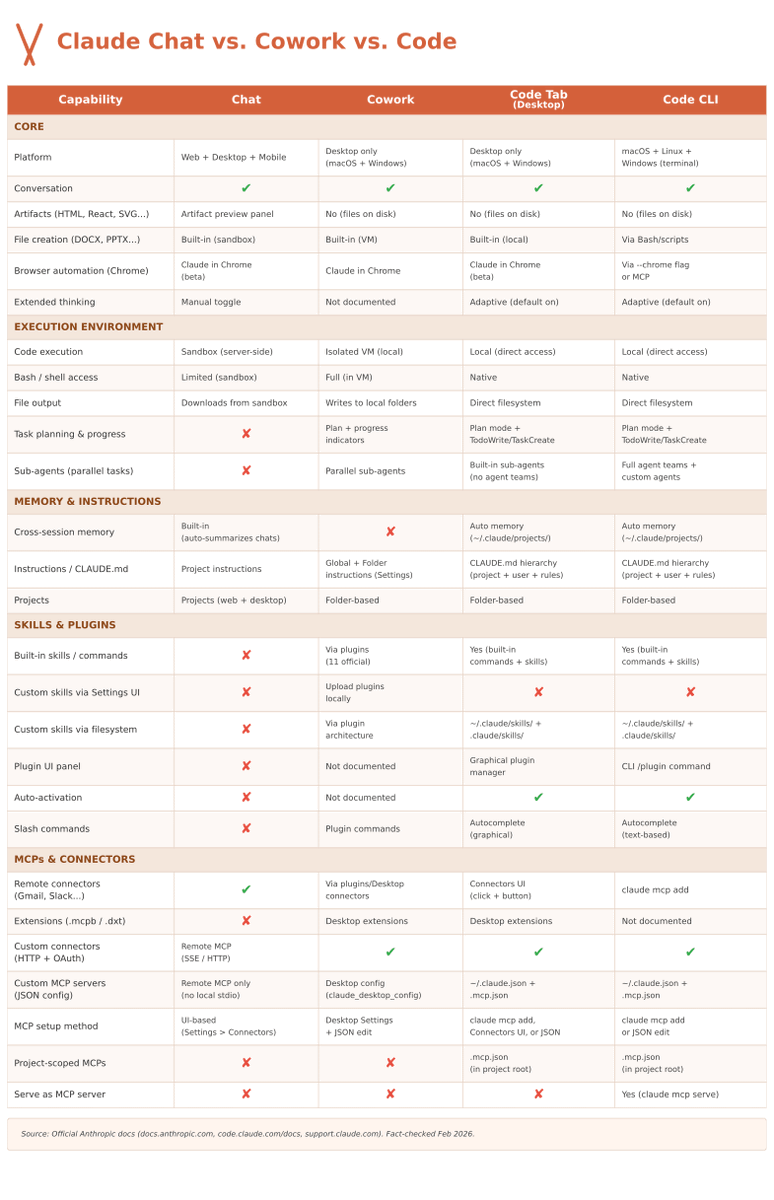
Claude Chat vs Cowork vs Code Tab vs Code CLI — what's actually different?
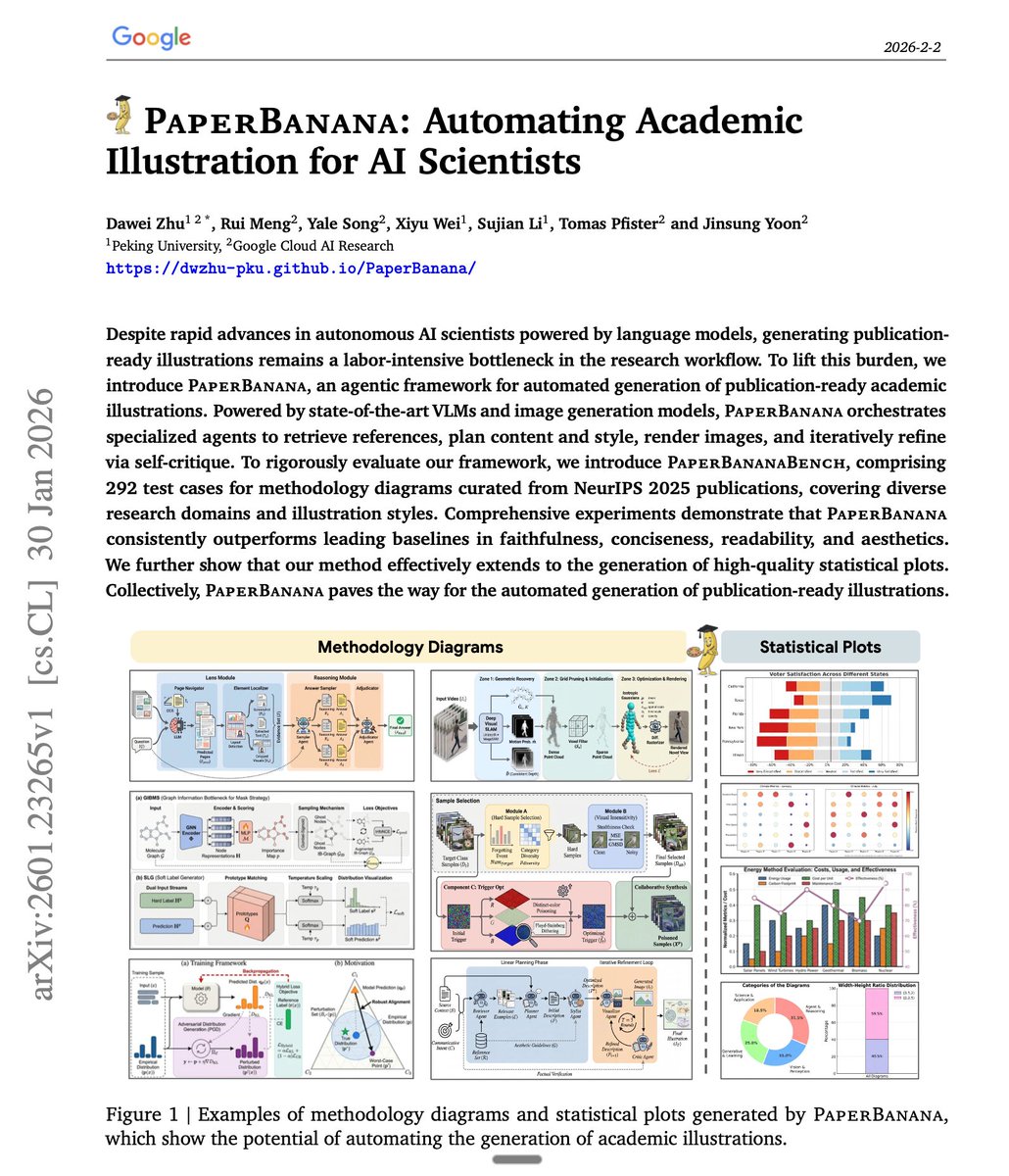
I used Claude Code to fact-checked every feature against official Anthropic docs and put together this comparison table.
English
Tapsi Kumar, PhD
2.5K posts


@TapsiKS
BMS | ExChair - Scholarships @Awis_Houston | PHD @MDAndersonNews. Single cell genomics | Computational Biologist | Oncology. Crazy animal (-reptile) lover.


🧠 MIT recently completed the first brain-scan study on ChatGPT users—and the results are deeply revealing. Rather than boosting brain function, prolonged AI use may be dulling it. Over four months of cognitive data suggest we might be measuring productivity all wrong ⤵️ In MIT’s study, participants had their brains scanned while using ChatGPT. → 83.3% of users couldn’t recall a single sentence they’d written just minutes earlier. → In contrast, those writing without AI had no trouble remembering. Brain connectivity dropped sharply—from 79 to 42 points. → That’s a 47% drop in neural engagement. → The lowest cognitive performance among all user groups. Even after stopping ChatGPT use in later sessions, these users showed continued under-engagement. → Their performance remained lower than those who never used AI. → This suggests more than dependency—it’s cognitive weakening. Beyond the scans, educators flagged the writing itself. → Essays were technically solid, but often called “robotic,” “soulless,” and “lacking depth.” Here’s the paradox: → ChatGPT makes you 60% faster at completing tasks… → But it reduces the mental effort required for learning by 32%. The top-performing group? → Those who began without AI and added it later. → They retained the best memory, brain activity, and overall scores. Using ChatGPT can feel empowering—but it may quietly offload your thinking. → You gain speed, but lose engagement. → You get answers, but stop learning how to think. The takeaway isn’t to avoid AI—but to use it intentionally. → Use it to assist, not replace your mind. → Build cognitive strength—not dependency. MIT’s early study on AI and the brain lays out the stakes. The way we use these tools matters more than ever.


The time of day for cancer immunotherapy is associated with major outcomes. Early is better. Results from a randomized trial of lung cancer, backs up the importance of our circadian rhythm and immune system nature.com/articles/s4159…



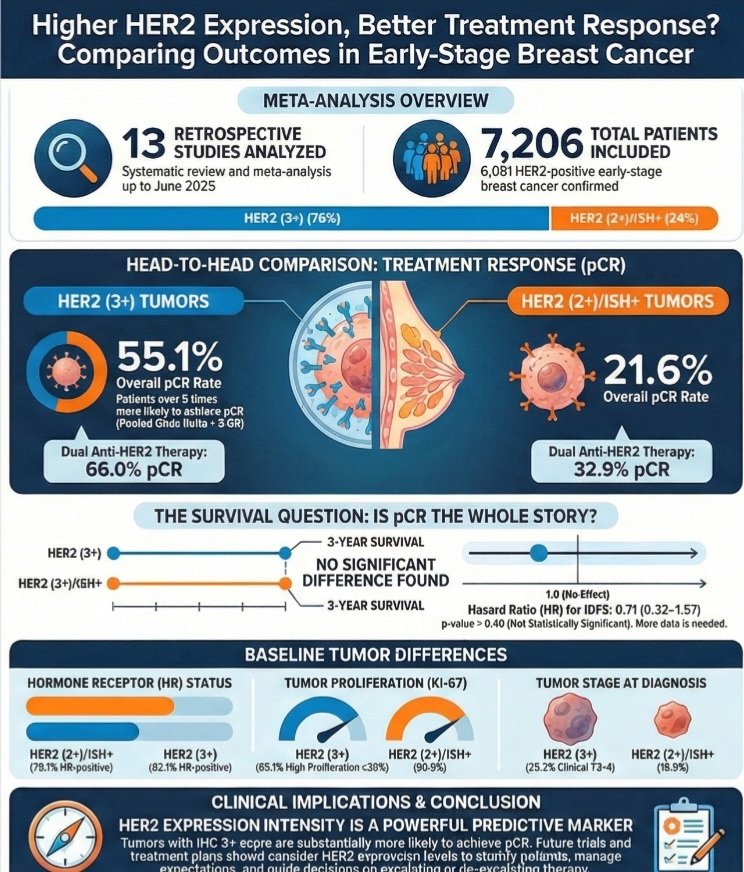


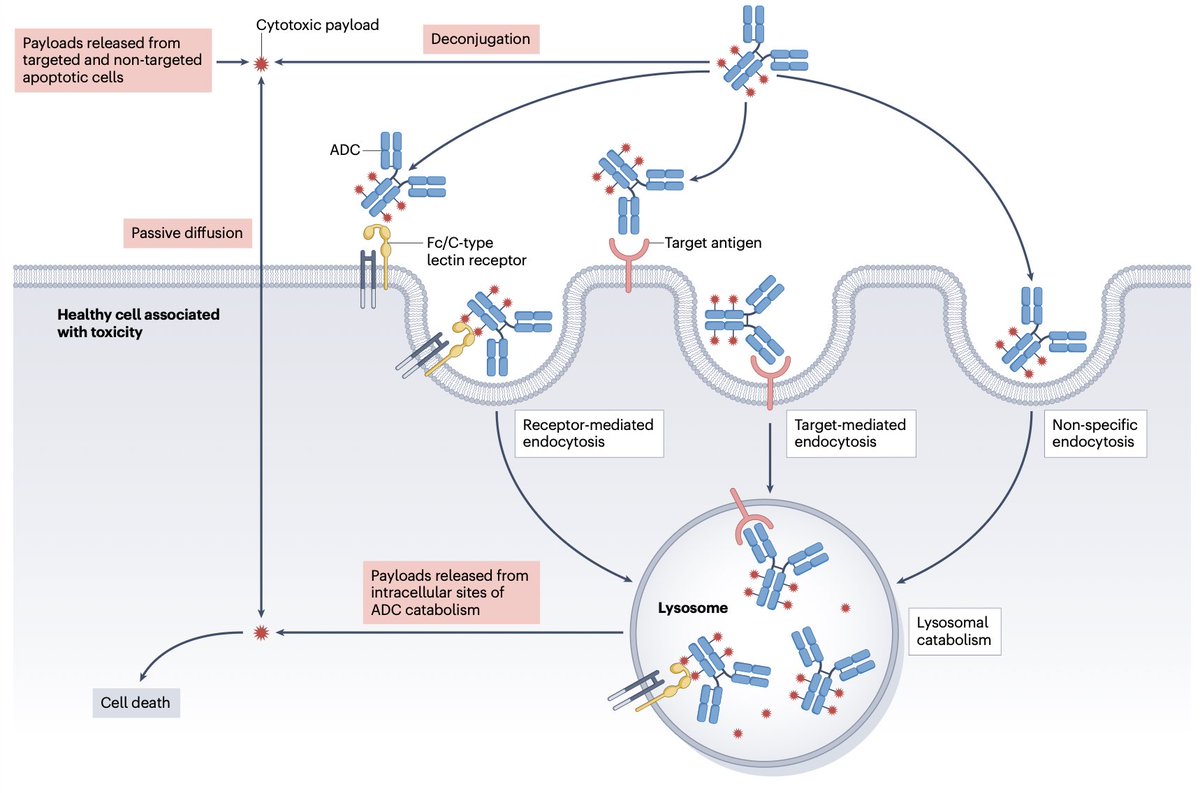
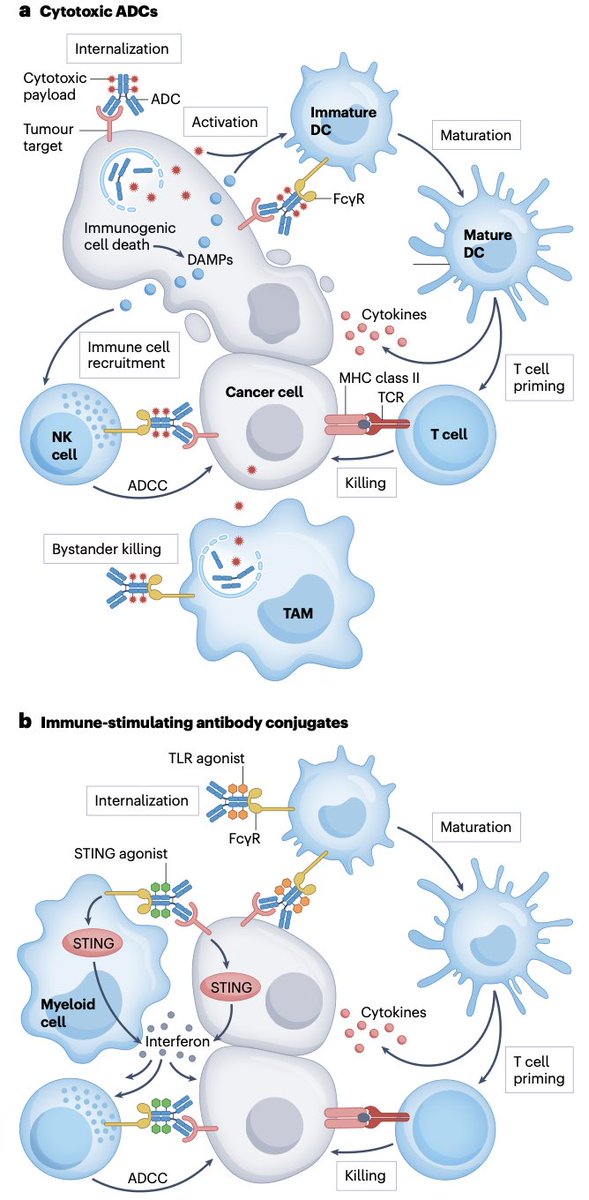



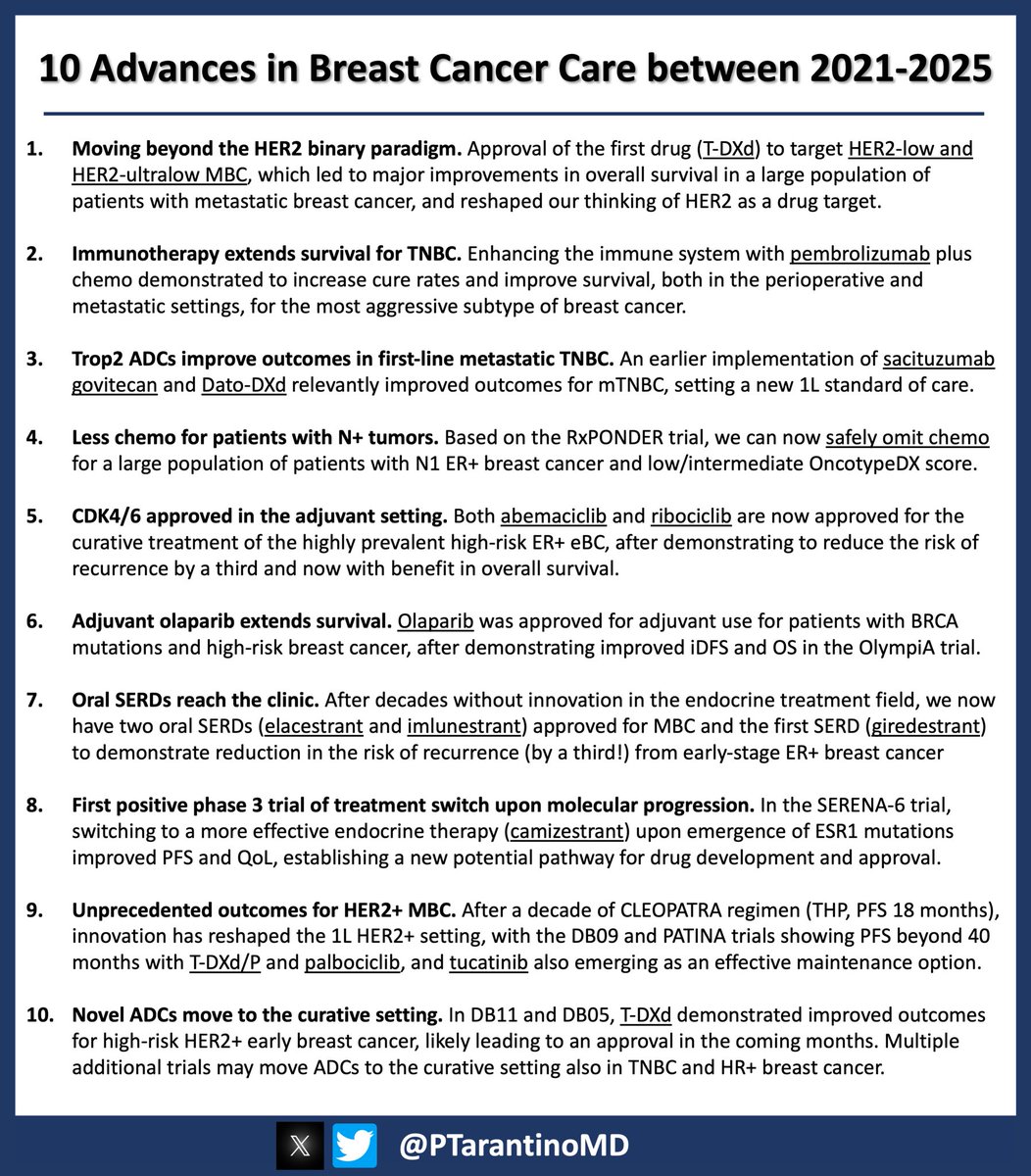
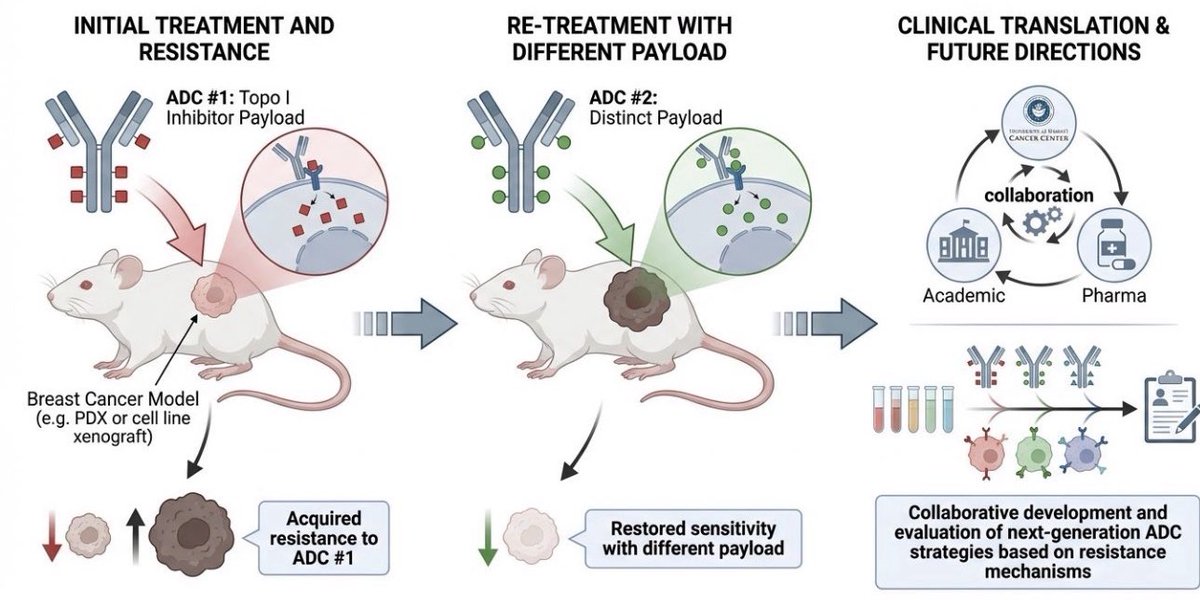
2025: quite a year for ADCs in breast cancer • T-DXd approved for 1L cytotoxic tx of HR+/HER2-low (& #ultralow) MBC • T-DXd now also approved for 1L HER2+ MBC • First ph3 data of T-DXd in the CURATIVE setting • Two TROP2 ADCs replaced 1L SoC in mTNBC Keep ’em coming, 2026🎯