Terry Etam

3.6K posts

Terry Etam banner
Terry Etam

Terry Etam

@TerryEtam

Energy writer and energy is life. Rugged Individualist. 🚜⚡️🌲♻️🛒🏝️🏔️🛫🚗🎼🍕🐄🦺⚖️📚🌧️☕️ fan

Calgary, Alberta Katılım Ocak 2018
741 Takip Edilen1.6K Takipçiler
Sabitlenmiş Tweet
Terry Etam
Terry Etam@TerryEtam·
"The author is well informed and about as unbiased as you can get in this debate. He also injects a lot of humour." Thx Amazon reviewer, and all the others that got it!amazon.ca/End-Fossil-Fue…
English
5
8
37
0
Heather Exner-Pirot
Heather Exner-Pirot@ExnerPirot·
OK I am panicking now “Where there is at the heart of all these projects, including resources, provincial jurisdiction; where the federal government is catalyzing, helping to make the project happen through a tax or other incentive - regulatory support - and at the core there is a commercial business making a profit, it is fair, right, just, smart for Canadians to have a share directly in those profits.”
English
406
316
1.3K
448.1K
Terry Etam retweetledi
Uncle Gary
Uncle Gary@unclegarytrucks·
me & Weasel got paid to cut the grass of this Wal-mart @WeaselHandyMan wanted to made sure the #carpet at the door was cut 2 this is the above & beyond service that’s keeps us getting the #big jobs
English
8
7
112
4.5K
UnveiledChina
UnveiledChina@Unveiled_ChinaX·
A car. A fake cell tower. 13 million network disruptions. And three Chinese nationals who just made Canadian legal history for all the wrong reasons. Toronto Police have wrapped up Project Lighthouse, Canada's first ever documented case of a vehicle-mounted SMS blaster being deployed against the public. The device was hidden inside a moving vehicle, driving across the Greater Toronto Area for months starting in late 2025. Every phone it passed connected to it without the owner knowing, thinking it was a legitimate cell tower. From there, the device blasted out fake text messages impersonating banks and service providers, redirecting victims to phishing sites designed to steal banking credentials, passwords, and personal data. Tens of thousands of devices connected to it. The operation logged over 13 million network disruptions, meaning real cell towers were being knocked offline. During those windows, people trying to call 911 may not have gotten through. On March 31, 2026, police executed search warrants in Markham and Hamilton. Two suspects were arrested and multiple SMS blasters were seized. A third handed himself in on April 21. All three are Chinese nationals: Dafeng Lin, 27, of Hamilton; Junmin Shi, 25, of Markham; and Weitong Hu, 21, of Markham. Together they face 44 charges including fraud, mischief endangering life, unauthorized possession of credit card data, and fraudulently intercepting computer systems. Toronto Police called it a "first-of-its-kind" case in Canada and a "new and emerging threat." The investigation required coordination between the RCMP, York Regional Police, Hamilton Police, telecom providers, and major financial institutions. This was not a phishing email someone could choose to ignore. This was a roving piece of military-grade interception technology, quietly driven through Canadian neighborhoods, hijacking phones and potentially blocking emergency calls. No interaction required from victims. Just proximity. #Canada #Toronto #CyberCrime #SMSBlaster #ProjectLighthouse #Fraud #CyberSecurity #ChineseNationals #RCMP #NationalSecurity
Inty News@__Inty__

加拿大🇨🇦灯塔行动:3名中国籍男子被控44项罪名,用车载假基站钓鱼
English
148
1.4K
3.1K
489.3K
пиарщик на пуантах🩰
Господи, как же хорошо читать комментарии иностранных друзей! Наслаждаюсь разнообразием мнений, пока Илон не увел все в платную подписку. Как же мы понимаем друг друга! Не уровне слов, а на уровне души! И чувствуем одинаково ❤️
Русский
40
29
551
7K
JennyManyDots
JennyManyDots@jenstilmanydots·
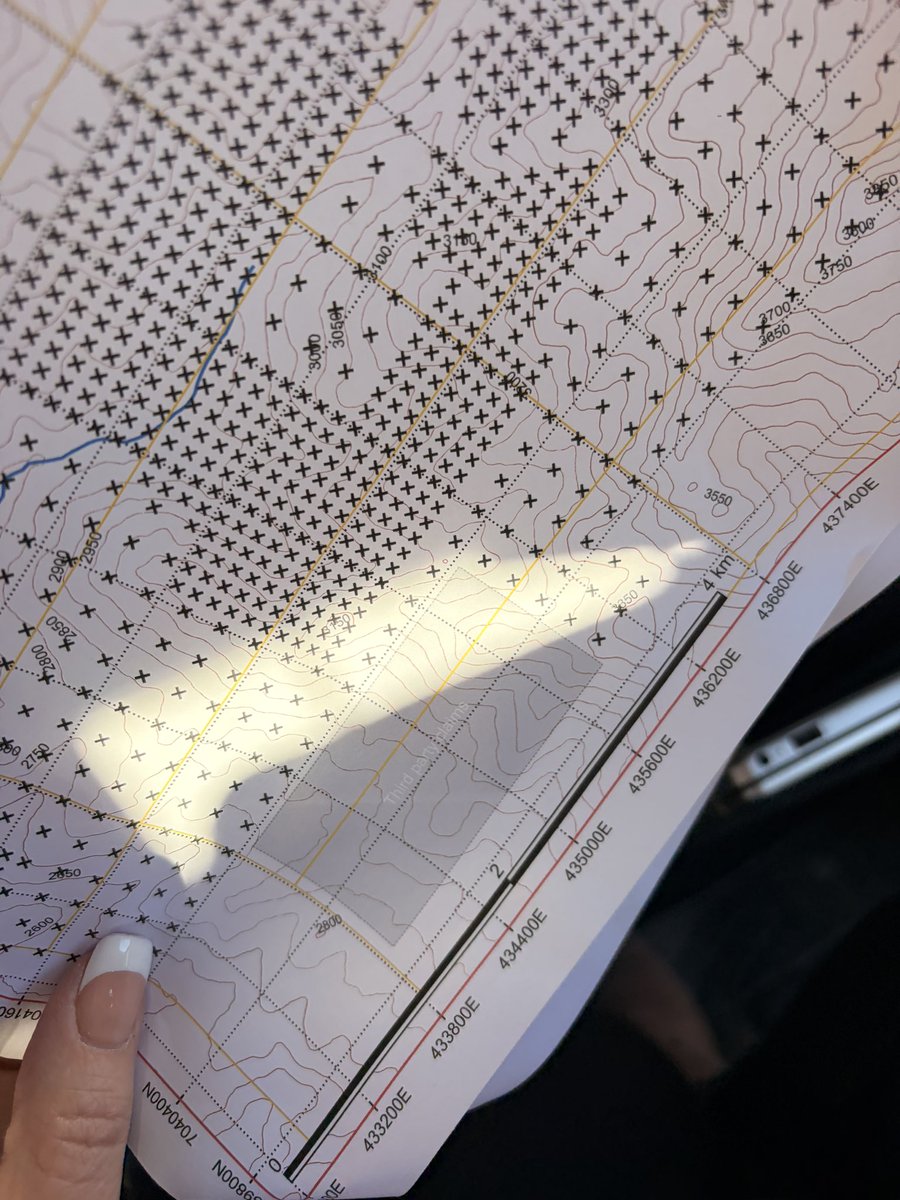
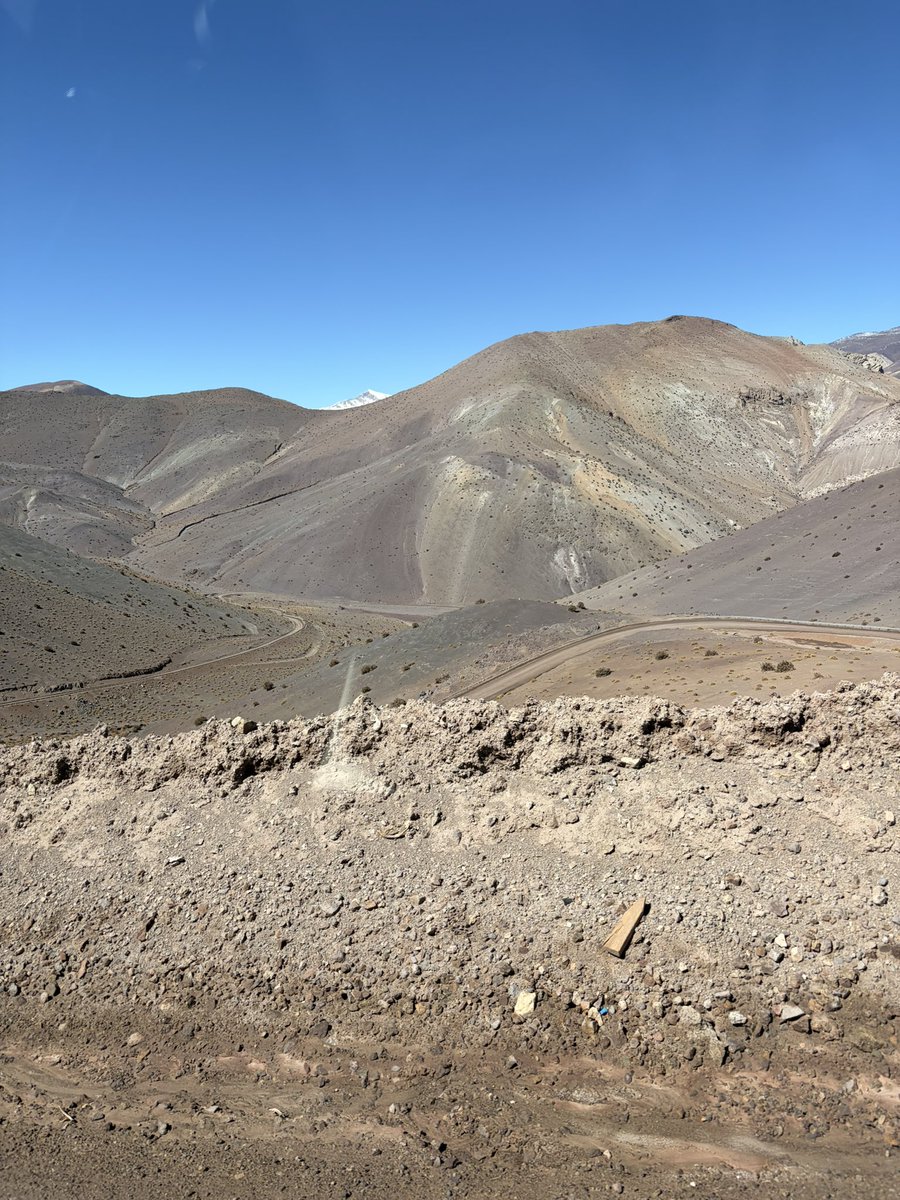
Geologists do not get enough appreciation - it was no easy feat to get here! 4 hours on some ‘interesting’ roads and some things must still be done old school, such as walking a hundred hectares in one day to take samples.
JennyManyDots tweet mediaJennyManyDots tweet media
English
10
5
76
3.5K
Terry Etam
Terry Etam@TerryEtam·
@zaglubotskaya Sure! I will grab a random assortment. Here's downtown. Including one to be humble
Terry Etam tweet mediaTerry Etam tweet mediaTerry Etam tweet media
English
0
0
0
2
じょうじ (Joji)🇯🇵
じょうじ (Joji)🇯🇵@WelDemi161·
昼飯は回転寿司だ。 これはアメリカ人は驚くかな? 肉にもわさびを乗せるよ! 涙が出るくらい乗せるのが好きなんだ☺️
じょうじ (Joji)🇯🇵 tweet mediaじょうじ (Joji)🇯🇵 tweet media
日本語
56
1
144
2.4K
капҫи мар-и
капҫи мар-и@sharlinrichter·
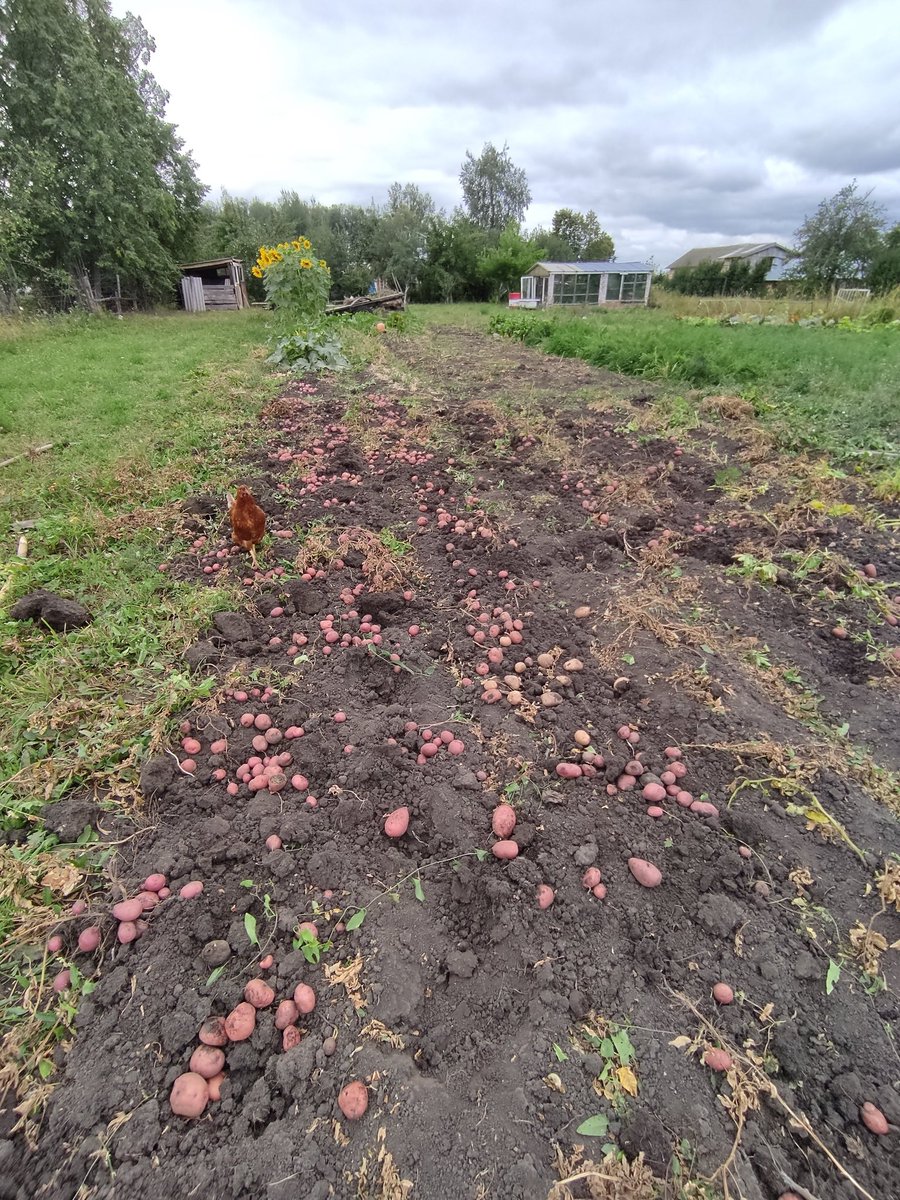
@TerryEtam Каждый год на своём участке земли сажаем и выращиваем 🫡
Русский
1
0
1
20
капҫи мар-и
капҫи мар-и@sharlinrichter·
Забавно и одновременно с этим очень мило наблюдать как моя лента превратилась в трогательные признания всех народов друг к другу 🥹 На всякий случай - привет тебе мир, я из России! (вдруг произойдет чудо и весь мир увидит этот твит)
капҫи мар-и tweet media
Русский
402
258
4.8K
33.3K
капҫи мар-и
капҫи мар-и@sharlinrichter·
стараюсь успеть ответить хотя бы на большую часть комментариев, лайкать всех едва успеваю, очень приятно наблюдать это чудо! ☺️ подписывайтесь, люди мира, я очень часто публикую фотографии из своего родного города Чебоксары и рассказываю о всяких интересных вещах своей жизни 👋
капҫи мар-и tweet mediaкапҫи мар-и tweet mediaкапҫи мар-и tweet mediaкапҫи мар-и tweet media
Русский
3
1
28
518
Terry Etam
Terry Etam@TerryEtam·
@awaylana12q Hi from Canada. It is so interesting to see the daily lives of others far away. Yes you do forget all the crap and see people are just people. With interesting hobbies. It is great. Learning a lot.
English
0
0
5
139
зоди🕊️
зоди🕊️@awaylana12q·
читаешь ленту и всех этих людей из других стран и на время забываешь о всех ограничениях, в которых живешь
Русский
24
20
499
5.8K
🇦🇺Craig Tindale
🇦🇺Craig Tindale@ctindale·
A lot of this “dopamine” discourse is just public disdain pretending to be neuroscience. It takes a narrow truth, that some platforms are built around compulsive reward loops, then stretches it into a sermon about modern life itself. Books are virtuous. Screens are are evil . Old forms of attention are healthy. New forms are shameful. It’s not serious research it is cultural disdain with pretend scientific dressing. Reading a hard book on paper and reading a hard paper on a screen are the same act at the level that matters. Following an argument is following an argument. Studying direct sources is studying direct sources. Writing, researching, comparing, thinking, none of that becomes mentally degrading because the medium is digital. The real BS is category collapse. Doomscrolling, online archives, long-form interviews, primary source research, slot-machine feeds, message threads, lectures, PDFs, all get shoved into one bucket called “screen time” and then condemned as if they are interchangeable. All these folk are are cultural warriors I want to realise the past and condemn the present. It is intellectually complete BS . Some digital systems are designed to fragment attention. Fine. Make that case properly instead of the BS science narrative . Measure it properly. But the claim, that interacting with knowledge through new media is somehow corrosive in itself, is mostly just a fashionable way of expressing disdain at the present. I grew up before the Internet. I have 10,000 books left over from that period that I hardly pick up these days. That it was better to spend days in the library each month than what we have today . Stop pretending that it was better in those days and that somehow we’ve got a toxic cultural penalty from through accessing information . Inhabit the joy of being able to access information at your fingertips .
P.S. I Love ME@ps_ilove_me

🚨In 1990s, Stanford researcher Dr. Robert Sapolsky discovered something that should have broken the internet by now. He was studying dopamine pathways in primates and found that the brain doesn't just adapt to repeated stimulation. It actively fights back. When you flood dopamine receptors consistently, the brain deploys what neuroscientists call "opponent processes." For every artificial high you create, your nervous system generates an equal and opposite neurochemical low. Not eventually. Immediately. The system is designed to maintain balance, so it starts producing compounds that directly counteract dopamine while you're still experiencing the dopamine hit. This means every notification, every scroll, every digital reward doesn't just give you a high followed by a return to baseline. It gives you a high followed by a crash below baseline. You end up in neurochemical debt. Tech companies never publicized this research. They probably never read it. They were too busy discovering that variable ratio reinforcement schedules could keep users engaged for hours. They built addictive systems by accident, then refined them into addiction machines once they realized what they'd stumbled onto. Your phone delivers an average of 80 dopamine hits per day. Your ancestors got maybe 5. Each hit triggers opponent processes that create a corresponding low. By the end of a typical day of normal phone usage, your baseline dopamine is running in negative territory. You feel flat, restless, vaguely unsatisfied, and hungry for stimulation because your brain chemistry is literally below zero. You think you're bored. You're chemically depressed by artificial highs. The opponent process theory explains why nothing feels interesting anymore. Your brain isn't broken. It's precisely calibrated to maintain neurochemical balance, and you keep throwing that balance off with artificial intensity. Every Instagram hit requires an equal Instagram crash. Every TikTok high gets paid for with a TikTok low. Every notification rush gets balanced with notification emptiness. Your reward system is running a neurochemical deficit that grows larger every day. Sapolsky's research revealed something even more disturbing: opponent processes don't just create temporary lows. They become permanent changes to your baseline dopamine production. Chronic overstimulation doesn't just make you tolerant to digital rewards. It makes you insensitive to natural rewards. The sunset that would have captivated your great-grandfather becomes invisible to you not because sunsets got worse, but because your dopamine system needs intensity levels that sunsets can't provide. A good conversation becomes boring not because conversations got less interesting, but because your brain requires the rapid-fire stimulation of social media to register engagement. You've accidentally trained your reward system to ignore everything that isn't artificially amplified. This connects to research from Dr. Anna Lembke at Stanford, who found that people who undergo complete digital fasting for just 30 days show measurable increases in dopamine receptor density. Their brains literally regrow sensitivity to natural rewards. Food tastes better. Music sounds more complex. Social interactions become genuinely engaging again. But there's a catch that nobody talks about: the first two weeks of dopamine detox feel like clinical depression. Your brain has been chemically dependent on artificial stimulation for years. Removing that stimulation creates actual withdrawal symptoms. Restlessness, anxiety, inability to focus, emotional flatness, and desperate cravings for digital input. Most people interpret these symptoms as evidence that they need their phones. Actually, they're evidence that they've been neurochemically dependent on their phones without realizing it. The withdrawal period isn't a bug. It's proof the reset is working. What happens after week three is remarkable. Colors become more vivid. Conversations become genuinely absorbing. Simple pleasures like hot coffee or cool air become satisfying in ways you forgot were possible. Your brain rediscovers that reality contains enough complexity and beauty to hold your attention without artificial amplification. You don't need more interesting content. You need more sensitive reward systems. The solution isn't better apps or more engaging entertainment. The solution is restoring your brain's factory settings for what constitutes a worthwhile experience. Sapolsky's opponent process research suggests this can happen faster than anyone expected. Every day you don't artificially spike your dopamine, your baseline moves a little higher. Every natural reward you pay attention to rebuilds receptor density. Every moment of boredom you endure without reaching for stimulation strengthens your capacity for sustained focus. Ancient humans lived in a world that provided exactly the right amount of stimulation to keep their reward systems healthy. Enough challenge to stay engaged, enough calm to stay balanced, enough novelty to stay curious, enough routine to stay stable. We built a world that provides 10 times too much stimulation and wonder why nothing feels rewarding anymore. Your brain is not the problem. Your environment is the problem. Change the environment, and the brain heals itself automatically.

English
7
11
82
11.2K
Terry Etam
Terry Etam@TerryEtam·
"Luck isn't random. Luck is surface area."
Aakash Gupta@aakashgupta

There's a physicist at Stanford named Safi Bahcall who modeled this exact principle and the math is wild. He calls it "phase transitions in human networks." When you're stationary, your probability of a lucky event is limited to your existing surface area: the people you already know, the places you already go, the ideas you've already been exposed to. Your opportunity window is fixed. When you move, your collision rate with new nodes in a network increases nonlinearly. Double your movement (new conversations, new cities, new projects) and your probability of a serendipitous encounter doesn't double. It roughly quadruples. Because each new node connects you to their entire network, not just to them. Richard Wiseman ran a 10-year study at the University of Hertfordshire tracking self-described "lucky" and "unlucky" people. The single biggest differentiator wasn't IQ, education, or family money. Lucky people scored significantly higher on one trait: openness to experience. They talked to strangers more, varied their routines more, and said yes to invitations at nearly twice the rate. The "unlucky" group followed the same routes, ate at the same restaurants, and talked to the same 5 people. Their networks were closed loops. No new inputs, no new collisions. Luck isn't random. Luck is surface area. And surface area is a function of movement. The lobster emoji is doing more work than most people realize. Lobsters grow by shedding their shell when it gets too tight. The growth requires a period of total vulnerability. No protection, no armor, soft body exposed to the ocean. That's the cost of movement nobody posts about. You have to be uncomfortable first. The new shell only hardens after you've already moved.

English
0
0
3
148