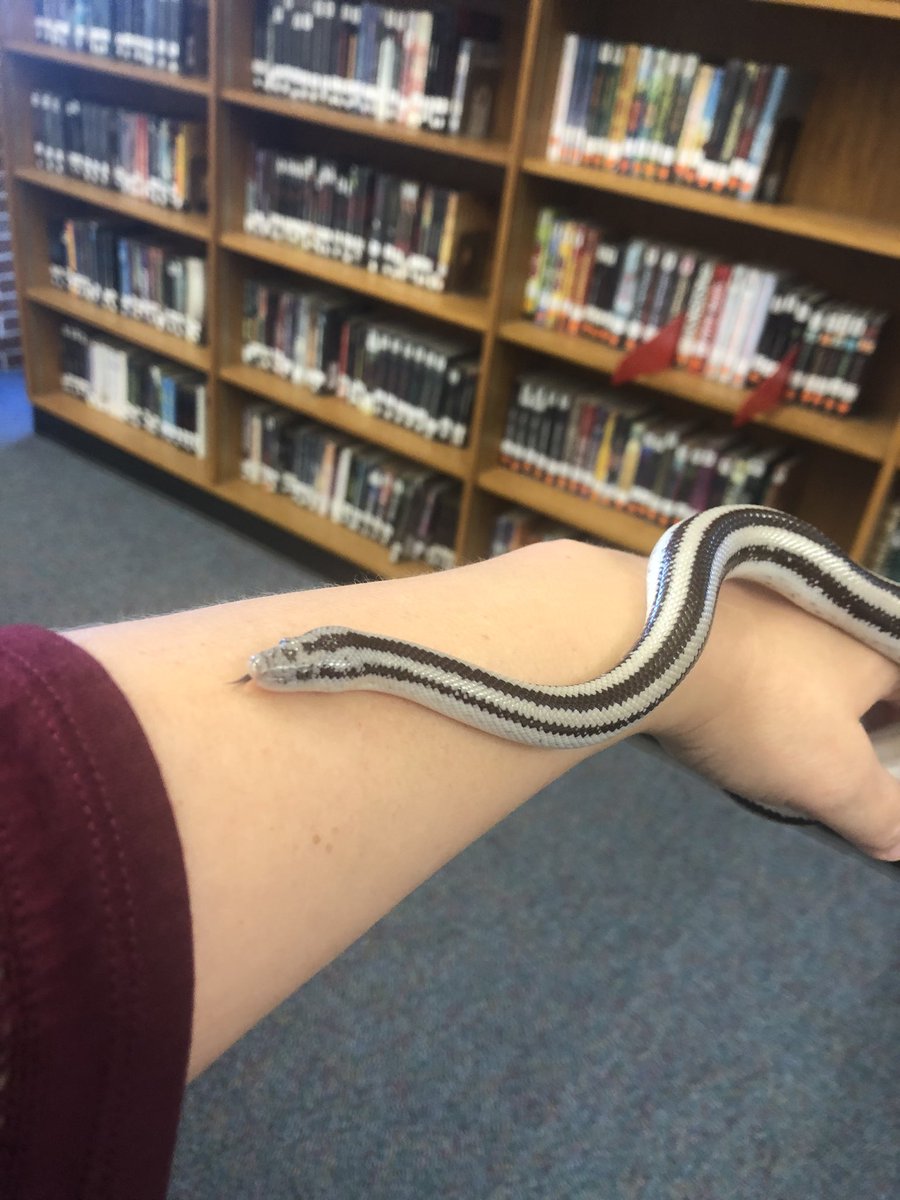
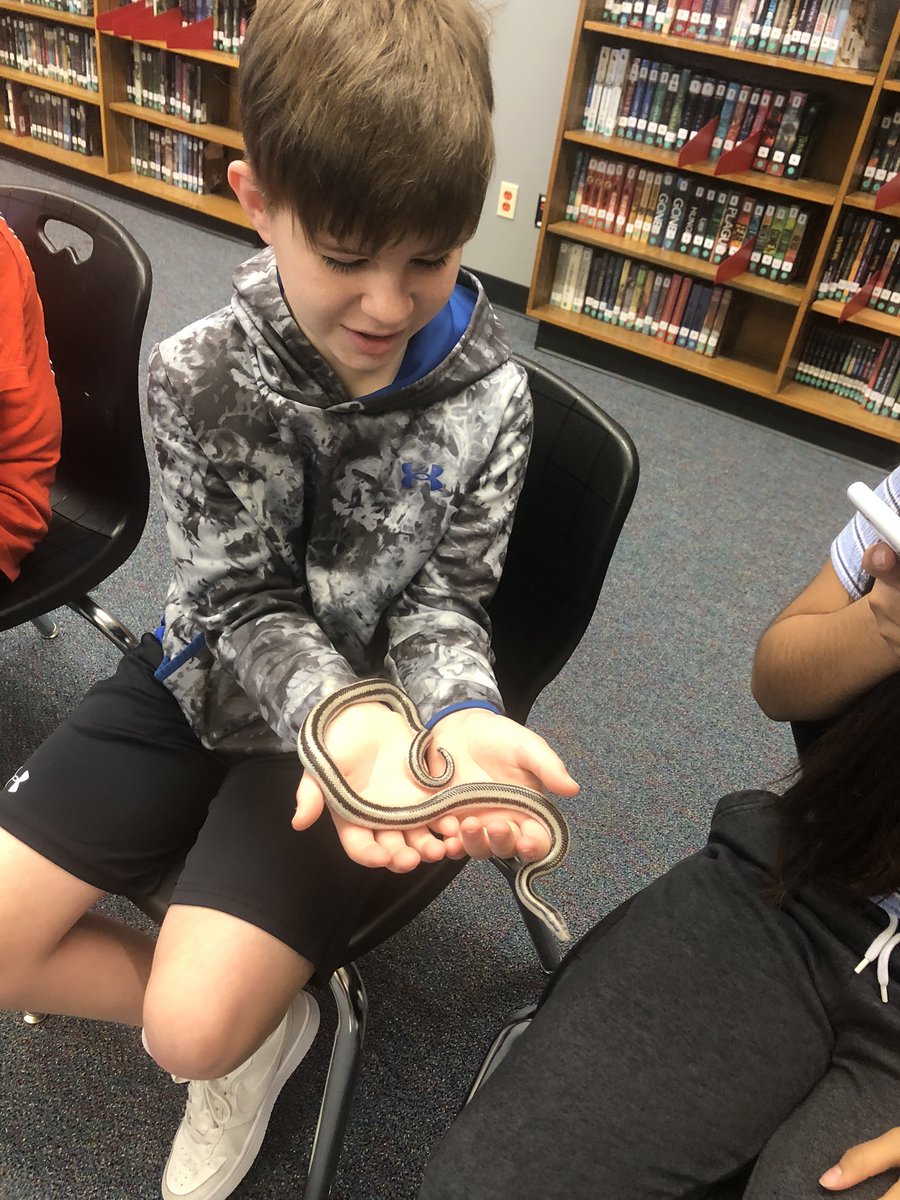
@TexasSnakes@AnnYoungMD Thank you this is amazing - but wait - what do you mean "to ensure the snake can escape?" you mean while in the ED? 😮 and do the charge nurses get an in-service on how to use this?
@Wilddaisys1@AnnYoungMD The company that was in charge of removal before us may have done some training. If were were asked to do any training, we would of course do so.
@Wilddaisys1@AnnYoungMD They are not dealing with loose snakes. People are bringing in snakes that are contained in something - jars, other buckets, even ziplock bags sometimes. A majority of the time the snake is dead when they bring it in. But the hospital still wants it picked up and disposed of.
@alanl1983 Bringing the snake is not recommended. A picture will suffice. Even without a picture, antivenom Crofab can be used for any pit viper envenomation (hemotoxin) (rattlesnake, copperhead, cottonmouth). There is no current FDA-approved antivenom for coral snakes (neurotoxin).
@TexasSnakes Serious q: in case of snake bite, is bringing the 🐍 to hospital still ‘recommended’, or are good quality high resolution photos sufficient these days for anti-venom identification?
@robert_wiley@melaniewiley_ People were bringing in snakes to the ER that had bitten them. They thought it was necessary for the doctors to see what kind of snake bit them to get proper treatment (!?) So that’s where we came in, haha.
I REALLY want to know the backstory on why this hospital felt they needed a policy on how nurses should handle snakes that get into the ER. I am glad @melaniewiley_ didn’t see this before she started her nursing career last week.