@pheestalgia It brings me great joy that this was one of the last things Thomas Cook did before we collapsed in a blaze of glory.
English
Josh
16K posts
@ThatSillyGinge
Do not store in direct sunlight. Views belong to nobody, not even me.



Our TMAs were hit 50 times last year. Fifty. Distracted driving puts every life on the road at risk. Make the right choice behind the wheel—stay focused. Never drive distracted. 📵🚗

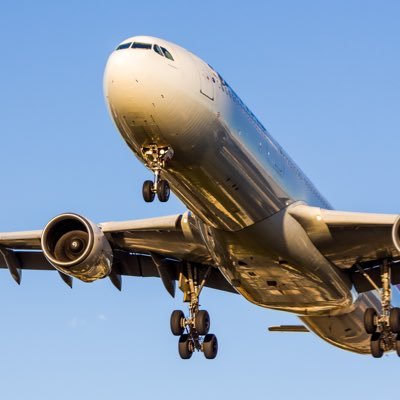
British Airways Airbus A320neo take-off thrust blowing United Boeing 767 at Heathrow on 23rd March 2025. 📹: Flightfocus365
Tesla’s brakes and maneuverability are truly outstanding. The car’s advanced Automatic Emergency Braking and precise handling helped prevent a serious accident. $TSLA
Update...


A first look at our brand new titles for the 2026 season 🤩🏁



The Tesla Cybertruck has steer by wire, so technically Tesla could program it so the steering wheel doesn’t move when FSD is active. I would love that because the steering wheel gets in the way when I sit with my legs crossed.