Jack

2.1K posts

Jack

Jack

@TheCountofOil

Oil Baron | Investment Banking | Markets | Fitness | Evil Industrialist | International Finance

Dallas, TX Katılım Şubat 2023
103 Takip Edilen344 Takipçiler
Jack
Jack@TheCountofOil·
@HayaseMotors We do this all the time. Can probably find one easily every weekend
English
0
0
0
12
Jack
Jack@TheCountofOil·
@StuffForSisters Is Catholic art in Japan localized? Do depictions of Mary have her in tea gardens or with cherry blossoms? This is honest curiosity, not a jab or insult.
English
3
1
30
1.7K
🇻🇦 Fr Victor Feltes
🇻🇦 Fr Victor Feltes@StuffForSisters·
こんにちは! 私はイエス・キリストに仕えるカトリック司祭であり、聖母マリア様のファンです。私のジョークは、あくまでジョークですよ。
Nikita Bier@nikitabier

If you’re seeing a bunch of Japanese posts, here are some fun facts: Japan has more daily active users and more time spent on X than any other country in the world. Over two thirds of the country is monthly active on X. X in Japan has one of the highest penetration rates of any social network in history.


日本語
16
25
1.2K
22.8K
Jack
Jack@TheCountofOil·
@wonderparlour I would love to proper high tea done by the Japanese. I imagine it is technically improved but spiritually different
English
0
0
1
28
ワンダーパーラー クラシカルメイド®
I reached out to many overseas travel agencies that cater to visitors to Japan, asking whether they would consider including our café as part of their Japan sightseeing itineraries. Unfortunately, every single agency gave essentially the same response: “Why would anyone come all the way to Japan just to visit a British-style maid café? At the very least, you should be serving Japanese tea. Hahaha…” So please, especially if you’re from the UK or another country abroad, come visit our café.
ワンダーパーラー クラシカルメイド® tweet media
English
561
1.6K
27.2K
953.3K
Jack
Jack@TheCountofOil·
@mai_unabara You know, I’m not even mad about the Japanese thirst traps in my timeline. Much better than the jeets.
English
5
0
125
769
海原まい
海原まい@mai_unabara·
自分に自信がありません。 かわいいと♡ください。 泣いて喜びます♪
海原まい tweet media
日本語
336
23
2K
24.3K
Jack
Jack@TheCountofOil·
@rc51_nono_sp2 “I will show you the pride of men from Mikawa”
English
0
0
0
41
のの
のの@rc51_nono_sp2·
突然アメリカ人にビンテージトラックを見せられたらすかさずこちらもビンテージトラックで返す 日本男児の矜持。武士道。
日本語
196
145
6.5K
176.9K
Jack
Jack@TheCountofOil·
@flapprdotnet It is difficult to explain why Buc-ees is so beloved here. But a lot of it has to do with geography. There are very long stretches of roads here in Texas. It’s a bit like a cherished oasis in a grueling desert journey.
English
0
0
2
1.3K
Jack
Jack@TheCountofOil·
@rc51_nono_sp2 Honorable samurai and kawaii tiny women what’s not to love about Japan
English
0
0
0
82
のの
のの@rc51_nono_sp2·
無数のアメリカ人からのラブコールで俺のTwitterが機能停止している
日本語
308
180
8.4K
96.8K
Jack
Jack@TheCountofOil·
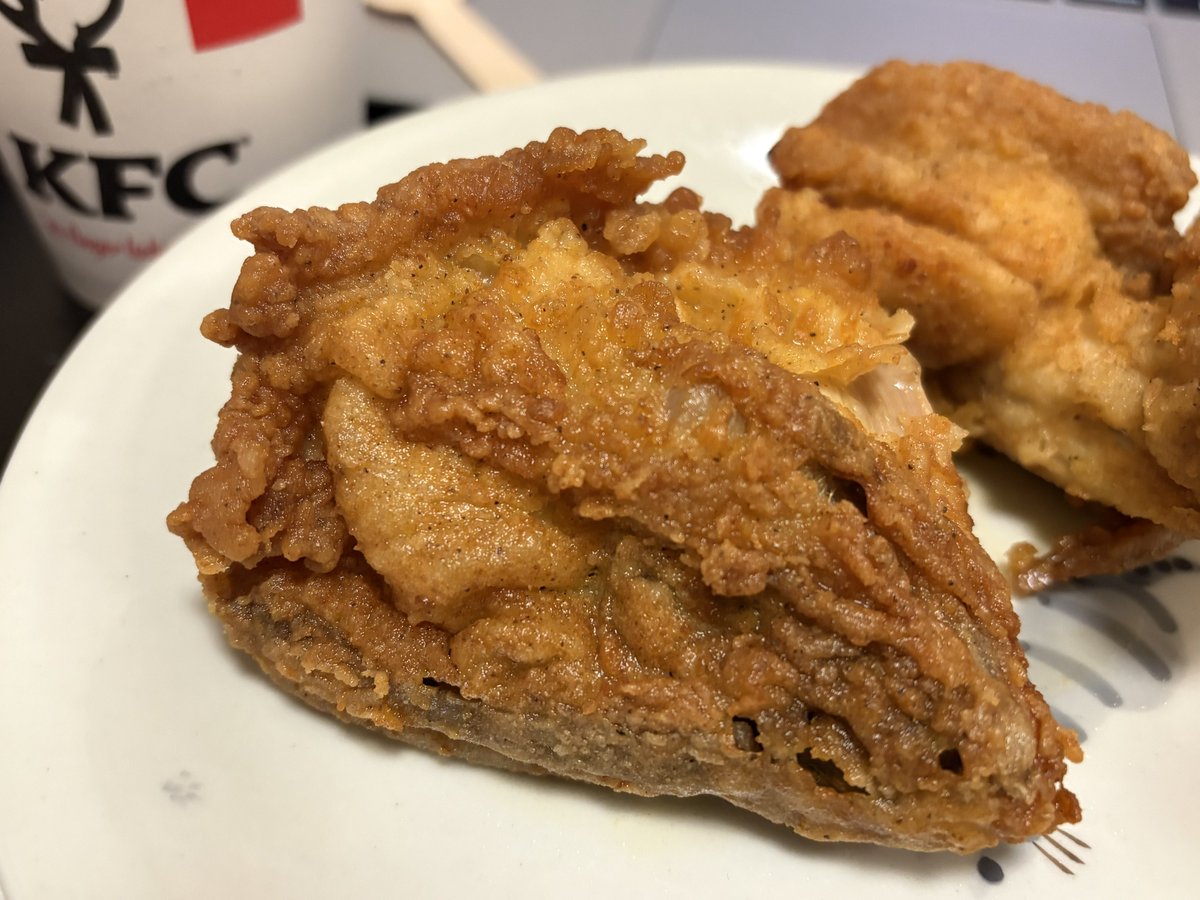
@tekarin I never knew that the Japanese loved KFC so much. It makes sense. Sushi is well loved here, as is wagyu beef.
English
0
0
0
8
てかりん
てかりん@tekarin·
今「日本人はなぜかクリスマスにKFCのフライドチキンを食べたがって、何週間も前から予約してまでチキンを食べるんだよ」って言ったらアメリカの人はびっくりするかな
日本語
626
211
5.9K
136.5K
Jack
Jack@TheCountofOil·
@roikfbuwgc254 Correct. And ramen has very much taken off here in America. Twenty years ago it didn’t exist, now there are ramen bars everywhere. Pork tonkotsu is the only way I want to eat pork these days, no other medium.
English
0
0
0
35
吉田
吉田@roikfbuwgc254·
アメリカ人BBQ論争は日本のラーメン論争のように過激だ
Sensurround@ShamashAran

アメリカのバーベキューは地域によって大きく特徴が異なります。以下に代表的なスタイルをご説明いたします。 テキサス・バーベキュー テキサスでは主に牛肉(特にブリスケット)が中心です。薪(主にオーク)を使い、低温で長時間かけて調理します。ソースはあまり使用せず、肉そのものの風味を重視するのが特徴です。 カンザスシティ・バーベキュー さまざまな種類の肉(豚肉、牛肉、鶏肉など)を使用し、甘くて濃厚なトマトベースのソースをたっぷりと絡めるのが特徴です。「バーントエンズ」と呼ばれる香ばしい肉も有名です。 メンフィス・バーベキュー 主に豚肉、特にリブが中心です。スパイスをすり込んで焼く「ドライ」と、調理中にソースを塗る「ウェット」の2種類があります。また、プルドポークのサンドイッチも人気です。 カロライナ・バーベキュー 豚肉(丸ごとの豚を使用することもあります)が中心で、地域ごとにソースが異なります。酢と胡椒を使ったさっぱりしたソースや、マスタードベースのソースなどが特徴です。 アラバマ・バーベキュー 燻製した鶏肉に、マヨネーズと酢をベースにした「ホワイトソース」をかける独特のスタイルが知られています。 補足 これらのスタイルはそれぞれ特定の地域に由来していますが、実際にはアメリカ全土で広く楽しまれており、地域を越えてさまざまなスタイルが作られています。例えば、テキサスでもメンフィス風のバーベキューが提供されることがあります。 また、「どのスタイルが一番おいしいか」という議論はよく見られますが、これは半ば冗談のようなものであり、実際にはどのスタイルであっても、目の前に出されたバーベキューを皆で楽しむというのが一般的です。

日本語
79
261
3.4K
165.7K
Jack
Jack@TheCountofOil·
@oskkpu If you’re trying to convince me I need a part time residence in Japan, it’s working.
English
0
0
13
11.9K
Jack
Jack@TheCountofOil·
@oskkpu How have I gone this long without Japanese poasting
English
0
0
4
2K
不純物⭐︎もういらん
うんこ ・臭い ・汚い ・茶色 黒人 ・臭い ・汚い ・茶色 やはりうんこと黒人は=で結ばれている
日本語
272
1.1K
17.1K
274.7K
Jack
Jack@TheCountofOil·
@rc51_nono_sp2 We love the convergence with Japan Twitter. Y’all are our ACTUAL greatest ally Also now I want sushi from all this content
English
0
0
0
16
のの
のの@rc51_nono_sp2·
なぜか大量のアメリカ人が俺のTwitterに押し寄せてる
日本語
1.4K
554
28K
1M
Jack
Jack@TheCountofOil·
@tekarin Y’all dressing up as Colonel Sanders has the same vibes as us dressing up as Oda Nobunaga
English
0
0
1
158
てかりん
てかりん@tekarin·
アメリカのことをポストして反響があったので、今日は家の近くのアメリカをテイクアウトして来た🍗

てかりん tweet media
日本語
363
335
14.3K
2M
Roman Helmet Guy
Roman Helmet Guy@romanhelmetguy·
In the Late American Republic, Congress became a vestigial organ. While legislative power was still nominally vested in this body, the high degree of consensus required to pass any legislation, combined with the roughly even and increasingly hostile division of the populace into the Reds and the Blues, prevented any major reforms from being enacted. The only true power remaining in the body rested in its ability to veto the President's military expenditures as well as his choice of ministers. To keep the government from failing completely, exceptions to the usual high vote threshold were carved out for the appointment of ministers. But the veto power over military expenditures was increasingly exercised. For historical reasons, military expenditures had to be approved by Congress yearly. This was in marked contrast to the vast majority of the government's actual expenditures (cash, food, and other in-kind payments to the poor and elderly), which were funded in perpetuity and thus elevated above the annual machinations of this fickle body. The controversy around military expenditures typically centered around the border troops and internal security forces. The Blues enjoyed marked support from the Mesoamericans who had recently migrated into the empire, and thus wished to minimize the number and efficacy of these troops in order to allow more such foreigners to slip through the empire's porous borders. Meanwhile, in public, the Reds supported drastically increasing spending on these border guards. But privately, many were beholden to the large landowners who employed these new arrivals on their plantations. Because of this dynamic, by the end of the 2020s, between 1 in 10 and 1 in 5 Americans were descended from ancestors who had managed to evade these border guards (their descendants were granted full citizenship by virtue of having been born on American soil). This dynamic continued until tensions between the Blues and the Reds boiled over. The power base of the Blues consisted of recently arrived Mesoamericans (as stated previously), but also the learned class of Europeans that constituted the administrative layers of the governmental and corporate bureaucracies, in addition to the descendants of freed African slaves. All of these groups were overwhelmingly urban. In contrast, the power base of the Reds consisted of the vast European rural peasantry that still constituted the plurality of Late Republican society, in addition to the commercially-minded merchants, traders, and plantation owners who were wary of the growing tax power of the administrative class. There was also a marked sex divide: women tended to favor the Blues, while men favored the Reds. The Blues were reformists and revolutionaries, the Reds conservatives and traditionalists. The aim of the Blues was the creation of a powerful state with wide-sweeping powers to tax the commerce of rich Reds in order to fund the distribution of food, shelter, medicine, and cash payments to their core base of poor urban Mesoamericans and Africans. This state was (of course) to be administered by the learned class of Blue bureaucrats. The aim of the Reds was divided. Their core rural base wished to return to the social and political arrangements of the Middle Republic. They especially harkening back to what they saw as the era of America's greatest prosperity, the 1950s (when America had emerged as the only major power whose lands were largely unscathed from the Second European War). Meanwhile the rich Reds sought primarily to tighten their monopoly on the Late Republic's land and commerce, and resist the encroachments of the Blue-backed administrative state. Demographic momentum was on the side of the Blues. However, in the mid-2020s, the Reds swept to power across all government bodies, riding a wave of anti-Blue sentiment. Yet, due to the aforementioned Red divide and the previously stated high vote threshold required to enact major reform, the Reds only managed to stall the momentum of the Blues, not reverse it. The porous border was closed, many migrants were rounded up in the interior of the republic, but no major laws were enacted that could've consolidated the Reds' power. And the rich Reds undermined their own power base by continuing to push for more migrants to be allowed into the republic to serve as cheap labor in their enterprises. A dissatisfied and fickle populace swept the Blues back into power. The tactics the Reds had used to round up migrants in the interior of the republic had shocked the power base of the Blues, and even many of those who normally supported the Reds came out against it. This became the Blue's pretense for doing away with the high vote threshold required to enact major reform (the threshold had only ever been a technicality based on governing norms, and was easily dispensed with once those norms were no longer seen as sacred). Suddenly Congress became not only powerful, but nearly all-powerful. The number of judges in the highest court was increased. The new appointees were all Blues, they served for life, and could not be removed. This ensured perpetual Blue control of judicial functions. A Mesoamerican protectorate was elevated into a State and given representation in Congress. The capital city, highly urban and Blue, was also turned into a State and given representation. This ensured perpetual Blue control of the legislative functions. And the Blue legislative majority then enacted voting reforms that heavily favored Blue Presidential candidates. These reforms were rubber-stamped by the Blue judiciary, ensuring perpetual Blue control of the executive function as well.
English
62
235
2.2K
66.9K
Jack
Jack@TheCountofOil·
@roikfbuwgc254 This is fascinating that the Japanese don’t have this kind of activity. Bonfires, in my experience, are often done on beaches. Backyard get togethers are “cookouts” or “a BBQ” or just “grillin’” depending on the context and where in the US it is. Fire pits are everywhere here
English
0
0
0
13
吉田
吉田@roikfbuwgc254·
アメリカは本当に面白い! 週末に集まって焚き木をするという遊びがあるらしい キャンプではなくて庭先で焚き木をする みんなで木を燃やす文化面白すぎる
Blaine Bishop@TheBlaineBishop

@roikfbuwgc254 Yes! 😃 It’s very common for friends to get together on the weekend to sit around a fire and talk about memories and hopes. You might even have s’mores or drinks and play a game called “cornhole” or “bags” where you throw bags onto a wooden board with a hole in it for points.

日本語
973
649
14.5K
754.9K
Jack
Jack@TheCountofOil·
@kangminlee We love the Japanese. Your warring states era and unification history has actors comparable to our revolutionary and civil war eras. We abhor the Unga Bunga tribes and their barbarian warlords from pissant backwater hell holes.
English
0
0
0
30
Jack
Jack@TheCountofOil·
@nezrodz These are normal sightings here in Texas. Don’t think much of it until I see the Japanese longing for it, the same way we would long for cherry blossoms or tea gardens.
English
0
0
0
28
NezRodz
NezRodz@nezrodz·
ヒルビリートラックを買って皆Patriotになろう
NezRodz tweet mediaNezRodz tweet mediaNezRodz tweet media
日本語
365
514
9.4K
960.5K
Jack
Jack@TheCountofOil·
@KenGrippeyJr @eleel268270 @aakashgupta Carolina BBQ is a completely different world altogether, I wish it had a different name. Doesn’t feel right comparing pulled pork with proper Texas brisket
English
1
0
4
2K
Ken Grippey Jr.
Ken Grippey Jr.@KenGrippeyJr·
@eleel268270 @aakashgupta They're battles rooted in mutual respect. I'm from the Carolinas for example, so I'm legally mandated to say pulled pork with a mustard or vinegar- based sauce is king (even here it's mustard v vinegar). But, I also fucking love a Texas style brisket and smoked sausage plate.
English
2
1
101
5.8K
Aakash Gupta
Aakash Gupta@aakashgupta·
The US and Japan have the most underrated mutual obsession on the planet. Japan worships American BBQ culture. Texas-style brisket restaurants in Tokyo have 3-hour waits. American Barbeque, a chain in Osaka, charges $80 a plate and sells out nightly. Japan's wagyu beef revolution was literally built by importing American cattle genetics in the 1800s. Americans worship Japanese food culture in the exact same way. Omakase spots in NYC and LA run $300-500 a head with 6-week waitlists. Ramen went from a $7 lunch to a $22 "experience." Every serious American pitmaster now studies yakitori technique. This tells you everything about why the US-Japan alliance is the most durable in geopolitics. Trade agreements and military bases hold countries together on paper. Genuine cultural admiration, where both sides look at the other's food and think "I want to be part of that," is what makes it stick. A Japanese creator looking at a photo of guys grilling steaks in a backyard and saying "someday I'd like to join" is the most honest expression of soft power that exists. No government program produced that. A grill and 40 pounds of meat did.
ホットケーキくん(ホッケチャンネル)@hotcake_kun_

アメリカ男性と肉ならこの写真が好き いつか現地でこれに参加したい

English
207
2.4K
20.8K
2.4M