Siaf Ullah

635 posts

Siaf Ullah banner
Siaf Ullah

Siaf Ullah

@TheFlaneur754

From the outpost | PIDE 24 | Public Policy

Islamabad, Pakistan Katılım Mayıs 2016
1.5K Takip Edilen154 Takipçiler
Siaf Ullah retweetledi
Unfiltered
Unfiltered@quotesdaily100·
SALT BUILT EMPIRES AND DESTROYED THEM TOO: 1. Roman soldiers were partially paid in salt,the word salary comes directly from it 2. Salt was once considered so valuable it was traded gram for gram against gold 3. The entire city of Timbuktu was built on salt trade routes across the Sahara 4. Salt was used to punish enemies,fields were salted so nothing would ever grow again 5. Ancient Egyptians used salt to preserve their dead mummies are essentially salt cured 6. Wars were fought specifically over salt mines for thousands of years across every continent 7. Salt shortages caused food riots in France that helped trigger the French Revolution 8. The human body cannot produce salt without outside sources the heart stops within days 9. There are mountains of pure salt on Earth so large entire villages are carved inside them
English
0
14
42
3.6K
Siaf Ullah retweetledi
Gitana
Gitana@Gitana1369877·
"To plant a garden is to believe in tomorrow." — Audrey Hepburn
Gitana tweet media
English
44
1.7K
7.8K
136.7K
Siaf Ullah retweetledi
Savera.
Savera.@hawyyyStarss·
جب آسمان ٹوٹ کر گرے گا تو کچھ لوگ کوسنے دیتے ہوئے پناہ گاہیں تلاشتے پھریں گے اور کچھ لوگ ستارے چننے لگ جائیں گے..
اردو
1
2
20
461
Siaf Ullah retweetledi
Khudai Noor Nasar
Khudai Noor Nasar@KNNJournalist·
د اشنا له خال و خطه مالومېږي چې حمید به مساپر د هندوستان شي #عبدالحمید_مومند #حمید_بابا #ډېرژر #ComingSoon #KNNJournalist #DW
Khudai Noor Nasar tweet media
PS
2
1
7
881
Siaf Ullah retweetledi
Aseel Swaid
Aseel Swaid@aseelswaid9·
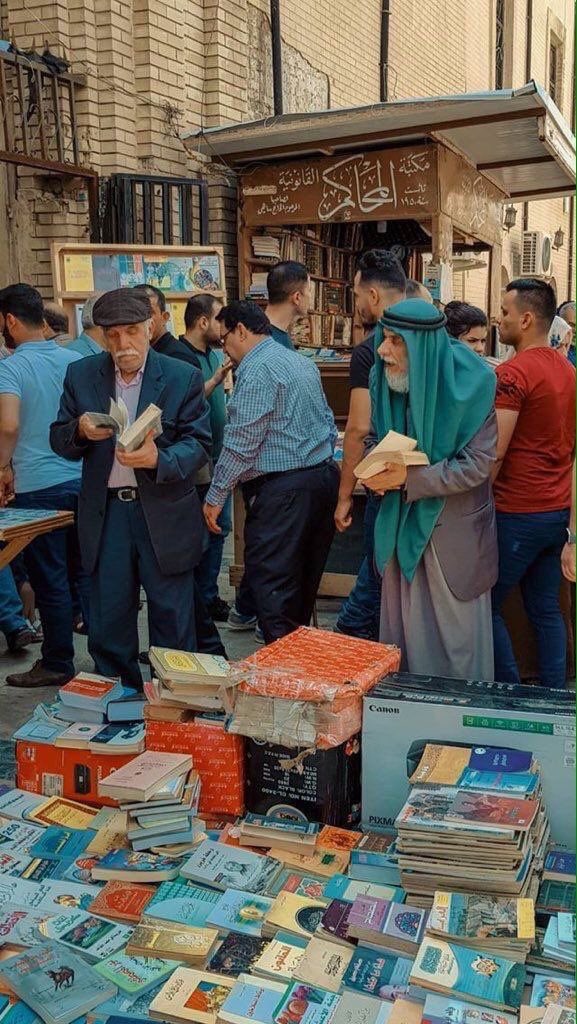
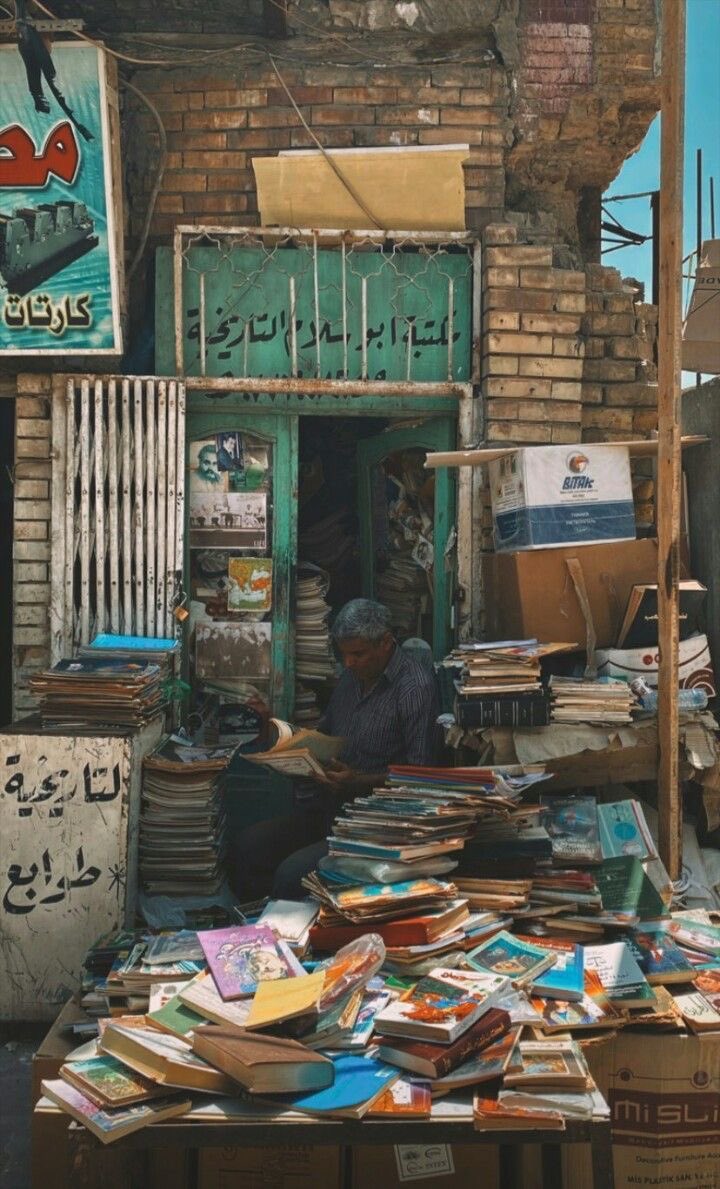
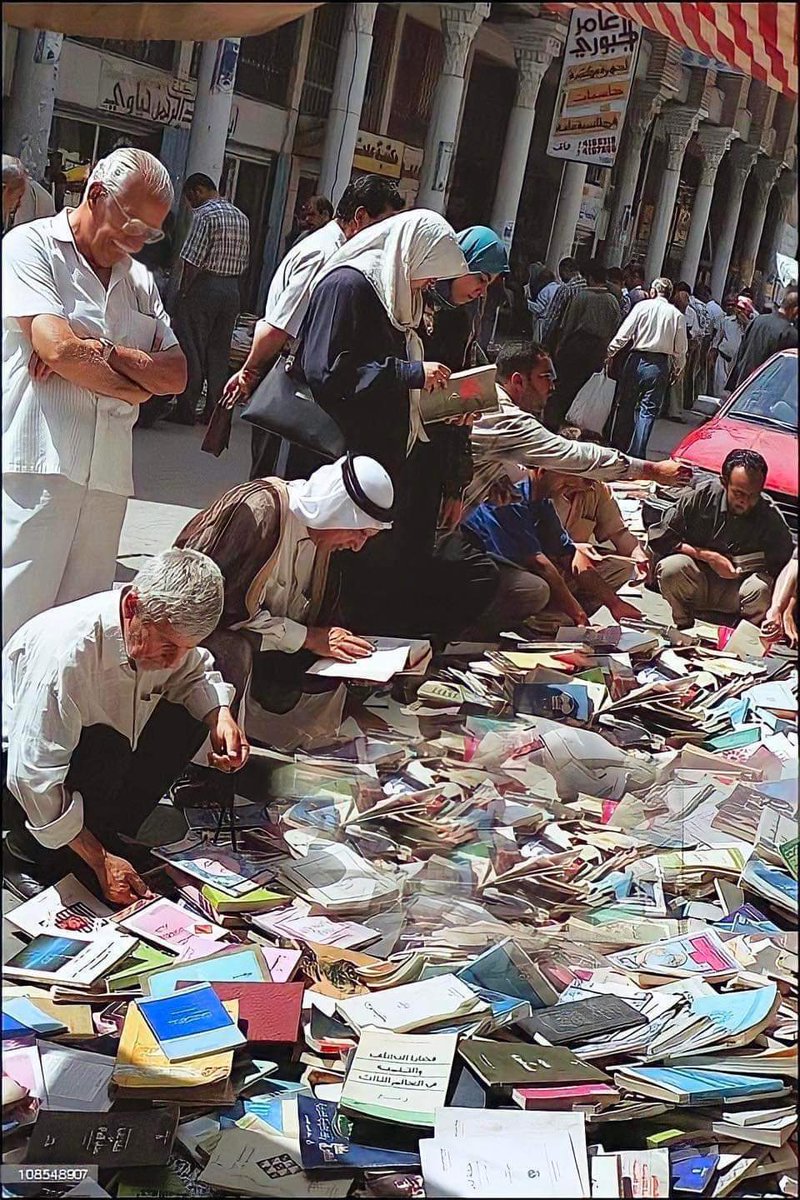
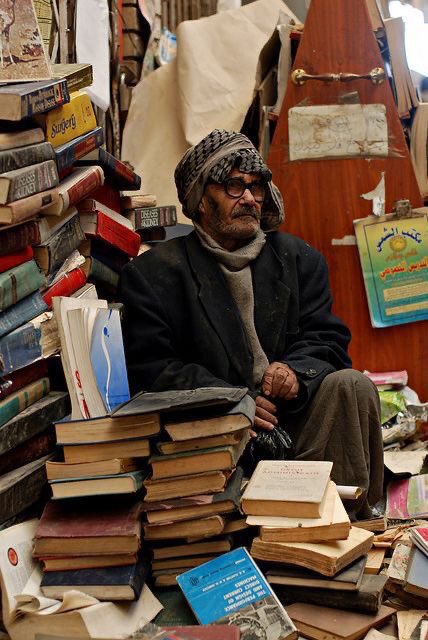
It was once said Cairo writes Beirut publishes and Baghdad reads The photos are from Iraq
Aseel Swaid tweet mediaAseel Swaid tweet mediaAseel Swaid tweet mediaAseel Swaid tweet media
English
25
1.2K
6K
219.2K
Siaf Ullah retweetledi
Asim Iftikhar Ahmad, PR of Pakistan to the UN
Pakistan’s policy position remains clear and consistent - veto should either be abolished or, at a minimum its use by the current permanent members severely restricted. Any expansion of the veto or addition of new individual permanent members is firmly opposed, as more vetoes would only aggravate the problem. This is a position of principle.
English
130
1.2K
5.4K
142.3K
Siaf Ullah retweetledi
Khurram Husain
Khurram Husain@KhurramHusain·
I have waited many years, decades even, to write these words and the day has finally arrived. Today I am proud to be a Pakistani. My piece in Dawn today. dawn.com/news/1990101
English
92
704
2.6K
124.8K
Siaf Ullah retweetledi
Shehbaz Sharif
Shehbaz Sharif@CMShehbaz·
Time will tell who is Messi of Pak politics. I will let my feet/deeds do the talking :)
English
530
3.5K
11.2K
0
Siaf Ullah retweetledi
M. Shareh Qazi
M. Shareh Qazi@SharrehQazi·
If all works fine and crisis ends towards positive transformation of relations even with continued political sentiment of animosity between parties, Pakistani Prime Minister should be considered for a Nobel Peace Prize for actually averting a catastrophe of global proportions
English
2
1
11
276
Siaf Ullah retweetledi
Danny (Dennis) Citrinowicz ,داني سيترينوفيتش
Ahead of the Islamabad Talks A. Negotiations will be difficult. However, it’s important to recognize that this time the administration is bringing in Vice President Vance, who has a clear political interest in preventing a renewed escalation. Beyond domestic politics, Washington is acutely aware of the consequences of a breakdown: a major shock to global energy markets and highly problematic military options, ranging from strikes on civilian infrastructure to the risks of ground operations. In other words, both political incentives and strategic risks are pushing the U.S. toward avoiding collapse of the talks. B. The gaps between the parties remain significant. Iran’s leadership is unlikely to concede on its missile program, and certainly not on its right to enrich uranium. In any scenario involving full sanctions relief, the issue of the 60% 440 kg enriched uranium stockpile will likely become a central sticking point. C. The Strait of Hormuz issue is largely behind us. By effectively acknowledging Iran’s control over the strait, the U.S. has helped solidify this reality. Iran can already begin to reap the associated economic benefits. However, any expectation in Washington that Tehran will make concessions on force buildup or strategic capabilities is likely misplaced. D. While the current ceasefire is temporary, the costs of the war and, critically, the growing recognition in Washington that regime change is not achievable and that enriched uranium cannot be eliminated through military means, may soften the U.S. negotiating position. Unlike previous rounds (e.g., Geneva), the administration’s ability to credibly threaten war has diminished. From Tehran’s perspective, they have already endured the worst. E. Iran’s economic situation is dire, worse than before the war. Economic relief is therefore a critical priority for Tehran. That said, it is doubtful that Iran would trade core regime pillars for economic concessions F. One of Iran’s most significant achievements, especially given that it stepped back from insisting on a permanent ceasefire (assuming there are no undisclosed understandings about extending the truce or U.S. recognition of its right to enrich), is the apparent U.S. willingness to engage in negotiations based on Iran’s 10-point framework. G. This is notable because the gap between Iran’s 10 points and the administration’s 15-point framework remains substantial. The central question is whether Washington is prepared to move closer to Tehran’s positions, particularly on uranium enrichment and missile capabilities. These issues will be decisive not only for the negotiations, but for whether the conflict resumes. H. Who Really Wants the Deal? It is important to recognize that the push for negotiations originated in Washington. In practice, it was the Trump administration that shaped, if not dictated, the proposal conveyed via Pakistan for a two-week ceasefire. This matters because it suggests that the administration is entering the talks with a strong desire to reach an agreement quickly. I. That does not mean Iran lacks interest, far from it, given its economic situation, but the sense of urgency appears to be more pronounced on the U.S. side The bottom line is that current negotiations are not driven by optimism, but by a shared interest in avoiding further losses rather than securing victory. #IranWar
English
46
307
894
250.8K
Siaf Ullah retweetledi
Dr. Brahma Chellaney
Dr. Brahma Chellaney@Chellaney·
Trump’s Iran War: A Strategic Failure on All Fronts The cessation of hostilities against Iran marks a strategic defeat for Trump, underscoring how little his war of aggression actually achieved. First, it failed in its central aim: regime change. Instead, it has consolidated the Iranian regime’s grip on power, giving new life to a government that had been under strain. Second, the Strait of Hormuz — open before the war — is now subject to “regulated passage” under Iranian coordination. What Trump demanded as an unconditional reopening has instead evolved into a tacit recognition of Tehran’s authority, with Iran poised to levy transit fees much like Egypt does in the Suez Canal. Third, the war's international economic costs are vast and enduring. Damage to energy infrastructure across the Gulf and Iran will reverberate globally, making this war arguably the most economically disruptive in decades. Fourth, the war deepened America’s geopolitical isolation. Trump’s public frustration with NATO allies, as well as partners like Australia, Japan and South Korea, only underscored the lack of international backing for a war that had no basis in international law. Meanwhile, Gulf Arab states have been left to absorb both physical damage and reputational fallout. Fifth, the war has eroded not just Trump’s credibility, but that of the United States itself. Finally, it has fractured Trump’s domestic political base at a critical moment ahead of the midterms. This was a war that weakened America, rescued Iran’s theocratic regime and left Trump with little to show but wreckage.
English
82
400
1K
51.9K
Siaf Ullah retweetledi
Pravin Sawhney
Pravin Sawhney@PravinSawhney·
My observations: 1. Iran has won the WAR. Negotiations will be on Iran's 10 points framework for permanent peace. 2. Iran's terms will be accepted by Trump. Why? Will explain. 3. With this WAR, the hegemonic age is over: No followers, only partner nations. India will be the sole exception in the world. 4. Pakistan has emerged as more than a credible mediator - a geopolitical asset in the New World Order. I will explain the above in my video to be online by today (Wednesday April 8) evening! @ghazalawahab @thewire_in
English
237
1.7K
7.2K
320.5K
Siaf Ullah retweetledi
Adam N Weinstein
Adam N Weinstein@AdamNoahWho·
1. I told @Reuters @AribaShahid 2 weeks ago, “Pakistan has unusual credibility as a mediator, maintaining workable ties with both Washington & Tehran, while a ​history of strained relations with each gives it just enough distance to be seen as credible.” reuters.com/world/asia-pac…
English
6
152
567
20.4K
Siaf Ullah retweetledi
Nasir Andisha-نصير.ا انديشه
After facilitating a secret deal between USA and China in 1971, Pakistan once again placed itself as a strategic mediator. It is not due to her wealth, lavish gifts or hosting foreign bases, it’s the ability to balance among the major global powers and maintaining a strategic deterrence at home. so far a win-win to all. 🤞
English
40
49
234
25.4K
Siaf Ullah retweetledi
Adam N Weinstein
Adam N Weinstein@AdamNoahWho·
2. Pakistan’s real edge as a mediator wasn’t just skill. It was turning what others see as liabilities, its geography, complex ties to the Middle East and West, and its history, into leverage for itself and the benefit of the world and it can do it again.
English
2
38
144
3.9K
Siaf Ullah retweetledi
Ben Rhodes
Ben Rhodes@brhodes·
In the best case scenario, Trump struck a deal to reopen a Strait that was open before the pointless war he started, with the IRGC demonstrating its control over the Strait and potentially extracting fees plus sanctions relief. Thousands of innocents - including hundreds of children - dead in Lebanon and Iran for no reason. U.S. troops killed and wounded. U.S. embassies and bases in the Middle East badly damaged. U.S. standing in the world obliterated. U.S. munitions badly depleted. Hundreds of billions spent. Prices up everywhere. More global economic fallout to come. Putin strengthened and enriched. Just a catastrophic situation even in the best of circumstances. A profoundly shameful episode in American history no matter what happens next.
English
839
8K
27.5K
1.1M
Siaf Ullah retweetledi
GRITCULT
GRITCULT@GRITCULT·
GRITCULT tweet media
ZXX
10
154
913
17.4K
Siaf Ullah retweetledi
Cosmos Archive
Cosmos Archive@cosmosarcive·
“To me, it underscores our responsibility to deal more kindly with one another, and to preserve and cherish the pale blue dot, the only home we've ever known.” — Carl Sagan
Cosmos Archive tweet media
English
4
36
179
6.3K