Tomás Colton
22.4K posts

Tomás Colton
@TomasColton
Husband + dad to 3. Dún Geanainn, Tír Eoghain, Uladh, Eire.
Dún Geanainn, Ireland. Katılım Ağustos 2010
1.2K Takip Edilen4.1K Takipçiler
Tomás Colton retweetledi

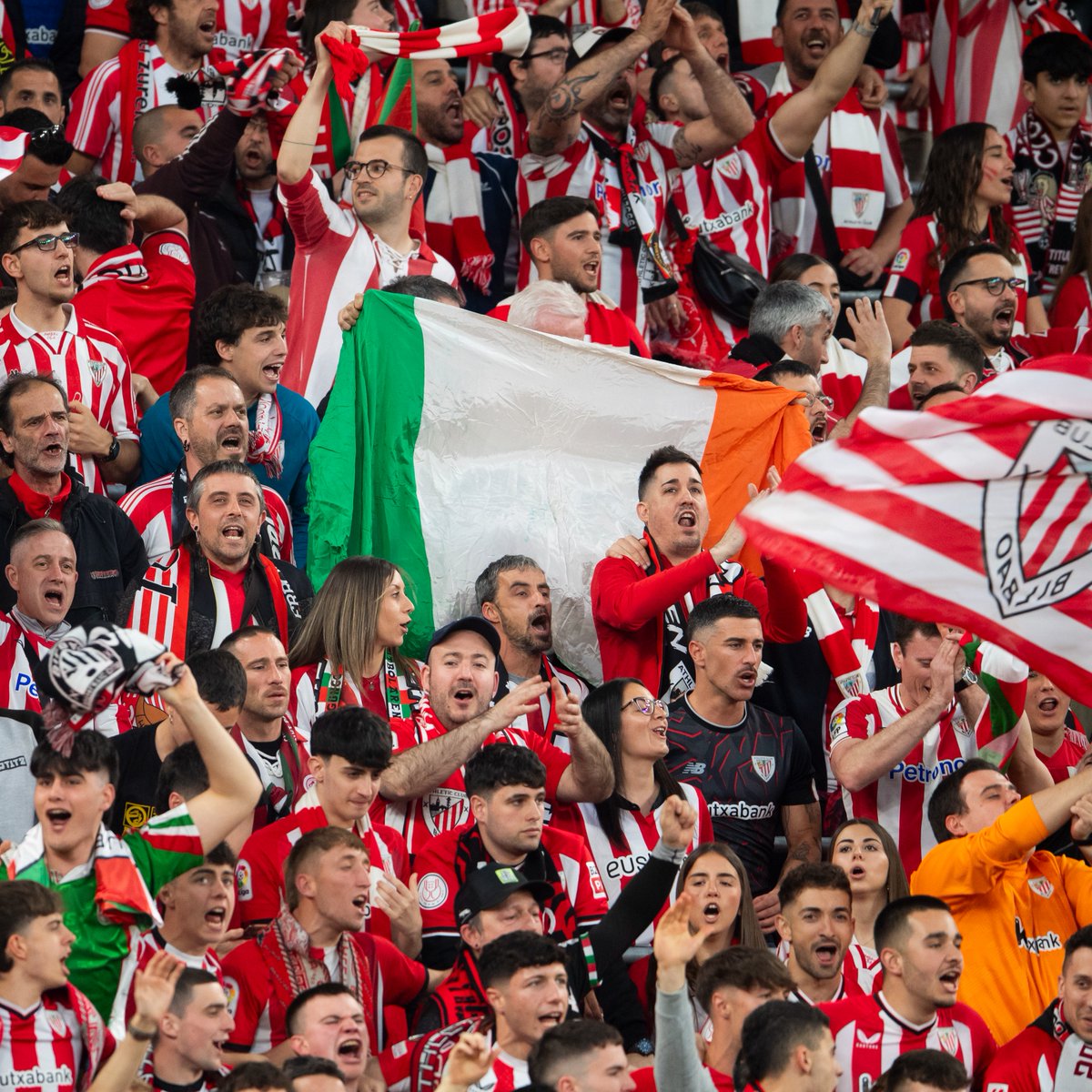
🇮🇪 Love seeing the Tricolour at San Mames! 🥰
Lá Fhéile Pádraig Sona do lucht tacaíochta Athletic ar fud an domhain!
☘️ Hope the craic is mighty wherever you are!
#StPatricksDay2026 #AthleticClub 🦁

CY
Tomás Colton retweetledi

Shock As Early Drawing Confirms St Patrick Liked Beans With His Fry tyronetribulations.com/2019/03/17/sho… via @dabollix
English
Tomás Colton retweetledi

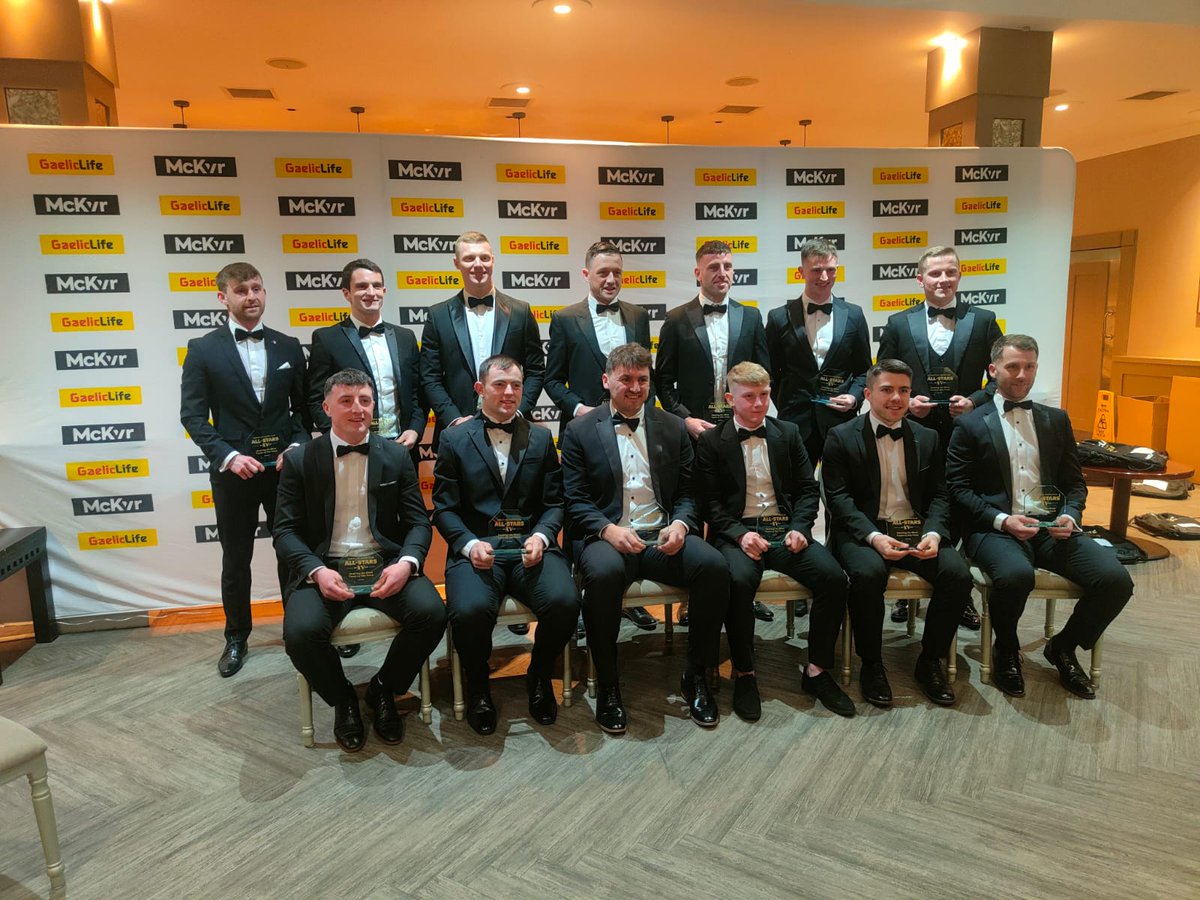
CONGRATULATIONS to the 2025 Hurling #GLALLSTARS Team of the Year. Sponsored by ACS Civils in association with @McKvr_Sports @UlsterGAA

English
Tomás Colton retweetledi

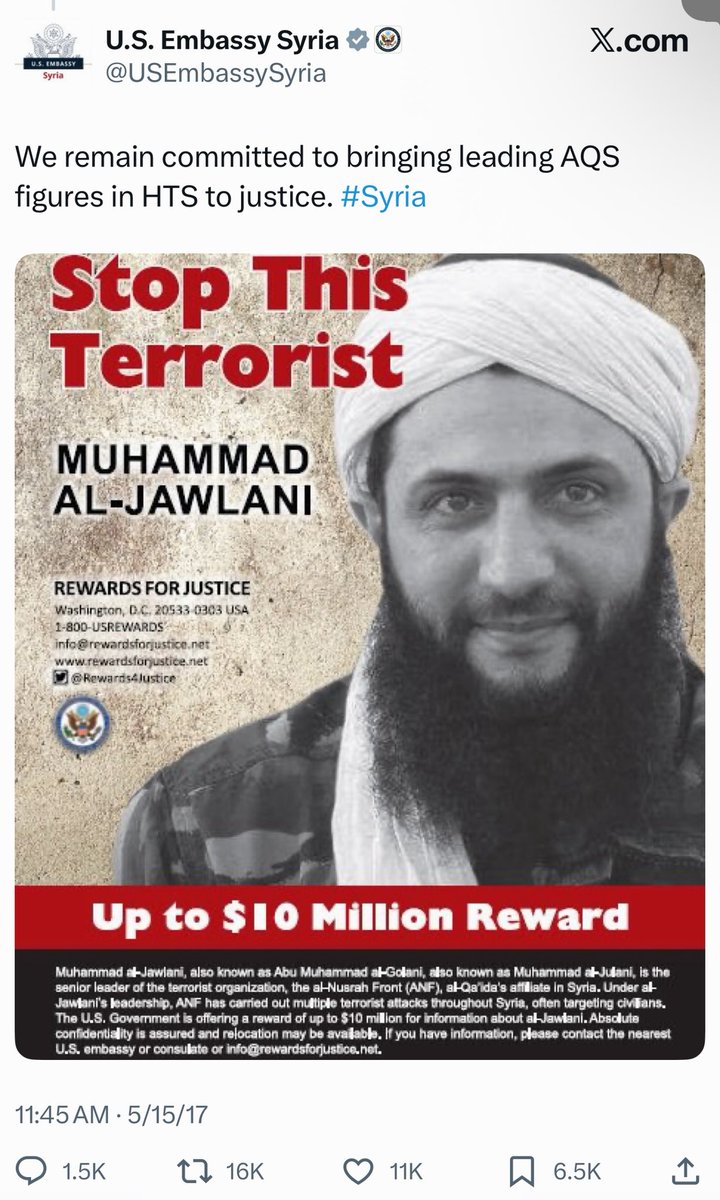
@RFJ_USA We tried this already. You dumb terrorists made him president and brought him into the @WhiteHouse

English

Address the deficit of GAA playing hours in Belfast - Sign the Petition! c.org/jhFDvG9gHB via @UKChange
English

Enjoy an hour podcast with Peter Canavan and the Give My Head Peace crew open.spotify.com/episode/1OeFBX…
English

@RobLooseCannon The colonists playbook. Even worse today in Gaza, West Bank and Lebanon. The Brits taught them all
English

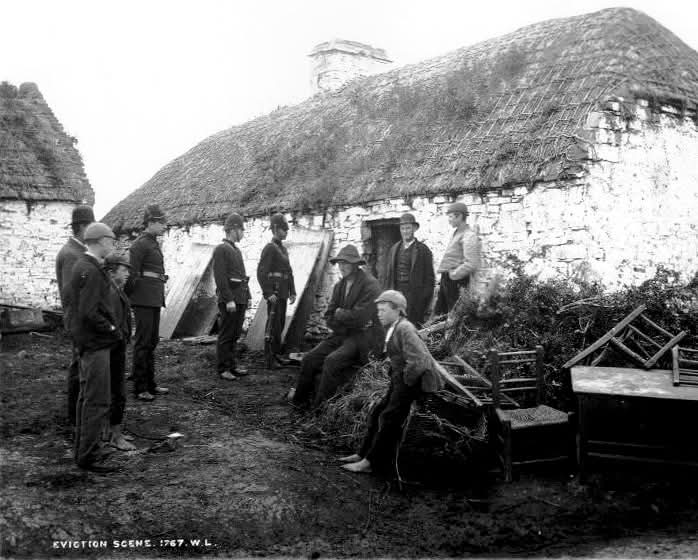
Today in 1846, a village in east Galway vanished. Ballinlass was a small settlement near Mountbellew in County Galway. Its sixy-odd cottages stood along a patch of land reclaimed from bog by the labour of the people who lived there. Many of the tenants were regarded as comparatively prosperous by the standards of rural Ireland.
The eviction was ordered by the landlord, Marcella Gerrard, owner of roughly 7,000 acres in the district. The village stood where she wished to establish a grazing farm, as cattle, were more profitable than people.
The tenants were not in arrears. Many had their rents ready to pay. That fact meant nothing in the legal world of nineteenth-century landlordism. Ireland in 1846 was part of the United Kingdom, governed from London, and the law of property rested firmly on the side of the landlord.
At dawn a sheriff arrived in Ballinlass with a large police force and a detachment of the 49th Regiment under Captain Browne. Soldiers and constables spread through the village. The people protested. They pleaded to pay the rent that had been repeatedly refused.
The work of destruction began.
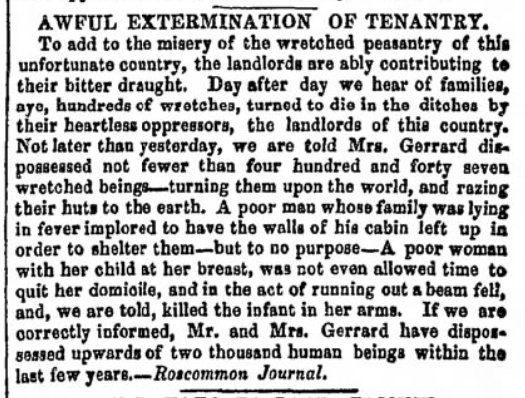
One by one the gaffs were dismantled. Their roofs were torn away and walls were knocked down. Gardens were trampled. Families clung to doorposts and dragged away what little property they could carry. Women wailed and children screamed. Men cursed helplessly as their homes collapsed around them.
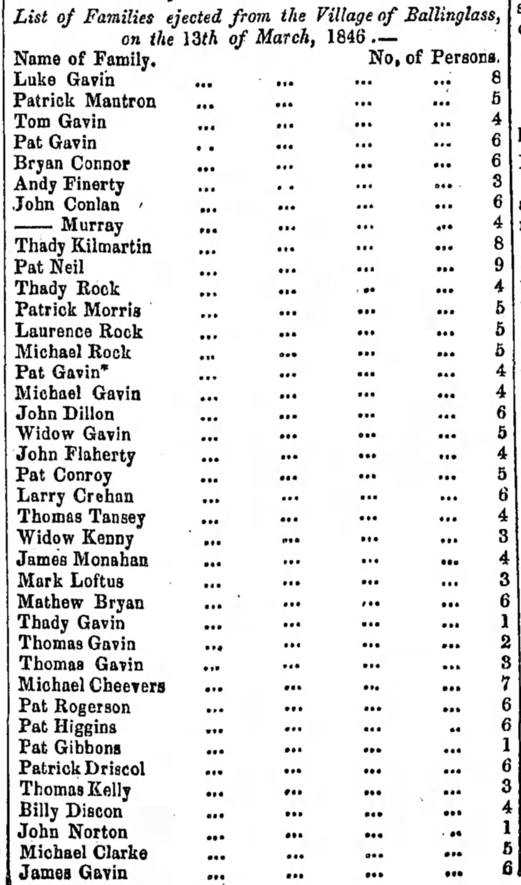
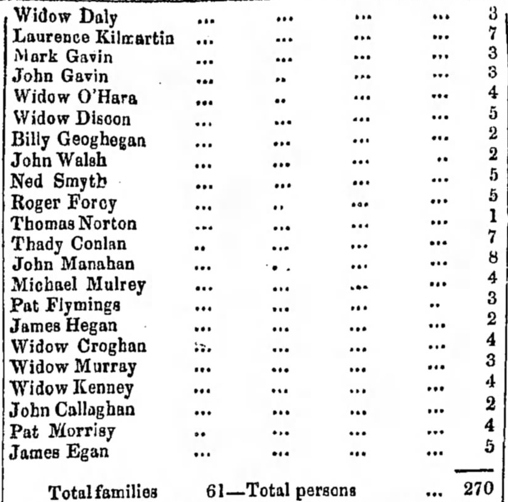
By the end of the day, around seventy-six families, roughly 300 people, had been turned out of Ballinlass. The newly homeless tried to shelter in the ruins of their cottages that night. The next day the police and soldiers returned. Even that miserable refuge was denied them. The tenants were driven from the ditches where they had begun constructing makeshift shelters of sticks and mud. Their neighbours were warned not to harbour them.
News of the eviction spread rapidly across Ireland and Britain. The incident was so shocking that it was raised in the House of Lords by Charles Vane, 3rd Marquess of Londonderry. On 30 March he reported what he had discovered after investigating the affair.
He told the Lords he was “deeply grieved.” Seventy-six families, he said, had not only been turned from their houses but had been “mercilessly driven from the ditches” where they sought shelter. These unfortunate people, he added, had their rents actually ready. If scenes like this occurred, he asked, was it any wonder that acts of outrage and violence sometimes followed?
But sympathy was not universal.
Only days later, the formidable lawyer and politician Henry Brougham, 1st Baron Brougham and Vaux insisted, it was perfectly within the landladys rights. If she refrained from eviction she was showing kindness, but if she chose to enforce her property rights the tenants must learn that the law stood firmly behind her. Property would become worthless, he warned, if landlords could not do as they pleased with their estates.
Ballinlass happened at the very beginning of the catastrophe we now call the Great Famine. The potato crop had failed in 1845 and would fail again. Hunger was spreading across the country. Yet grain and livestock continued to be exported, rents continued to be demanded, and evictions continued to be carried out.
The people of Ballinlass were scattered. Some drifted into neighbouring districts. Many likely emigrated. The village itself disappeared from the landscape, replaced by grazing land. Today, a memorial stands near the site of the destroyed cottages, listing the names of the families who once lived there.
Buy the Dublin Time Machine a pint and support the DTM Book ko-fi.com/buchanandublin…


Dublin City, Ireland 🇮🇪 English
Tomás Colton retweetledi

Who attacked them?
This is what happens when States repeatedly fail to condemn and act on breaches of international law.
Micheál Martin@MichealMartinTD
I strongly condemn the reckless strike on a UNIFIL base in southern Lebanon that has left a number of Ghanaian peacekeepers seriously injured.
English

@mickthehack @TadhgHickey Anything for the Yanks.
“Sure pull up to Shannon for a break, or fly over Ireland ,and then drop off your bombs for the Zionists to send into Lebanon.
Make sure and don’t be killing our peacekeepers now. Good lads”
English

This is a few kms from the main Irish post, UNP2/45. Irish personnel are assisting, am told.
Sulaiman Ahmed@ShaykhSulaiman
BREAKING: Israel just bombed a UNIFIL position in Al Qouzah, South Lebanon. Casualties among UN peacekeepers.

English

Still a few spots left for @NaomhTreasa senior team fundraiser. 10 months at £10 with great prizes each month

English
Tomás Colton retweetledi

@matters_gaa Won’t be going to either after the way he has dealt with Allianz and the Palestinian genocide.
The Ulster Reform Club might be a venue to visit if his companion doesn’t get jail time 😉🤫
English

@TomasColton I've always thought that Jarlath has used the president of the GAA for his own good, either to get into Dail Eireann or into Stormont
English

Jarlath loves the sound of his own voice this years, but never seems to catch his own hypocrisy.
Remember when he run down to Talbot St because he knew the Tipperary crowd would be there to commemorate Sean Treacy before the All Ireland final? Made sure the press would know too
Mary K Burke@MKBurke1
Referring to fellow Gaels as "illegally occupying" Croke Park wouldn't have been my choice of words now. It was illegally occupied on Nov 21st, 1920 when Michael Hogan paid the ultimate price - it was the scene of a peaceful protest by Gaels today. Words matter.
English