Sabitlenmiş Tweet
TooBluntTV
6.3K posts

TooBluntTV
@TooBluntTV
My Goal is to Spread the talent around the world. Only you can stop you #Selfmotivated. Business Inquiries:[email protected]
Miami, FL Katılım Aralık 2015
259 Takip Edilen5.8K Takipçiler
TooBluntTV retweetledi

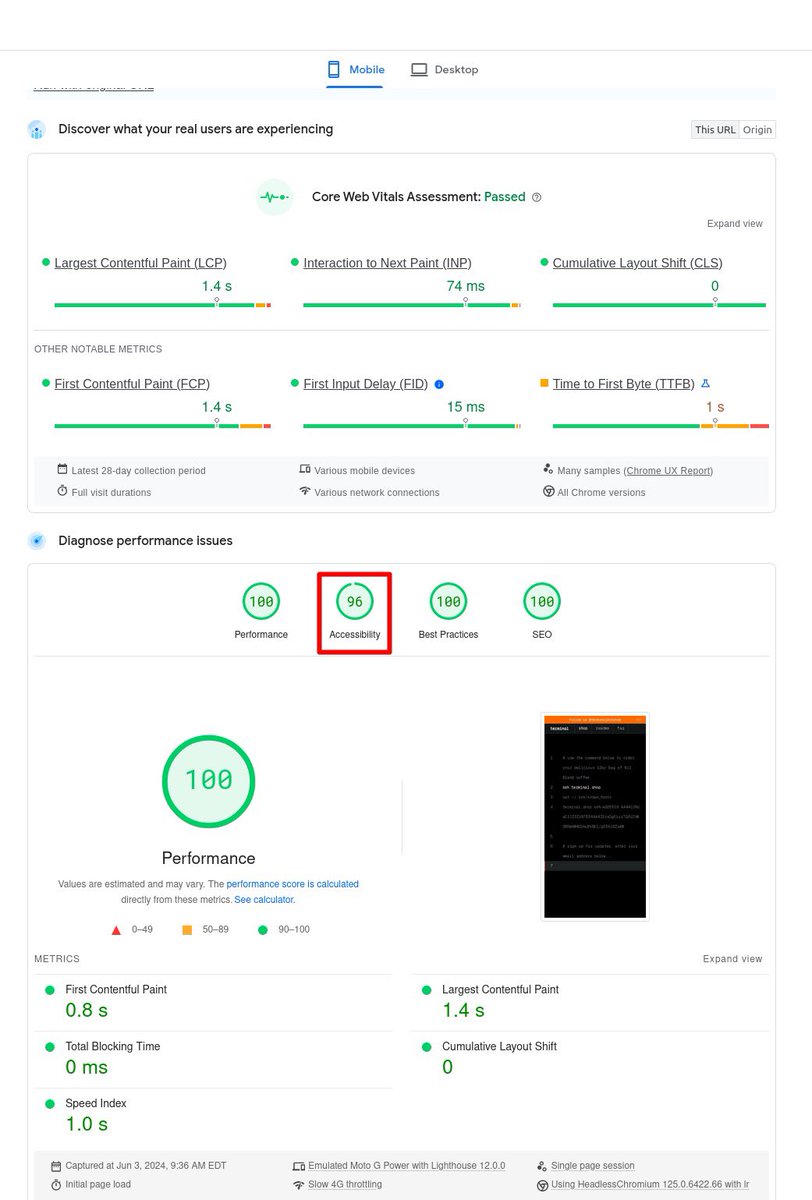
terminal.shop confirmed the fastest site on the net!!!
However only 96% accessibility… what a shame what a shame shame @ThePrimeagen @teej_dv #terminalcoffee #theprimeagem #teejdev

English

@PirateSoftware HBD bro!
ThePrimeagen@ThePrimeagen
Happy Birthday @PirateSoftware You have been such an inspiration to us all. Your encouragement has fundamentally changed my life and i just wanted to wish, from the bottom of my heart, a very merry and unusually amazing birthday today. You don't look a day older than 42, keep up the good work Respect you more than you know Prime
Indonesia
TooBluntTV retweetledi

Happy Birthday @PirateSoftware
You have been such an inspiration to us all. Your encouragement has fundamentally changed my life and i just wanted to wish, from the bottom of my heart, a very merry and unusually amazing birthday today. You don't look a day older than 42, keep up the good work
Respect you more than you know
Prime
English
TooBluntTV retweetledi

@ThePrimeagen No, I’ll be streaming so I don’t want to take all your viewers again
English

TooBluntTV retweetledi

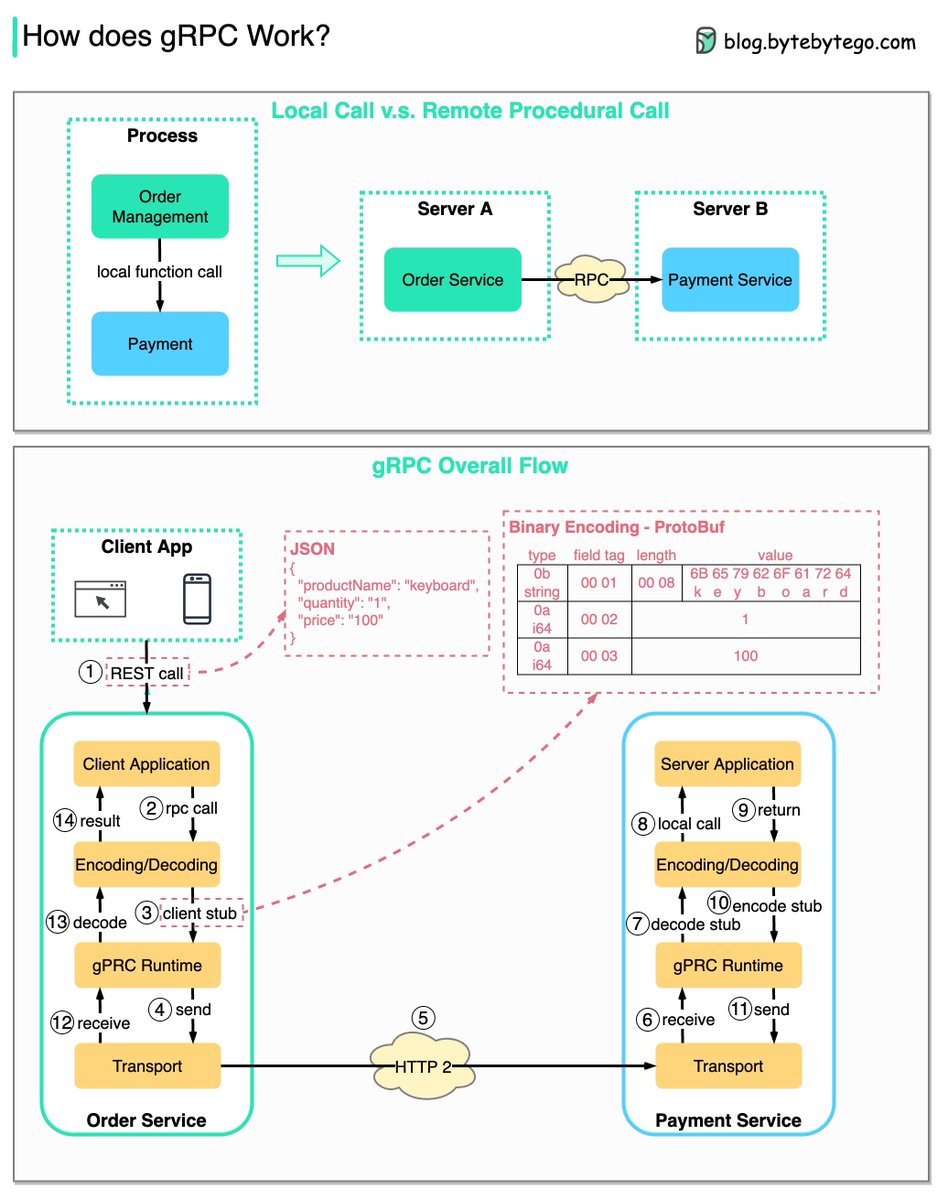
How does 𝐠𝐑𝐏𝐂 work?
RPC (Remote Procedure Call) is called “𝐫𝐞𝐦𝐨𝐭𝐞” because it enables communications between remote services when services are deployed to different servers under microservice architecture. From the user’s point of view, it acts like a local function call.
The diagram below illustrates the overall data flow for 𝐠𝐑𝐏𝐂.
Step 1: A REST call is made from the client. The request body is usually in JSON format.
Steps 2 - 4: The order service (gRPC client) receives the REST call, transforms it, and makes an RPC call to the payment service. gPRC encodes the 𝐜𝐥𝐢𝐞𝐧𝐭 𝐬𝐭𝐮𝐛 into a binary format and sends it to the low-level transport layer.
Step 5: gRPC sends the packets over the network via HTTP2. Because of binary encoding and network optimizations, gRPC is said to be 5X faster than JSON.
Steps 6 - 8: The payment service (gRPC server) receives the packets from the network, decodes them, and invokes the server application.
Steps 9 - 11: The result is returned from the server application, and gets encoded and sent to the transport layer.
Steps 12 - 14: The order service receives the packets, decodes them, and sends the result to the client application.
Over to you: Have you used gPRC in your project? What are some of its limitations?
–
Subscribe to our weekly newsletter to get a Free System Design PDF (158 pages): bit.ly/3KCnWXq

English

@eatonphil @derpsmith Is it a public book club? If so, what’s the name or how can I find it?
Thanks
English

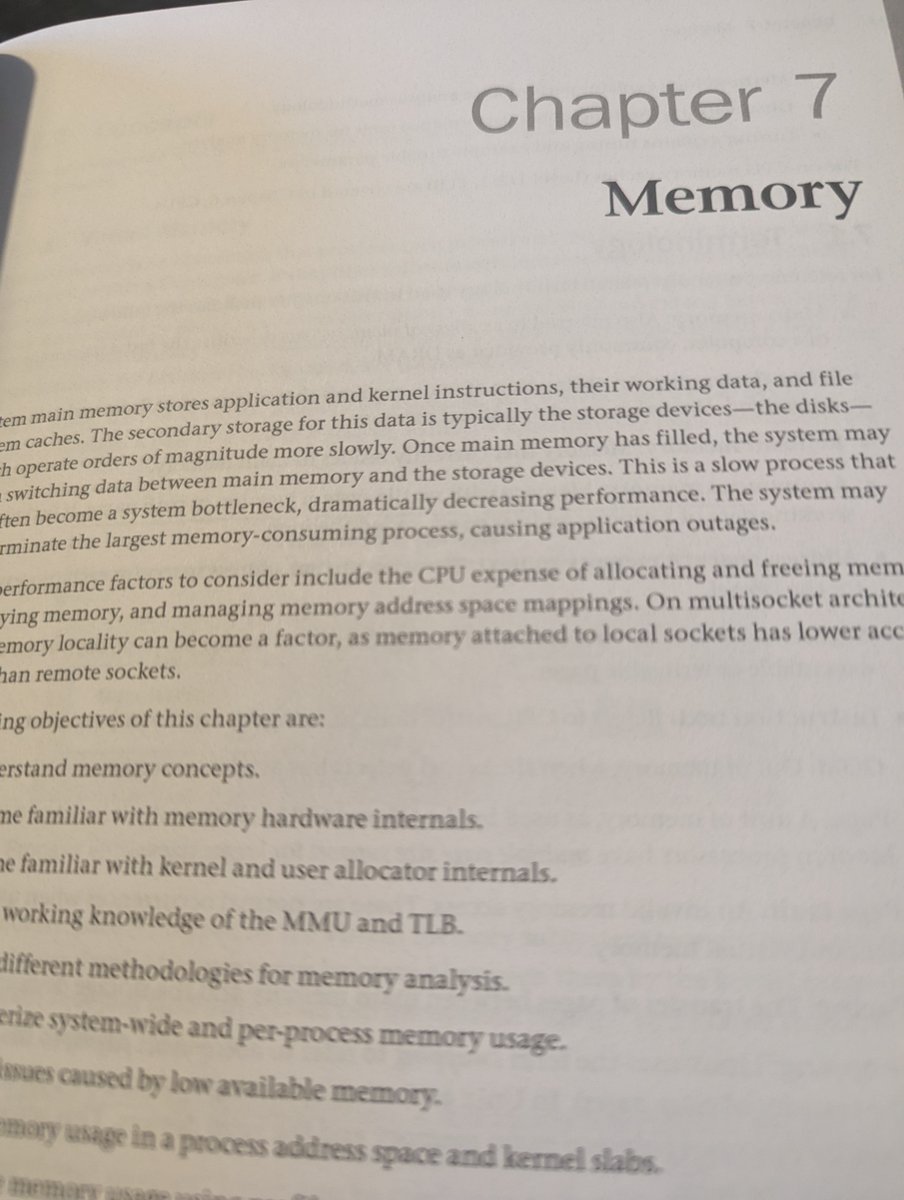
@derpsmith It is dense, yes. I'm only reading it through because of a book club.
It's a good reference if you ever need to do memory or CPU profiling at work.
English

@emil_priver Did you try restarting your modem? That usually fixes it for me
English
TooBluntTV retweetledi