
Obinna Quant Trader
2.3K posts

@TradeWithObinna
Quantitative FX & CFD Trader || Systematic Strategy Developer || Data Driven Execution || Risk Management & Statistical Edge


I am really worried about the next crop of graduates we will be churning out to the labor market. Dropping JAMB Cut off marks to 100 and 150, why?? Are we saying there is a cognitive decline? Is there a drop in IQ? Is there a drop in the quality of education system?


Happy Birthday to me 🎉🎊 Say a prayer for me and make a wish for yourself too. May uncommon Grace locate you this season. ✨ It’s World Uncommon Day. #HappyUncommonDay


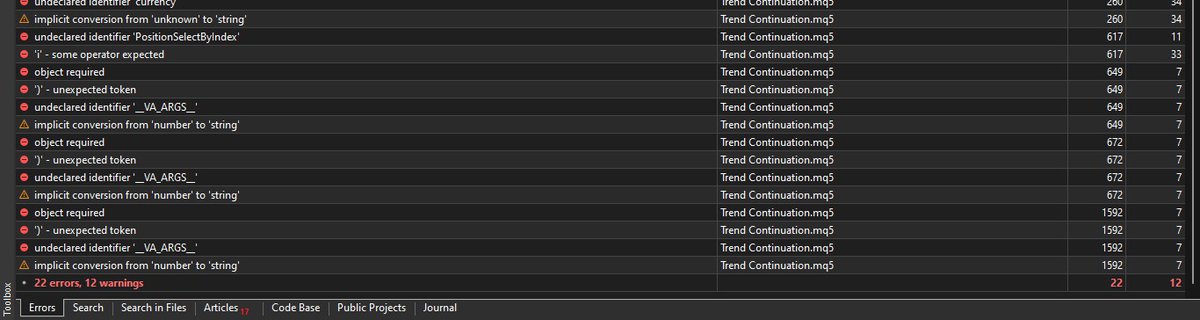
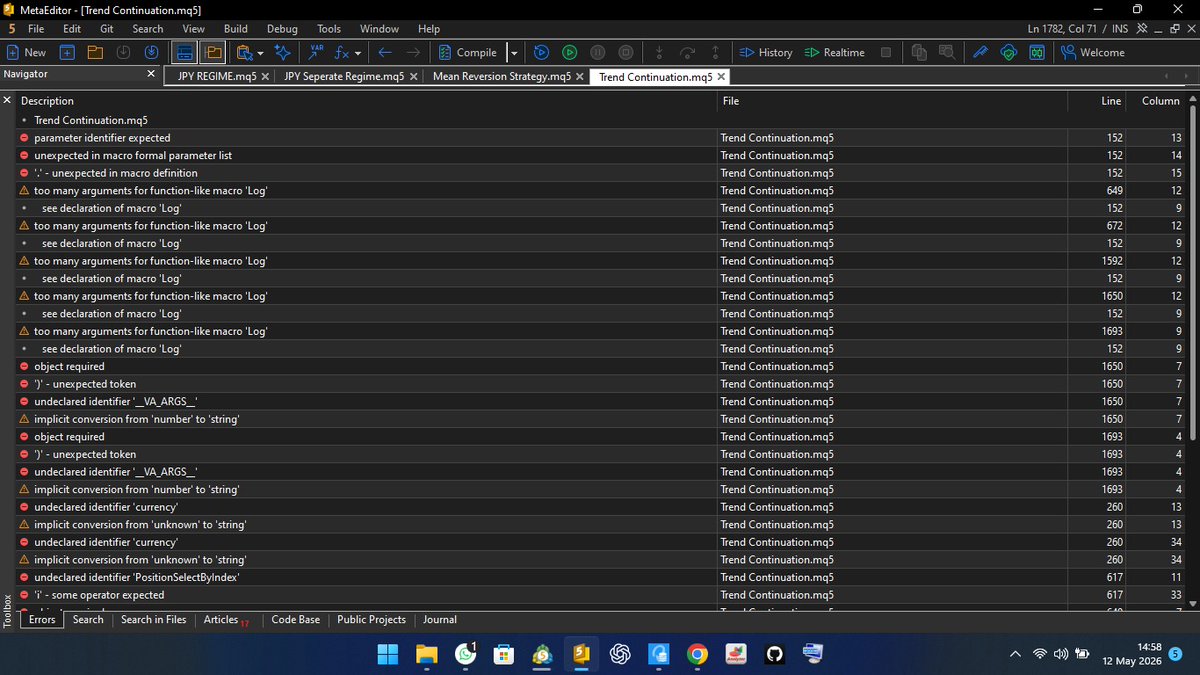
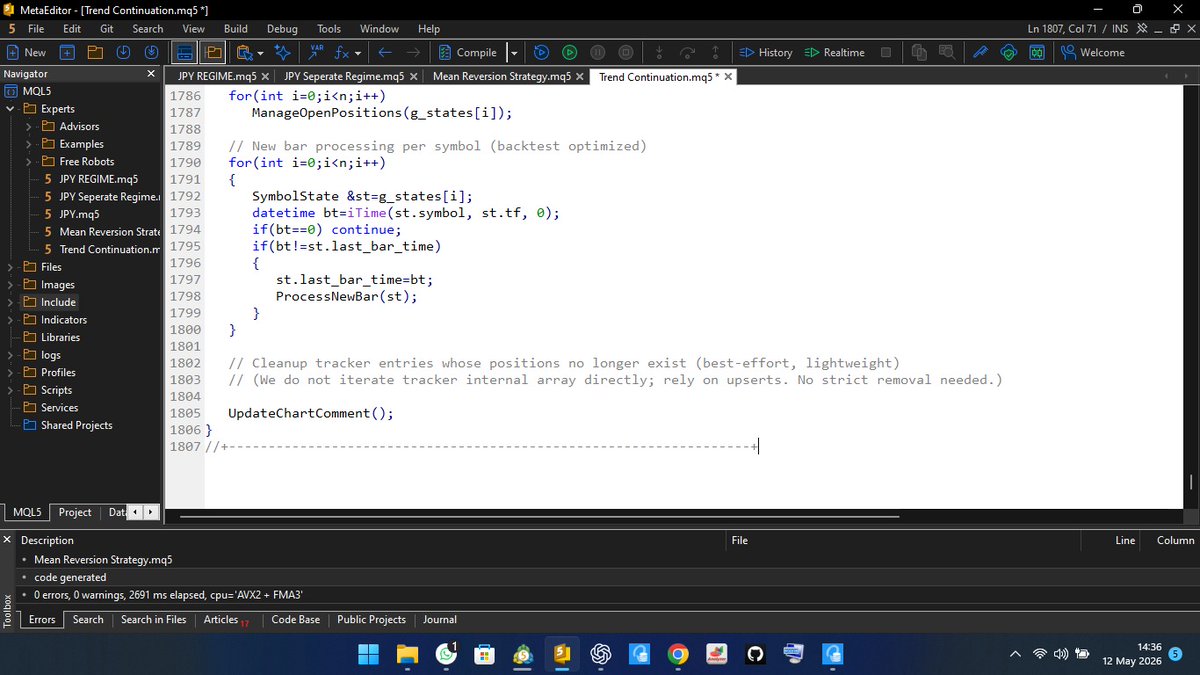
Most people think Quant Trading is just Throw RSI + MACD into an EA, optimize it, and print money That’s not Quant Trading. That’s automated indicator gambling. Real Quant Trading is brutal. This image below is just ONE strategy framework with over 1,800 lines of code built around trend continuation pullbacks on major FX pairs across the 1H timeframe. And the hardest part? The entry logic is the easy part. The real work is: • Regime filtering • Market state detection • Portfolio correlation control • Volatility adaptation • Execution efficiency • Risk distribution • Data integrity • Robustness testing • Cross-market survivability • Avoiding overfitting Most retail “algo traders” build systems that only survive ONE market condition. Trending market? It works. Then volatility shifts. Then spreads expand. Then correlations break. Then the strategy dies. A real quant system understands that markets are NOT static. The market has regimes: • Trending • Mean reverting • High volatility • Low volatility • Risk-on • Risk-off • Expansion • Compression If your strategy cannot identify WHEN it should trade and WHEN it should stay out, your edge is incomplete. That’s the difference. Indicator algos search for entries. Quant systems search for conditions. Most traders optimize indicators. Real quants optimize expectancy across changing environments. Anybody can build an EA that backtests well for 2 years. Building one that survives: • 10+ years • multiple market regimes • spread variation • execution noise • structural shifts • and still maintains positive expectancy? That’s a completely different game. Quant Trading is less about predicting the market and more about engineering controlled exposure to probabilistic inefficiencies. This is why most people quit. Because eventually they realize: The market is not hard because entries are hard. The market is hard because consistency under uncertainty is hard.