Sabitlenmiş Tweet
TradePurple
66 posts

TradePurple
@Trade_Purple
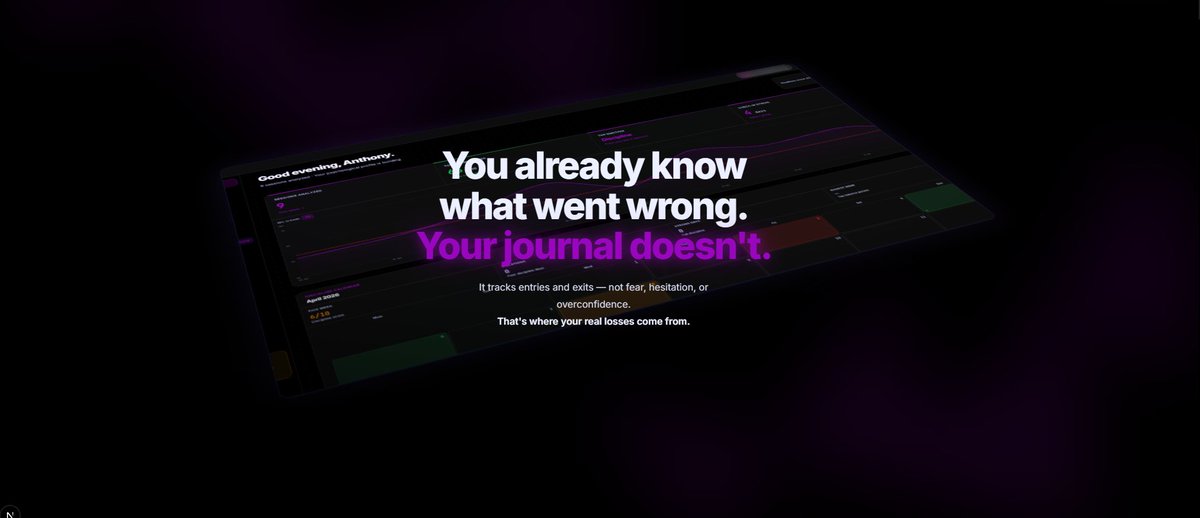
Trading psychology for retail traders. You have a system. You keep breaking it. Tradepurple helps you fix that.
Coming soon Katılım Nisan 2026
104 Takip Edilen19 Takipçiler

Stop migration.
You set a stop. Price approaches. You move it. "Just giving it room."
Price comes back. You move it again. Faster this time.
Third move comes faster than the second. You're not trading anymore, you're negotiating.
You close manually three ticks worse than where calm-you put the original.
The pattern isn't the move. It's the acceleration. Once the precedent is set, decay compounds inside a single trade.
Calm-you wrote that stop. In-trade-you doesn't have authority to renegotiate it.
Fix: stops are pre-committed at entry. A touch closes the trade. No discretion in the moment.
You don't fix this at debrief. You fix it at decision time.
English

@ScarfaceTrades_ Best year I had, I stopped looking at P&L and started grading my execution. Money came after.
English

@TradingD44683 Yep. My worst weeks always had blank journal days. Avoidance was the tell.
English

@Trade_Purple The days you avoid journaling are the ones exposing your edge the most.
Missed debriefs aren’t random they’re usually red days, same old mistakes you didn’t want to face.
That’s your real data.
Fix that, and your trading changes.
English

Quick Monday diagnostic for traders with any kind of journal.
Pull your last 10 trading sessions. For each one, mark whether you wrote a debrief or reflection within 12 hours of the close.
Now look at the unmarked ones. The sessions you did not write up.
Two questions:
How many were red? How many were the loss patterns you already know about and would rather not document again?
The unwritten sessions are not random. They cluster on the days the journal would have been most useful. That cluster is the data. The missing entries are the pattern.
English

@tradermike1234 Most blown accounts had the probabilities in their favor. They just didn't have the discipline to wait for them to play out.
English

The list is right, the mechanism is missing. Pros don't protect capital because they're more disciplined in the moment. They protect it because the exit rules were written before the session, when their judgment was clean. Amateurs decide during the trade. Pros decided before the trade. The difference isn't psychology, it's preparation.
English

@Emrik__ Morning. Already journaled my emotions before market open. Healing era.
English

@tradertheory Closer truth: high IQ usually makes the losing trade worse. Smart traders rationalize bad positions better, hold longer, and override stops with reasoning their slower self would have rejected. Discipline doesn't ask your IQ for permission.
English

@ItsTraderLuke Math is right, framing is wrong. Capital amplifies pattern, not discipline. The trader who blows $1k from oversizing blows $10k from oversizing, just faster. Bigger accounts don't fix the behavior that's killing the small one.
English

@MarketMovesMatt The hardest part isn't writing the rules. It's following them on the day you feel you should override them. That's where most accounts die.
English

January 2024. $145,000 in the account.
I made one decision:
Stop picking stocks. Start selling premium.
Every red day I showed up.
Every trade I followed the rules.
Every winner I closed at 50%.
Every dollar I reinvested.
No heroics.
No lucky calls.
No all-nighters.
December 2024. $503,000 in the account.
The system didn't care about my opinions.
It only cared about my execution.
$358,000 difference.
Same market everyone else traded.
Different rules.
English

@DenizTheTrader Stage 3 isn't a destination. It's a state you fall out of when you stop journaling. The traders who stay there longest are the ones who keep writing debriefs after they feel they've made it. The relapse is invisible until the drawdown.
English

@MarketMovesMatt The "just once" one is the killer. Nobody breaks their rules once. They break them once, get away with it, and now the rule is optional. That's the moment the account starts dying, even if the equity curve hasn't noticed yet.
English

I've never met a successful trader who:
• Watched financial news daily
• Used more than 3 indicators
• Traded more than 5 tickers
• Checked portfolio more than twice daily
• Made decisions based on feelings
• Broke their own rules "just once"
I've met thousands of broke traders who did all six.
Coincidence?
Not even close.
English

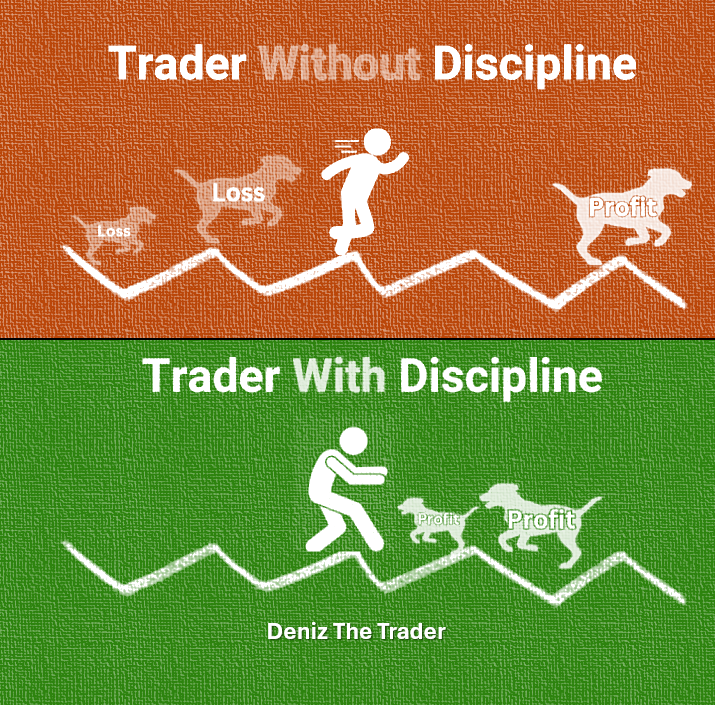
@DenizTheTrader The gap between these two traders isn't skill, it's a 60-second pause before each trade. Most blow-ups aren't strategy failures, they're emotional reactions that didn't get interrupted in time.
English

@TradeZella Consistency isn't a strategy. It's a behavior you repeat until the market has no choice but to pay you
English

This month, trade like someone who respects the process.
You don’t need to rush into the first day.
You don’t need to prove anything to anyone.
Set your conditions.
Review your plan.
Let the market come to you.
Every trade should be backed by:
– A reason to enter
– A reason to exit
– A reason to pass if it’s not perfect
You’re not here for action. You’re here for consistency.
Let that guide you all month.
English

@tradertheory A 90% win rate strategy is just a 100% blow-up strategy with extra steps.
English

@deartrader__ Solid month on paper, but I had two days where I broke my own rules. Those are the ones I actually log. The wins teach you nothing, the slip-ups teach you everything.
English