

Sam Noble
389 posts

“Rum, Russians, Georgians, Wallachians, Serbs, Moldavians, Turks [i.e., the Turkish-speaking Orthodox of Anatolia], Arabs and others in various places,” who are united “despite the remoteness of their countries from each other and the differences in their language”...
English
@OrthodoxHistory @HosannaHosannaa @Hleowstede Muslim rule. John Lamoreaux also translates three short lives of Arab saints in this volume: cornellpress.cornell.edu/book/978087580… which also serves as an introduction to Orthodox literature in Arabic. /7
English
@OrthodoxHistory @HosannaHosannaa @Hleowstede The two lives of Timothy of Kakhushta were published here: brepols.net/products/ON-M1… . The longer version of the life, written in the 11th century, begins with a complaint about how Greeks (al-Rum) at that time didn't respect the saints of the Syrians (al-Suryan) who lived under 6/
English

Sam Noble retweetledi

Before the emergence of Arab nationalism, the Christians of the Levant, like the Muslims of the Levant and Egypt called themselves “sons of the Arabs,” and the term refers to Arabs of Bedouin origin who became urbanized and turned into city dwellers whether Muslims or Christians.

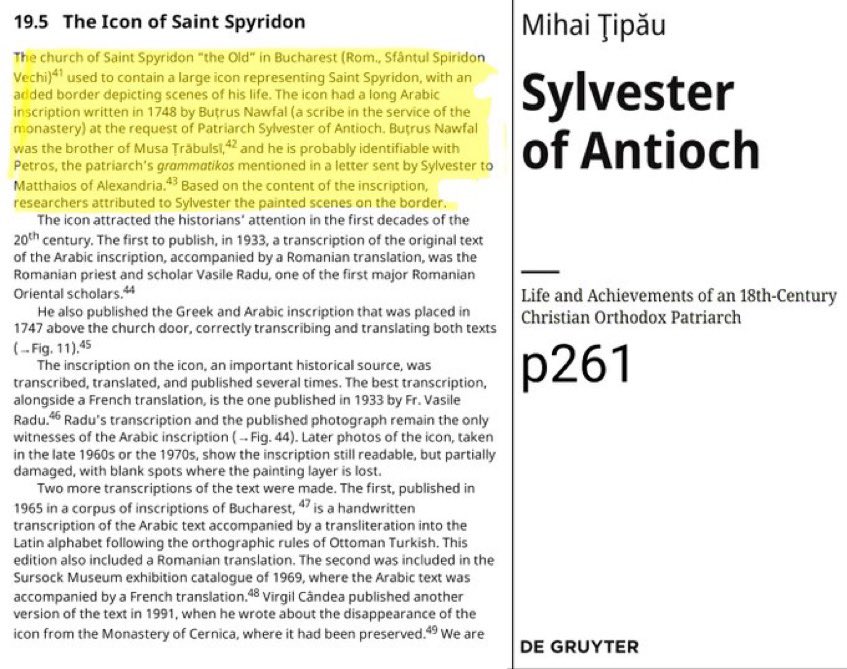
IbnHikmah@BaytAlHikmah1
Arab nationalism arose as a response to Greek control over Arab Christians and Turkish rule over Arab Muslims. It began in 17th-c Aleppo among Arab Greek Catholics, spread through Levantine Christians, including Maronites, who long wrote in Arabic and led the Arab renaissance.
English
@chunguskitten @YahIsGood777 Between the 13th and the end of the 16th centuries, most liturgical manuscripts we have from Antioch are in Syriac and new liturgical texts were still being translated (from Arabic) in the 16th. But population shifts to the cities and a new standardized Arabic text ended it.
English

@YahIsGood777 The Syriac language and rites were suppressed much earlier in the 9th-11th centuries in the Eastern Orthodox Church.
English
The End of the Greek Captivity of the Church of Antioch
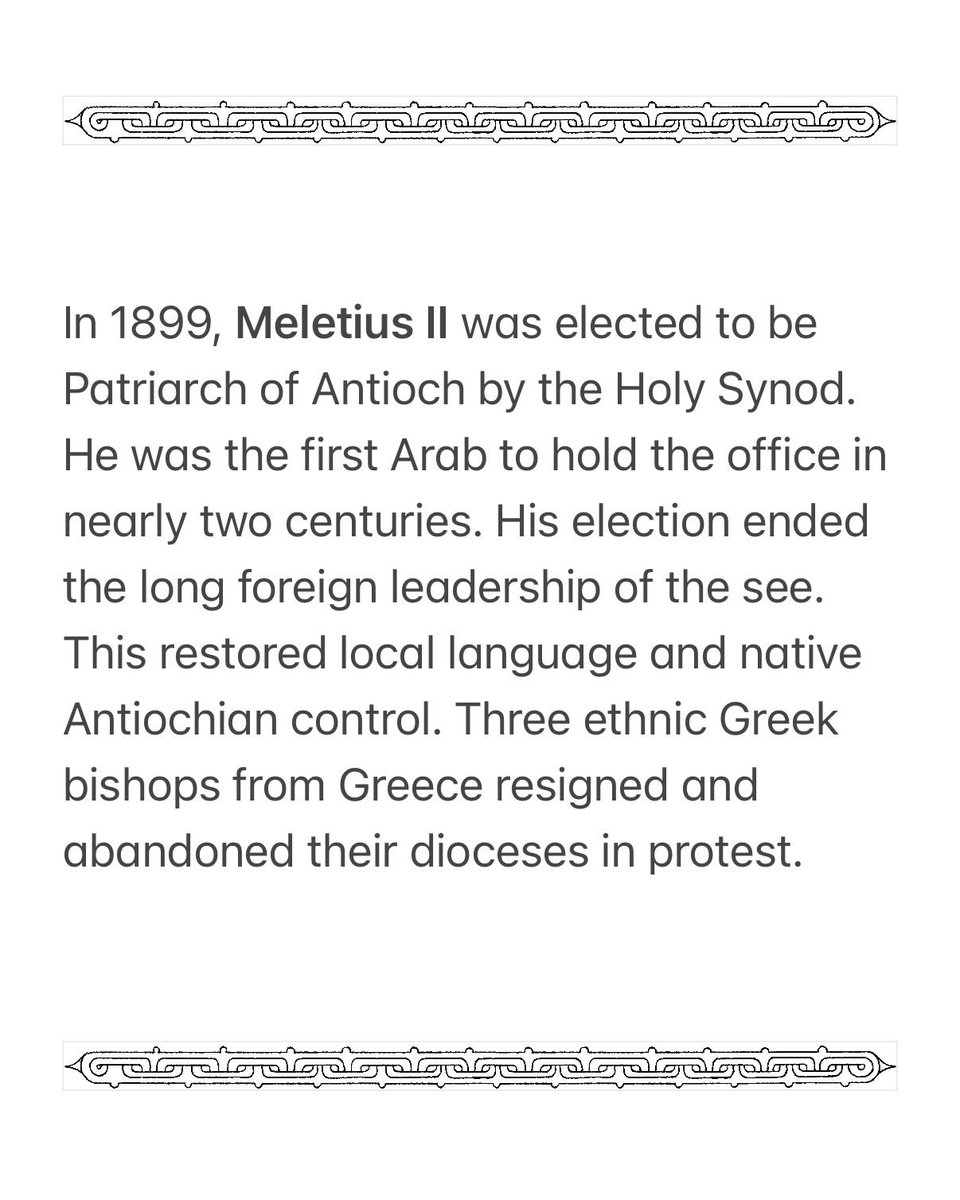
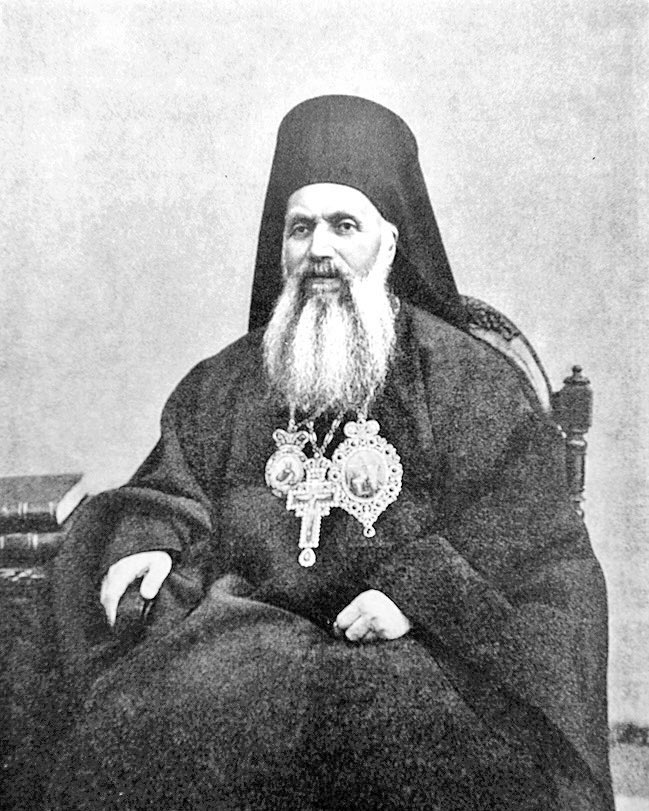
English
@DrMichaelBonner The only Greek poem I can think of that was translated is Pythagoras' Golden Verses, which got at least two or three translations.
English

Far more interesting to contemplate why the Abbasid translation movement ignored the Homeric poems, along with all other Greek belles lettres.
tantum@QuasLacrimas
The little errors Lazaridis fingers here (confusing 1453 and 1437, saying Homer was translated into “all” vernacular languages instead of “some”, fabricating imaginary Arabic translations as a liturgical statement of faith) may seem minor, but these then become the starting point for a new generation of pseudo-scholars who cite these errors as authoritative and add on little distortions of their own, and by and by “mainstream scholarly opinion” is a huge Leviathan of lies swimming forward on its own momentum, with no remaining connection to historical fact.
English
@OrthodoxHistory @AngloVarangian Without the Russian intervention, it would've just happened after WWI. The Holy Synod had a local majority so as soon as Ottoman control ended, they'd have quickly chosen one of their own.
English
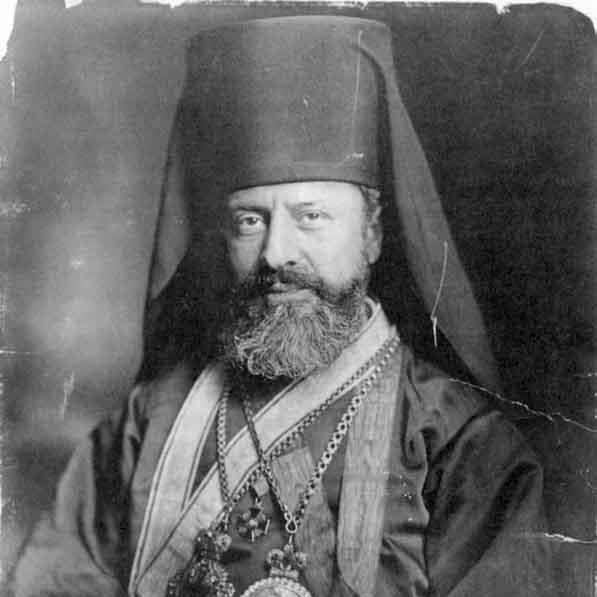
@AngloVarangian To be fair, it would not have happened without Russian diplomatic assistance with the Porte.
English
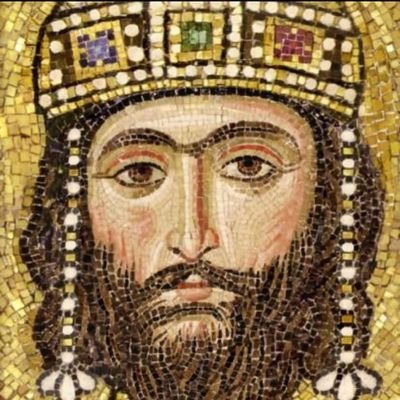
What's bizarre is some Greeks blame Russia for this to this day
chunguskitten@chunguskitten
The End of the Greek Captivity of the Church of Antioch
English
@phillipwstokes Again, congratulations. I've spent the afternoon reading through it and it's a huge acheivement!
English

@TricycleRepair Thanks so much for this, Sam. I do recall reading this at some point; apologies for not mentioning it explicitly! I will say that your/Alexander Treiger's entreatments along these lines buoyed my spirits whenever pessimism started to creep in. Many thanks to you!
English
In a book chapter I wrote several years ago (and would def rephrase if written today) but was only published this year, I mention this in a list of desiderata for the study of Christian Arabic. Stokes' new book is a sort of dream-fulfillment in this regard.

Phillip W Stokes@phillipwstokes
My book is out! It's published open access in the Cambridge Semitic Languages and Cultures series, accessible here: openbookpublishers.com/books/10.11647…
English
Sam Noble retweetledi
Exciting new publication! Christian Arabic manuscripts are very important for understanding the medieval history of Arabic, and an informed approach that gives agency to the users of this interesting expression is very important.
It's also Open Access!
openbookpublishers.com/books/10.11647…
English
@nishanciefendi The critical edition is edited by Bonifatius Kotter, volume II of Die Schriften von Johannes von Damaskos, De Gruyter, 1973.
Nederlands

Sam Noble retweetledi

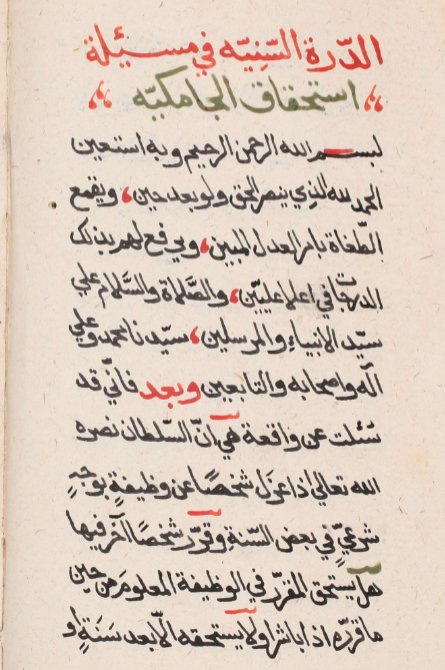
Anonymous Arabic treatise on the just payment of workers, copied in 1689. The text begins: Praise be to God, who grants victory to what is right--even if after a time--and restrains tyrants by the command of justice sublime.
Philadelphia, PA 🇺🇸 English
@fitzmorrissey @FacultyofAMES Very nice to see, typo aside. By a long shot the most important Arab Christian thinler of the past century!
English

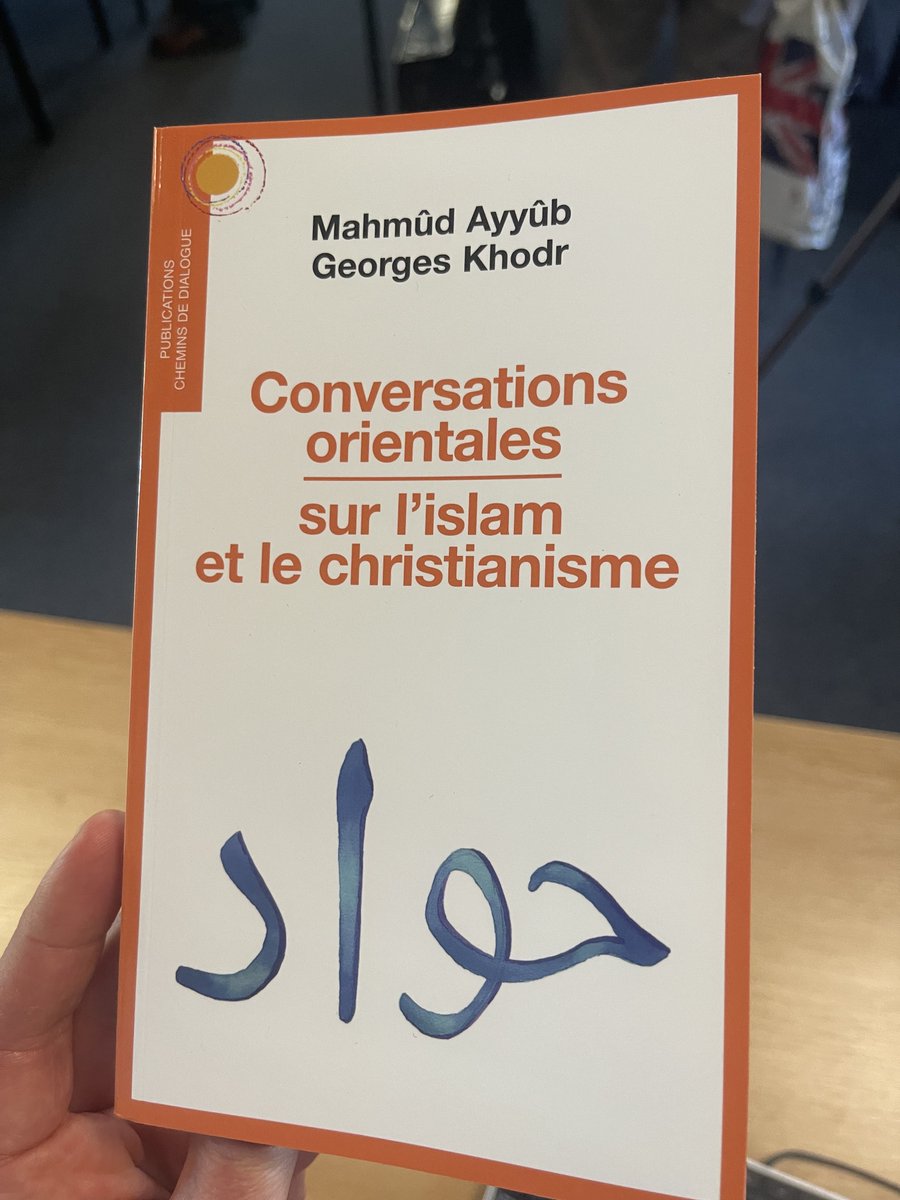
A great discussion @FacultyofAMES this evening led by Anthony O’Mahony on the thought of the Lebanese Eastern Orthodox Metropolitan Georges Khomeini — the subject of a fascinating new book by Miles Elwell — and his dialogue with the Shi’i scholar Mahmoud Ayoub at Balamand.

English