Sabitlenmiş Tweet

♦️ The Unknown ♦️
77.6K posts

@Unknown___1__
Most of us have 2 lives. The life we live, and the unlived life within us.
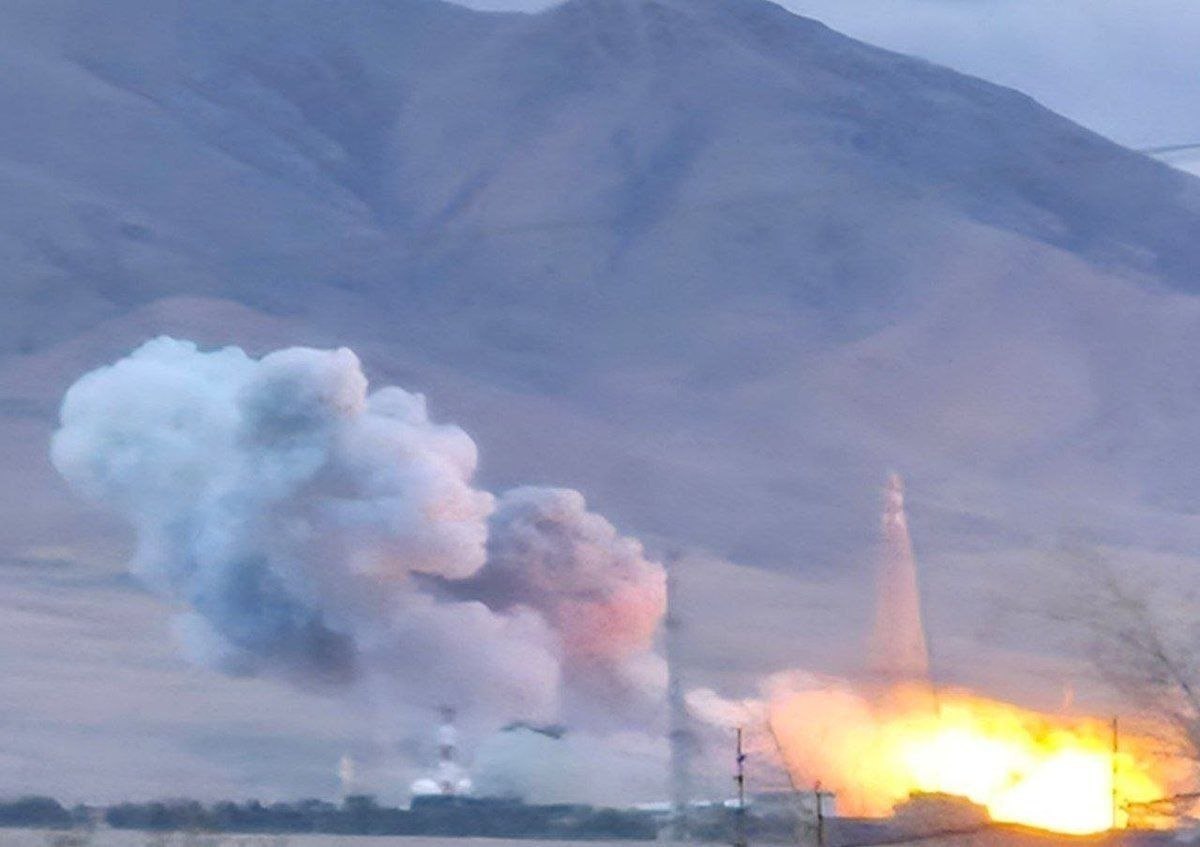
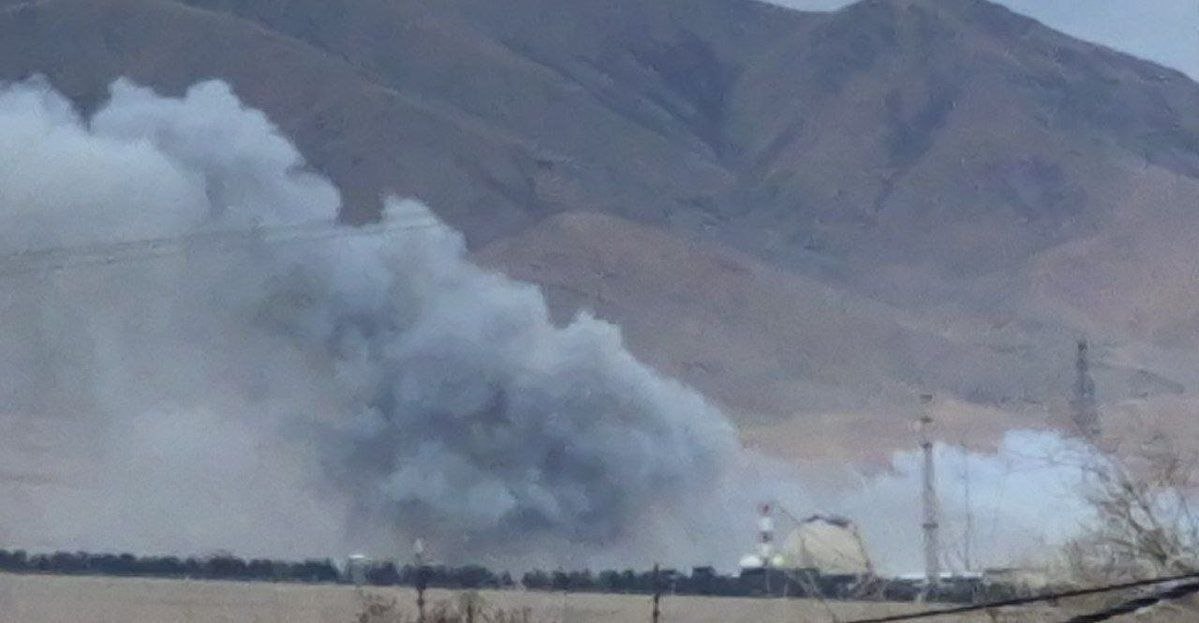
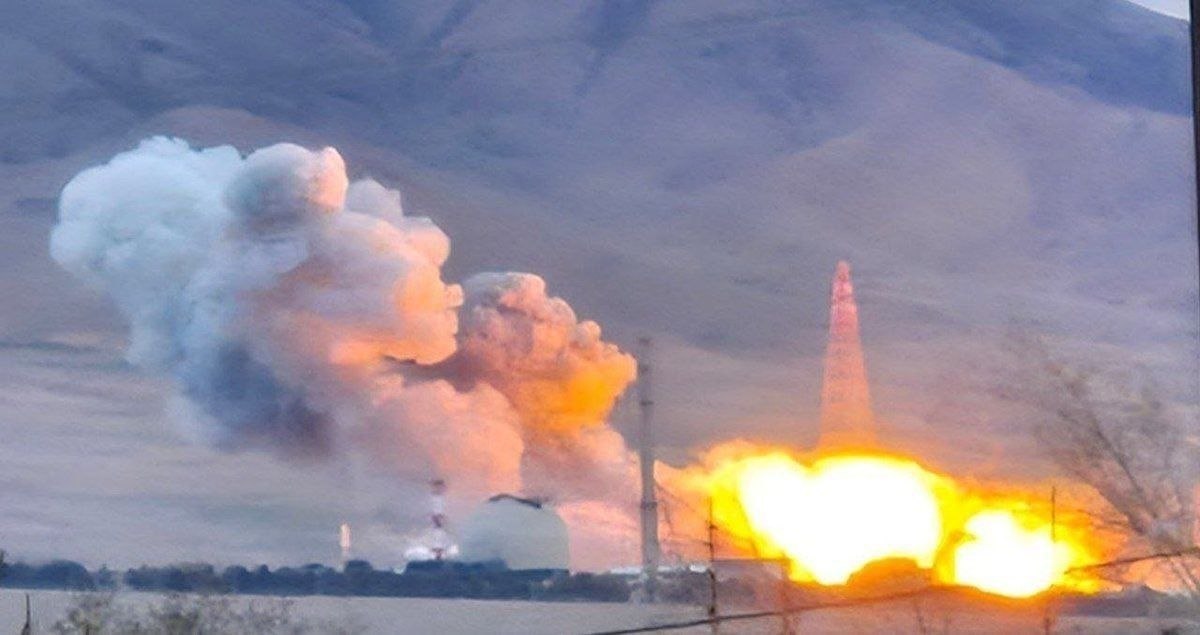


𝗪𝗔𝗥 𝗢𝗡 𝗜𝗥𝗔𝗡 𝗪𝗜𝗟𝗟 𝗖𝗢𝗦𝗧 𝗧𝗛𝗘 𝗨.𝗦. 𝗔𝗡𝗗 𝗜𝗦𝗥𝗔𝗘𝗟 𝗧𝗛𝗘𝗜𝗥 𝗚𝗨𝗟𝗙 𝗔𝗟𝗟𝗜𝗘𝗦 The most serious long-term consequence of the war on Iran is not limited to the battlefield, it is the growing risk of regime instability across parts of the Gulf. For decades, many of these governments built their security around one central assumption: that alignment with the United States would guarantee their protection. That assumption is now being tested, and increasingly, it is being seen as unreliable. Despite strong ties, military bases, and defense agreements, the region remains exposed to threats and instability. This undermines the core pillar on which these regimes based their sense of security. As this perception spreads, it begins to erode confidence from within. When leadership is seen as dependent on external protection that fails to deliver in critical moments, it weakens both legitimacy and authority. This is especially dangerous in systems where stability relies heavily on control, security, and economic continuity. Over time, pressure builds internally. Populations and power structures alike begin to question strategic choices and alliances. This can lead to fractures within ruling elites, growing dissatisfaction among citizens, and a shift in the balance of power inside these states. History shows that prolonged regional wars often produce internal political consequences in neighboring countries. In this case, the combination of external vulnerability and internal doubt creates the conditions where political systems are forced to change, whether gradually through reform or abruptly through leadership shifts. In that sense, the war on Iran is not just a military conflict, it is a stress test for Gulf regimes. If the current trajectory continues, some of these governments may not survive it in their current form.