Arunachalam

7.4K posts

Arunachalam banner
Arunachalam

Arunachalam

@UpadesaSarah

Smaranath Arunachalam

Katılım Mart 2022
3K Takip Edilen188 Takipçiler
Sabitlenmiş Tweet
Arunachalam
Arunachalam@UpadesaSarah·
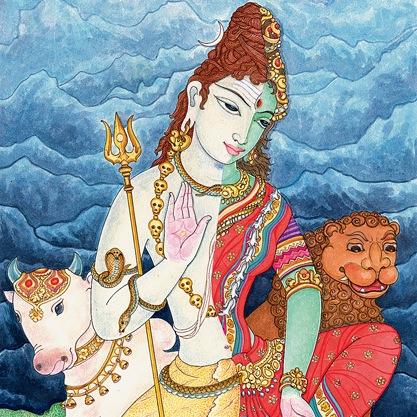
அப்பன் நீ, அம்மை நீ, ஐயனும் நீ, அன்புடைய மாமனும் மாமியும் நீ, ஒப்புடைய மாதரும் ஒண்பொருளும் நீ🙏
Arunachalam tweet media
தமிழ்
5
3
16
0
Arunachalam retweetledi
Karthik Janarthanam
Karthik Janarthanam@karthikjana·
நம பார்வதீ பதயே! ஹர ஹர மஹாதேவ! #சைவசித்தாந்தம்
Karthik Janarthanam tweet media
தமிழ்
0
5
26
228
Arunachalam retweetledi
Karthik Janarthanam
Karthik Janarthanam@karthikjana·
நம: பார்வதீ பதயே! ஹர ஹர மஹாதேவ! குளித்தலை சைவத்திரு இராமலிங்கம் ஐயா அவர்கள் 🙏
தமிழ்
2
17
67
1.2K
Arunachalam retweetledi
Karthik Janarthanam
Karthik Janarthanam@karthikjana·
சீதமழை முகில்பொழிக ! தேசமெலாம்‌ பயிர்விளைக ! செல்வம்‌ ஓங்க ! மாதர்குழாம்‌ மக்கள்குழாம்‌ மனை அறங்கள்‌ உடன்பொலிந்து மலிந்து வாழ்க! மேதகுசீர்ச்‌ சைவநெறி வேதநெறி தழைத்துஓங்க ! மேலும்‌ மேலும்‌ பூதலமேல்‌ சிவபெருமான்‌ ஆலயங்கள்‌ பூசனைகள்‌ பொலிக மாதோ ! _ திரிகூடராசப்பக்‌ கவிராயர்
Karthik Janarthanam tweet media
தமிழ்
6
21
191
954
Arunachalam
Arunachalam@UpadesaSarah·
@tskrishnan Happy birthday anna 🎉 Wish you the best of everything 🙏
English
1
0
1
31
𑀓𑀺𑀭𑀼𑀱𑁆𑀡𑀷𑁆 🇮🇳
நண்பர்களுக்கு, கோவை புத்தகக்கண்காட்சியில் அடியேனுடைய புத்தகங்கள் கிழக்குப் பதிப்பக அரங்கில் கிடைக்கும் My books including “The Cholas” are available at Kizhakku book stall at Kovai book festival.
𑀓𑀺𑀭𑀼𑀱𑁆𑀡𑀷𑁆 🇮🇳 tweet media
6
36
95
2K
Arunachalam retweetledi
The Dance Of Siva
The Dance Of Siva@TheDanceOfSiva·
#சுத்தாத்வைத_சைவசித்தாந்தம் சூரபத்மாதிகளின் தத்துவம் வருமாறு: சூரபத்மன் : அஹங்காரஸ்வரூபம் சிம்ஹமுகன் : குரோத (கோபம்) ஸ்வரூபம் தாரகன் : மூடதத்துவம் அஜமுகி : சபலம் கிரௌஞ்சமலை : ஜடஸ்வரூபம் பானுகோபன் : விபரீத சிந்தனை ஸ்வரூபம் அக்நிமுகன் : துக்கஸ்வரூபம் தர்மகோபன் : அதர்மம் தீயநடத்தை ஸ்வரூபம் சூரஸம்ஹார தத்துவம் வருமாறு: ஸச்சிதானந்த ஸ்வரூபியான ஸ்ரீ முருகப்பெருமான் ஆணவ, மலம், மாயாமலம், கர்மமலம் ஆகிய மும்மலஸ்வரூபமான மூன்று (சூர பத்மன் முதலான) அசுரர்களை மாய்த்து (அவர்களின் அகந்தையை அழித்து என்று கொள்க) அருளினார் என்பதாம். அதாவது சூரபத்மன் முதலானவர்கட்குண்டாகி இருந்த அஹங்காரம், மமகாரம் முதலான தீயகுணங்களைத் தனது ஞானசக்தியாகிய வேலினாலும், வீரசக்தியாகிய வஜ்ராயுதத்தாலும் மாய்த்து அவர்கள் உய்ய அருளினார். முருகப்பெருமானின் வேல் சூரபத்மன் (மாமர வடிவு கொண்டு விளங்கியபோது) மார்பில் பட்டதும் அவன் அறிவு பெற்று எதிரில் இருப்பது இறைவன் என்பதை உணர்ந்து தன் தவறுக்கு வருந்தி இறைவனிடம் மயிலாகவும், சேவலாகவும் தன்னை மாற்றிக் கொண்டு சரணாகதியடைந்தான். முருகனும் அவனுடைய செயலை ஏற்று மயிலைத் தனக்கு வாகனமாகக் கொண்டும், சேவலைத் தன் புகழ்பாடும் கொடியின் சின்னமாகவும் ஏற்றுக்கொண்டு அருண் பாலித்தான் என்பதே சூரஸம்ஹாரத் தத்துவமாகும். தேவயானை : கிரியாசக்தி, வள்ளி : இச்சாசக்தி வேல் : ஞானசக்தி என்க. சிவஸ்ரீ பாலீஸ்வரக் குருக்கள் தொகுத்த சிவாகம செய்தி விளக்கம் என்னும் நூலில் இருந்து.
The Dance Of Siva tweet media
தமிழ்
1
13
170
1.5K
Arunachalam retweetledi
Karthik Janarthanam
Karthik Janarthanam@karthikjana·
Skanda Purāṇa, Kāśī Khaṇḍa 2.41.46 शिवप्रसादेन विनश्यति पाशबन्धः शिवप्रसादेन हि मोक्षमाप्नुयात् । ஶிவப்ரஸாதே³ந விநஶ்யதி பாஶப³ந்த⁴꞉ ஶிவப்ரஸாதே³ந ஹி மோக்ஷமாப்நுயாத் . śiva-prasādena vinaśyati pāśa-bandhaḥ śiva-prasādena hi mokṣam āpnuyāt.
Karthik Janarthanam tweet media
5
22
286
1.5K
Arunachalam retweetledi
Karthik Janarthanam
Karthik Janarthanam@karthikjana·
நம: பார்வதீ பதயே! ஹர ஹர மஹாதேவ! சிவநேயச் செல்வர்களின் மேலான கவனத்திற்கு...
Karthik Janarthanam tweet media
தமிழ்
2
12
86
487
Arunachalam retweetledi
केशवप्रियः
This comparison doesn't really hold. Arunagirinathar is revered because he repented, transformed, and abandoned his former life, as mentioned in his Tiruppugazhs. Simply saying, "Arunagirinathar had faults, therefore my conduct needs no scrutiny," misses the very point of his story. By that logic, anyone could justify any action by comparing themselves to a saint's past while ignoring the saint's transformation. God is compassionate; He is certainly capable of extending grace to anyone who sincerely seeks Him. But compassion is not the same as endorsement.
RohanMyView@RohanGay2

@RPViswam1 @Aprameyah_ Lol! If a womanising Arunagirinathar can know of Muruga and compose hymns on him, even gays can. If God is the creator, He wouldn’t see any disparity among His diverse creations. Only some flawed mortals do that 😌
English
4
13
54
2K
Arunachalam retweetledi
Tamil Labs 2.0
Tamil Labs 2.0@labstamil·
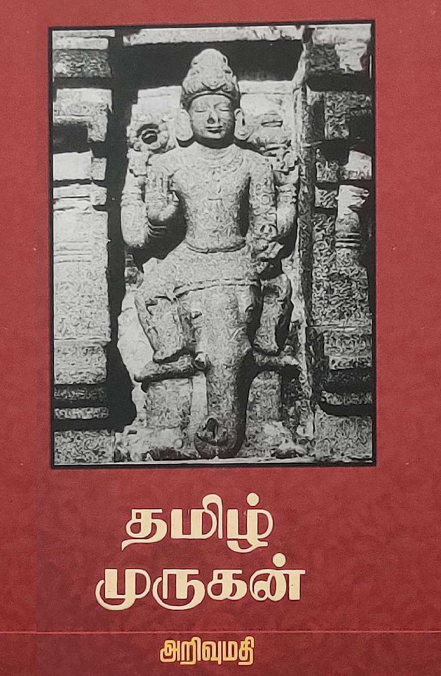
What exactly is the argument of Poet Arivumathi in his book "Thamizh Murugan" which is the inspiration for Dhanush x Vetrimaaran's next project? A thread rebutting his book using his own sources. Do read this important thread, RT it and think for yourself (1/n)
Tamil Labs 2.0 tweet media
English
41
774
1.8K
394.8K
Arunachalam retweetledi
Śrutaṃ me gopāya
Śrutaṃ me gopāya@shrutammegopaya·
An Indo-Aryan word that is more commonly used in the deep south than anywhere else is "mAdari" - referring to method or a way of doing things. It gets used in a broader sense in Tamil to refer to any similarity in pattern (anda mAdari - அந்த மாதிரி) Kannada uses the word in a stricter sense closer to its Indo-Aryan meaning. "mAdari - ಮಾದರಿ in Kannada means model / example to emulate". Tamils OTOH overuse this In my household (tamil domiciled in Karnataka), we pronounced it as "mAdari" (like kannadigas do) while overusing it like Tamils do. But tamils pronounce it differently - "mAri" (like Vishaka Hari below) The root of this Dravidian word is in Sanskrit (मातृका) implying the womb / maternal source. Over time, its meaning has semantically shifted to mean "copy / archetype / pattern". In tamil, it has shifted even more to mean "type" Interestingly मातृका has a cognate in Latin (descending from a common PIE root) - which is "matrix". Again "matrix" had maternal connotations in Old Latin, but over time, the meaning has shifted to mean pattern / archetype even over there! A great example of similar semantic shifts of the same root in two very distant geographies - South India and Western Europe! Post-script : Gemini corrects me by saying the "semantic" shift happened in Sanskrit itself. Evident from sMRti literature. Long before the word traveled south. The South took up the modified word, and tweaked its usage further
dravida sishu@dravidasishu

As if she lives like how her grandma lives. Full feku lady who is a successful marketeer ( ofc everyone allowed) but acting holier than thou
English
6
13
64
9.7K
Arunachalam retweetledi
trramesh
trramesh@trramesh·
Very important Development today regarding Tamil Nadu Temples! Many of you are aware that the @tnhrcedept -an unwelcome encroacher in Hindu Temples - charges 12% of the annual income of Temples as "Administrative Fees" for their useless "services". The 12% collected from all temples are credited to a Fund called "The Hindu Religious and Charitable Endowments Administration Fund" created under Section 96 of the TN HR&CE Act, 1959. This account is administered by the Commissioner of the @tnhrcedept - He can take money from this account only to defray the expenses of this Department - the running expenses of the Department including salaries and benefits of its officials. This fund CANNOT be used for any other purposes. During the DMK regime between May 2021 and April 2026, the various Commissioners including the current Secretary of Religious Endowments Department @kgbias misused the Administration Fund for purposes other than those allowed by LAW. In Writ Petition (MD) No. 34090 of 2025 Hon'ble Division Bench of the Madras High Court CLARIFIED and laid down the law regarding usage of the funds in the said Administration Fund. It can be only for repaying the Government the sums paid by the Government under sub-section 4 of Section 92 of the TN HR&CE Act, 1959 - that is only for reimbursement of Department Expenses. Government under Hon'ble @CMOTamilnadu should ensure all such misappropriation of the Administration Fund should be returned to the Fund. Hon'ble @CMOTamilnadu and @RameshOffcl should announce in the Legislative Assembly that the Administration Fees charged on Temples will be reduced to 4% since Govt is charging 4 times more than the actual expenditure of the Department.
trramesh tweet mediatrramesh tweet mediatrramesh tweet mediatrramesh tweet media
English
41
690
1.4K
32.4K
Arunachalam retweetledi
Karthik Janarthanam
Karthik Janarthanam@karthikjana·
திருவோத்தூர்ப் புராணம் உரத்தானை யுரித்தானை யுடைத்தானை யெனப்புலித்தோ டுடுத்த வைந்து சிரத்தானை நடத்தானை யுடைத்தானைப் பகட்டேருஞ் சிறந்த தண்டக் கரத்தானை யுதைத்தானைக் களிற்றூனை யளித்தானைக் கழறும் வேத புரத்தானை யிளமுலைதோய் புயத்தானைத் தொழுதெமது புன்மை தீர்ப்பாம்
Karthik Janarthanam tweet media
தமிழ்
12
21
194
976
Arunachalam retweetledi
K S Hosalikar
K S Hosalikar@Hosalikar_KS·
At Mankanhalli in Hassan district of Karnataka stand a unique stone placed during British era. Rainwater falling rightside of this stone flows E-ward through Kaveri River & ultimately reaches BoB;while rainwater falling leftside flows W-ward in Netravati River to Arabian Sea?
K S Hosalikar tweet media
English
28
422
2.2K
65.6K
Arunachalam retweetledi
𑀓𑀺𑀭𑀼𑀱𑁆𑀡𑀷𑁆 🇮🇳
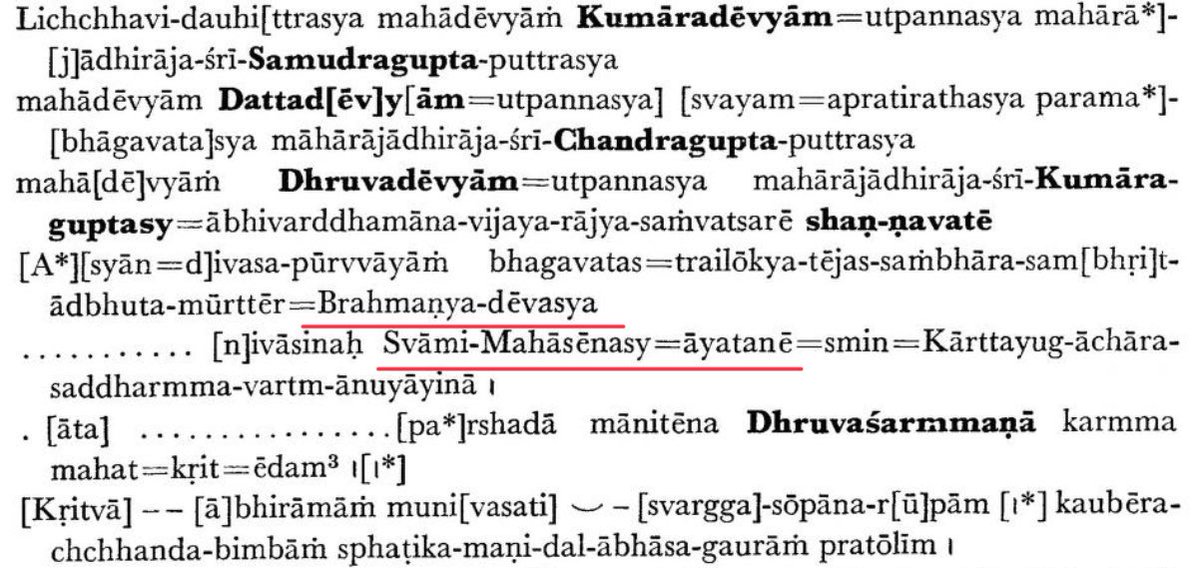
The Bilsad (UP) inscription of Kumaragupta I (415 CE) is significant in many ways. The Sanskrit inscription with Gupta Lipi, records construction of the gateway & other renovations done at a temple (ayatana) of God Brahmanya (Subramanya) who is also Lord Mahasena. This in fact shows that a temple for Subramanya was pre existing at that time. This is one of earliest evidences of a temple of God Subramanya in India. Subramanya was worshipped by the Gupta kings and they had names like Kumaragupta & Skandagupta. They had also minted coins with the images of Subramanya and peacock.
𑀓𑀺𑀭𑀼𑀱𑁆𑀡𑀷𑁆 🇮🇳 tweet media
English
6
66
145
3.7K
Arunachalam retweetledi
𑀓𑀺𑀭𑀼𑀱𑁆𑀡𑀷𑁆 🇮🇳
One of the reasons it is always important to read and understand the primary sources is that relying solely on secondary sources often leads to factual errors and serious mistakes, like the one in the below post. Let us examine just a few of these errors; otherwise, listing them all would turn this into a full-length article. First, the Tolkappiyam is a grammatical treatise, not a theological work intended to describe deities. Therefore, there is nothing surprising about the absence of a detailed description of Murugan. Also, the correct word is “Seyon” (சேயோன்), not “Ceyyon” (செய்யோன்). The word “Sey” means either “child” or “red,” both of which are traditional epithets of Murugan. Also, Tolkappiyam doesn’t say a Kurinji landscape “belong” to Murugan. It just says that Murugan is the primary deity in Kurinji. It is important to note that other key Murugan shrines like Swamimalai (Marudham) and Tiruchendur (Neythal) are in other landscapes as well. Coming to the Sangam corpus, it is incorrect to focus only on the Akananuru while ignoring the rest of the literature. The Purananuru clearly states that the peacock is Murugan’s vehicle (Purananuru 56). The rooster is not his mount; it is his banner (seval kodi). The claim that the Thirumurugatrupadai was composed 500 years after the Akananuru merely repeats an outdated, agenda-driven narrative that sought to exclude devotional works from the Sangam corpus. The author of the Thirumurugatrupadai, Madurai Kanakkanayanar Makanar Nakkeerar, is also traditionally credited with 35 other Sangam poems, including Akananuru 17 and Purananuru 3. If the Thirumurugatrupadai were really composed five centuries later, one would have to explain how the same poet managed to live across 500 years. Furthermore, other Sangam works such as the Pathitrupathu and the Paripadal provide vivid descriptions of Murugan’s iconography. These descriptions are entirely consistent with the representations of Murugan found on Yaudheya and Kushana coins, as well as in Gupta-period sculptures, demonstrating a remarkable continuity in his iconography across regions and centuries.
Amit Schandillia@Schandillia

[WHOSE MURUGAN?] Once upon a time in a land known as Tamilakkam, there lived a deity that was red in color, wielded a spear (vēl), and rode a peacock (sometimes rooster). We know this because Tamil archeology is littered with pre-Sangam iconography of vel and rooster, both closely associated with this deity. What did they call him? We don’t know because we’re talking pre-Sangam period when people didn’t write down much. Sure there was some epigraphy, but all secular (land grants, trade notes, etc.). Then comes the Tolkappiyam. Now we’re in the 2nd century BC, at most 3rd. Here, the name Ceyyon (செய்யோன்) is used for the first time in reference to a guardian deity of the hills (verse 5, chapter 1, section 3, Tolkāppiyam in English by Dr. V. Murugan): māyōṉ mēya kāṭu urai ulakamum, cēyōṉ mēya mai varai ulakamum, vēntaṉ mēya tīm puṉal ulakamum, varuṇaṉ mēya peru maṇal ulakamum, mullai, kuṟiñci, marutam, neytal, eṉac colliya muṟaiyāṉ collavum paṭumē. “The forest region belongs to Māyōṉ; the dark mountain region belongs to Cēyōṉ; the fertile riverine plains belong to Vēntaṉ; the great sandy seashore belongs to Varuṇaṉ. These are designated, respectively, as Mullai, Kuṟiñci, Marutam, and Neytal.” Cey (செய்) and cem (செம்) are both Tamil for “red.” Does this conclusively prove that the Ceyyon of Tolkappiyam is also the deity represented by earlier epigraphy? Not really. Every parallel between the two is incidental, circumstantial. Rooster motifs occur in Iron Age South India, but by itself, rooster doesn’t automatically indicate Ceyyon. The association is suggestive, not demonstrative. Similarly suggestive is the vēl of Iron Age South India as a Ceyyon emblem. It’s just an iron spear and we’re talking Iron Age. Of course there’s gonna be spears. They’re the most ubiquitous weapon humanity has fashioned out of iron. Any association with a specific deity can only be speculative. But scholarly Dravidian consensus exists that the parallel exists, so we’ll just go along with it. We will work on the assumption that some kind of a Ceyyon cult existed long before the Sangam era and that Tolkappiyam was only referencing something that had already existed at the time rather than inventing something new. At any rate, the Sangam era is a period of Ceyyon’s universalization. This is when his cult expands beyond hill tribes into towns and kingdoms, and Ceyyon slowly evolves from a local hill god into a more universal warrior deity. Part of Sangam literature is Akananuru, an anthology of some 400 poems composed by multiple authors across mutiple generations between the 1st century BC and 3rd century AD. This is where Murugan makes his debut as a name for Ceyyon. More than 500 years after Akananuru comes Tirumurukarruppatai. This is where Murugan switches rides from rooster to peacock at least in recorded history. That’s right. There’s no Murugan and no peacock in Tolkappiyam. In fact, there’s no rooster or spear in Tolkappiyam either. But why? Answer lies up North. Rigveda mentions the word “kumara” for the first time in 5.2.1: kumāram mātā yuvatiḥ samubdhaṃ guhā bibharti na dadāti pitre, anīkam asya na minaj janāsaḥ puraḥ paśyanti nihitam aratau. “In secret the young mother carries the child who is hidden; she does not give him to his father. His face is not one that changes; the peoples see it in front, set down in the circle of spokes.” Here, “kumara” seems less a proper noun and more a common noun. A young boy, if you will. Generic. But if you read it as a metaphor, kumara becomes someone more specific. Vedic texts often blend mundane physical actions with deep metaphysics. In this case, that physical action is the rubbing of wood to spark fire. And in this metaphor, the hidden boy represents nascent fire...fire that is still hidden within embers or wood before it bursts into a bright, consuming flame. In sum, Kumara is Agni. At least in this context and only allegorically. Nothing to do with Shiva. In fact, there’s no Shiva in all of Rigveda. There are Rudras (plural) but that’s a whole other conversation. Toward the Late Vedic period we get another scriptural work titled Shatapatha Brahmana. In 6.1.3.18, a charcter named Kumara makes his second debut: tānyetānyaṣṭāvagnirūpāṇi, kumāro navamaḥ saivāgnistrivṛttā. “These then are the eight forms of Agni. Kumara (the boy) is the ninth: that is Agni’s threefold state.” There is no reason to confidently read Kumara as a proper noun here either, but that’s immaterial. Of import is the fact that he’s Agni. Again. Another couple of centuries and we run into the Upanishads. Chandogya Upanishad in particular. In verse 7.26.2, it drops a name: Sanatkumara. Mahabharata would later call him a son of Anala and the founder of Yoga. The Puranas read him differently. But the same verse also drops another term. Skanda. skanda ityācakṣate taṃ skanda ityācakṣate. Skanda they call him, skanda they call. In simpler terms, Sanatkumara is Skanda. But is this Skanda, the proper noun? Or skanda, the adjective? In the latter sense, the word means “wise.” A revered saintly figure being called wise isn’t unusual. So is this Skanda, the deity? Or just a laudatory epithet for Sanatkumara. Also, while we’re at it, is Sanatkumara the “Kumara” of the Vedas? The jury remains out. If Sanatkumara is Agni and Skanda is Sanatkumara, then Skanda is Agni. If Sanatkumara is a skanda or wise saint, then there’s no Skanda. So far, no sign of Skanda as Shiva’s offspring. After Upanishads, we enter the age of the epics with Valmiki’s Ramayana. This is where Kartikeya shows up for the first time. In fact, Valimi dedicates an entire hymn in Bala Kanda to this character. Here’s a rough summary of the sarga, 1.37: The gods, seeking a commander for their celestial army, appealed to Brahma, who instructed Agni to channel the divine essence of Shiva into the river Ganga. Upon reaching the Himalayan mountains, this potent energy manifested as a radiant child in a reed forest, transforming the surrounding flora into gold. The Krittika stars (the Pleiades) nurtured and suckled the infant, who assumed six faces to draw milk from them simultaneously. Following this display of power, the gods anointed him as Skanda or Kartikeya, the commander-in-chief of their armies. Sage Vishvamitra concluded by telling Rama that devotion to Kartikeya grants longevity, prosperity, and spiritual merit on earth and beyond. At least indirectly, Skanda is presented as a Shiva offspring. Indirectly because, believe it or not, there’s no mention of “Shiva” by name in the entire sarga! Or kanda, but that’s a separate conversation. So by the beginning of the Sangam Era, we have a Skanda/Kartikeya in the North that’s born of Shiva and is a bestower of prosperity. And a Ceyyon in the South who is of undisclosed birth and rules the mountains. See any parallel so far? There is one: Neither has a ride. Unless you still wanna hold on to the rooster for Ceyyon. There’s one more, albeit a bit tenuous: Both originate in the mountains, Skanda in the Himalayas and Ceyyon in the hills of Tamilakkam. No meaningful overlap. This changes toward the end of antiquity. With Tirumurukarruppatai in the South and Kushans in the North. Tirumurukarruppatai is unanimously placed in the 2nd-3rd centuries. As we’ve already noted, this is where Ceyyon or Murugan switches from rooster to peacock. Do note that peacocks are pretty common in the hills of Tamilakam. Up North, in the same centuries, the Kushanas were depicting Skando Komaro on their coins with...an elephant! Although this is still debatable, because some read the character as the Kushan king Huvishka and not Skanda. The peacock entered the northern iconography with the Guptas. By the 5th century AD, Skanda and peacock had already started sprouting in Gupta cave sculptures and temple arts. The association, however, would only crystallize with the advent of Skanda Purana in the 7th-8th century AD, long after the Guptas were gone. In SP’s depiction, an evil demon named Surapadma enters a fight with Skanda. To hide, the demon turns into a mango tree. Skanda then uses his divine spear (the vēl) to split the tree in half. The two halves turned into two creatures. One half became the peacock (Skanda’s ride), and the other half became the rooster. Skanda spares the demon’s life and takes the rooster as the emblem on his battle flag, the kukkutadhvaja. This is the Kartikeya we know today. This is the Skanda we know today. This is the Murugan we know today. This is also the Subramanya we know today. So, two independent cults merged into a common syncretic theology sometime between the 3rd and 6th centuries. Know what else happened in that window? Large-scale migration of Brahmins from the Gupta lands into Tamilakam. Especially under the likes of the Pallavas and Kadambas, many Gangetic Brahmins were invited to settle in the South and granted large land grants called brahmadeya. A couple of centuries before the Pallavas, Samudragupta had conquered large territories in the South during his famous Dakshinapatha campaign. This included kingdoms like Palakka and Kanchi. Three centuries is a very long window for traditions to overlap, coalesce, and morph into something new with parts of both. So who stole what from whom? Feel free to care. Because Murugan doesn’t and neither does Skanda.

English
16
85
248
9.6K
Arunachalam retweetledi
Karthik Janarthanam
Karthik Janarthanam@karthikjana·
நம: பார்வதீ பதயே! ஹர ஹர மஹாதேவ! சிவநேயச் செல்வர்களின் மேலான கவனத்திற்கு, திரு பரஞ்சோதி முனிவர் அருளிய திருவிளையாடற் புராணம் முழுவதும் விளக்கவுரையுடன் அன்புத் தம்பி திரு ஆதிசிவன் என்பவர் தனது இனிய குரலில் யூடியூபில் பதிவேற்றம் செய்துள்ளார்.
Karthik Janarthanam tweet media
தமிழ்
10
24
283
1.4K
Arunachalam retweetledi
मङ्गलम्
मङ्गलम्@veejaysai·
One for this lovely evening! From the ancient Avudaiyarkoil in Pudukottai! Absolutely blissful! ☺️🙏🏼☺️🙏🏼☺️
English
33
189
890
40.4K
Arunachalam retweetledi
𑀓𑀺𑀭𑀼𑀱𑁆𑀡𑀷𑁆 🇮🇳
A remarkable example of civilisational continuity spanning thousands of years. The seal at the top, excavated at Mohenjo-daro from the Sindhu–Saraswati Civilization, depicts the Saptamatrikas alongside Shiva (similar to the depiction in Pashupati Seal). The sculpture below, from the rock-cut temple at Varichiyur in Tamilakam, similarly portrays the Saptamatrikas with Shiva positioned at the leftmost end. Such continuities in iconography offer a fascinating glimpse into the long lasting traditions of Bharath’s civilisation
𑀓𑀺𑀭𑀼𑀱𑁆𑀡𑀷𑁆 🇮🇳 tweet media
English
5
159
434
9.2K
Arunachalam retweetledi
Karthik Janarthanam
Karthik Janarthanam@karthikjana·
திருச்சிற்றம்பலம் புலியூர்ச் சிற்றம் பலத்தாய் புகலூர்ப் போதா மூதூரா பொலிசேர் புரமூன் றெரியச் செற்ற புரிபுன் சடையானே வலிசேர் அரக்கன் தடக்கை ஐஞ்ஞான் கடர்த்த மதிசூடீ கலிசேர் புறவிற் கடவூ ராளீ காண அருளாயே
Karthik Janarthanam tweet media
தமிழ்
13
37
211
1.2K
Arunachalam retweetledi
Karthik Janarthanam
Karthik Janarthanam@karthikjana·
சைவோத்ஸவக்கிரியைகளில் பஞ்சகிருத்யம். (பெருவிழாவில் இறையின் ஐந்தொழில்நிலைகள்) உத்ஸவகாலத்திலேயே, செய்யப்படுகிற ஒவ்வொரு கிரியையும், சிருஷ்டி முதலிய கிருத்தியத்தைக் குறிப்பதால், இக்கிரியைகள் ஒவ்வொன்றும், ஆன்மாக்களது பாசமாகிய மலத்தை நீக்கி வீடுபேற்றை அருளுவதற்காகவே கூறப்பட்டுள்ளன.
Karthik Janarthanam tweet media
தமிழ்
5
14
75
618