UCMID- Cities &Municipalities Infrastructure Prog

1.2K posts

UCMID- Cities &Municipalities Infrastructure Prog banner
UCMID- Cities &Municipalities Infrastructure Prog

UCMID- Cities &Municipalities Infrastructure Prog

@Usmid_AF

UCMID is a national infrastructure initiative designed to transform Uganda’s rapidly growing urban centres into safer, cleaner, and more liveable cities

Kampala, Uganda Katılım Mart 2021
170 Takip Edilen2.5K Takipçiler
UCMID- Cities &Municipalities Infrastructure Prog
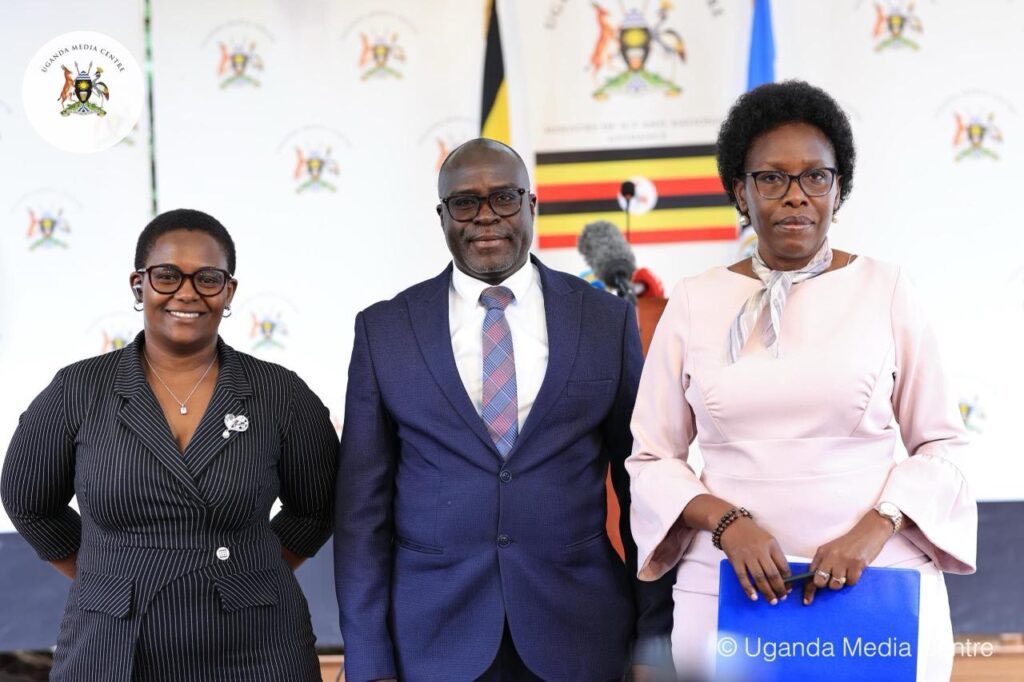
This morning, while addressing journalists and the media at the Uganda Media Centre, Hon. @JudithNabakoob1 , Minister for Lands, Housing and Urban Development, announced that Government had secured $540 million (UGX 2.1 trillion) from the World Bank to support urban transformation across Uganda. The Minister noted that the funding, which includes an $80 million grant, will finance the Uganda Cities and Municipalities Infrastructure Development (UCMID) Programme, a six-year initiative running from 2026 to 2031. She stated that the programme will be implemented in 10 cities, 26 municipalities, and 13 refugee-hosting districts, directly benefiting an estimated 5.6 million people, including 1.6 million in refugee-hosting communities. The Minister explained that the programme is designed to address key urban challenges, including inadequate road infrastructure, flooding, gaps in solid waste management, and limited employment opportunities in urban areas. She further noted that the programme will deliver improved urban roads and mobility, enhanced drainage systems, strengthened waste management, and better planned and managed urban spaces to support economic activity. The Minister added that the programme is expected to generate approximately 20,000 permanent jobs, including 5,000 for refugees and host communities, while supporting small businesses and improving household incomes, particularly for youth and women. Providing context, she highlighted that 27% of Uganda’s population currently resides in urban areas, growing at 5.2% annually, and that urban centres are projected to contribute up to 70% of the country’s GDP. She emphasized that the programme will also support the decongestion of Kampala by creating economic opportunities in regional cities, while strengthening institutional capacity for urban planning and management. On the next steps, the Minister indicated that Government will finalize legal agreements with the World Bank, undertake stakeholder sensitisation, and commence procurement processes for infrastructure works. In closing the minister called on local governments to ensure compliance with all environmental and social safeguards to ensure a smooth rollout of the program.
UCMID- Cities &Municipalities Infrastructure Prog tweet mediaUCMID- Cities &Municipalities Infrastructure Prog tweet media
English
6
24
69
7.9K
UCMID- Cities &Municipalities Infrastructure Prog
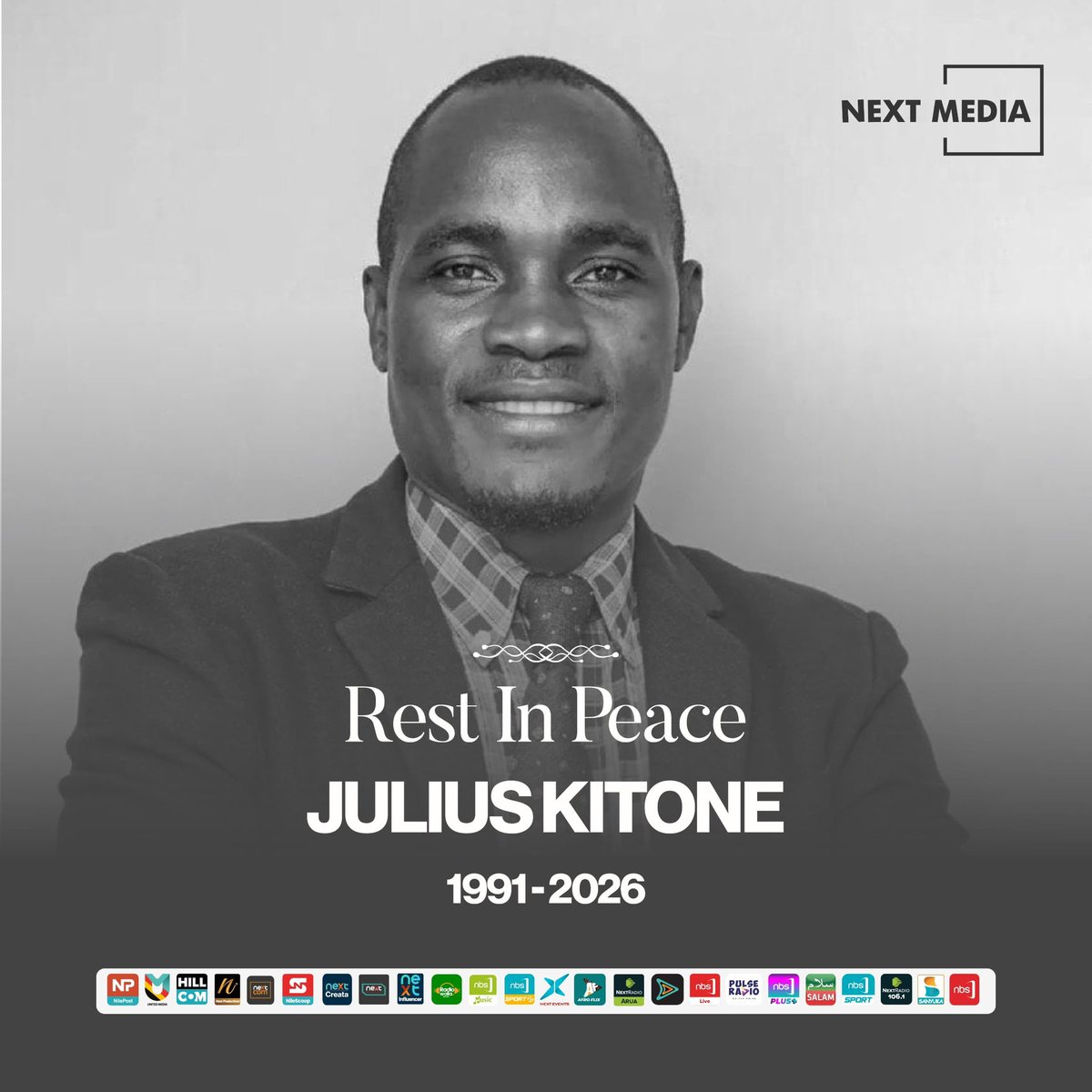
JULIUS KITONE: WE CELEBRATE YOI As the USMID Program came to a close, @ministry_lands partnered with @nbstv to document the "project beneficiaries tell-it-all" stories. We embarked on a campaign that lasted close to three months. We had clear terms regarding the kind of journalist we wanted: someone who learned fast, read into the details, and was willing to walk the project sites with us. @kitonejulius was assigned, and he did not disappoint. He was such a gem, grasping all the project names well and fast. Julius visited all 33 Local Governments we operated in. He told us in one conversation, "I surely had no idea great developments have been made in these local governments." He had seen the Uganda beyond Kampala and the great work being done there. On 6th April 2024, he sent our communications specialist, @snaturinda a message: "My new office Name is (USMID Consultant Ie Live@9/ owa USMID by Amasengejje desk) 😂😂" They kept in touch; in fact just two days prior to his death, he reached out, and discussed with @snaturinda the forthcoming Program phase. Now, he is gone. It is a shame, and we are very sorry, Julius. The USMID Program celebrates you. You were close to us; you were one of our ambassadors. Thank you @nbstv For giving this young brilliant brain a chance to shine. Rest well our dear friend
UCMID- Cities &Municipalities Infrastructure Prog tweet media
English

1
2
6
708
UCMID- Cities &Municipalities Infrastructure Prog
About UCMID What is the UCMID Program? The Uganda Cities and Municipalities Infrastructure Development (UCMID) Program is a government initiative, in the final stages of planning, and expected to commence in the year 2026. It shall be implemented by the Ministry of Lands, Housing and Urban Development (MLHUD). It is the second phase of the USMID program (2013–2024) and is funded by the Government of Uganda and the World Bank to the tune of US$ 540 million. Its goal is to improve institutional performance in urban planning and management while increasing access to climate-smart infrastructure and services. How long will the Program last? UCMID is a five-year program starting in the fiscal year 2025/2026 and running until the fiscal year 2030/2031. Which areas benefit from the Program? The program covers: 10 Cities: Arua, Gulu, Lira, Soroti, Mbale, Jinja, Masaka, Mbarara, Fort Portal, and Hoima. 11 Old Municipalities: Tororo, Kitgum, Kasese, Mubende, Kamuli, Busia, Lugazi, Apac, Kabale, Moroto, and Ntungamo. 15 New Municipalities: This phase specifically adds municipalities that have not previously benefited, such as Iganga, Masindi, Rukungiri, Bushenyi-Ishaka, Mityana, Kumi, Nebbi, Koboko, Kisoro, Kapchorwa, Ibanda, Njeru, Bugiri, Sheema, and Kotido 13 Refugee-Hosting Districts: Adjumani, Arua, Isingiro, Kamwenge, Kikuube, Kiryandongo, Kyegegwa, Lamwo, Madi-Okollo, Moyo, Obongi, Terego and Yumbe
English
1
2
14
2.5K
UCMID- Cities &Municipalities Infrastructure Prog
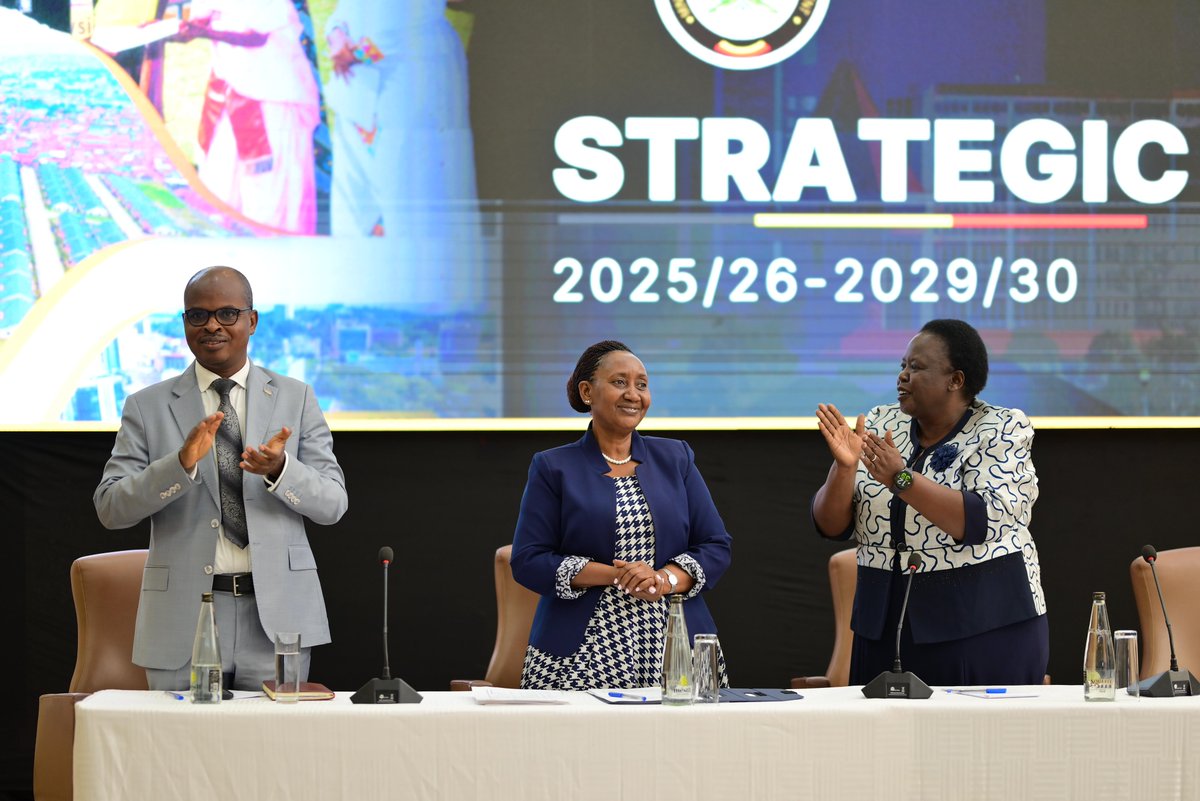
@ministry_lands has officially launched her new Strategic Plan & Service Delivery Standards for the next 5 years (2025/26–2029/30). This sets the stage for a more efficient, transparent, and service-oriented land and urban sector, aligning directly with the country's national development goals. The newly unveiled standards pledge faster processing times, improved land tenure security, and organized urban development across the country. By setting clear benchmarks for performance, @ministry_lands is renewing her commitment to accountability & ensuring that every Ugandan receives the quality service they deserve in land and housing matters.
UCMID- Cities &Municipalities Infrastructure Prog tweet mediaUCMID- Cities &Municipalities Infrastructure Prog tweet mediaUCMID- Cities &Municipalities Infrastructure Prog tweet media
English
0
0
2
48
UCMID- Cities &Municipalities Infrastructure Prog
Great progress on UCMID readiness! A major milestone has been achieved. The World Bank's UCMID Appraisal Mission wrapped up yesterday, November 11, 2025, with a successful meeting chaired by @JudithNabakoob1, Minister @ministry_lands . It was agreed that the design of the $540M Uganda Cities and Municipalities Infrastructure Development (UCMID) Program be fast-tracked to kick off as the new year starts. The program’s development objective is to enhance institutional performance, improve access to climate-smart infrastructure, and create jobs for urban residents and displaced populations in refugee-hosting areas.
UCMID- Cities &Municipalities Infrastructure Prog tweet media
English
0
1
5
988
UCMID- Cities &Municipalities Infrastructure Prog
As part of the ongoing technical assessments ahead of the new phase of the program, now named UCMID- Uganda Cities & Municipalities Infrastructure Development Program, the @WorldBankAfrica team, met with the PS @ministry_lands, Mrs. Dorcas Okalany, at her office today. The discussions focused on lessons learned from the concluded phase of the program, with particular emphasis on environment & social systems assessments. From the engagement, it was clear that the @GovUganda through @ministry_lands has a lessons learned repository from the previous phases of the program and is now very well-prepared to launch the new phase. Local Governments are equally being readied, supported by the Ministry’s technically competent and experienced staff who will play a key role in implementation. UCMID is a US$585 million, 5-year program that will support 10 regional cities, 26 municipalities, and several district local governments hosting large numbers of refugees. The program is expected to run from FY 2025/26 to FY 2029/30. The financing under UCMID is expected to support urban development and infrastructure in the 10 regional cities of Arua, Gulu, Lira, Soroti, Mbale, Jinja, Masaka, Mbarara, Fort Portal, and Hoima. It will also expand urban infrastructure improvements and consolidate the institutional achievements made under USMID-AF in 11 municipalities—Kabale, Moroto, Tororo, Kitgum, Kasese, Mubende, Kamuli, Busia, Lugazi, Apac, and Ntungamo. In addition, coverage will be extended to 15 new municipal local governments—**Iganga, Masindi, Rukungiri, Bushenyi-Ishaka, Mityana, Kumi, Nebbi, Koboko, Kisoro, Kapchorwa, Ibanda, Njeru, Bugiri, Sheema, and Kotido—**which have not benefited from any dedicated urban infrastructure development program in a long time. The program will further continue to support district local governments hosting large numbers of refugees, strengthening their capacity to cope with the recent and future influx while delivering critical infrastructure to both host communities and refugees. Ultimately, this new phase is intended to deepen impact and results by advancing institutional strengthening in key areas such as physical development planning, waste management, revenue generation, financial management, infrastructure operation and maintenance, and local economic development. @MoLGUganda @GCICUganda @newvisionwire @DailyMonitor @nemaug @MinistryGender
UCMID- Cities &Municipalities Infrastructure Prog tweet mediaUCMID- Cities &Municipalities Infrastructure Prog tweet mediaUCMID- Cities &Municipalities Infrastructure Prog tweet media
English
6
25
50
7.3K
UCMID- Cities &Municipalities Infrastructure Prog
While addressing H.E. President @KagutaMuseveni at the commissioning of USMID roads in Kasese, Mayor Chance Kahindo highlighted critical infrastructure needs within the municipality. He informed the President that Kasese has a total road network of 218 kilometers, but only 14.6 kilometers are tarmacked, with 76 kilometers gravel and 127.4 kilometers still earth roads. He humbly appealed for Kasese to be considered for the next round of USMID funding to help upgrade more of the municipality’s roads. The Mayor expressed concern about River Nyamwamba, which continues to endanger lives and property. He requested that the Ministry of Works prioritise roads in the affected areas, to ensure the sustainability of current and future infrastructure investments. Mayor Kahindo thanked the President for the ambulance provided to the municipality, but requested further support in the form of a grader to help with road maintenance and improve service delivery. He also appealed for government intervention in the stalled construction of a new administrative block for the municipality. Due to low local revenue collections, the project has faced long-standing delays. Finally, he asked for additional resources to desilt River Nyamwamba, a critical step toward protecting Kasese town and mitigating the impact of floods on communities and infrastructure.
UCMID- Cities &Municipalities Infrastructure Prog tweet mediaUCMID- Cities &Municipalities Infrastructure Prog tweet mediaUCMID- Cities &Municipalities Infrastructure Prog tweet media
English
2
9
21
2.5K
UCMID- Cities &Municipalities Infrastructure Prog
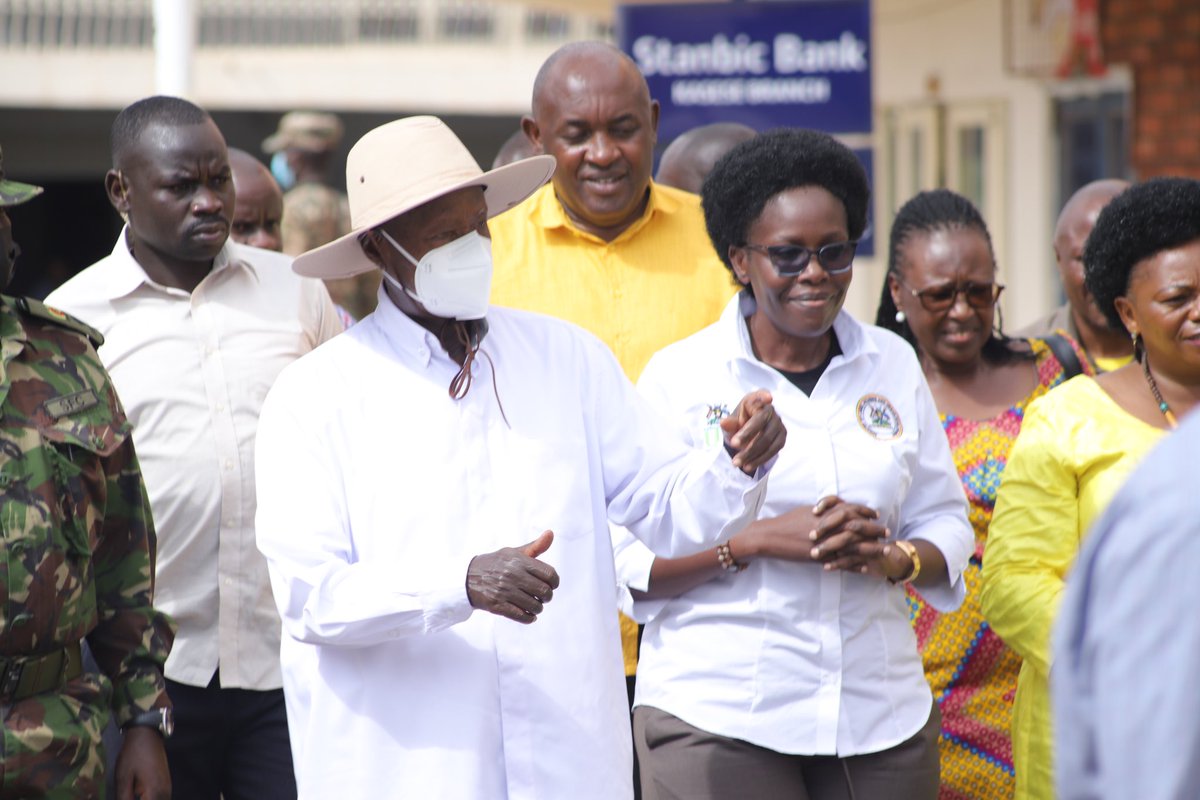
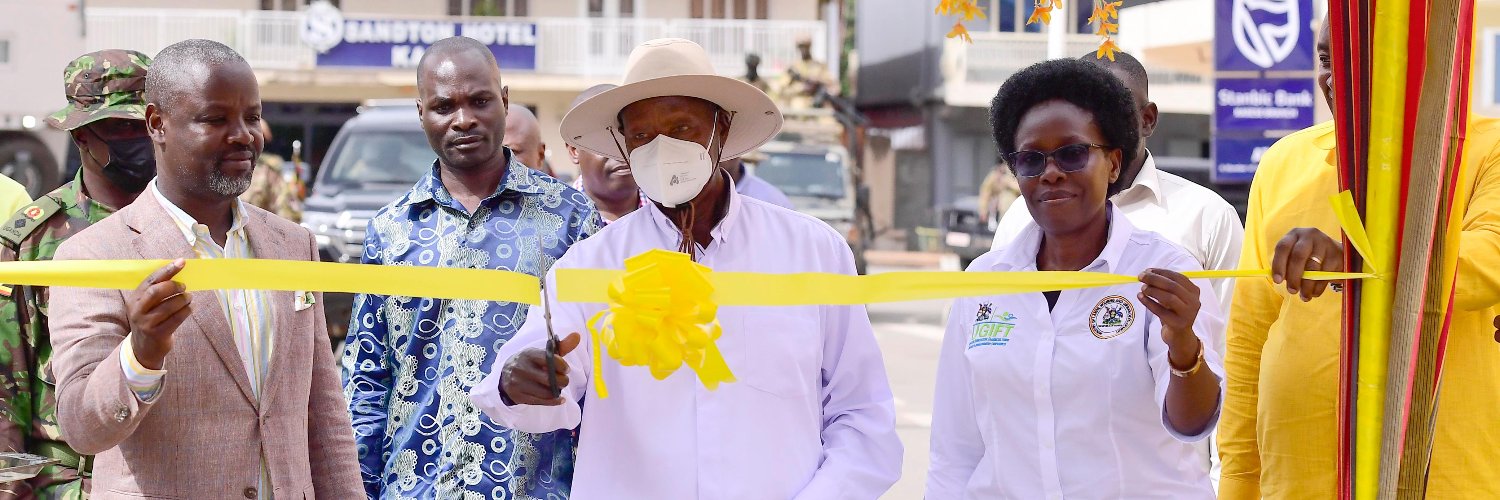
Hon. Judith Nabakooba joined H.E. President @KagutaMuseveni to officially commission completed road infrastructure projects in Kasese Municipality under the USMID program. “We found this place in poor condition, but today we proudly hand over well-executed infrastructure developments,” she stated. Key roads worked on include: Renzori Rd, Bus Circular Rd, 3rd Street, Kitalikubi Rd, Park Rise, Stanley Rd, Margarita Rd, Rukidi III- Port Circular, Crescent, Mandela Rd, Total Rd, Mboghoyabo, and Lincoln Rd. The projects didn’t stop at roads alone. Kasese now boasts: •Proper drainage systems •Green spaces for climate resilience •A solid waste management strategy (complete with a garbage truck) •Trained municipal staff •Infrastructure committees linking government to communities The economic impact is clear: local revenue has grown from UGX 399M to UGX 1.4B, with potential to triple through digitization. Thanks to improved street lighting and security, the night economy is thriving, supporting businesses and community safety. “Let us use this infrastructure for our wellbeing and show support through action,” Hon. Nabakooba urged. “Let’s continue working with government to build a model Kasese.”
UCMID- Cities &Municipalities Infrastructure Prog tweet mediaUCMID- Cities &Municipalities Infrastructure Prog tweet mediaUCMID- Cities &Municipalities Infrastructure Prog tweet media
English
2
6
19
3.5K
UCMID- Cities &Municipalities Infrastructure Prog
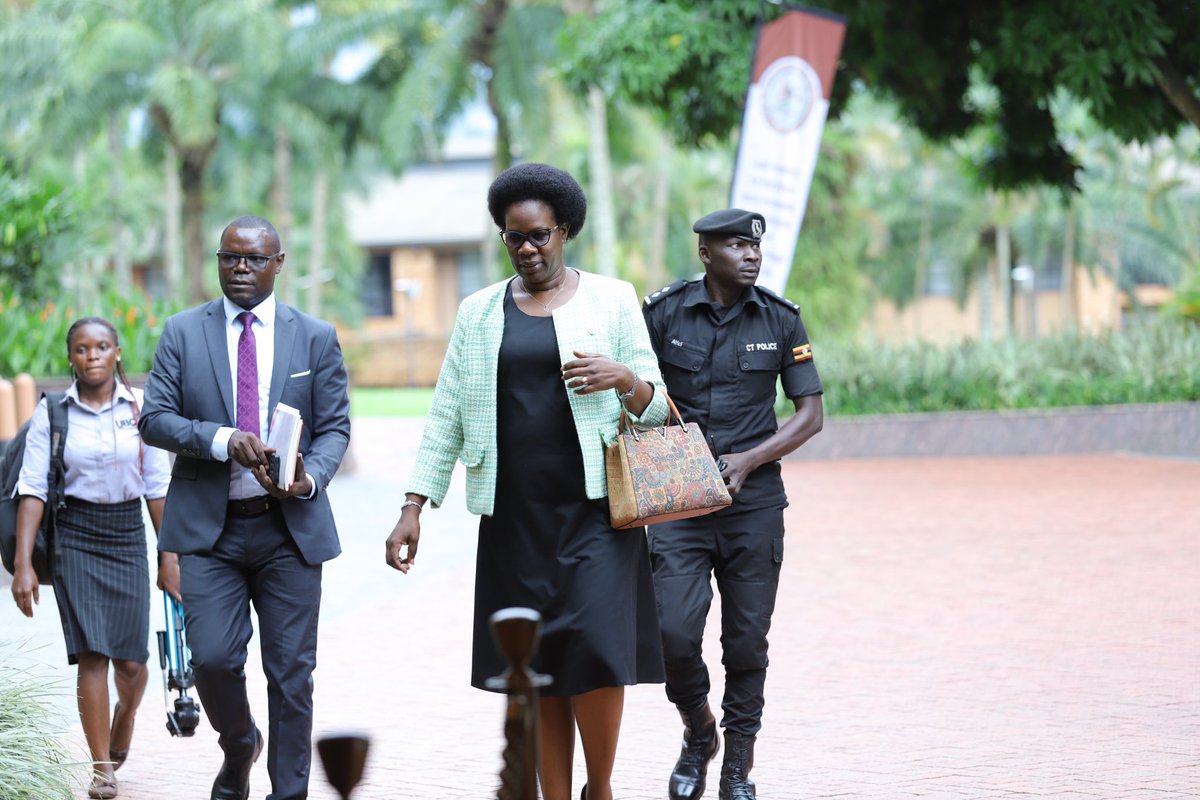
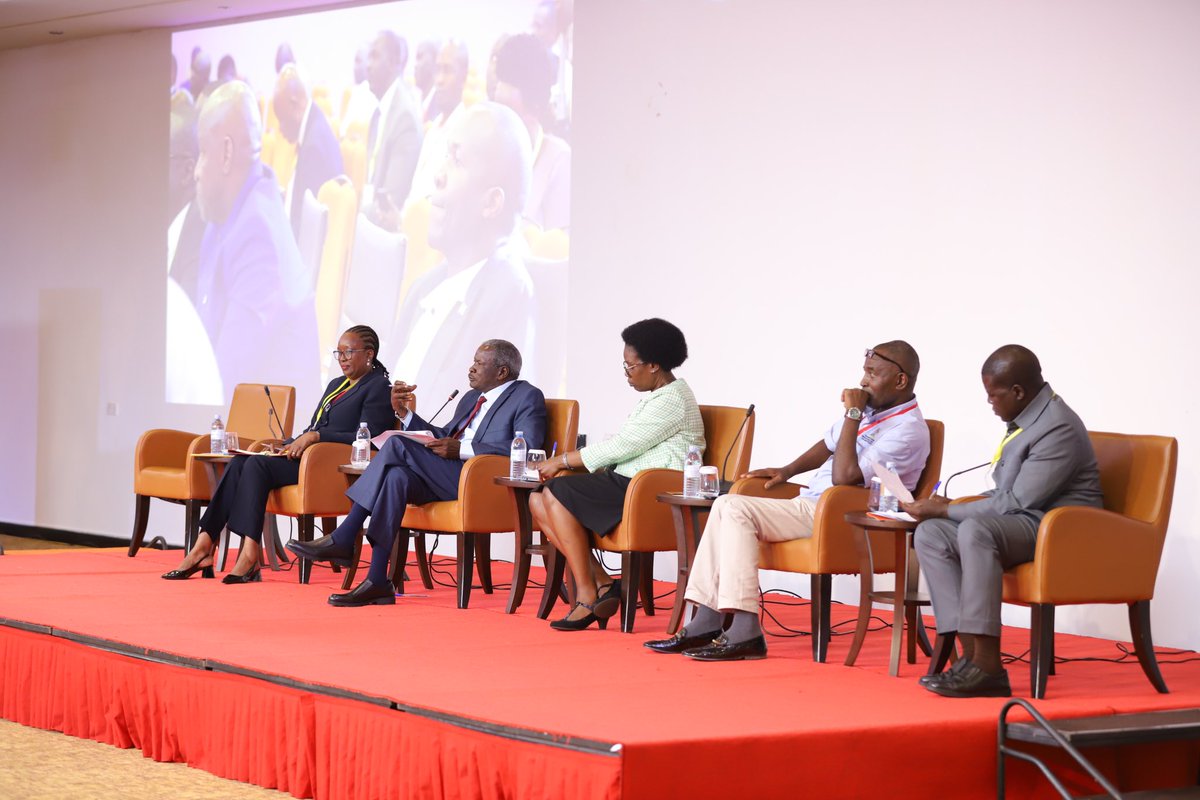
At the National Urban Development Conference held at Speke Resort Munyonyo yesterday, under the theme "Accelerating Urban Development through Infrastructure", @DrOkiria , the Deputy Inspector General of Government (@IGGUganda), delivered a compelling presentation on the role of the Inspectorate of Government (IG) in promoting social accountability for sustainable urban development. She defined social accountability as the capacity of citizens to demand transparency, responsiveness, and responsibility from state institutions and service providers. Drawing from the 1995 Constitution, she reminded leaders that public offices are held in trust for the people, and those in authority must be answerable and uphold integrity. Dr. Okiria outlined the tenets of social accountability, including civic engagement, transparency, access to information, public participation, feedback mechanisms, participatory budgeting, public hearings, and social audits. These tools, she noted, empower citizens and improve service delivery. She went on to explain the core mandate of the IG, as enshrined in Article 225 of the Constitution, which includes enforcing the rule of law, eliminating corruption, ensuring good governance, and supervising the Leadership Code of Conduct. To illustrate the IG’s practical work, @DrOkiria highlighted several key interventions: Monitoring and evaluating government projects to ensure resources are efficiently and effectively used, such as the inspection of Pagada Bridge in Lamwo District. Enforcing the Leadership Code of Conduct, requiring public officers to declare their wealth and uphold ethical standards. Investigating and prosecuting corruption cases, including misuse of government offices. Raising public awareness through education on good governance, ethics, and integrity—like the sensitization of principals from Health Training Institutions in Jinja. Collaborating with civil society organizations and development partners, as well as non-state actors like the Inter-Religious Council of Uganda. Mainstreaming the Transparency, Accountability, and Anti-Corruption (TAAC) Strategy at all levels of governance. Promoting the rule of law and addressing citizen grievances through the Ombudsman function. She stressed that continuous community engagement, including training leaders and using radio talk shows, strengthens social accountability and ensures public projects truly benefit citizens. Dr. Okiria concluded by stating that social accountability enhances service delivery, bridges the gap between citizens and the state, empowers marginalized voices, and ultimately drives transparency, professionalism, and trust in public institutions.
UCMID- Cities &Municipalities Infrastructure Prog tweet mediaUCMID- Cities &Municipalities Infrastructure Prog tweet mediaUCMID- Cities &Municipalities Infrastructure Prog tweet media
English
1
5
14
2K
UCMID- Cities &Municipalities Infrastructure Prog retweetledi
Climate Women Media Action
Climate Women Media Action@ClimateActionug·
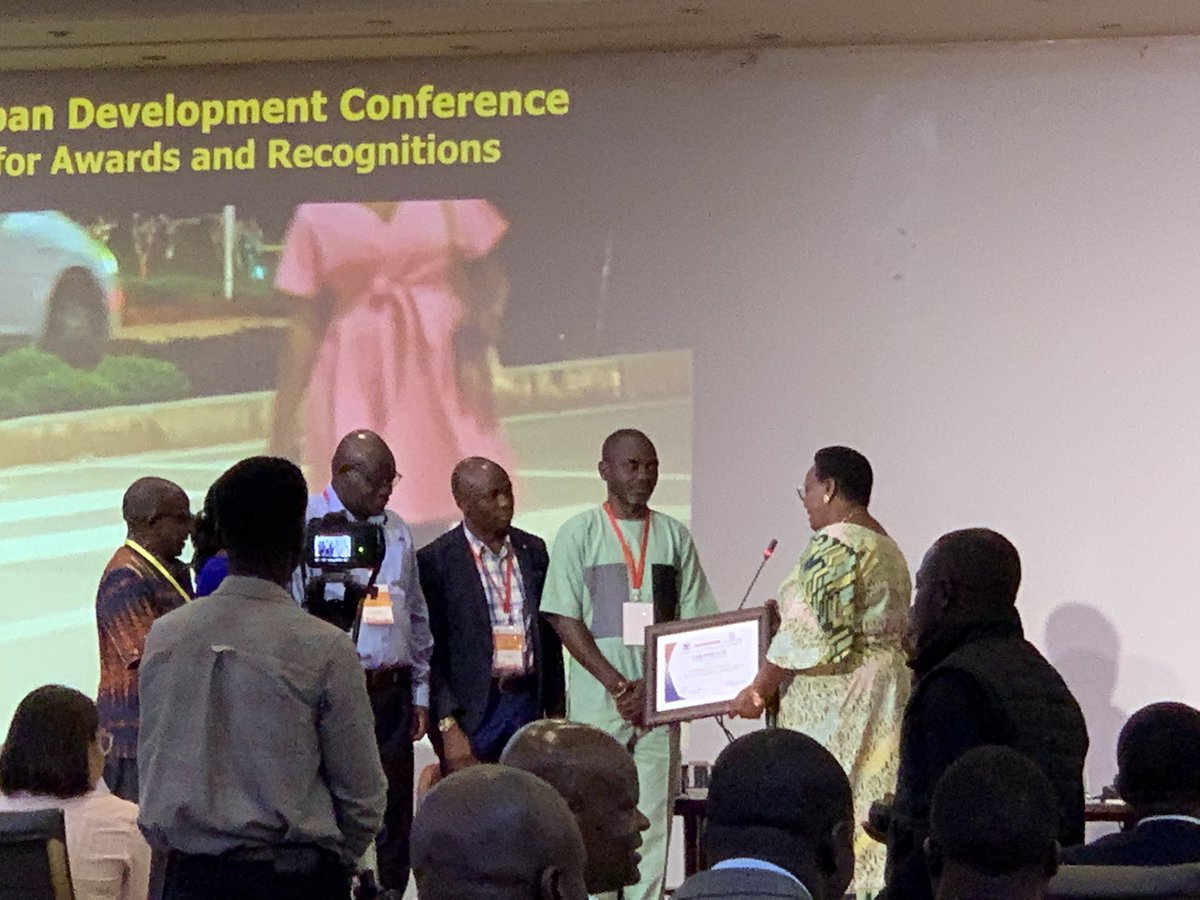
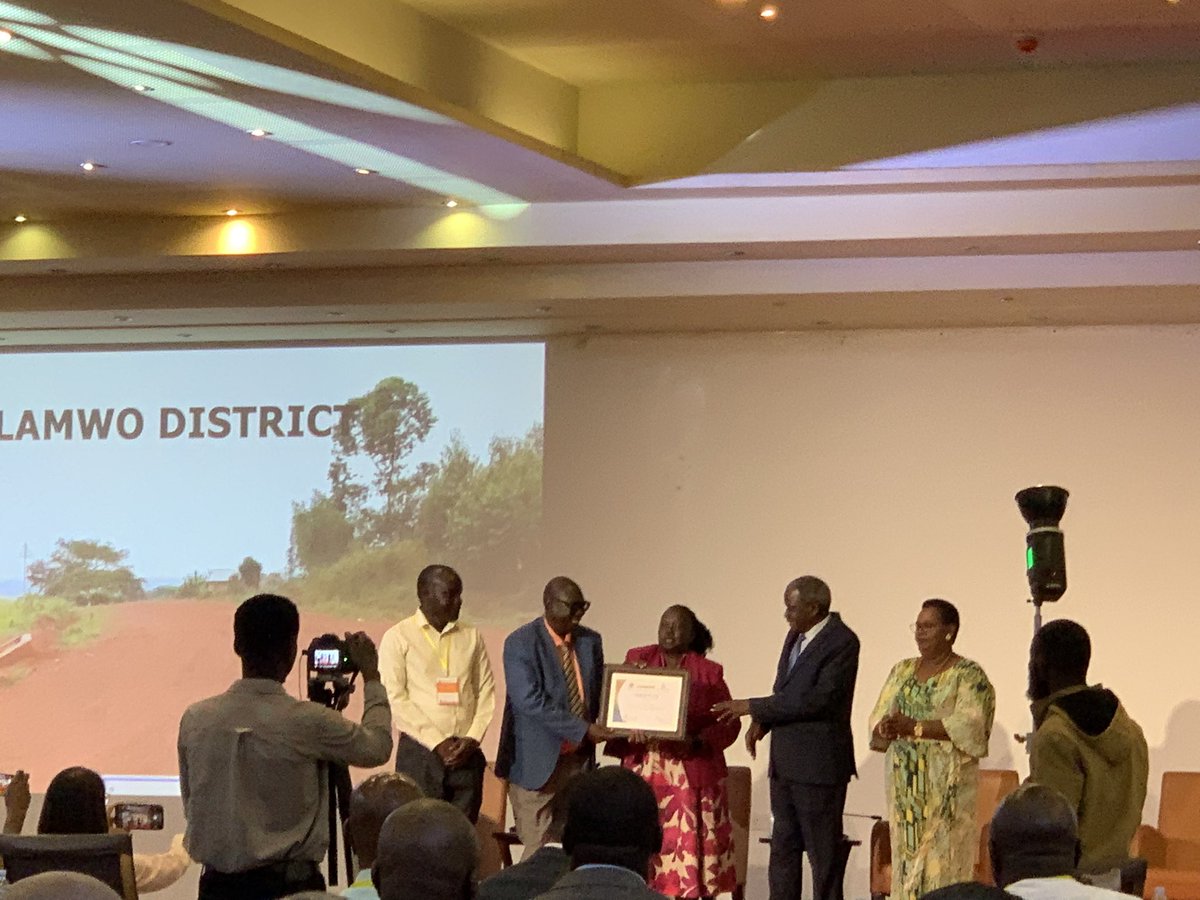
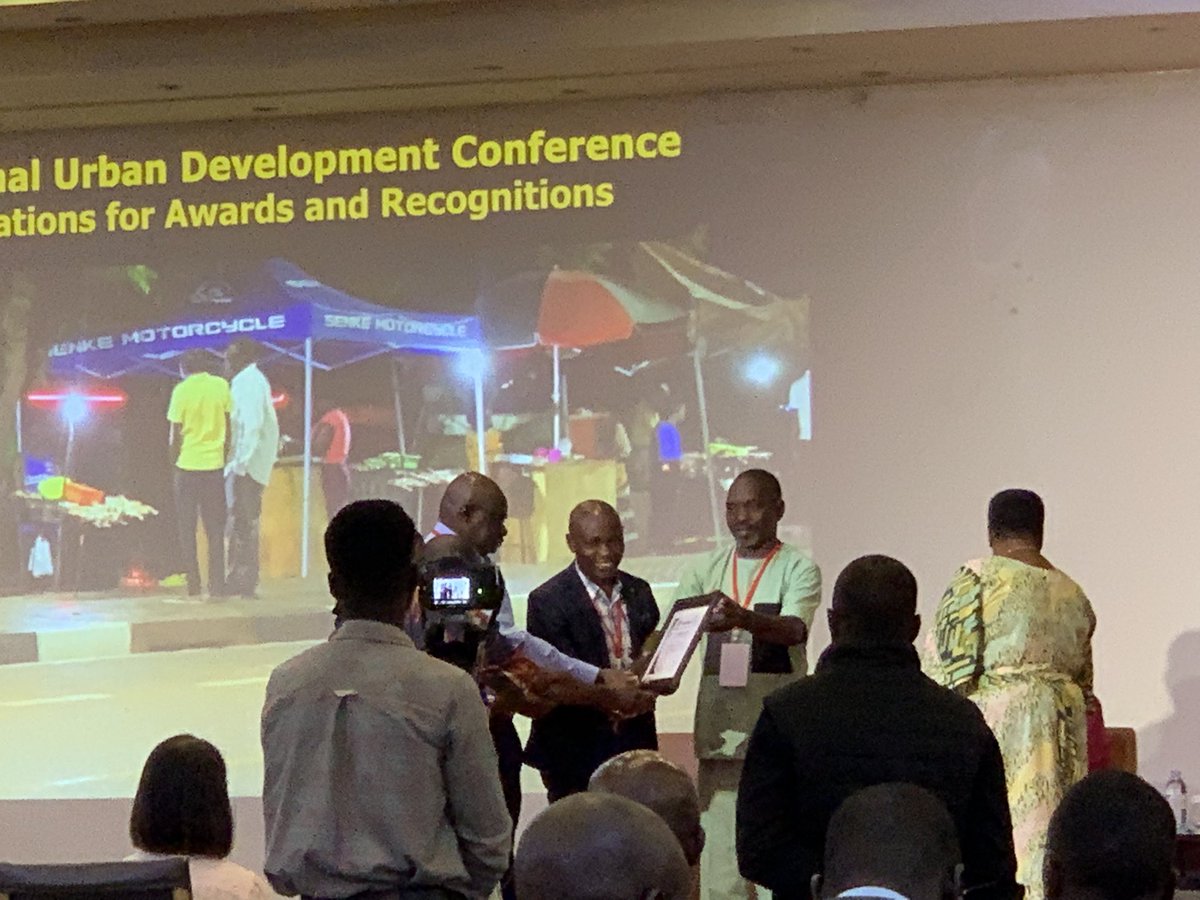
“Greener cities are healthier cities’’ Today the following cities were awarded for their tremendous contribution to environmental justice. 🌳Kasese City -Maintaining a green city. 🌳Lira City -Environmental stewardship. 🌳Lamwo District -Commitment to Environmental restoration.
Climate Women Media Action tweet mediaClimate Women Media Action tweet mediaClimate Women Media Action tweet mediaClimate Women Media Action tweet media
English
1
11
21
1.1K
UCMID- Cities &Municipalities Infrastructure Prog
Smith Twinamatsiko, Commissioner for Research, Monitoring and Evaluation built upon the earlier discussion by diving into the economic dimension of urban development in Uganda. He emphasized that urban infrastructure development is not merely a spending avenue but a high-yield investment. Through flagship programs like USMID (Uganda Support to Municipal Infrastructure Development), Uganda has seen returns of 20–22% per year on urban infrastructure investments. He shared that the net worth generated through USMID is UGX 216 billion, underscoring its tangible economic impact. Smith highlighted the significance of cost-benefit analyses in driving infrastructure strategy. He cited a World Bank estimate showing that for every $1 invested in resilient infrastructure, there’s a $4 return in benefits—ranging from reduced disaster recovery costs to increased productivity and livability in urban centers. He then introduced the UCMID (Uganda Competitive Municipal Infrastructure Development) project, which is still under feasibility assessment but shows even greater promise. According to preliminary calculations, UCMID is projected to generate a net economic worth of UGX 39.2 trillion, with a return rate of 22.52% annually. This makes it a cornerstone initiative in the push to grow Uganda’s economy tenfold—from USD 50 billion to USD 500 billion by 2040. To further underline the potential, Smith referred to travel and congestion data. A study commissioned by the IGC estimated that traffic congestion in the Greater Kampala Metropolitan Area costs the economy approximately USD 1.5 million every day, which equates to 4.2% of the area’s daily GDP. Travel speeds in Kampala are also reported to be significantly lower than the African city average, even in non-peak hours, contributing to rising vehicle emissions, noise pollution, and health burdens. He shared concerning service delivery figures to emphasize urban gaps: only 28% of urban households have access to improved sanitation, and fewer than 60% have piped water access. Furthermore, over 80% of solid waste in cities remains uncollected, exacerbating public health risks and environmental degradation. Smith concluded with examples of transformative urban development in cities like Masaka, Hoima, and Kasese, where improved infrastructure and city planning under USMID have visibly enhanced local economies and quality of life. These cases were positioned as models for future scale-ups. He stressed that such interventions should be prioritized if Uganda is to realize its Vision 2040.
UCMID- Cities &Municipalities Infrastructure Prog tweet media
English
2
10
17
2K