Vijay Balan

387 posts

Vijay Balan banner
Vijay Balan

Vijay Balan

@VBalanAuthor

Author of THE SWARAJ SPY (@HarperCollinsIN)—available now: https://t.co/jmcu8jCQlG 📚 Writer. Storyteller. Interested in the history of colonial India.

Katılım Eylül 2022
316 Takip Edilen118 Takipçiler
Sabitlenmiş Tweet
Vijay Balan
Vijay Balan@VBalanAuthor·
My book #TheSwarajSpy is out today from @HarperCollinsIN! Set during WWII, it tells the true story of my grand-uncle Kumar Nair & the India Swaraj Institute: the little-known espionage wing of the Indian National Army, created to free India from British rule. RT + order now:
HarperCollins@HarperCollinsIN

#TheSwarajSpy by Vijay Balan is an exciting historical spy thriller narrating the true story of the Indian freedom struggle, told through Kumar Nair, sent on a rescue mission as a spy. Out now, get your copy from amzn.to/3Ttd555 or from a bookstore nearby.

English
5
16
42
0
Vijay Balan
Vijay Balan@VBalanAuthor·
@SamDalrymple123 My grand uncle T.P.Kumaran Nair was staged through there in 1942. My book 'The Swaraj Spy ' (Harper Collins) tells his story.
English

0
0
1
53
Vijay Balan
Vijay Balan@VBalanAuthor·
@SamDalrymple123 As well, the Cushing High School in Ahlone, today Basic High School 4, 57 Lower Kyeemyindaing Road, was a staging house for agents from the Indian Swaraj Institute, Penang, during the 1st INA (Mohan Singh).
English
1
0
1
39
Sam Dalrymple
Sam Dalrymple@SamDalrymple123·
The Headquarters of the INA A short distance north of Kandawgyi Lake in central Yangon stands a gorgeous old teak mansion that once housed Subhas Chandra Bose - an army of diaspora Indians from Southeast Asia, mixed with some prisoners of war, who were willing to fight against Britain during WW2.
Sam Dalrymple tweet media
English
8
18
91
3K
Vijay Balan
Vijay Balan@VBalanAuthor·
@scroll_in Fascinating. That institutionalized paranoia perhaps led to later excesses like the Rowlatt Act and Jallianwala Bagh, and to concern (panic?) during the initial formation of the INA under Mohan Singh. Check out Enemy Agents Act 1943.
English
0
0
0
3
Scroll.in
Scroll.in@scroll_in·
In 1857, fear and panic in Bombay laid bare the brittle, ultimately ephemeral nature of the British Empire, the most powerful empire in world history. scroll.in/article/108435… Today, these agents have shattered political and social norms, weakened democracies, and helped hurtle us into a “post-truth” era. Dinyar Patel writes
English
1
1
2
495
Vijay Balan
Vijay Balan@VBalanAuthor·
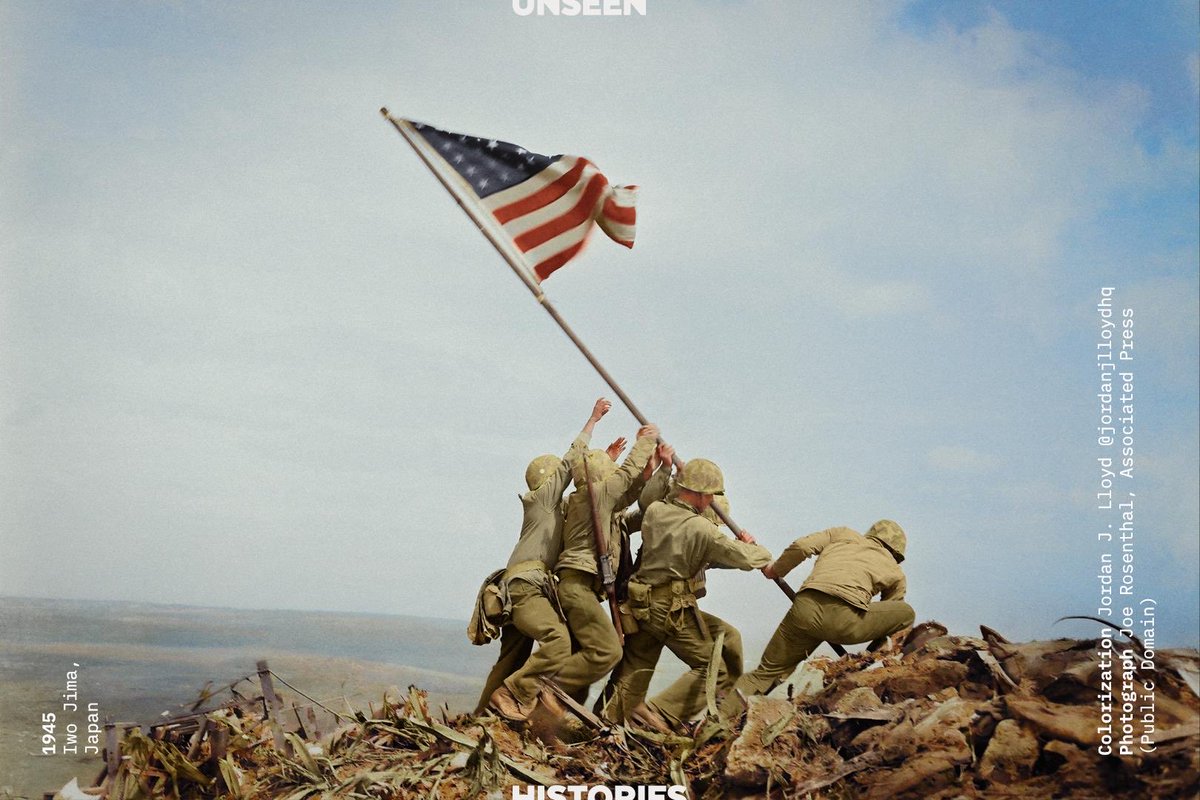
@iamRajsee @SandeepUnnithan Indeed, the iconic photo was staged for the photographer Joe Rosenthal of the press. That doesn't, of course, discount the arduous task of the taking of Mount Suribachi by the Marines.
English
0
0
0
7
Sandeep
Sandeep@SandeepUnnithan·
This is the image Trump and his cabinet are chasing in the #IranWar‌…a 21st C version of the iconic pic of Marines planting the flag on Iwo Jima. They want the USMC doing a redux on one of the Iranian islands - Kharg or Larak, Hormuz- before pronouncing Mission Accomplished and negotiating with #Iran.
Sandeep tweet media
English
7
7
61
17.5K
Vijay Balan
Vijay Balan@VBalanAuthor·
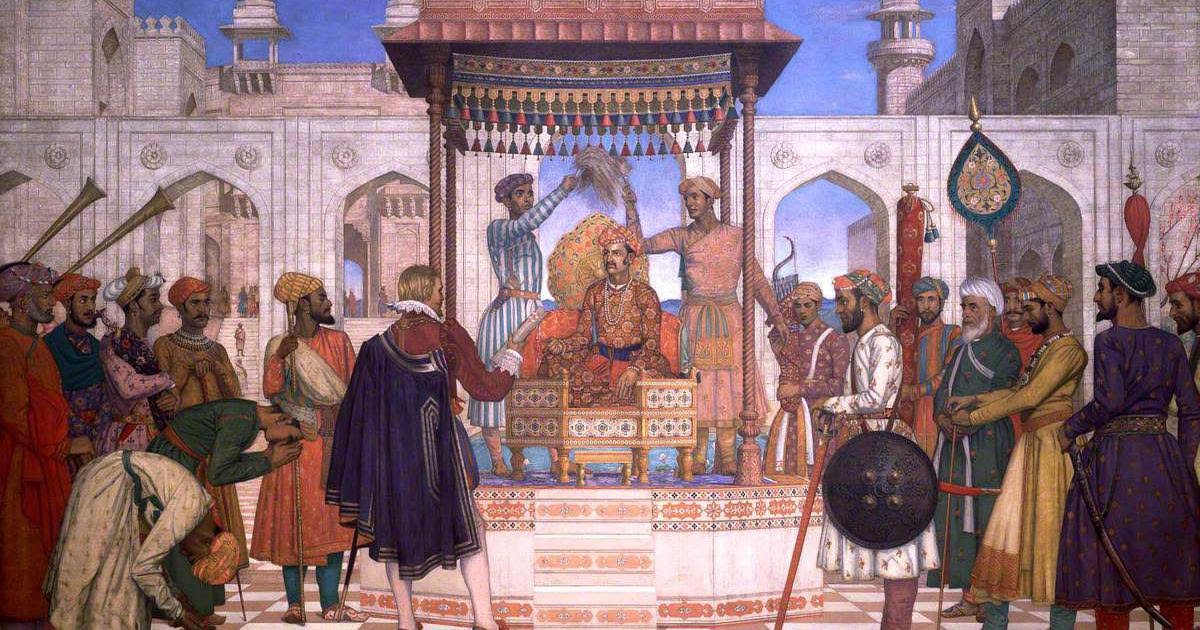
@IndianHistory_C @SubhashiniAli I've read that Jehangir giving Thomas Roe an audience, and inviting the British to checkmate the Portuguese in the Arabian Sea, has to do with another Mughal woman, Mehrunissa (Nur Jahan), arguably the power behind Jehangir's throne.
English
0
0
1
159
Indian History Collective
Indian History Collective@IndianHistory_C·
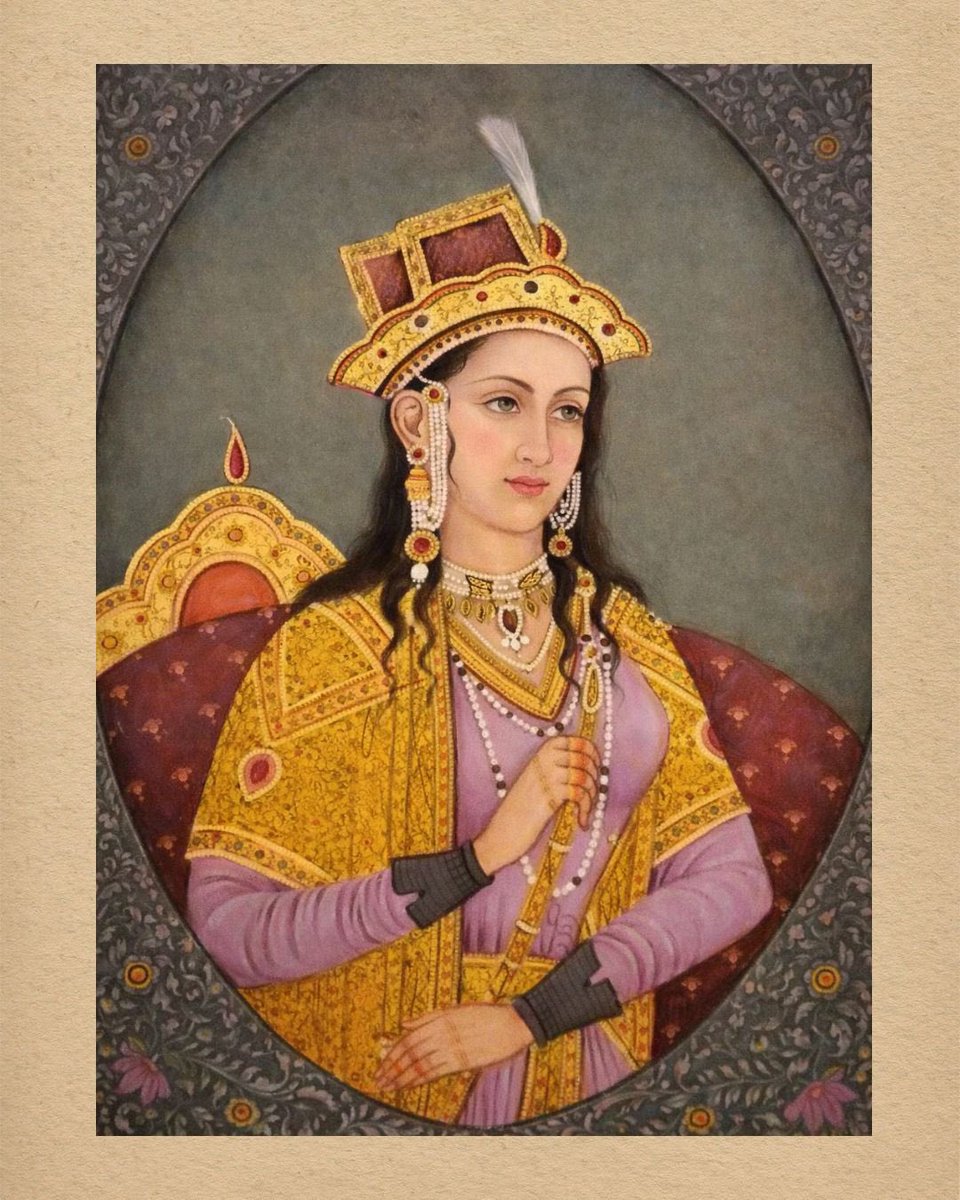
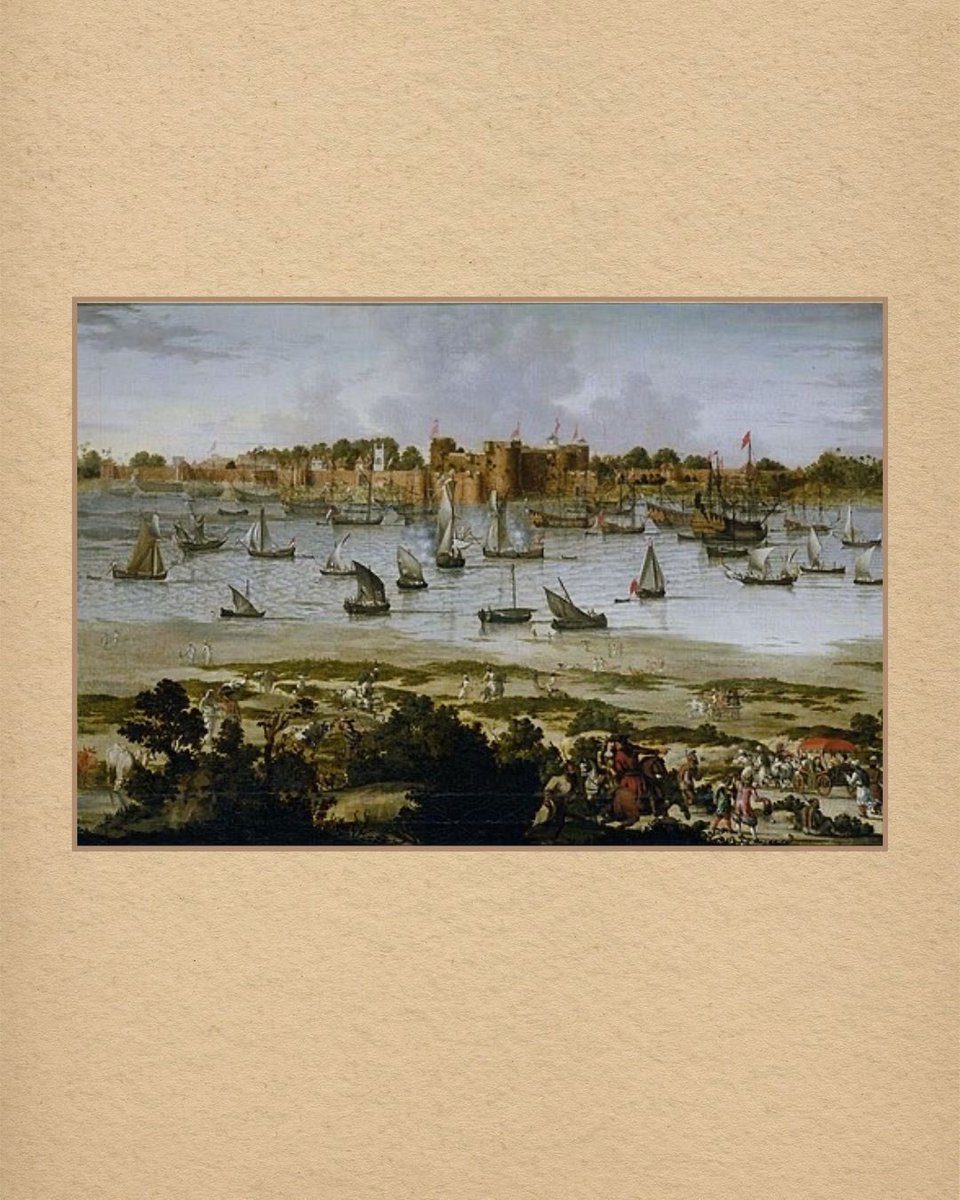
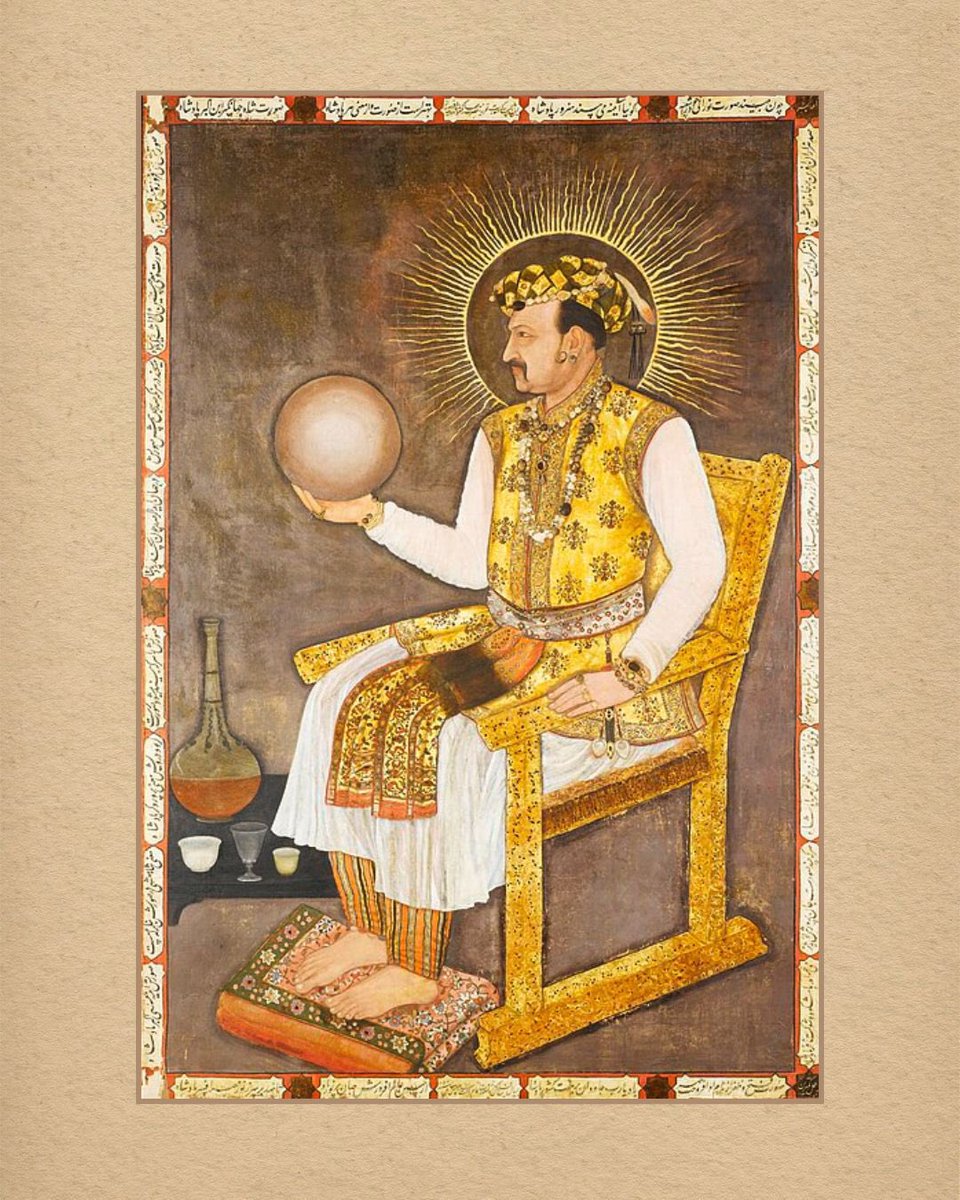
A Hindu queen’s ship, carrying Muslim pilgrims, seized in 1613 — and a fallout that irreversibly changed the balance of power in global trade. When we think of 17th CE global commerce, we rarely picture women at the helm. Yet, as pointed out by Ira Mukhoty in her book, Daughters of the Sun, half of all documented Mughal noble traders were women. Among them was Harkha Bai, better known as Maryam-uz-Zamani, mother of Jahangir, who held the mansab of 12,000 cavalry — one of only four at court to do so, and the only woman. She was also one of the wealthiest traders in the empire. From Surat sailed her flagship, the Rahimi. With a capacity of about 1,500 tons and 1,500 passengers, it was among the largest vessels in Indian waters. In 1613, it carried goods valued at £100,000. It also carried pilgrims to Mecca for the Hajj. That autumn, the Portuguese seized Rahimi, diverted it to Goa, and took 700 passengers captive, all to assert naval dominance and deter growing Mughal engagement with the English. Jahangir immediately halted trade through Surat, suspended Portuguese privileges, closed the Jesuit church in Agra and ordered action against the Portuguese base at Daman. These measures marked a sharp shift in Mughal policy, considering how the Mughal empire had till then either ignored or accommodated Portuguese aggression. In 1612, an East India Company fleet under Captain Thomas had already defeated a Portuguese armada off Surat. Jahangir recorded this in his personal memoir, the Jahangirnama — the only European event he ever documented. After the Rahimi's seizure, he moved decisively toward the English, who over the next few years replaced Portugal as the primary foreign power at the Mughal court, paving way for the end of Portuguese ambitions on the Indian sub-continent. Harkha Bai never recovered her ship. She died in 1623, at 81. But this Women's History Month, her story highlights an oft-ignored fact: Mughal women were traders, financiers, shipowners and participants in global commerce — and in this case, central to a turning point in the world of Indian Ocean. #womenshistorymonth
Indian History Collective tweet mediaIndian History Collective tweet mediaIndian History Collective tweet media
English
6
60
234
13.9K
Sam Dalrymple
Sam Dalrymple@SamDalrymple123·
The Mughal Princess of Mexico In the central Mexican city of Puebla, a short drive from the largest pyramid ever built, stands the world’s most unexpected Mughal tomb.
Sam Dalrymple tweet media
English
68
620
3.5K
236.8K
Vijay Balan
Vijay Balan@VBalanAuthor·
@SandeepUnnithan You may be right on Kharg. That said, Kharg is at the head of the Gulf. Ingress thru Hormuz & passage upwards by ship borne units is fraught with interdiction. Forward deployment from Kuwait/ Saudi plus vertical envelopment may be also in the picture.
English
0
0
1
776
Sandeep
Sandeep@SandeepUnnithan·
Kharg Island. Been saying this since March 11. This is not going to end well…
IndiaToday@IndiaToday

This is clearly something we should now call ‘Trump’s war on the world’s energy matrix.’ I am no longer comfortable calling it the West Asia crisis or Gulf War 3.0: @szarabi My sense is that Trump is going to go for Kharg Island, which is the most sensitive island possibly on the planet. That’s where 90% of Iran’s oil and gas is pumped out. Trump wants to grab that to get leverage over Iran: @SandeepUnnithan #DemocraticNewsroom @Geeta_Mohan

English
5
6
39
49.9K
Vijay Balan
Vijay Balan@VBalanAuthor·
@Dr_TheHistories Another perspective is that Mehrunissa (Nur Jehan), arguably the power behind the throne, convinced Jehangir to bring in the British to checkmate the Portuguese who controlled the Arabian Sea trade, including levies on Indian commerce. The rest, is history..
English
0
0
0
76
Dr. M.F. Khan
Dr. M.F. Khan@Dr_TheHistories·
On March 17 1619, a handful of English merchants received permission to set up a "trading factory" in the Mughal port of Surat, on India's western coast. It seemed like a small thing—just a commercial outpost in a bustling empire. But this single piece of paper would quietly reshape the destiny of millions. The English East India Company, founded in 1600, was struggling. The Dutch dominated the spice trade. The Portuguese controlled the seas near India. Captain Hawkins had tried and failed to get Mughal permission in 1609 . Enter Sir Thomas Roe—an elegant diplomat sent by King James I himself. Between 1615-1618, Roe charmed Emperor Jahangir at his court, discussing art, philosophy, and politics. No sword was drawn. No battle fought. Just careful negotiation. By March 1619, the pieces fell into place. The English secured permission for factories at Surat, Agra, Ahmedabad, and Broach . The Portuguese naval threat had been neutralized at Swally in 1612, and Jahangir saw value in befriending these new European traders . The Surat factory became the Company's Indian headquarters—a fortified warehouse where factors (merchants) bought indigo, cotton, and textiles to ship to London. Nobody in 1619 imagined this would lead to empire. The Mughal Empire was at its zenith, one of the wealthiest powers on earth. The English were bit players, begging for trading crumbs. Yet within 150 years: · 1757: Company rule began in Bengal after Plassey · 1858: The British Crown formally took control of India · 1947: Two centuries of colonial rule finally ended What started as a humble trading post—granted by a Mughal emperor who probably forgot the meeting—became the seed of the Raj. A commercial lease evolved into political control. Profit-seeking transformed into power-wielding. When Roe shook hands with Jahangir's ministers in 1619, no one in that room could see the future. History isn't always made by cannons and conquests. Sometimes, it's made by ink on parchment and merchants asking politely for permission to trade. 📷 : Thomas Roe being received by Jahangir. Mural in St Stephen’s Hall, Palace of Westminster. William Rothenstein, 1927. (Parliamentary Art Collection) #drthehistories
Dr. M.F. Khan tweet media
English
3
23
101
8.8K
Vijay Balan
Vijay Balan@VBalanAuthor·
@SadaaShree Not to forget the role of Giani Pritam Singh from Bangkok who landed in Malaya with Maj. Fujiwara and played a big role in convincing Capt.Mohan Singh and others to join the INA. Too bad he died in an air crash en route to Tokyo.
English
0
1
3
81
Lone Wolf Ratnakar
Lone Wolf Ratnakar@SadaaShree·
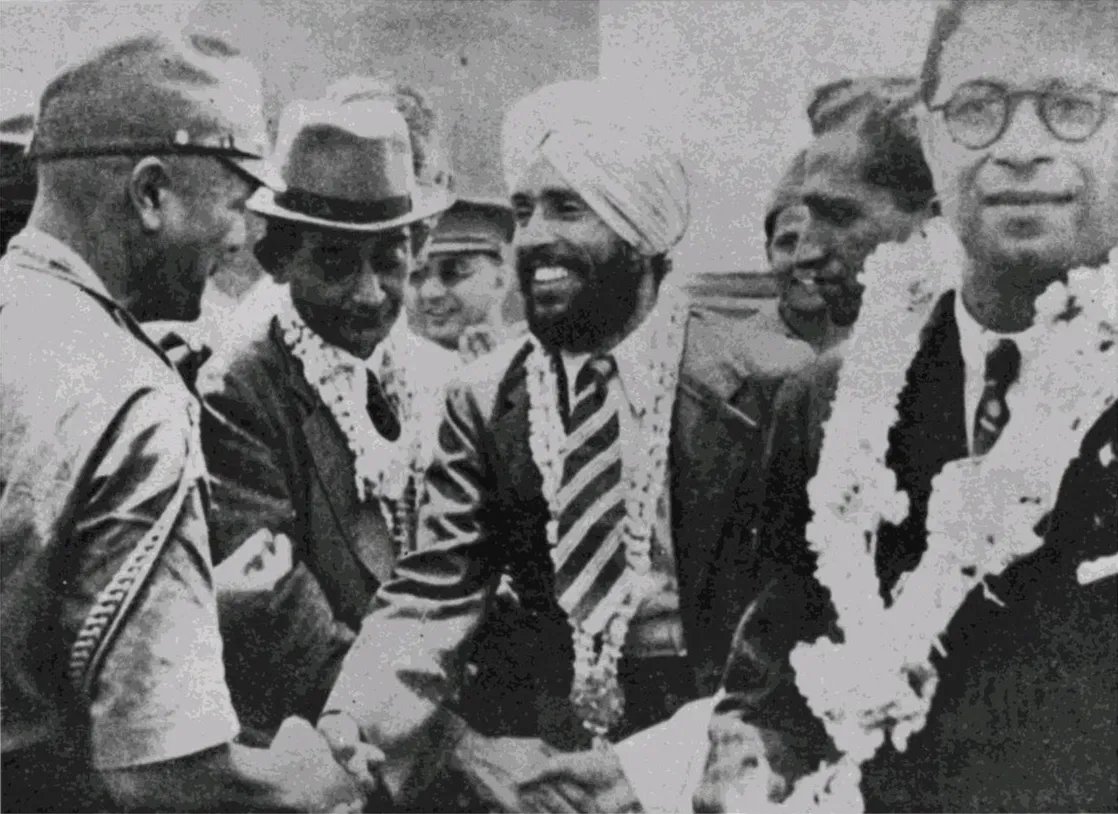
Farrer Park, Singapore, February 17, 1942 2 days after Singapore fell to the Japanese. Some 45,000 Indian Prisoners of War, had gathered to listen to Major Fujiwara Iwaichi, who was overseeing the Japanese forces at Singapore. Fujiwara spoke to the surrendered Indian troops of the need for a joint Indo-Japanese collaboration, of pan Asian prosperity and Japanese interests in a free India. Fujiwara promised the Indian soldiers that they would not be treated as POWs but as friends and allies. The next person to address the meeting would be Captain Mohan Singh, who had earlier fought against the Japanese at Jitra, and after it fell, was taken as a prisoner to Alor Star, now one of the larger cities in Malaysia. Fujiwara was the one who convinced Mohan Singh to revolt against the British empire, and unite with the Japanese for the greater good of Indian independence. It was Mohan Singh who laid the foundations for the Indian National Army, contacting Indians serving in South East Asia, and recruiting from the prisoners captured during the War. Motivated by Fujiwara and Mohan Singh, Gurbaksh Singh Dhillon, joined the INA on February 17, 1942 and also took a vow not to drink till India became independent.
Lone Wolf Ratnakar tweet mediaLone Wolf Ratnakar tweet media
English
1
5
20
954
Vijay Balan
Vijay Balan@VBalanAuthor·
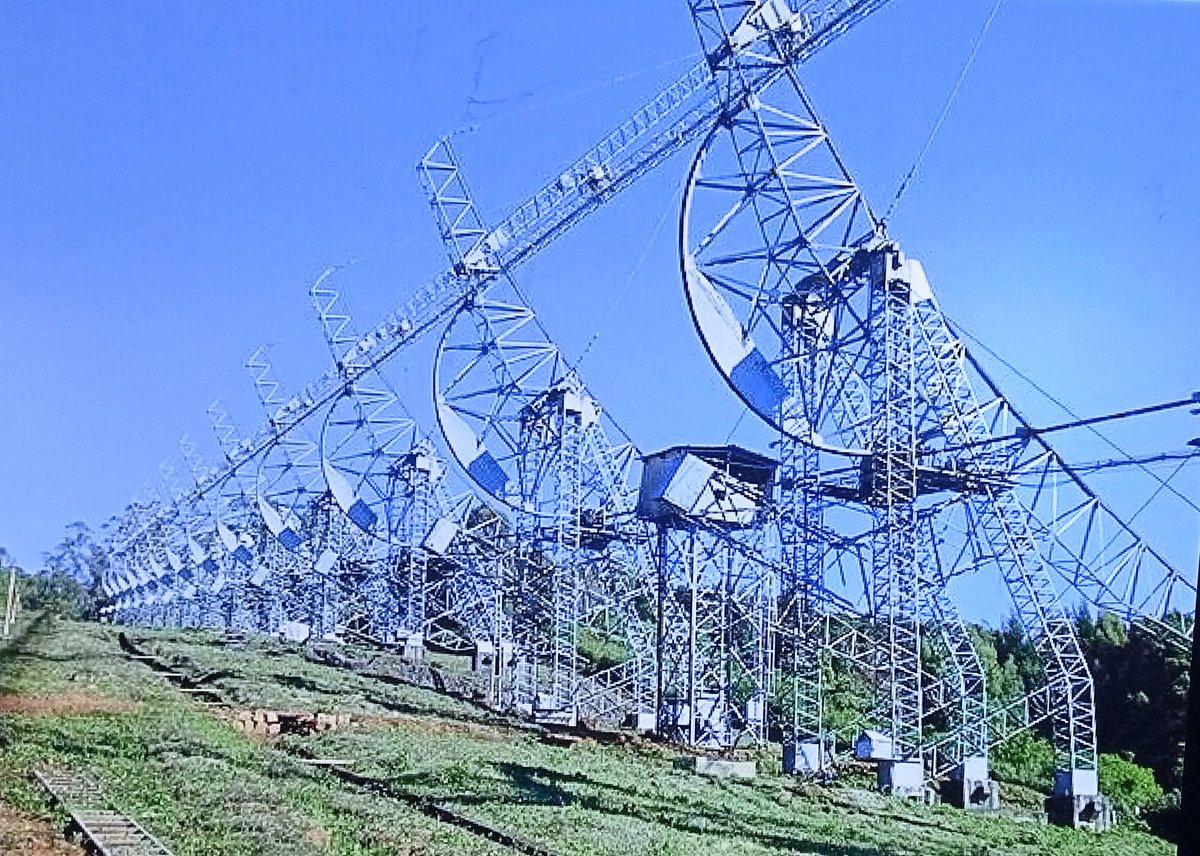
@IndiaHistorypic I remember the wind whistling through the structure as I cycled by this telescope in the village of Muthorai near Ooty many decades ago. Magical place.
English
0
0
1
101
indianhistorypics
indianhistorypics@IndiaHistorypic·
Ooty Radio Telescope Commissioned In 1970 , It Is One of The Most Sensitive Telescopes In The World
indianhistorypics tweet media
English
2
28
379
10.5K
Vijay Balan
Vijay Balan@VBalanAuthor·
@Chandrakbose @Libertarian196 Good God! I've done a fair amount of research on the INA for my book 'The Swaraj Spy' (Harper Collins), but had not come across this.
English
0
0
2
73
Chandra Kumar Bose
Chandra Kumar Bose@Chandrakbose·
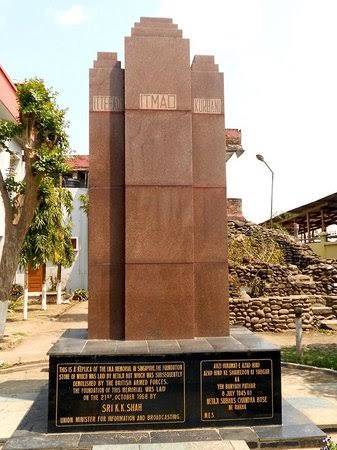
Thousands of Indian National Army POWs in WW II were transported from the war fronts to Jhikargacha. From there, many of them were shifted to the Nilganj Detention Camp near Barrackpore,West Bengal. All of a sudden, on the night of September 25, 1945, the British Army opened indiscriminate firing upon the unarmed I.N.A. POWs in the Nilganj Camp. More than 2000 'Black' and 'Special Black' I.N.A. soldiers were killed. This massacre outnumbered the Jallianwala Bagh massacre. Most surprisingly, the most brutal incident was completely hidden in the history of our freedom struggle! At present Jute Technology office & campus exists at the site of this macabre incident. It is the demand of the people of Nilganj in West Bengal that a memorial must be built to pay homage to the 'unsung heroes of the Indian National Army who fought the final battle for India's freedom under the leadership of Netaji Subhas Chandra Bose. Jai Hind! @narendramodi @MamataOfficial
Chandra Kumar Bose tweet mediaChandra Kumar Bose tweet media
English
15
36
148
47.3K
Vijay Balan
Vijay Balan@VBalanAuthor·
@ShivAroor @VishnuNDTV If you're interested in learning how sound behaves underwater, the best resource is 'Principles of Underwater Sound', Robert Urick. First published 1967, but still the ultimate go-to book.
English
0
0
0
7
Shiv Aroor
Shiv Aroor@ShivAroor·
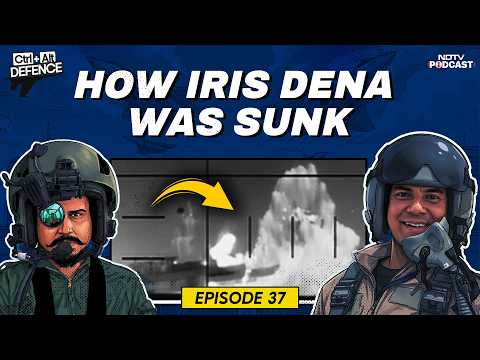
A four-time submarine commander joined @VishnuNDTV & on the new must-watch episode of #CtrlAltDefence to give us a periscope's-eye-view of the IRIS Dena sinking, what a torpedo does, the fear & loathing in submarine ops & more. Saying it myself: Amazing. youtube.com/watch?v=NFzocT…
YouTube video
YouTube
English
6
6
38
15.4K
Vijay Balan
Vijay Balan@VBalanAuthor·
@shanaka86 @rwac48 Asking for asylum makes sense. There is no way the Dena would have gotten past a carrier group and reached home. An interesting question is whether the Dena requested asylum from India first.
English
0
0
2
177
Shanaka Anslem Perera ⚡
Shanaka Anslem Perera ⚡@shanaka86·
An Iranian warship attended India’s naval peace exercise. International protocol required it to carry no ammunition. Returning home through a war zone, it requested asylum at a Sri Lankan port. The port authorities waited 11 hours before responding. During those 11 hours, a US submarine arrived and sank it 40 kilometers off Galle. Eighty-seven sailors are dead. Those are the verified facts. Everything after them is a question that three governments are refusing to answer. IRIS Dena departed Visakhapatnam on February 25 after completing India’s MILAN 2026 exercise, the Indian Navy’s flagship multilateral cooperation event involving 74 nations and 42 warships. The no-ammunition rule that governs MILAN participation meant IRIS Dena was sailing toward a war in its home waters without its weapons systems loaded. Iranian Navy personnel, invited guests of the Indian Navy eight days earlier, were on a ship that could not fight back. Indian authorities confirmed this directly: the vessel was defenceless by the rules of the exercise that India hosted. When IRIS Dena requested emergency berthing at Galle, it was not requesting a port visit. It was requesting survival. A warship whose home country is under active US bombardment, whose navy has been described by the US President as having been entirely destroyed, was asking a neutral state for eleven hours to grant what maritime law describes as a fundamental obligation. The Sri Lankan Parliament’s opposition demanded an answer this week: why did authorities not respond in time? No government answer has been provided. What makes the timing question impossible to dismiss is the distance arithmetic. The US submarine that fired the torpedo was operating in the Indian Ocean. IRIS Dena was stationary, or near-stationary, waiting offshore. The eleven hours of delay coincided with the window required for a submarine to close on a position from a tracking solution established when IRIS Dena departed Indian waters. Whether that convergence was coordination, coincidence, or intelligence sharing is not established by any public evidence. But the Indian Navy’s official statement, issued after the sinking of a ship that had been its guest for seven days, contained no condemnation of the attack, no reference to MILAN, and no mention of the United States. That silence is a geopolitical statement even if it is not a confession. IRIS Bushehr, a second Iranian Navy supply vessel that participated in the same exercise, is now positioned approximately ten nautical miles off Colombo, carrying 270 crew. Sri Lanka has denied it port access. It is sitting in international waters in an ocean where the United States has demonstrated it will sink Iranian naval vessels without warning. The question being asked in Tehran, Colombo, and New Delhi is the same question every non-aligned nation in the Indo-Pacific is now asking: if attending India’s naval exercise makes your warship a target on the way home, what exactly does India’s invitation mean? open.substack.com/pub/shanakaans…
Shanaka Anslem Perera ⚡ tweet media
Shanaka Anslem Perera ⚡@shanaka86

BREAKING: The last time a US submarine torpedoed an enemy warship, the year was 1945. That just changed. Near Sri Lanka. In the Indian Ocean. Four thousand miles from Tehran. The Iranian frigate IRIS Dena had 180 crew aboard. It was heading home after attending the International Fleet Review in Visakhapatnam, India, three days earlier. It had just sailed in formation alongside warships from 50 nations. India’s navy watched it leave port. A US submarine was waiting for it. 101 missing. 78 wounded. Pete Hegseth announced it live on television with footage. Now read that geography again. Not the Gulf. Not the Strait of Hormuz. The Indian Ocean. Neutral waters. Bordering India. Near Sri Lanka, whose navy is currently pulling Iranian sailors from the sea. This is the part every regional war model misses completely. The US is not fighting Iran in the Middle East. The US is hunting Iran’s navy on every ocean on earth. There is no safe water. There is no transit corridor. There is no flag that protects an Iranian hull once a US submarine gets a firing solution. Every neutral nation that hosted IRIS Dena three days ago at a multilateral ceremony is now watching a rescue operation for her crew. Every navy on earth just learned the same lesson. The market is still pricing a contained regional conflict with a 4-to-5-week ceiling. The Indian Ocean is now a battlefield. Those are not the same thing. open.substack.com/pub/shanakaans…

English
245
529
1.1K
459.4K
Sandeep
Sandeep@SandeepUnnithan·
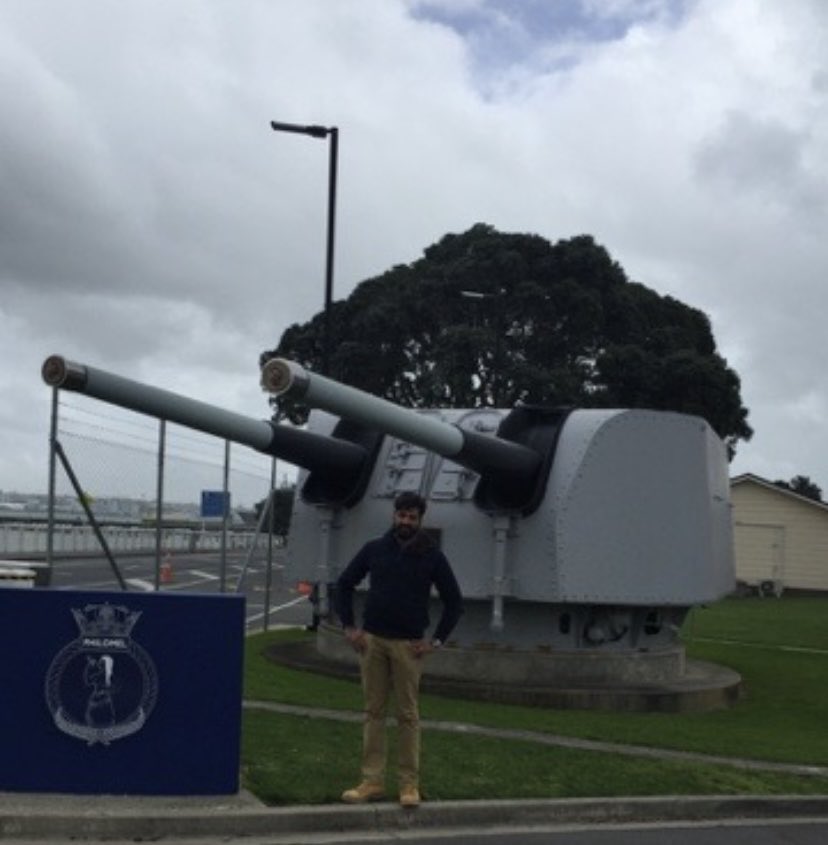
@VBalanAuthor That’s me with the ‘Y’ turret of the HMNZS Achilles (INS Delhi) in Auckland. My father’s first station in the Indian navy- Officer of the turret. That’s the Graf Spee’s rangefinder in Montevideo shot by my dad during his voyage there in Feb 2025.
Sandeep tweet mediaSandeep tweet media
English
1
0
14
10.9K
Sandeep
Sandeep@SandeepUnnithan·
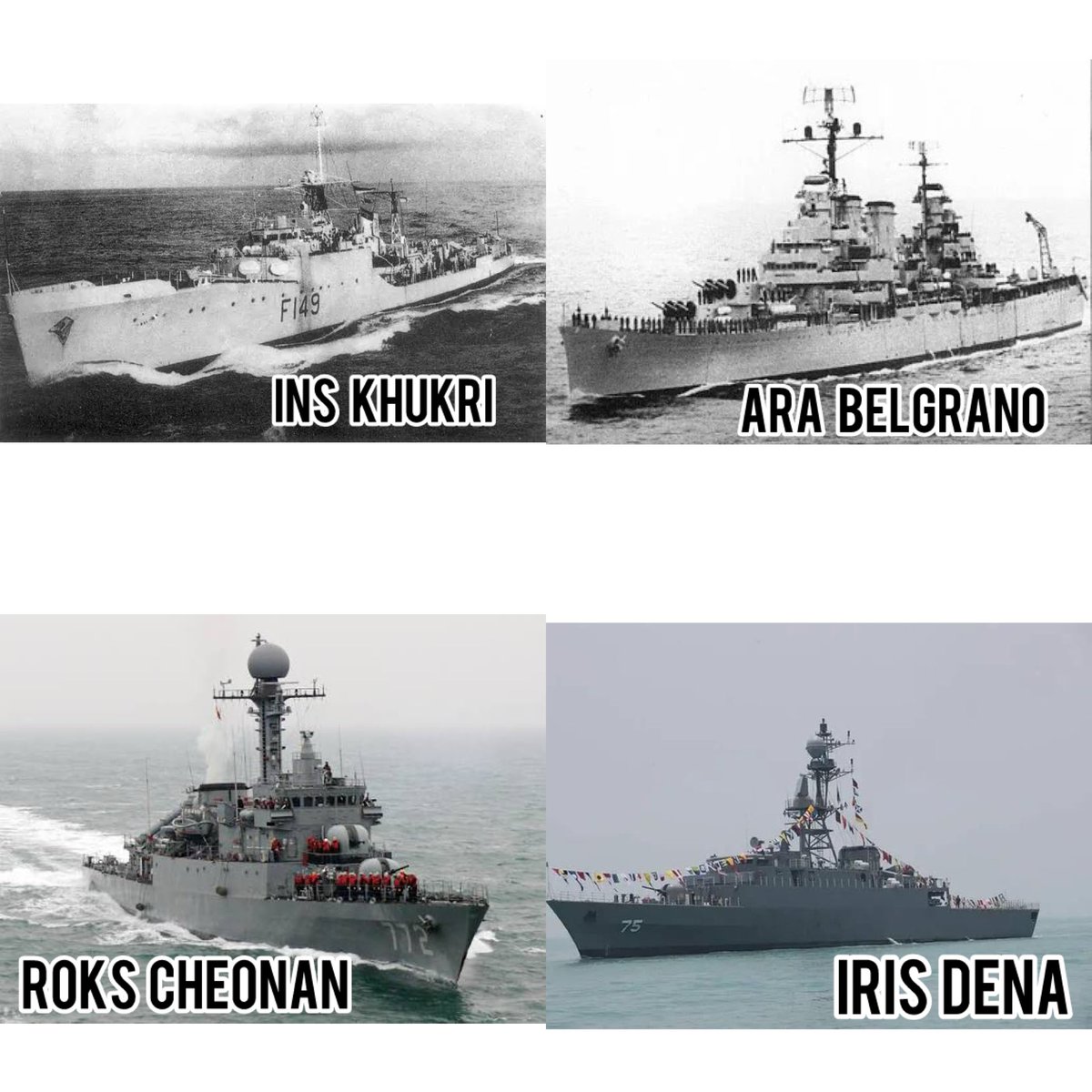
Submarines sank over 2000 warships during WW2 (1939-1945) Only 4 warships sunk by submarines in the last 80 years since WW2. That’s how rare the sinking of the IRIS Dena is. INS Khukri in December 1971 ARA General Belgrano May 1982 ROKS Cheonan March 2010 IRIS Dena March 2026. #IranWar
Sandeep tweet media
English
12
153
868
70.6K
Vijay Balan
Vijay Balan@VBalanAuthor·
@SandeepUnnithan Yes. Neither will the presence of Chinese subs be disclosed. My point was whether India has the means to detect subs like this SSN ; it will need it. No one will tell us, of course. Yes, Graf Spee model, sans scuttling. Btw, HMS Ajax became INS Delhi later.
English
1
0
3
395
Sandeep
Sandeep@SandeepUnnithan·
Unlikely. SSN patrols are never disclosed. We need to build our own networks and not depend on others for that info - as in the past. The possibility of IRIS Dena remaining stranded in a neutral port is quite possible - rmber the fate of the German cruiser Graf Spee in Montevideo, 1939?
English
1
0
3
408
Vijay Balan
Vijay Balan@VBalanAuthor·
@SandeepUnnithan 2 questions occur to me- was India aware of the SSNs presence? Important coz tomorrow it could be a Chinese sub. Next, even if Dena entered Arabian Sea, how was she going to get past the carrier group and get home? Wouldn't sanctuary somewhere been better?
English
1
0
1
365
Sandeep
Sandeep@SandeepUnnithan·
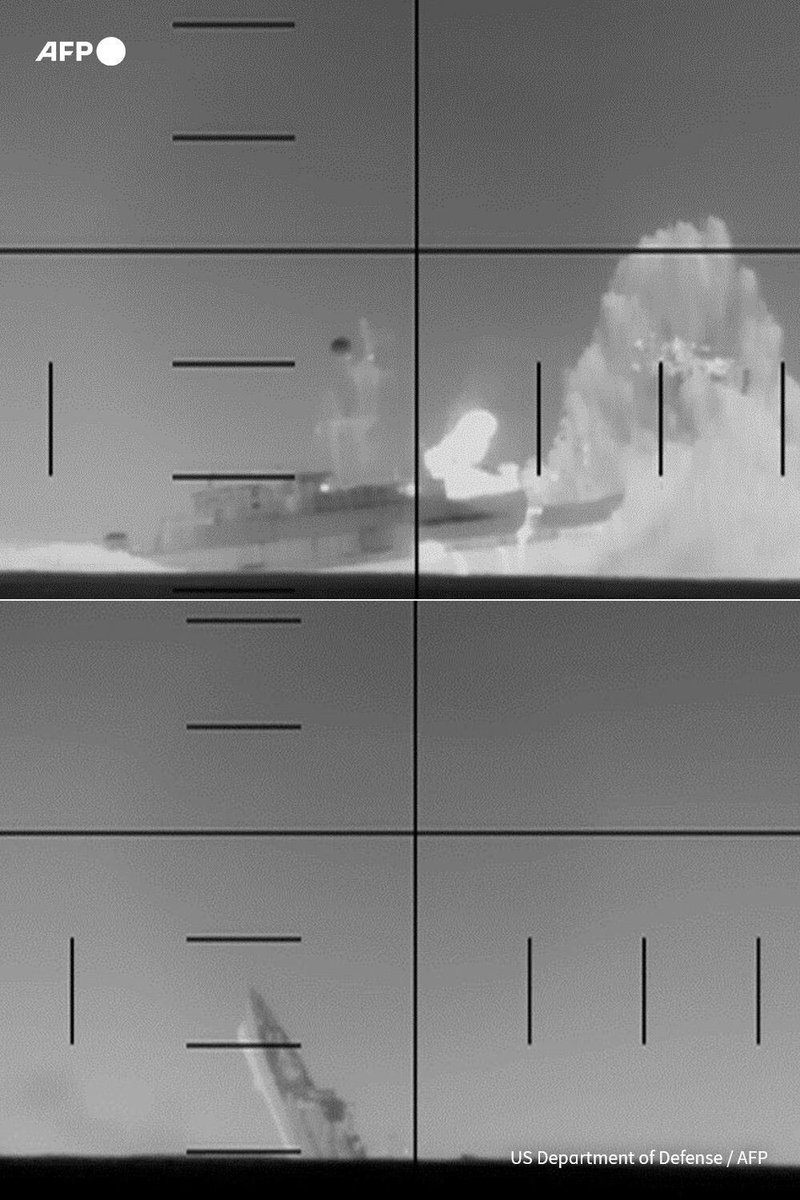
This is the first ever publicly released footage of the sinking of a warship by a submarine post WW2. Mk 48 ADCAP torpedo SSN at Periscope depth Aimed for the stern and not amidships Explosion under keel. Dena sank in a few minutes. A single torpedo hit … would’ve taken 2-3 anti ship missiles to achieve this effect (unless Brahmos).
English
7
16
110
9.1K
Manu S Pillai
Manu S Pillai@UnamPillai·
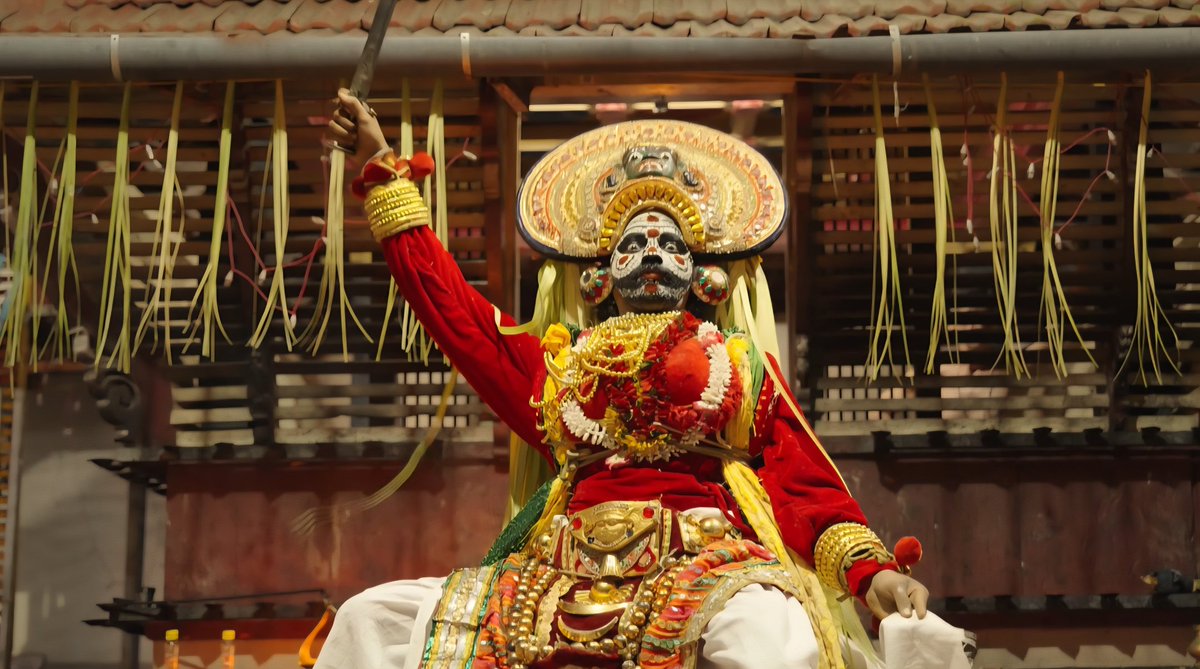
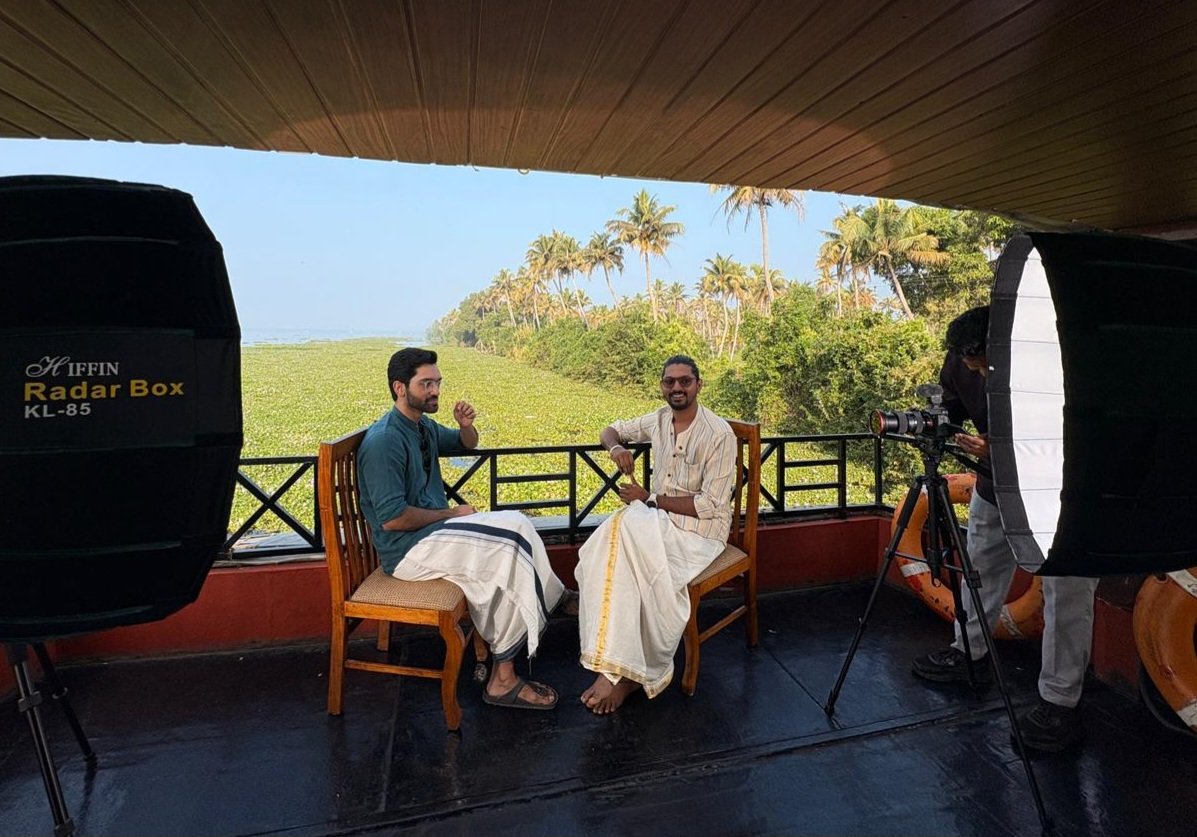
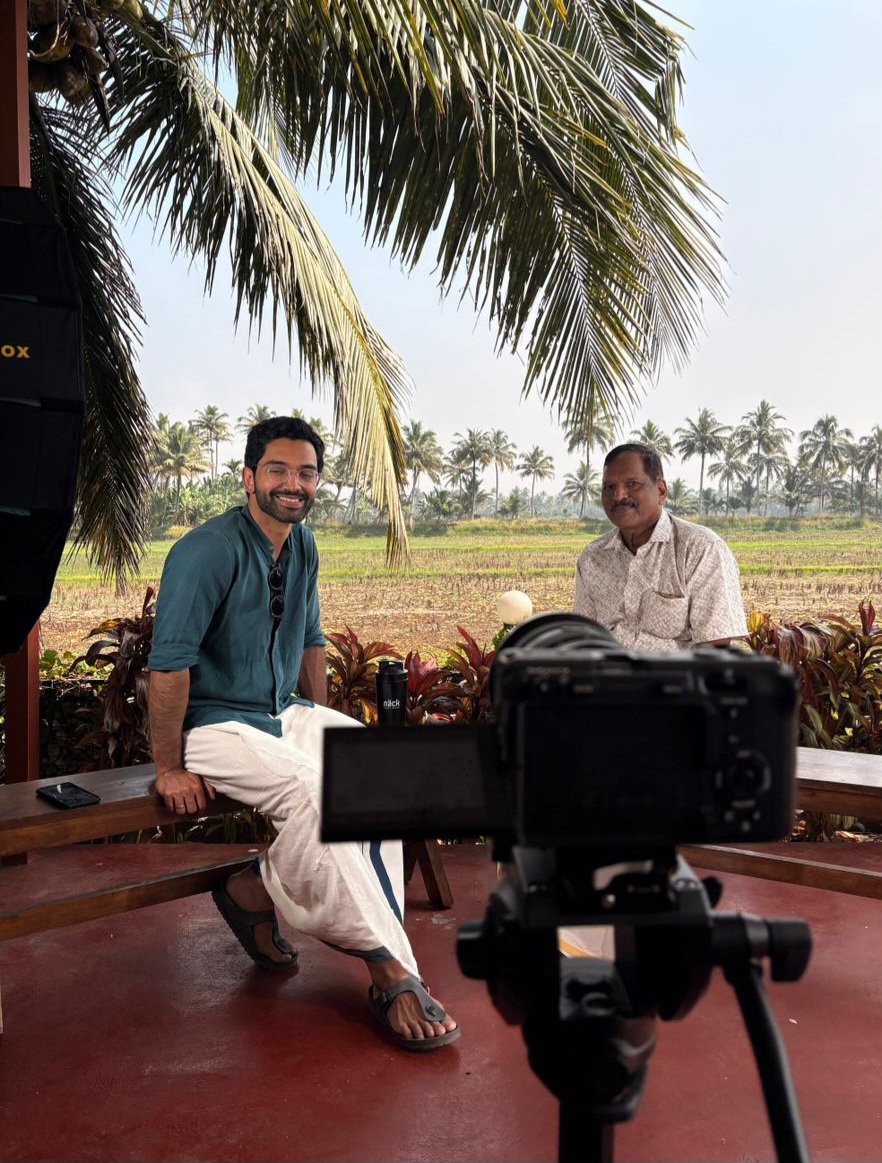
By day Sreejith Sarma is a houseboat owner in Kumarakam; by night he transforms into an embodiment of the goddess Bhadrakali. For Episode 5 of SAGA with @Arpo_IN I met Sreejith and his father to discuss the dying Theeyattu tradition in Kerala: youtu.be/Q4U_o3YRZTw
YouTube video
YouTube
Manu S Pillai tweet mediaManu S Pillai tweet mediaManu S Pillai tweet mediaManu S Pillai tweet media
English
6
26
168
14.7K
Shiv Aroor
Shiv Aroor@ShivAroor·
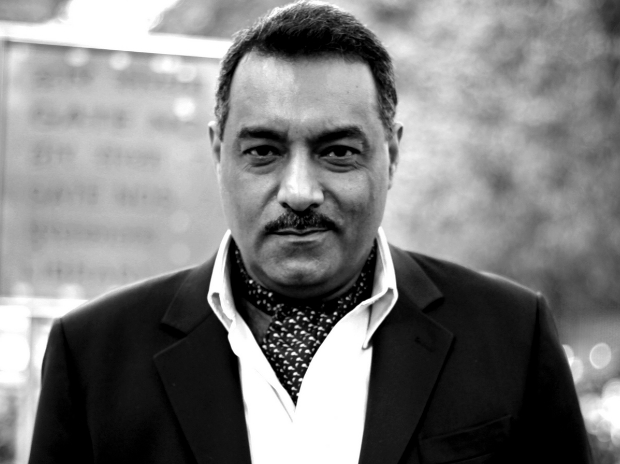
Maroof Raza is no more. Was a friend and mentor. Fought a long battle with cancer. Will be missed by all in the national security space where he was a pioneering reporter/writer who bridged the gap between practitioner and the public. Travel well, Maroof.
Shiv Aroor tweet media
English
1K
1.5K
9.6K
249.1K