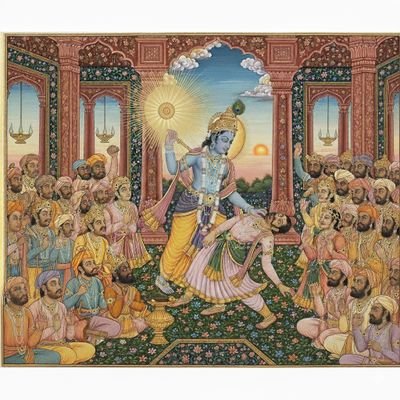
@hellonehha After years in this corporate, so called software etc, i realized ultimately what matters is power. The taste and beauty of Power and Influence Triumps all
English
viswaMitra007
3.2K posts
@VMitra007
Insider of Banking & Finance. Interested in understanding confluence of Medieval wars and economy. PROUD HINDU & BRITISH-INDIAN

Met a woman in her 30s interviewing after a 2 year gap. She said she got campus placed, worked in corporate for 6 years, then watched Tamasha and realised she wanted to be an artist and pursues painting full time. So she quit and did a diploma in arts. (1/3)


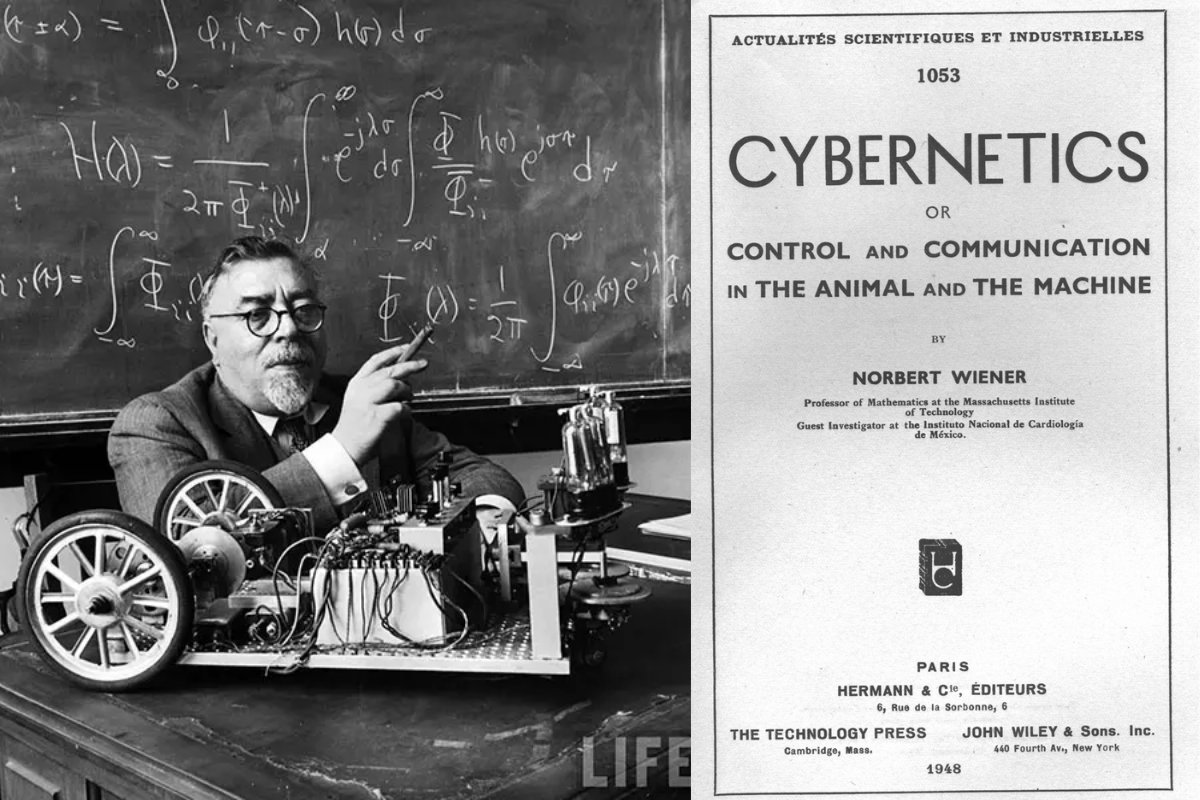

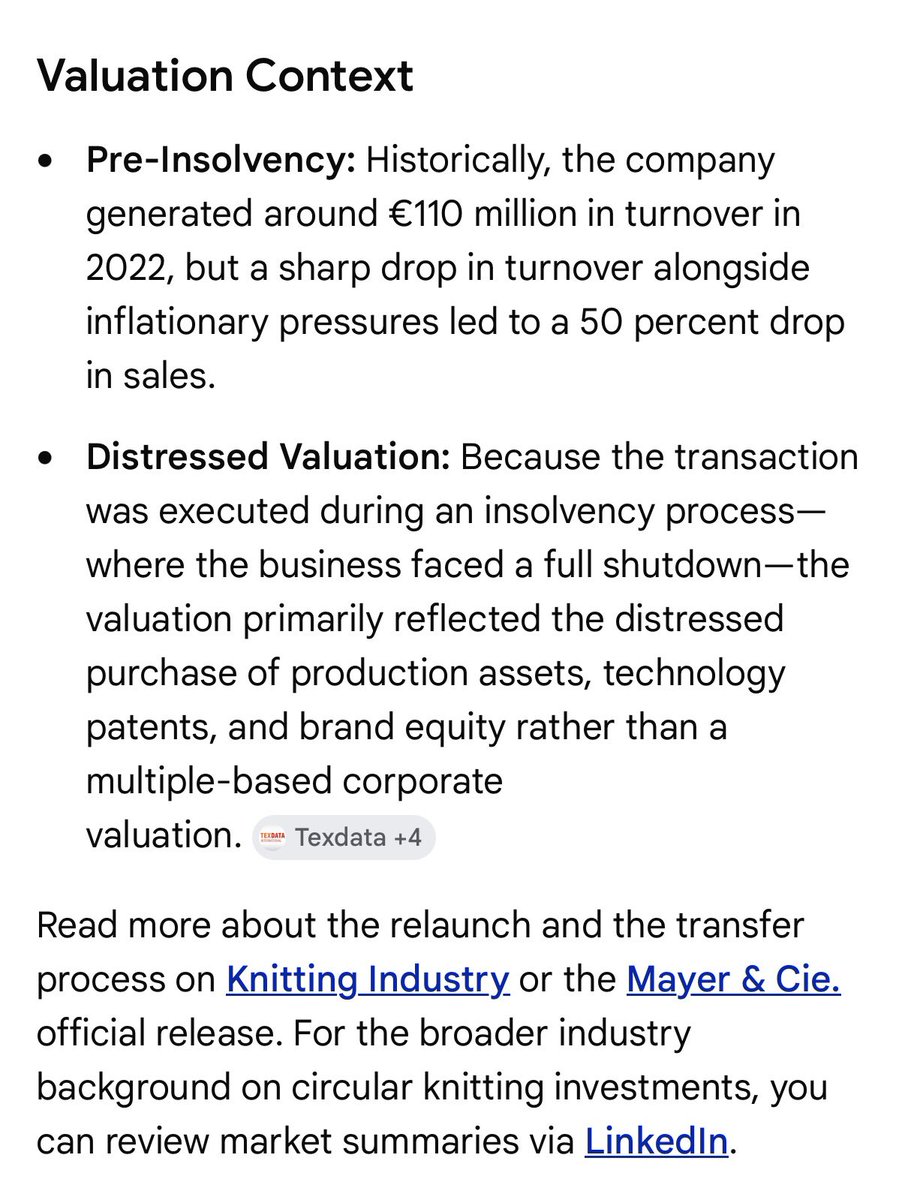
Chinese founders are usually: - engineers - party members - capitalists In that order. So when they build or acquire a company, maximizing shareholder value is not the first objective. The first objective is acquiring know-how and industrial capability. The mindset is: "we should know how to build this thing in China for the simple reason that my civilization needs to learn this sooner or later and i don't care about consequences or optics - if it looks like stealing IP so be it, I don't have to explain..." The only people judging you are in your local party HQ. If you’re a credible founder in China, you can go to a local party chief and say: "I need x engineers, land, and some starter funds to build this widget company" And if the state thinks the industry matters, you’ll get the best resources in the province, industrial land and enough support to get going. The rest is up to you. Many, many fail. Like most people think they would be successful with capital - go to China and see. You get everything - land, capital, people and even then the success ratio is like 1-5%... OG American founders were also engineer-first. Bill Hewlett and David Packard built HP as engineers. Same with a lot of old American industrial giants. But over time those founders exited and the boards got taken over by pure financial operators focused entirely on maximizing quarterly shareholder value. A single generation of this mentality hollowed out the entire American industry. Product-first founders like Elon Musk exist today because there was a generational demand for good engineering lead founders. Indian boomer founders meanwhile were always capitalist-first from day one. Not even saying that negatively. Many come from communities that are insanely optimized around capital survival and allocation. That’s a real skill developed over centuries. But the downside of that mindset is that they were rarely engineer-first or product-first EVEN if they were engineers by training. They were always capitalist first. And that's very reasonable. They're on their own. Nobody has their back. They need to perform or die. So when an Indian conglomerate acquires something like Jaguar, the instinct becomes: - optimize margins - reduce costs - extract shareholder value But if you don’t deeply understand first principles of car manufacturing, how much value can you really compound long term ? So companies get handed to hired professionals and MBA operators. The exact same class of people that helped hollow out American industry. Now America is slowly realizing pure financial capitalism can become self-destructive because eventually the spreadsheet people cannibalize the actual industrial base in pursuit of EPS. India already lives in that reality. Infosys is a good example. A company effectively consuming itself to maintain quarter-on-quarter performance without aggressively building the future. And as I said they’re not even wrong. Anyone would do the same unless the system is realigned for long term incentives. Who in India actually has your back if you miss numbers for 2-3 yrs while investing heavily into long-term capability ? Tesla survived because retail investors and the American public effectively backed Elon Musk through a decade of chaos and losses. Toyota delivers 6-7x of Tesla's profit EVERY QUARTER but Tesla wins because try posting and see Tesla retail investors explaining you the future of automobiles. Indian scarcity markets can't and won't tolerate that kind of long-duration industrial gamble. Its a 3k gdp/capita country nobody has time for long term nonsense plus who know who's grfiting vs being serious...people talk about nationalism then take your money and run. China solved this by - serve the party - align with state goals - stay below the radar and build the system will protect you while you build. In India you are on your own. - manage the regulators - manage capital - which is very expensive - manage your own power/infra - deal with corruption - manage untrained talent All of that becomes a massive tax on operations. Nobody has the time to do any long-term thinking. Any anyone who does that would be eaten alive by those who optimize for survival.


Jane Street just showed the inside of their AI training data center in Texas. 4,032 GPUs. 56 racks. 8,000 km of fiber. liquid cooling running through every server because air cooling can't handle the heat anymore. but the part that got me was the origin story. Ron Minsky, who co-heads their technology group. said their first compute cluster was literally six Dell boxes stacked on top of each other at the end of a desk row. they called it "the hive." the trading systems sat out in the room with the traders because they wanted to be able to unplug them if something went wrong. at one point, someone vacuuming the office unplugged a live trading system in the middle of the day. from six Dell boxes and a vacuum cleaner incident to a liquid-cooled GPU data center processing trades in under 100 nanoseconds. that's a 20-year arc.




An estimated 50,000 attendees are taking part in Tommy Robinson's Unite The Kingdom protest, which will see swathes of people march from near the Strand to Parliament Square. Sky correspondent @Chesh reports from the scene trib.al/oFbThj6 📺 Sky 501, Virgin 602



BIG NEWS: Bengal BJP Govt to withdraw OBC status of 75 Muslim communities.