Vardhanreddy

5.1K posts

Vardhanreddy

Vardhanreddy

@Vardhanreddymd

Heart Surgeon. Chief Medical Officer. Innovator. Healthcare IT visionary. Certified AI in Medicine

Pittsburgh, PA Katılım Aralık 2017
68 Takip Edilen303 Takipçiler
Dr Paddy Barrett
Dr Paddy Barrett@Paddy_Barrett·
In many heart attack patients, the culprit artery had <50% narrowing before rupture. Heart attacks are about plaque instability, not just obstruction.
English
11
19
177
20.3K
Vardhanreddy
Vardhanreddy@Vardhanreddymd·
Most of the Heart Attacks are due to Plaque rupture from unstable plaque and not from severe stenosis. High LDL Cholesterol is the main culprit. Aim for <55mg of LDL C
English
1
0
2
878
Vardhanreddy retweetledi
Elon Musk
Elon Musk@elonmusk·
Rapid recursive improvement
DogeDesigner@cb_doge

ELON MUSK: "We're starting off with an advanced technology fab here in Austin, and I'd like to thank @GregAbbott_TX and the state of Texas for the support. So in the advanced technology fab, we will have all of the equipment necessary to make a chip of any kind logical memory, and we will also have all of the equipment necessary to make the masks. So in a single building, we can create a mask, make the chip, test the chip, make another mask, and have an incredibly fast recursive loop for improving the chip design. To the best of my knowledge, this doesn't exist anywhere in the world. We're really going to push the limit of physics in compute, and we're going to try a bunch of wild and crazy things, which you can do if you've got that fast iteration loop that I can't emphasize enough the importance of being able to make it, to test it and and then make and then change the design, do another one, and have that in a single building."
English
2.2K
7.4K
53.5K
16.3M
Vardhanreddy retweetledi
Johns Hopkins Ciccarone Center
Johns Hopkins Ciccarone Center@CiccaroneCenter·
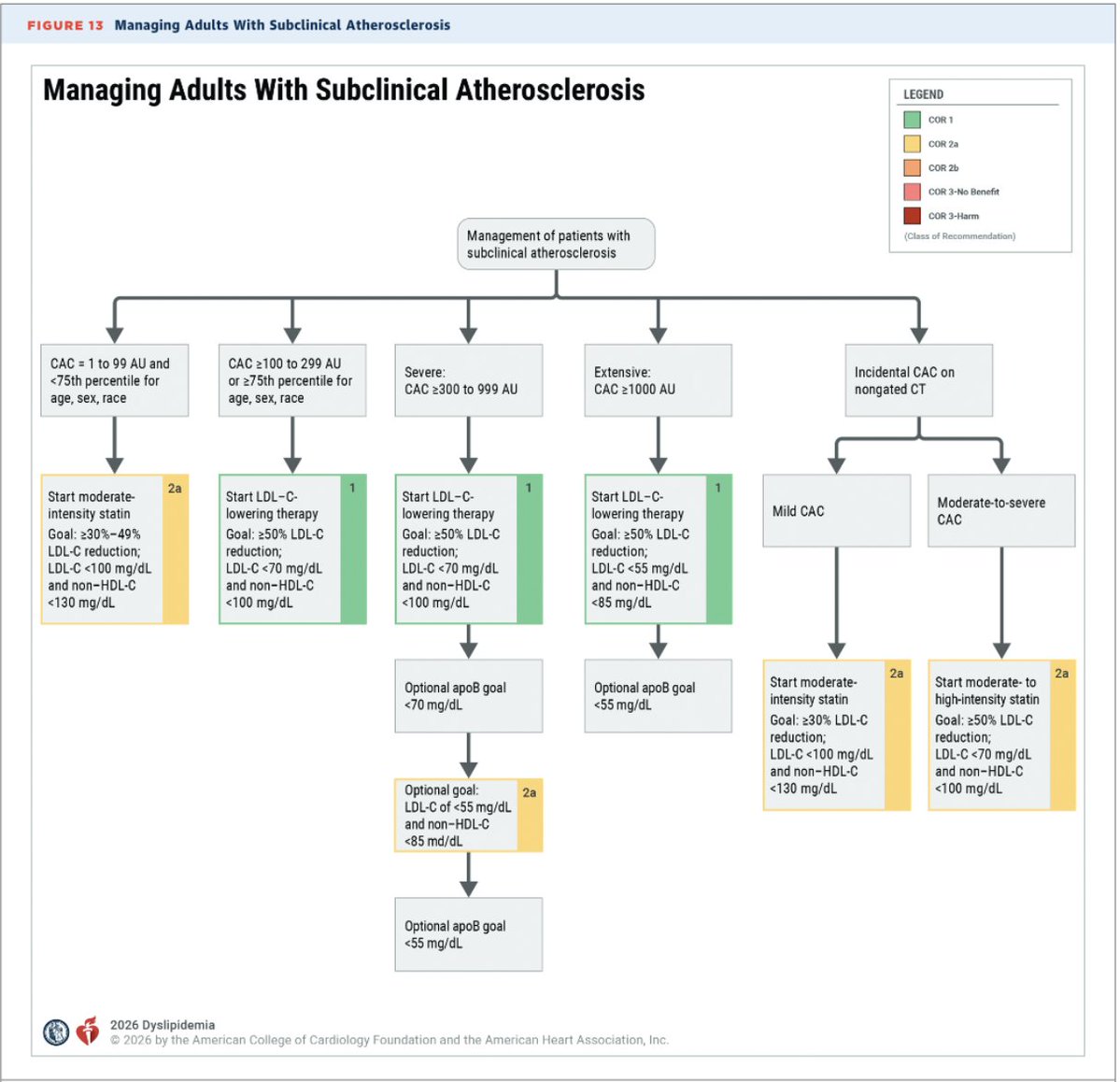
🚨 The 2026 ACC/AHA Dyslipidemia Guidelines are here, and CAC scoring just got a Class 1 recommendation for guiding statin therapy decisions in intermediate-risk patients. Key updates: ➡️ CAC = 0 may allow withholding statins ➡️ CAC ≥100 AU or ≥75th percentile → statin therapy recommended ➡️ CAC ≥1,000 AU → intensive LDL-C targets ➡️ PREVENT-ASCVD equations now guide primary prevention ➡️ Lp(a) testing at least once in a lifetime Big shift in how we risk-stratify and treat. Worth reading the full guideline. 👇
Johns Hopkins Ciccarone Center tweet media
AHA Science@AHAScience

Key updates to this guideline include: ➡️ The use of the American Heart Association PREVENT-ASCVD equations to guide primary-prevention and lipid-lowering therapy decisions. ➡️ Testing Lp(a) at least once in a lifetime and selective apolipoprotein B measurement to improve risk assessment and guide treatment ➡️ The return of LDL-C and non-high-density lipoprotein cholesterol treatment goals (with lower targets for higher-risk groups) ➡️ Expanded use of coronary artery calcium scoring to reclassify risk[ME1.1] ✍🏼 @rblument1 @tygluckman @RonBlankstein @PamelaBMorris @pnatarajanmd @AnnMarieNavar @SethShayMartin @APRN_CNS @nyulangone @DrMichaelShapir @kgradneyrd @eugeniagianos @virani_md @KellieMcLain1 @ijeomaheartdoc @SamiaMoraMD @DrHeatherJohn @dmljmd
English
3
102
270
79.4K
Vardhanreddy retweetledi
Tansu Yegen
Tansu Yegen@TansuYegen·
Life for a girl dad can feel this fast sometimes🤍
English
88
1.4K
7K
763.9K
Vardhanreddy retweetledi
Berci Meskó, MD, PhD
Berci Meskó, MD, PhD@Berci·
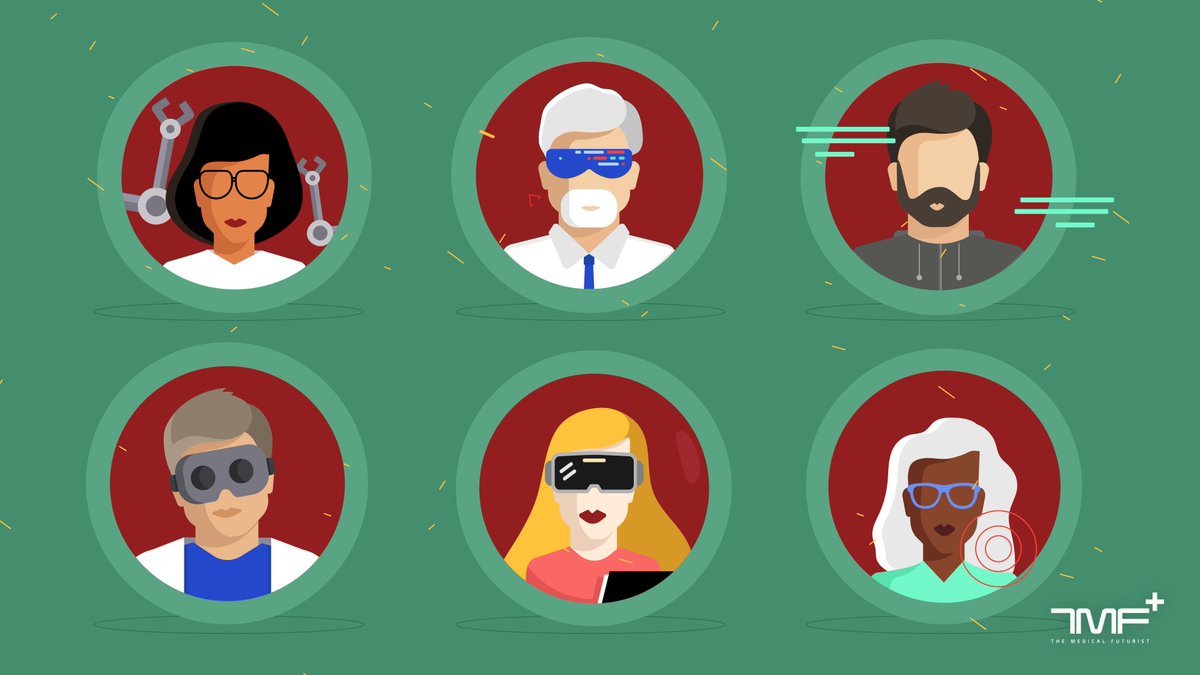
While every medical specialty will benefit from digital health and AI, some will especially thrive thanks to these innovations. Here, I listed the top medical specialties with the biggest potential for development in the future. Read on: medicalfuturist.com/medical-specia…
Berci Meskó, MD, PhD tweet media
English
0
4
14
998
Vardhanreddy retweetledi
Berci Meskó, MD, PhD
Berci Meskó, MD, PhD@Berci·
This is a handheld X-ray from KnovelCam.  Lightweight, portable, and works right at the bedside! But it triggered a bigger question: What happens when powerful medical technologies become too accessible? When technology becomes: • smaller • cheaper • easier to use • directly accessible to patients Then it changes human behavior. With handheld imaging devices, the risk is overuse, unnecessary scans, and people underestimating radiation exposure because the device "looks harmless". We’ve already seen similar behavioral shifts with: • Continuous glucose monitors used without medical indication • Direct-to-consumer genetic tests interpreted without context • Full-body MRI scans marketed as preventive screening • Health wearables creating anxiety from perfectly normal data So what other digital health and medical technology comes to mind that you think patients will definitely abuse?
English
2
3
7
1.4K
Vardhanreddy retweetledi
Berci Meskó, MD, PhD
Berci Meskó, MD, PhD@Berci·
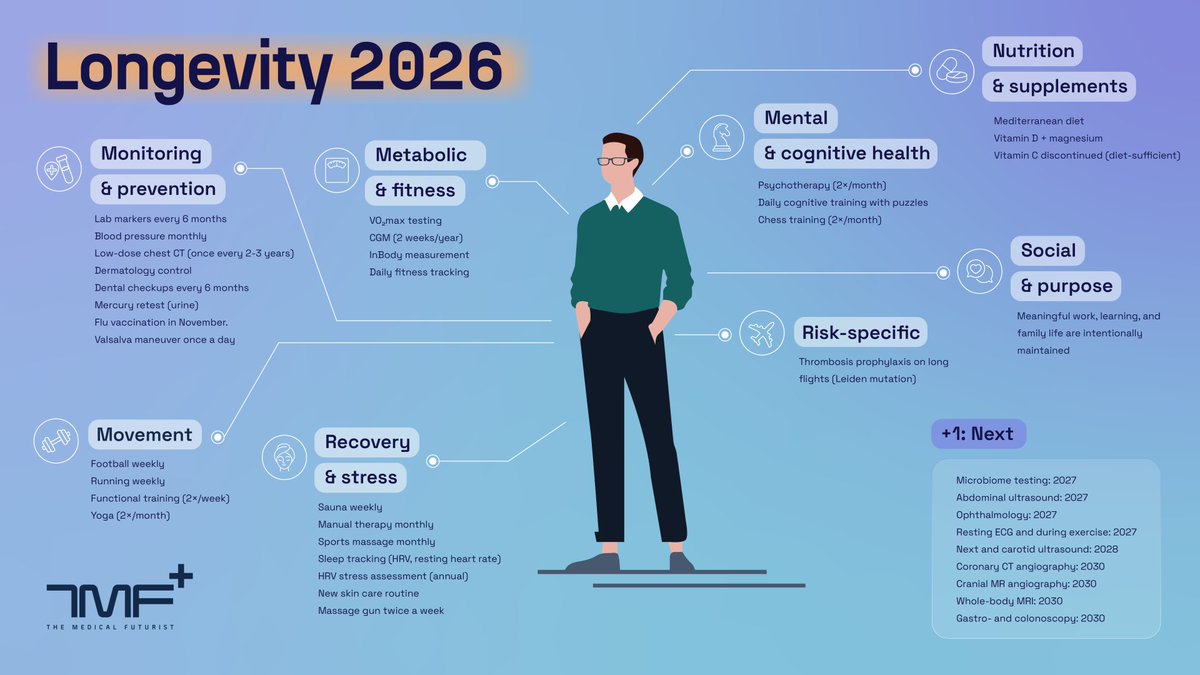
After the longevity package I experimented with last year, here are all the medical screenings, habits, lifestyle choices and longevity efforts I put into 2026 to try to live a long and healthy life. What do you think I'm missing?
Berci Meskó, MD, PhD tweet media
English
1
2
4
338
Vardhanreddy retweetledi
Eric Topol
Eric Topol@EricTopol·
Food intake to lower the risk of cancer I agree with the recommendations and evidence reviewed by @MikkaelSekeres here gift wapo.st/4kExwKc
English
8
58
370
78.7K
Vardhanreddy retweetledi
@jason
@jason@Jason·
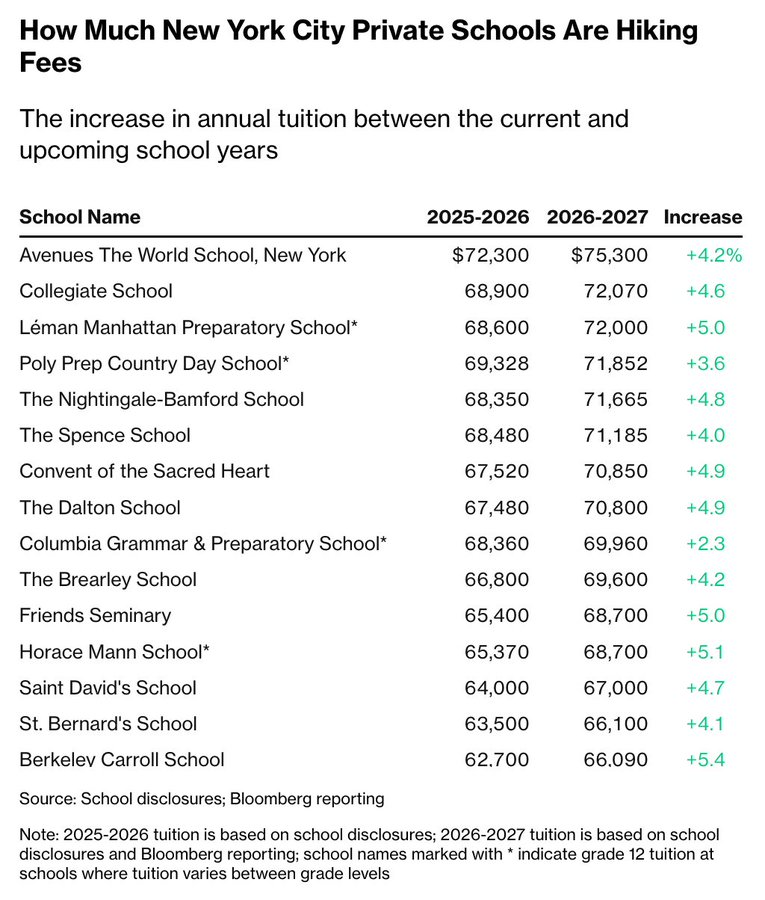
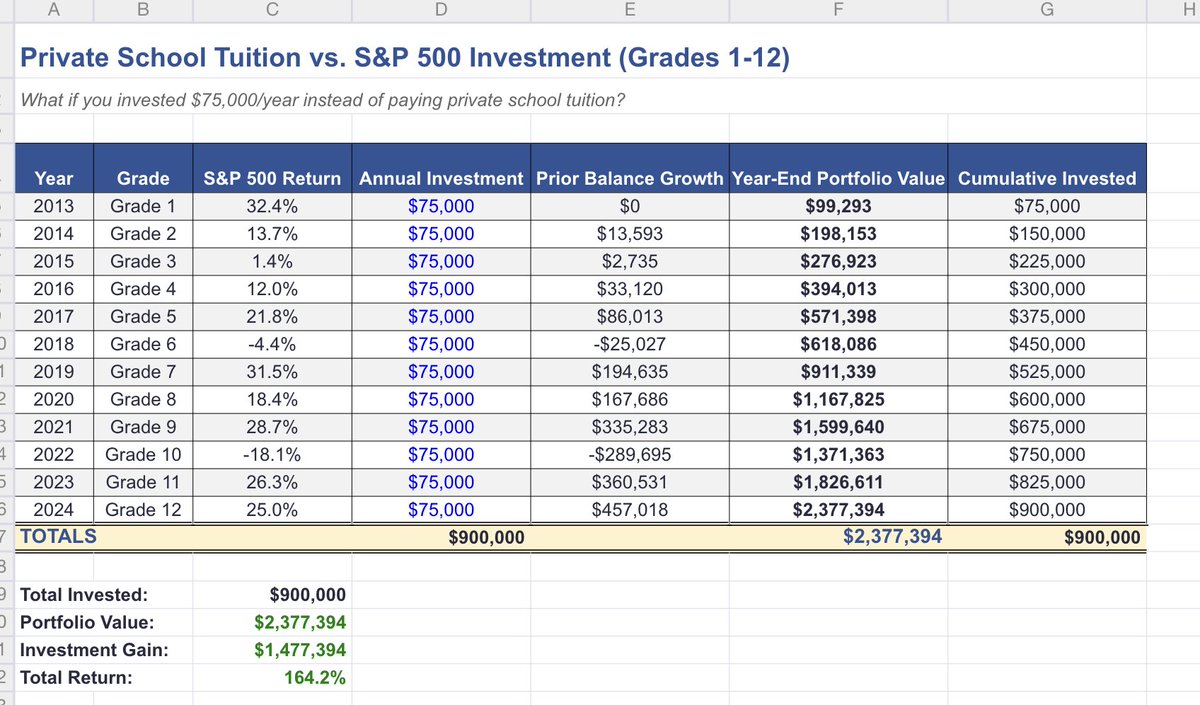
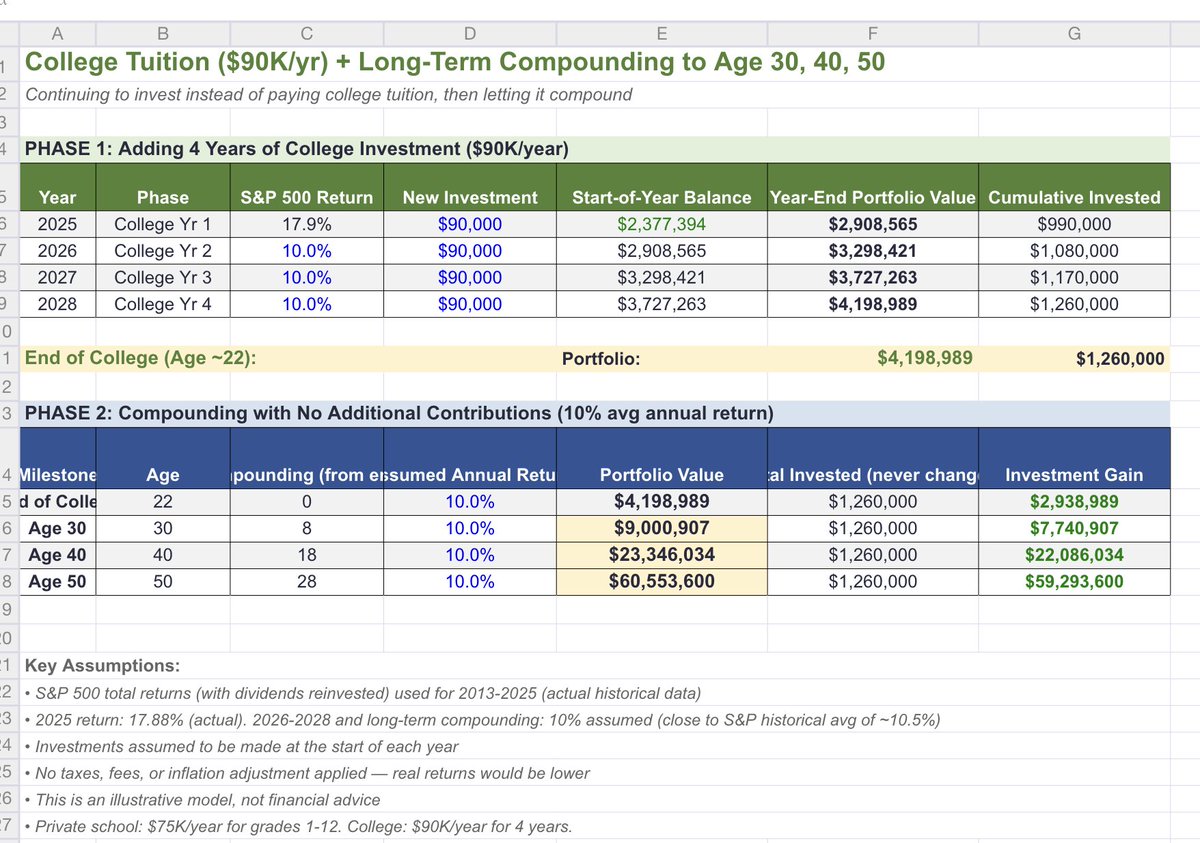
Private school in NYC is 70k College is $90k I asked @claudeai to make me a model of how much you would give to your kids over time if you put this into the markets, went to public school and skipped college. How on earth does private school make sense vs this?
@jason tweet media@jason tweet media@jason tweet media
English
282
281
4.8K
958.8K
Michael Albert, MD
Michael Albert, MD@MichaelAlbertMD·
AI “doctors” can’t—at least for now—write prescriptions, examine patients, order diagnostic tests, or perform surgery. Those limitations aren’t going away anytime soon. I’ve worked on healthcare AI for over a decade, and for that entire time I’ve been told clinicians would be replaced “within 5–10 years.” Could I eventually be replaced? Maybe. If that happens, I’ll adapt. The skills I’ve built translate well beyond medicine—and I’ll move on just fine.
m77777@m7777121

@MichaelAlbertMD Except with AI things are going to change real fast. An AI doctor will be way more valuable than an actual one.
English
23
3
44
13.7K
Vardhanreddy retweetledi
Don Keith
Don Keith@RealDonKeith·
SO SAD: This is why I don’t care how many illegal immigrants are deported or the methods used and I don’t care how many drug boats President Trump blows out of the water. A 19 year old is gone because he took one hit from a vape pen with a bad fentanyl laced cartridge.
English
240
5.3K
15.6K
321.8K
Vardhanreddy retweetledi
Matt Pavelle 🇺🇸
Matt Pavelle 🇺🇸@mattpavelle·
Your phone estimates steps. Your watch estimates REM cycles. Your ring estimates HRV. Your scale estimates body composition. So much data, and no one interpreting it all. But this data is MEANINGFUL! New Stanford/Nature Medicine research trained a foundation model on 585,000+ hours of overnight polysomnography (PSG) and predicted 130 conditions from a single night (sleep-clinic population, not the general public): mortality, dementia, heart failure, Parkinson's, etc., with large gains vs a demographics-only baseline. This is lab PSG, not today's consumer wearables, but it's a preview of what higher-fidelity, next-gen wearables can unlock: clinically meaningful signals from physiological data that routine clinical interpretation doesn't fully use today. Our near future: Your AI doctor has safe, private access to your health data: next gen wearables, labs, records, and more. It never trains on or shares your data. It just synthesizes it all for you. You're not drowning in dashboards. Your AI doctor is separating signal from noise. Turning terabytes into a suggestion: here's what matters for you right now, here's what to do. nature.com/articles/s4159…
English
8
21
93
13.6K