Vern Dolinsky

4.1K posts

Vern Dolinsky banner
Vern Dolinsky

Vern Dolinsky

@VernDolinsky

Professor and Co-lead of DREAM, the #Diabetes Theme @DREAM_diabetes at the Children's Hospital Research Institute of Manitoba @CHRIManitoba

Winnipeg, MB Katılım Eylül 2013
518 Takip Edilen850 Takipçiler
Vern Dolinsky retweetledi
Tanentzapf Lab
Tanentzapf Lab@TanentzapfLab·
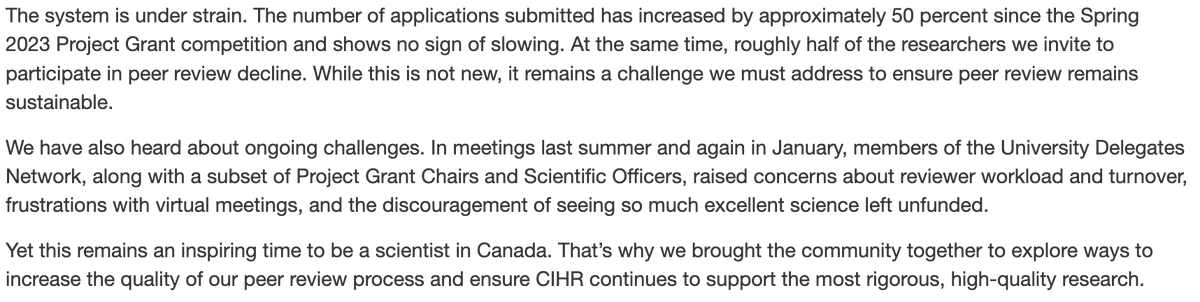
1. Our main biomedical funding body is telling Canadian PIs its review system is collapsing. 50% increase in applications (attributed to AI but really due to PIs dealing w/ is essentially a lottery). PIs declining to review due to fatigue from turning down so much awesome science
Tanentzapf Lab tweet media
English
1
9
33
5.8K
Robert Lakin, PhD
Robert Lakin, PhD@mrlakin13·
What do aging, inflammation, and mechanical stretch have in common? They all set the stage for atrial fibrillation (AF). We've long studied AF risk in endurance athletes, who paradoxically develop the same atrial remodeling as elderly patients with heart disease. The culprit?
JCI insight@JCI_insight

This Research Letter showcases an innovative murine model of aortic regurgitation: doi.org/10.1172/jci.in… Robert Lakin @mrlakin13 et al. use a model for graded aortic regurgitation and find the severity of AR correlates with atrial stretch and fibrillation. The figure shows post-AR mitral inflow changes consistent with restrictive left ventricular (LV) filling. #Afib #CardioX

English
2
1
8
1.3K
Vern Dolinsky retweetledi
Daniel J Drucker
Daniel J Drucker@DanielJDrucker·
The fascinating biology of targeting nuclear receptor ligands to GLP-1 receptor + cells continues, with the latest chapter studying GLP-1 E2 in NOD mice, with or without low dose aCD3 @DiabetologiaJnl #Sec" target="_blank" rel="nofollow noopener">link.springer.com/article/10.100…
English
0
20
45
4K
Vern Dolinsky retweetledi
Satchin Panda
Satchin Panda@SatchinPanda·
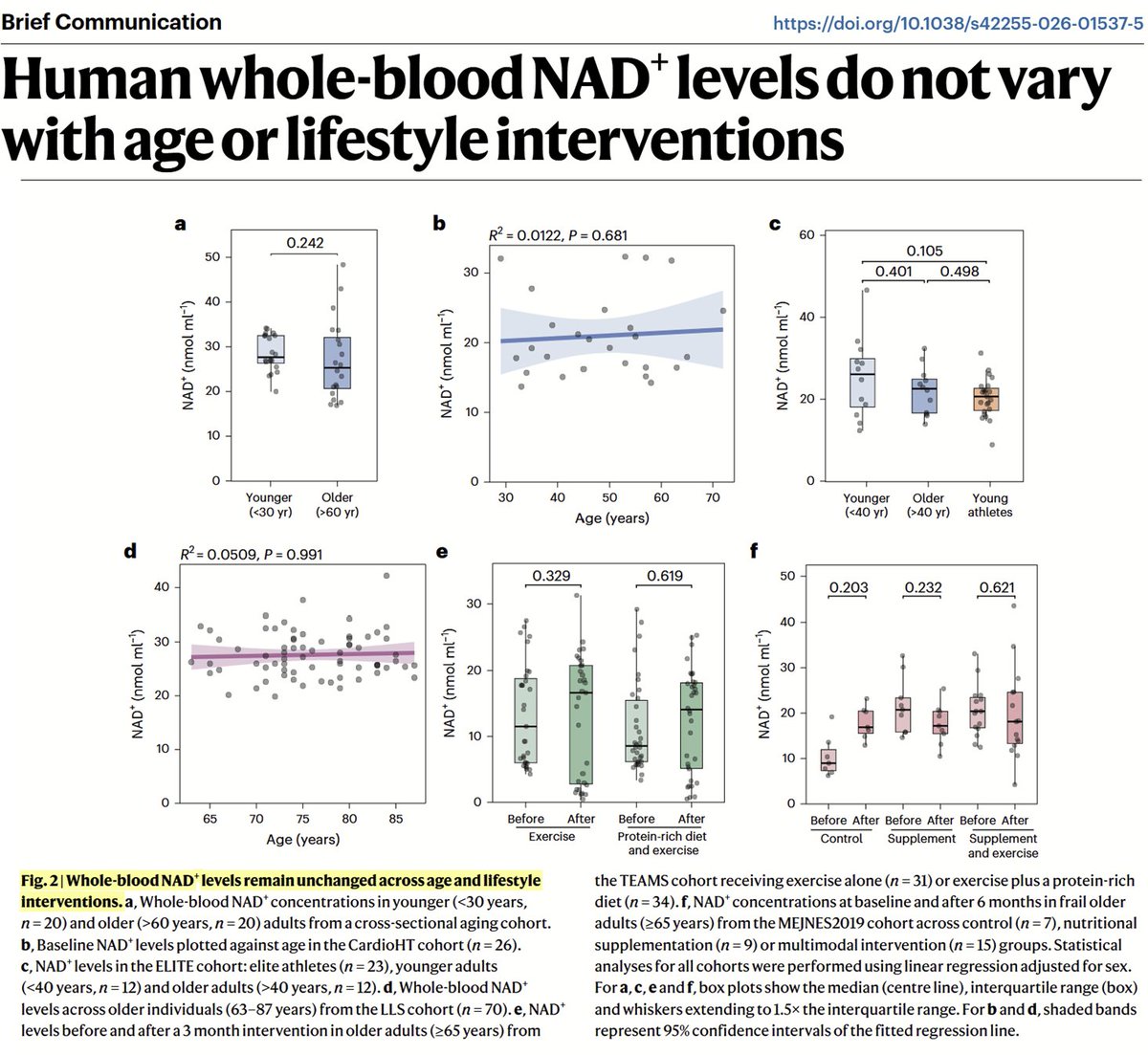
Blood NAD+ may not be the aging biomarker many hoped for. Across 7 human cohorts, whole-blood NAD+ levels stayed remarkably stable with age and lifestyle changes—shifting mainly with nicotinamide riboside supplementation. #Aging #NAD #Longevity nature.com/articles/s4225…
Satchin Panda tweet media
English
4
10
50
3.4K
Vern Dolinsky retweetledi
Journal of Clinical Investigation
Journal of Clinical Investigation@jclinicalinvest·
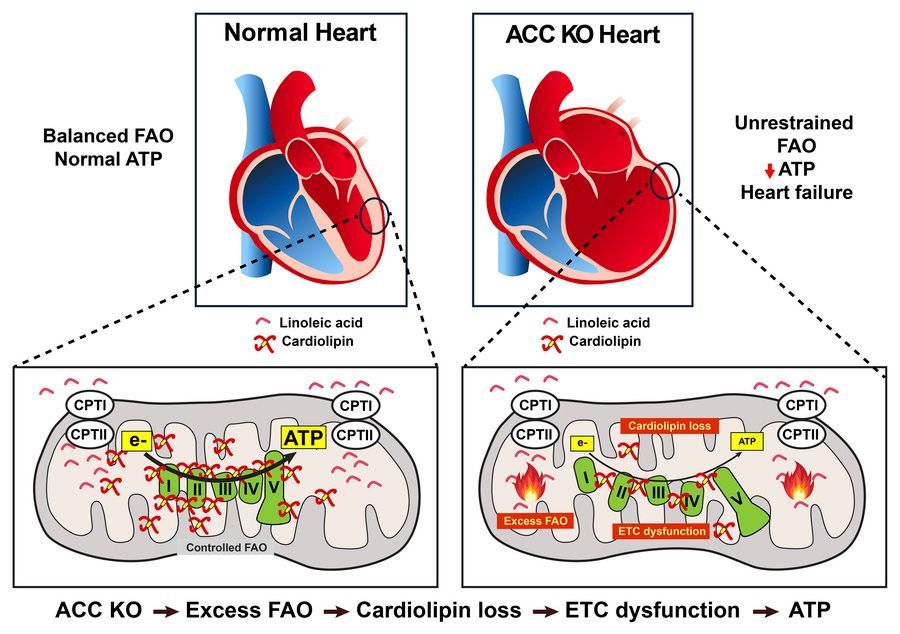
From earlier this week: A landmark in cardiac metabolism: doi.org/10.1172/JCI202… Jay D. Horton & team @UTSWMedCenter find unrestrained fat oxidation in heart cells deplete cardiolipins that are needed for mitochondrial energy, triggering heart failure in mice and revealing a potential metabolic target. The figure shows decreased heart function in cardiac-specific ACC1/ACC2 double KO (dHKO) mice. #CardiacMetabolism #HeartFailure
Journal of Clinical Investigation tweet mediaJournal of Clinical Investigation tweet media
English
0
16
71
12K
Vern Dolinsky retweetledi
Daniel J Drucker
Daniel J Drucker@DanielJDrucker·
New advances in understanding the wide range in human islet cell heterogeneity and secretory phenotypes from the Integrated Islet Distribution Program (IIDP). The abundance of δ cells showed the strongest association with insulin secretion and #T2D nature.com/articles/s4146…
English
0
4
16
2.1K
Vern Dolinsky retweetledi
Cell Metabolism
Cell Metabolism@Cell_Metabolism·
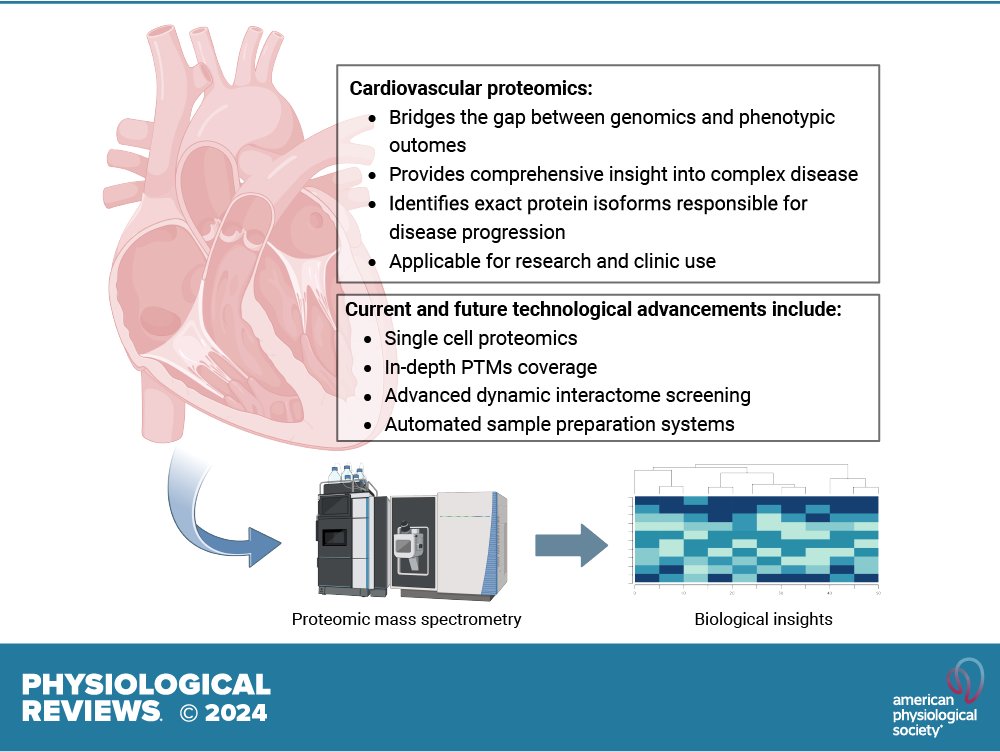
Plasma proteomic signature of frailty in 50,506 adults dlvr.it/TSQbyw
Cell Metabolism tweet media
English
1
17
56
5K
Vern Dolinsky retweetledi
Elias Al
Elias Al@iam_elias1·
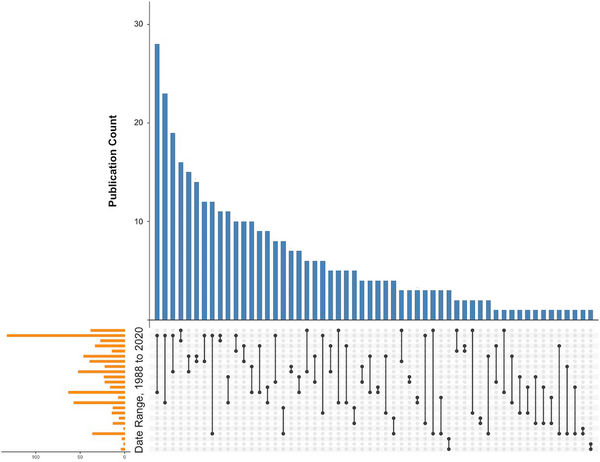
The medical research you trust to keep you healthy is being manufactured by machines. Not peer reviewed. Not replicated. Not even based on real analysis. Just AI-assisted paper mills churning out thousands of studies that look legitimate, pass basic editorial checks, and enter the scientific record — where they will be cited, built upon, and eventually inform the treatment recommendations your doctor reads. A study published in PLOS Biology on May 8, 2025 — by researchers from the University of Surrey, Aberystwyth University, and the University of Bristol — documented what is happening to one of the most widely used health databases in the world. The US National Health and Nutrition Examination Survey. NHANES. A massive, freely available, AI-ready dataset containing health records from tens of thousands of Americans. The source data behind thousands of nutrition studies, disease risk analyses, and clinical recommendations. The systematic search strategy used here identified an average of 4 papers per annum from 2014 to 2021, but 190 in 2024 — up to October 9 alone. Four papers a year to 190 in ten months. Many post-2021 papers used a superficial and oversimplified approach to analysis, focusing on a single variable while ignoring more realistic multi-factor explanations. Here is the technique one researcher described with brutal clarity: "Imagine you're trying to pass an exam that has a particular pass rate, and you add as many questions as you want. You see which ones you got right, and you remove the ones that you got wrong. That's basically what they're doing." You run AI through every possible combination of variables in the dataset. Thousands of combinations. Some will produce a statistically significant result by pure chance. You publish those. You hide the rest. It looks like a finding. It gets past peer review. It enters the scientific record. This is called p-hacking. AI has industrialized it. The rise is entirely driven by papers from China, and there is evidence that some are being produced by paper-mill-like factories using AI. Paper mills are companies that produce fake scientific papers to order. A researcher — or a student, or a hospital administrator trying to meet publication quotas — pays for a paper. The mill produces it. AI has made the mill faster, cheaper, and harder to detect. The implications for public health are not hypothetical. Every systematic review — the gold standard of medical evidence used to produce clinical guidelines — draws from the published literature. If that literature contains thousands of AI-generated, statistically manipulated studies that claim associations between health conditions and dietary factors, environmental exposures, or medications — those false associations get pooled into the review. The review shapes the guideline. The guideline shapes what your doctor recommends. The scientific literature is at risk of becoming flooded with papers that make misleading health claims based on openly available data that are easy to process using artificial intelligence tools. (Leanware) That warning was published in May 2025. The flood has not slowed. Source: Suchak, Aliu, Harrison, Zwiggelaar, Geifman, Spick · University of Surrey + Aberystwyth University · PLOS Biology · May 8, 2025 · doi.org/10.1371/journa…
Elias Al tweet media
English
28
30
89
5.3K
Vern Dolinsky retweetledi
Michael Mindrum, MD
Michael Mindrum, MD@MichaelMindrum·
Why does cardiovascular risk of obesity persist for years despite weight loss? Why is it obesity so difficult to treat? We know the brain "defends" against weight loss via neuro-hormonal mechanisms back toward a previous state. --Adipocytes also carry memory of obesity (Hinte 2024). --So do adipose macrophages (Miranda 2025). 🆕 paper in EMBO Reports identifies long lasting memory in CD4 T cells. Researchers sequenced DNA methylation in CD4 memory T cells from mice on chow, mice on a high-fat diet, and mice that lost the weight on chow recovery. The recovery group's T cells retained characteristics of the obese phenotype: 104 genes methylated like the high-fat group, not the lean controls. Inflammatory effector memory cells stayed high through 5 weeks of weight loss. Six months of semaglutide in patients didn't shift them either. Some of the mechanisms identified: autophagy through STK26, immune senescence through CDKN1C. Palmitate stiffened the T cell membrane enough to alter receptor signalling and change DNA methylation downstream. The authors think it takes 5 to 10 years of sustained weight loss before the "methylome" resets. The inflammatory pathway is laid down long before obesity is treated and it lingers long after the scale moves. Obesity needs to be treated chronically, and we need to keep thinking of the disease in a deeper way that extends beyond weight loss itself. 🏁 doi.org/10.1038/s44319…
English
2
23
94
5.9K
Vern Dolinsky retweetledi
Clair Crewe
Clair Crewe@CreweLab·
The Crewe lab is looking for a postdoc to study adipose extracellular vesicle signaling in cardiovascular disease. Send me an email if you are interested!
English
2
26
35
4.1K