Wrath Of Gnon@wrathofgnon
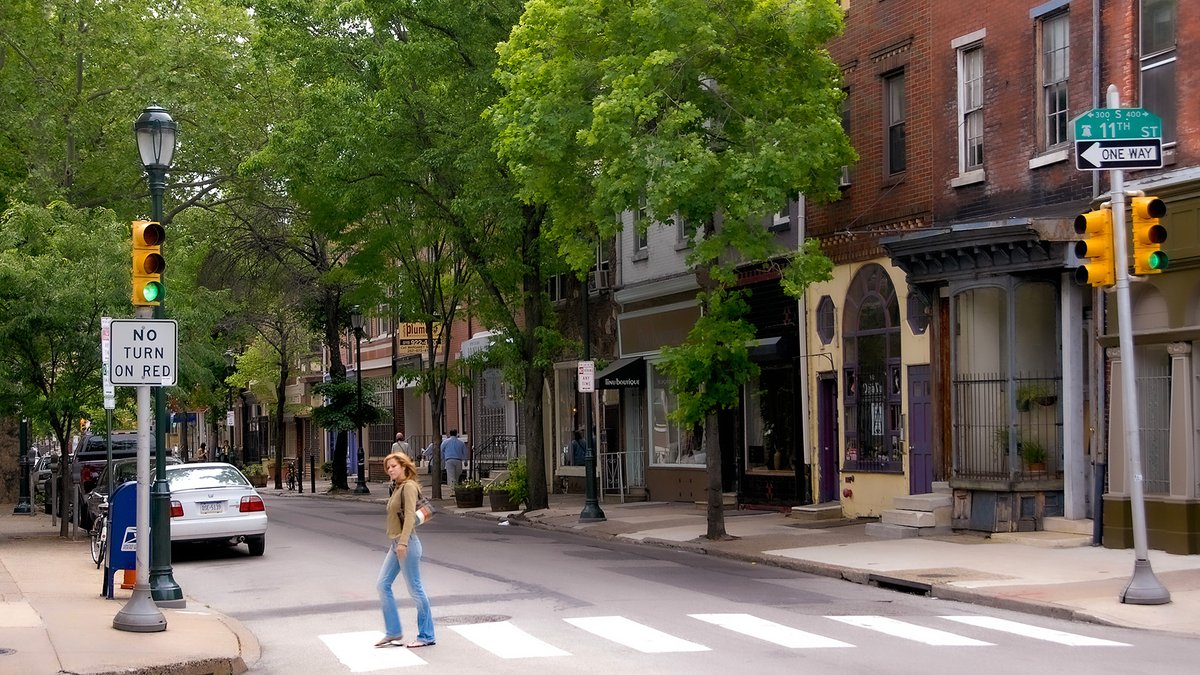
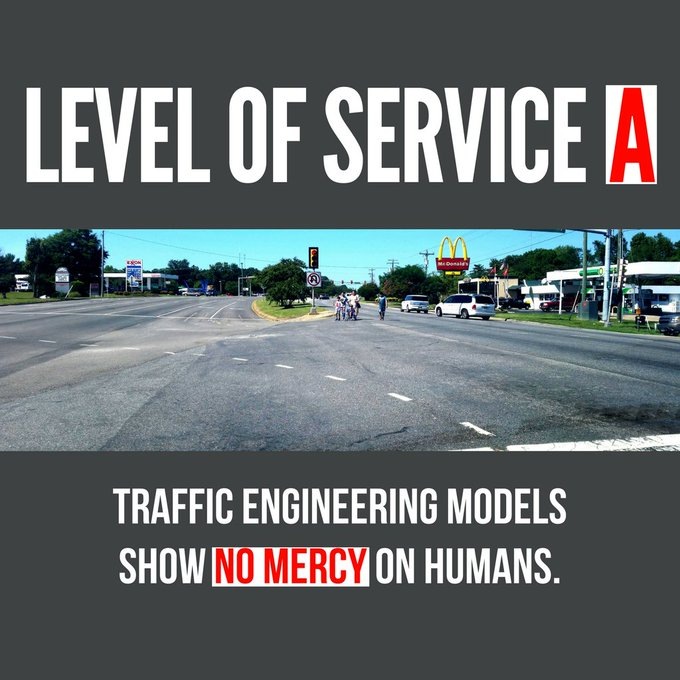
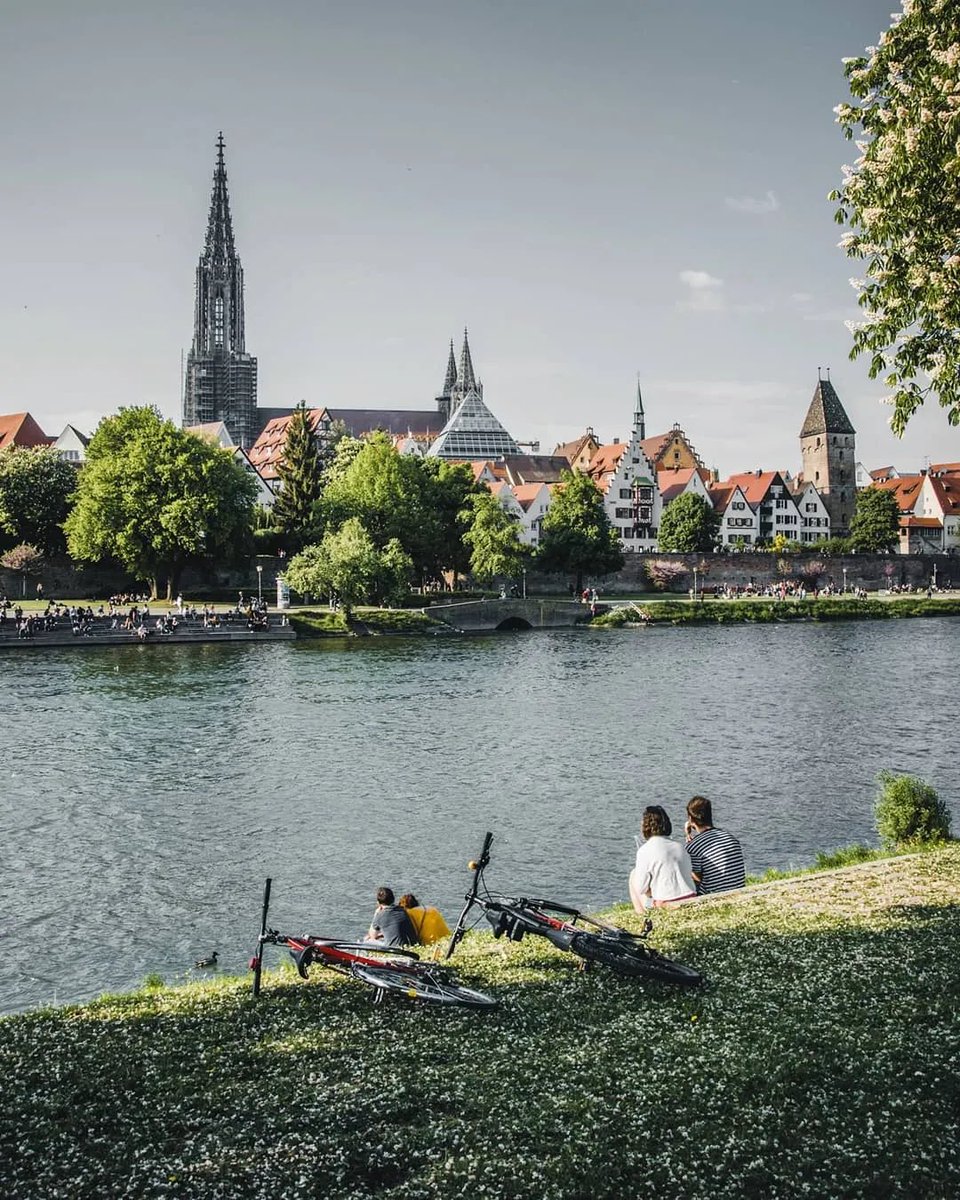
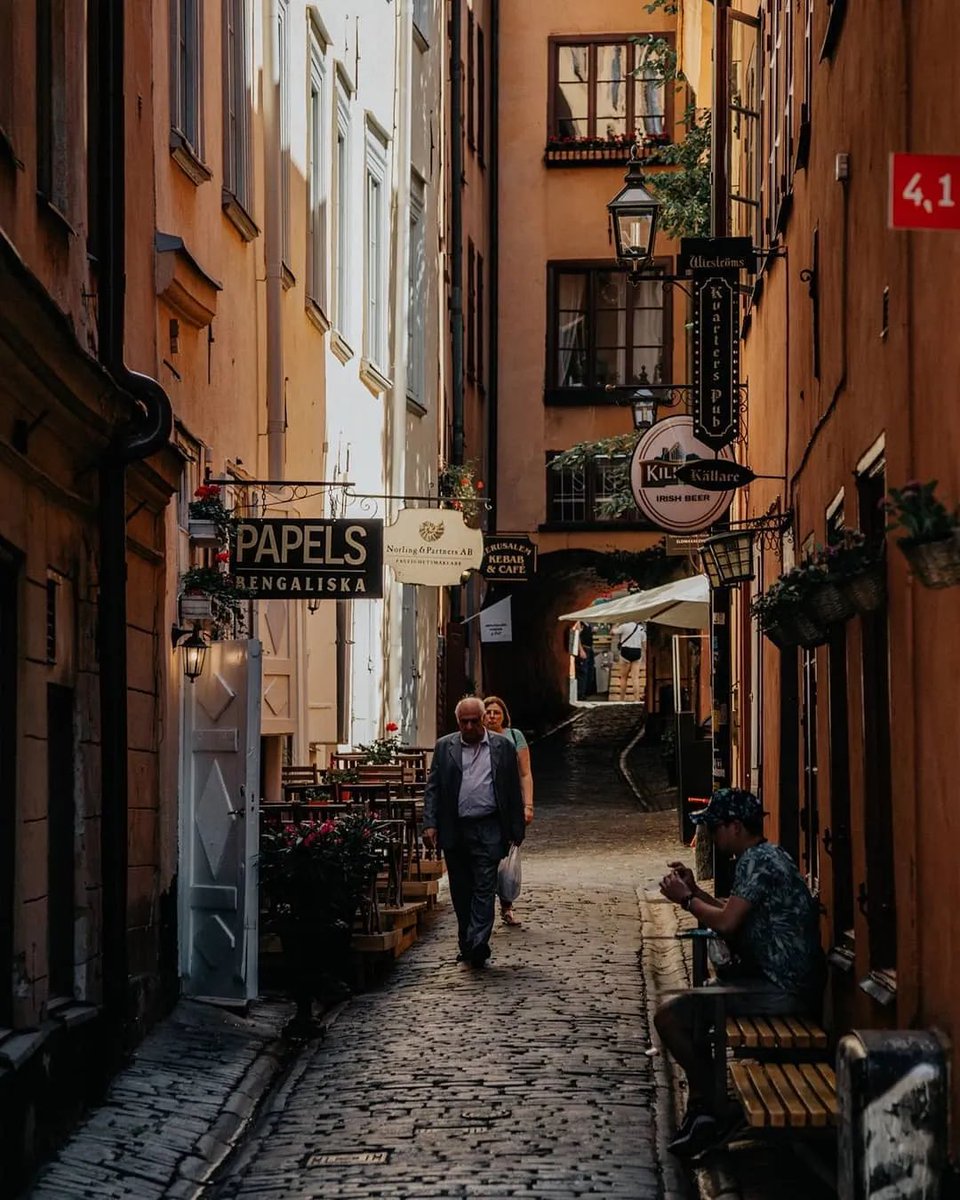
"Most modern towns and cities devote somewhere between 25-60% to parking lots and access roads to these parking lots. Mandatory parking and even more so, mandatory driving and mandatory commuting, makes every new building or home built a new headache for the people who already live there. In a human scaled town, a two story apartment building getting three more floors means more neighbors, more life in the street, new faces in the local taverna, more customers in your barber shop, more potential team mates for your kid’s soccer team. It could also mean more tax income to fund your local library, more people to join your Veteran’s Association or Bird Watching Club or Volunteer Ambulance Crews. And on the other side…
In an un-human scaled town, a new apartment buildings means swathes of new parking, worse air, more toxic run-off, worse floods, worse summer heat, more use of air conditioning, more cars on the streets, more crashes, more congestion, more driving to get anywhere, less places to play, less places where you can let your children roam un-supervised, less places where you can escape to nature. And what is worst: the people who live there will mostly only return home to sleep. They do their shopping somewhere else, they work somewhere else, they go to church somewhere else, they might even pay their taxes somewhere else. They are not and never will be, part of your community.
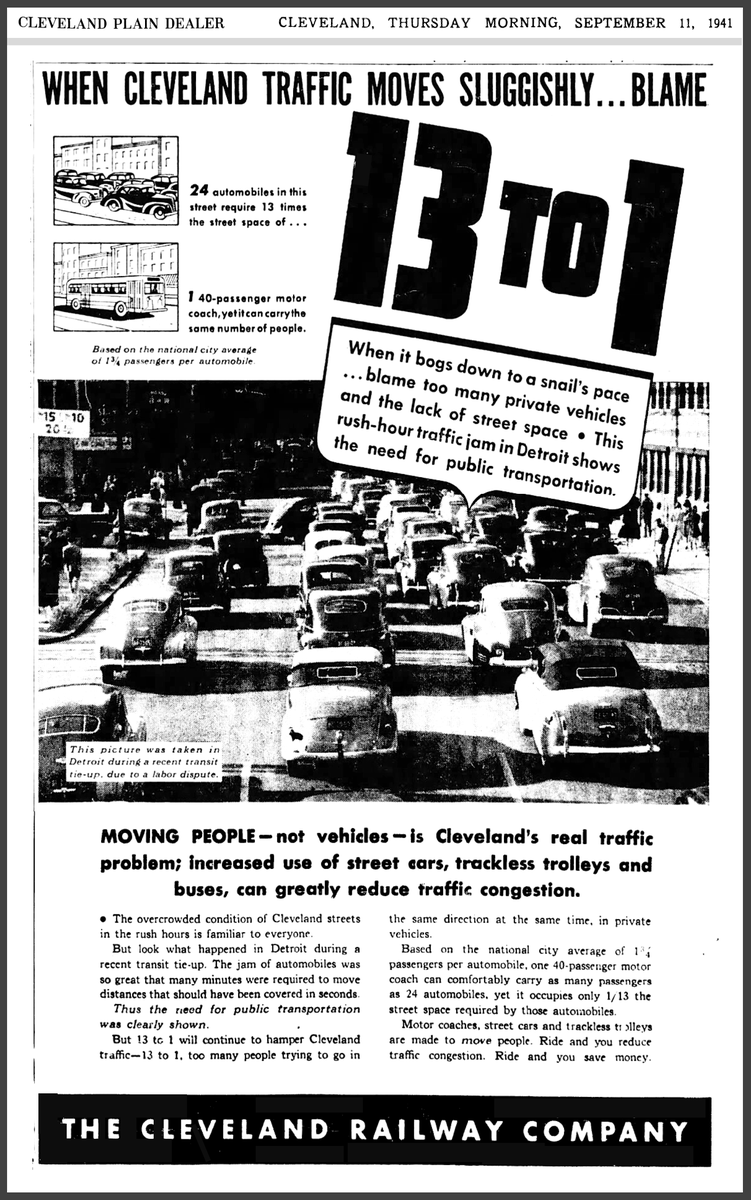
Who in their right mind wants to see new buildings go up in a town where cars rule, and streets and buses are full as it is?"
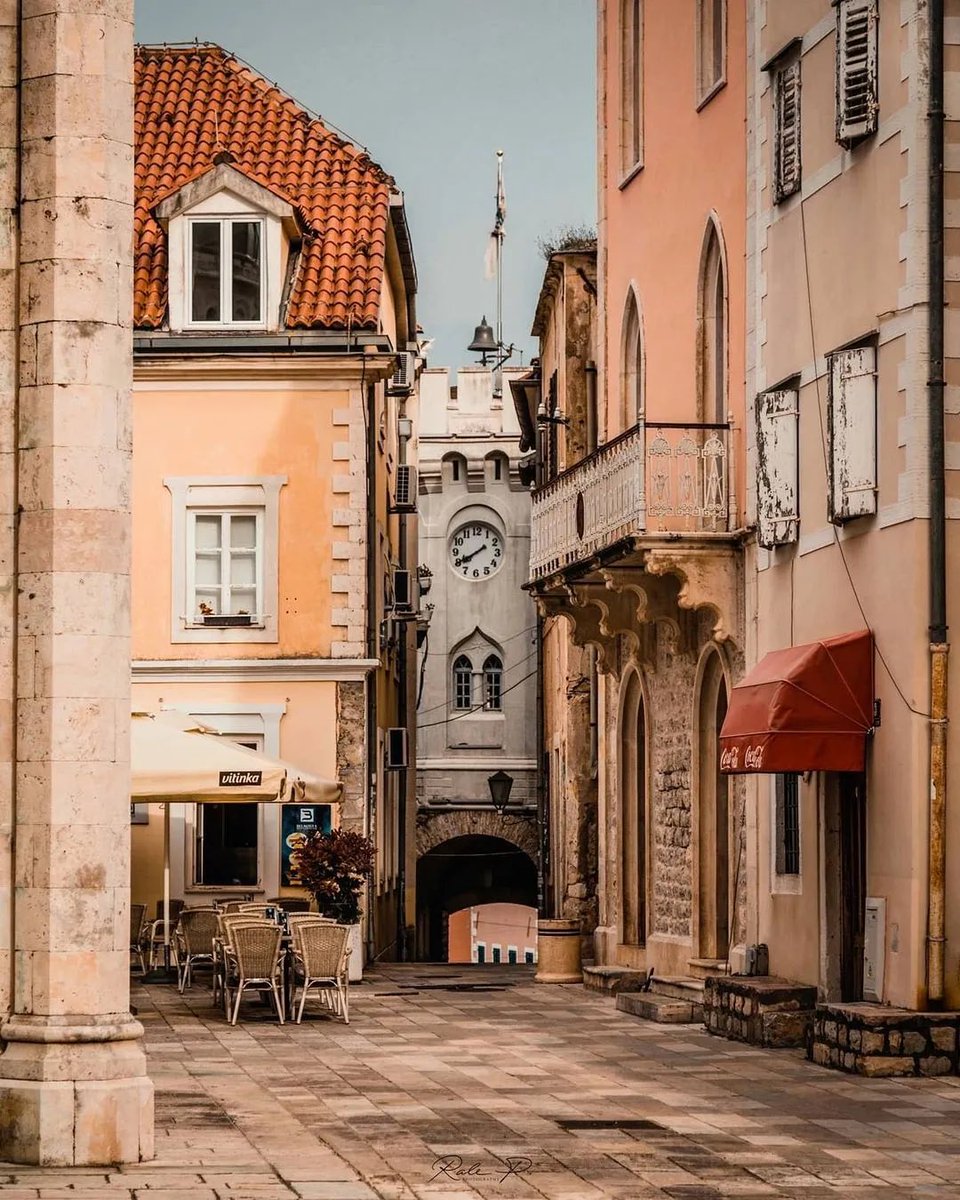
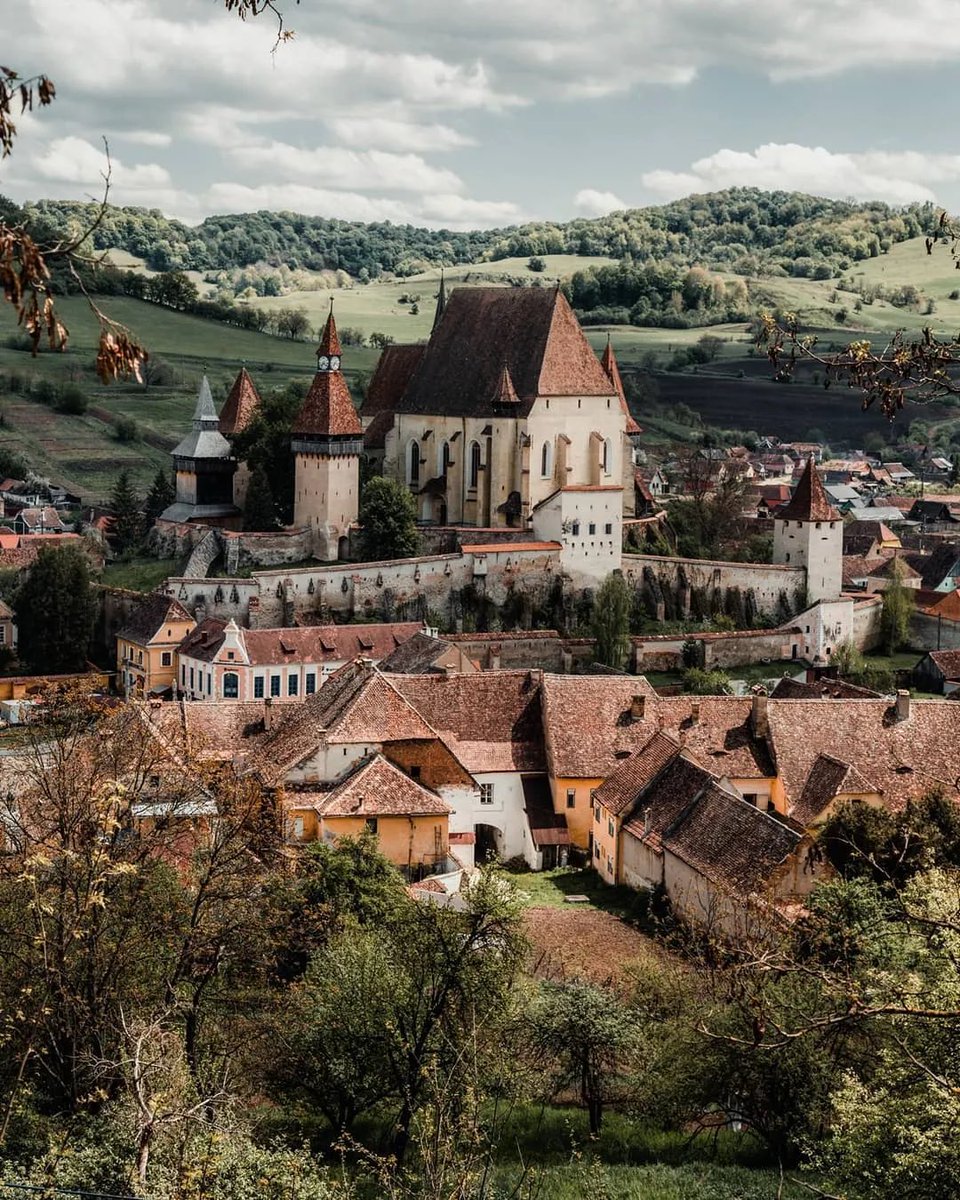
— Defining the Human Scale as it relates to town and cities: Part I (photos by Rale P.)